Japan Satsuki Bonsai Tour– Part 4

Image

  1. Image

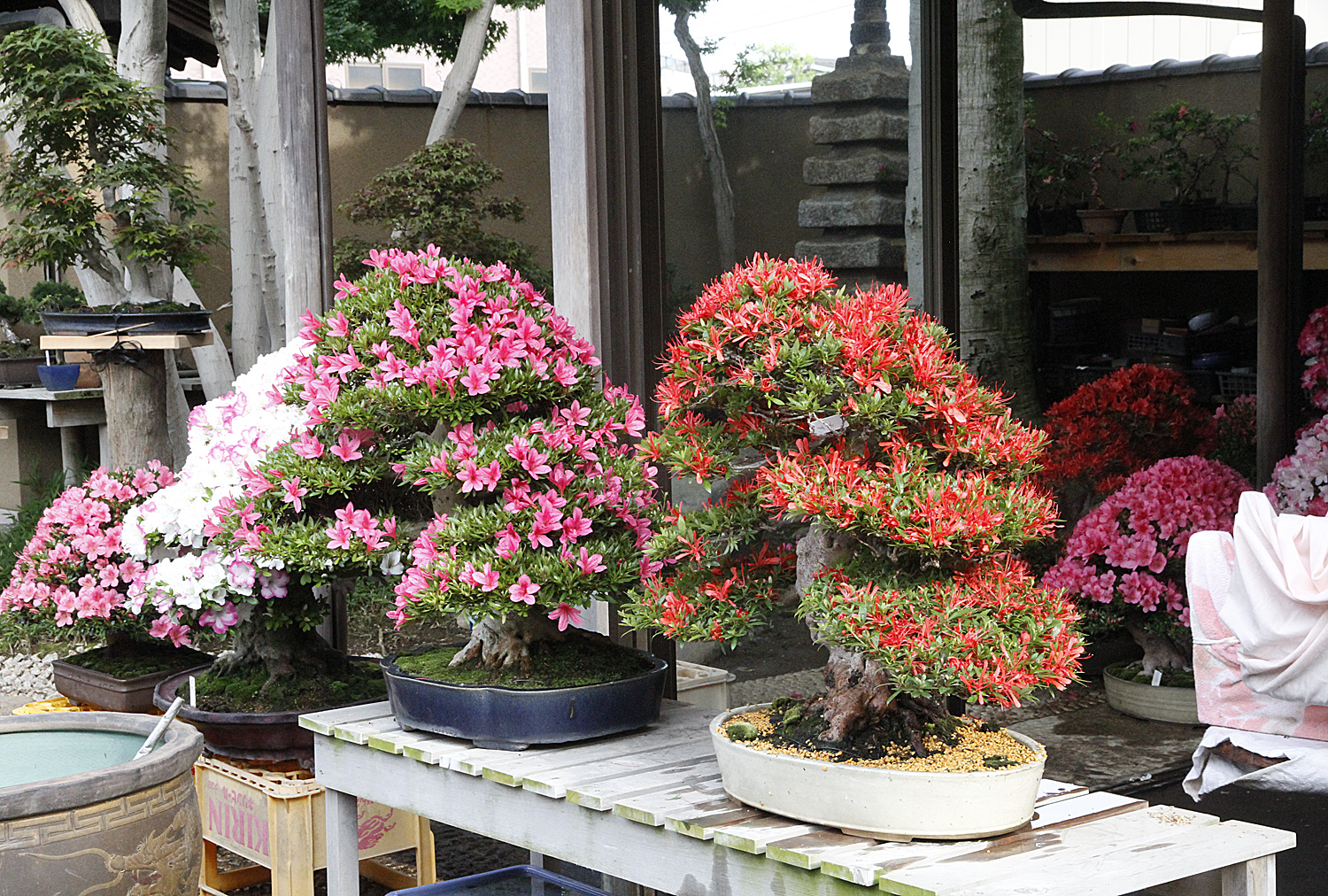
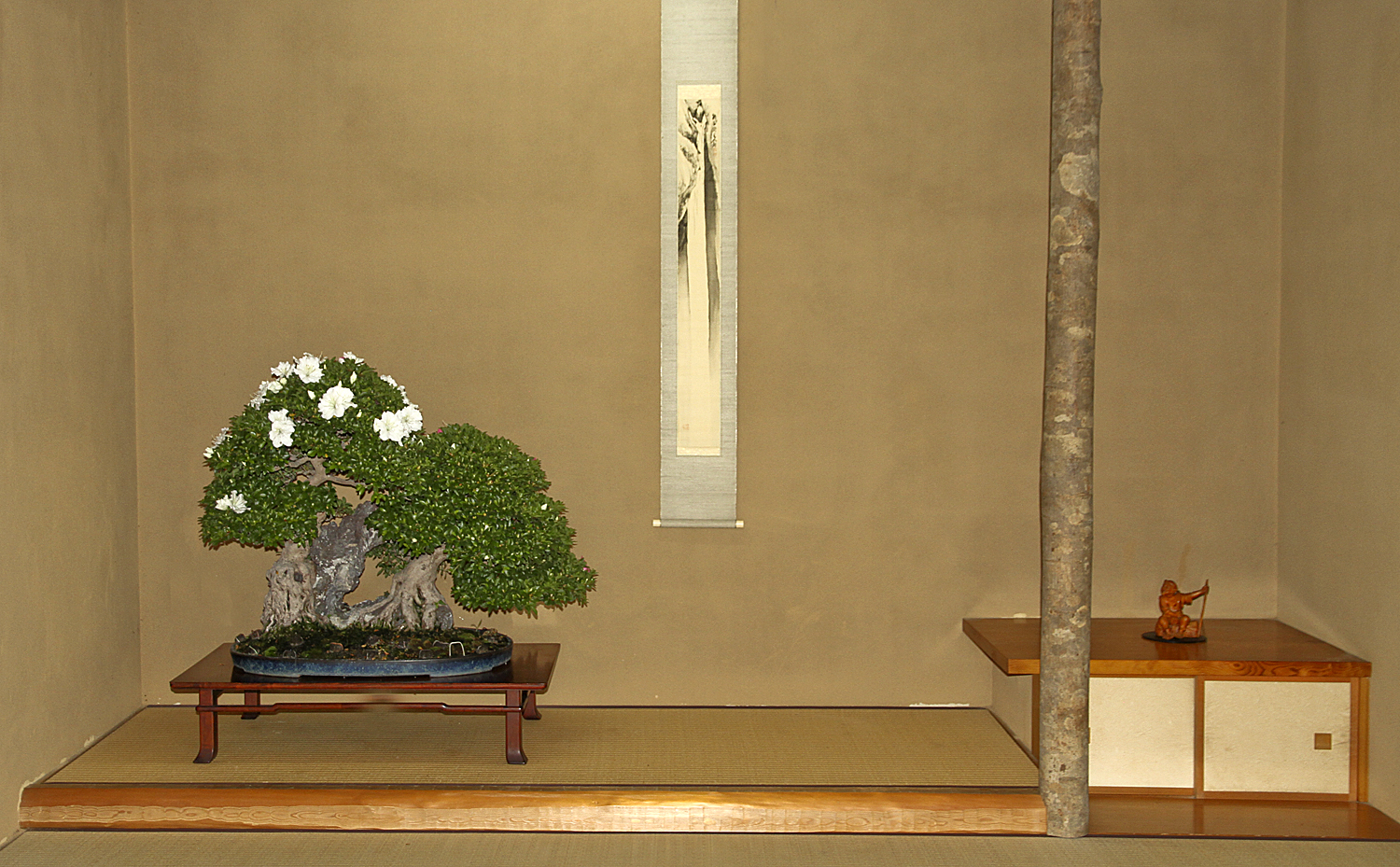
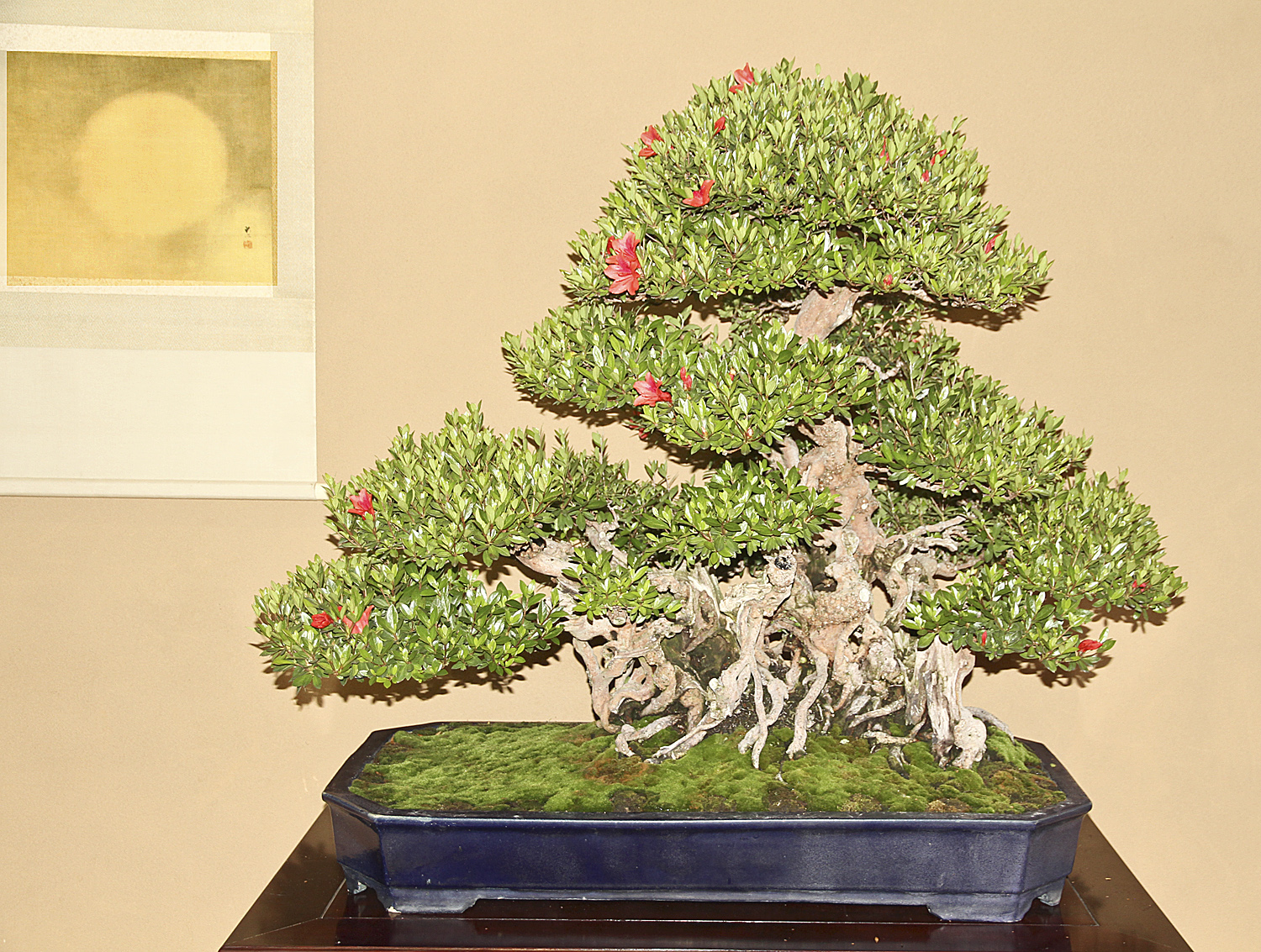
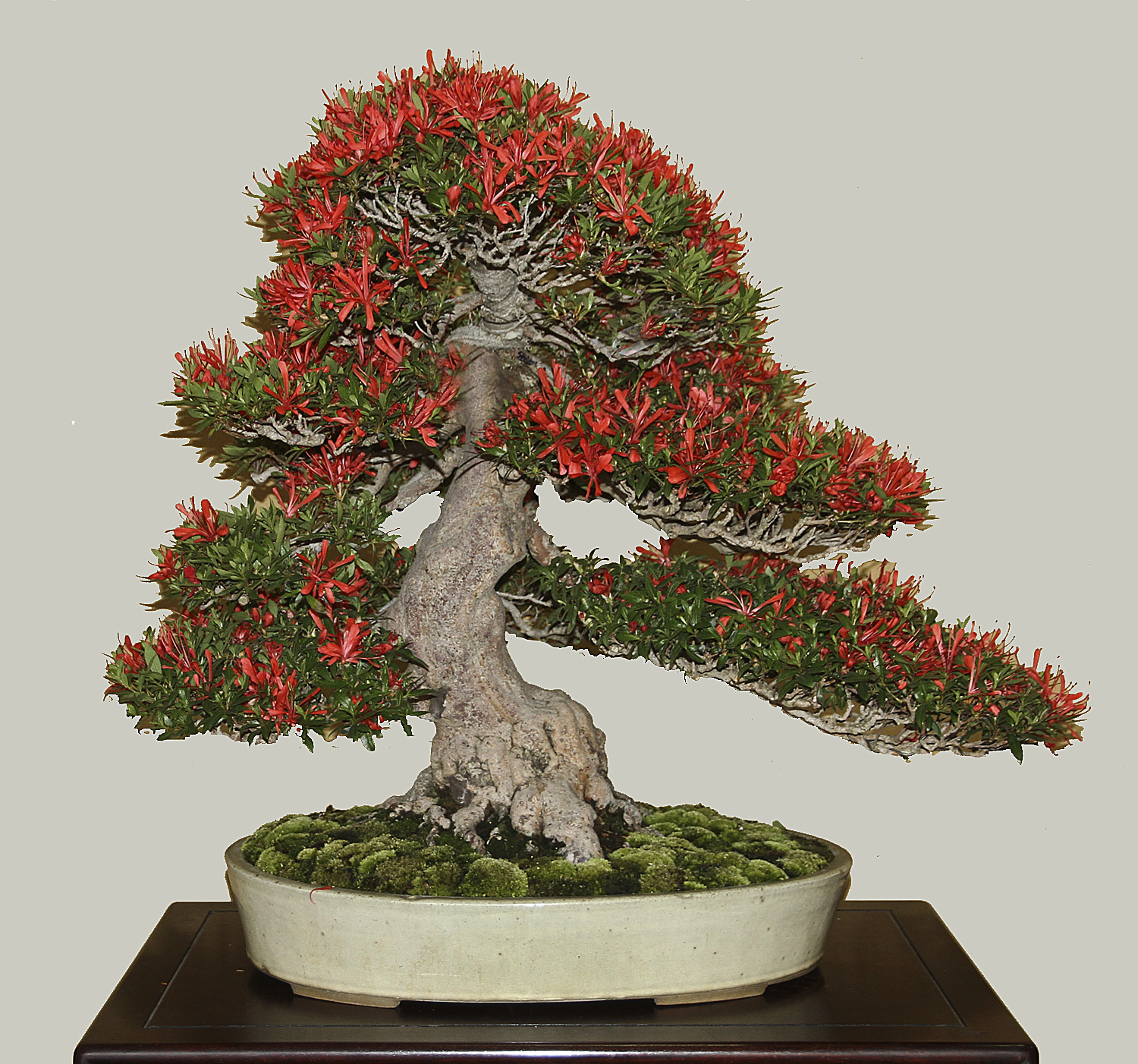
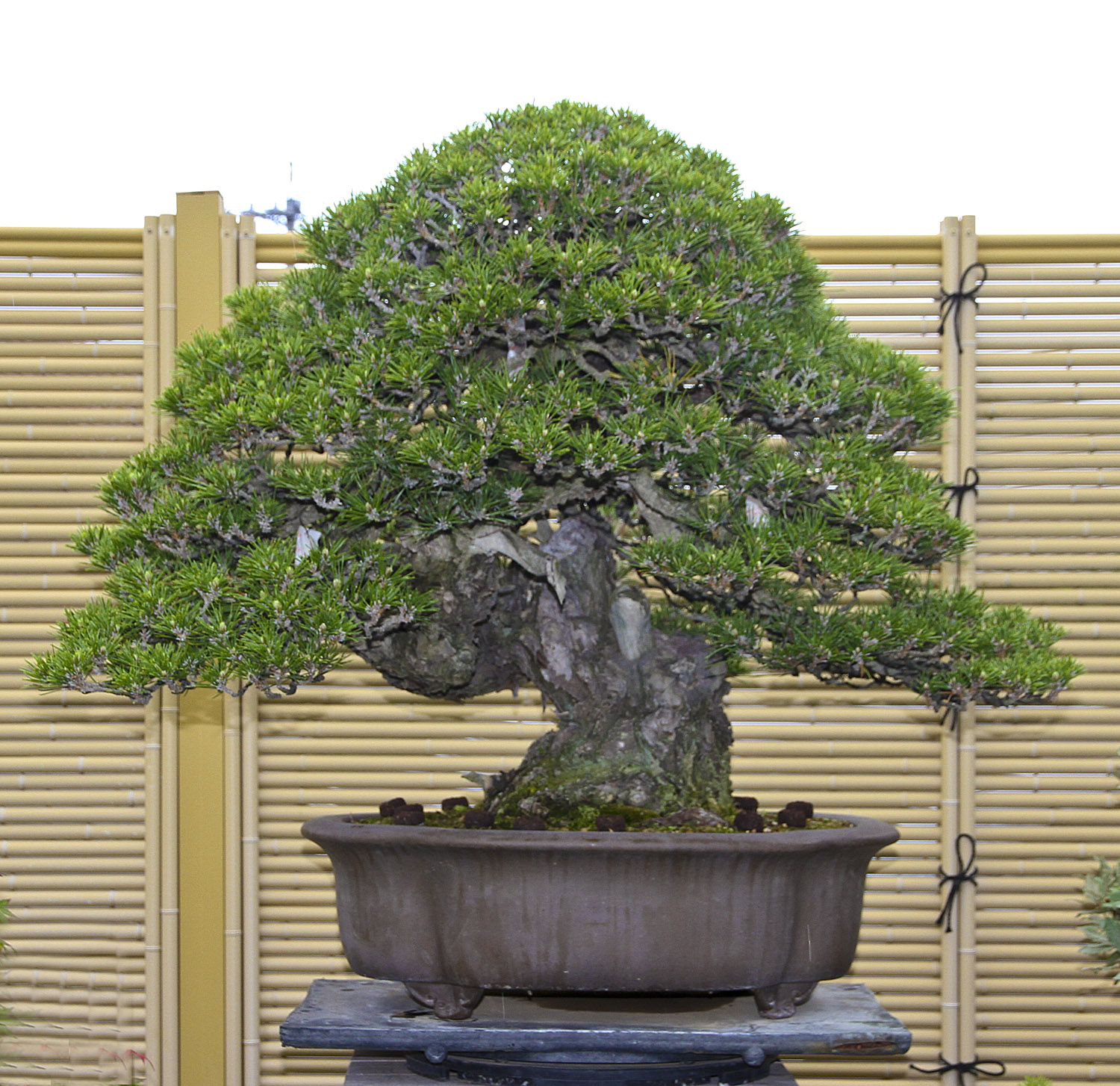
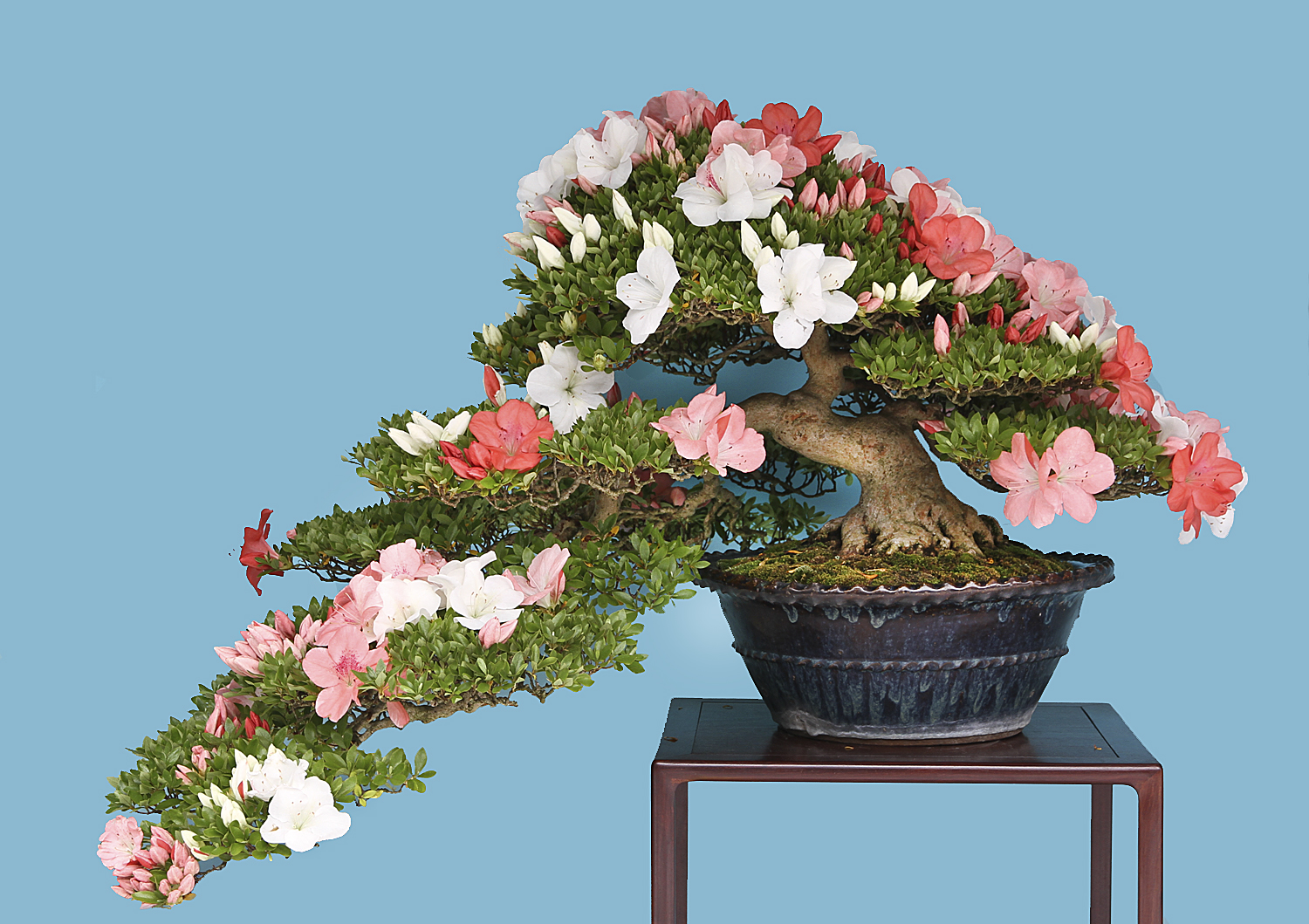
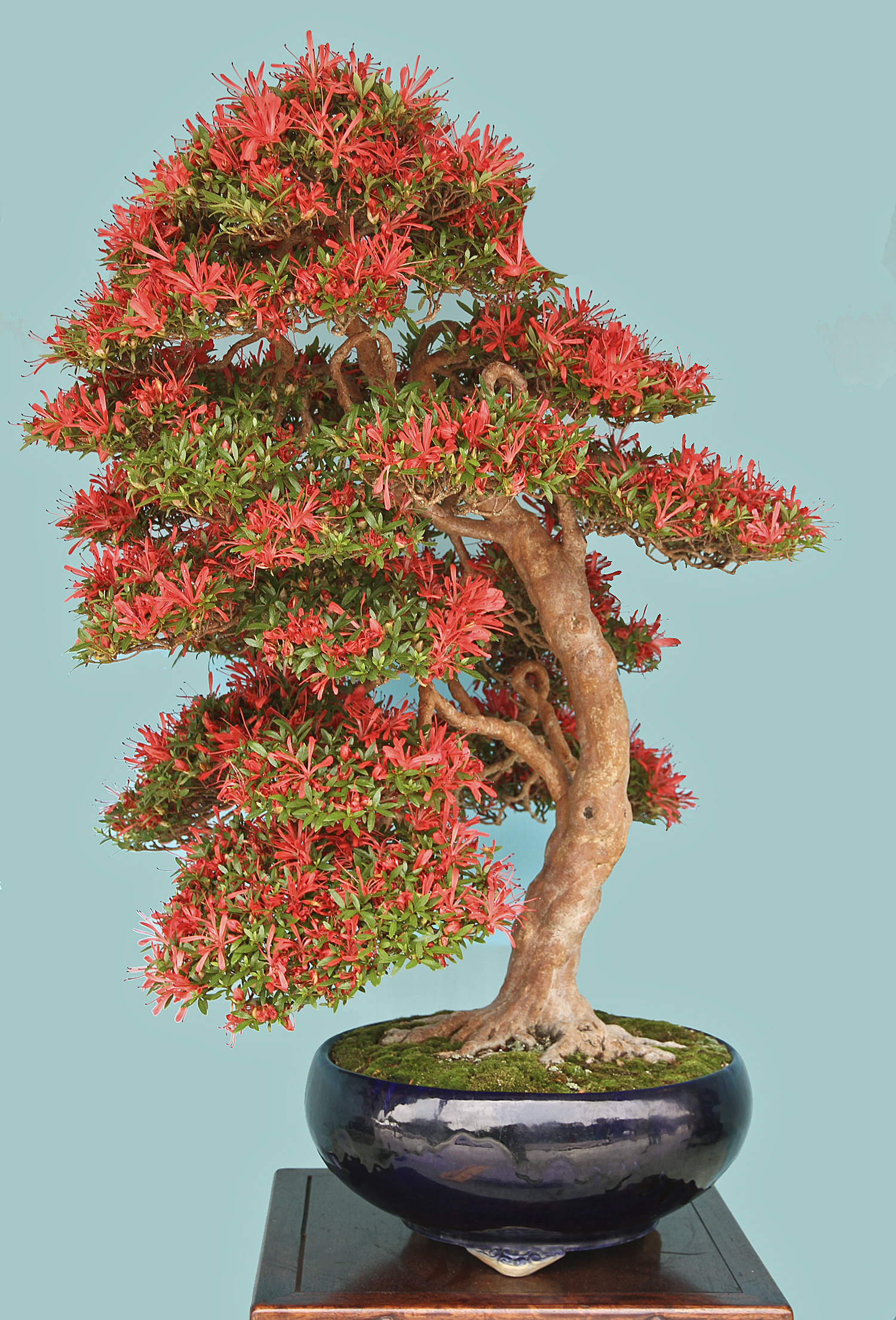
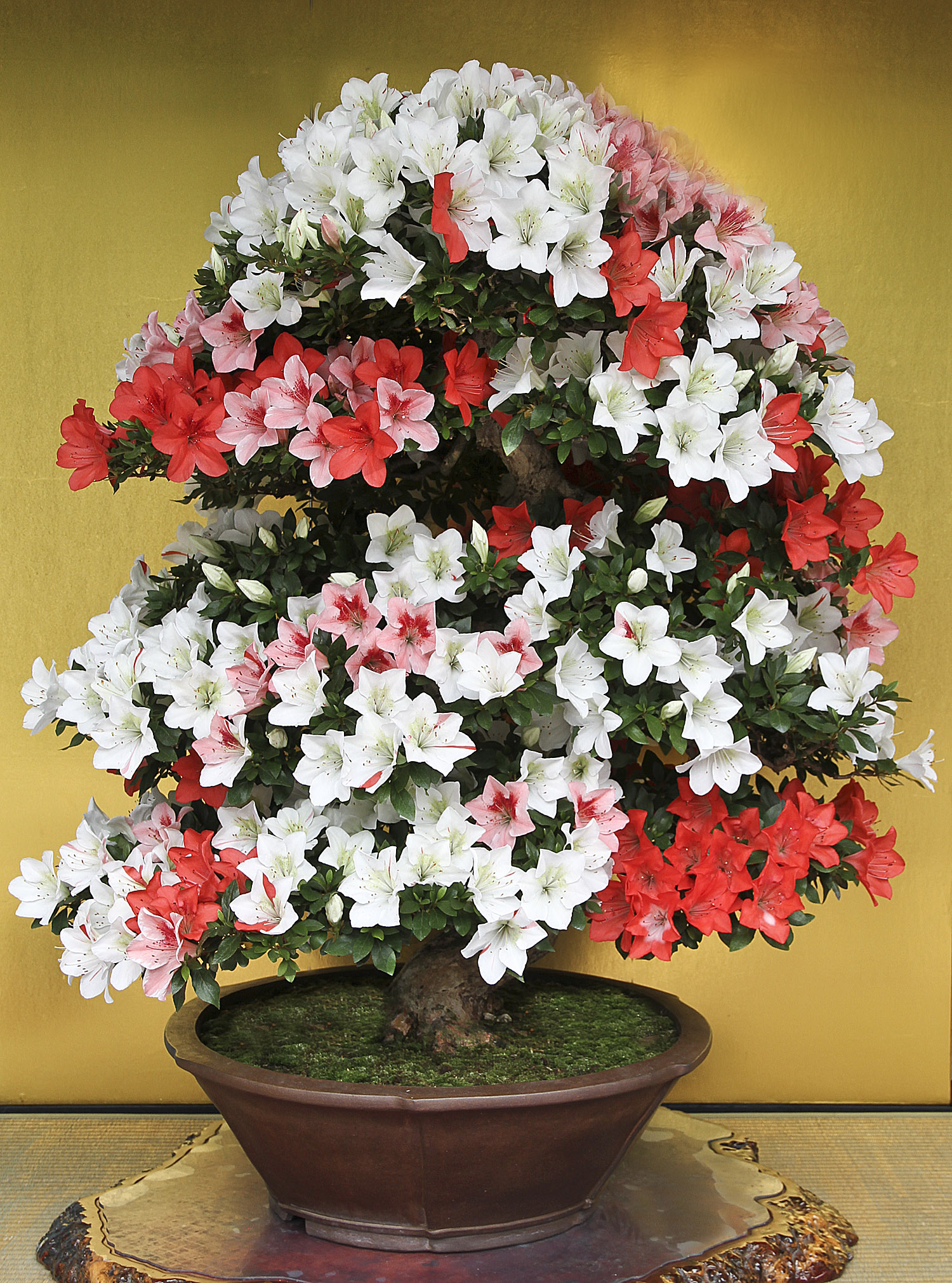
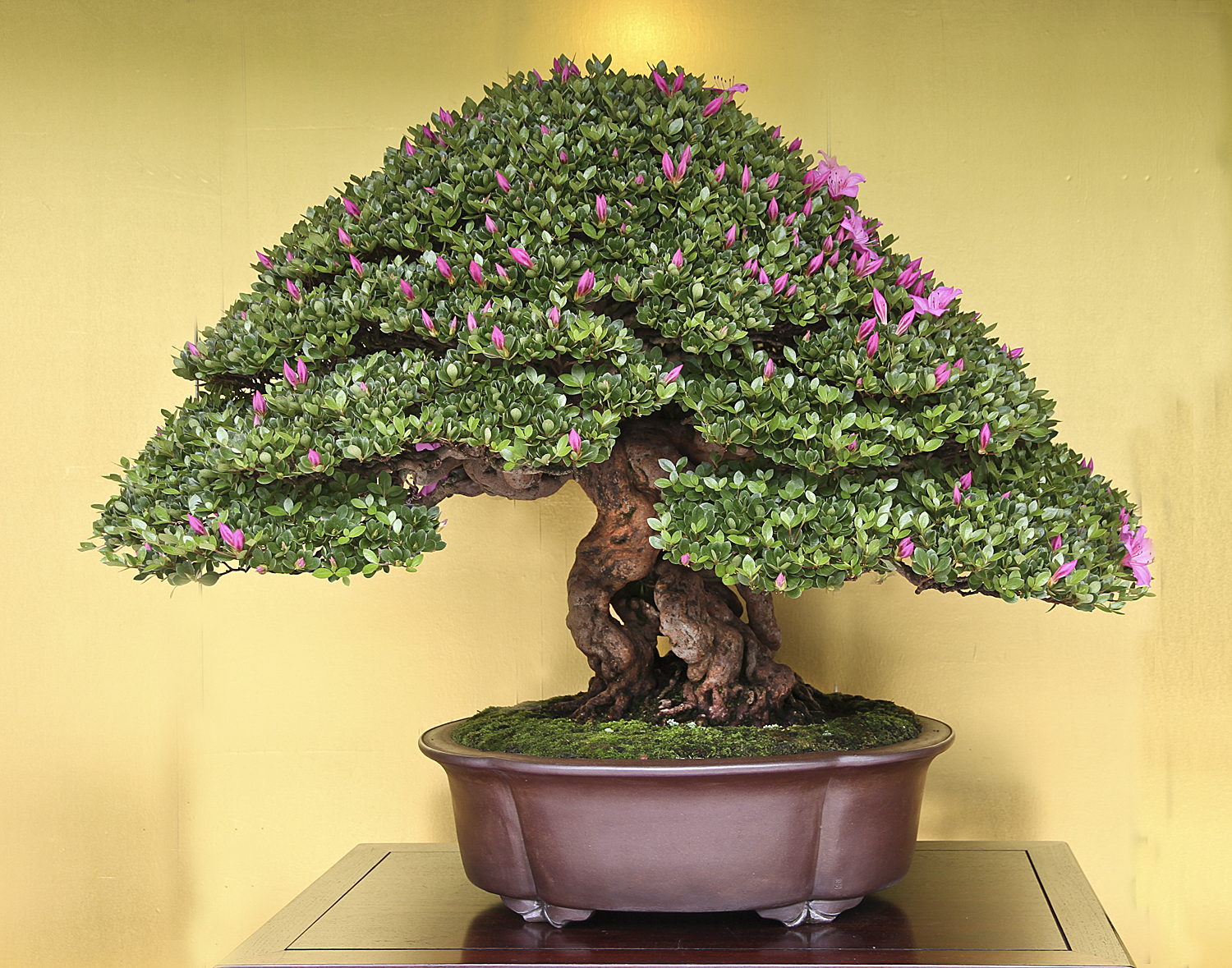
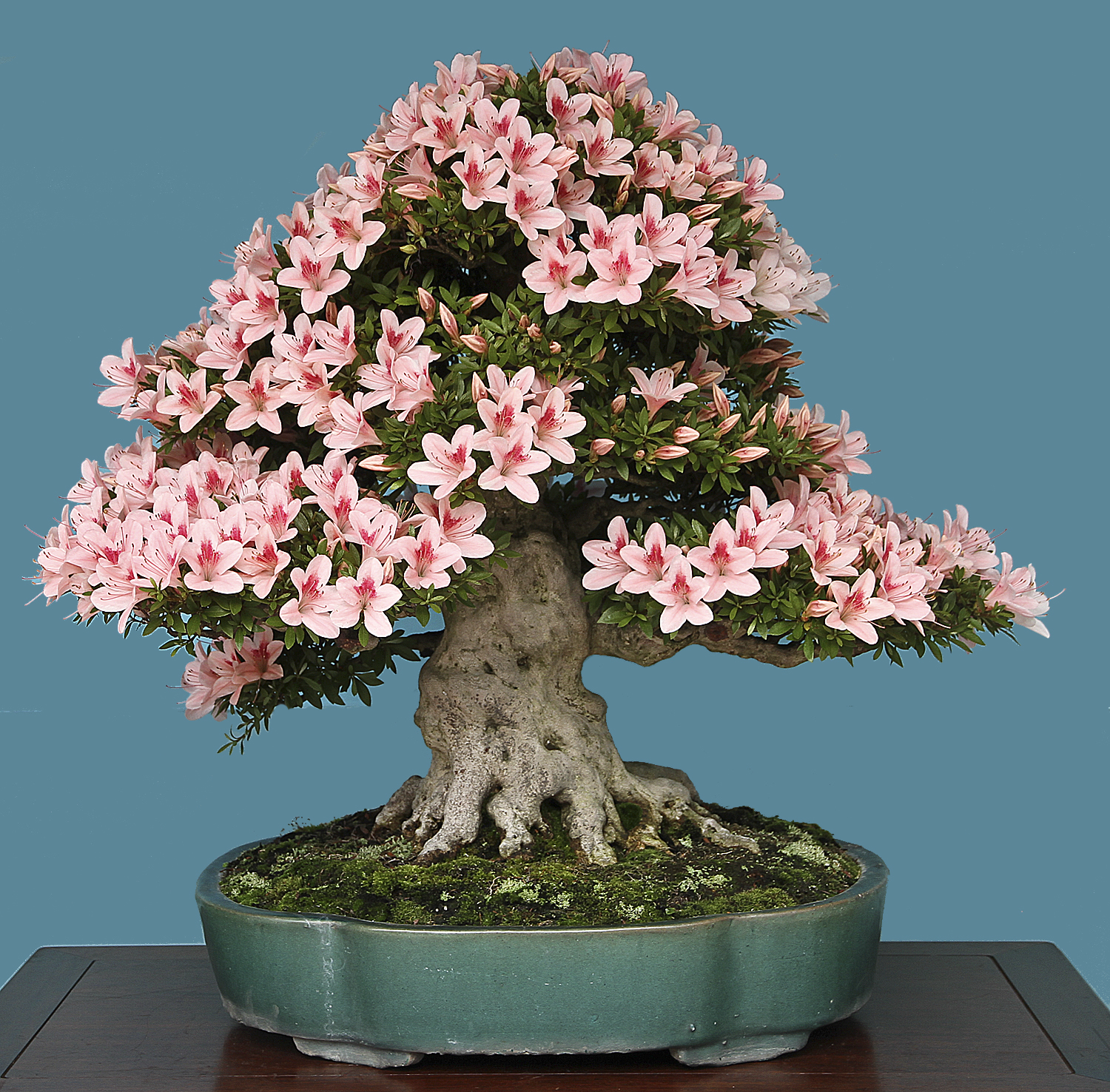
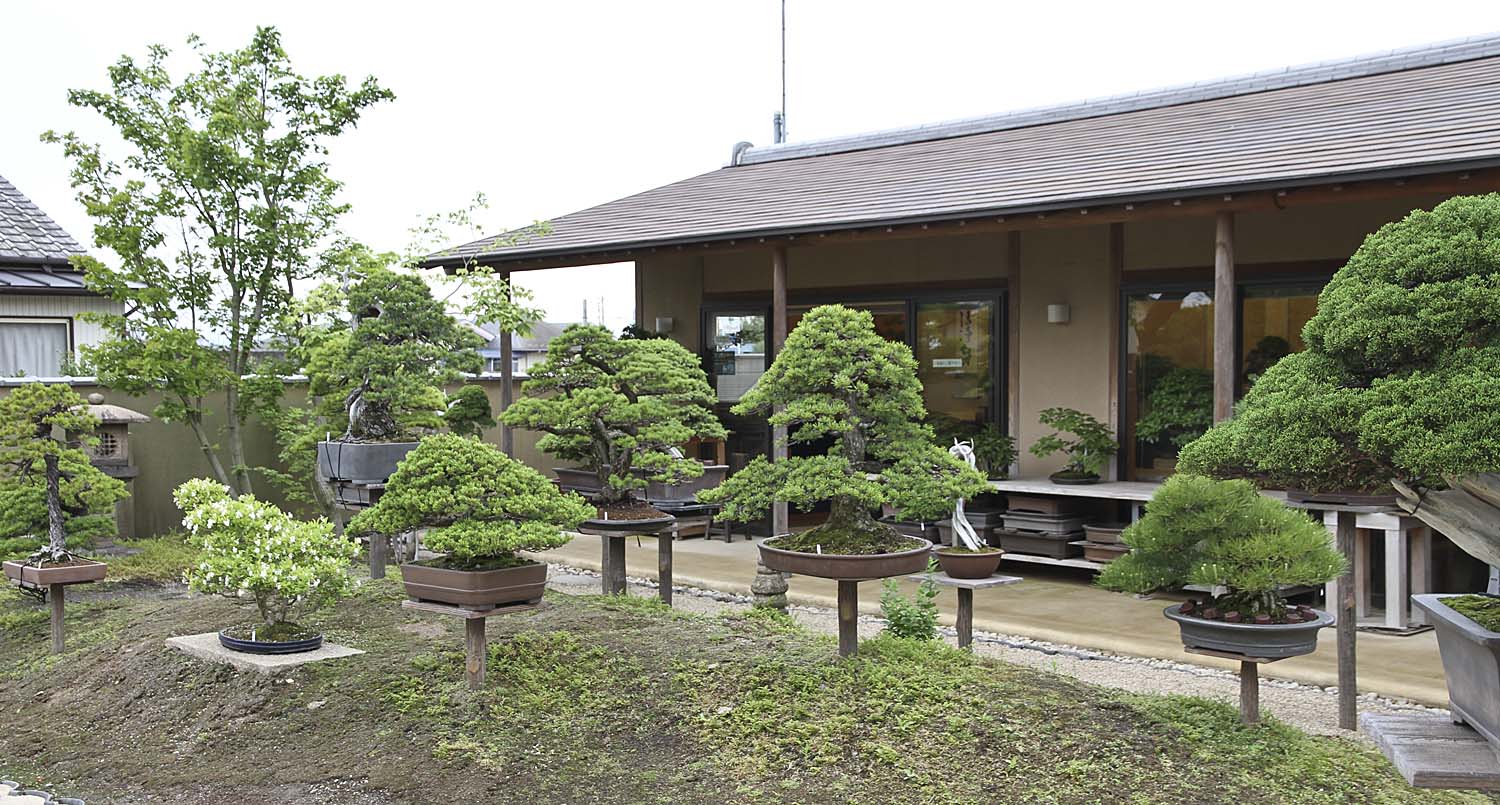
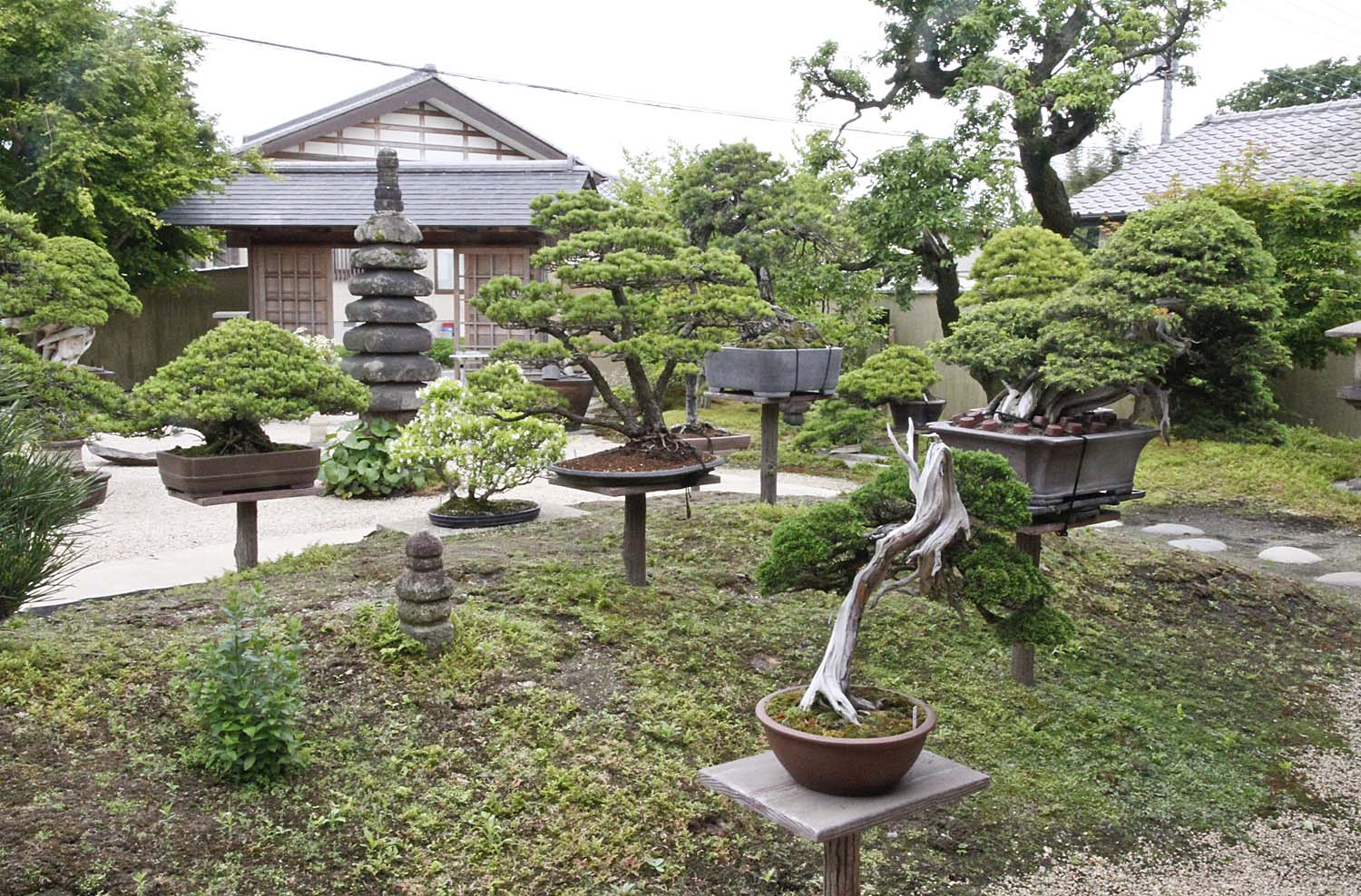
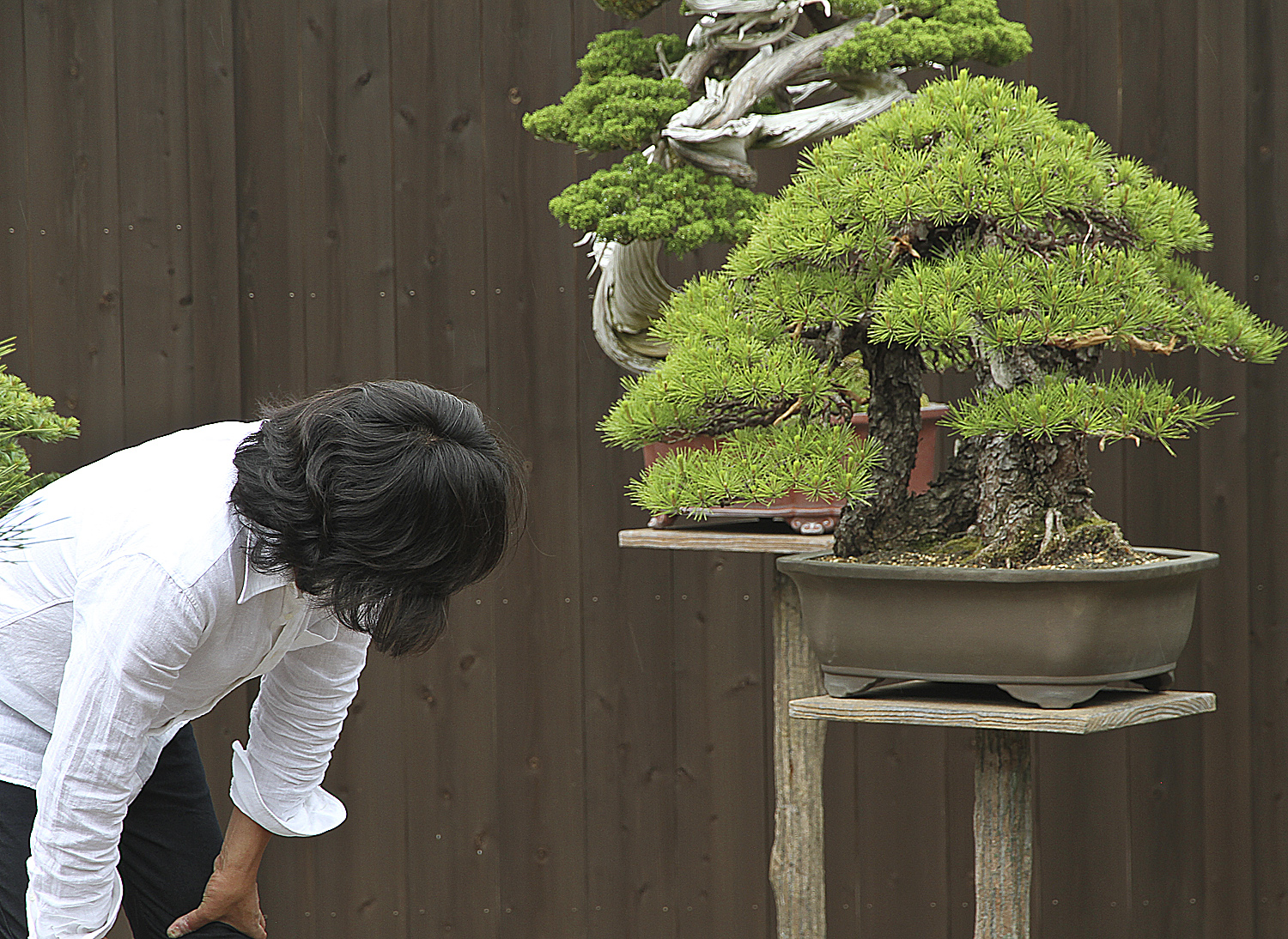
We had a long and enjoyable today, well, every day is full of beautiful bonsai, highlighting Satsuki azaleas. We took a subway and four taxis from our hotel to the Shunka-En Bonsai Museum of Kunio Kobayashi. He is well known for his award winning Japanese black pines and Satsuki azaleas. In fact, this is the first time we have visited him when he was not at his museum. He was judging a Satsuki exhibition in Yokohama and his senior apprentice Hiroyuki Suzuki was setting up another Satsuki exhibition at the Ueno Green Club– that’s one we will miss. Mrs. Kobayashi did a great job, as always welcoming us and serving us green tea.

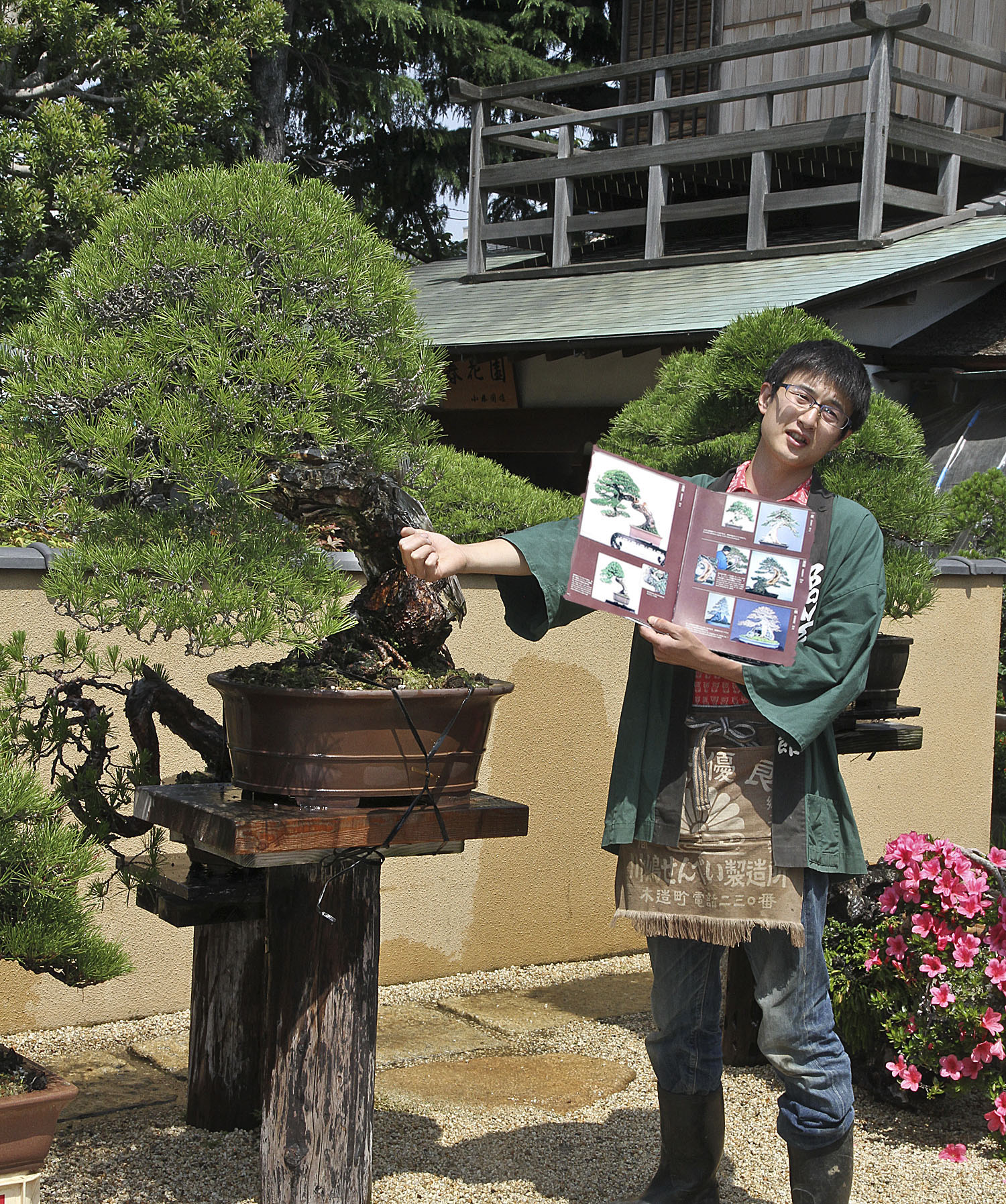
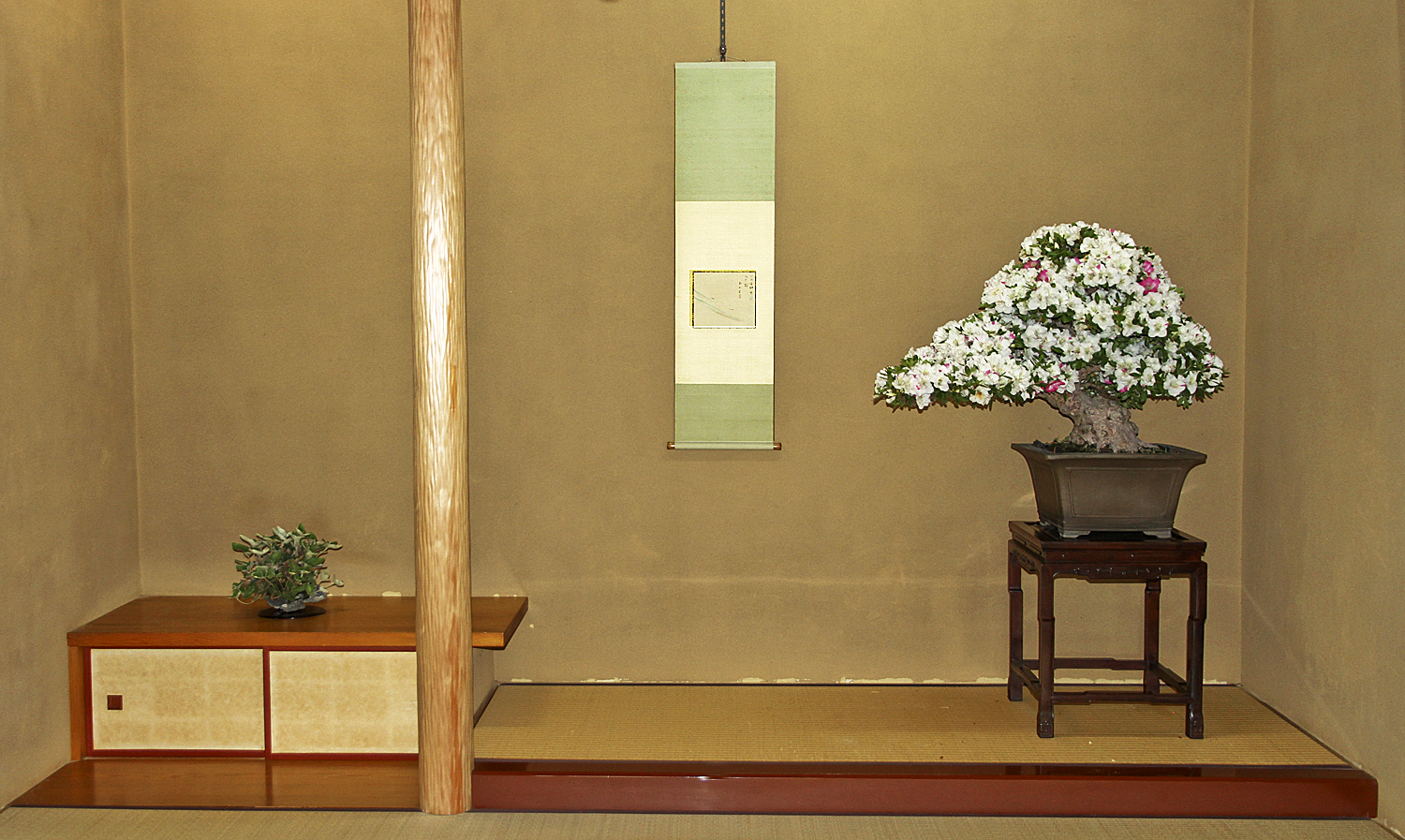
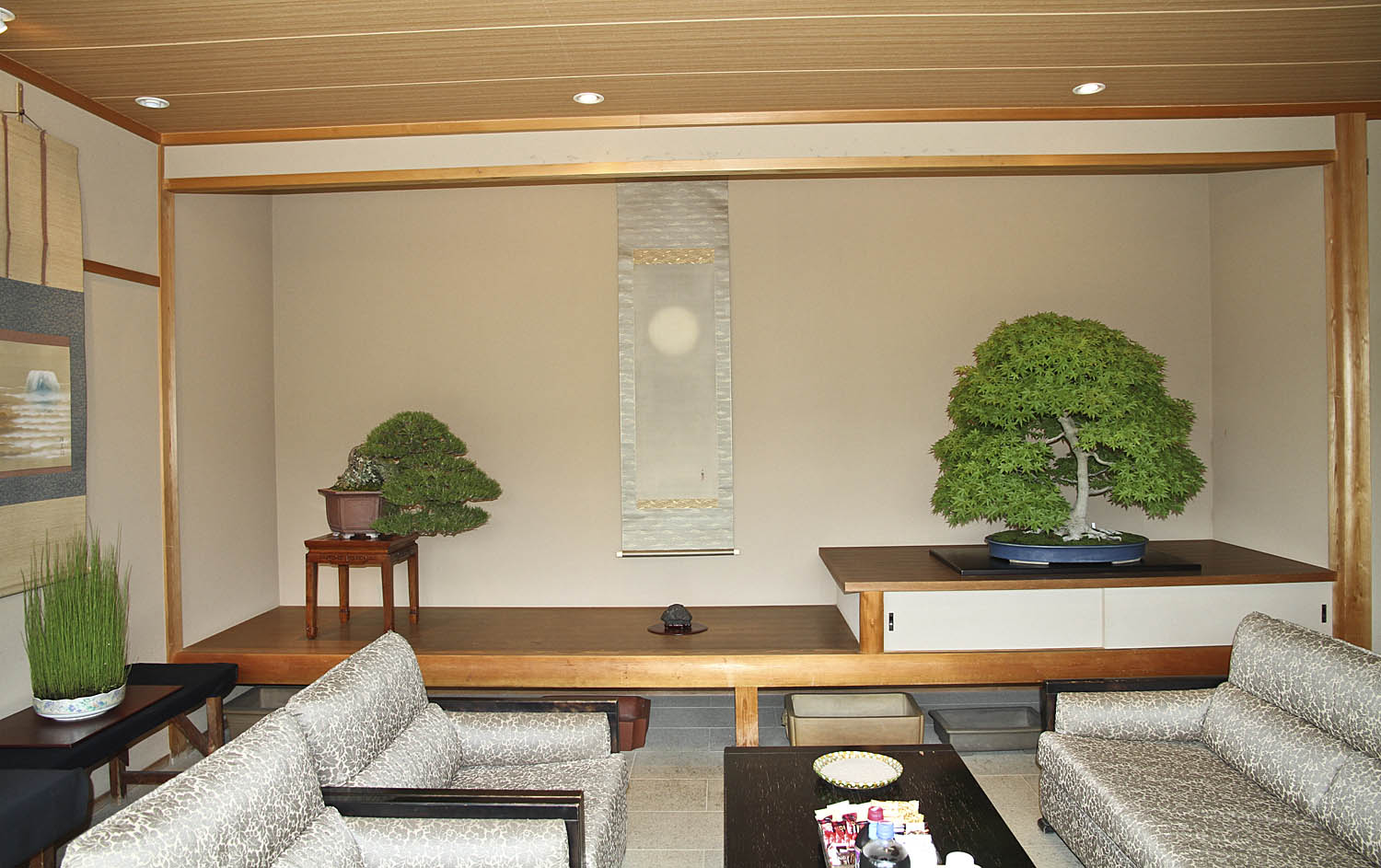
Since Peter Warren is teaching in Florida and Hiroyuki is at the Ueno Green Club we had Jin Yasufumi, who speak English, translate for us and give us a grand tour of the tokonoma displays all featuring masterpiece Satsuki. He explained many things about display, and Satsuki as well.

Image

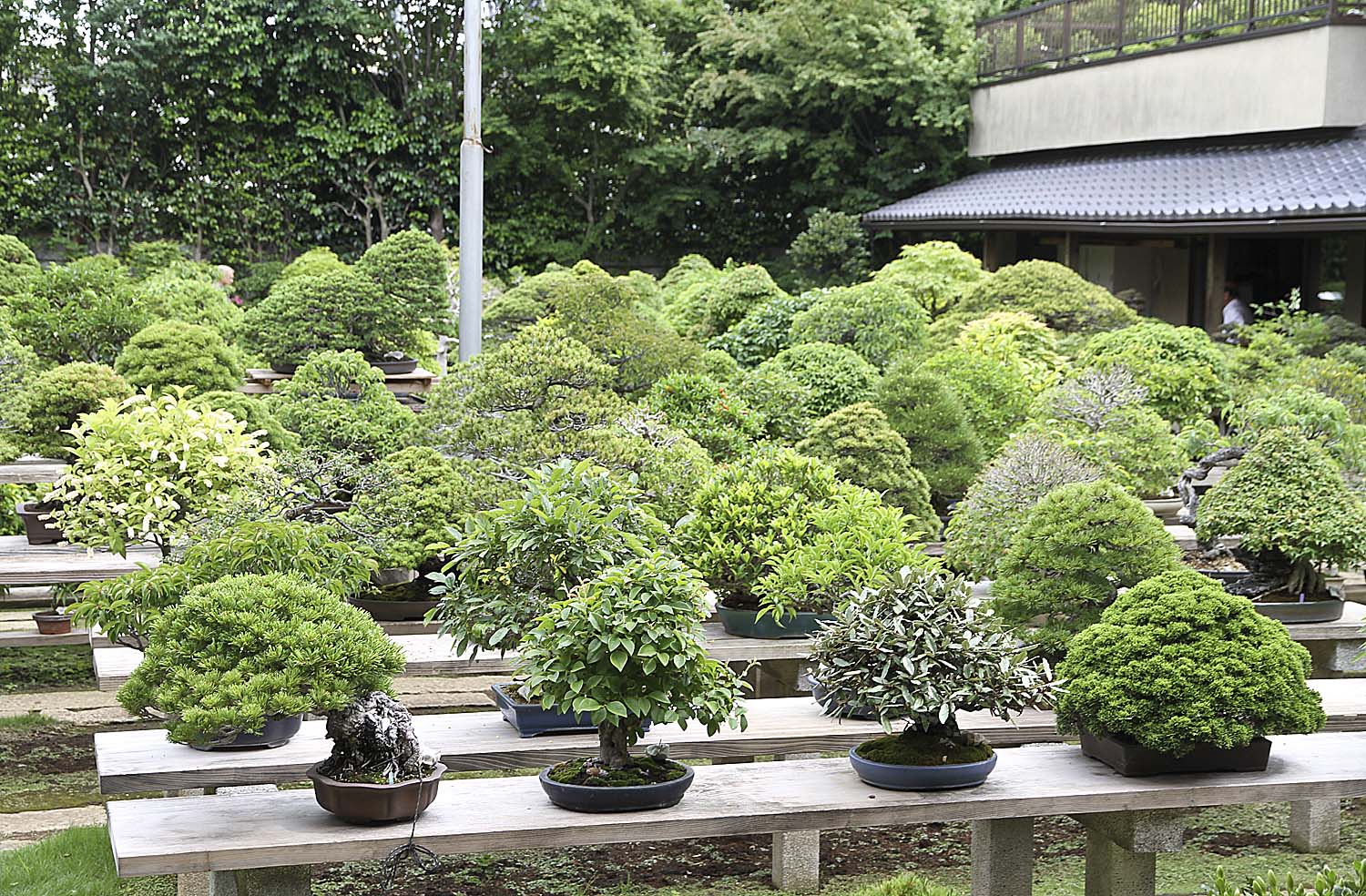
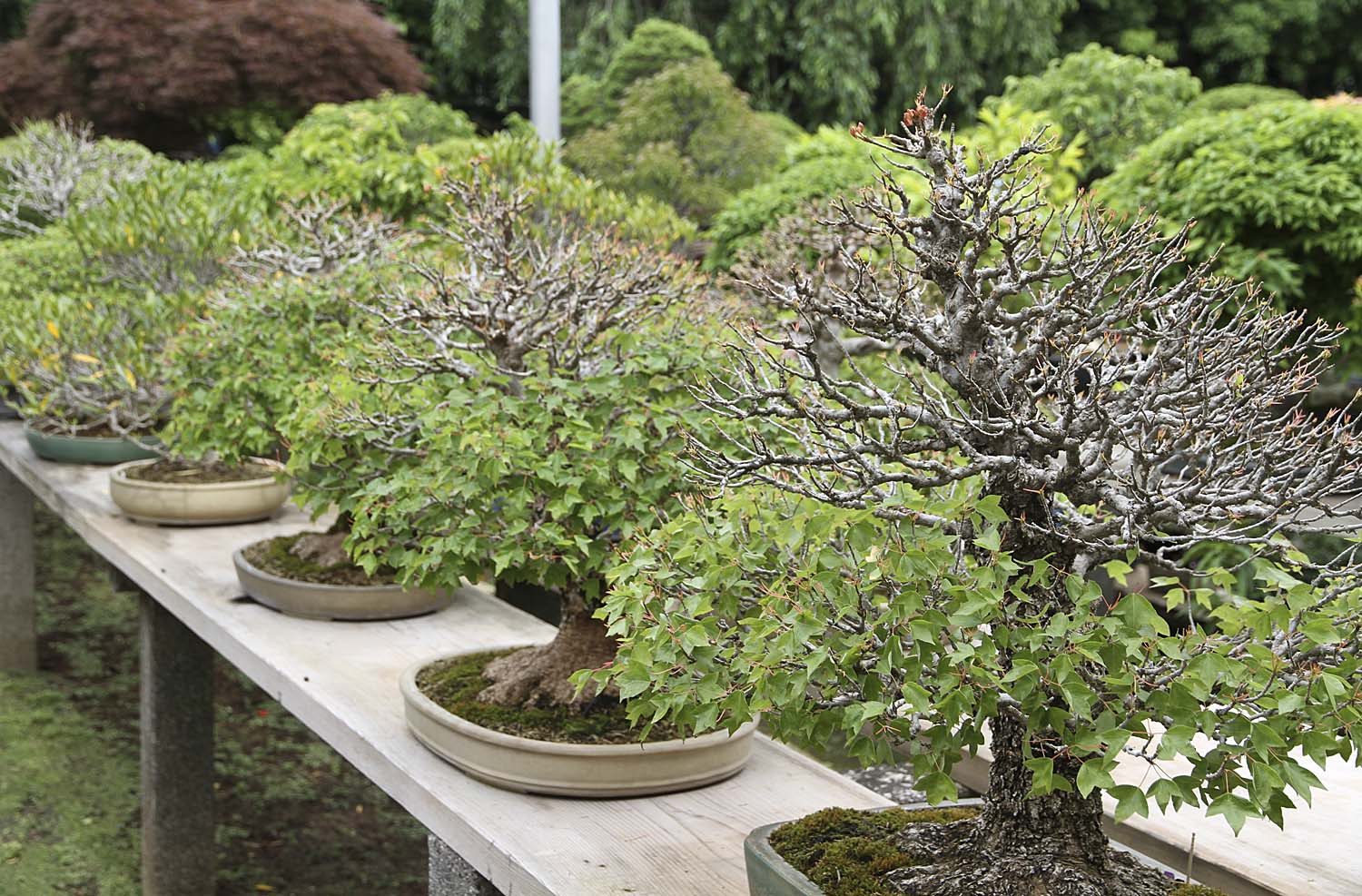
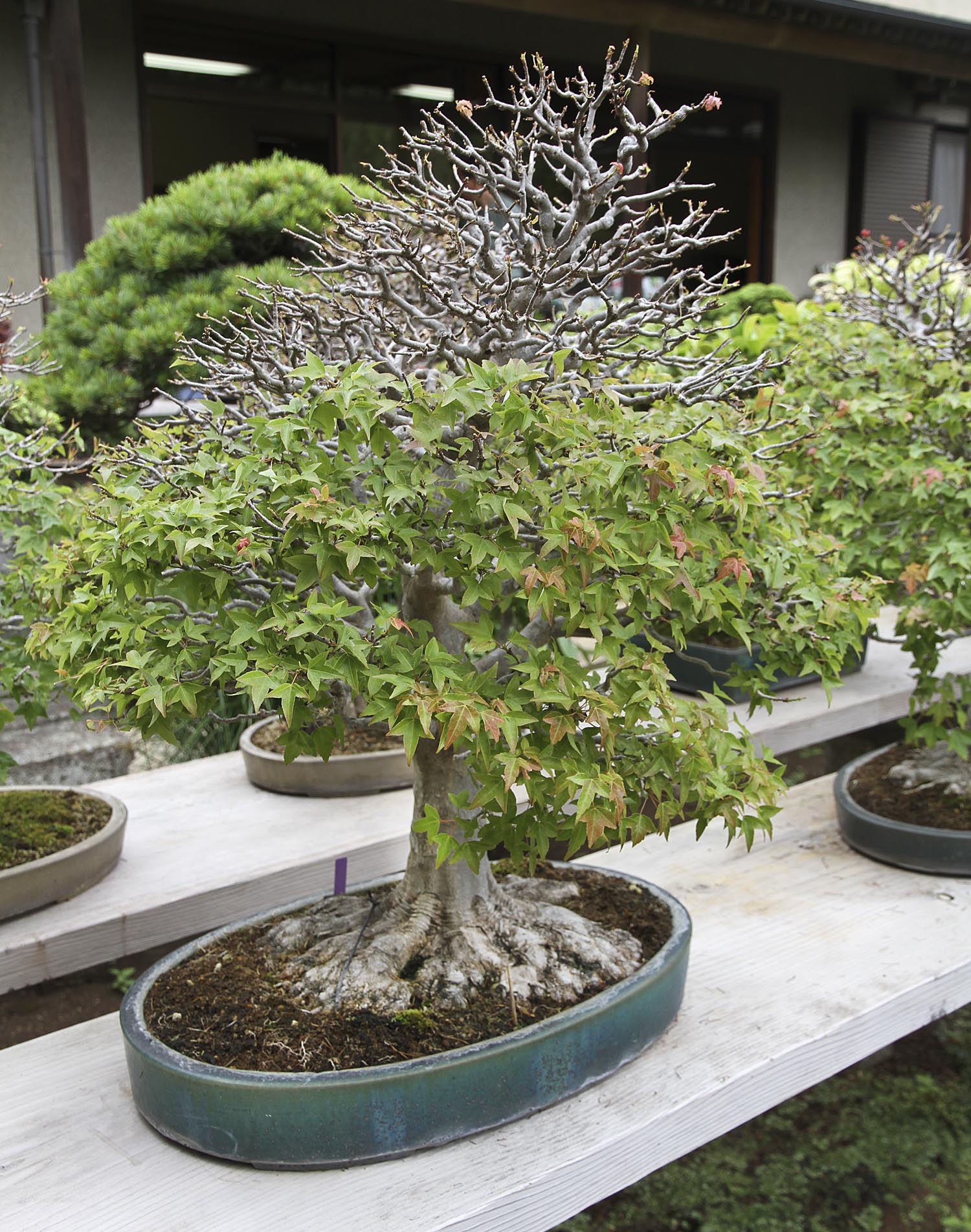
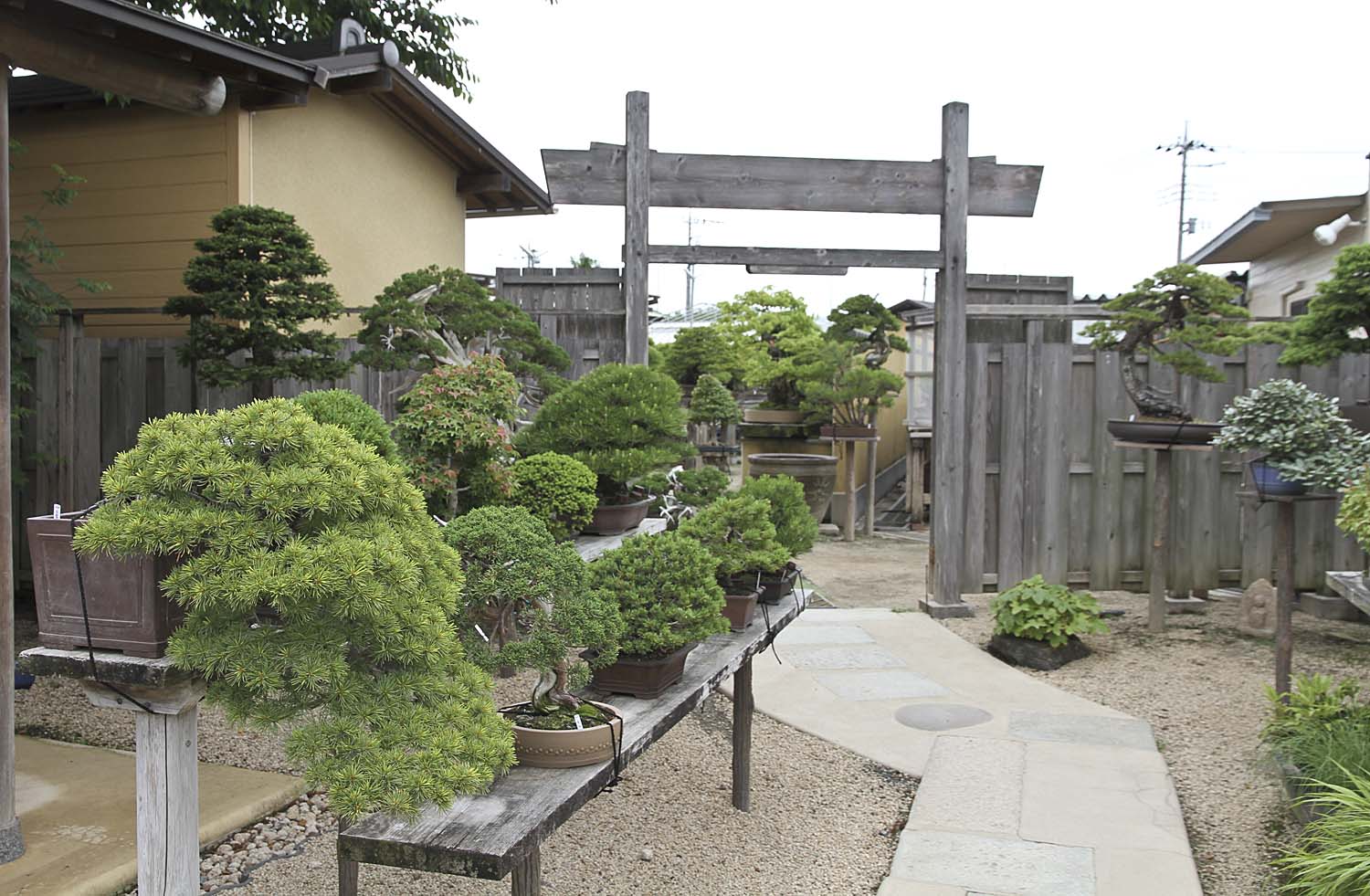
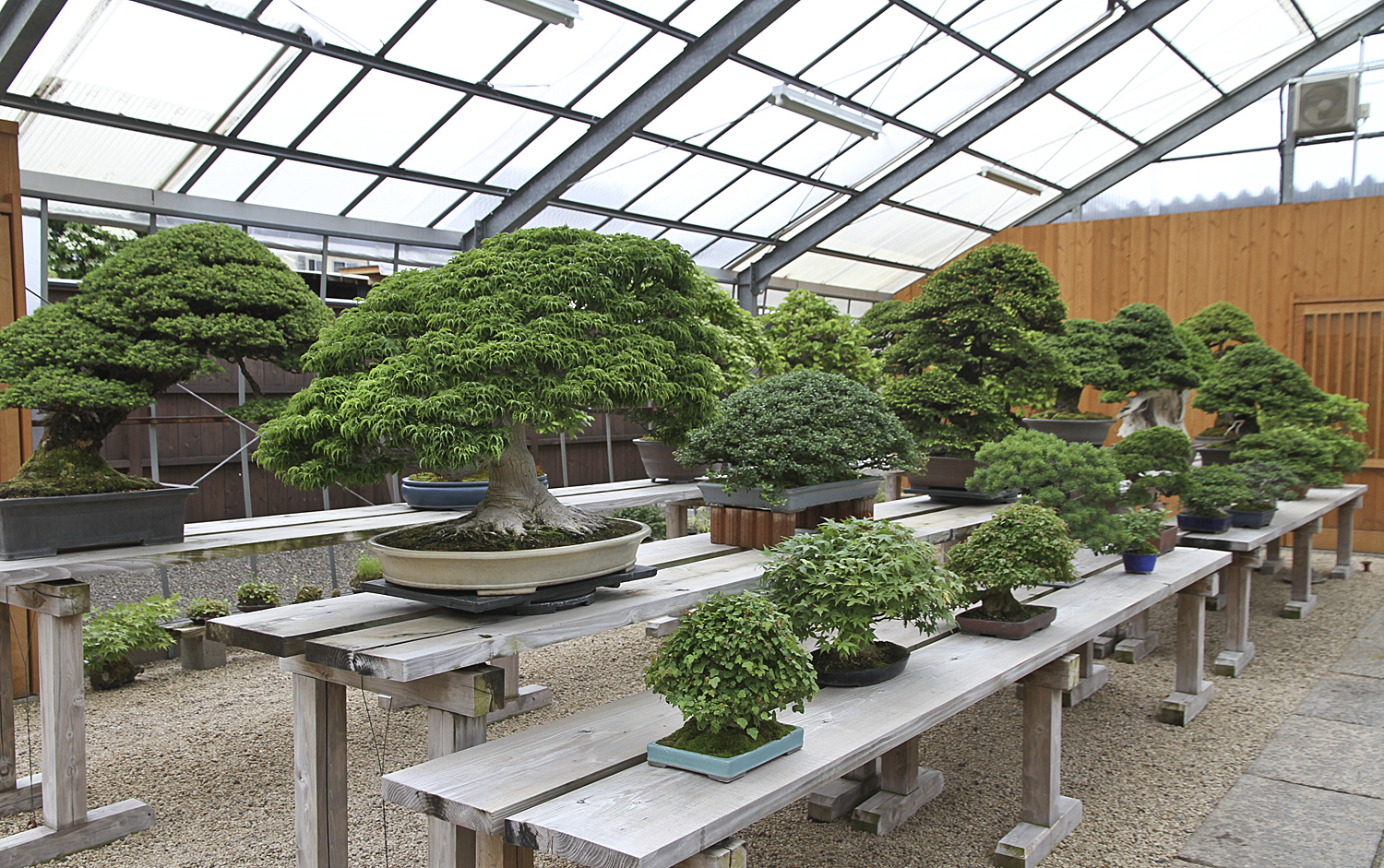
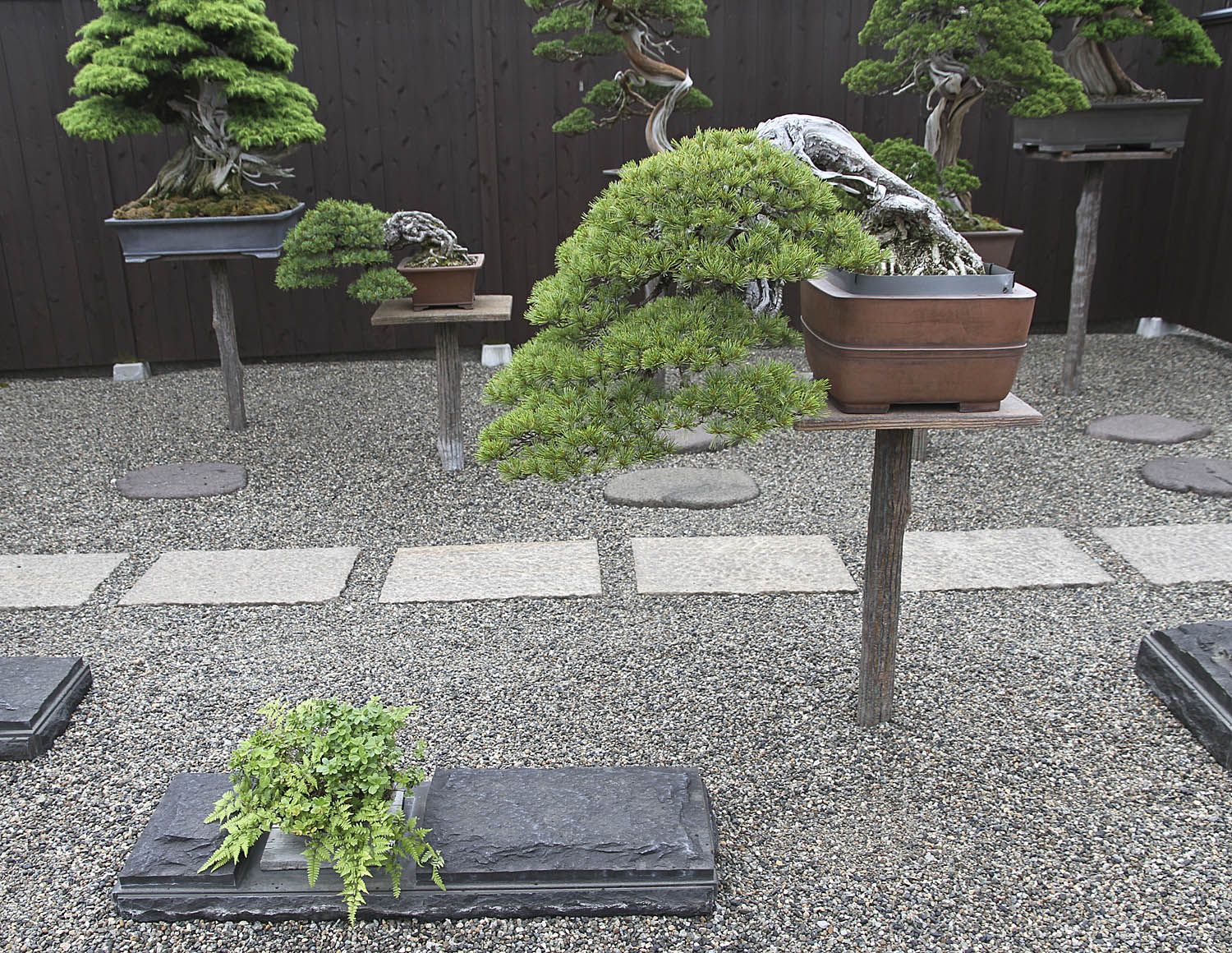
The last few times I’ve visited Shunka-En Bonsai Museum a tremendous amount of  large new bonsai were added. Two long tables are dedicated to Japanese maples which leaf out brilliant red, as well as the common Japanese maple. Many of these trees are still in training boxes and some were inarched grafted as well.


Image

Image

Image

Image

Image

Image

Image

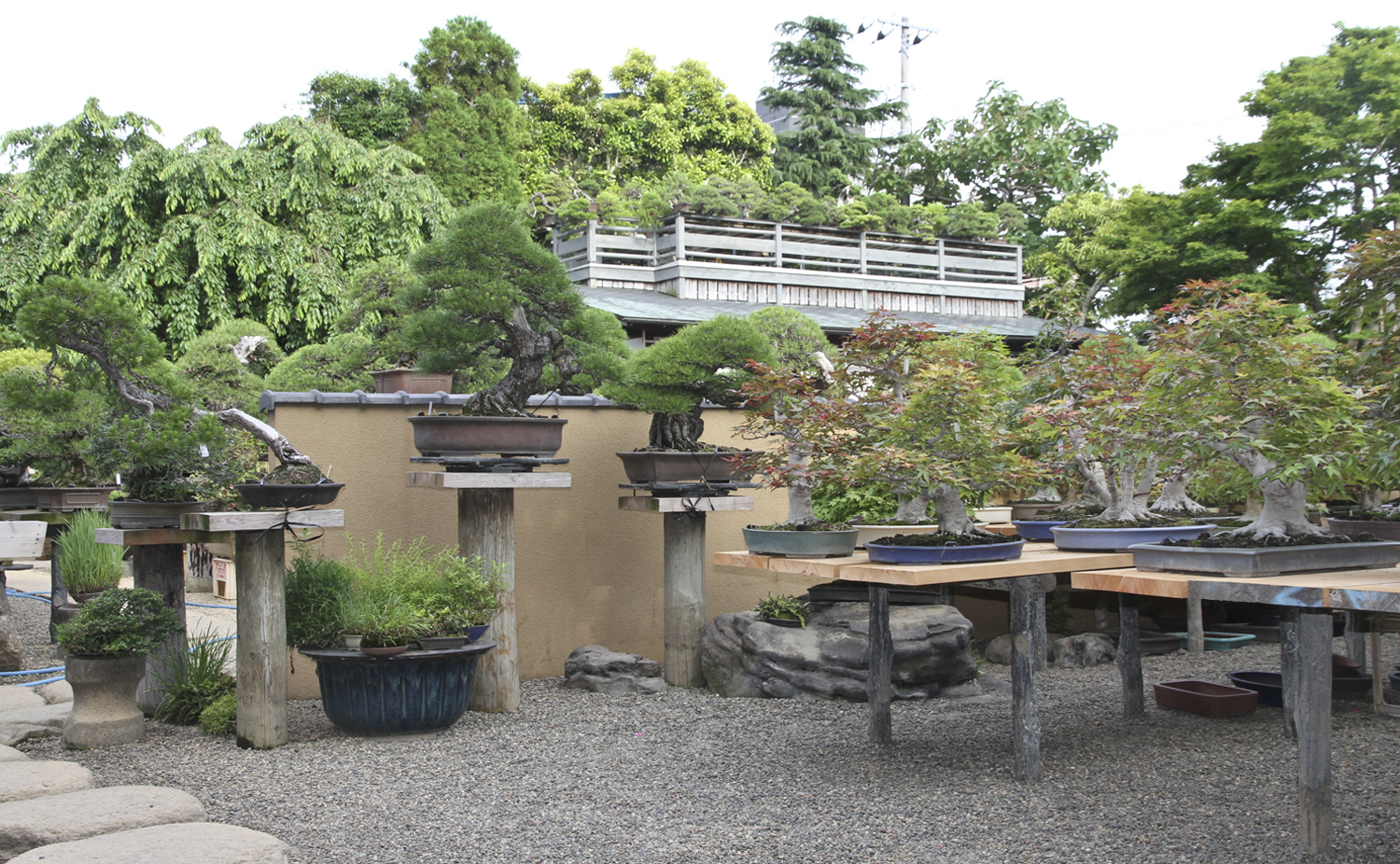
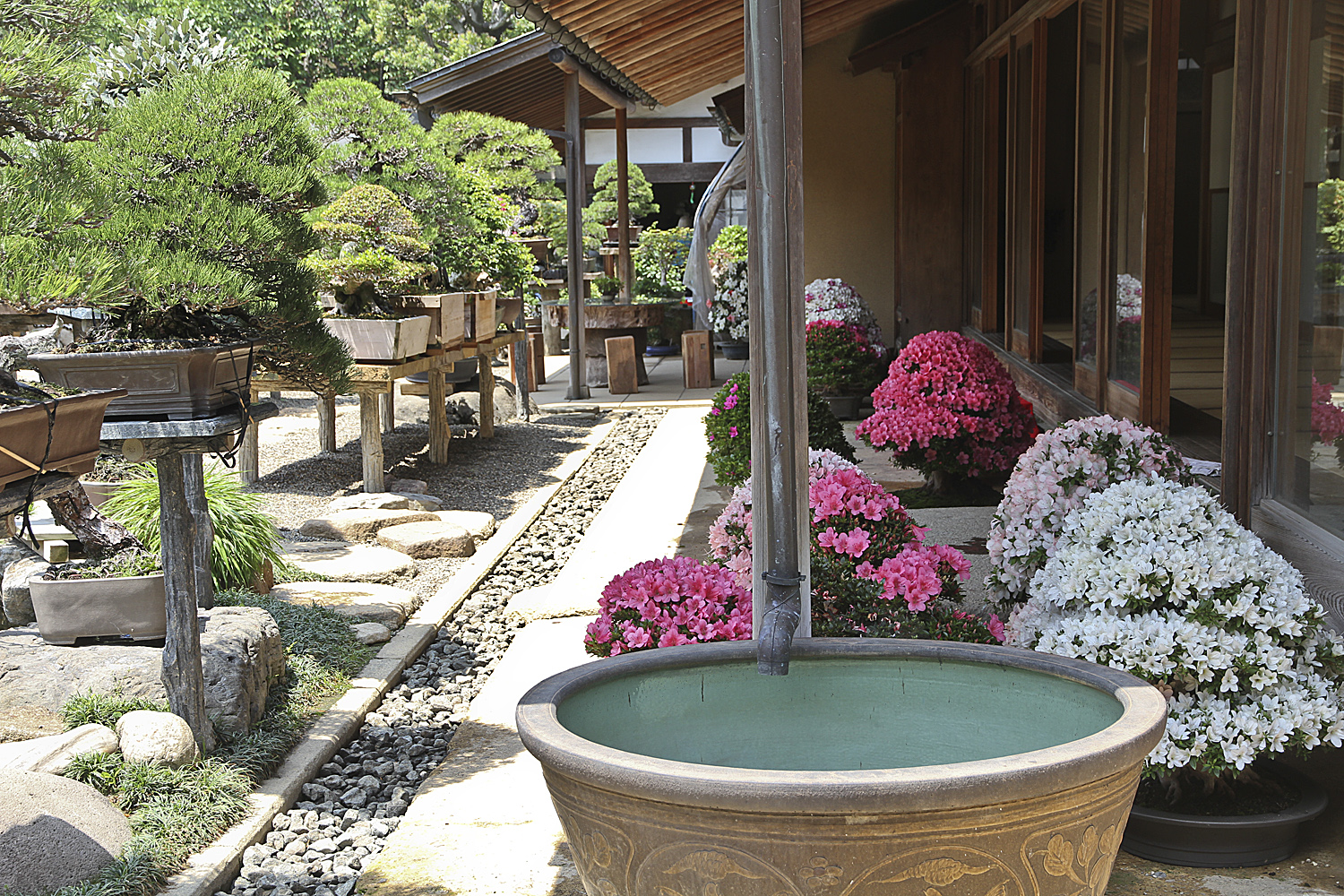
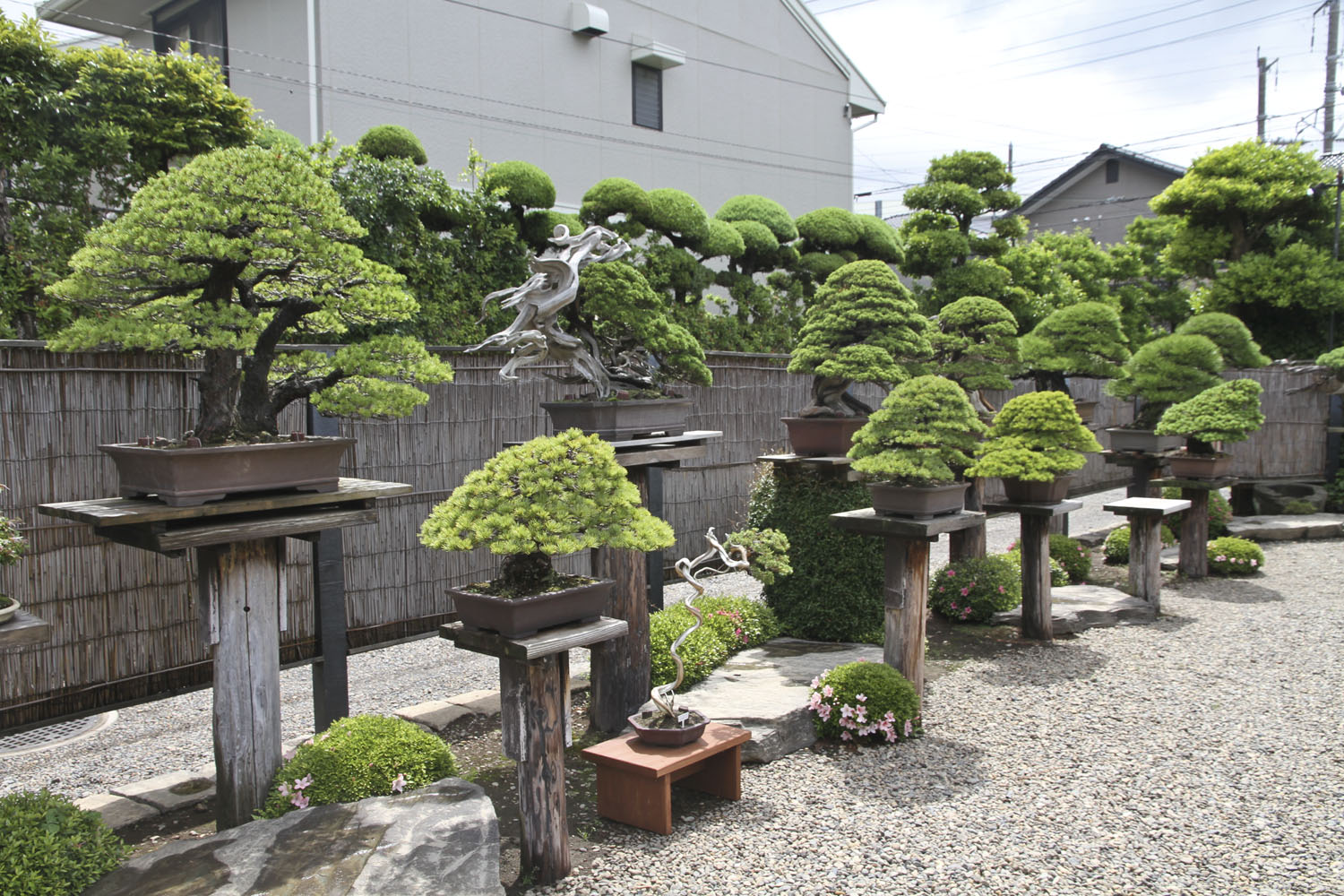
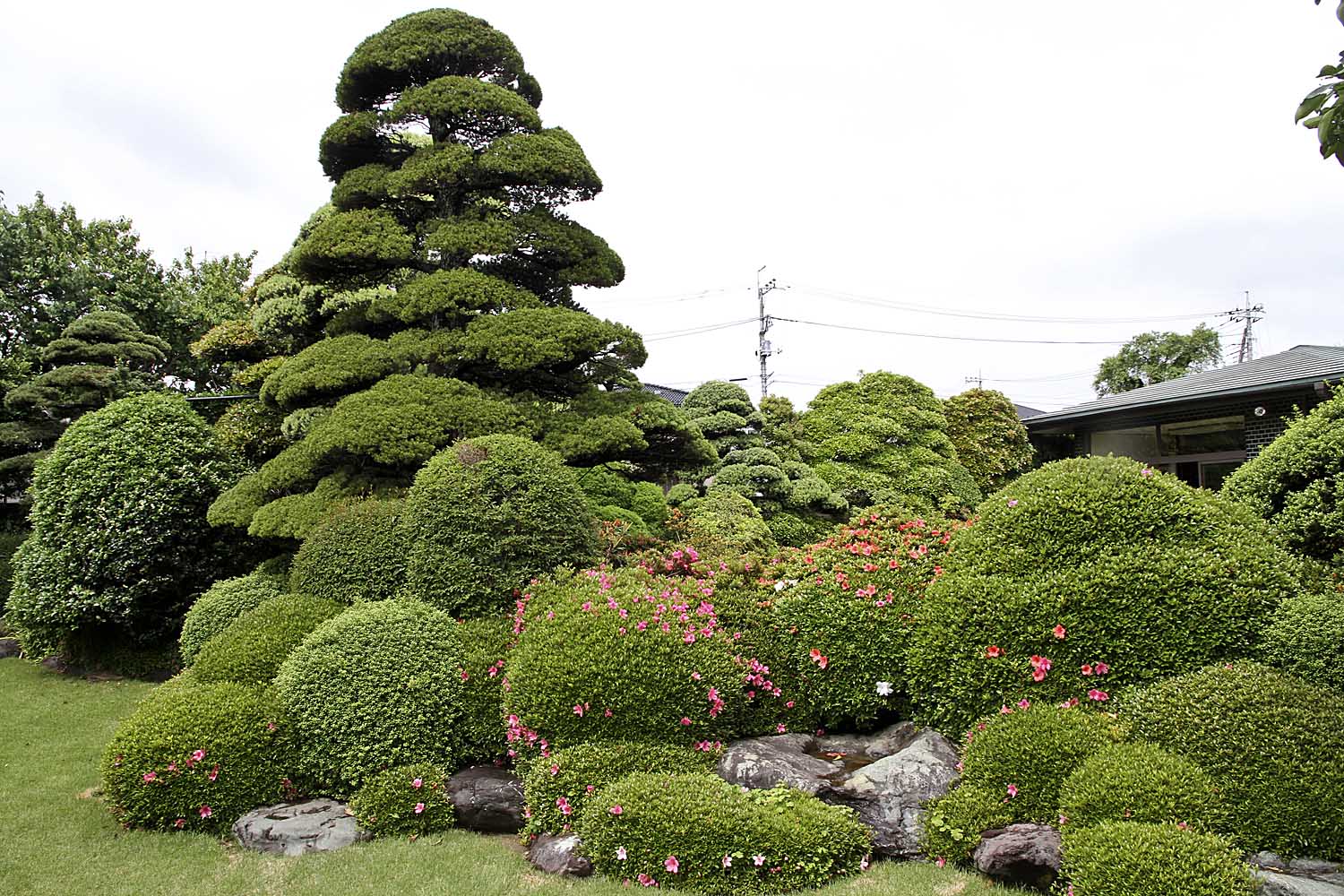
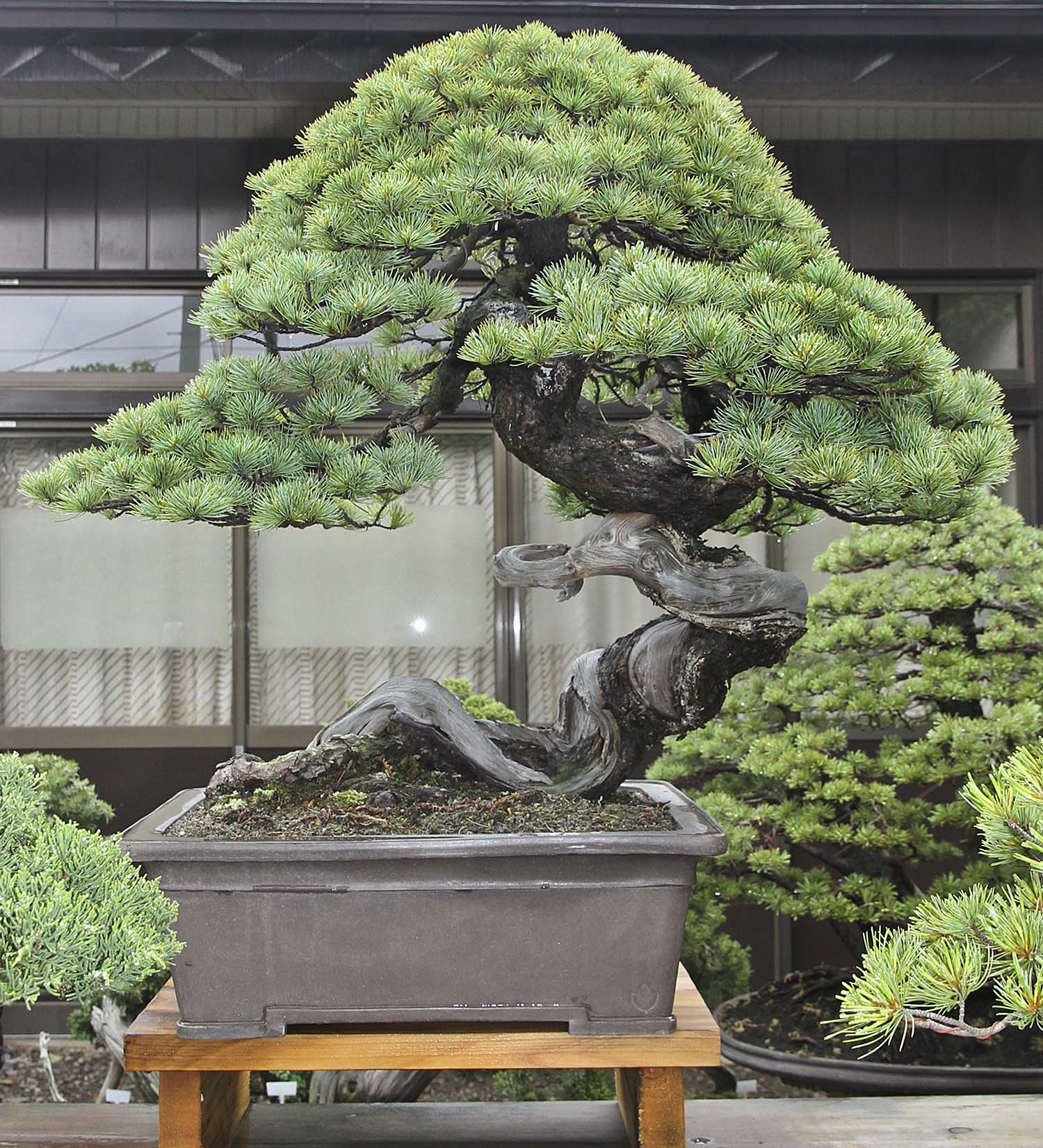
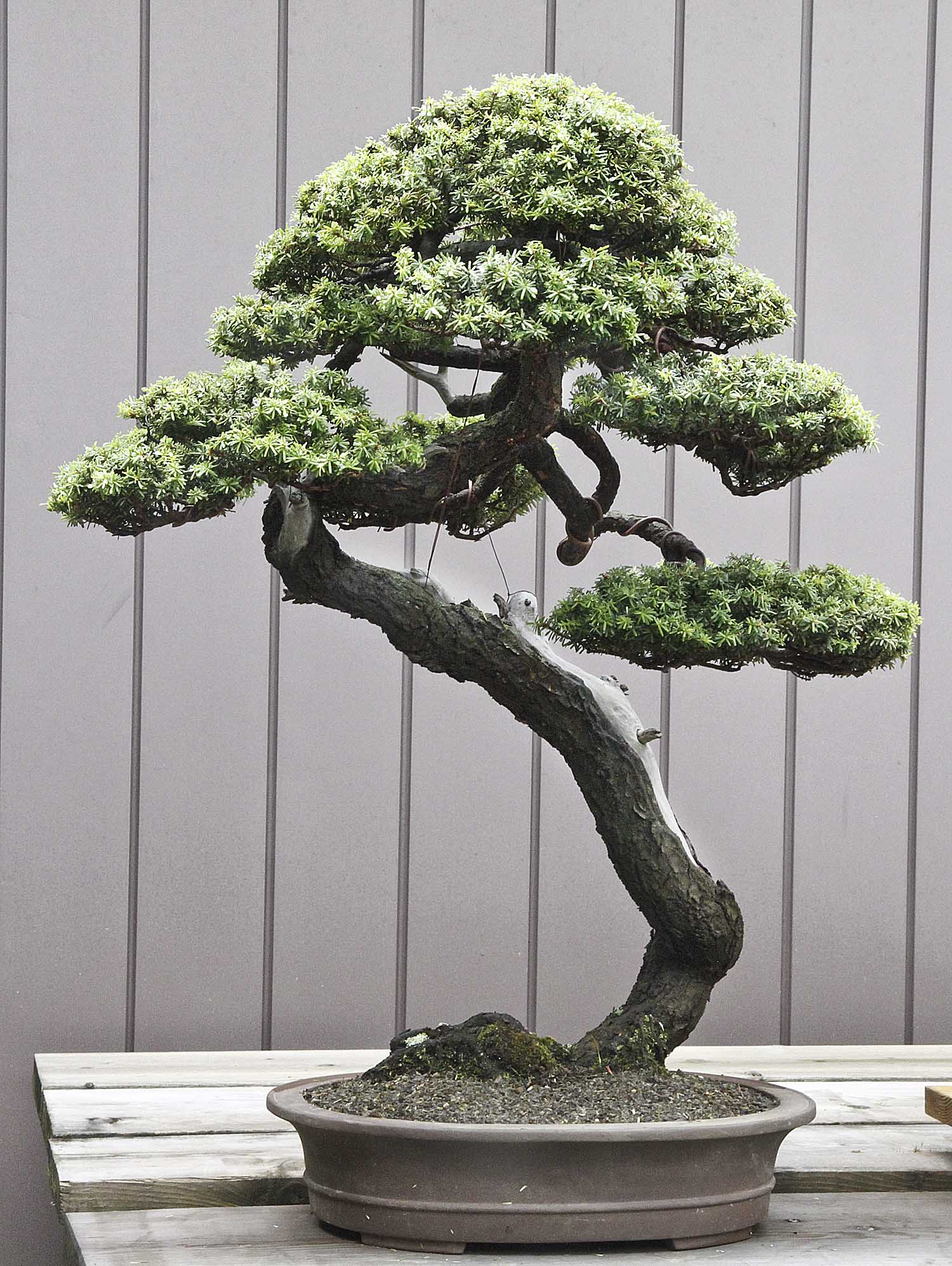
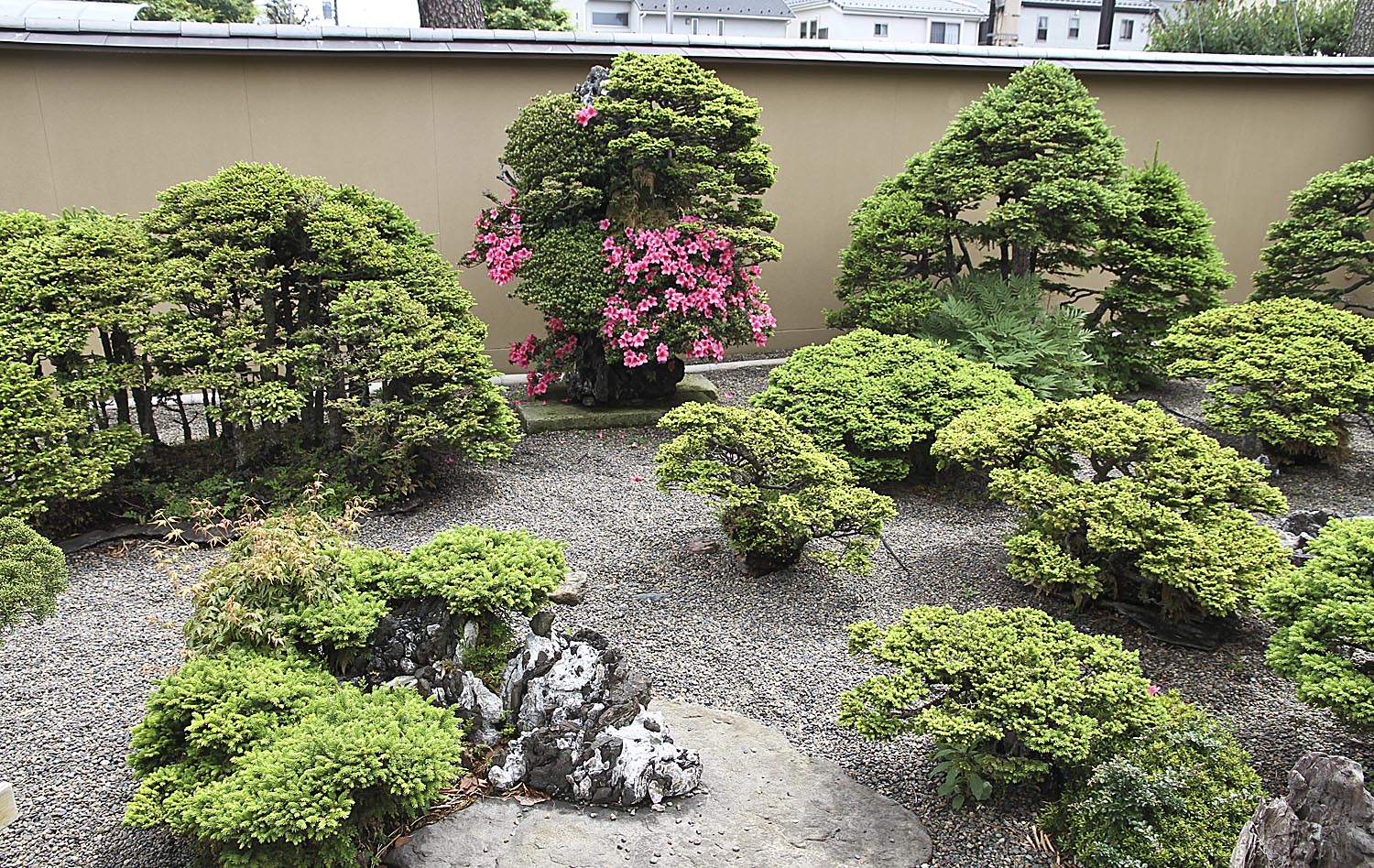
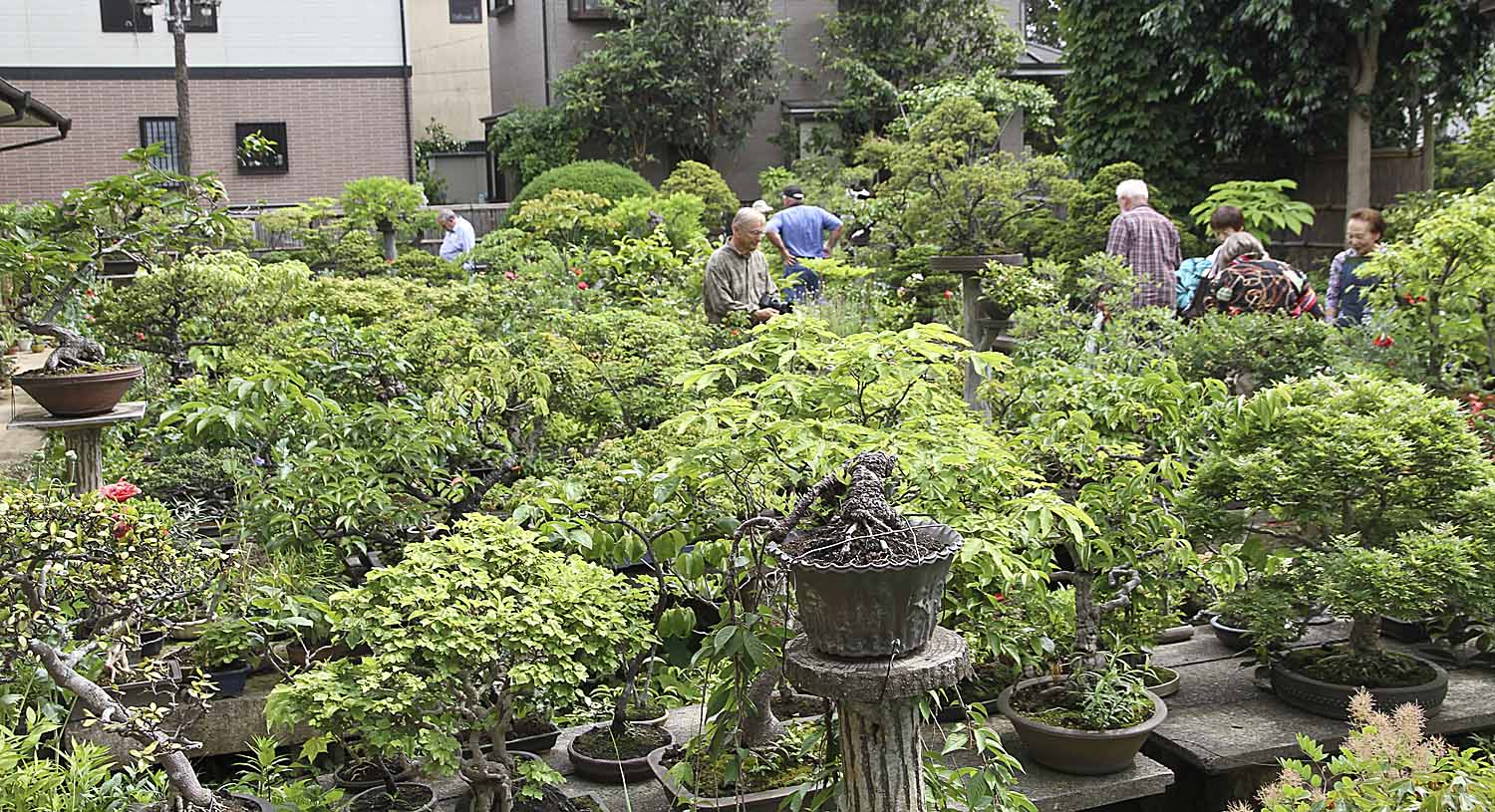
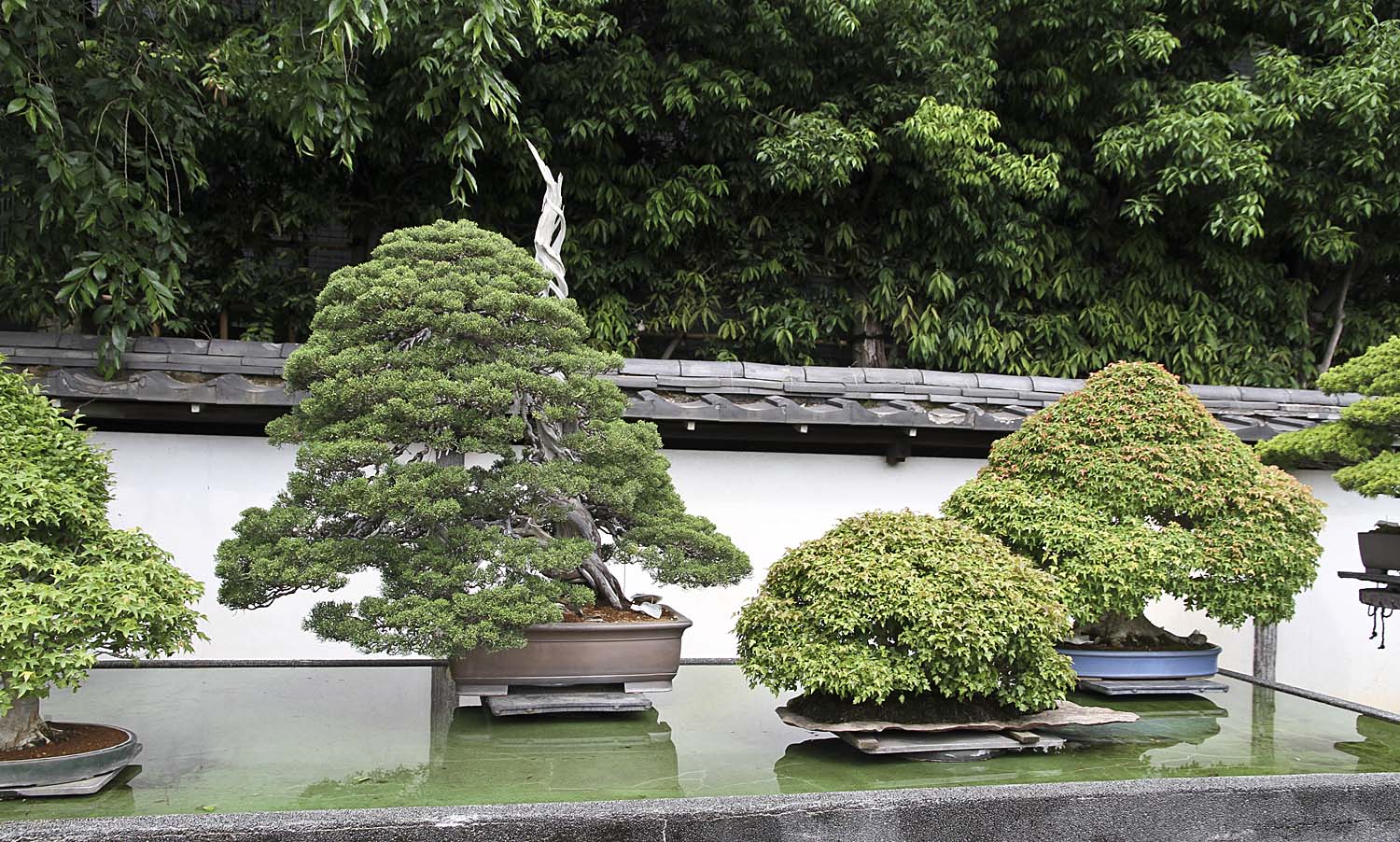
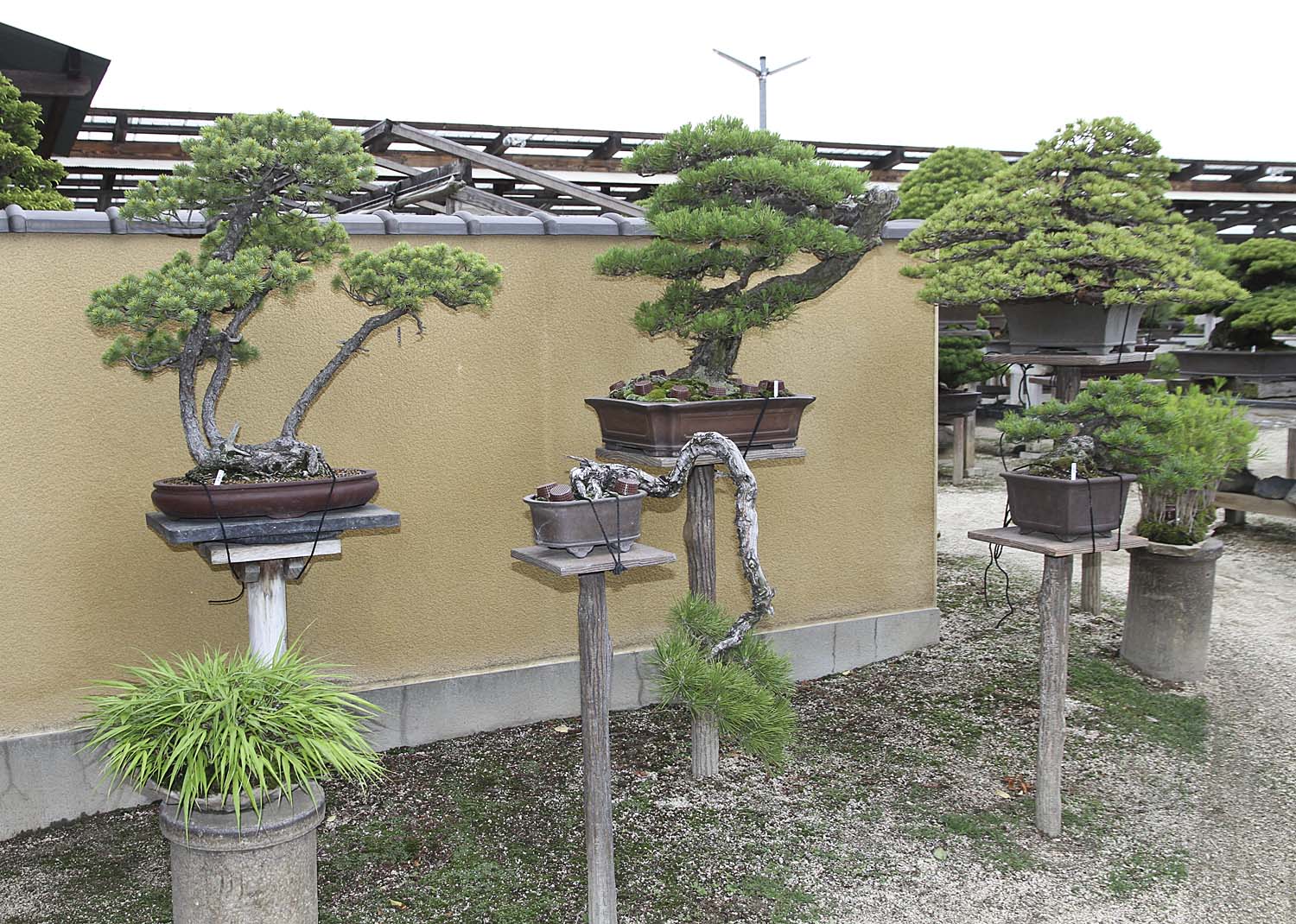
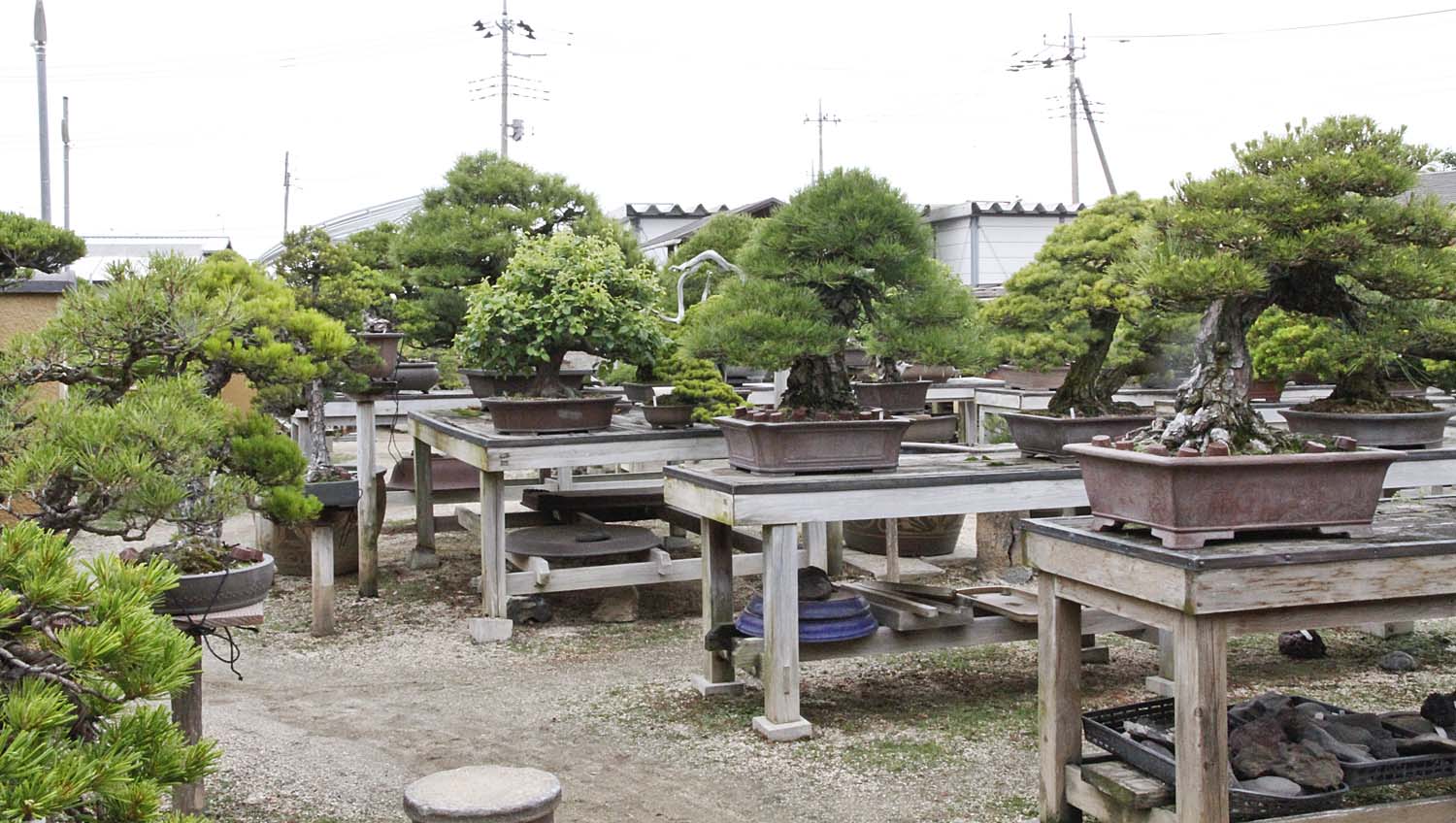
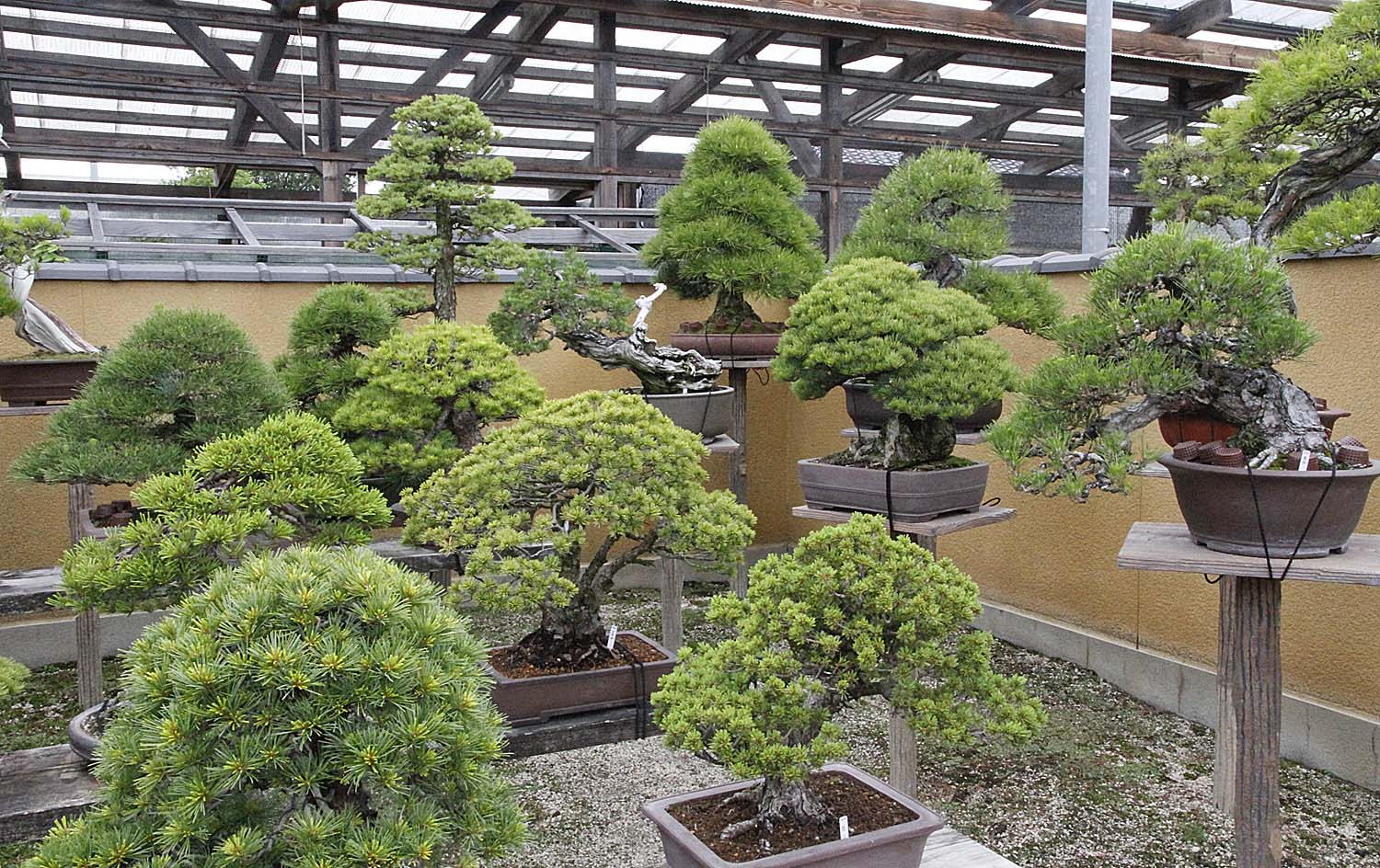
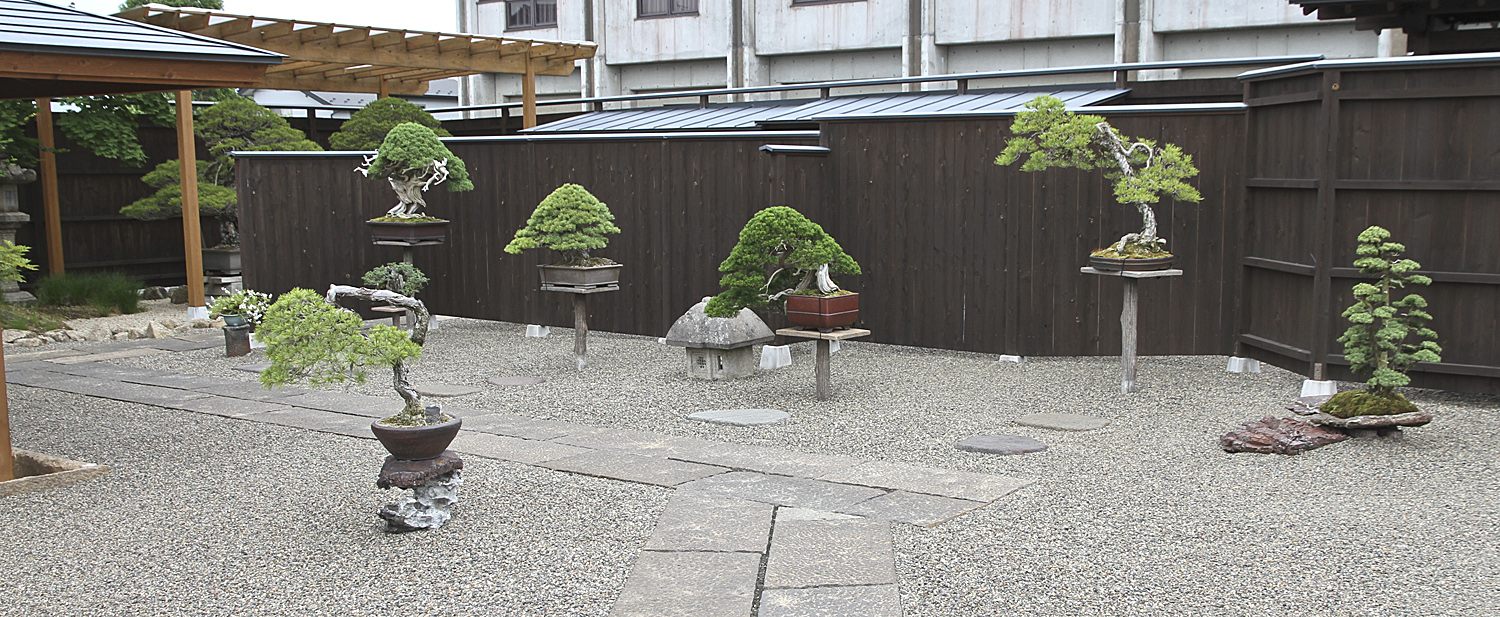
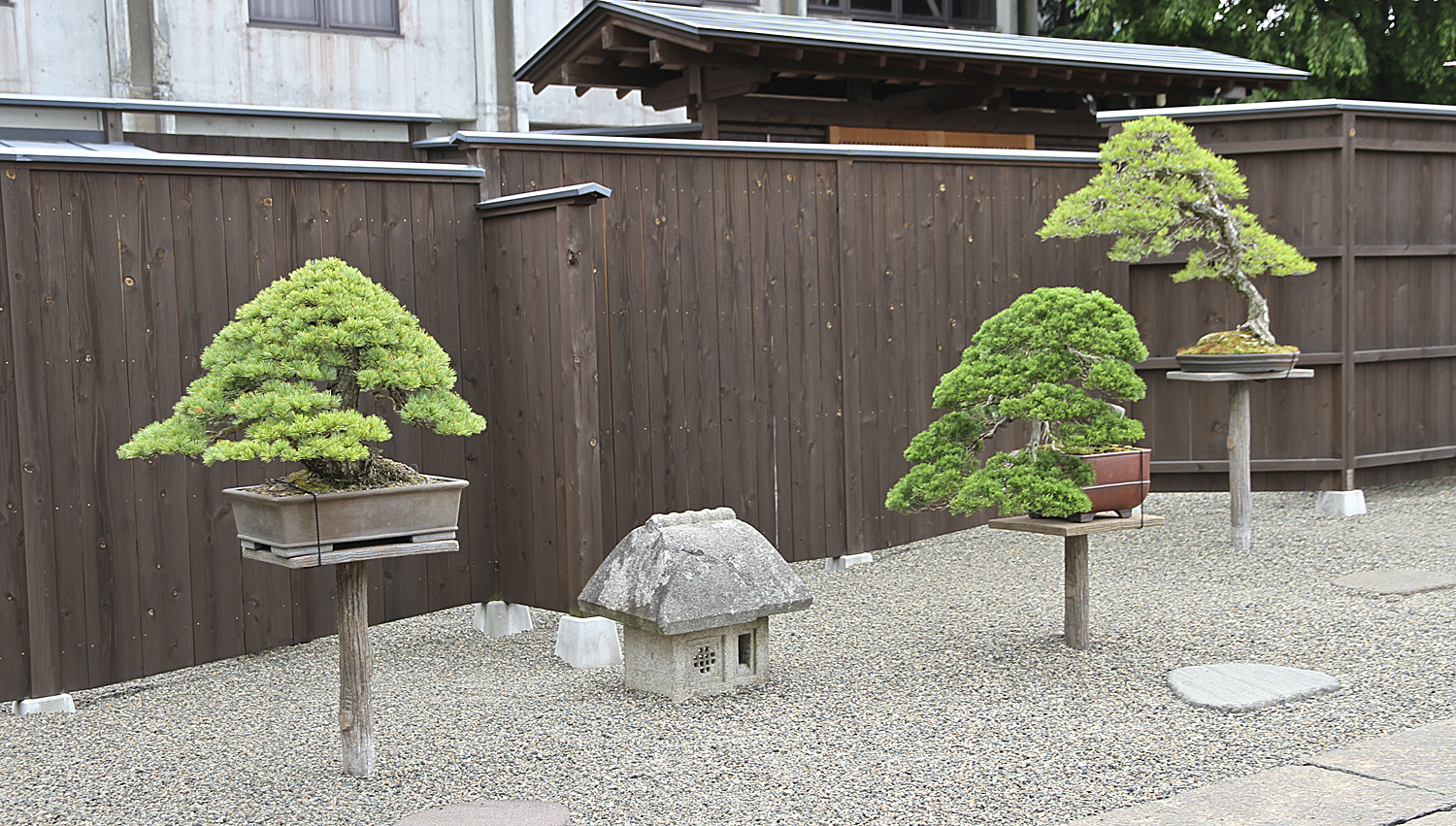
This is the first time I’ve visited here during the summer in many years and the entire atmosphere is different than when we visit in February and November. The trees are full of green leaves! The beauty of the structure is mostly hidden for deciduous species, but a new beauty emerges. With all the new additions, and leafed out as well, the garden seems crowded, but well maintained. The three apprentices sure have a lot of work. The colorful Satsuki bonsai were distributed throughout the garden and looked wonderful with the dark green evergreen foliage and fresh green of the deciduous species.

Image

Image

Image


Image

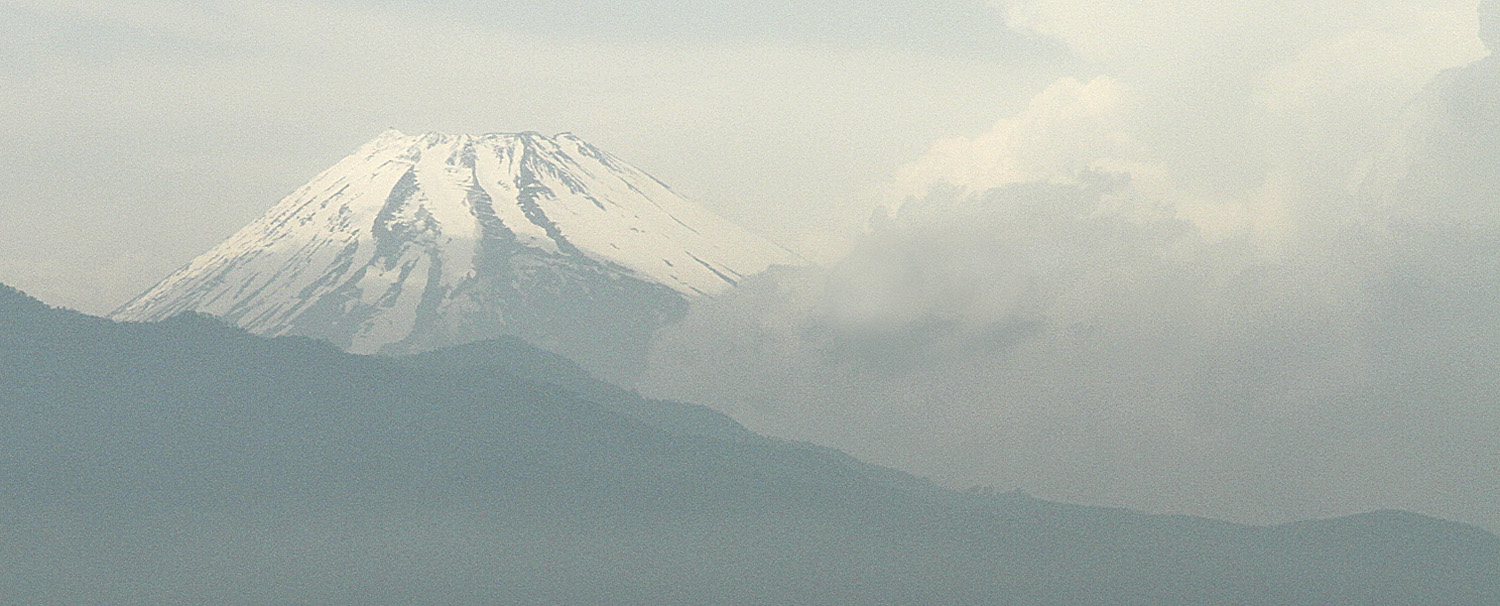
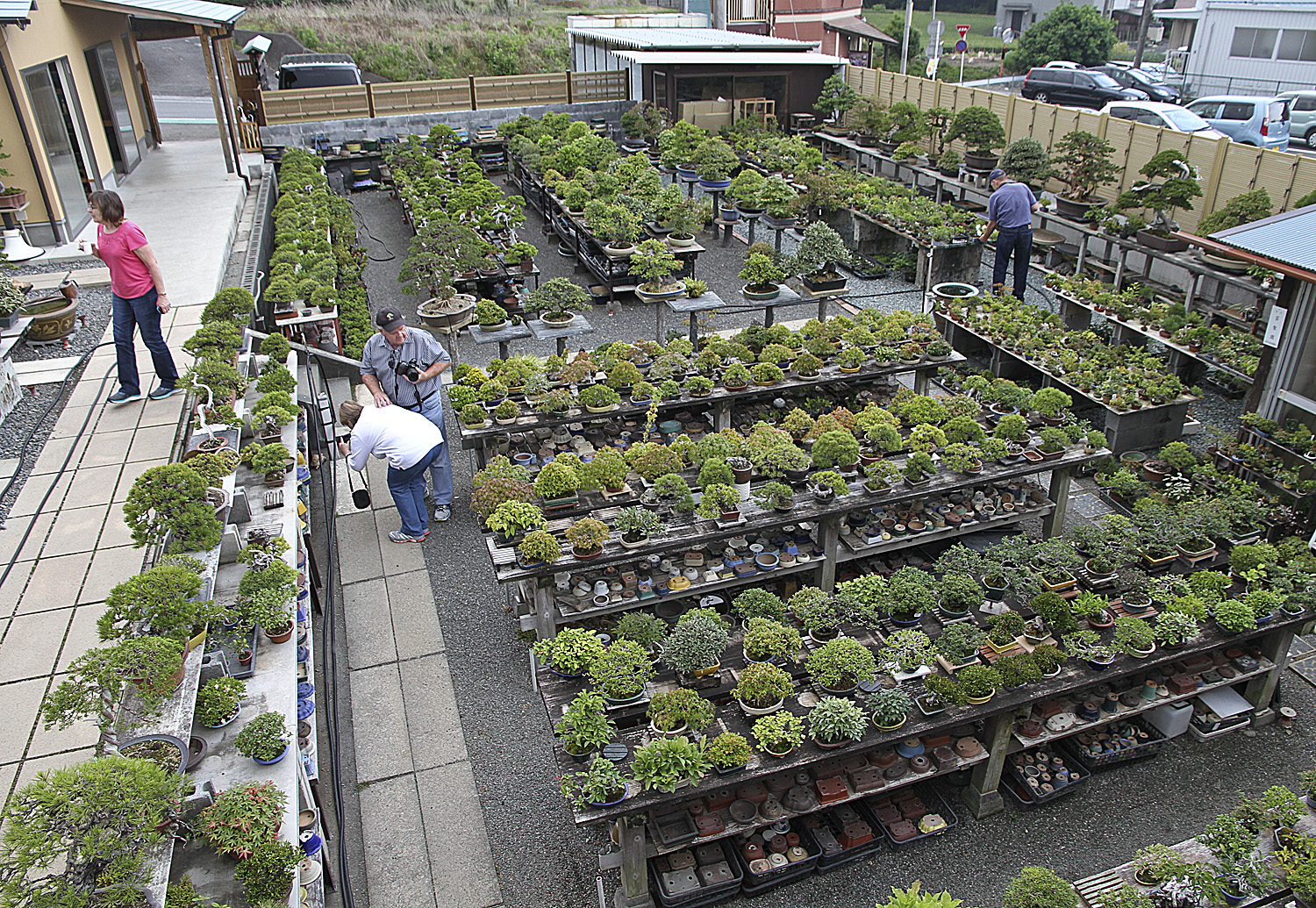
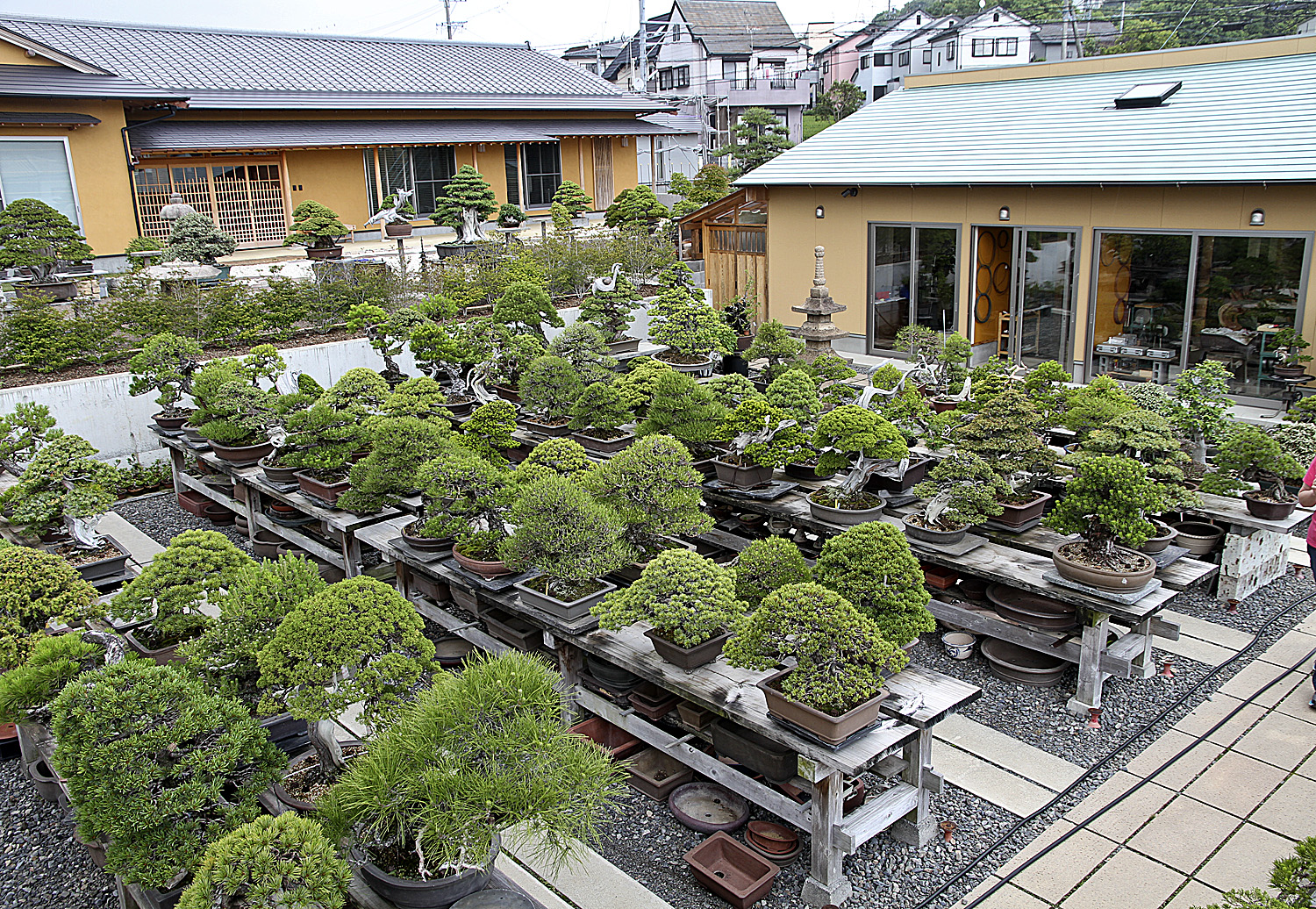
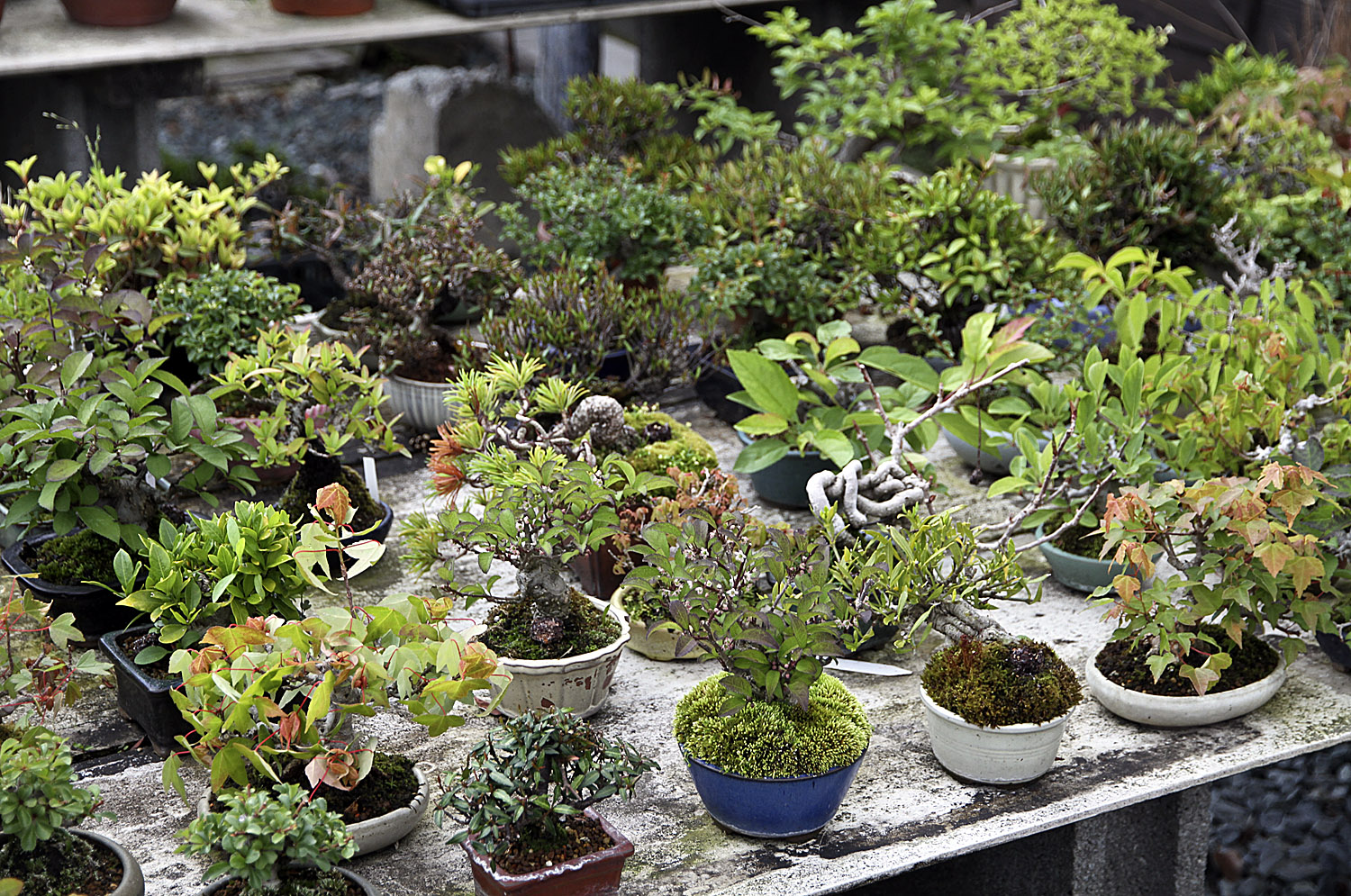
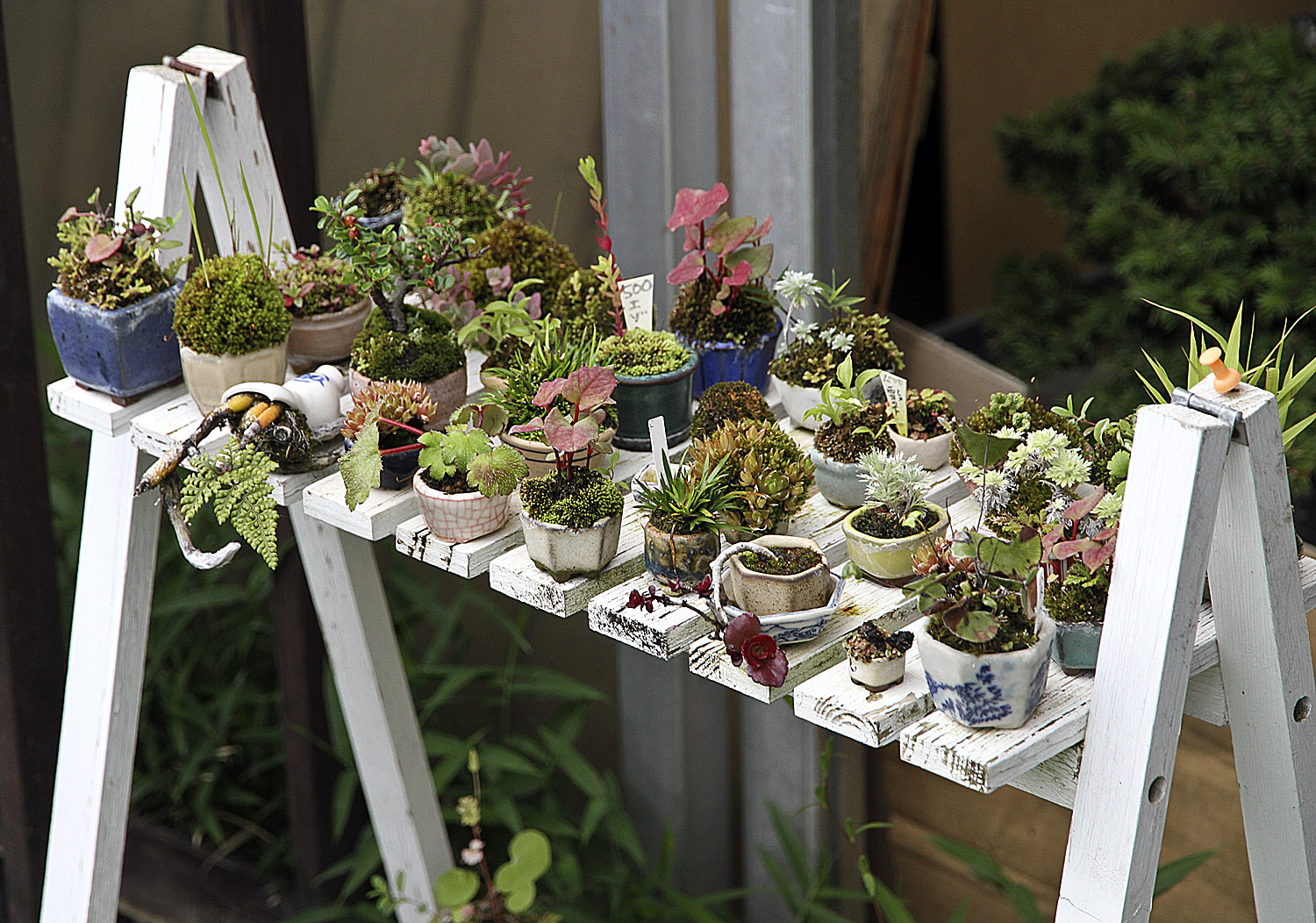
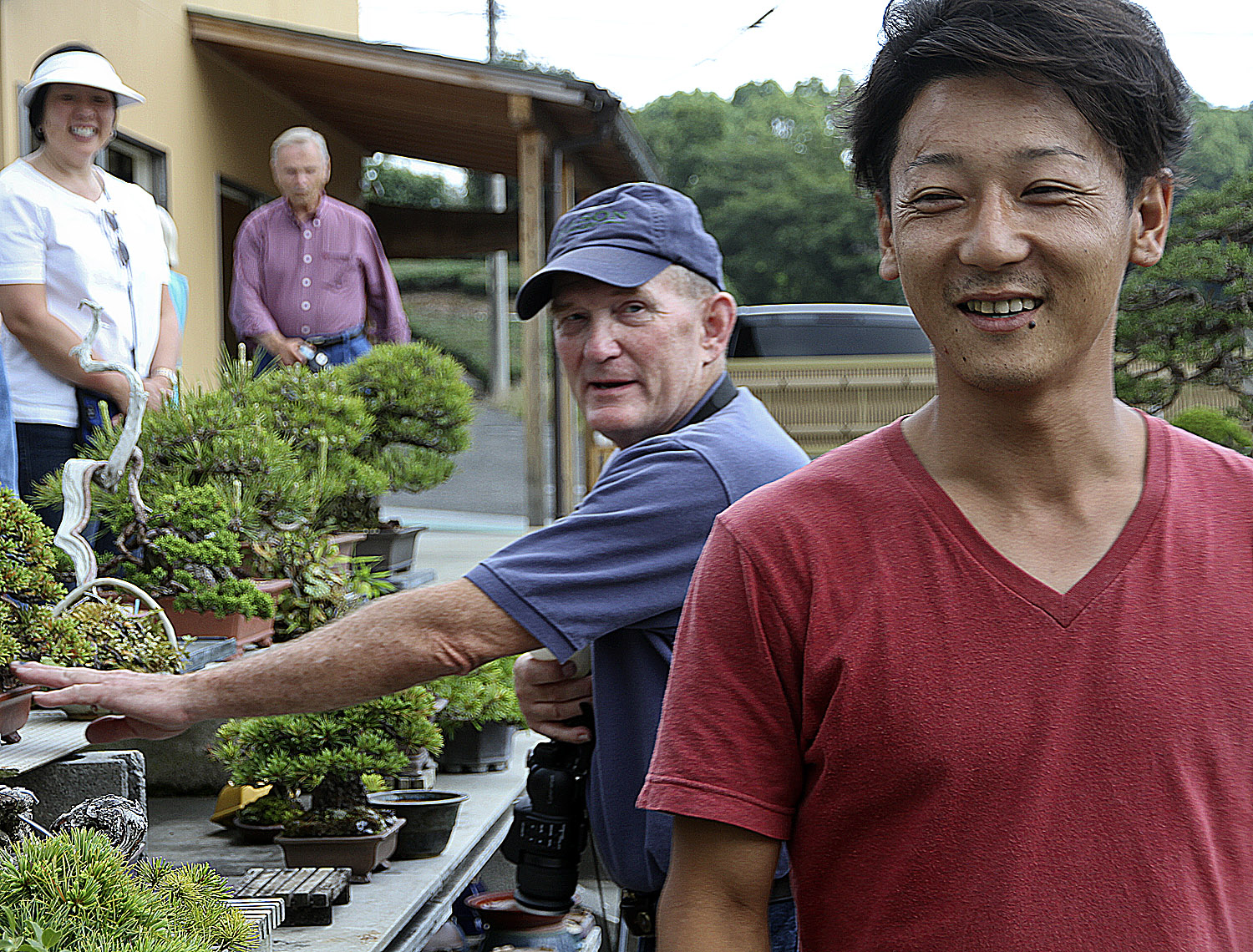
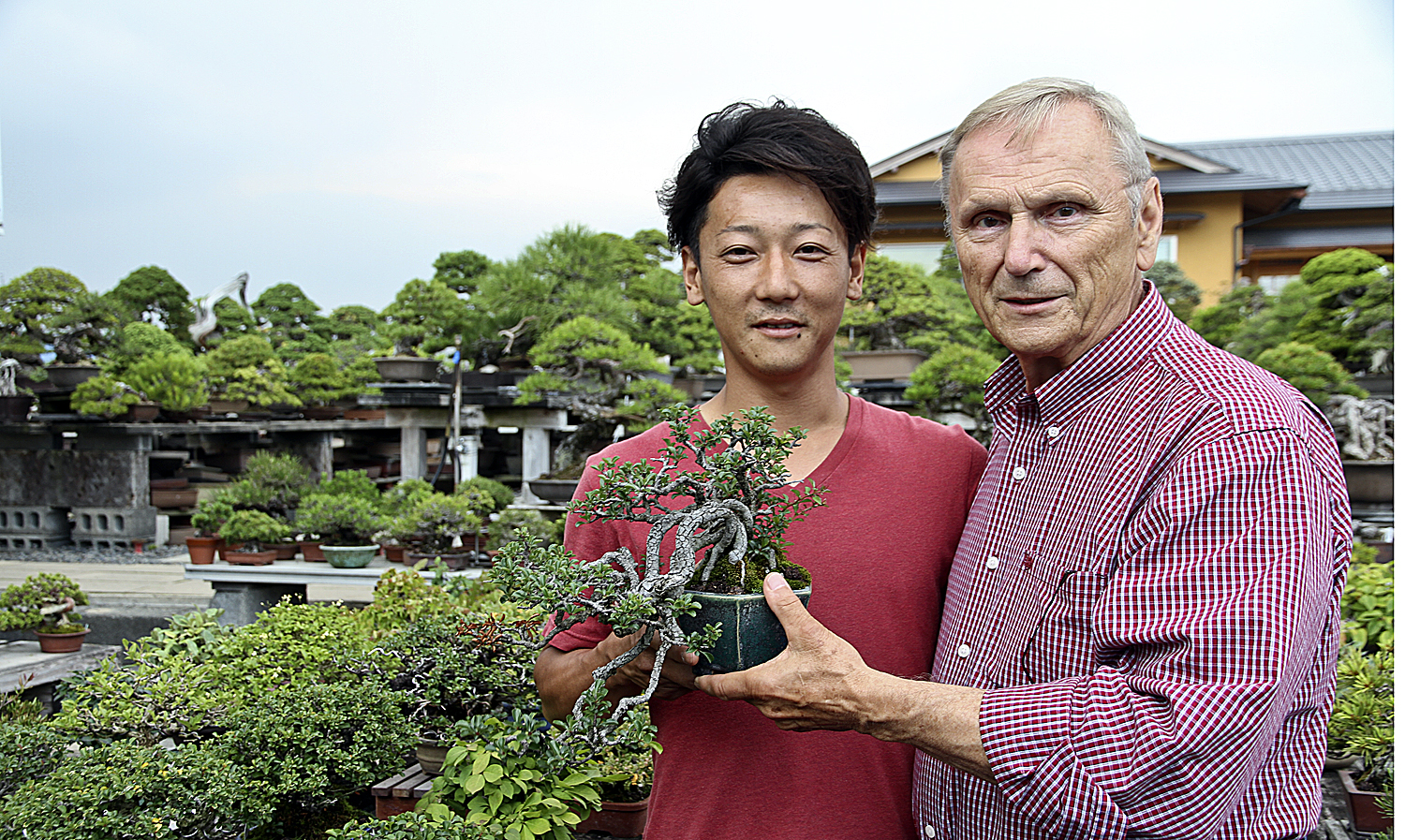
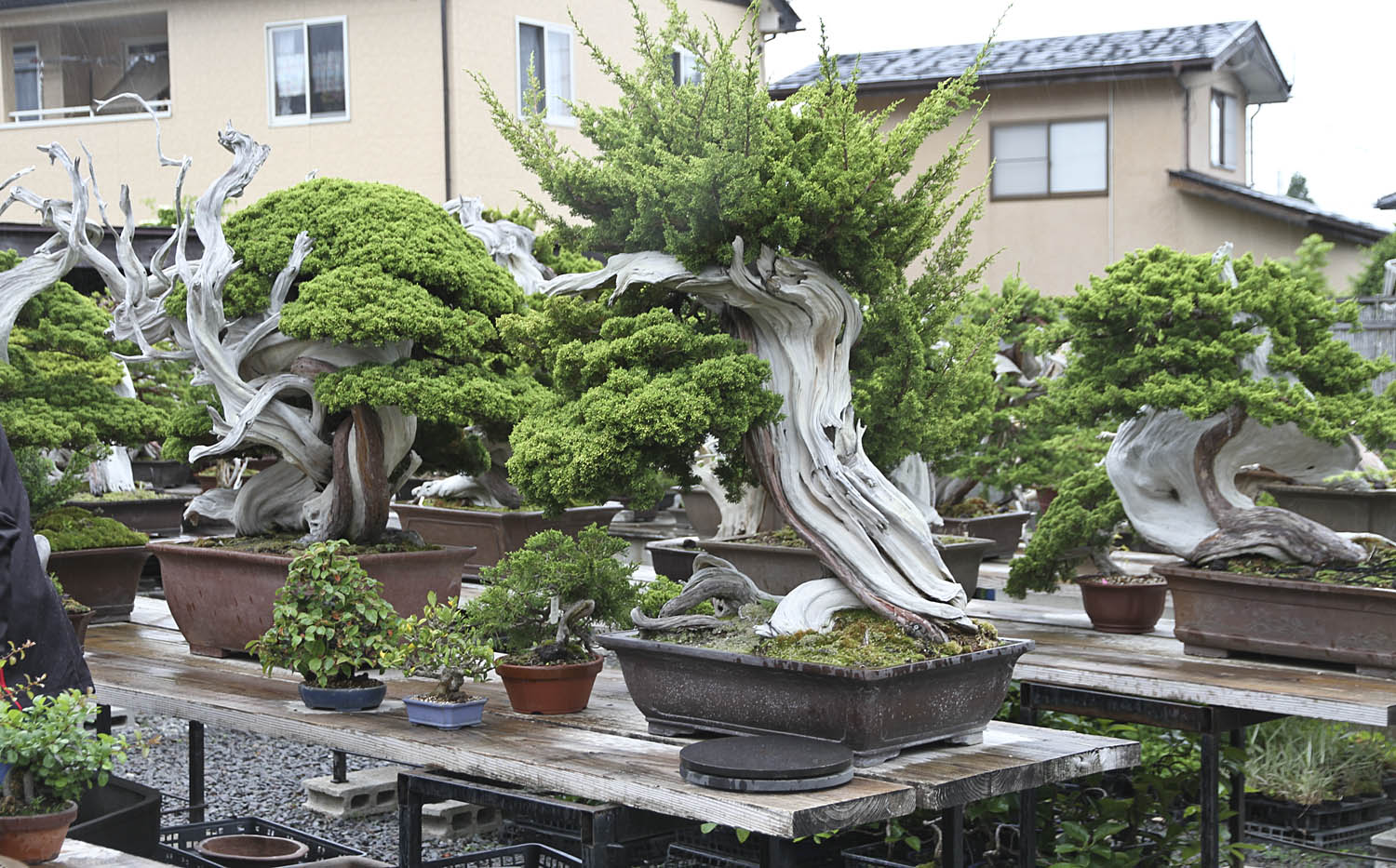
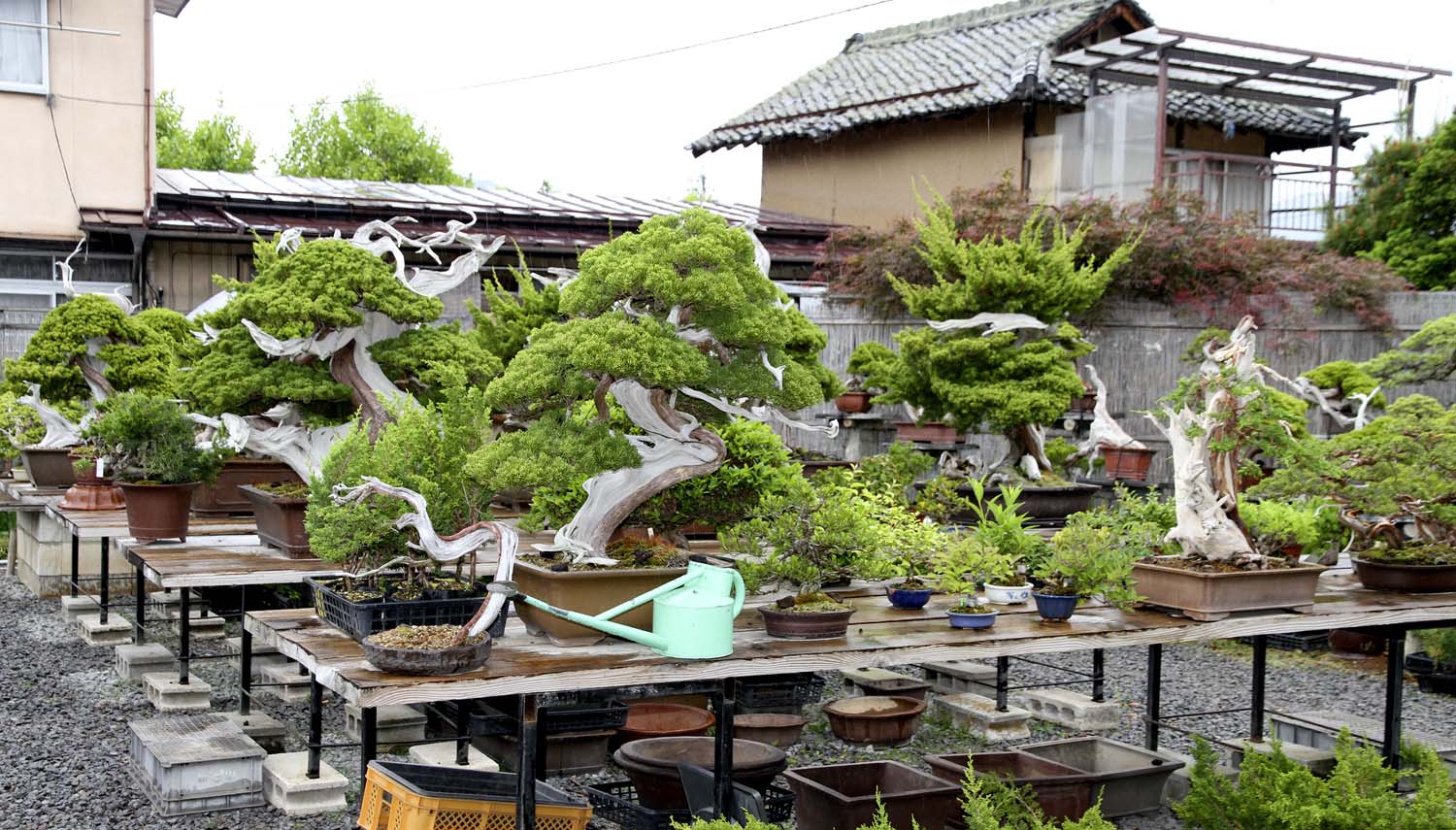
We took another four taxis to Tokyo Station to board another Bullet train to Shizuoka to visit Taisho-En Bonsai Garden. Although it was cloudy we were able to see Mt. Fuji which means we will return to Japan again. Nobuichi Urushibata is the proprietor who specializes in shohin bonsai. His son Taiga also works with him and is a graduate apprentice of Masahiko Kimura. He speaks fluent English and traveled to one of my symposia in 2009 to teach shohin bonsai in Rochester, New York. Both father and son work on large size trees as well as the tiny mame size trees. Together they are a great team and I wonder how they care for all those small size bonsai with only a couple people. Nobuichi Urushibata was away with a client so Taiga showed us around his wonderful garden.

Image


Image


Image


Image

Image

Image


Image


Image

Image

Image

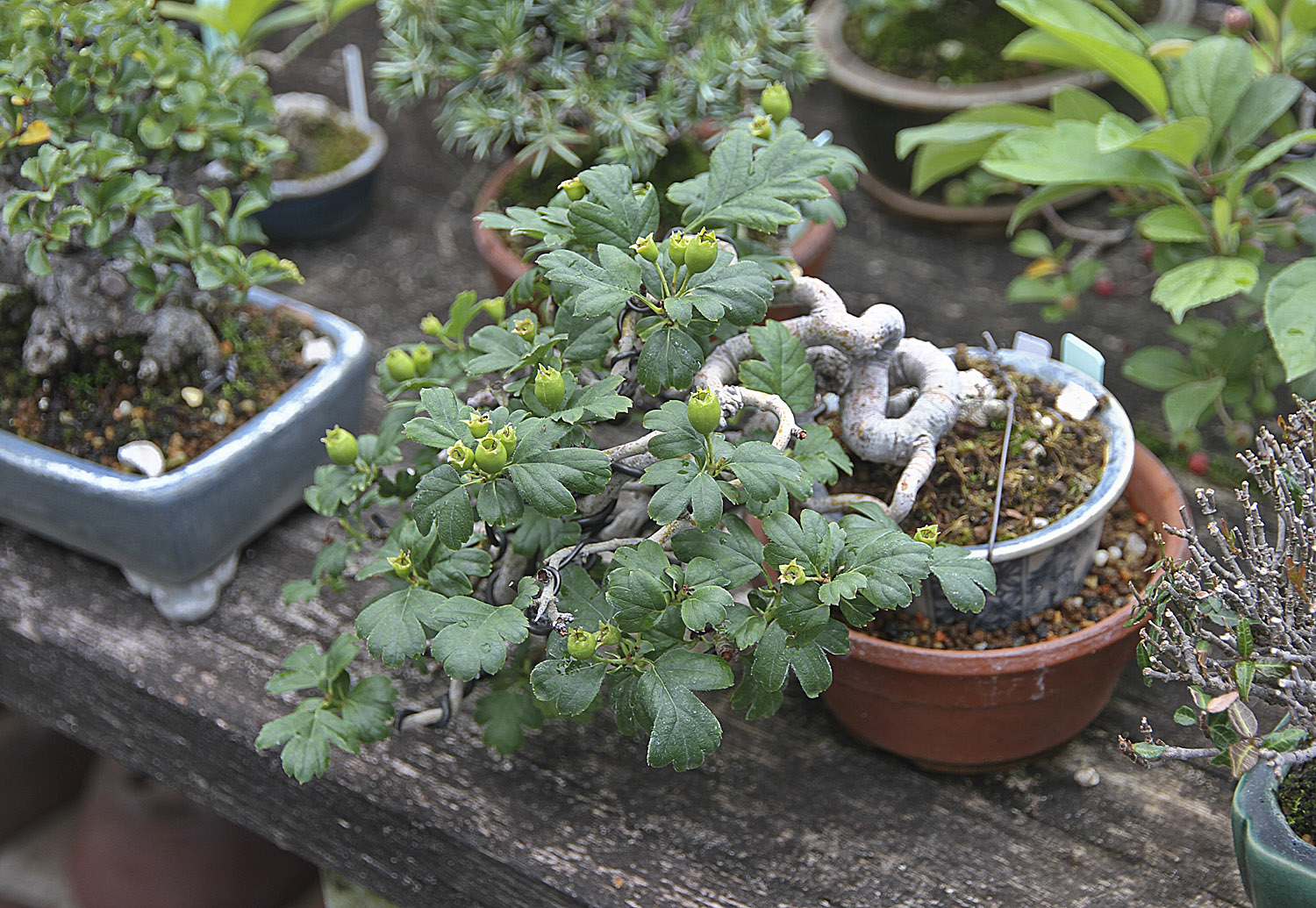
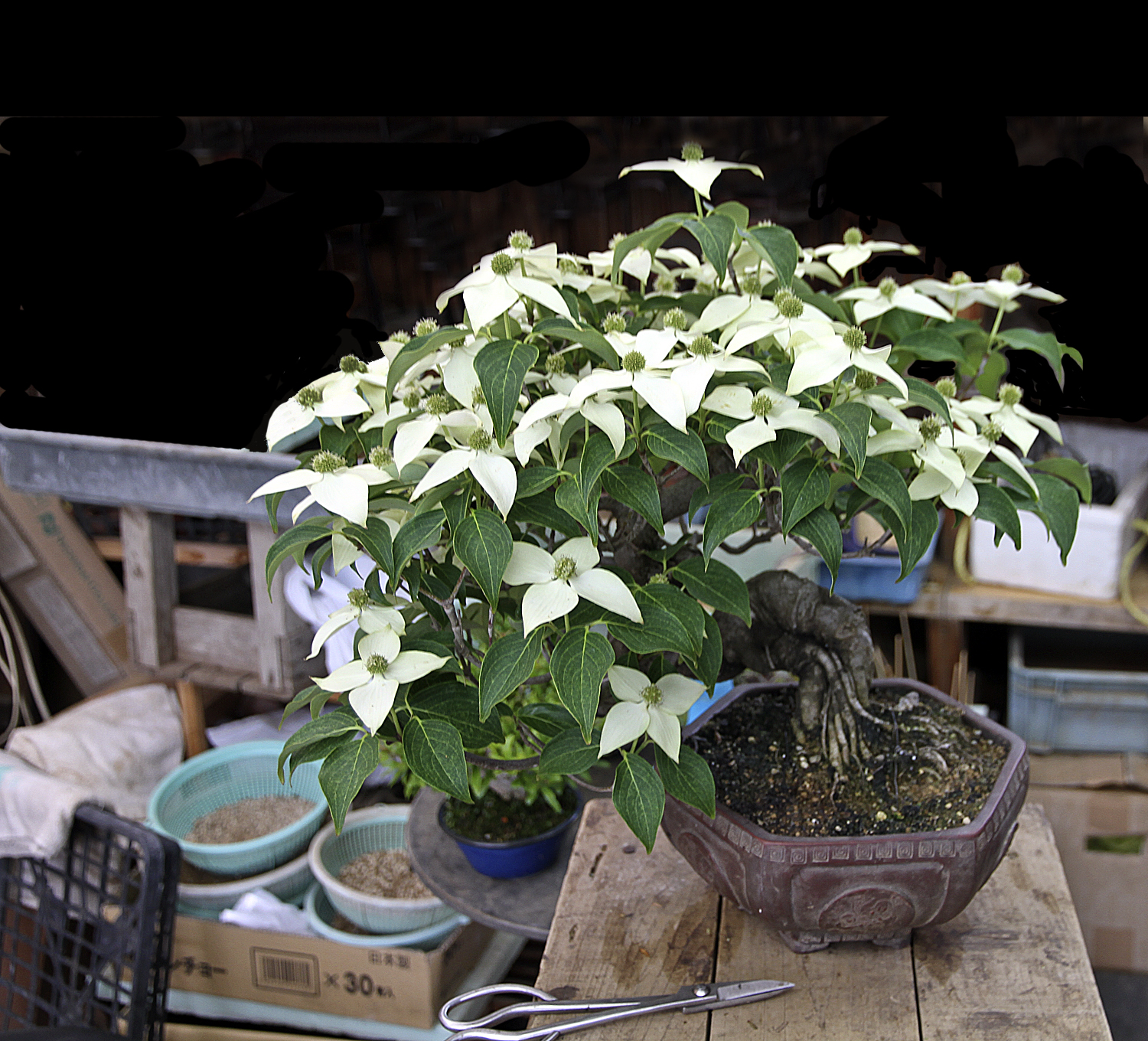
Japanese dogwood, Cornus kousa

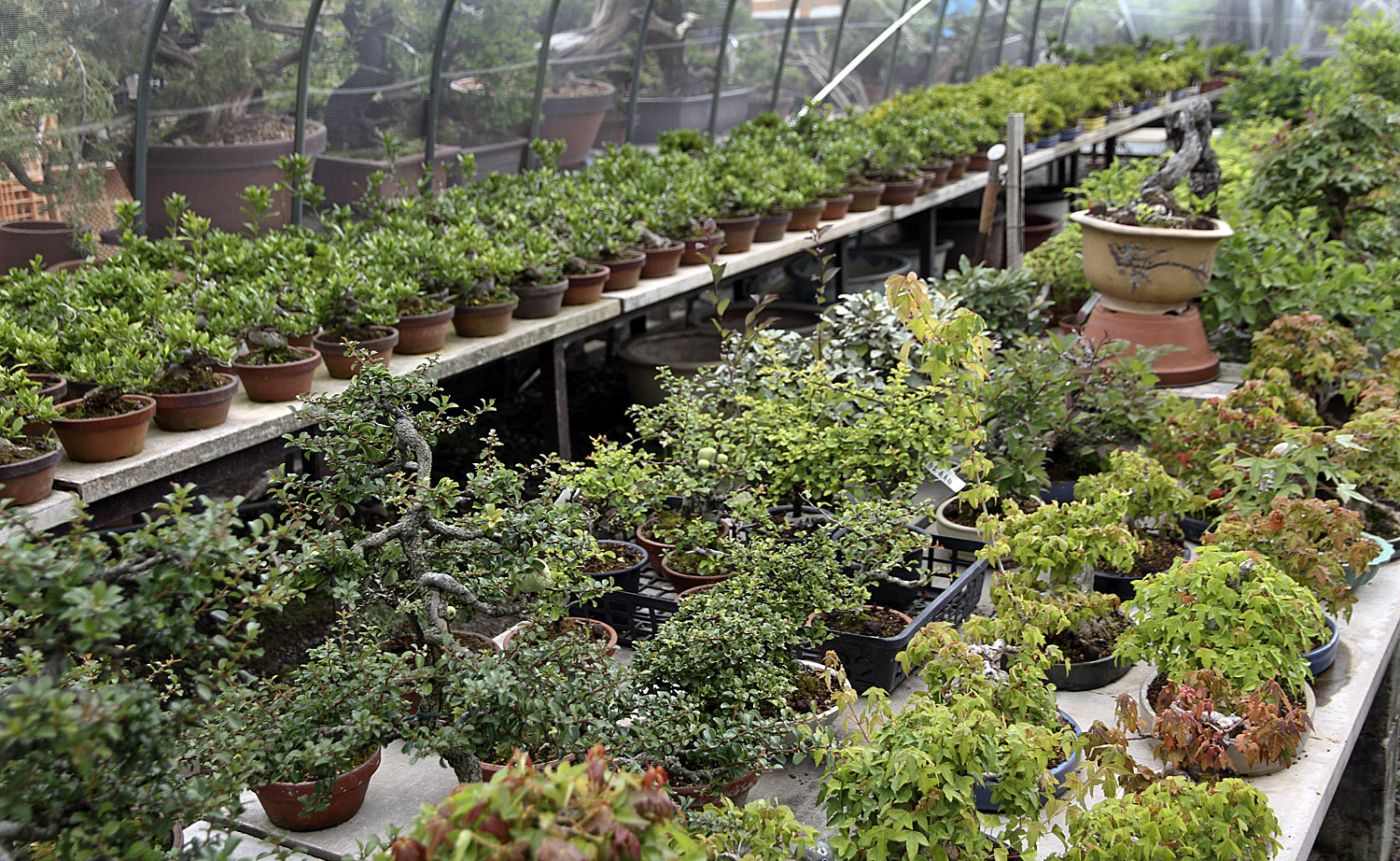
A new house has been added since I last visited and the nursery area rearranged. To me this garden is just as neat as that of Shinji Suzuki. You could eat off the floor, all the containers were parallel to the table edge, no weeds, well a couple. A new quarantine greenhouse has been added as well and its full too.

Image

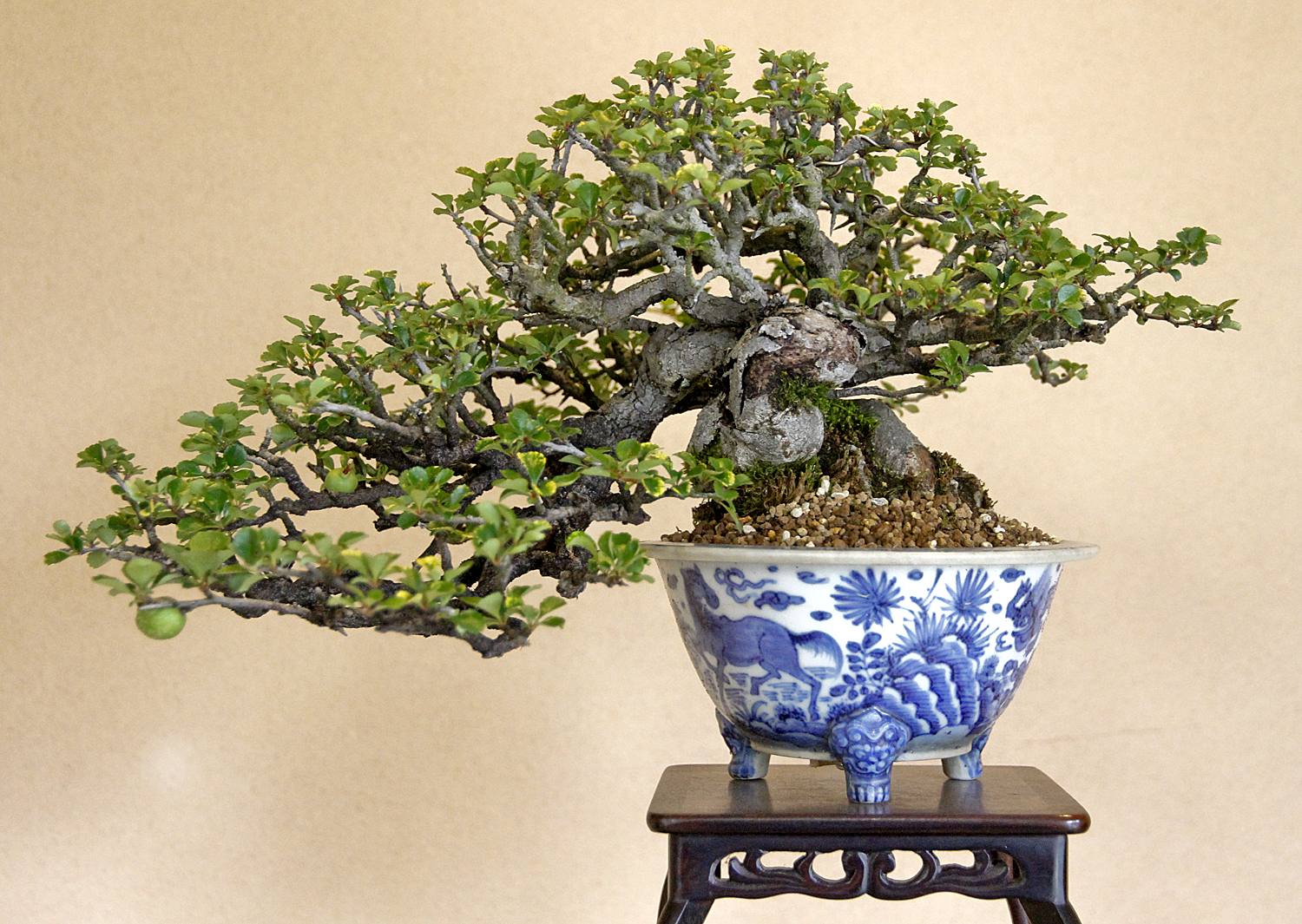
Taiga welcomed us and introduced us to his student from Holland and apprentice from Spain. As we looked around Taiga freely answered all questions. My friend Joe Noga is traveling with me and had numerous questions on one of our favorite species, Chojubai Japanese flowering quince. Joe propagates this rare cultivar and got some good information from Taiga. We only saw a couple of Satsuki bonsai in this garden but loads of fine quality shoo-in and mame bonsai.

Image

Image

Image


Image

Image

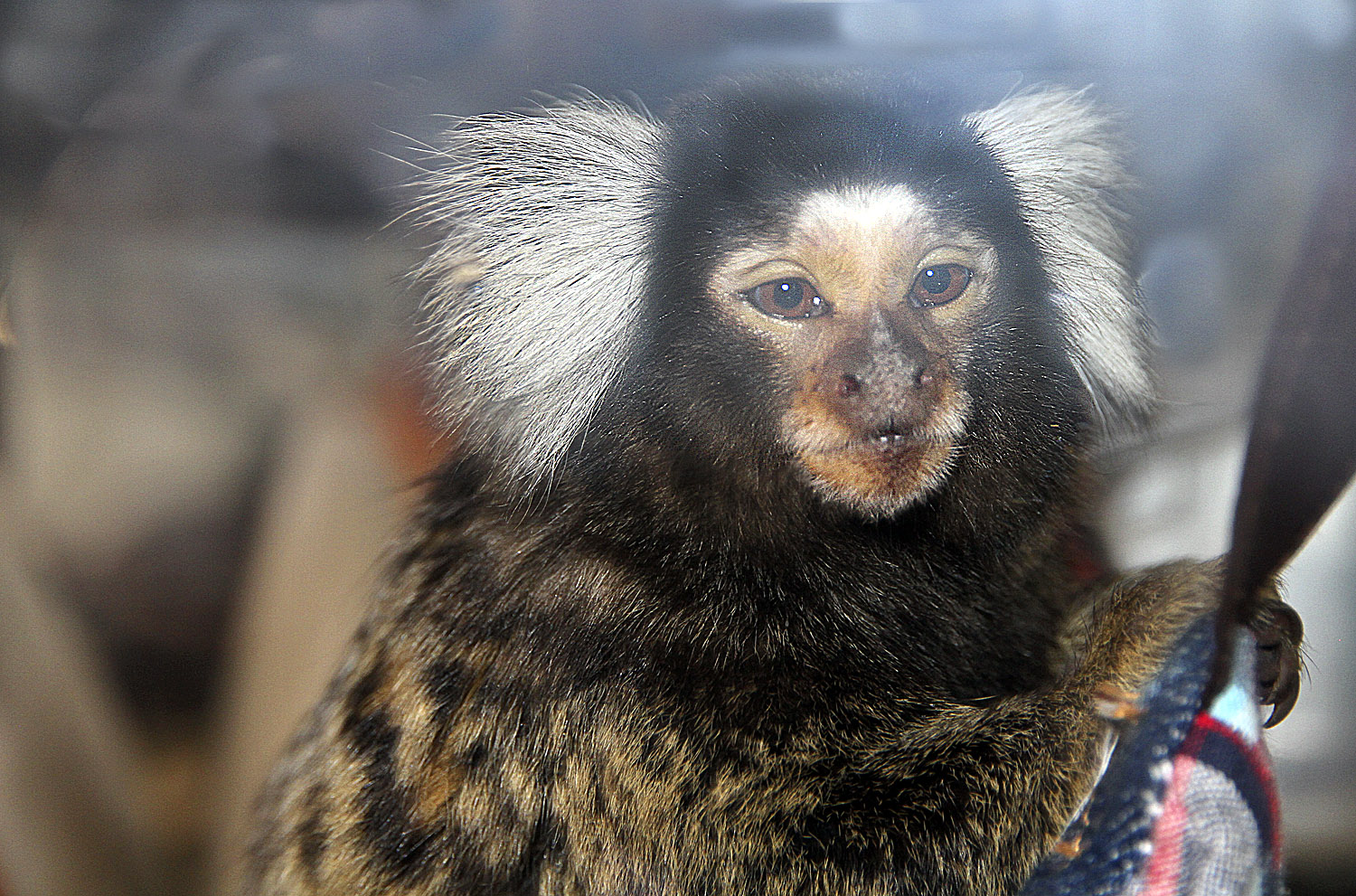
Taiga has a pair of lemurs

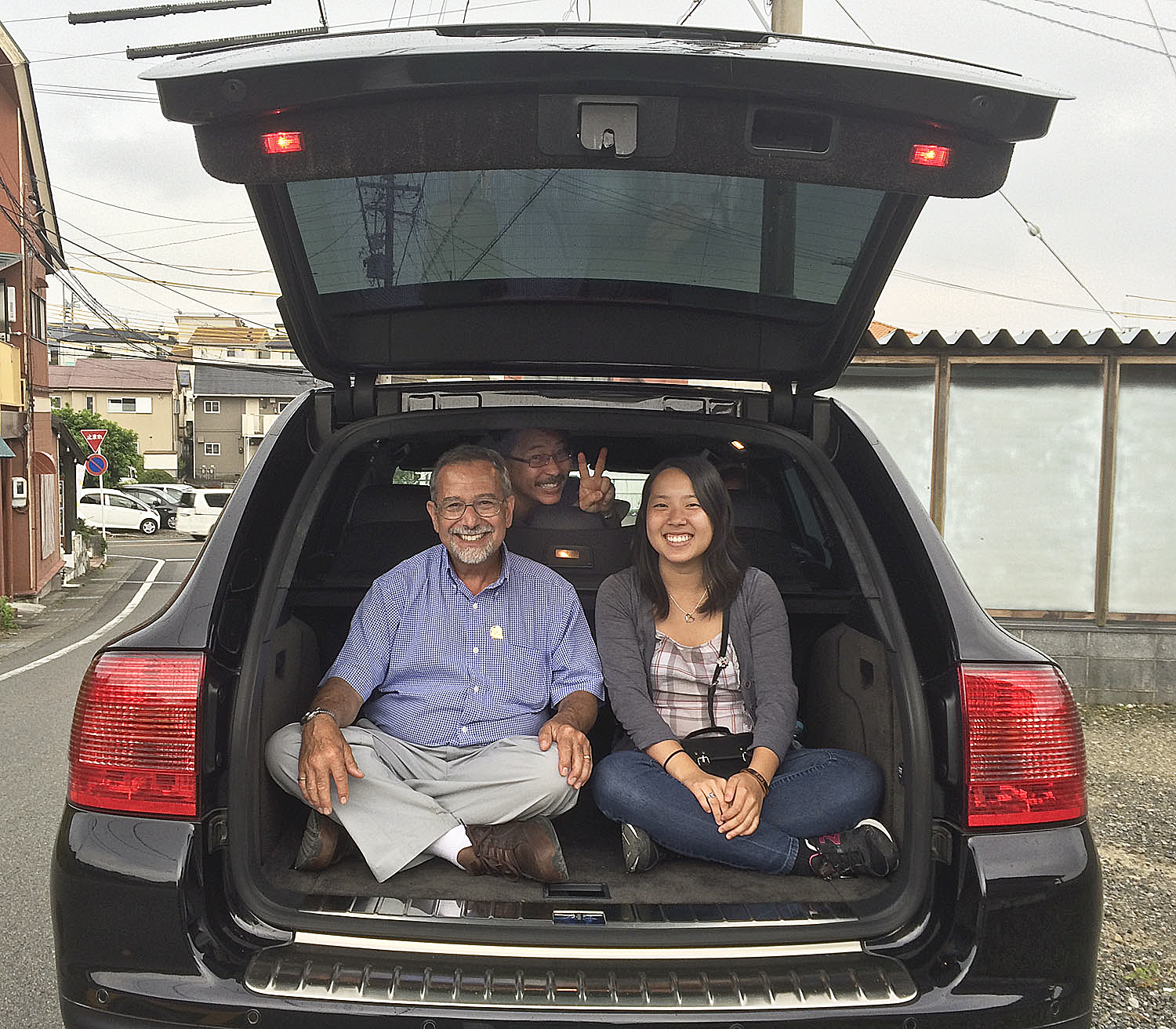
Our visit to Taisho-En Bonsai Garden finished when it began to sprinkle, good planning Kora! Taiga and his apprentices gave us all a lift to the train station , but we had to squeeze 14 people into three cars. Brianne Wong and I rode in the back of a nice new car, well it smelled new. We took another Bullet train back to our Tokyo hotel.

Image

Japan Satsuki Bonsai Tour– Part 3

Image


ImageImage


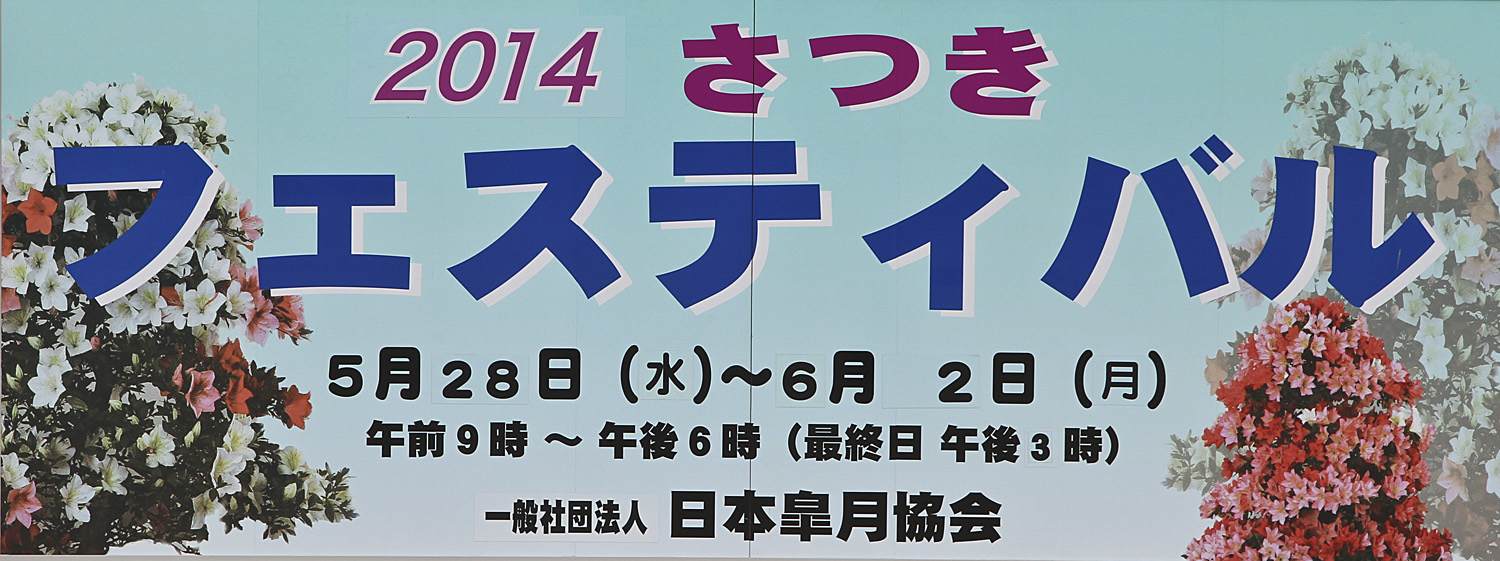
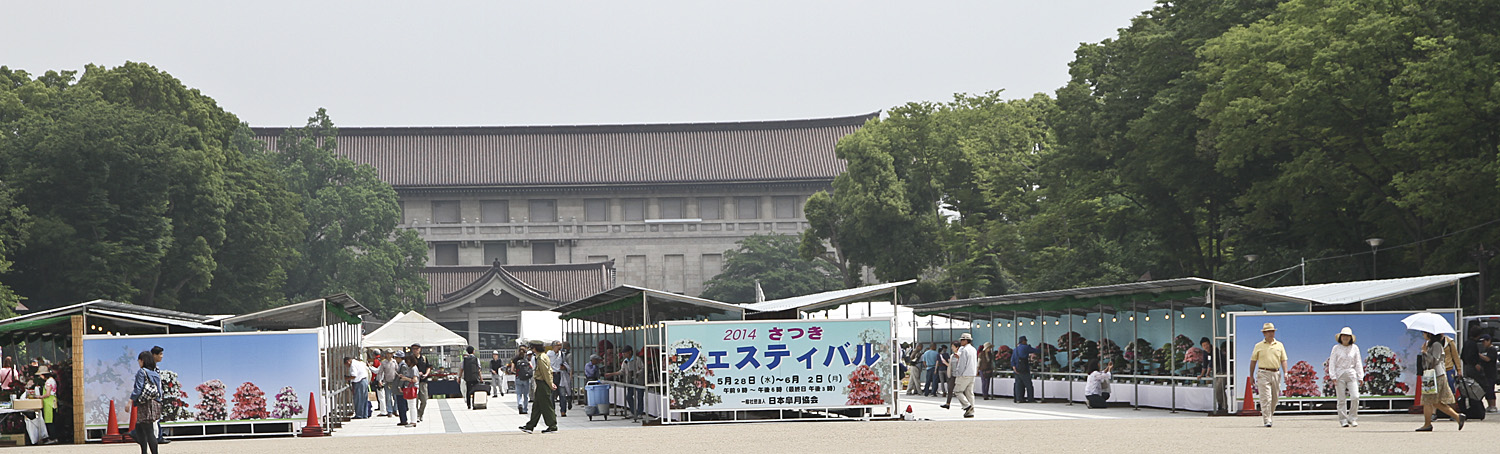
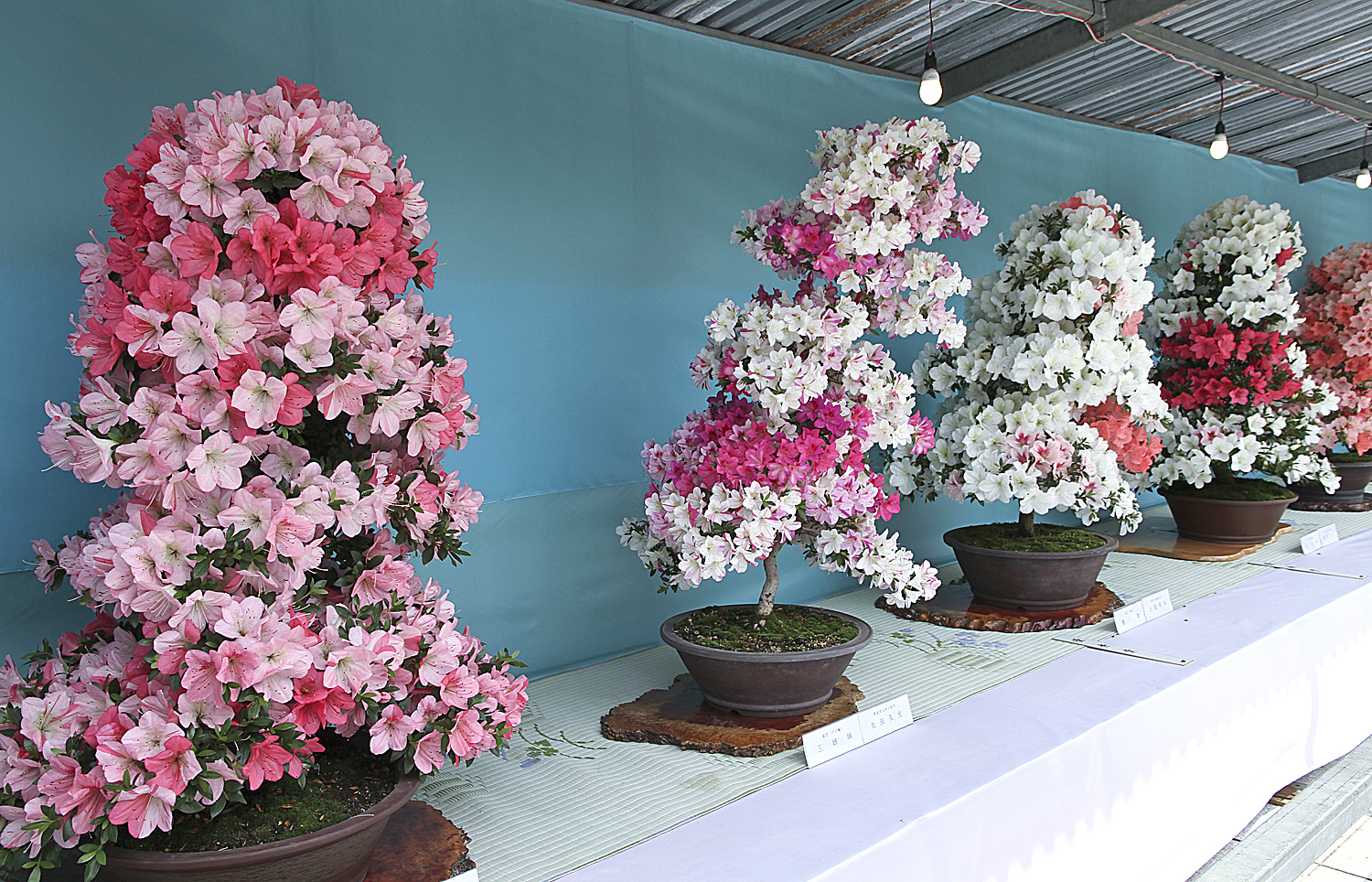
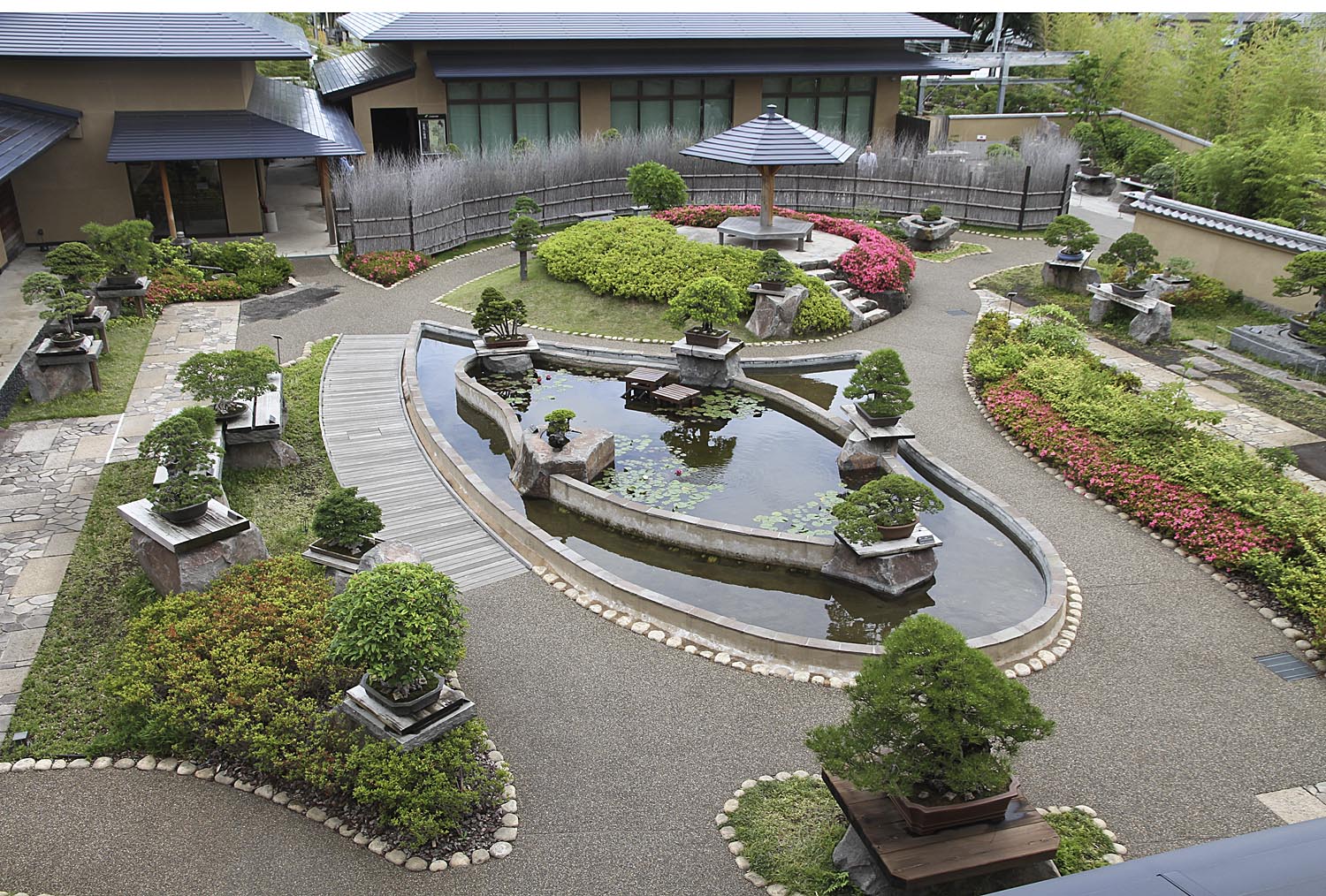
We visited the opening of the 2014 Satsuki Festival sponsored by the Japan Satsuki Association in Ueno Park. The location of the exhibition is near the entry way to the Tokyo Metropolitan Art Gallery where the now annual Kokufu Bonsai Exhibition is held. Our group arrived early to avoid crowds and take photos.

Image


Image

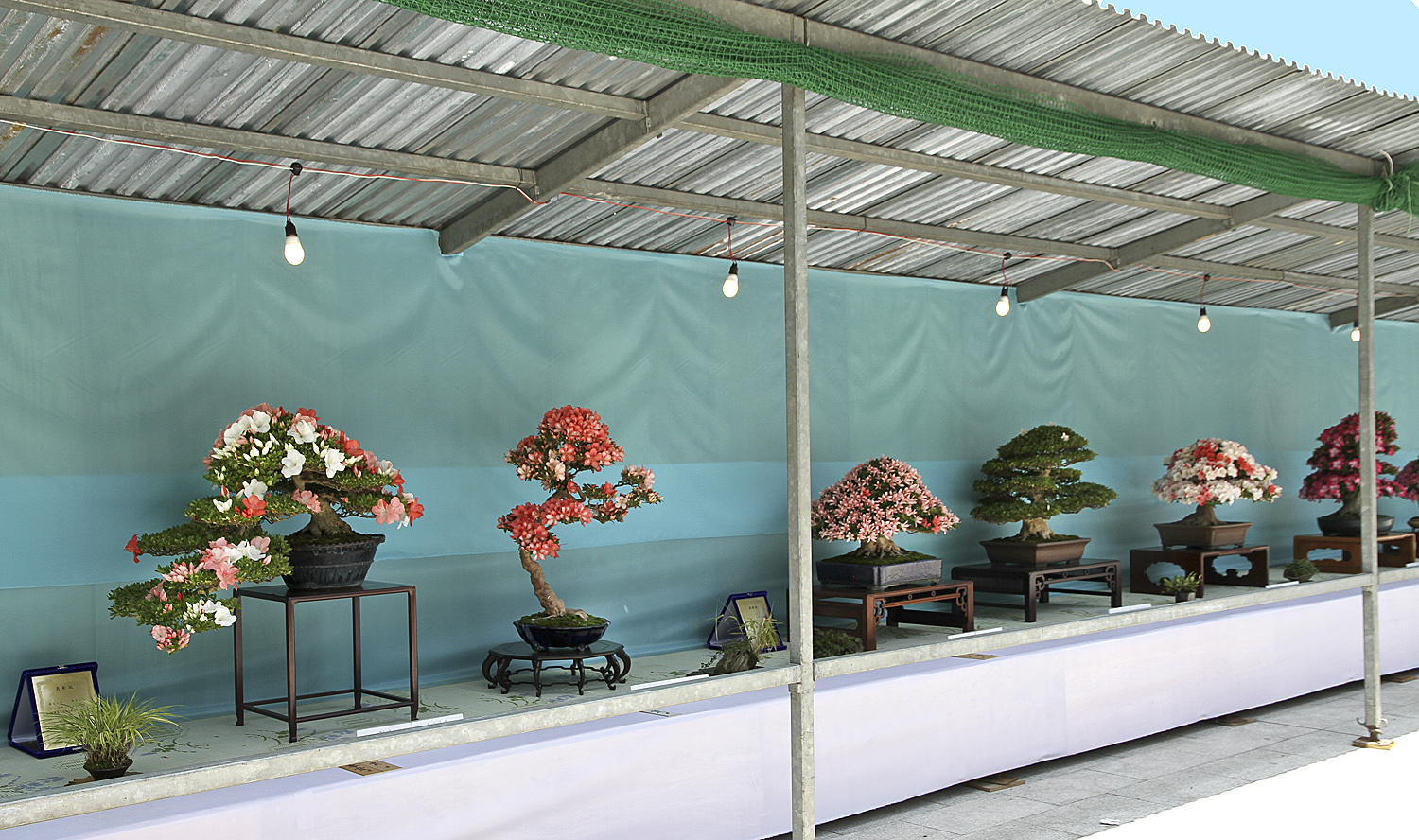
Several large open-air structures housed more than two hundred Satsuki bonsai. On the last row vendors set up selling Satsuki pre-bonsai as well as small and large trained masterpieces. Some tools and supplies were also offered. The display area was on a smooth white granite floor, which reflected the intense heat up to the visitors. It’s a good thing there was a Starbuck coffee shop adjacent to the exhibition, where many took a few moments to become refreshed before returning to study the bonsai.

ImageImage

Image

Image

Image

ImageImage

Image

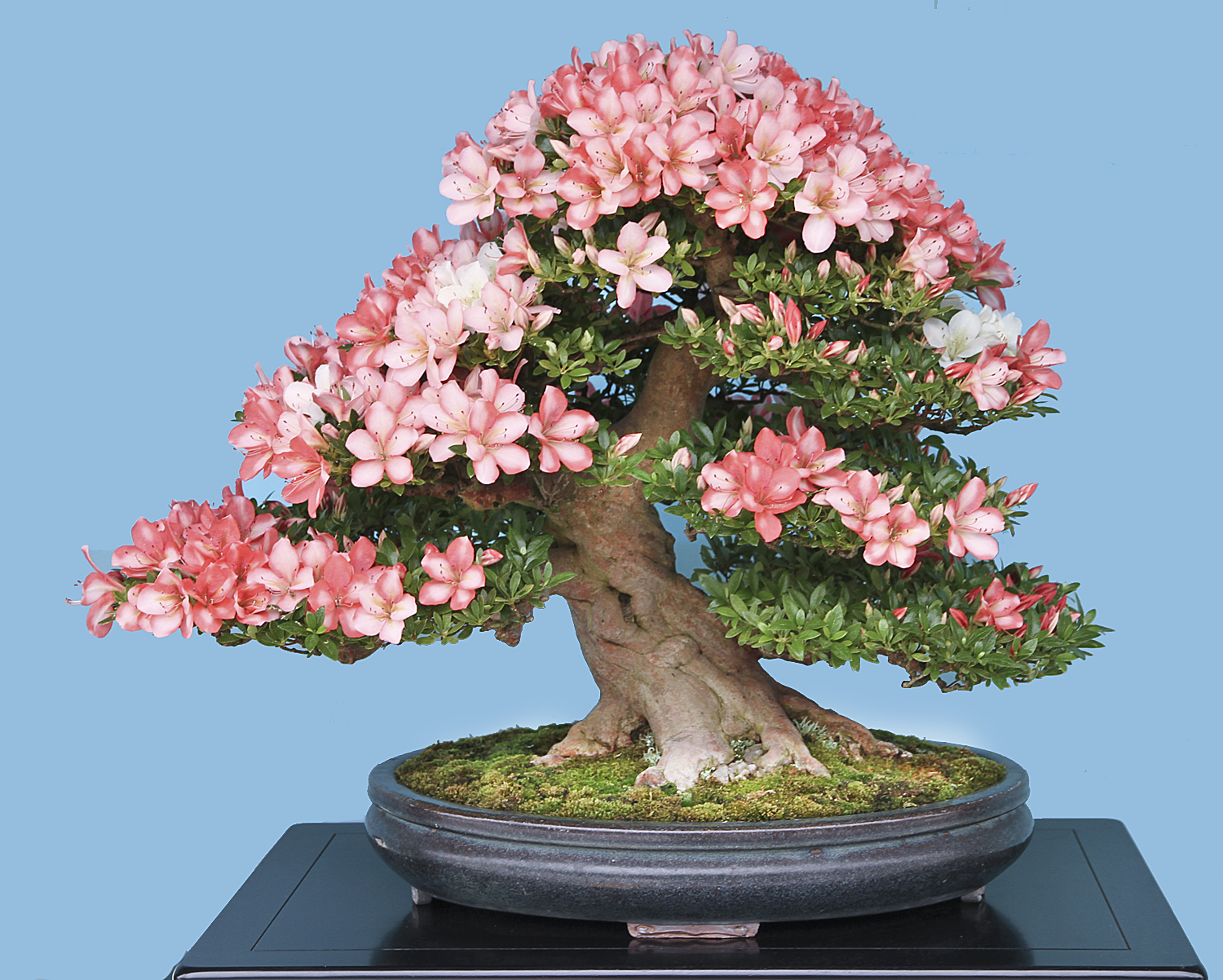
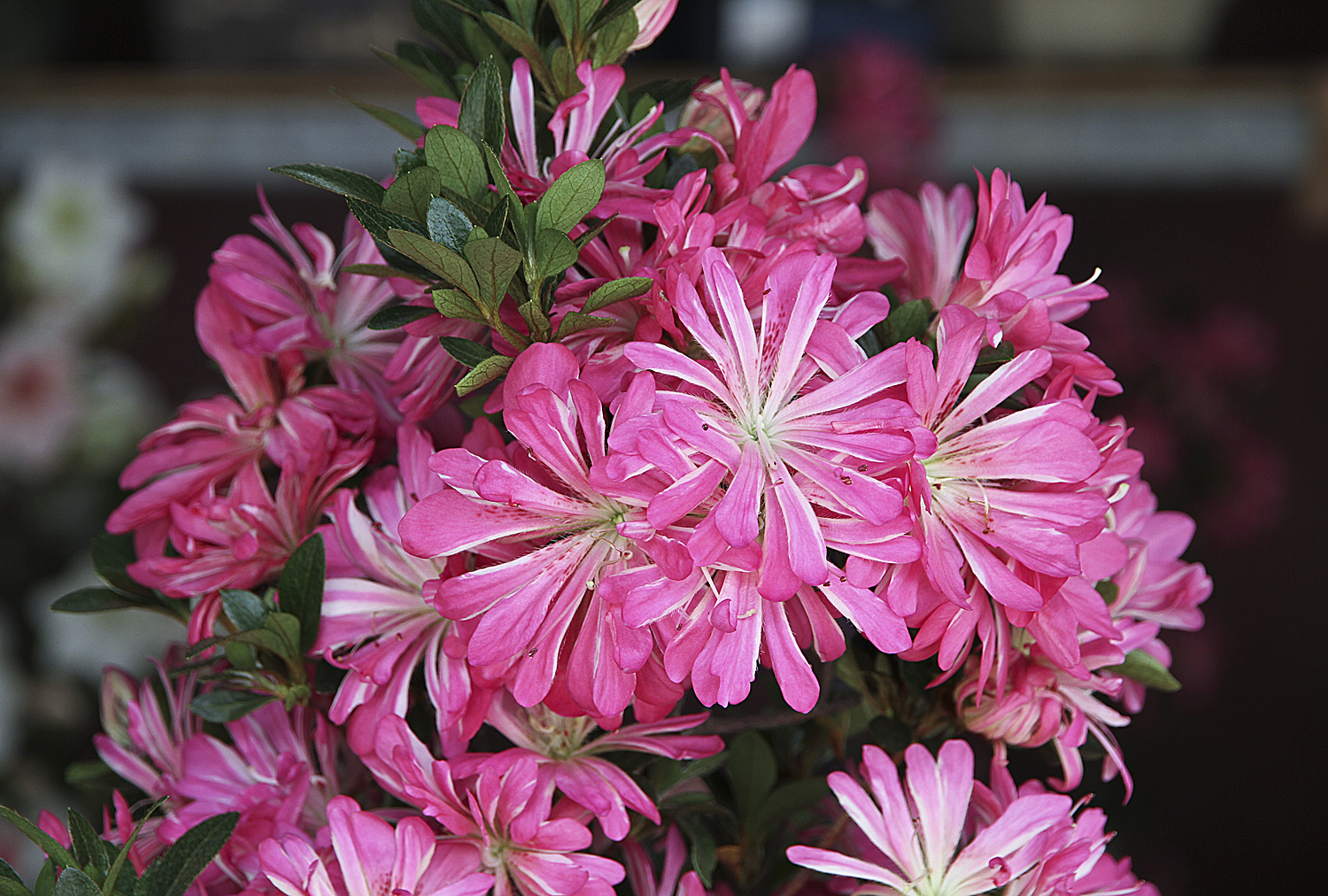
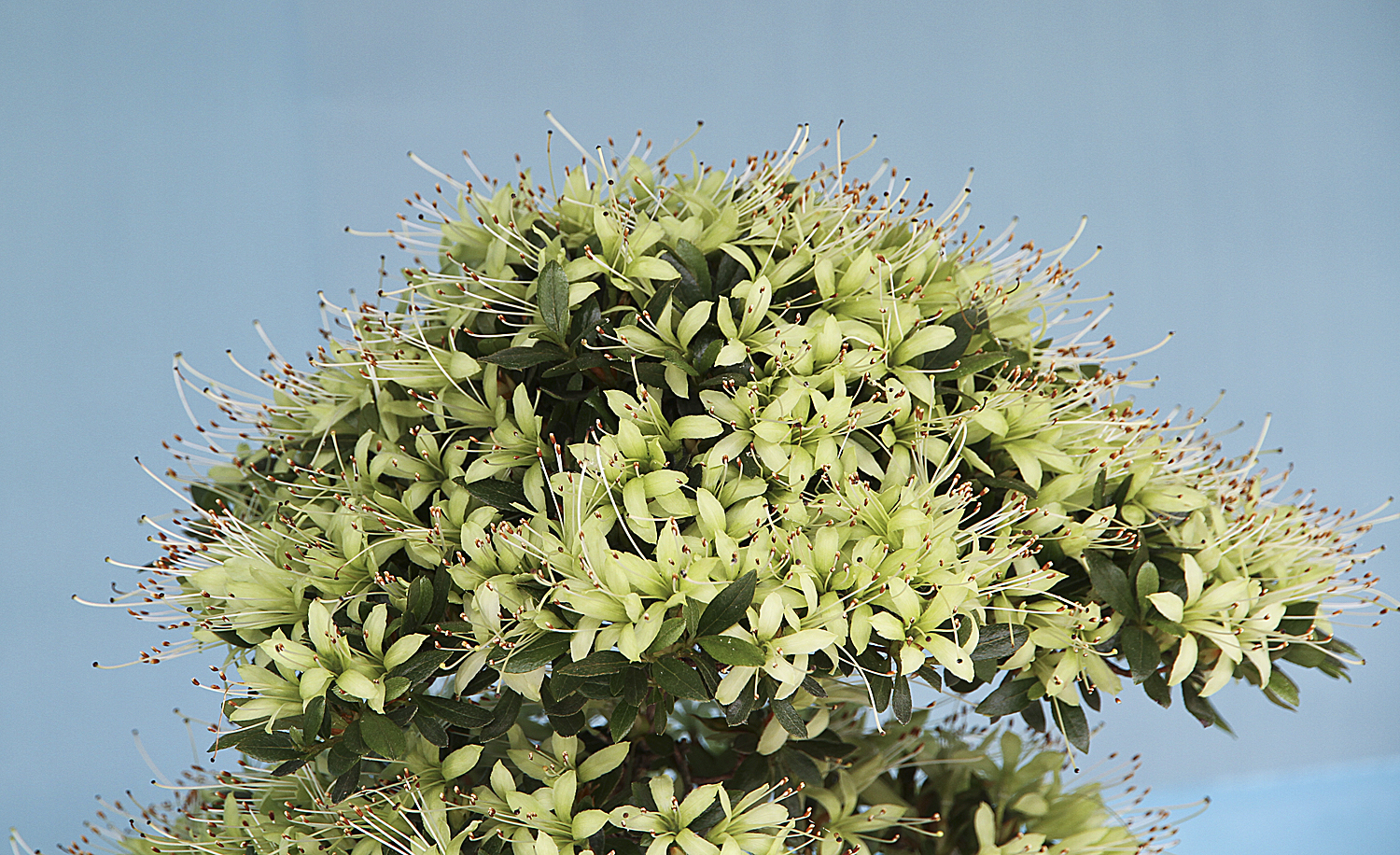
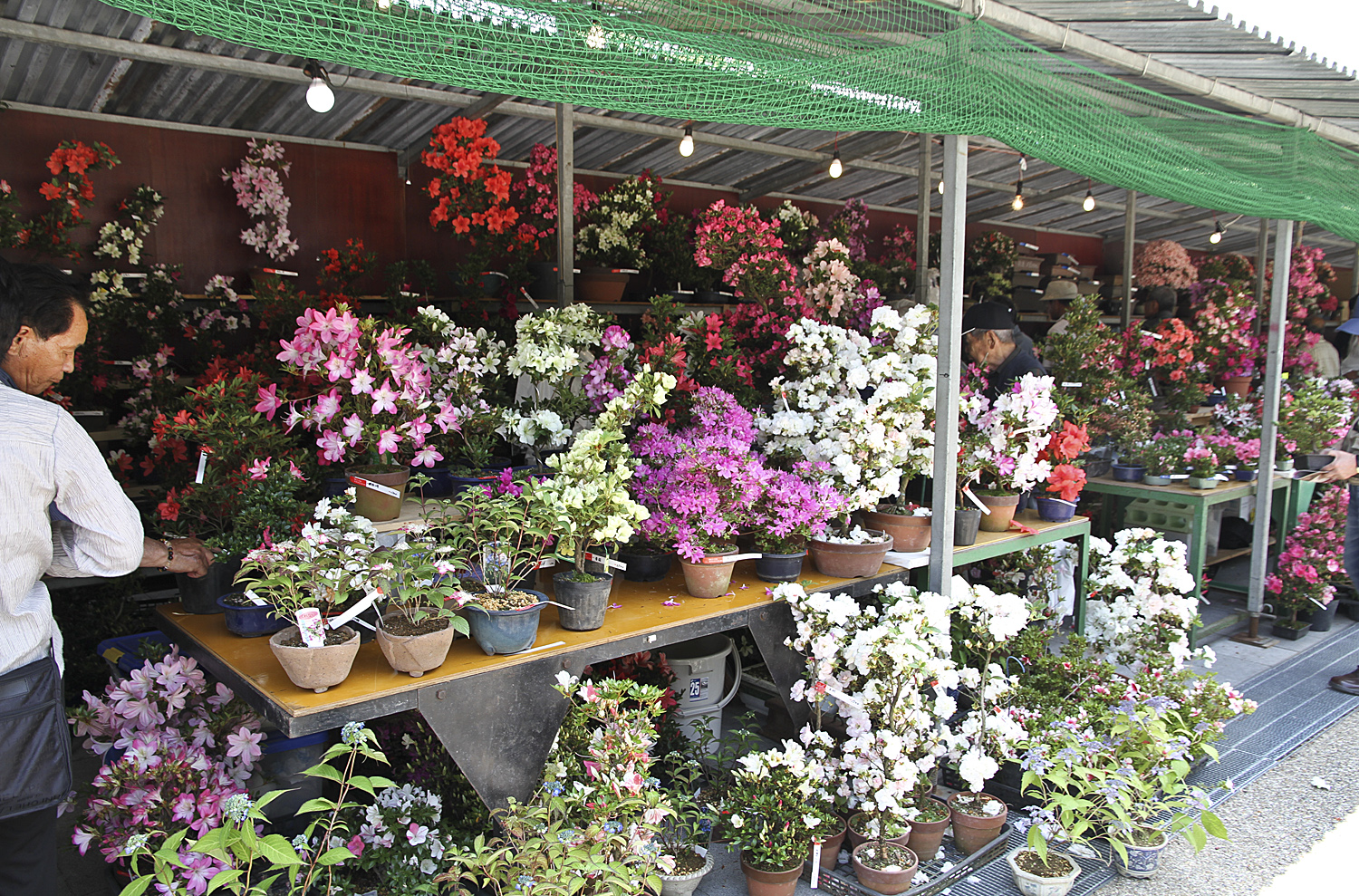
In the sales area I noticed two different Satsuki cultivars with most unusual blossoms, one with dissected pink petals and the other with light yellow, almost green small flowers.

Image

Image

Image

Image

Image

Image


Of particular interest were the beautiful and varied companion plantings, some with common perennials and others with unknown species. The fresh spring green grasses were most impressive and added to the aesthetic appreciation of the colorful Satsuki bonsai.

Image

Image

Japan Satsuki Bonsai Tour– Part 2

Image

MASAHIKO KIMURA

Saitama City

Image


Image

Image

Our first stop today was at the private garden of Masahiko Kimura where we saw magnificent, mostly large size bonsai. Nearly every tree was an evergreen, many with dead wood, but not all. Three were numerous famous masterpieces as well as Important Bonsai Masterpieces and award winning trees from the Kokufu Bonsai Exhibition.

Image

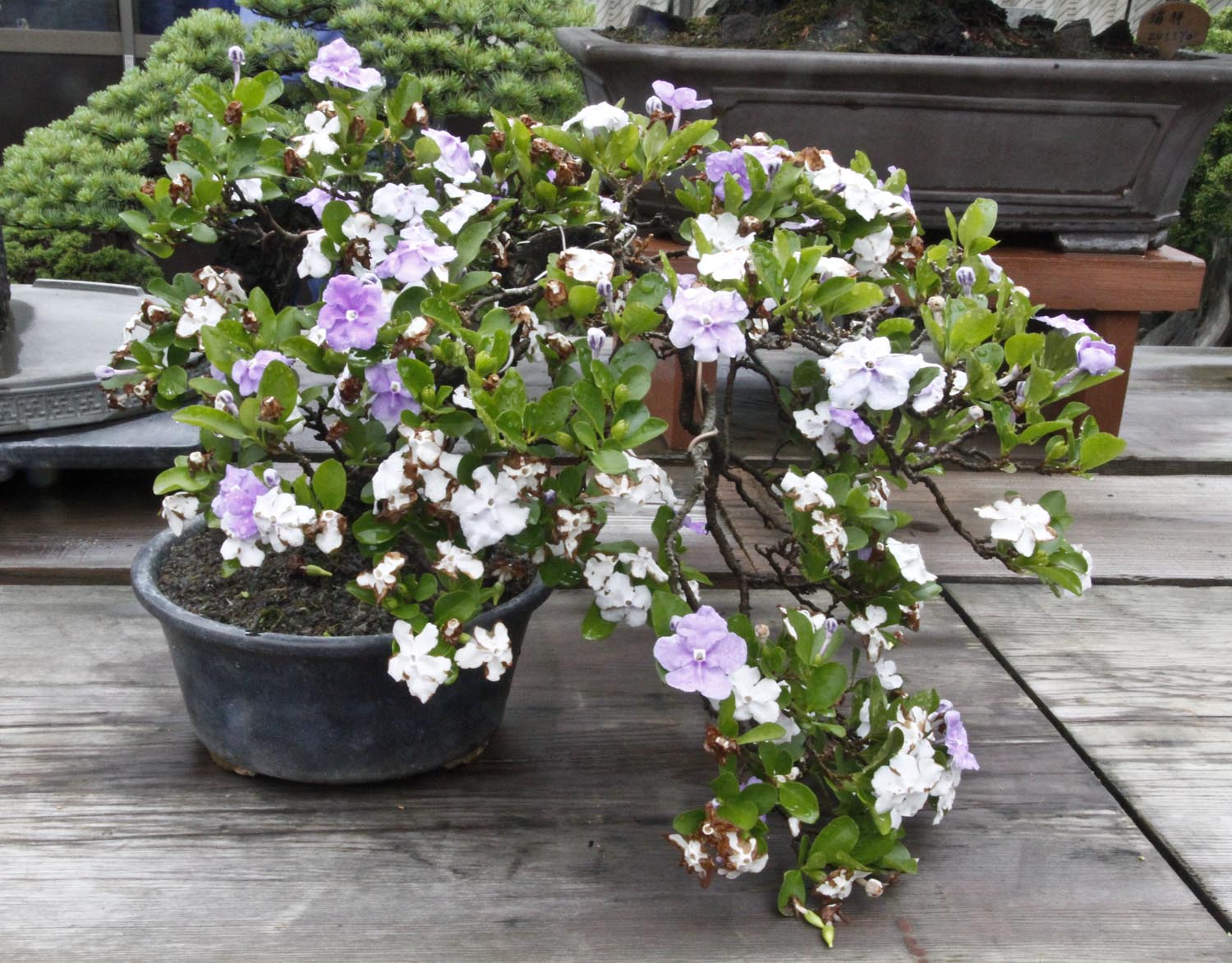
Mr. Kimura was a gracious host and all of group were served tea and Japanese cookies. Of interest to most of our members was not a large size tree, nor evergreen, but rather a small tropical tree. A few knew the name was “Yesterday, Today and Tomorrow” but could not think of the botanical name. So, I took out my iPhone and searched and discovered the name is Brunfelsia pauciflora, a small plant native to Brazil. I’ve seen it in Florida and it’s beautiful with purple, white and pink flowers on the plant at the same time.

Image

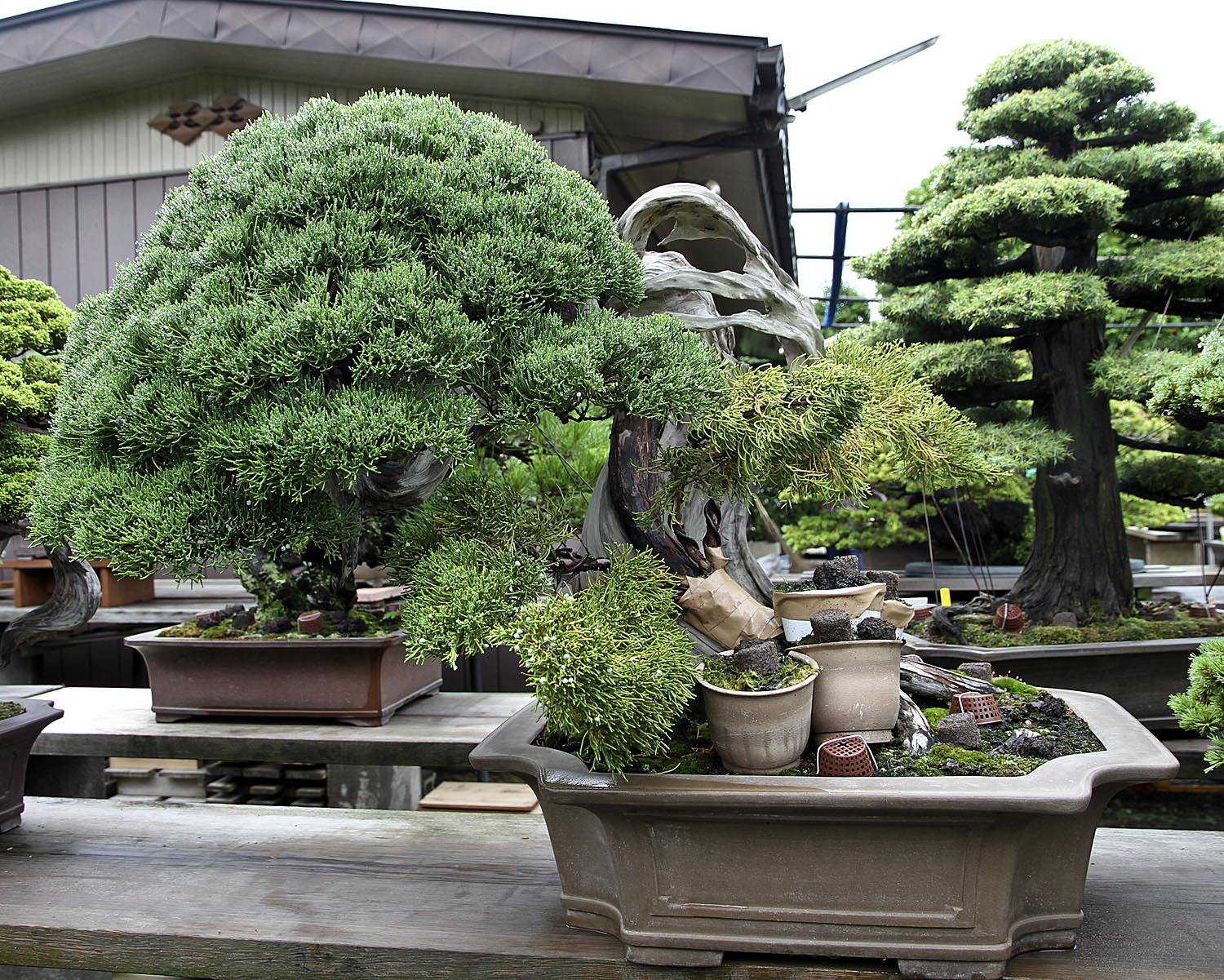
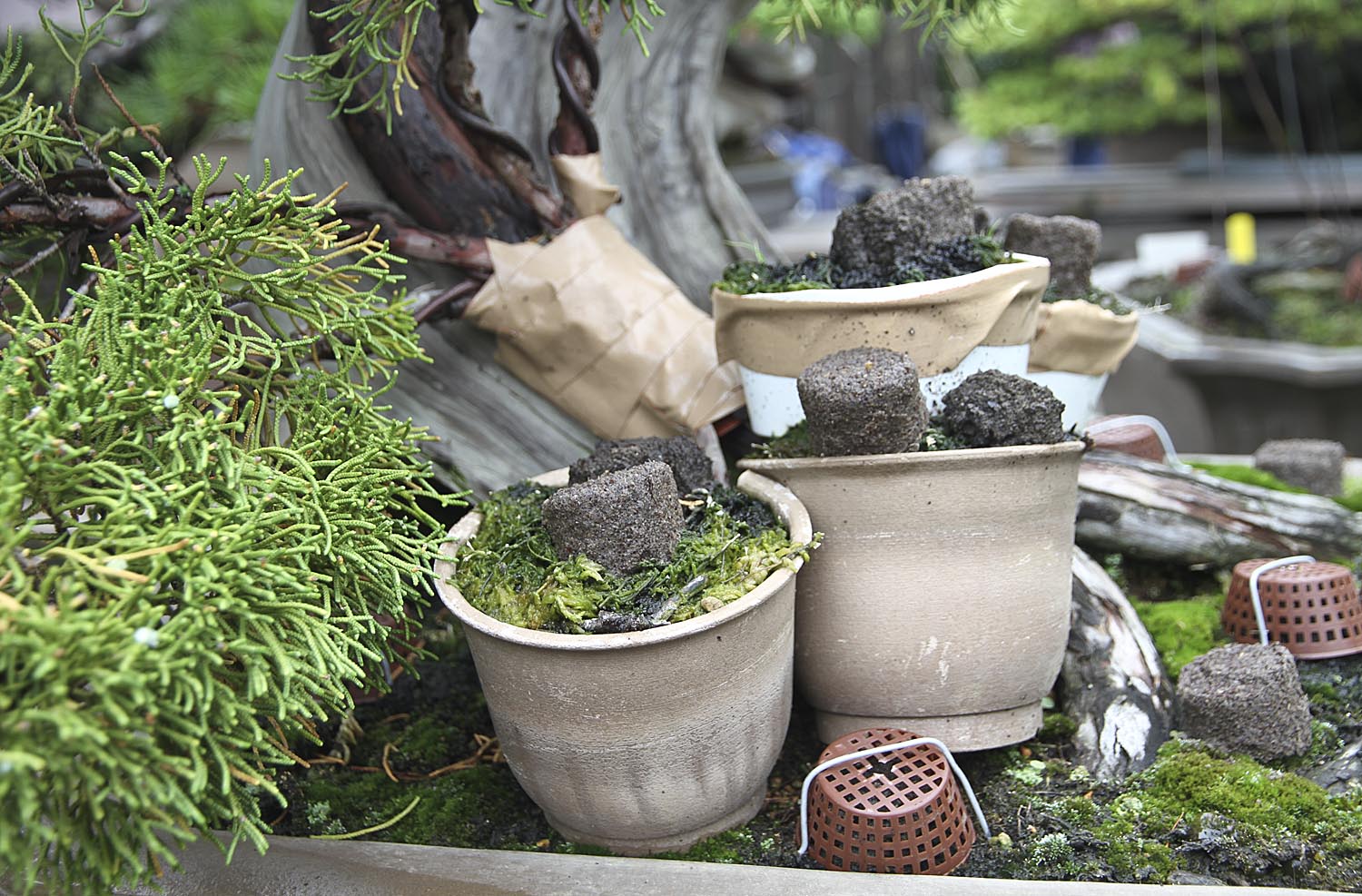
As we were studying the bonsai Joe Noga saw something unusual. There were a couple of common looking Shimpaku junipers being grafted at the bottom of a famous, award winning larger Shimpaku juniper. I could not think of the reason because the tree had some roots and lots of dead wood on the bottom of the trunk. So, I found Mr. Kimura and he explained he wants to shorten the tree and grafting new roots so he can successfully remove the lower trunk and original root system.

Image

Image

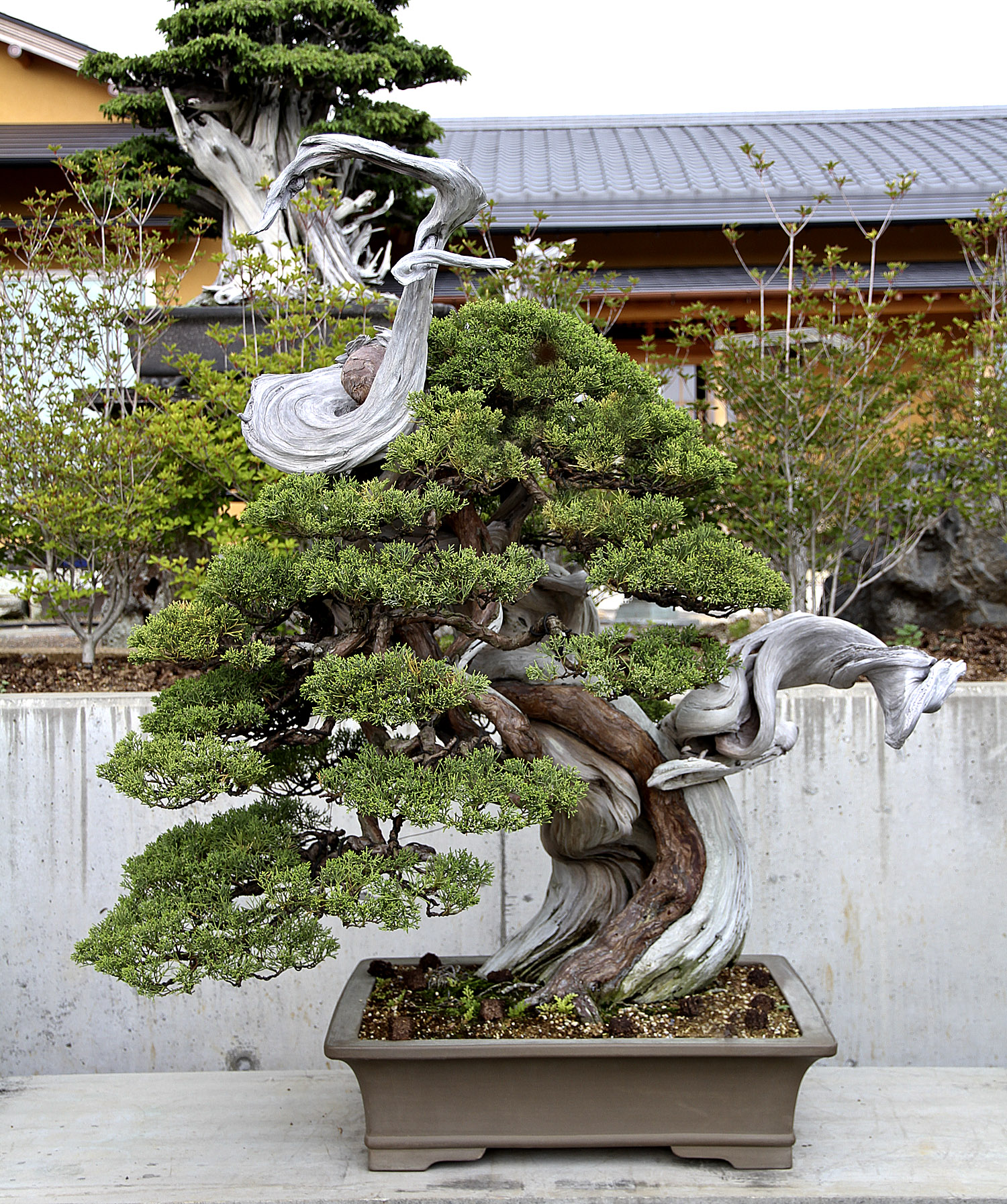
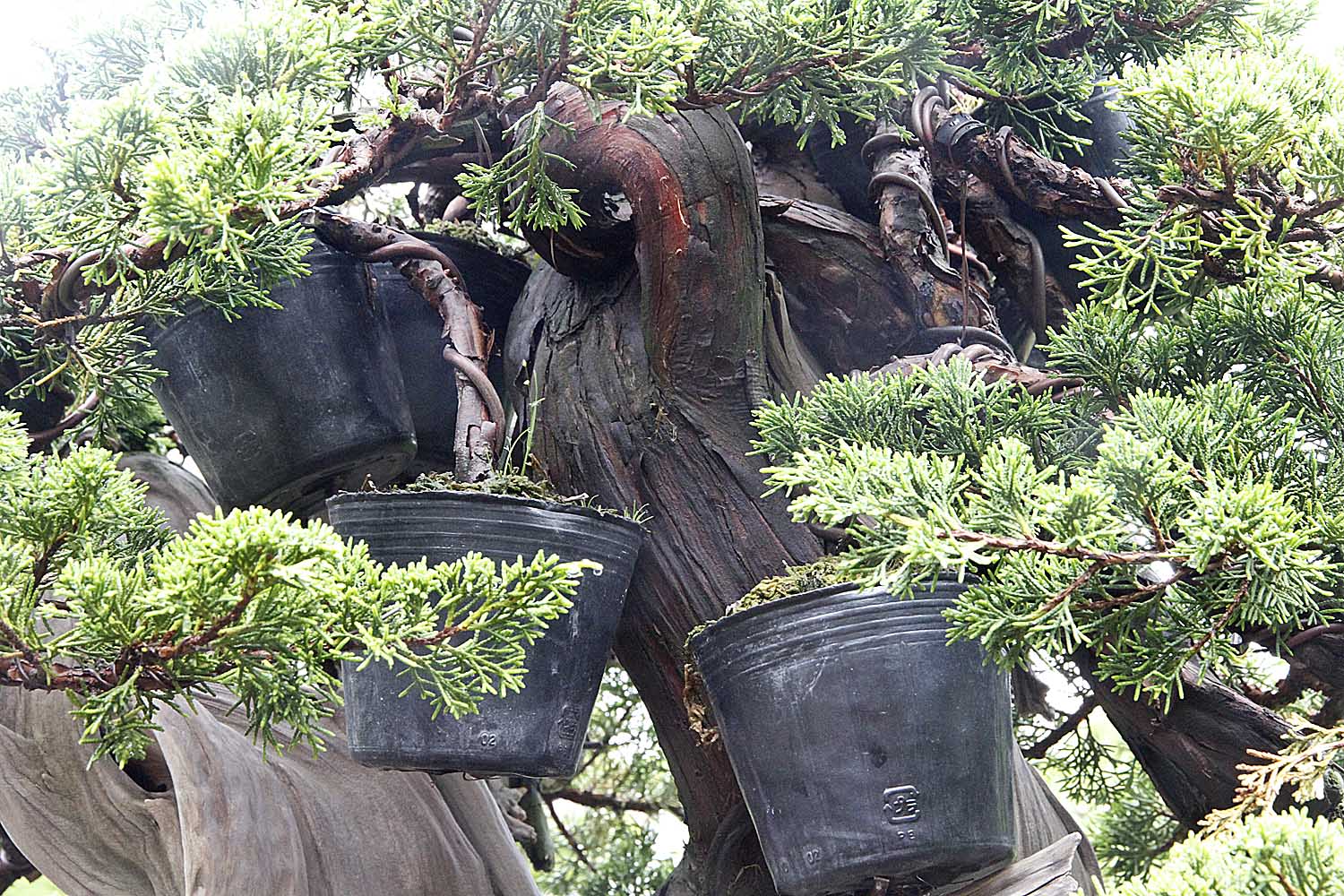
Throughout the display area, if one looks closely, you can see numerous approach grafts to add branches or change the variety of juniper. There was one tree where the small potted plants were visible so it was photographed. This approach grafting technique to change the variety is quite common in Japan. Most of the collected Champak junipers have coarse foliage and a finer textured cultivar is grafted to completely change the variety of the bonsai. Many of the famous Shimpaku juniper bonsai in Japan have been grafted to improve the foliage which is not widely known.

Image

Image

Image


OMIYA BONSAI ART MUSEUM

Omiya

Image

Image


Hydrangea

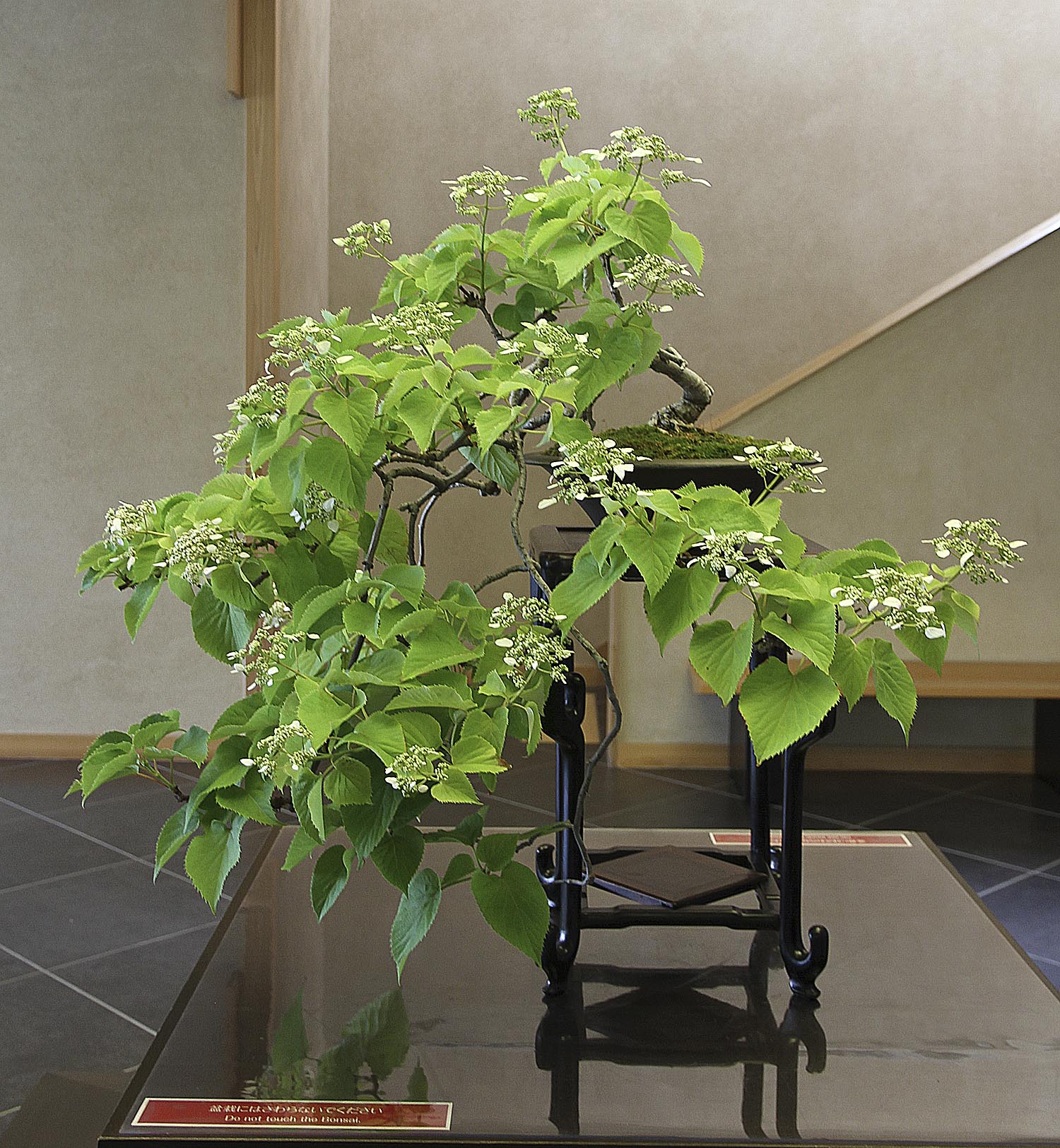
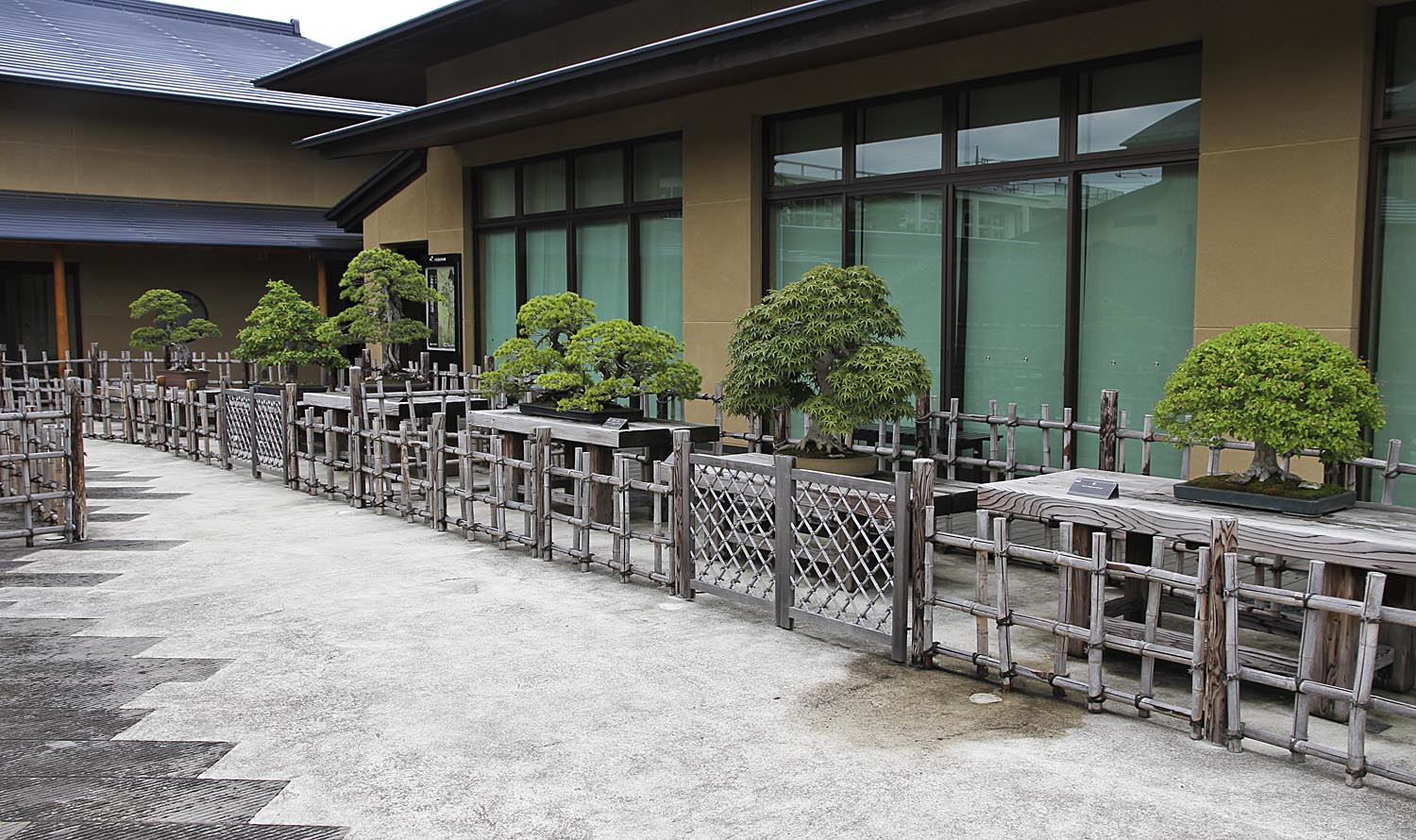
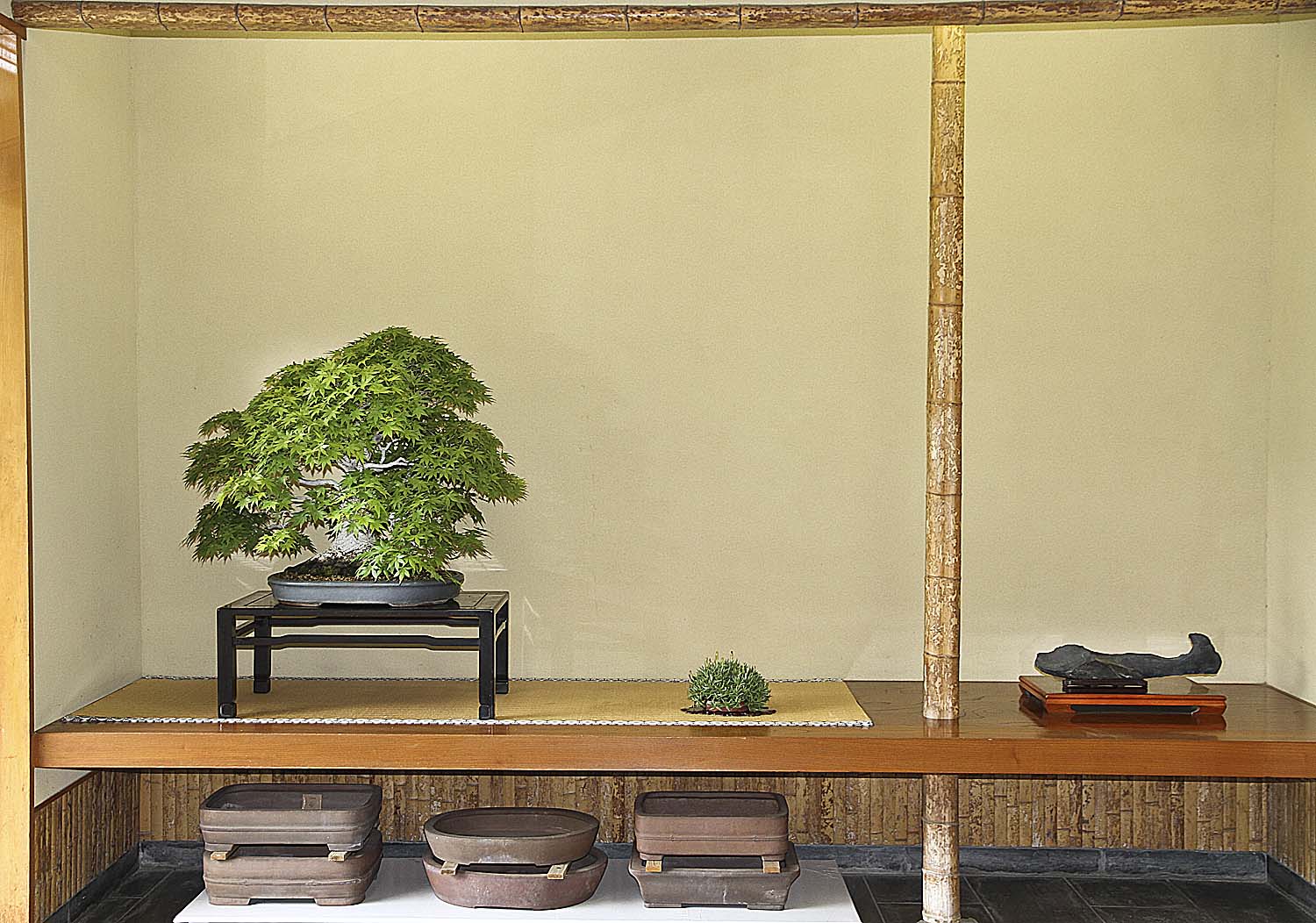
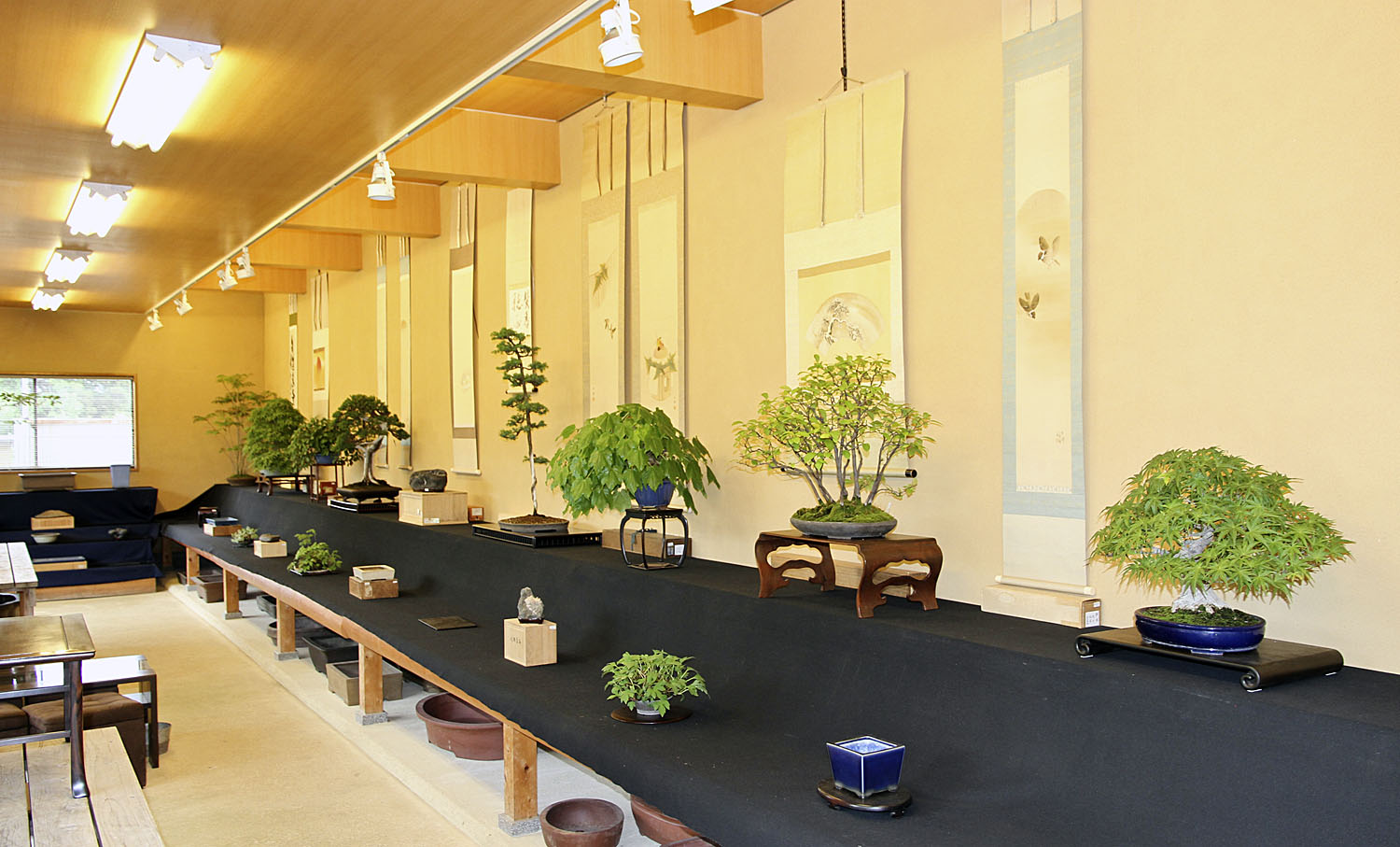
Next we visited the Omiya Bonsai Art Museum where we saw excellent educational displays indoors accompanied with beautiful bonsai. The three different styles of alcove display were demonstrated with masterpiece bonsai, all coordinated with the late spring season.

Image

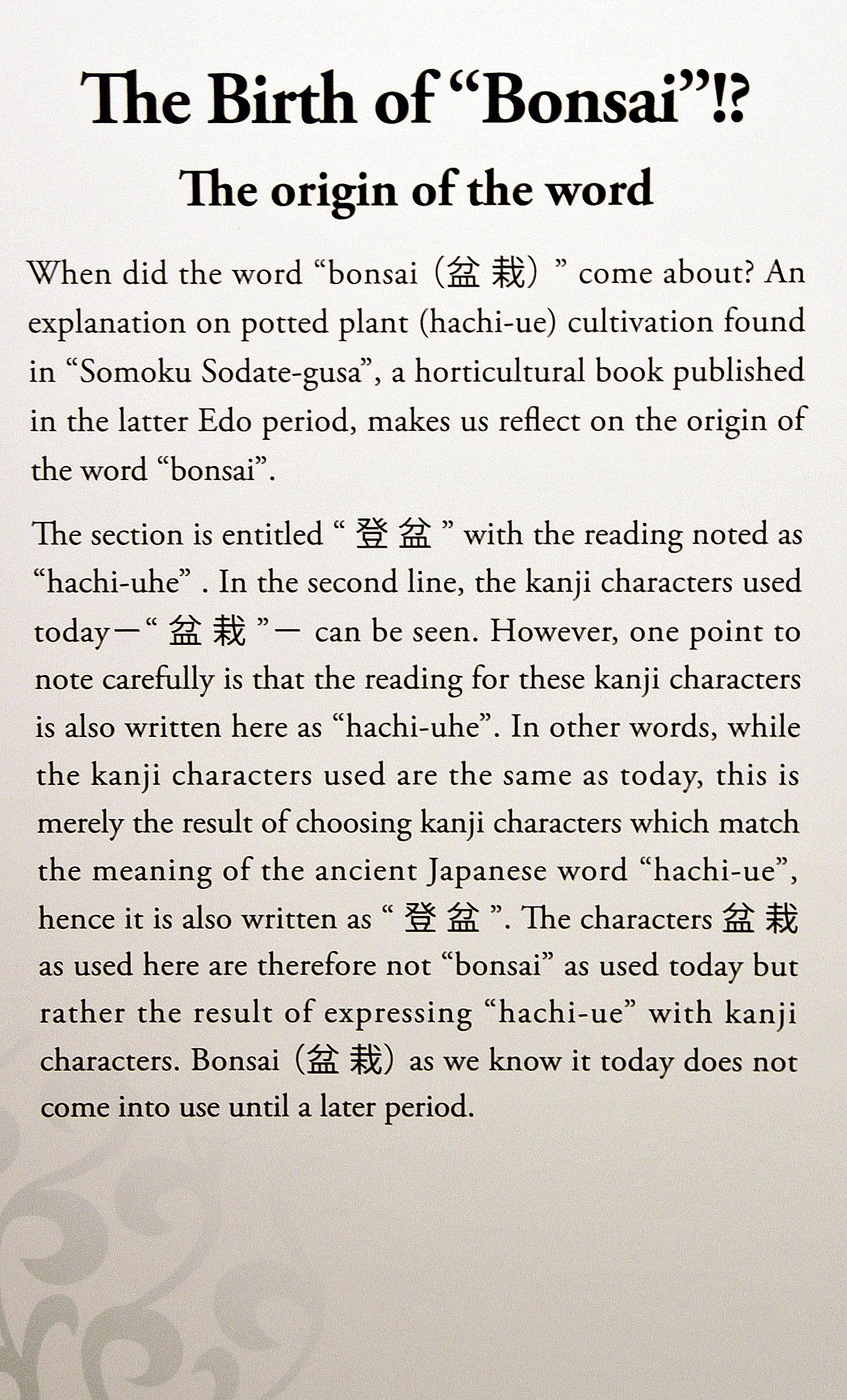
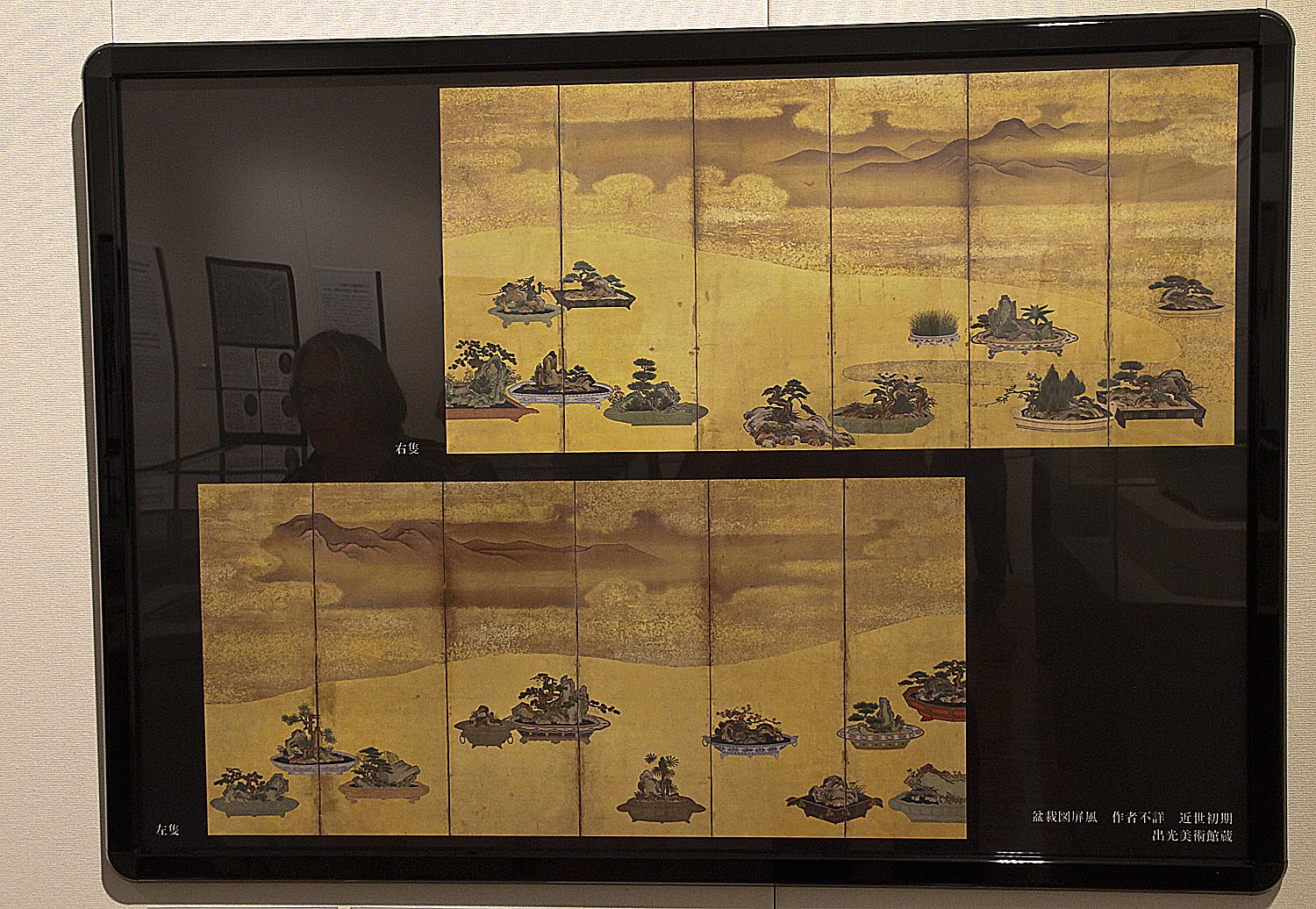
The exhibition gallery building was of most interest to me because of the display on The Story of “Bonsai”– The History of Bonsai from Ancient Times to the Present. Large photos from old historic books were mounted on the walls with English explanations. The different sections included: “Bonsai” comes to Japan, The treasurers of “Bonsan” (not bonsai), Feudal lord’s love for potted plants, Potted plant culture blossoms among the masses, Birth of the “Bonsai”– Origins of the word, “Bonsai” as culture female etiquette in Meiji Period, Sencha tea ceremony and “Bonsai”, Status symbol for persons in politics and business, Bonsai is Art! and finally The Birth of the Omiya Bonsai Village. I saw reproductions of paintings and folding screens I have never seen before. There were some old historic books on display with important pages enlarged to explain the word “bonsai”, all of which I have in my reference library. Most of our tour members briefly looked at this important display, but I studied it in detail. A small booklet describing the exhibit was available.

Image

Image

After our visit we had a delicious and eye appealing lunch at the new Bonsai Restaurant open in February by Yoshiro Nakamizu which is directly across the street from the Omiya Bonsai Art Museum.

Image


MANSEI-EN BONSAI GARDEN

Hatsuju & Haruhiko Kato– Omiya Bonsai Village

Image

Image

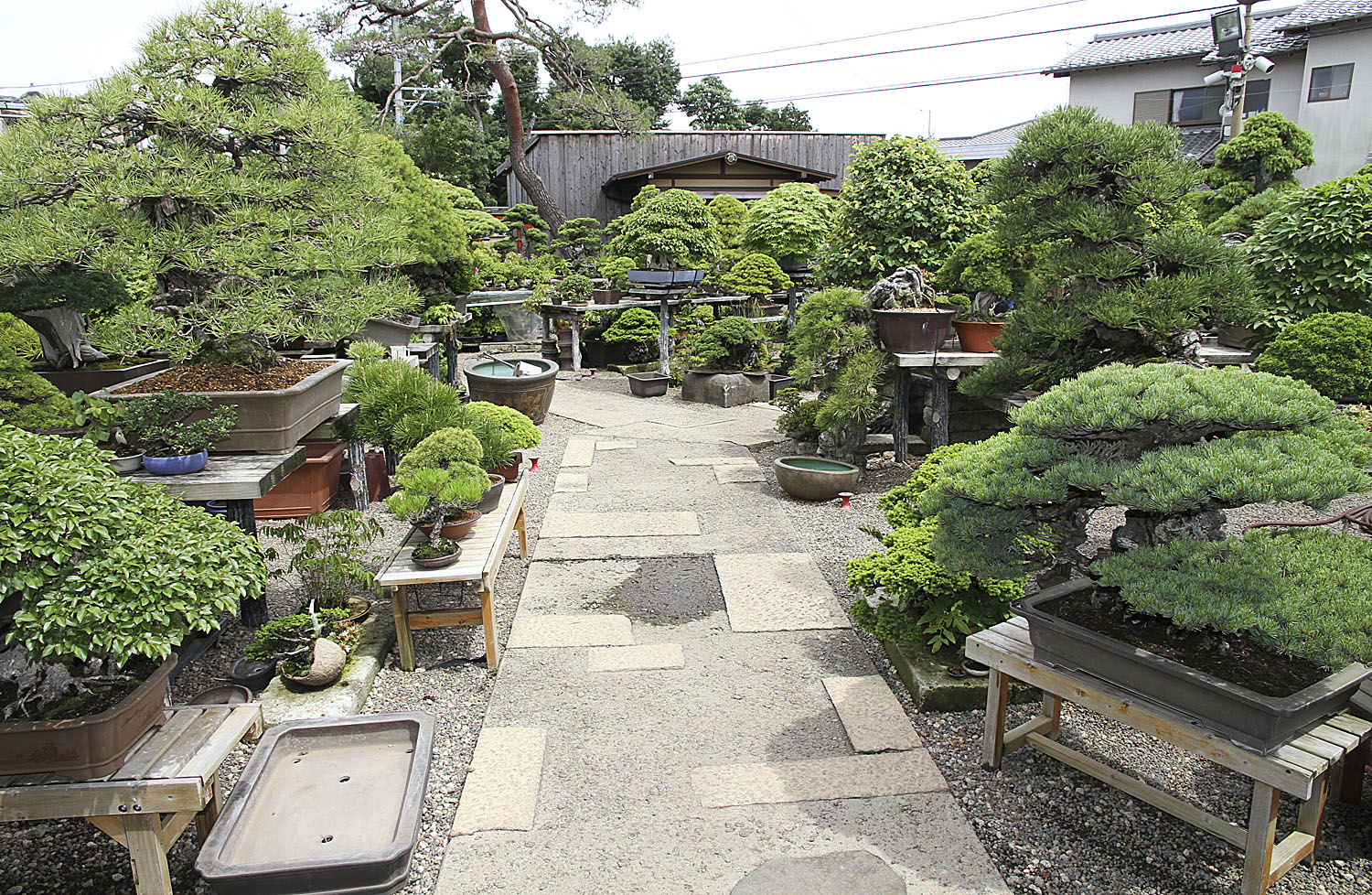
Mansei-en Bonsai Garden is the only remaining original garden in the Bonsai Village which was established in 1925 by Hatsuji Kato’s grandfather. Again, this garden was filled with many famous and award winning masterpieces. Under most of the benches you could find small, medium and old containers. Several of this year’s award winning bonsai were there, but were recently transplanted into different containers.

Image


Kiyo Hime Japanese maple May 2014

Image

February 2014

A small shade house was filled with shohin bonsai, which is not unusual. However, the entire shade house was inside a larger shade house which is usually covered with poly when we visit in November and February each year.

Image

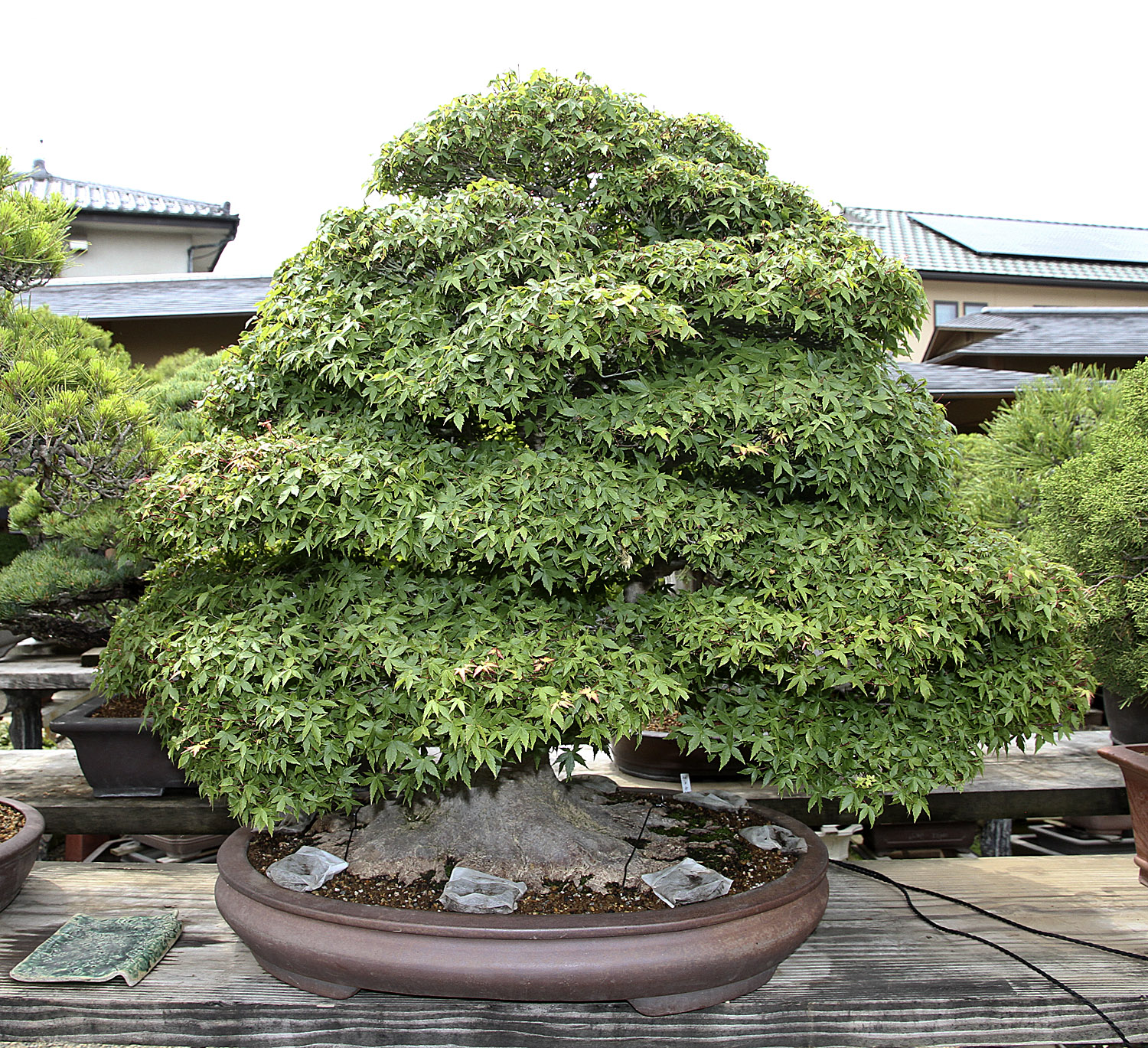
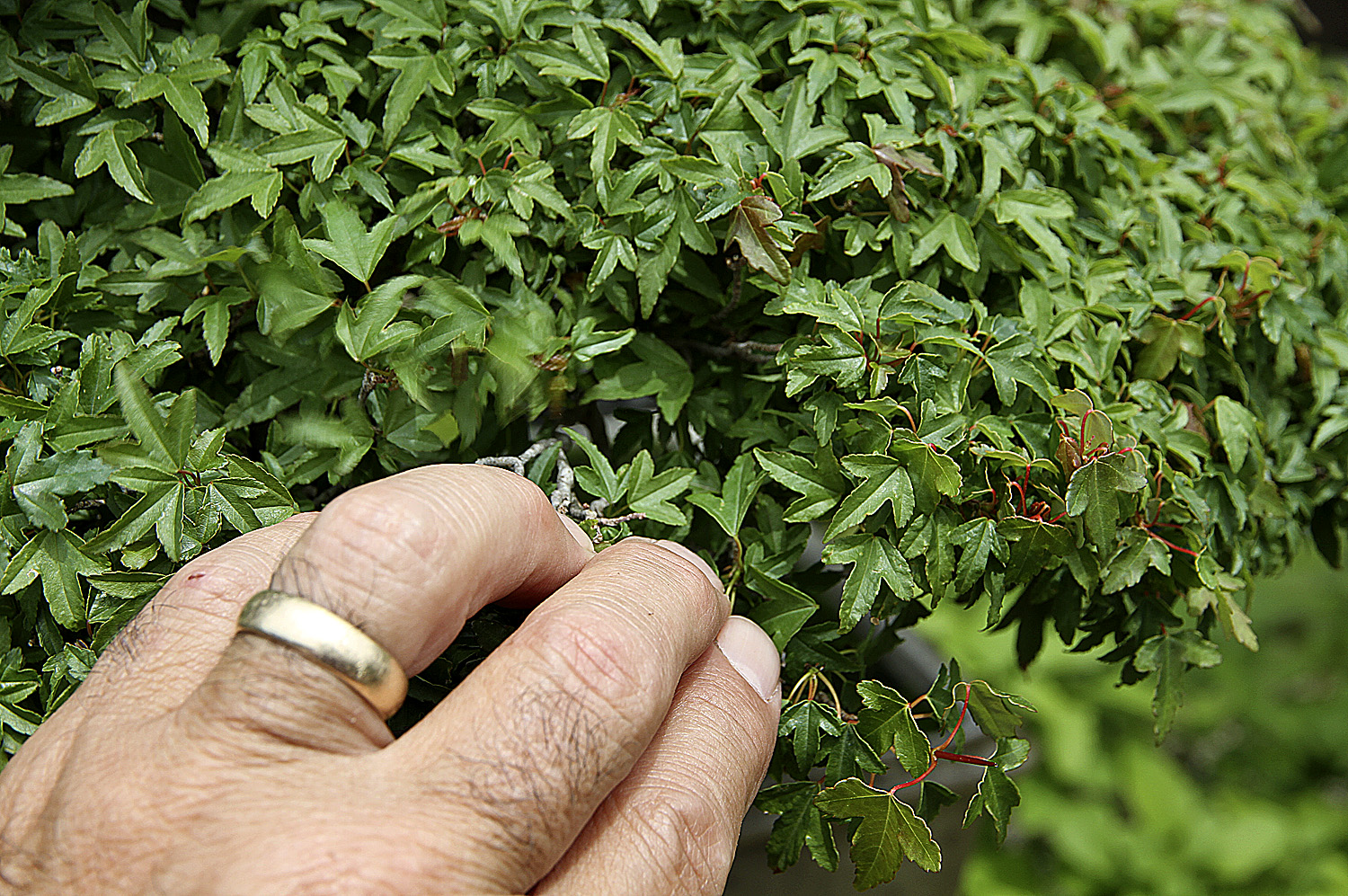
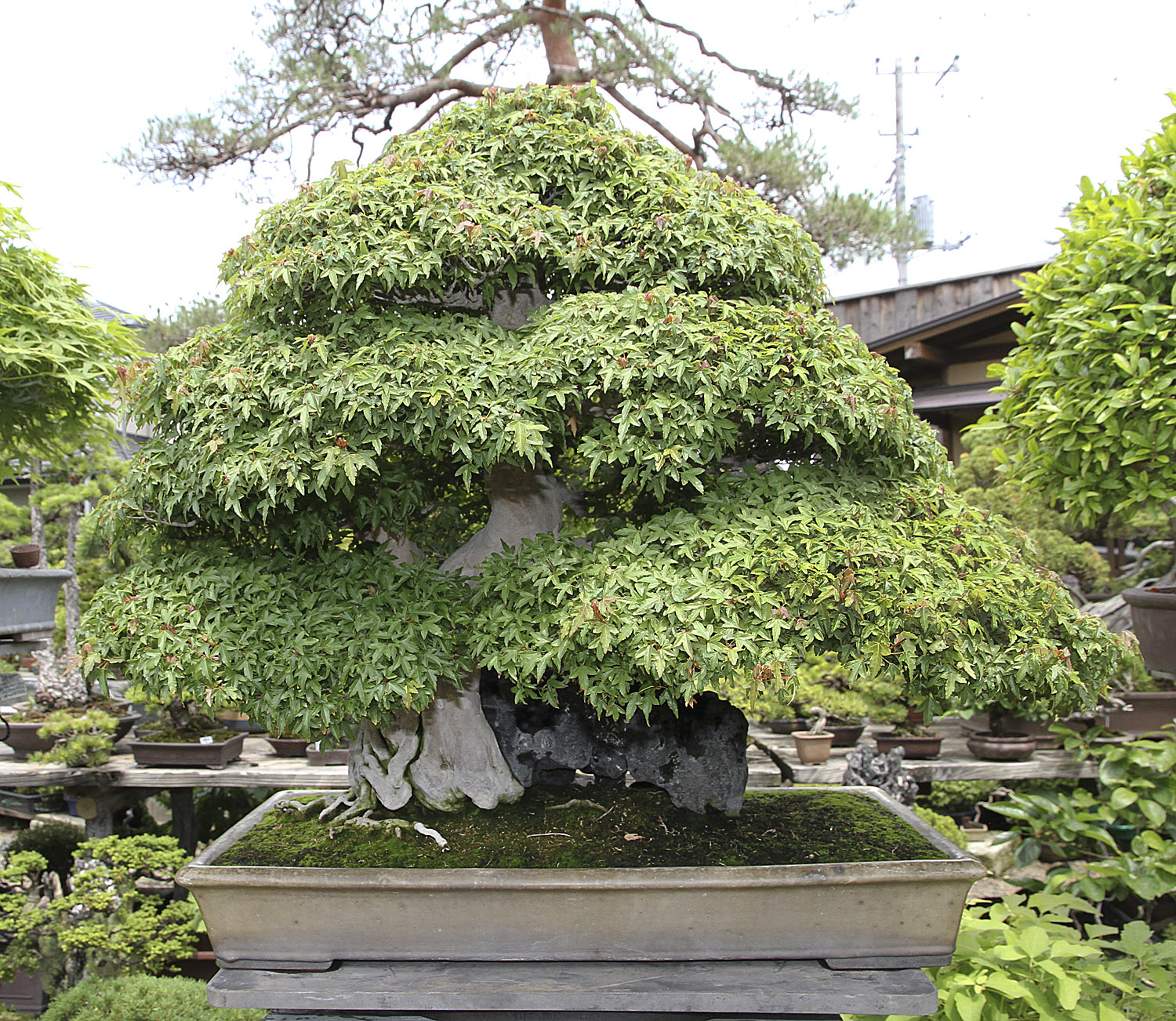
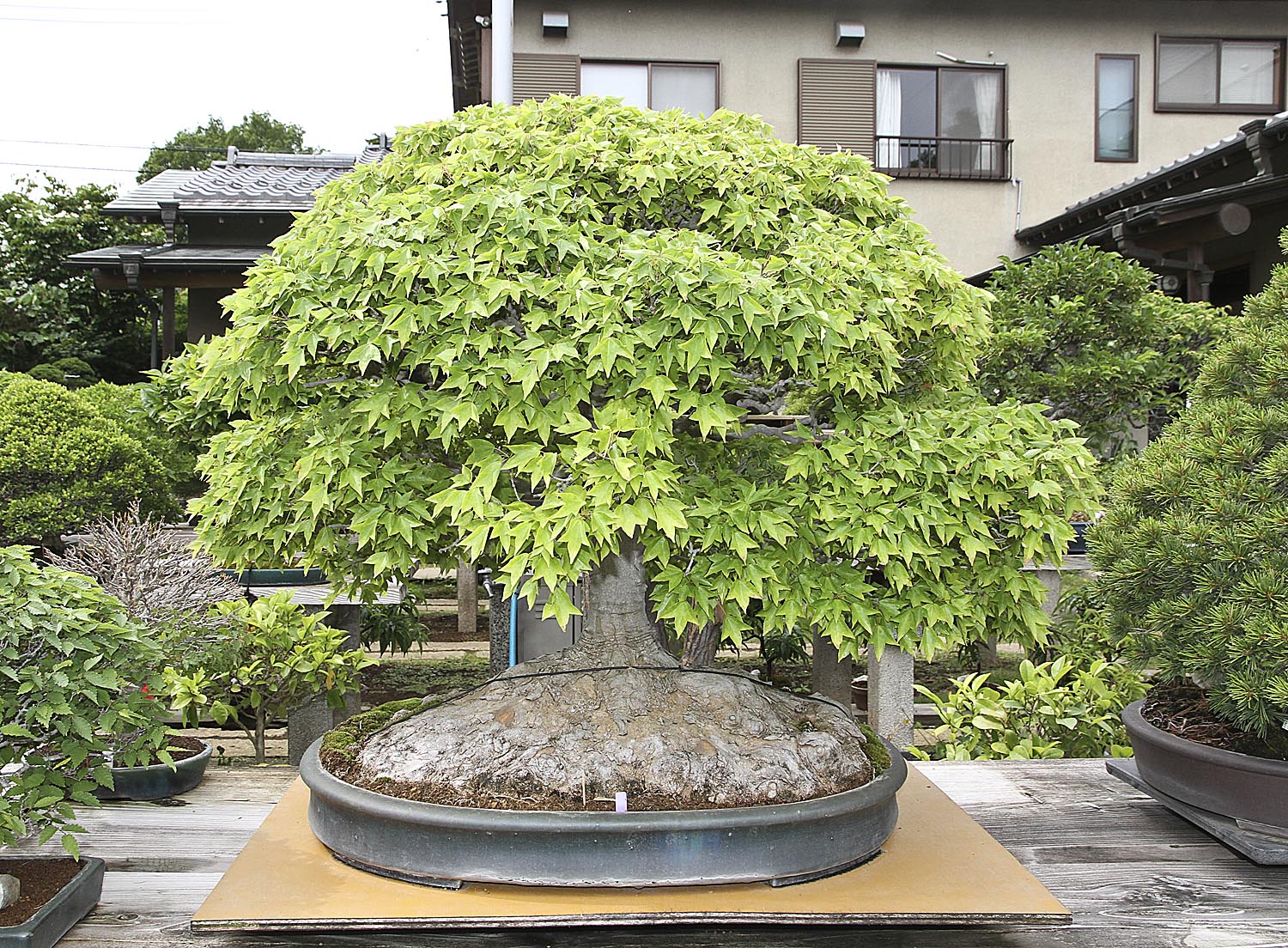
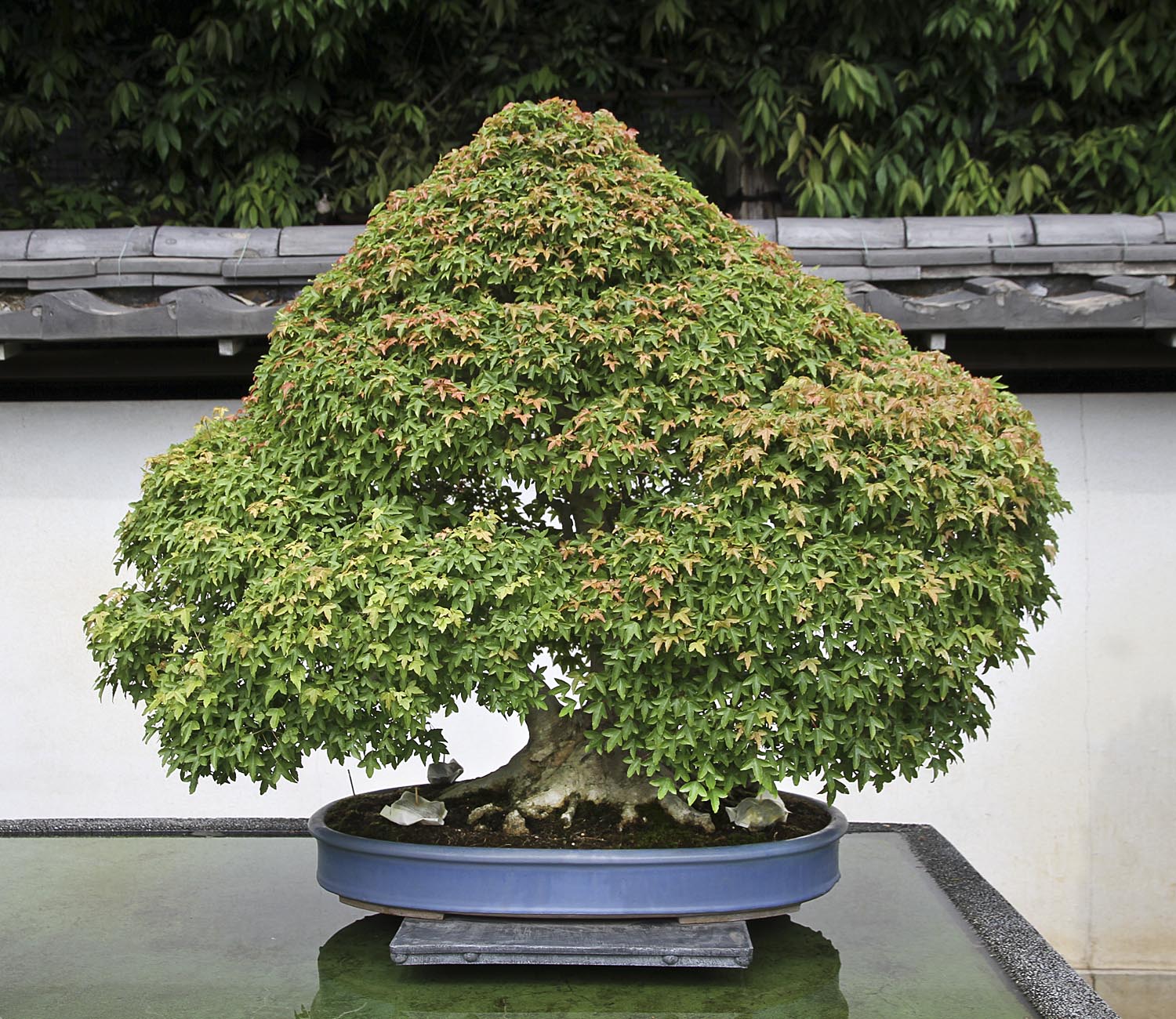
It is rare for me to see bonsai in Japan during the summer when they are in full leaf. For decades I’ve enjoyed seeing fine twigs on many Trident maple bonsai. Well, this time I had the opportunity to see the trees in leaf, and boy were they tiny! It was too early in the season for leaf cutting, so they could be new. I asked Mr. Kato and he said there were a special unusual cultivar with tiny leaves… the search is on!

Image

Image

Image


SEIKO-EN BONSAI GARDEN

Tomio & Kaori Yamada– Omiya Bonsai Village

This small bonsai garden specializes in fine quality literati and rock planting bonsai. Mr. Yamada’s daughter Kaori Yamada, developed a new style called “Saika Bonsai” which literally means colorful flower bonsai. It looks like a mixture of bonsai with ikebana which especially appeals to ladies. Ms. Yamada has a busy schedule teaching and performing on TV promoting saika bonsai.

Image

At the Omiya Bonsai Art Museum I saw a Trident maple rock planting which looked familiar. Fortunately it was in the public area where photos are allowed and I was able to shoot it. In 1970 during my first apprenticeship in Omiya Bonsai Village with Kyuzo Murata I remember watching Mr. Yamada create the rock planting. I “had” photos of him bare-rooting the young thin Trident maples before planting them on the end section of the interesting stone. Unfortunately the old photos got destroyed when our home burned down in 2009. But today the rock planting looks great.


KYUKA-EN BONSAI GARDEN

Isamu & Yukio Murata– Omiya Bonsai Village

Image

Founded by Kyuzo Murata, this garden was one of the earliest gardens in Omiya Bonsai Village established in 1926. It originally was one of the largest gardens and was home to numerous bonsai owned by prominent dignitaries. Today the garden specializes in naturalistic bonsai of unusual species and smaller size trees. Mr. Murata continues in his father’s footsteps in caring for the Imperial Bonsai Collection in Tokyo.

Image

A well-known Zelkova bonsai, once owned by former Prime Minister Shigeo Yoshida remains in the garden. The extremely heavy trunk makes this bonsai distinctive and created controversy when first displayed in the 1950s.

Image

Image

Image

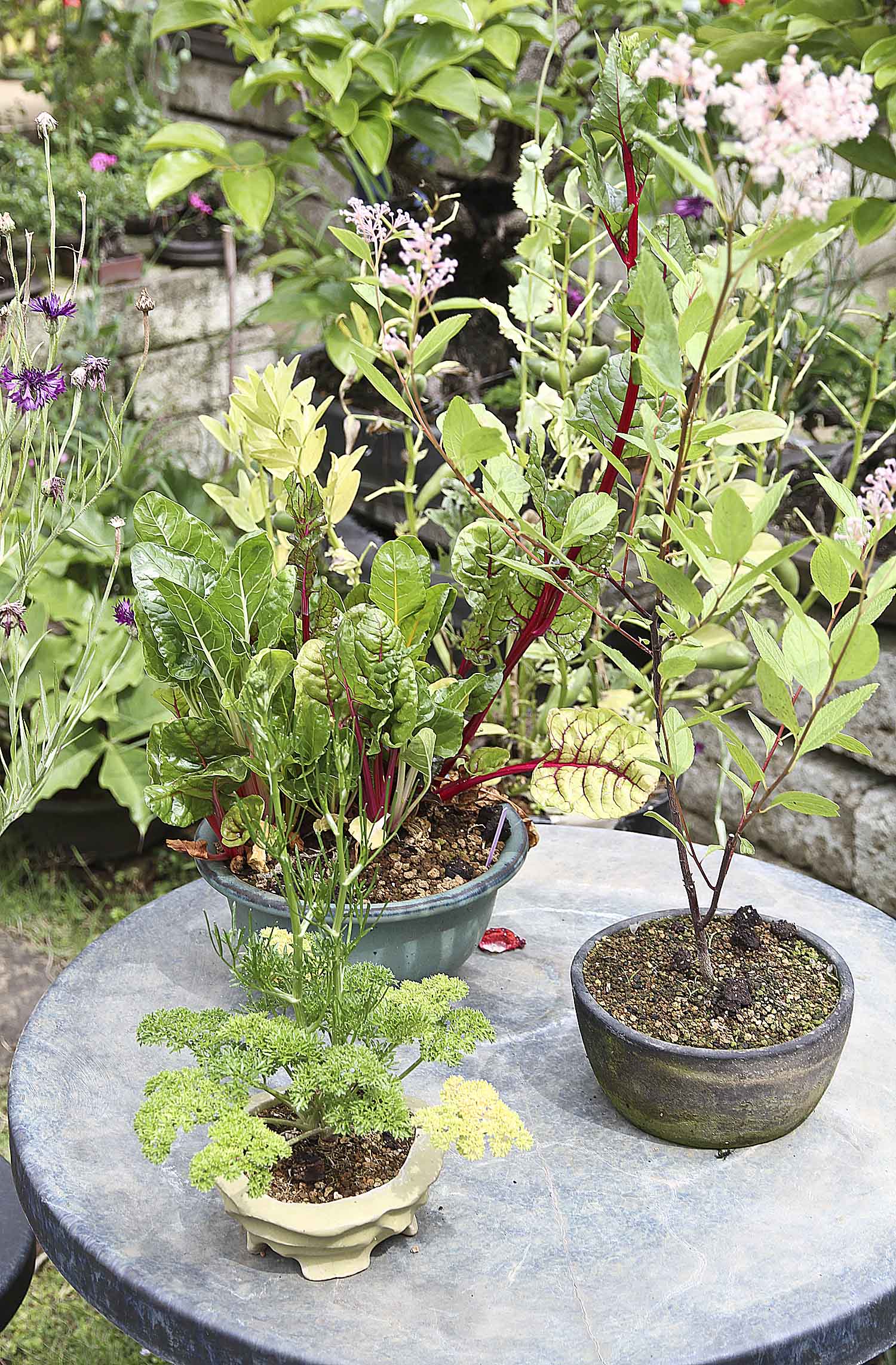
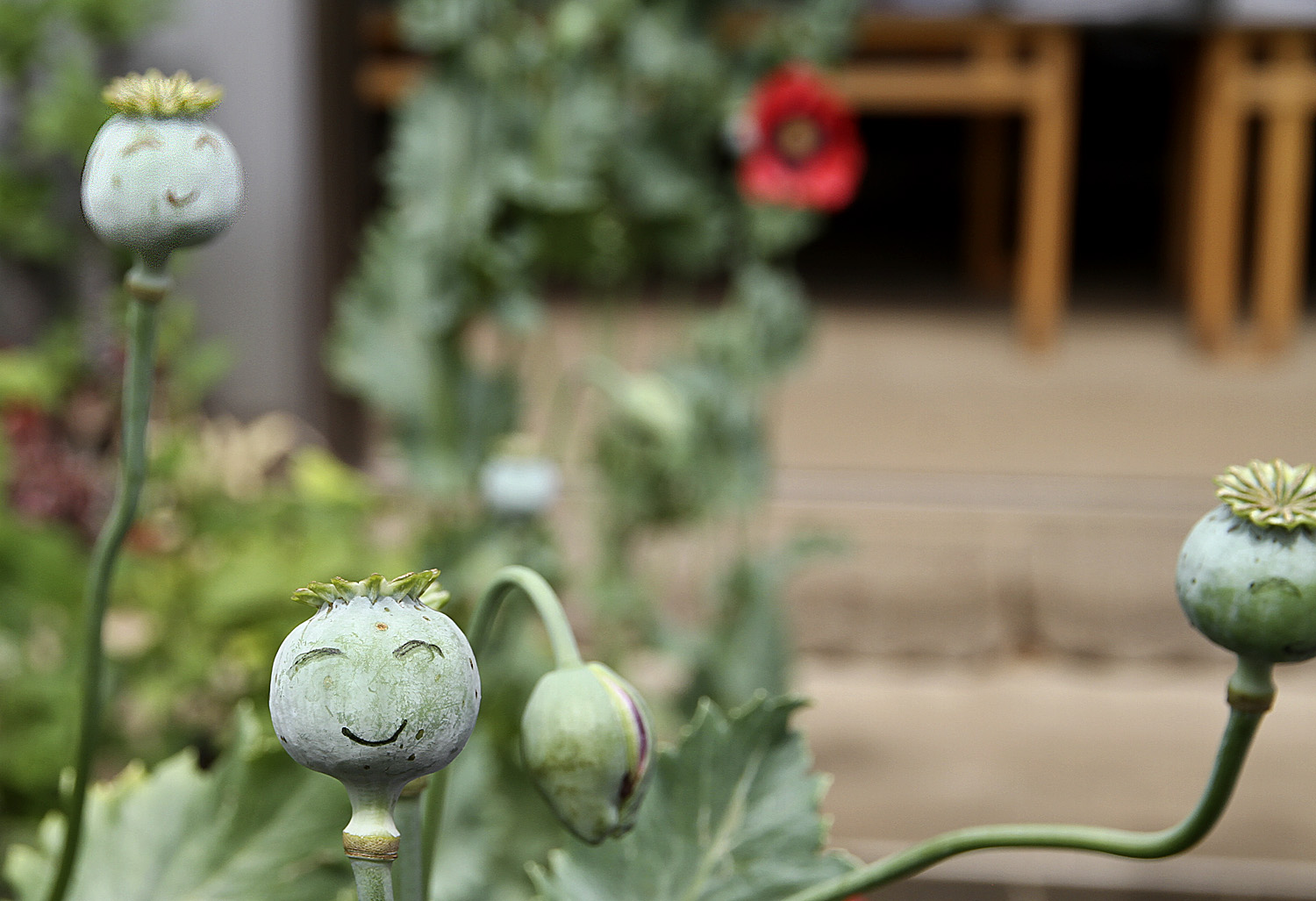
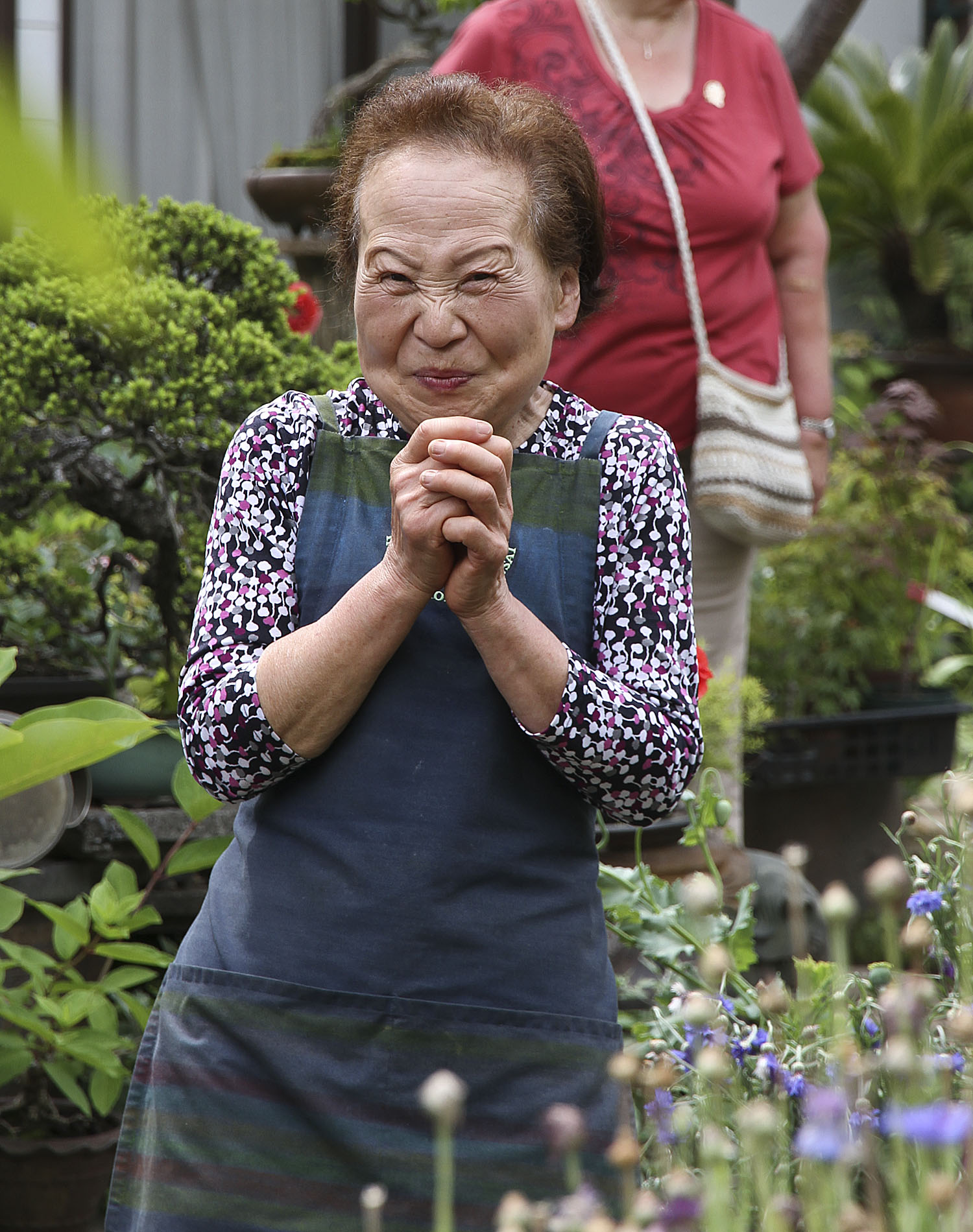
Mrs. Murata truly enjoys her bonsai and plants and has fun with them. Today we noticed small smiling faces she drew on Poppy seedpods. We also enjoyed her succulent, cacti and vegetable bonsai as well.

Image

Image

The lovely artist!


FUYO-EN BONSAI GARDEN

Hiroshi Takeyama– Omiya Bonsai Village

Image


Image

Founded over 60 years ago by Fusazo Takeyama, this garden continues today under the skilled direction of his son Hiroshi Takeyama. Although most species can be seen in this garden, Mr. Takeyama specializes in deciduous, unusual species and forest style bonsai. This garden is most beautiful in early spring and autumn with the changing color of the leaves.

Image


Image

Today I noticed most of the Trident maple bonsai were only leaf cut in the upper regions of the bonsai where they are most vigorous. The bonsai did look stage with foliage only on the lower sections of the trees, but they will quickly regrow with many more small twigs and foliage.

Image

Image

Image


S-CUBE

Seiji Morimae– Hanyu City

Image

Image

Image

The S-Cube bonsai complex is, perhaps the largest in Japan. Under the direction of bonsai and art connoisseur Seiji Morimae, one can find bonsai from young inexpensive material up to masterpieces which may cost as much as a small home. We were warmly greeted and allowed to look anywhere throughout the vast facility and photograph too.

Image

Image

Image

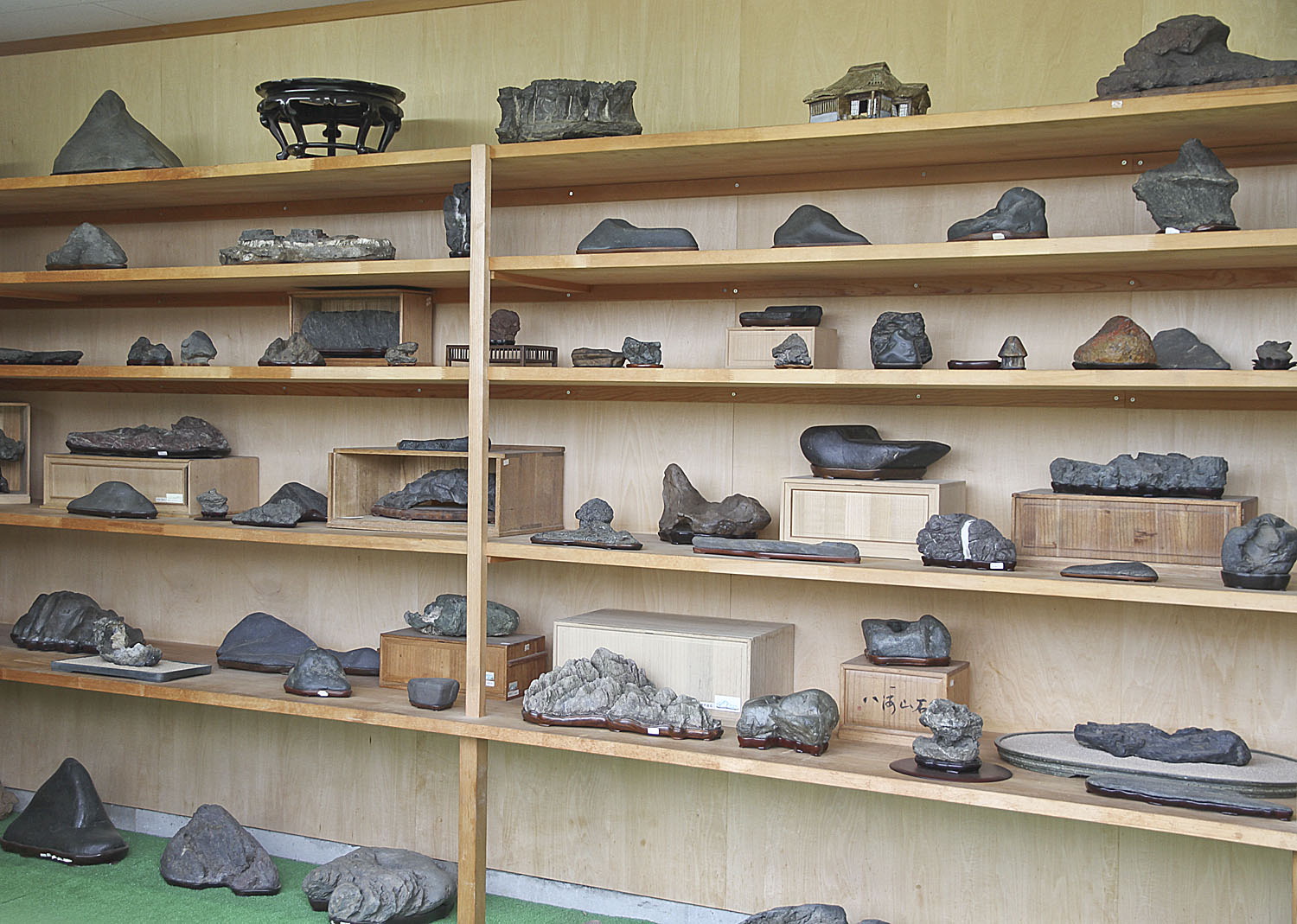
Mr. Morimae studied with Uhaku Sudo for many decades learning the art of Keido display. Additionally to thousands of bonsai there are probably the same number of suiseki and other Asian art. There is an entire room which looks more like an art gallery than a sales area where small figurines, antique bonsai containers and display tables can be artistically seen.

Image

The prices are quite reasonable for all items and our members enjoyed adding to their private collections.

Image


Image

Image

Japan Satsuki Bonsai Tour– Part 1

Image

Image

In order to share the beauty of Satsuki azaleas with friends and introduce a bit of rarely seen areas of Japan, Kora Dalager and I introduced a new tour to Japan this week– The Satsuki Festival Tour. Our group includes 14 people from across the United States as well as Australia who want to see colorful Satsuki azalea bonsai as well as some of the finest bonsai Japan has to offer.

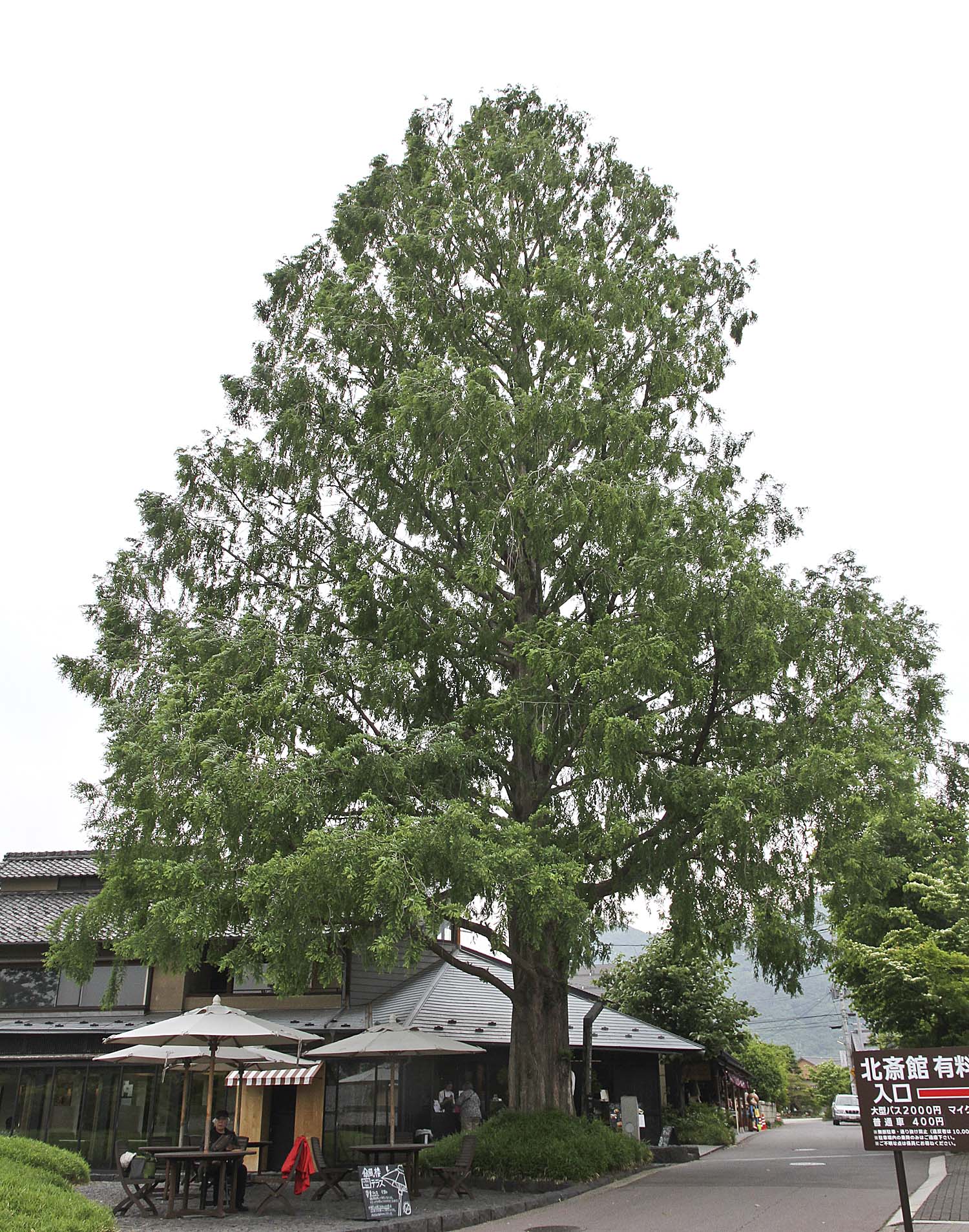
We arrived on Sunday evening to visit the private bonsai garden of Shinji Suzuki who lives north of Nagano on Monday. After a two hour bullet train ride we took a local train for 30 minutes. Upon arrival in Obuse, the town where the Suzuki garden is, we walked around and had a wood fired lunch in an old sake factory. Obuse is a quaint town where many wanted to simply walk around to absorb the sights and culture. There was a Hokusai Museum as well as the largest Dawn redwood I’ve ever seen.

Image

Mr. Suzuki is a younger award winning bonsai artist who has traveled the world teaching his shaping techniques and sharing his bonsai philosophy. I was fortunate to introduce him to the foreign bonsai community when he made his first foreign appearance at a past International Bonsai Symposium years ago. At that time he brought buddy, Isao Omachi who was unknown, as an assistant.

Image

Image

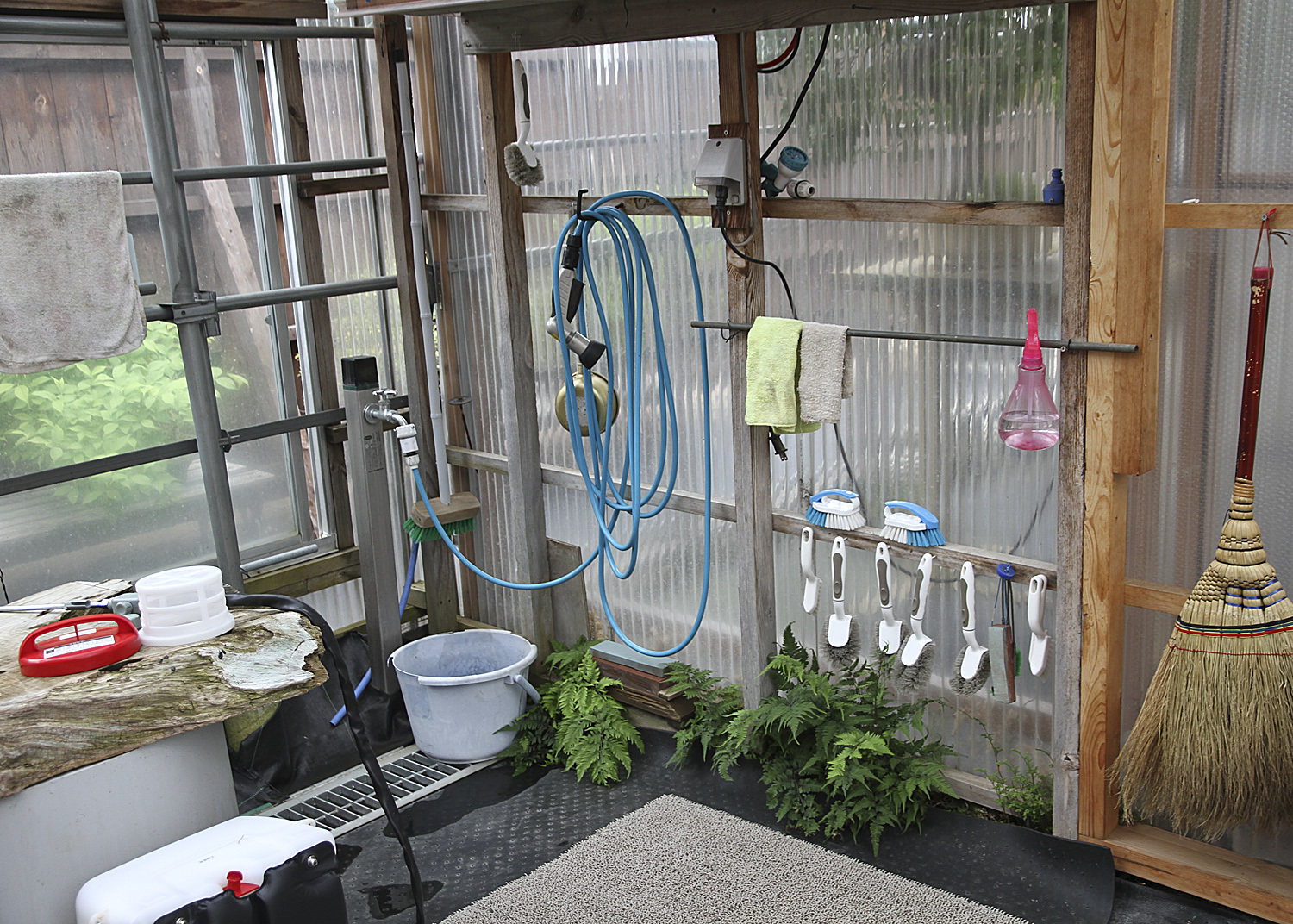
Mr. Suzuki’s garden complex is unbelievable, not only for his distinct bonsai creations and those he maintains for clients, but the layout is unique, unlike other I’ve seen in Japan, as well as the world. Also, it’s the most immaculately kept, you could actually eat off the floors. All the bonsai are maintained in green houses or poly houses with shade cloth. Even the repotting room is in a greenhouse with heavy shade, and you could eat off that floor as well. All the tools were nearly hung up, all facing the same way, which is habit I particularity admire and love to observe.

Image

Perhaps one reason of the unique garden layout is because Mr. Suzuki lives two hours north of Tokyo in a cold snowy part of Japan. The fist time I had the unexpected opportunity to visit his garden in February, there was 10 inches of snow on the ground. Check out my blog entry from February to see the snowy photos. The garden and trees look much better without snow. Everything looks better without snow other than Christmas cards and Christmas trees….

Image


Image

One of Shinji Suzuki’s apprentices is American Tyler Sherrod from North Carolina who has been studying with him for three years. He showed us around and answered all of our questions, and there were loads from our group.

Image

Image


Image

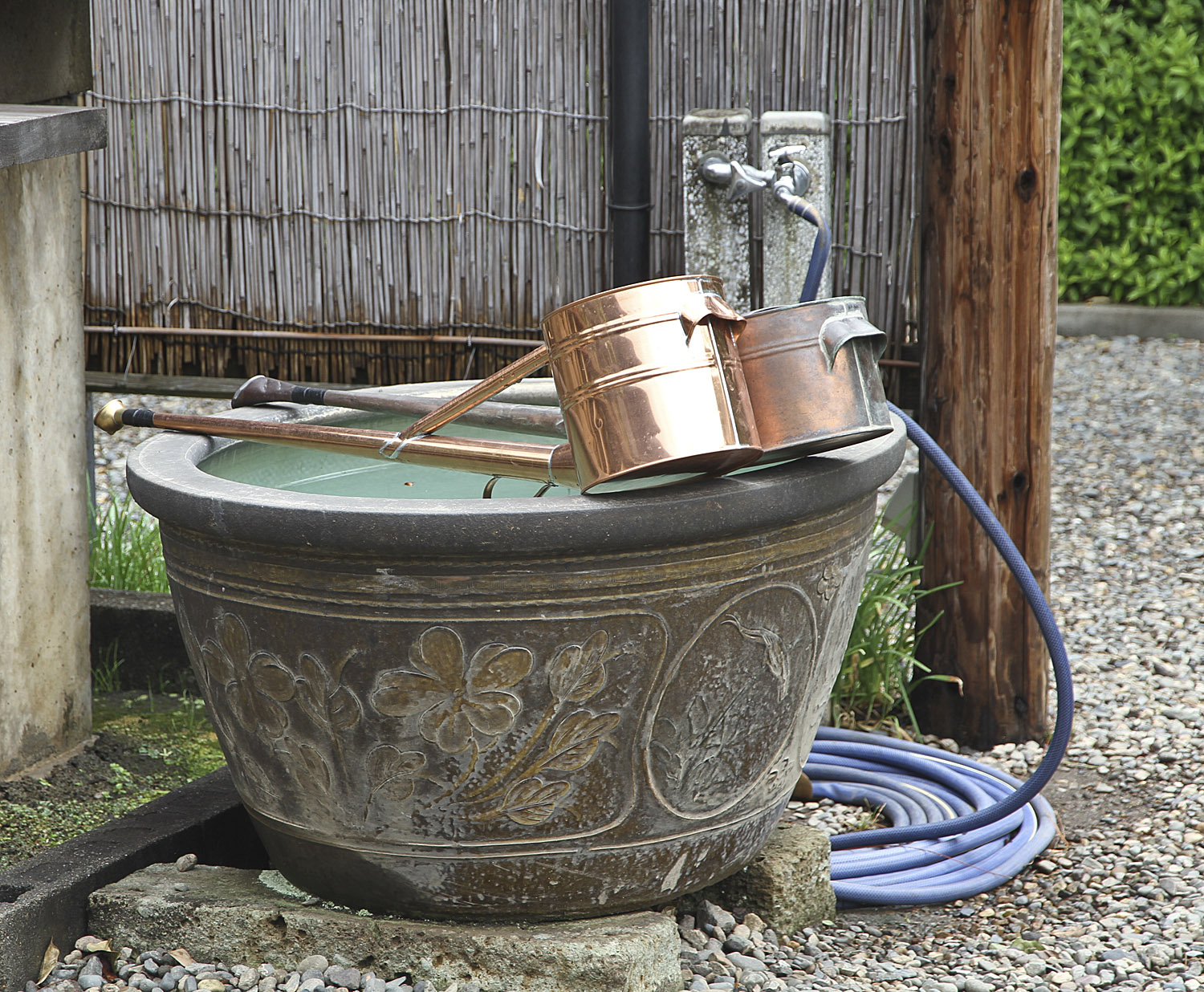
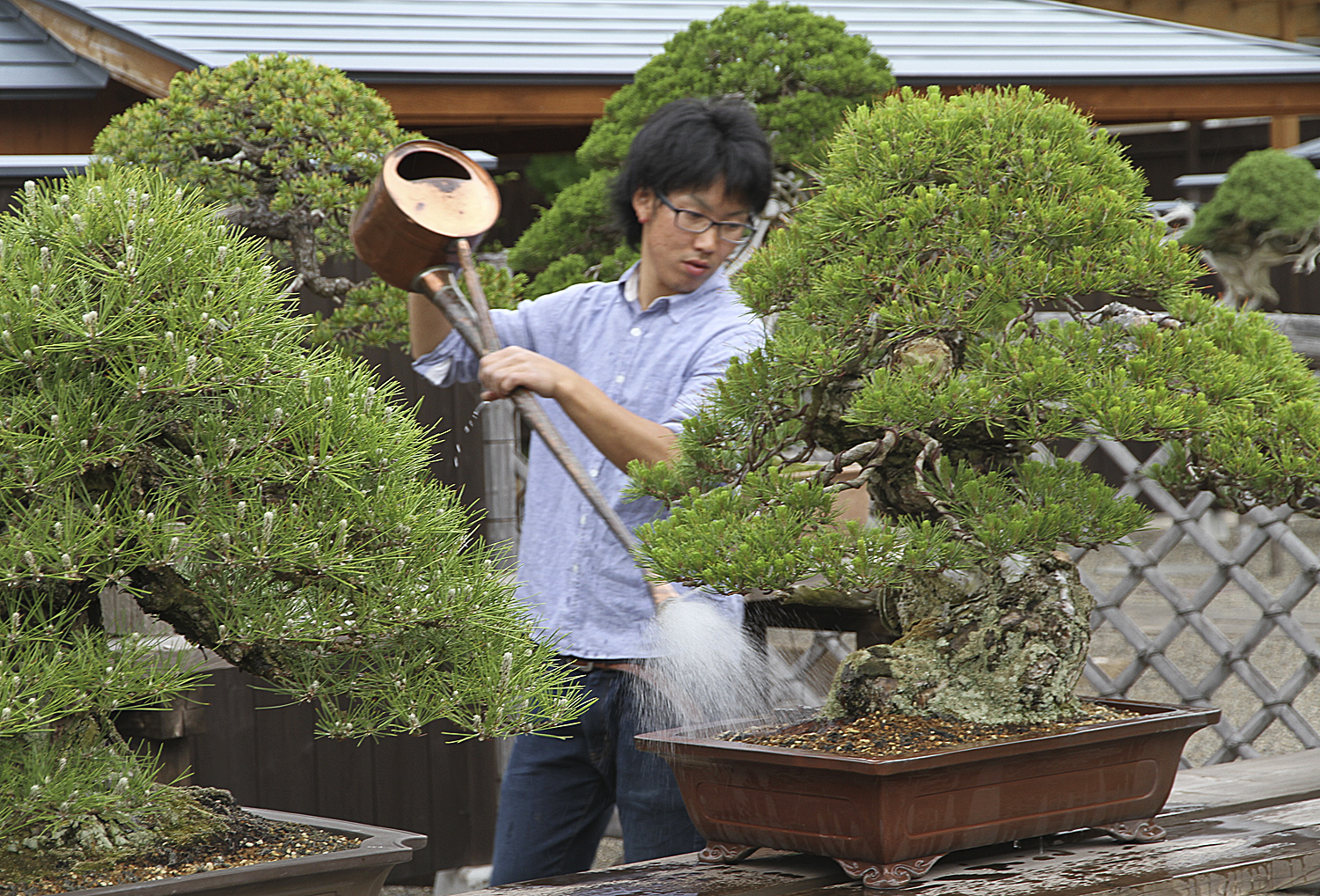
It was most interesting to see Mr. Suzuki go around, looking and studying the bonsai as he went. Suddenly he told his two younger apprentices to water some pines. Now, the weather was not warm and sunny as I like, it was cloudy and looked like rain, but he still wanted his trees watered. So, out came the copper watering cans and spot watering began on the pines which were outside in the display garden. As luck would have it, it began sprinkling. Still they watered and good thing because it stopped for a while, but still not sun.

Image

Image

Image

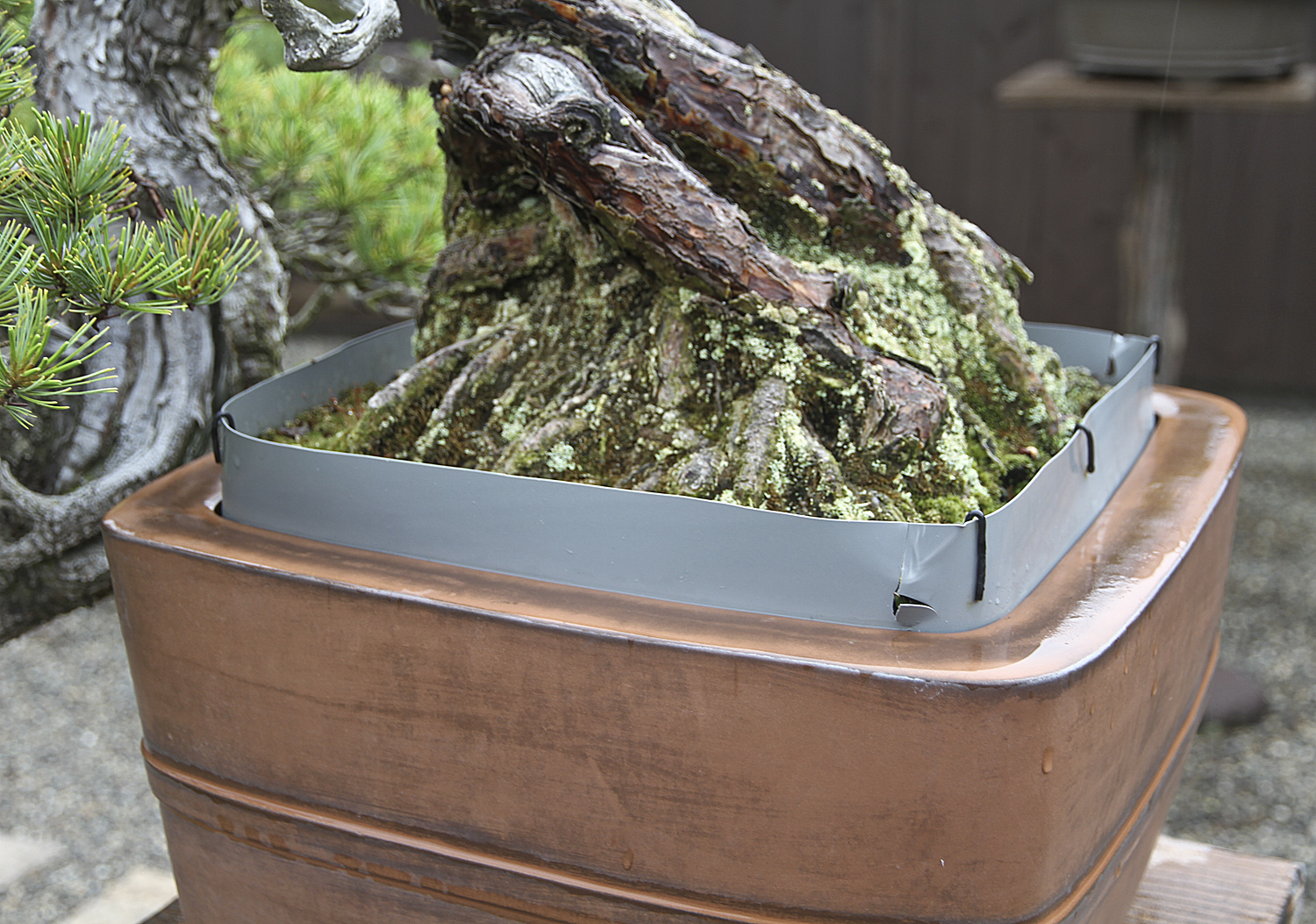
I noticed there were several short plastic collars around the soil surface which served to hold water for specimens which needed extra water or time to penetrate the soil. There were even some small drainage holes in the bottom area as well.

Image

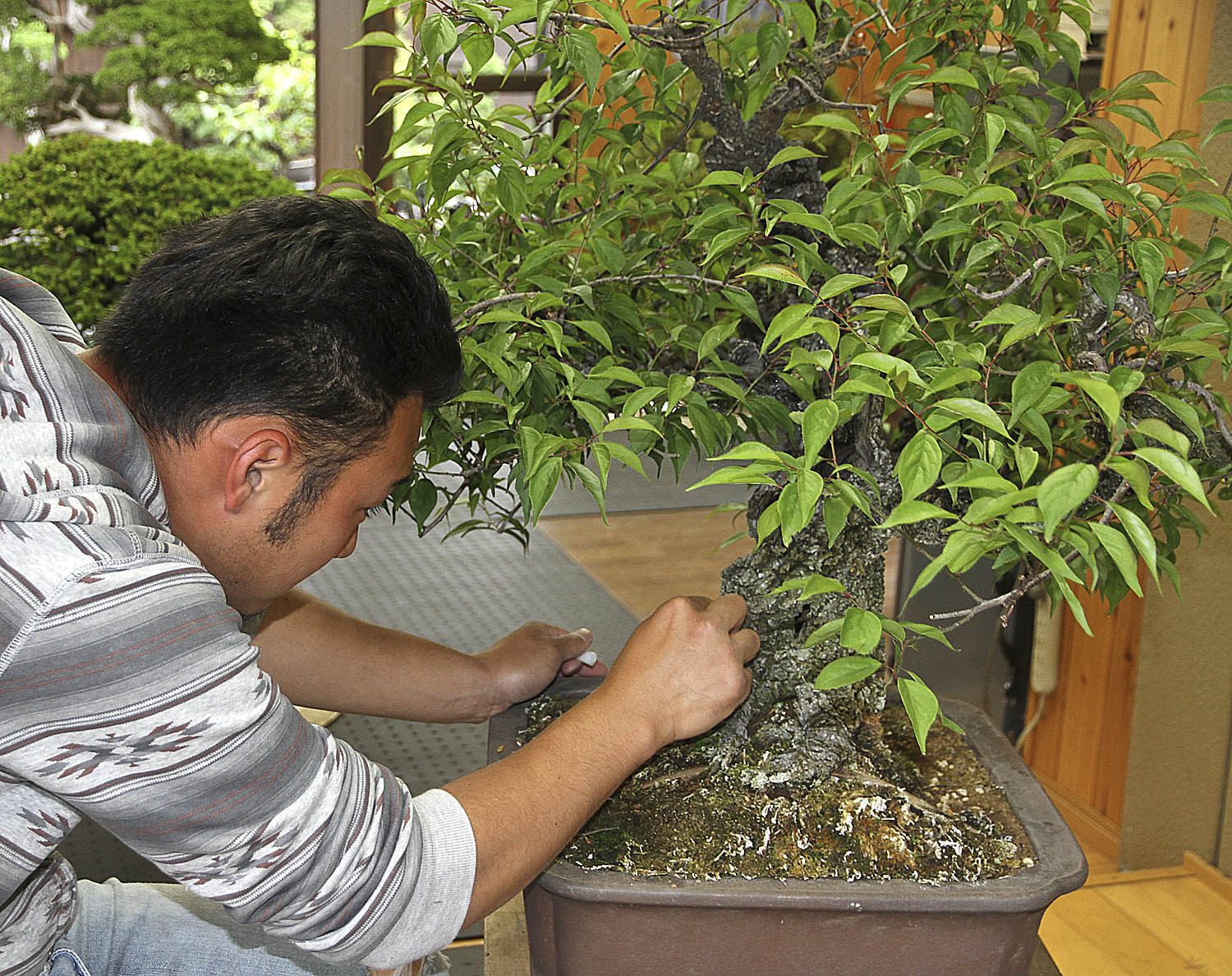
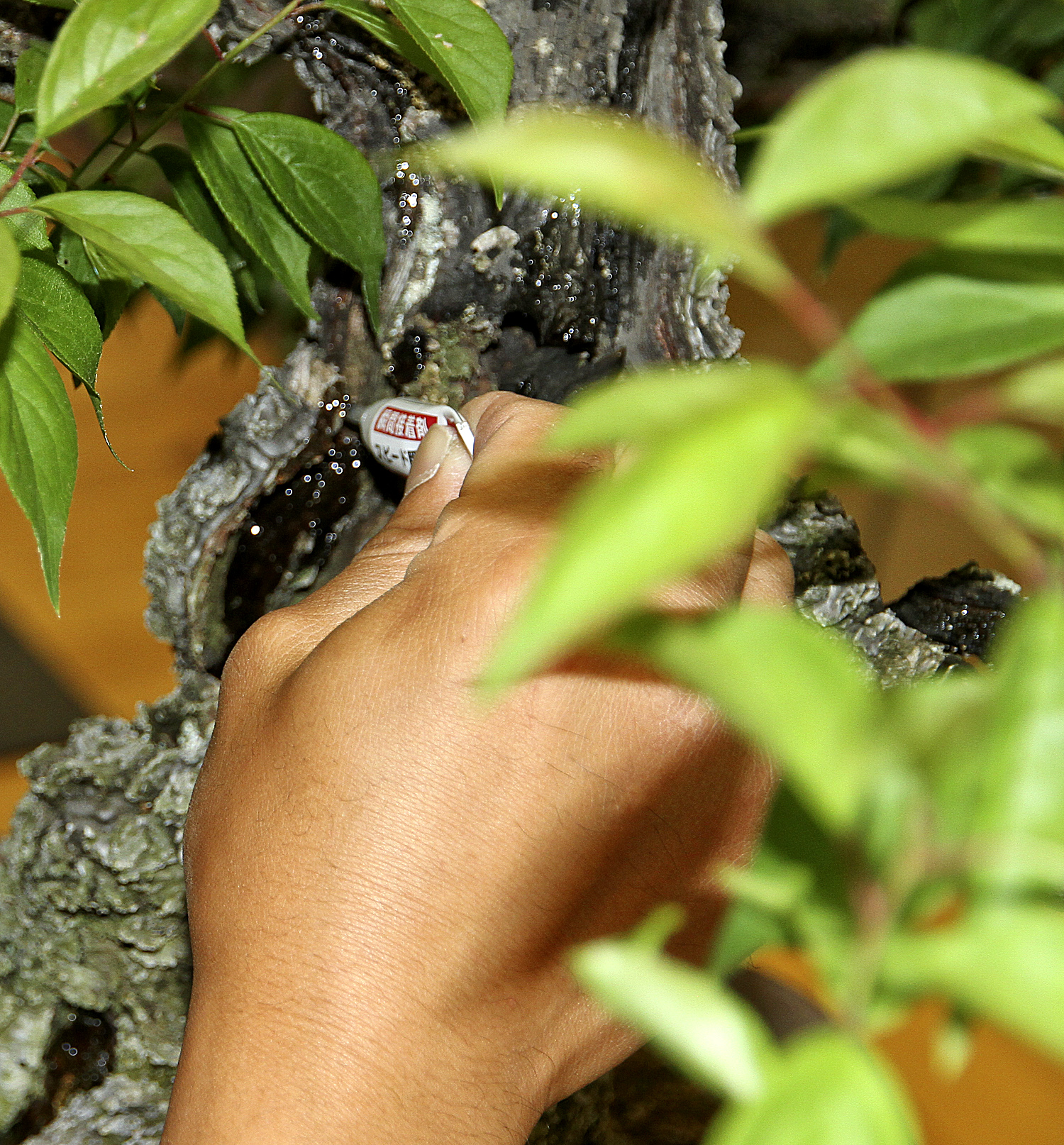
Looking around, and I do look around and try to study everything, I noticed an apprentice using Super glue on a tree. That was strange to me so I watched for a while and then asked why. The specimen was an old Japanese flowering apricot which had borer damage with a lot of dead wood areas. The application of Super glue strengthens the dead wood and keeps it from moving and breaking off. Also I was told that the Super glue acts as a wood hardener rather than using other commercially available products commonly used for preventing rot.

Image

Image


Image


A while later the sprinkles began to return and Mr. Suzuki asked if we would like to see Tadashi Iura’s bonsai garden which was a short 10 minute car ride away. Mr. Suzuki drove us in his car and the others in our group in one of his vans.

Image

Image

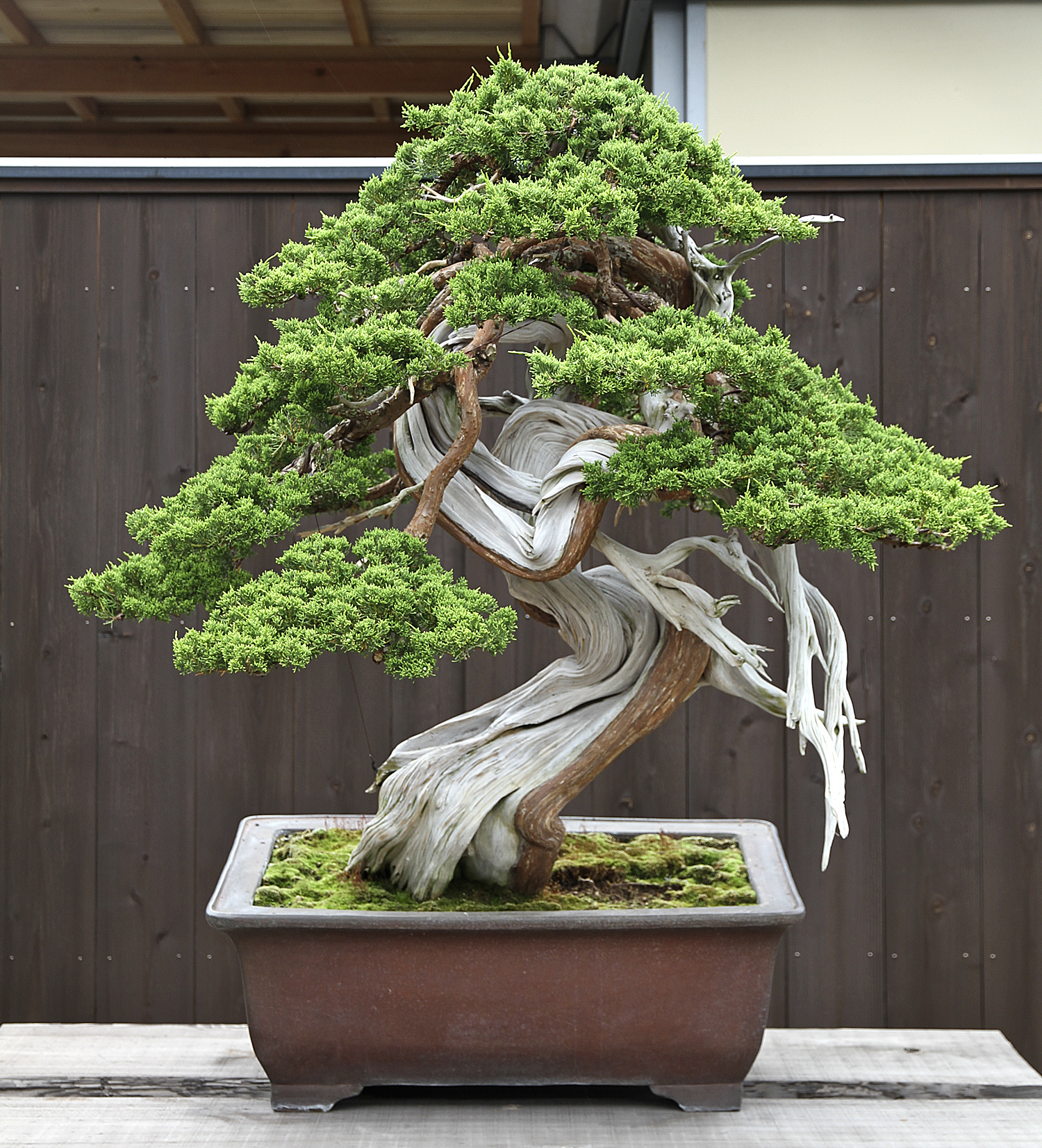
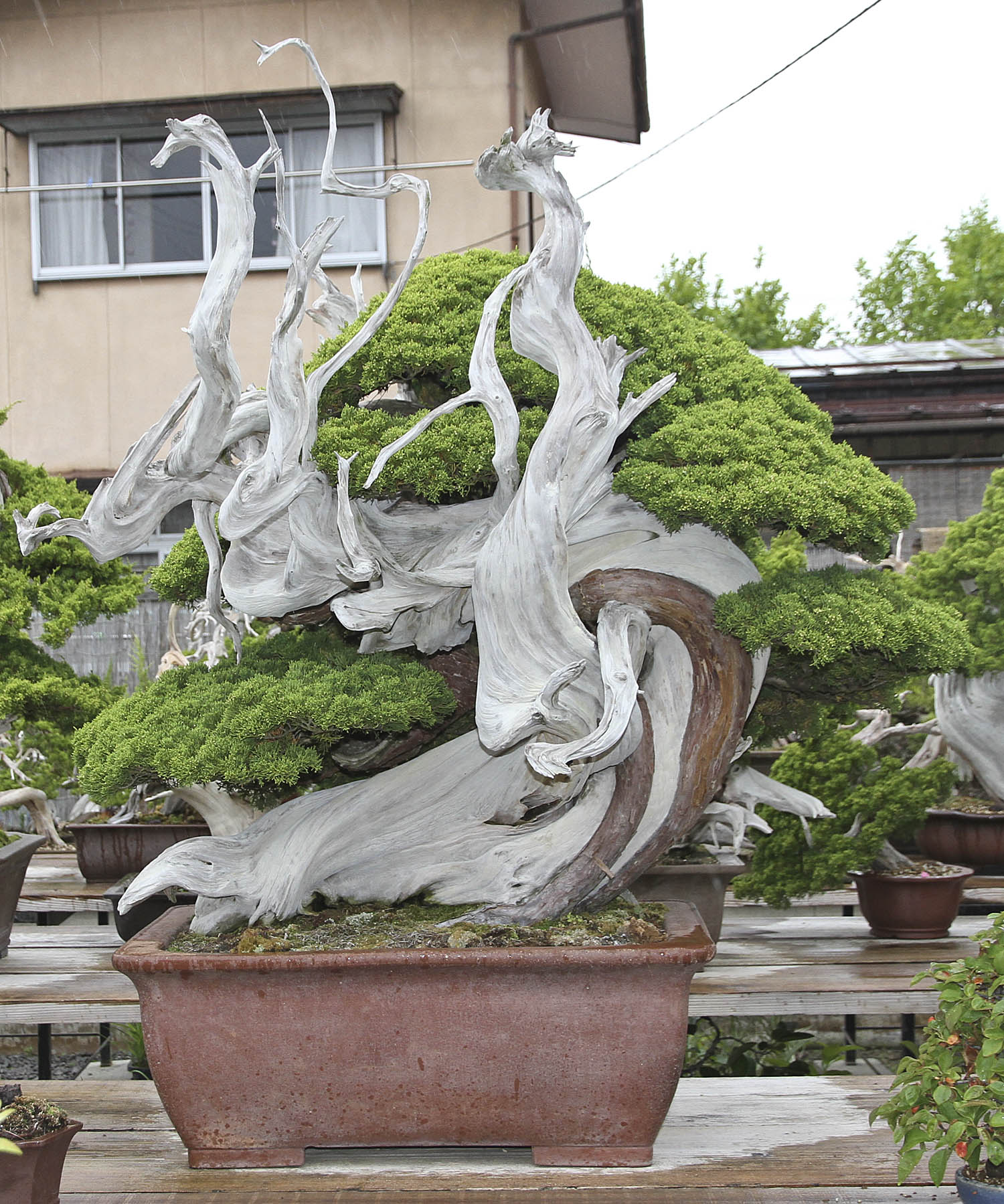
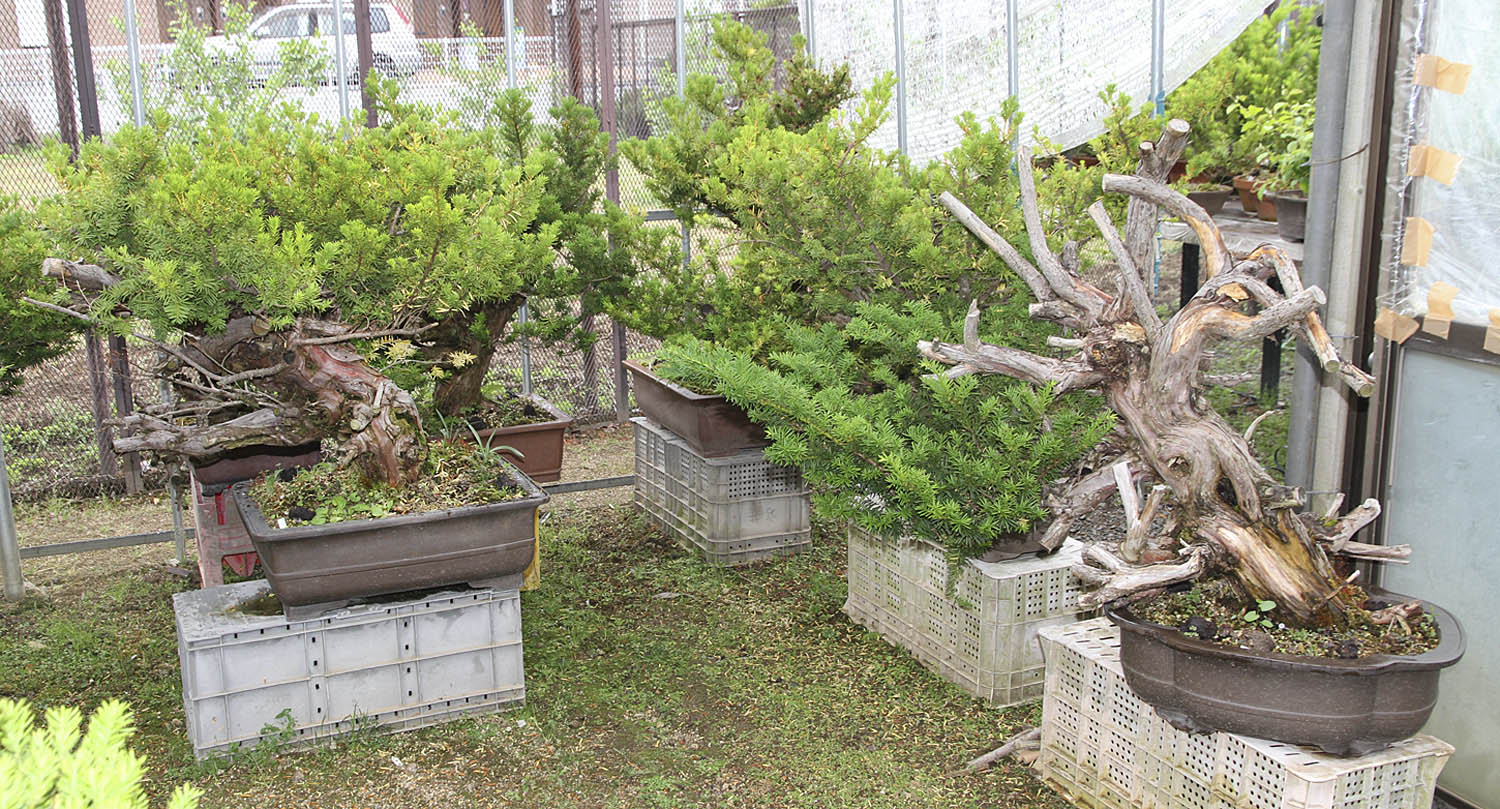
Mr. Iura is a young award winning bonsai artist who travels around the world. In fact he was one of the headliners at the Mid-Atlantic Bonsai Festival a couple of weeks ago in New Jersey. He specializes in carving, grafting and shaping old Shimpaku juniper bonsai. Well, his garden was over loaded with old grafted Shimpaku junipers, as well as Japanese yews and Needle junipers.

Image

Unfortunately Mr. Iura was not at home, but his parents allowed us to look around his garden and even go in the back areas where there were numerous old trees waiting to be carved and grafted. The rain began to fall harder and we were given umbrellas to keep dry. Our visit would have lasted longer but rain prevented studying and enjoying the bonsai.

Image

Image

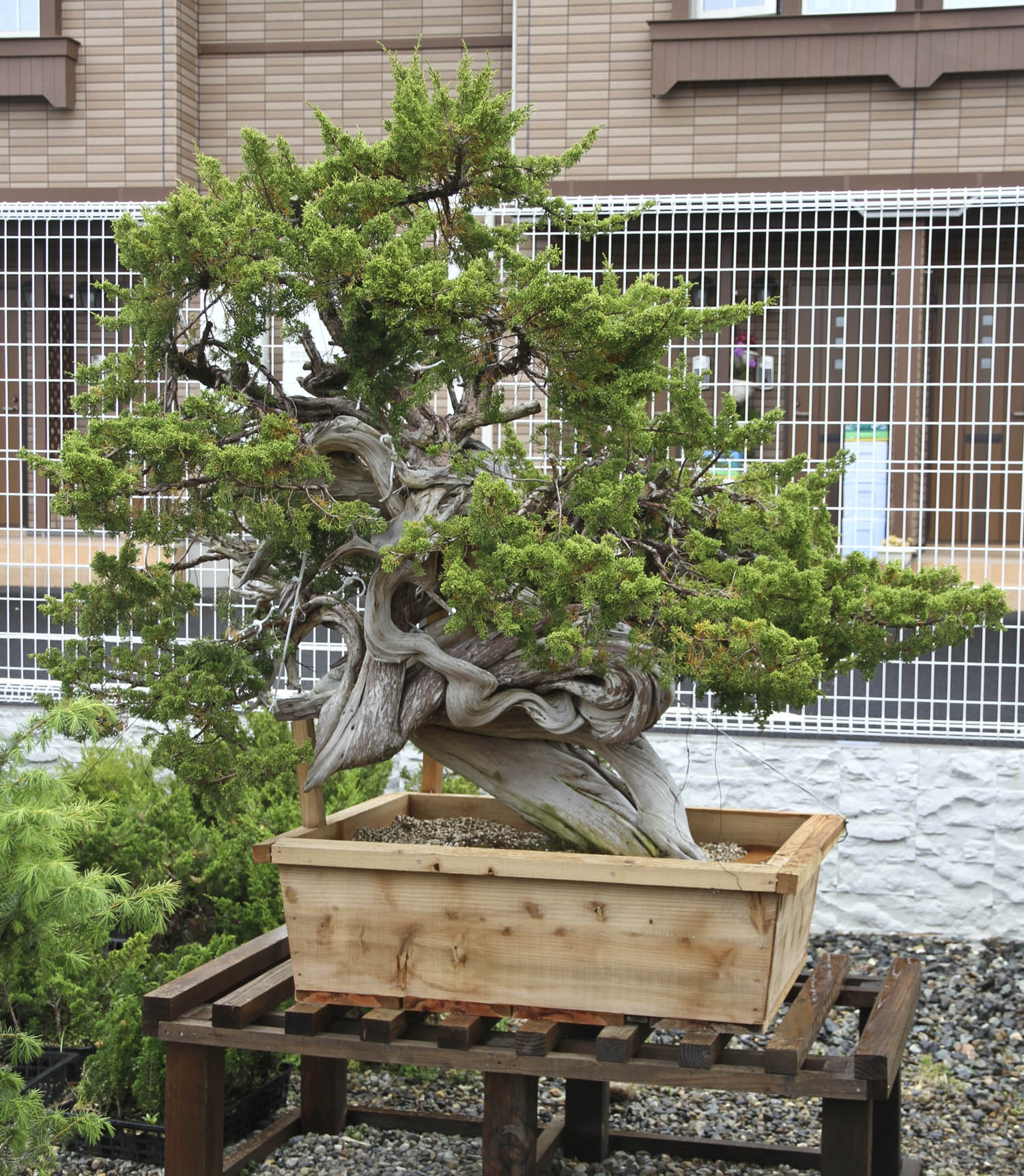
There was one huge tree which was all grafted and wired, but the massive trunk was not finished carving nor treated with lime sulfur. It promises to be an award winning tree in the not so distant future. There were trees like this all over the garden. A few Japanese five-needle pines as well as a few deciduous species as well.

Image

Mixed in with the hundreds of bonsai was a large, award winning Shimpaku juniper bonsai which was prominently displayed in a past Asia Pacific Bonsai Convention held in Takamatsu, Japan, a few years ago. There it was displayed with powerful Japanese calligraphy. Mr. Iura studied with Takeo Kawabe, one of Masahiko Kimura’s graduate apprentices from decades ago. Thus Mr. Iura specializes in grafting, carving and shaping old evergreen bonsai which continues and improves through the years and an individual’s creativity. Modern technology helps too with with rooms build for sand blasting.

Image

Every time Kora and I lead tours to Japan we experience unexpected pleasant surprises, that’s one reason our bonsai tours are so popular with participants from around the globe. We have had tour members from Canada, Alaska, Mexico, Russia, England, Australia, New Zealand, Puerto Rico, Singapore, South America, Europe as well as the good old U.S.A. Well, the surprise began at the beginning of our Japan Satsuki Festival Tour. Who knows, there may be more. The Japanese bonsai community is unique and you never know what will happen. Just because something was there last time does not mean it will be there again.

41st UPSTATE NEW YORK BONSAI EXHIBITION PHOTOS

Image

Dwarf Hinoki cypress from the Maggio (RJB) Collection received the Yoshimura Award for the Members’ Choice Award.

Image


Image


Image

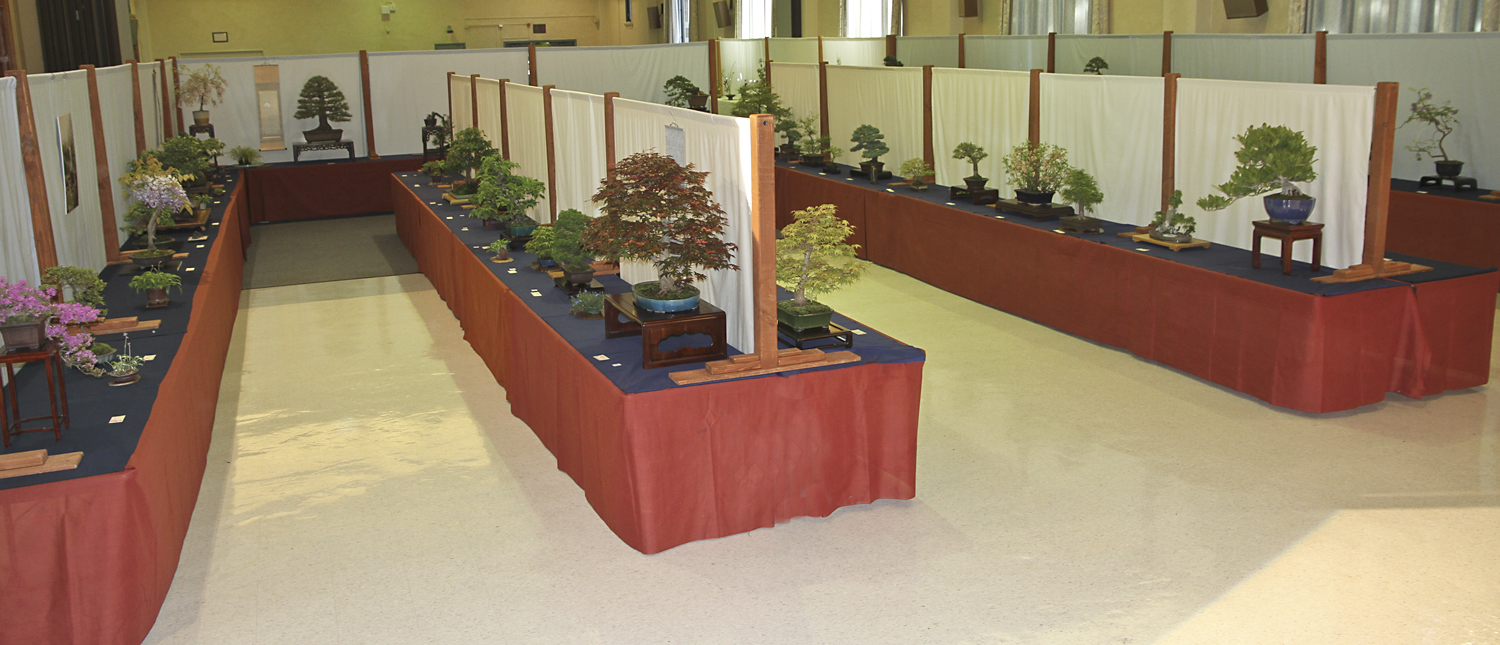
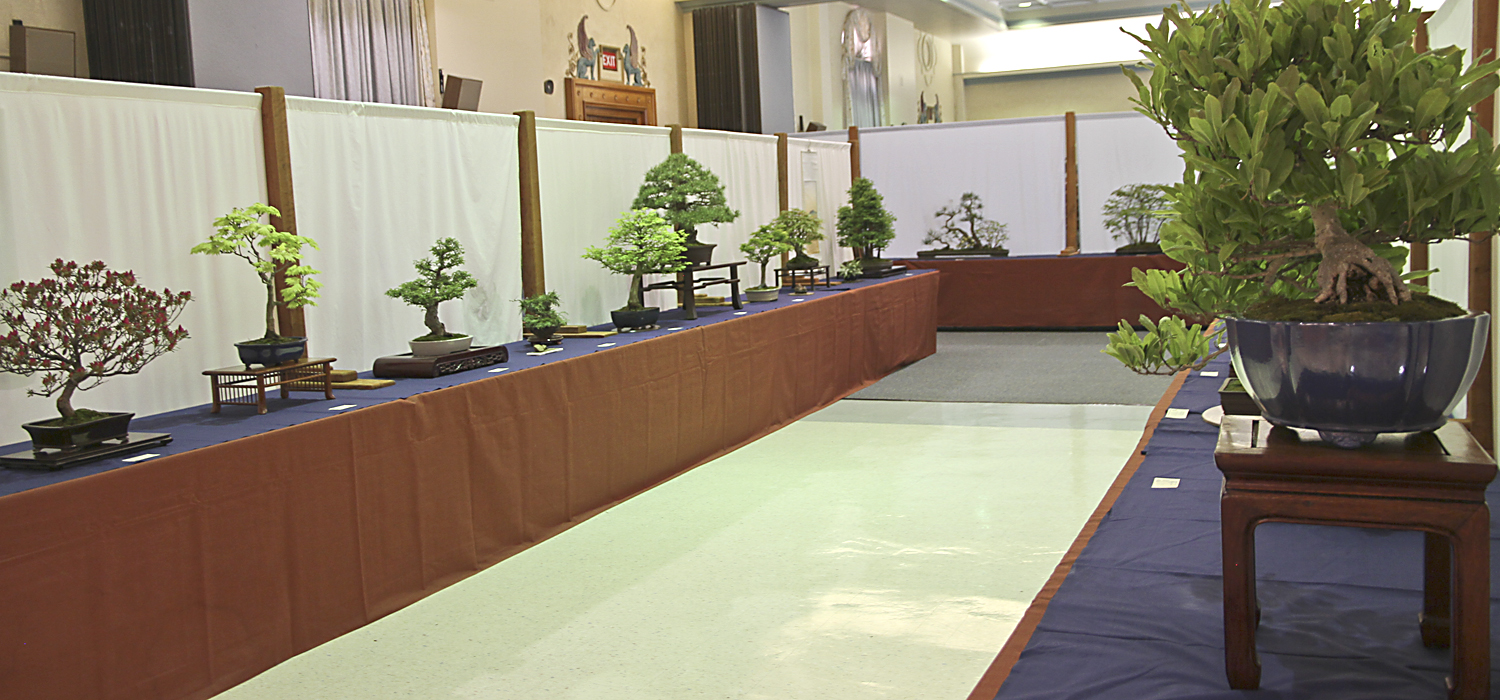
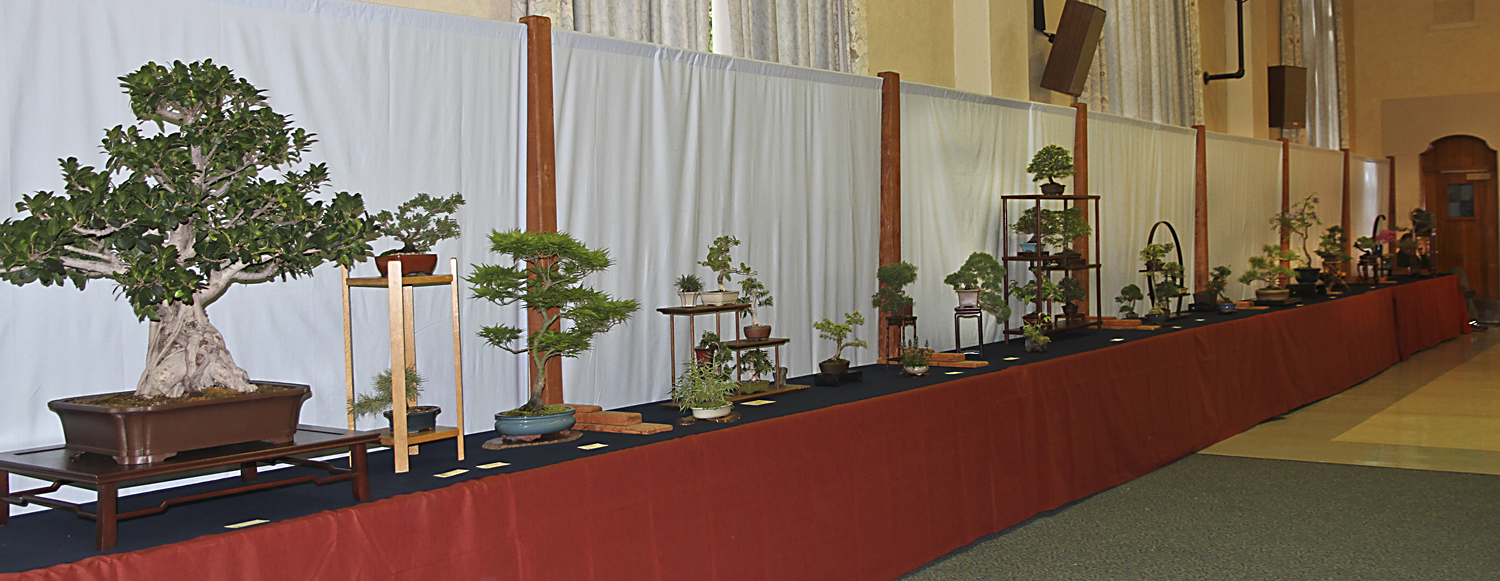
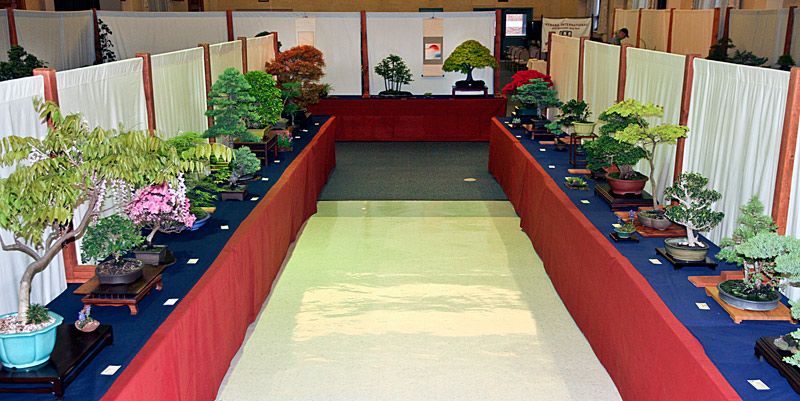
On May 17-18, 2014 members of the Bonsai Society of Upstate New York organized, staged and hosted our 41st exhibition. Over 100 individual bonsai were displayed by members with different backgrounds, skill levels and bonsai design styles. Everyone was invited and encouraged to display a bonsai.
Image
Image
The exhibition was well received and it’s interesting to note that we only had ONE “committee” meeting which lasted 20 minutes to organize the exhibition. Everyone came together to set up, host and take down the exhibition. As most people know set up takes longer than take down. It took our members about four hours to set up the exhibition and just less than one hour to take it down, not counting some time for vacuuming the floor.
Image
Image
Our next Upstate New York Bonsai Exhibition will be held in May 2015. But, if you can’t wait that long to see fine quality bonsai, please join us on September 13-14th in Rochester, New York, for the 4th U.S. National Bonsai Exhibition. Over 200 beautiful bonsai from around the United States will be displayed. The largest bonsai vendor area and demonstrations will also be held in the same room. More information can be found at:
Image
Japanese wisteria
Image
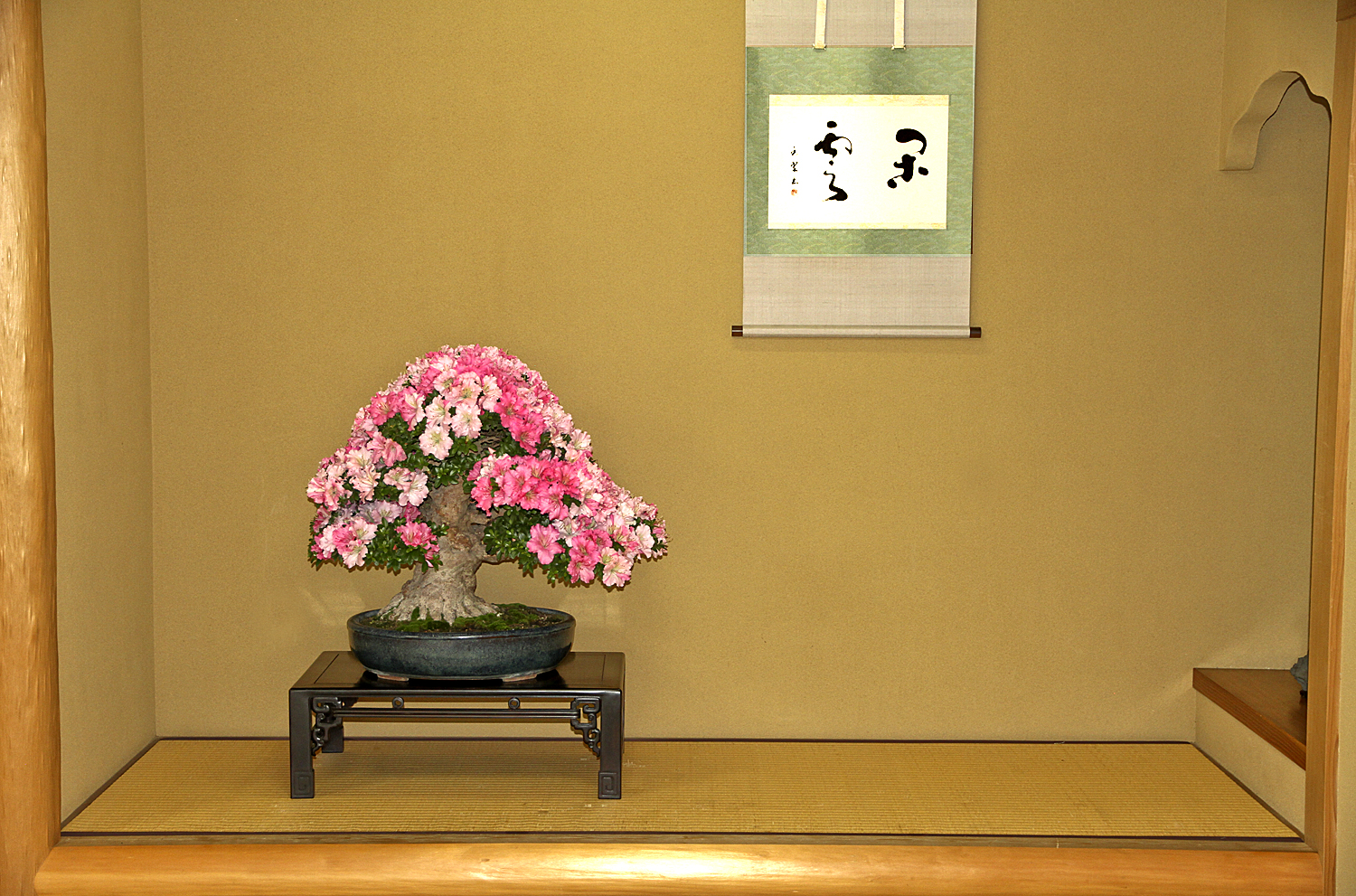
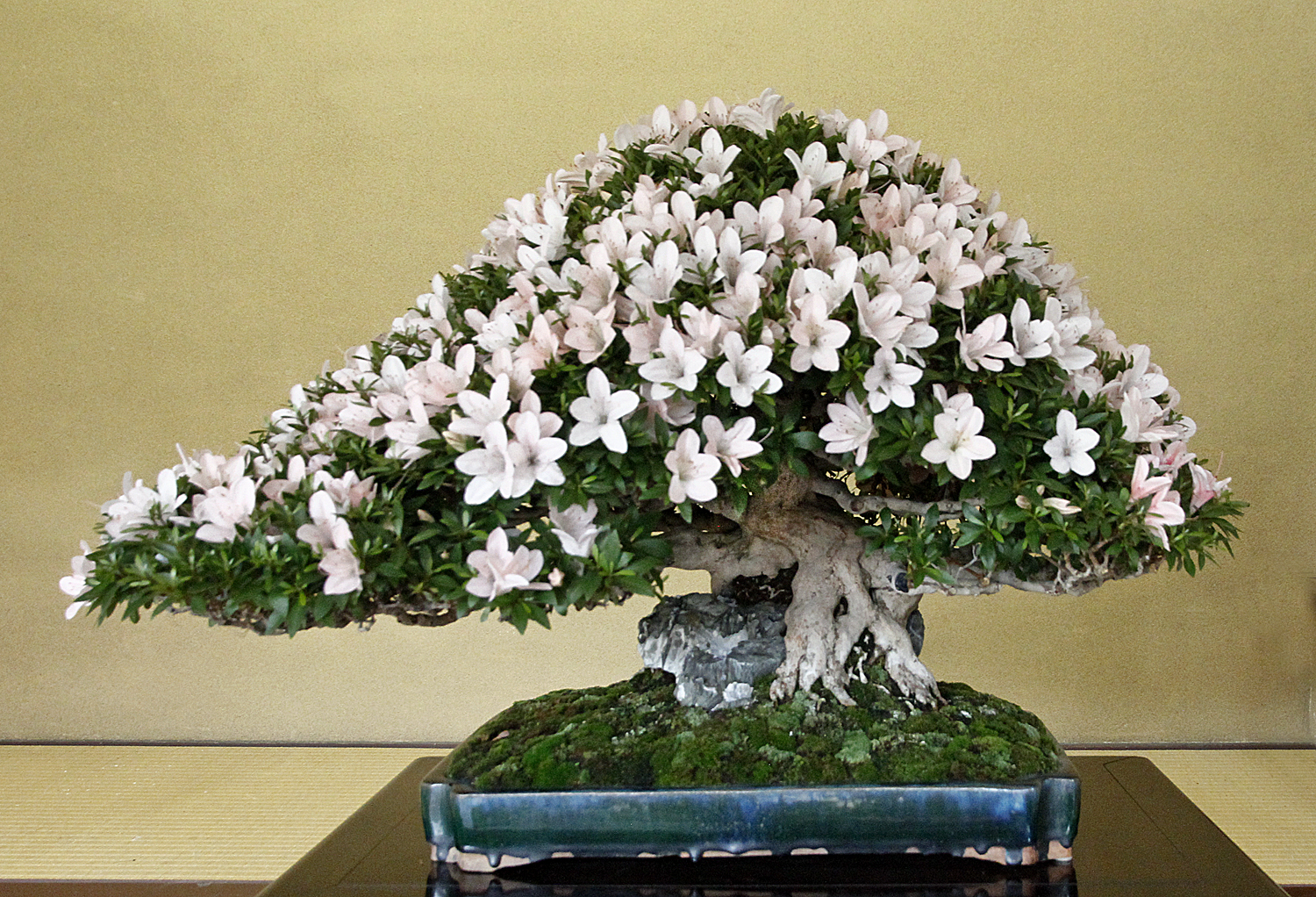
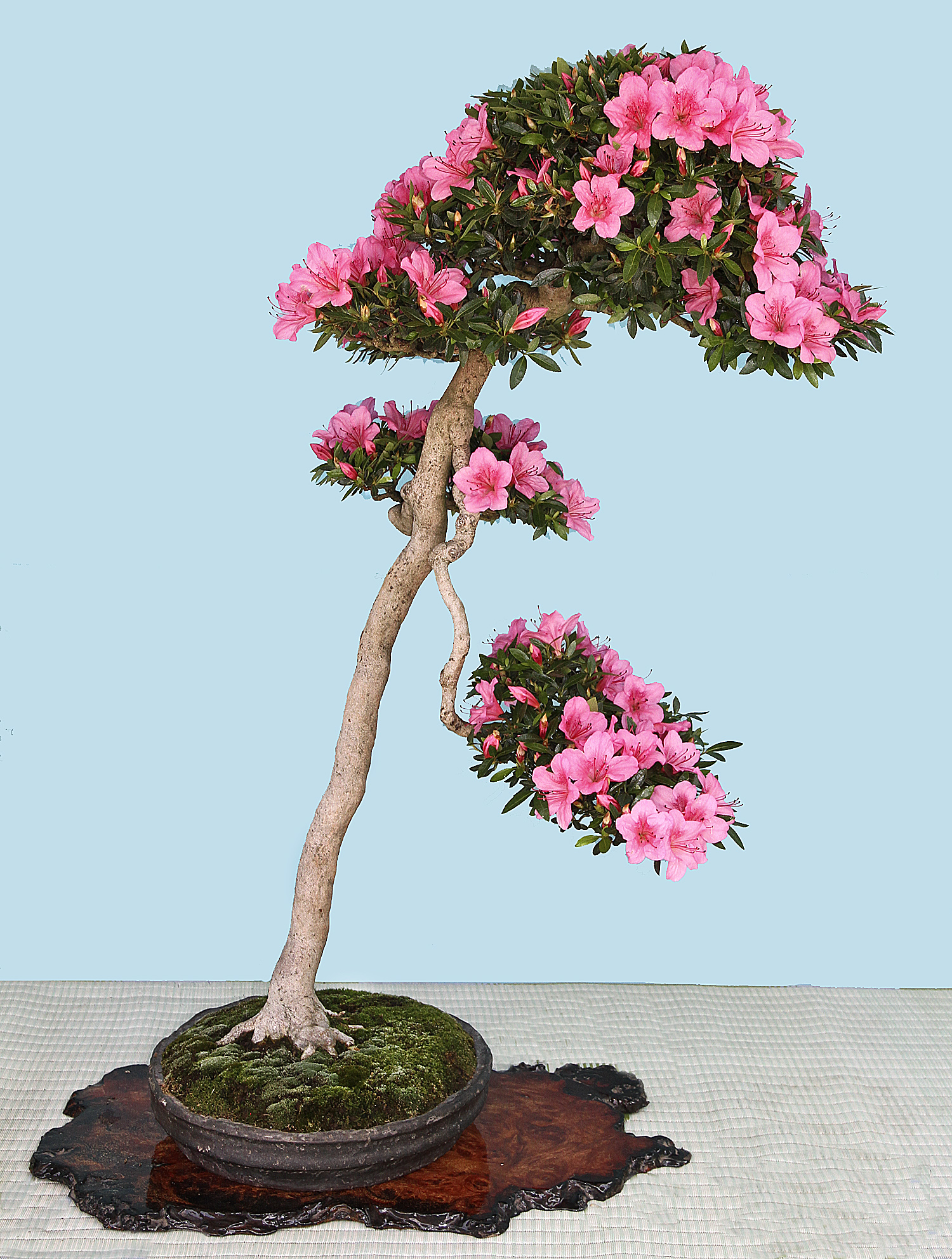
Kakuo Satsuki azalea
Image
American larch
Image
White cedar
Image
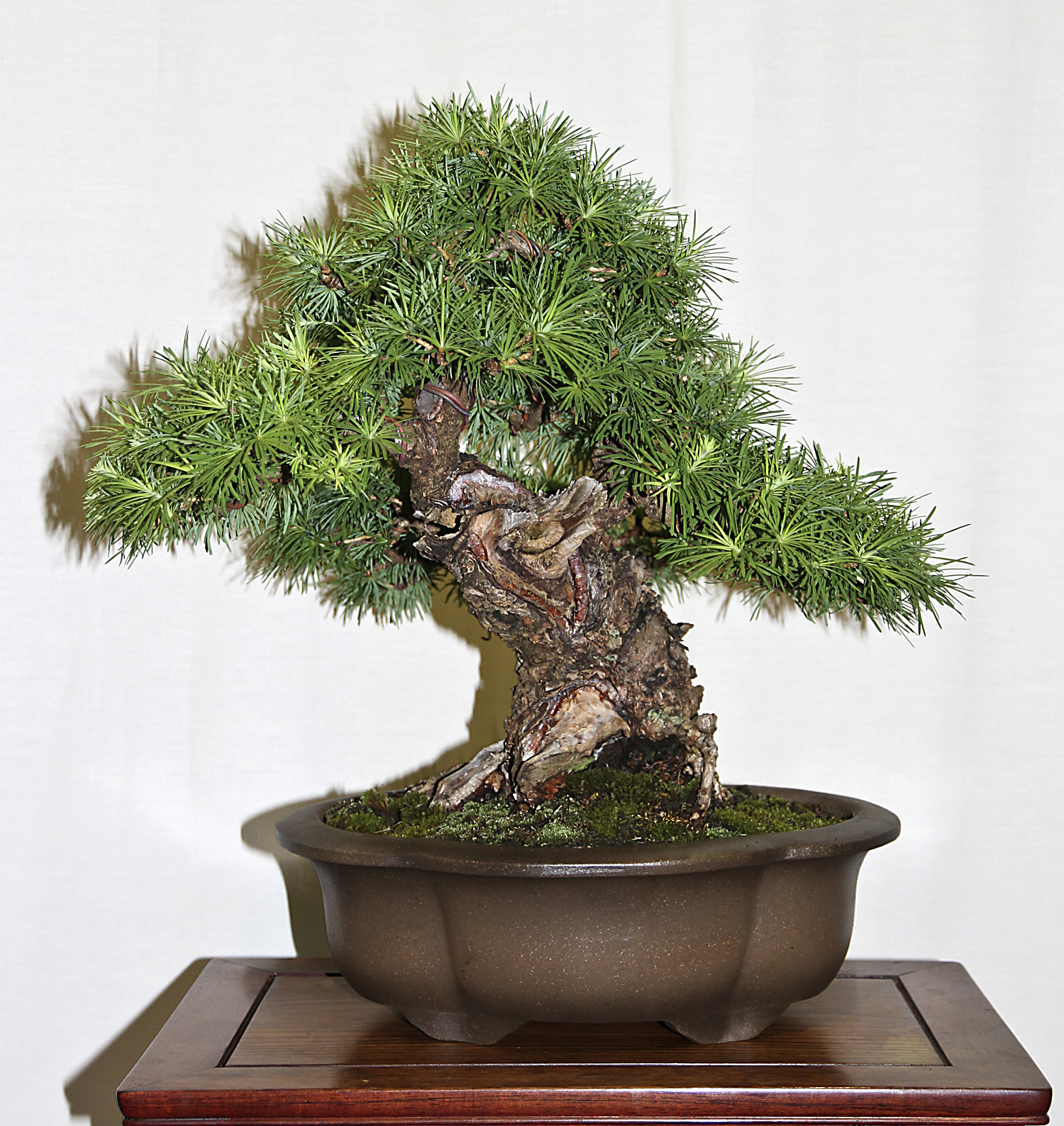
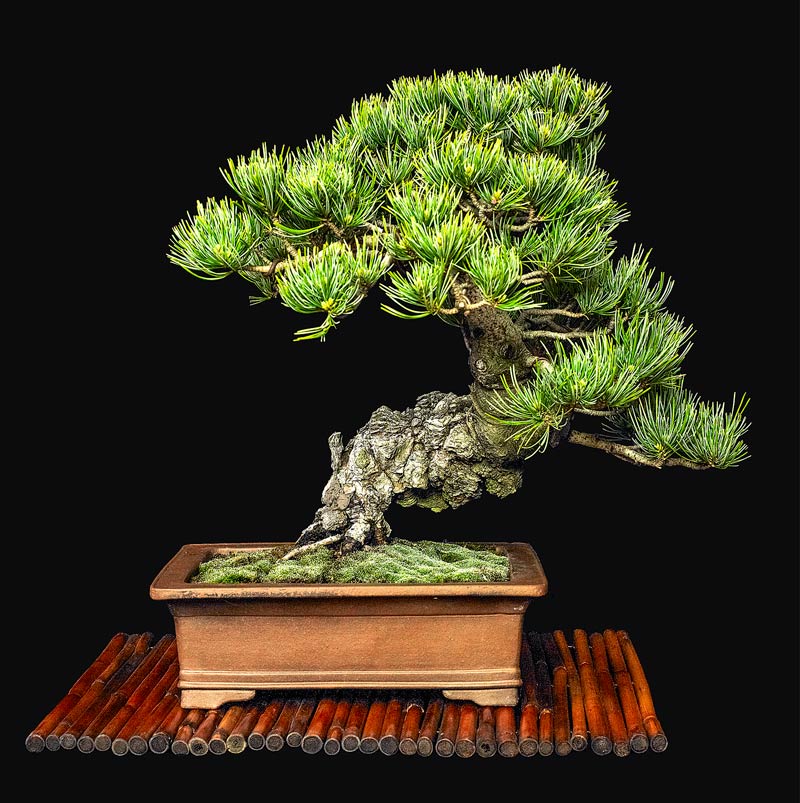
Miyajima Japanese five-needle pine
Image
American larch
Image
Garry oak
Image
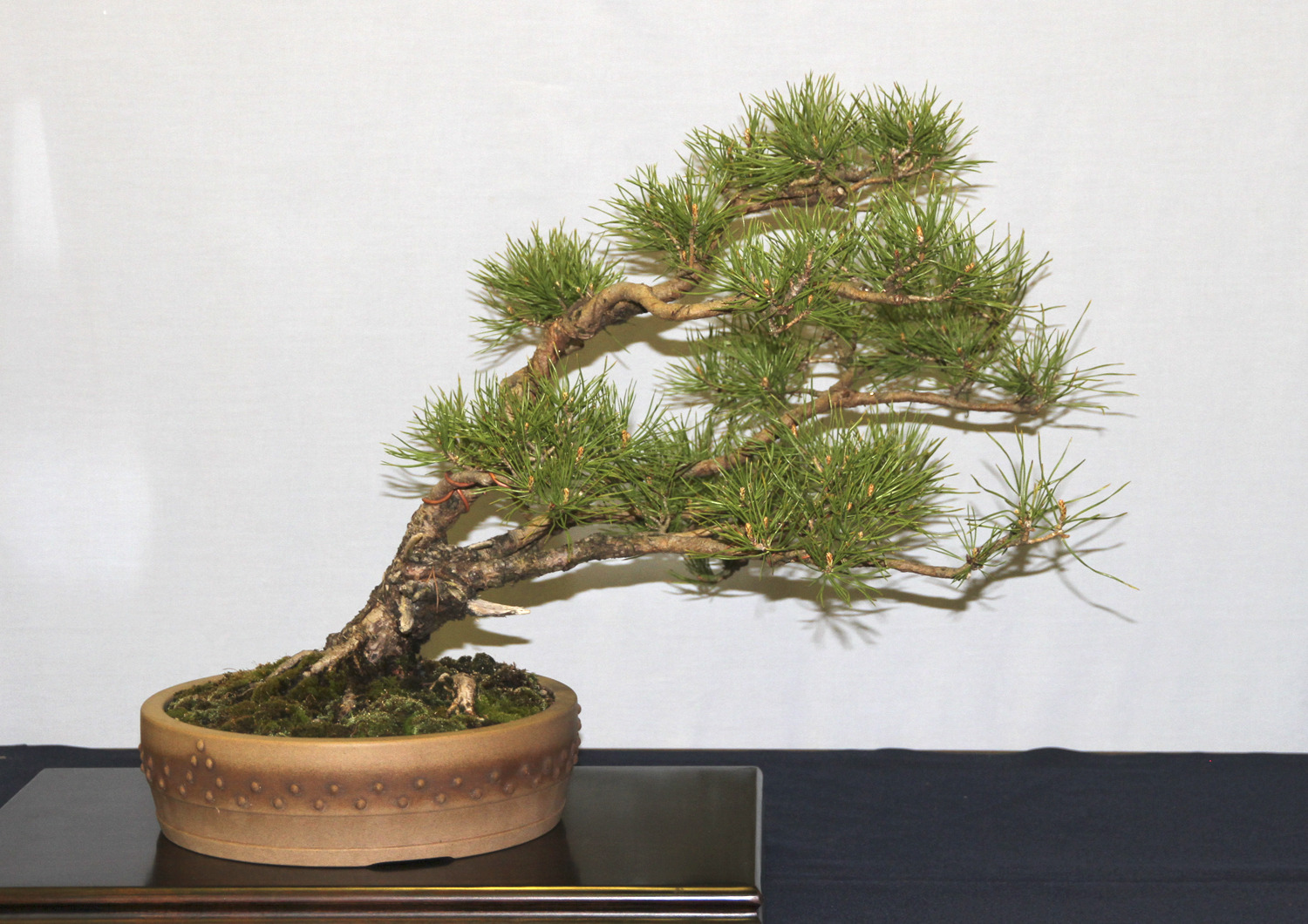
Scots pine
Image
American larch
Image
Tray landscape
Image
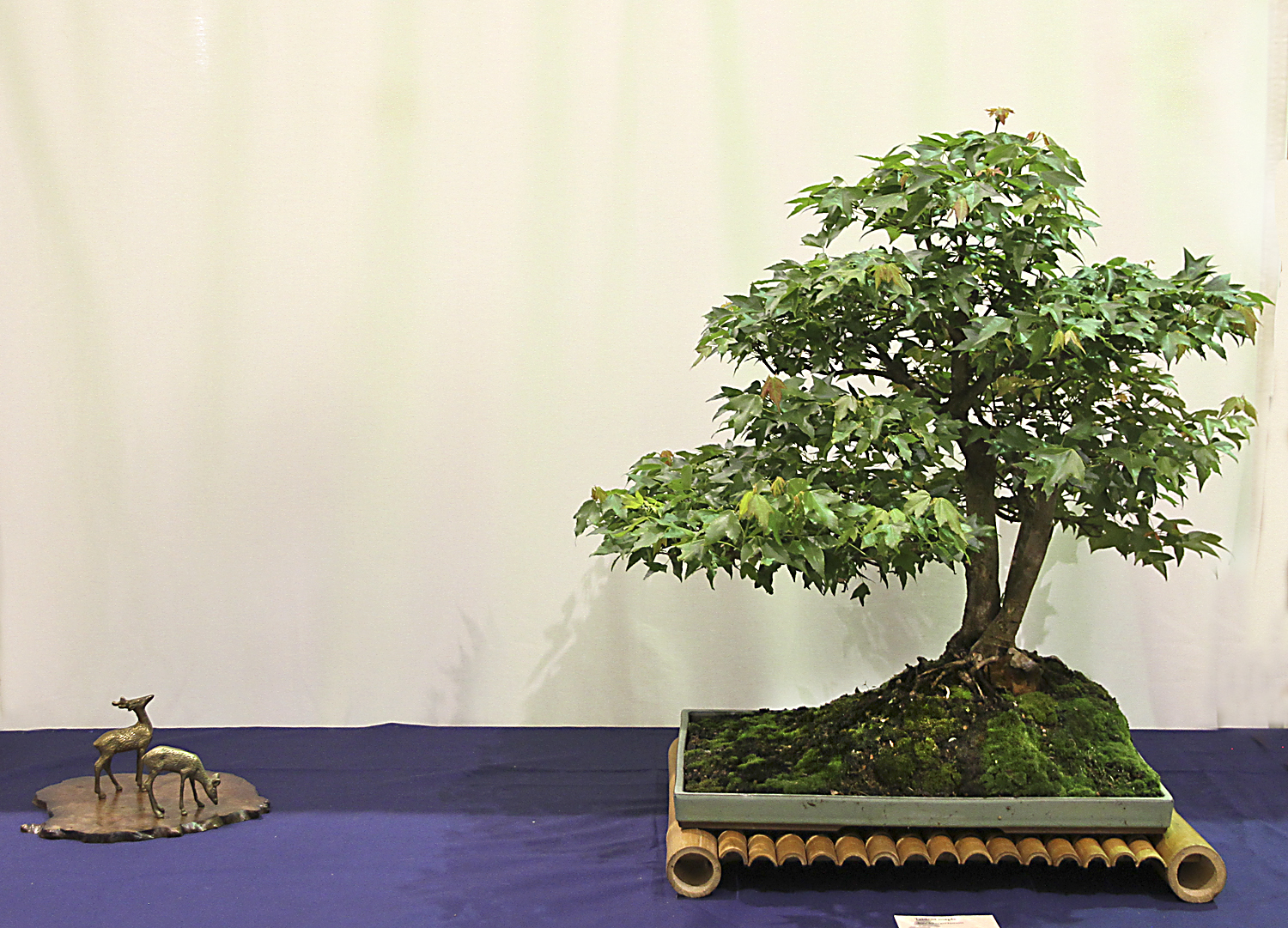
Trident maple
Image
Gold Coin fig
Image
White cedar
Image
RAF dwarf Scots pine
Image
Image
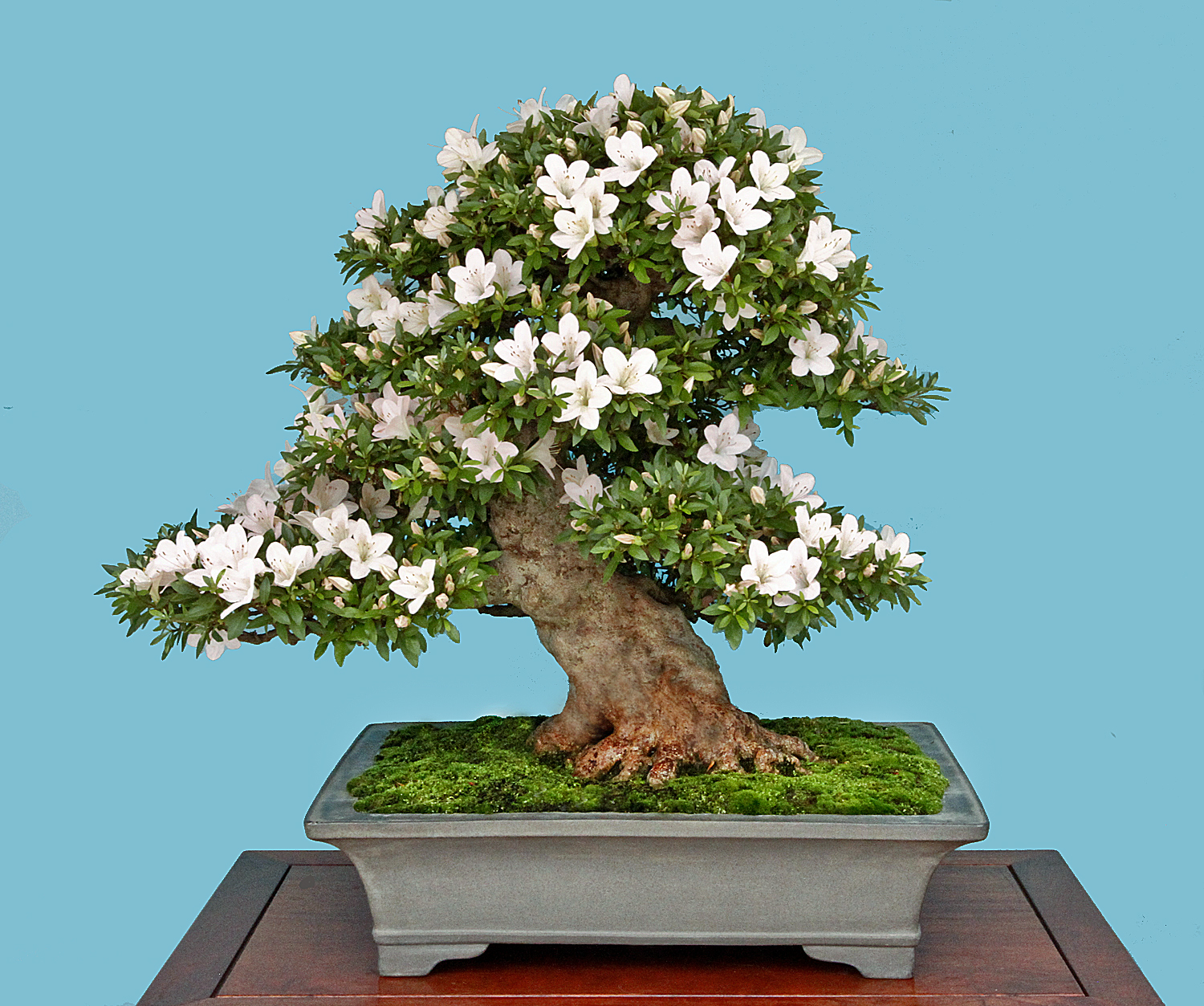
Satsuki azalea
Image
Living shrimp accessory
Image
Star magnolia
Image
Shohin bonsai display area. Our members have quite a collection of shohin bonsai and we could have actually filled the entire room with only shohin bonsai. But, we only shared a few specimens.
Image
Image
Image
Image
Image
My new creation in an unusual container nearly 4 feet long
Image
Deshojo Japanese maple… oops scroll painting going the wrong way
Image
Much better now
Image
Members of the Rochester chapter of Ikebana International presented a display of their work and also a demonstration on Sunday
Image
Master photographer, bonsai artist and our member from Greenville, North Carolina, Joe Noga, traveled to Rochester to photograph all the bonsai. Those professional photos will be in a forthcoming issue of International BONSAI. The amateur photos in this blog are mine. Joe’s are magnificent and will clearly show the details of each tree in the correct color balance.

40 JOE

One of our club members, Roy Wixson, from Buffalo, NY, surprised us with a short Youtube video of the exhibition!

Enjoy the video and thanks Roy!

https://www.youtube.com/watch?v=SbYyFazwahc


2014 41st UPSTATE NEW YORK BONSAI EXHIBITION

Image

Everyone, near and far, is invited to visit our 41st Upstate New York Bonsai Exhibition on Saturday and Sunday, May 17-18, 2014 in Rochester, New York. The event will be hels at the Monroe Community Hospital at the corner of Westfall and E. Henrietta Roads. Rochester’s famous Lilac Festival will also be taking place down the road. The recent warm weather has enhanced the flowers to bloom.

Image

Image

Image


Image


Image


Image


Image


Image


Image


Image
Over 100 bonsai from society members will be on display, with a large number of shohin bonsai. Ikebana International will have an exhibit from some of their members as well. Additionally we have a good size sales area with about 8 vendors. There will be a bonsai demonstration on Saturday at 2pm by Marc Arpag and an ikebana demonstration on Sunday at 2pm by members of Ikebana International.

Admission is only $5, seniors $3.

Image


Image
Also, during the same weekend, the International Bonsai Arboretum is having it’s Spring Open House And Sale about 15 minutes away. Most items will be 20% off.

Details on request, in the meantime, enjoy some photos from last year’s exhibition. I look forward to welcoming you to the Upstate New York Bonsai Exhibition and the International Bonsai Spring Open House & Sale

Bill

There’s More To Bonsai That Meets The Eye

Image

Although bonsai is a visual art, there is more to this art than meets the eye. Of course the beauty of bonsai is of paramount importance and is commonly determined by the trunk, branches, silhouette, container, season, antiquity of youthfulness and the total aesthetic impact. However, it is important to consider other factors, which are not immediately visible to those with limited experience and exposure to the art. Most bonsai hobbyists, and professionals as well, do not have the background to fully understand the hidden beauty that lies within the bonsai and only consider what their eyes first see when viewing a bonsai.

 Image

Japanese flowering apricot in full bloom delights the eye and the old rugged trunk is matched and is respected by the careful selection of the antique chinese container

Image

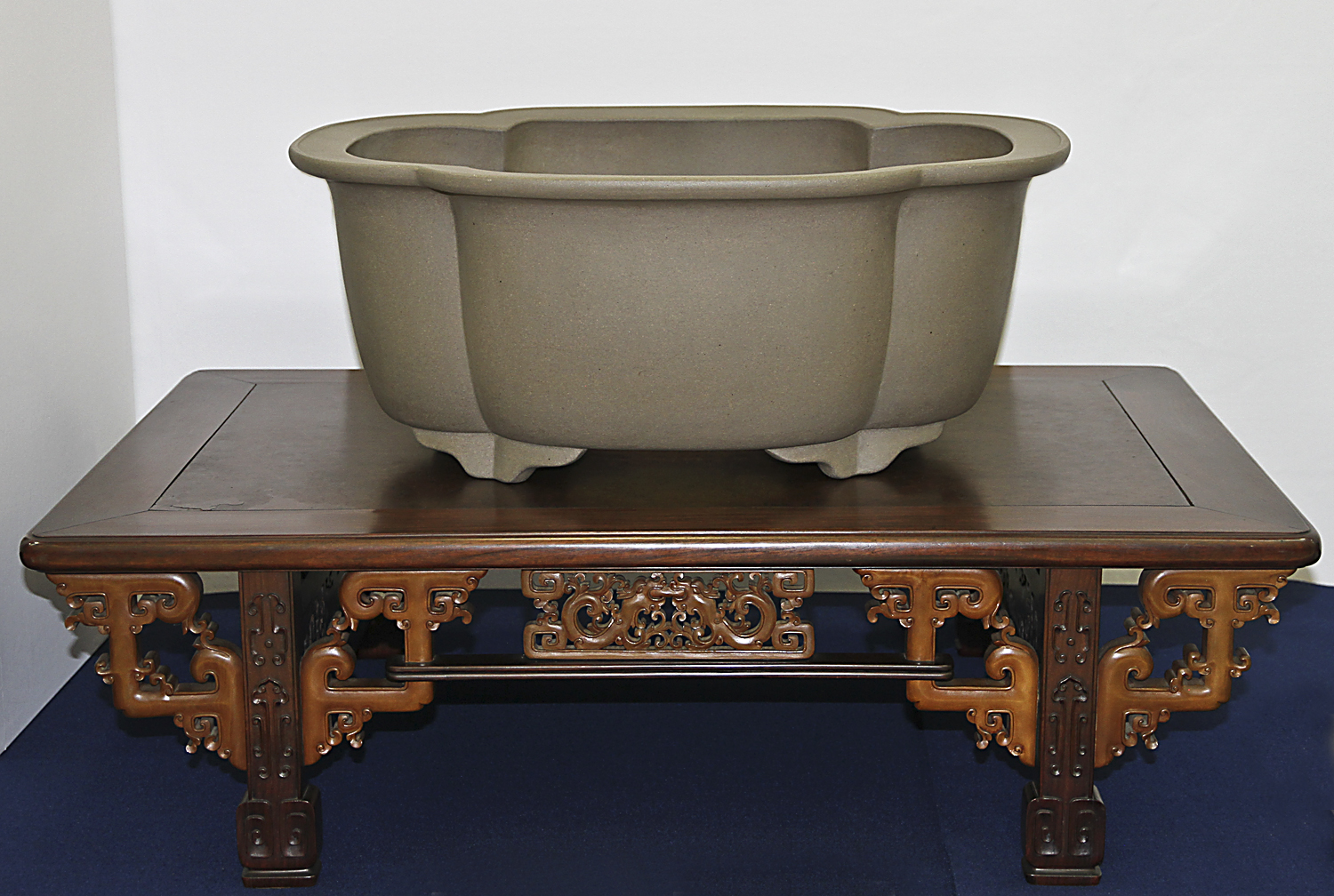
Although this antique Chinese container is not planted with a bonsai, it was displayed in the 2013 Taikan ten Bonsai Exhibition on an excellent and valuable display table.


It is important to have respect for the tree, container and history of the bonsai. Respect is not usually considered when first viewing a bonsai, but comes later on when the tree is really studied and contemplated. This adds immensely to the appreciation of bonsai art. In Japan the history of the bonsai is important and is deeply respected. Aspects of the history of a bonsai include: the origin of the tree, who grew it, how it was grown, where it was grown, who designed it, who matched the container, who displayed the tree and current and past owners. These factors are not quickly evident when viewing a bonsai to those with a limited exposure and knowledge. Unfortunately, like training a bonsai, time is also significant to fully appreciate and respect a tree.

 Image

This Japanese zelkova bonsai is famous because of the unusual shape and the prior owner, Prime Minister Shigeru Yoshida. It was first dug and drastically pruned in 1937 and was displayed in the 1955 30th Kokufu Bonsai Exhibition as well as the 1968 42nd Kokufu Bonsai Exhibition.

Image

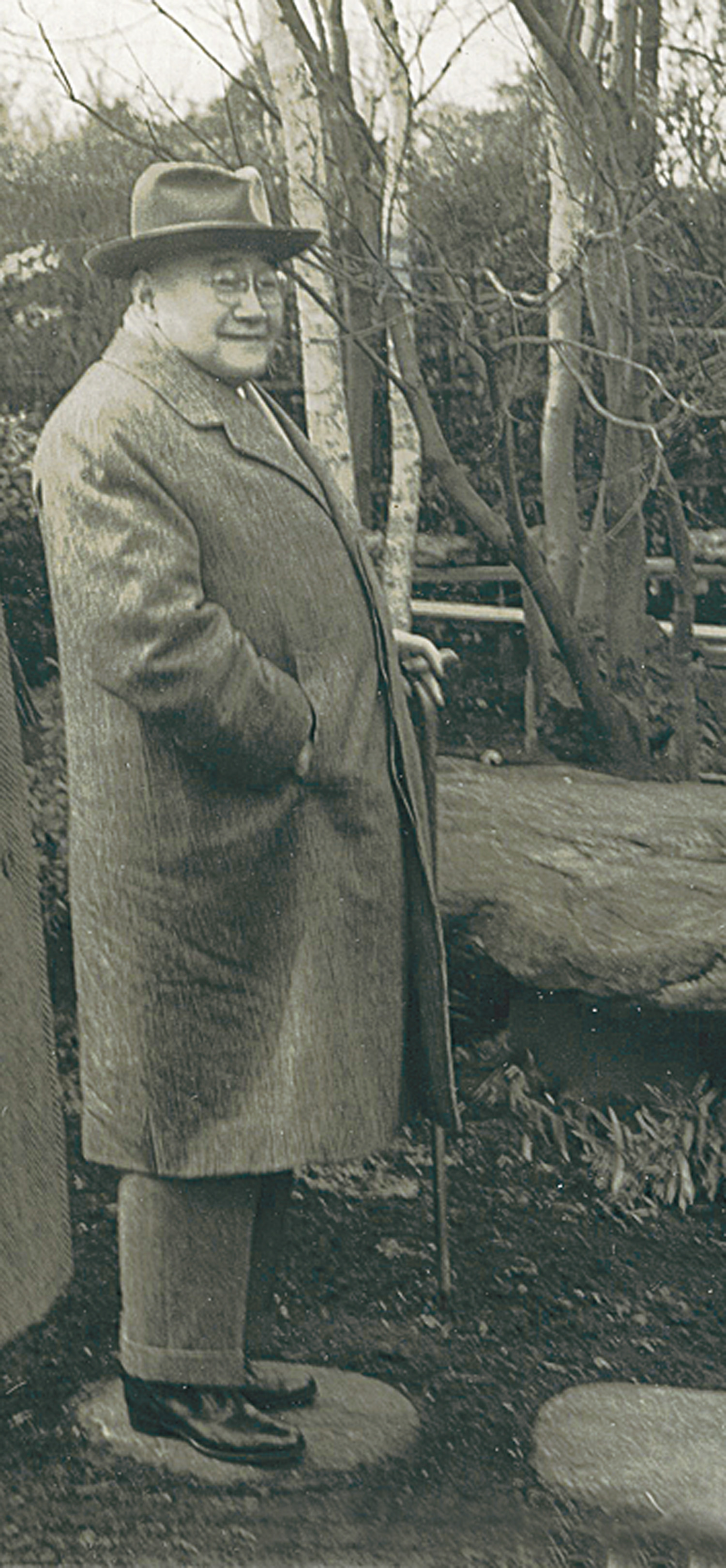
Prime Minister Yoshida was a bonsai lover who appreciated fine bonsai. His Japanese zelkova has been under the care the proprietors of Kyuka-en Bonsai Garden in Omiya Bonsai Village Japan, Kyuzo Murata, Isamu Murata and Yukio Murata. The late Kyuzo Murata characterized this bonsai as follows: Despite the fact that it has a very unusual style as a Japanese zelkova which normally conforms to natural styles, it is seen  as a large natural tree and deeply moves people. It is a large tree which seems even more natural than a natural tree. This is something like the male kabuki actors who portray women who seem to be even more feminine than the real women. It is preeminent masterpiece which has both the power of nature as well as the artistry of bonsai creation. Surely the reason that Prime Minister Yoshida particularly like it and made much of it was probably because he saw this.

Additional information and photos of this bonsai can be located in the 2007/NO. 4 issue of International BONSAI. Photos courtesy of Kyuka-en Bonsai Garden.


The more bonsai, exhibitions and gardens one sees helps to understand the all embracing true beauty and value of a tree. Additionally, meeting people behind the scene and actually working and growing bonsai are also important key elements to bonsai appreciation.

Image

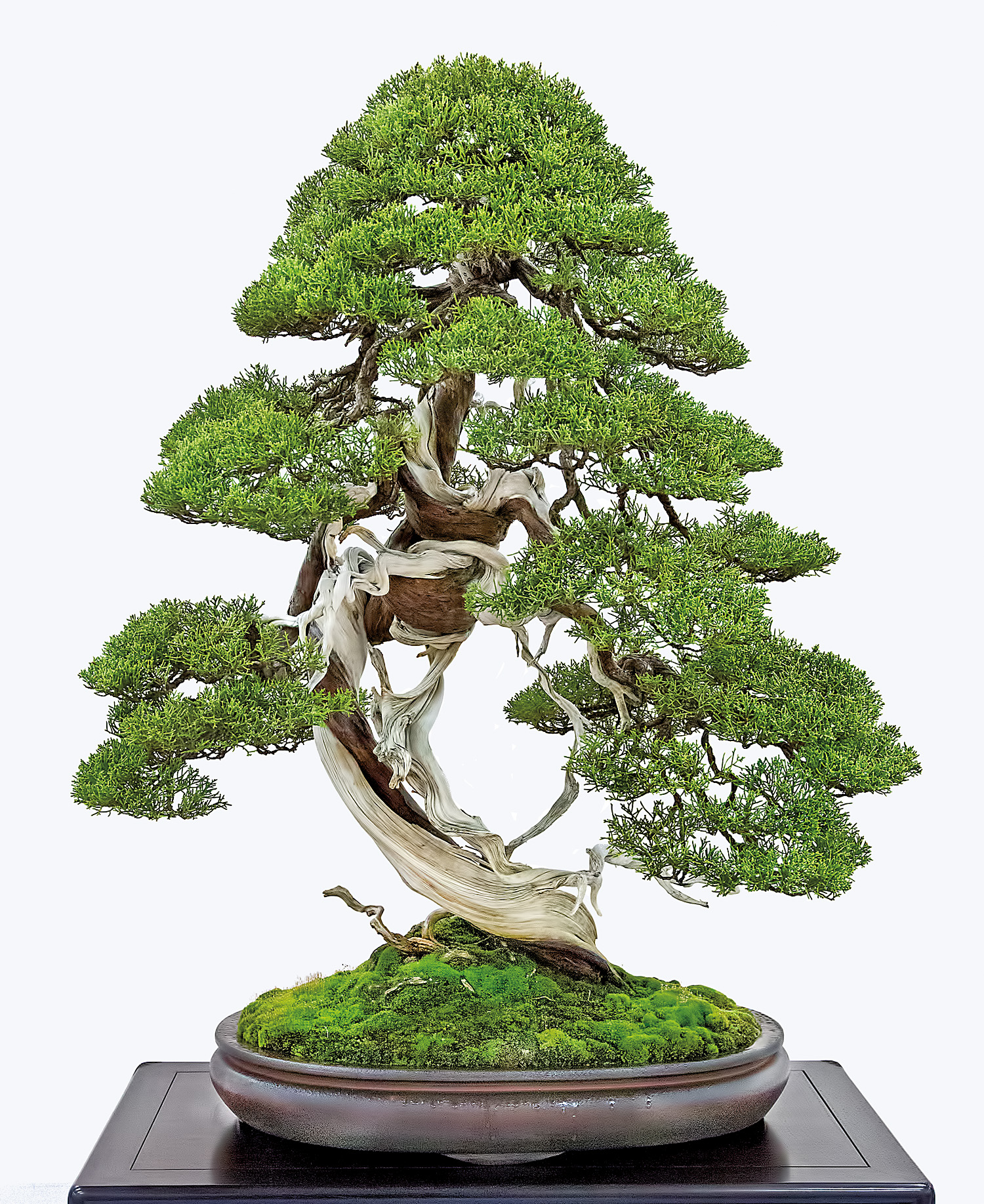
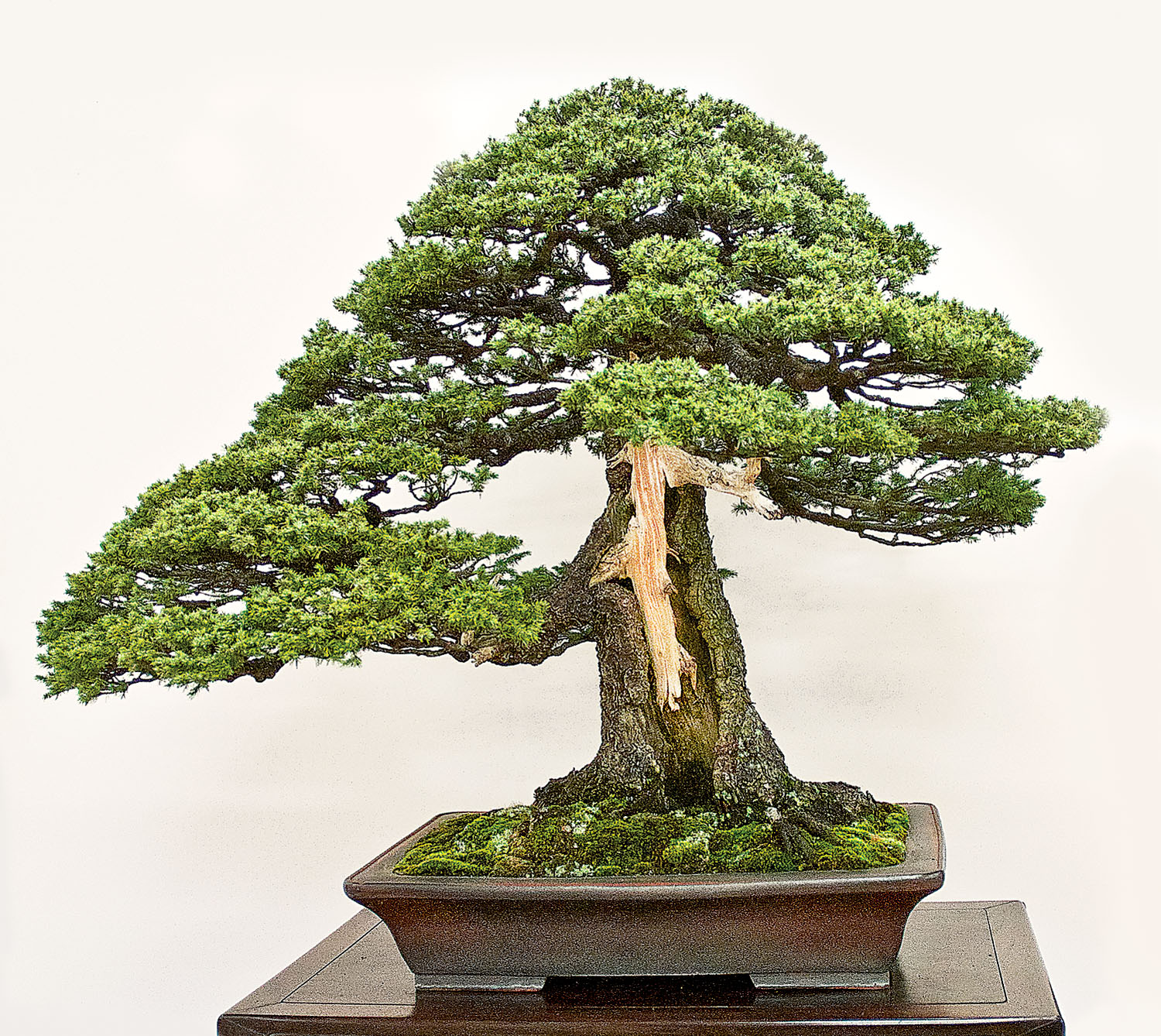
This Sargent juniper was collected from a high rocky area and was not grafted. It has been displayed in a Kokufu Bonsai Exhibition before World War II as well as the 2011 85th Kokufu Bonsai Exhibition. It is well matched with the antique Chinese container.


I have encountered numerous hobbyists, and professionals as well, who quickly determine that they do not like a specific bonsai because of some defect in their determination beauty. But, when I thoroughly explain the background of the tree, container and suggest that they respect the past and also importantly to consider the future development, they suddenly see the light and have a different opinion of the tree. Yes, there are those who completely disregard the past and only “see” what they want. But that is fine, everyone has different levels of bonsai appreciation, which is developed over time and depends on their background, personality, taste, environment and how serious they are.

 Image

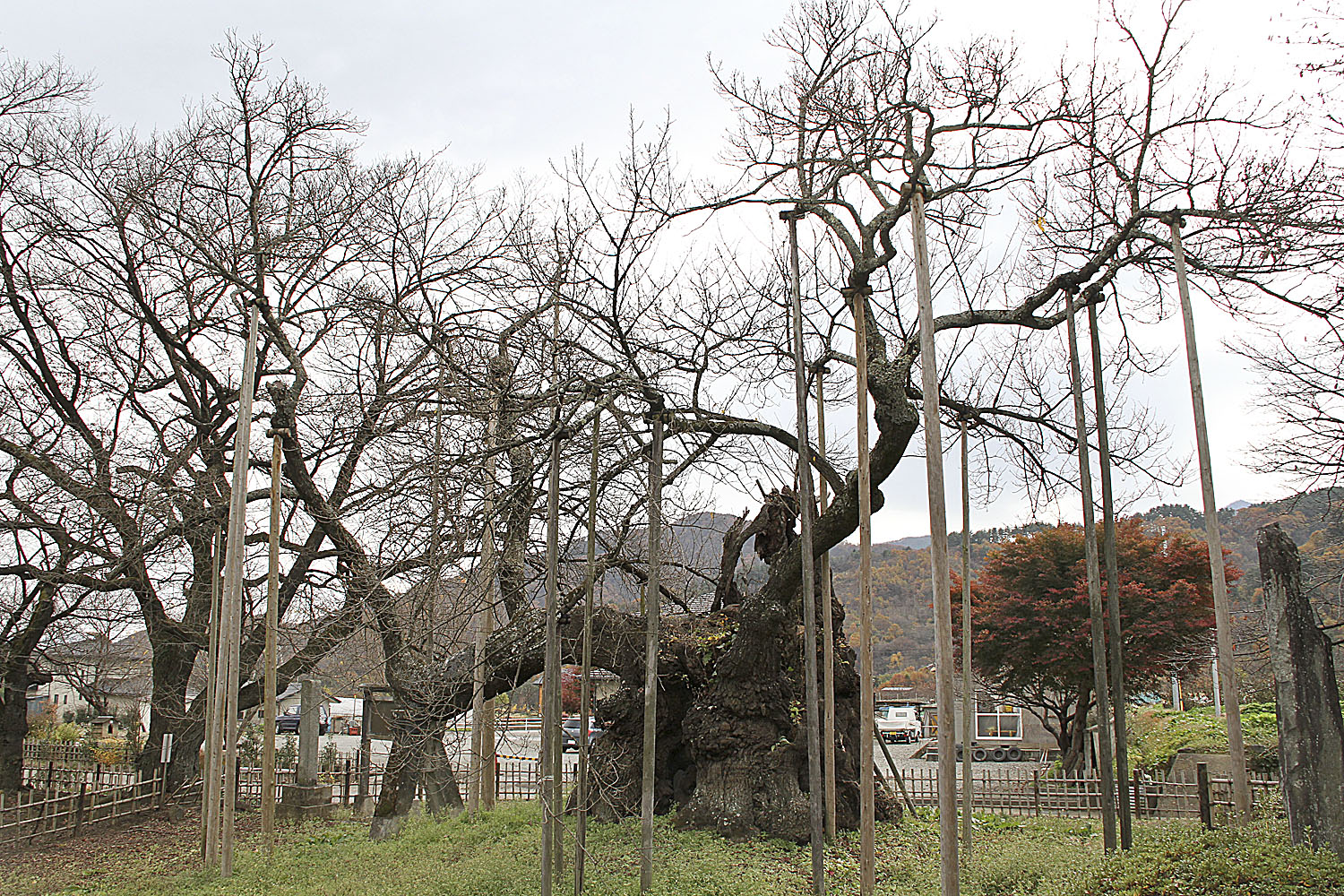
Little remains of this 1,000 year old Japanese flowering cherry tree in a Shizuoka Prefecture park. A sign near the ancient tree shows a photo of it as it appeared in 1908. Old trees, especially with character are deeply revered in Japan.


In Japan, as in many cultures, age is highly honored. People, buildings, containers, objects, as well as trees, and stones are respected in Japan. Although most bonsai present an appearance of agedness or antiquity, some present a youthful appearance. In the Japanese bonsai community the word “mochikomi” is the customary term to refer to the years of love and training a bonsai in a container. An aged bonsai usually presents an elegant feeling and expresses a different type of beauty than a bonsai which has not been trained and containerized as long. From my understanding of the term the actual age is not as important as the establishment and careful loving care the bonsai has received.

 Image

Youthful beauty can be appreciated, Chelsey Jill Taylor


Image

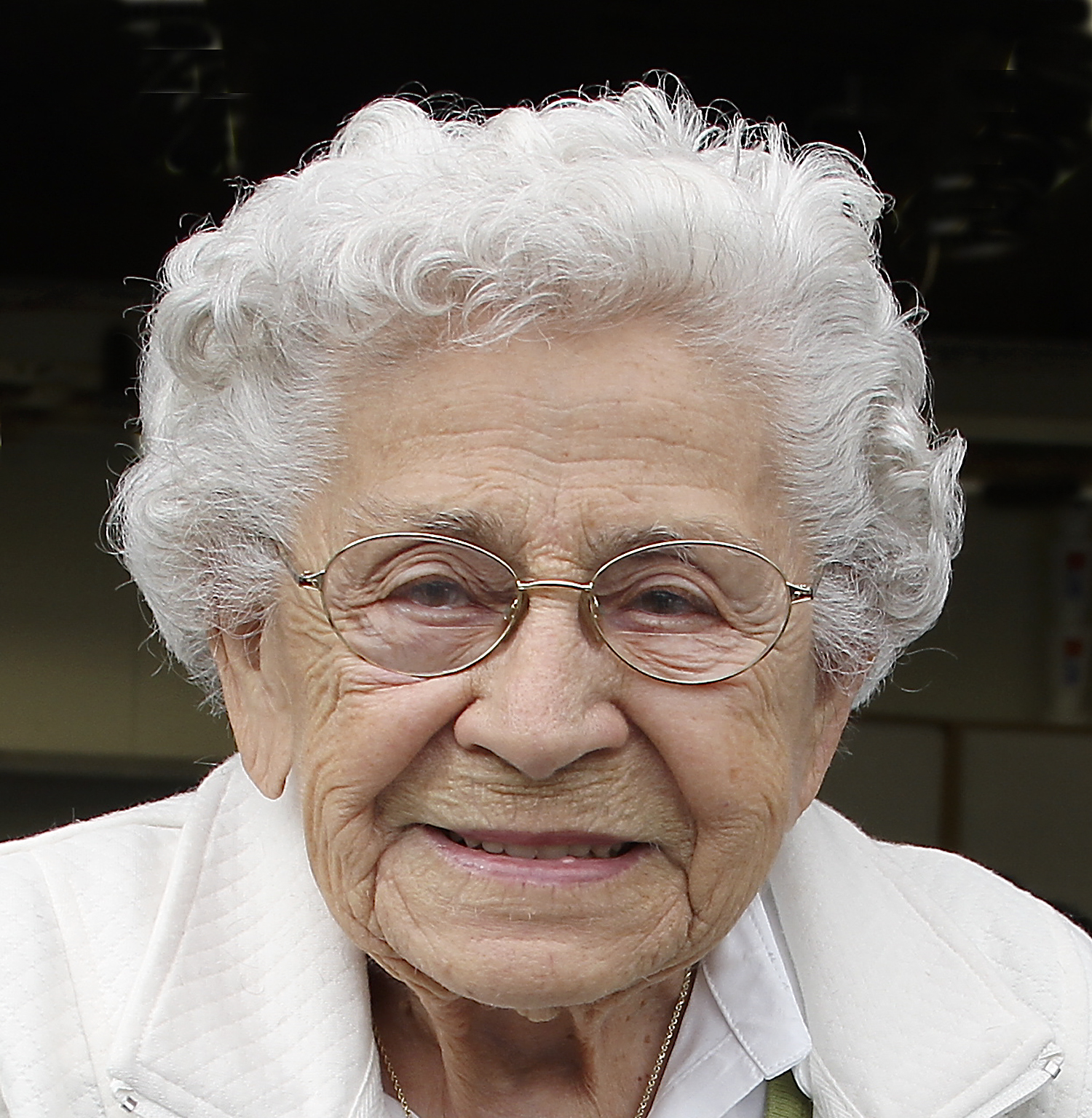
Mature beauty is also appreciated, Irene T. Valavanis

Image

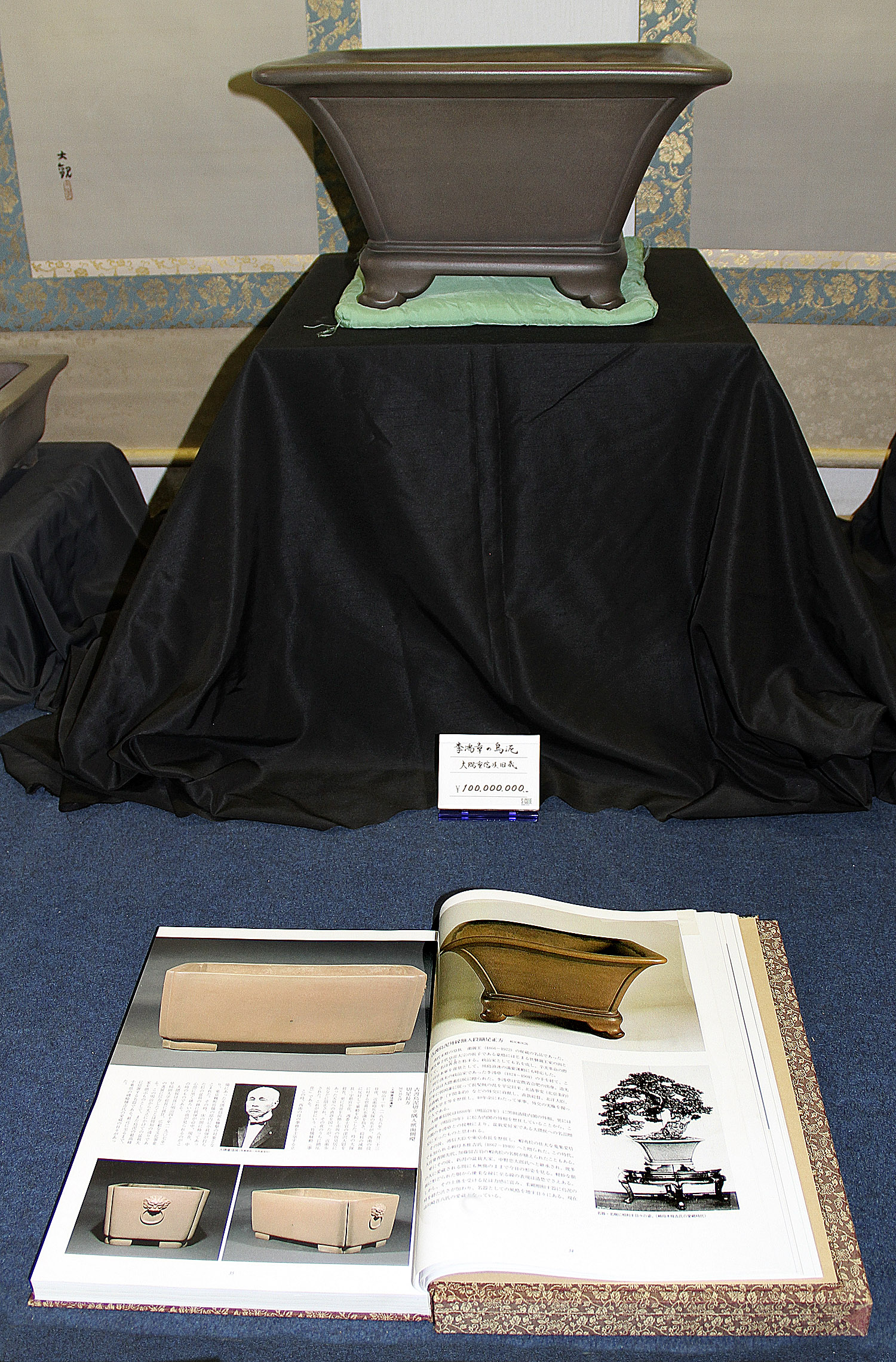
This famous antique Chinese container has a long and interesting history. Here it is on sale for US $1,000,000. It was sold for a bit under that amount and is now back in China.

Image

Damaged antique Chinese containers are respected and not discarded. This container has the missing sections remade with gold.


Image

Although greatly damaged, this antique Chinese container has been repaired with gold so it can be matched to an equally old masterpiece bonsai.


For example, there are numerous large recently collected bonsai, which are quite aged, mostly with large dead wood often displayed. However, in spite of their great age lack mochikomi which the bonsai does not display. On the other hand, one can have a small tree, started and trained from seed or cutting for 20 years and it might exhibit mochikomi because of how it has been established and carefully tended for in a container. The bark will begin to show the aged appearance. A complete mossing of the soil surface also indicates the aged establishment, and recently applied moss looks fresh if not planted correctly.

 Image

This beautiful Sargent juniper masterpiece bonsai has been well matched with an antique Chinese container. However the bonsai does not show an aged appearance or dignity. It has not been container grown for many years.

Image

This famous Ezo spruce bonsai has been cultivated in a container for many decades and displays age. It is growing in an antique Chinese container.


Image

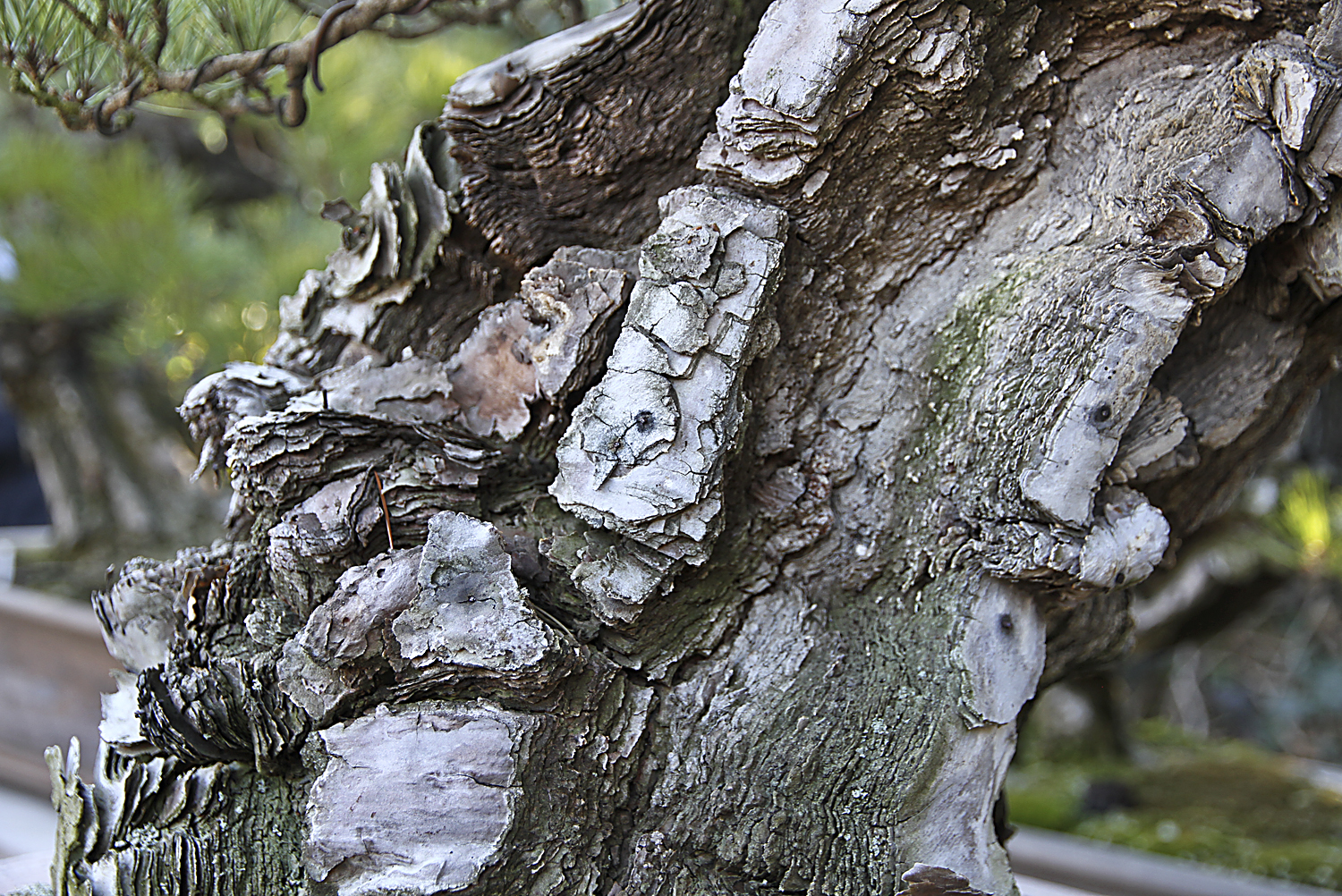
Old bark and weathered wood are indicators that the bonsai has been carefully and lovingly cultivated in a container


Image

The old flaky bark on this bonsai is valued as part of the aged beauty. Note the small nails holding bark to the trunk. It is important to remember that bonsai are living objects and considerations must be made to maintain their health and beauty.


There is more to bonsai appreciation than simply, pruning, wiring and shaping a tree. And this level of appreciation varies greatly from person to person, depending on their background, involvement in the art and personality.

 Image

This old and elegant Sargent juniper bonsai shows age and is well established in the well matched antique Chinese container

Text and photos Copyright 2014, William N. Valavanis

Repotting Begins!

Image

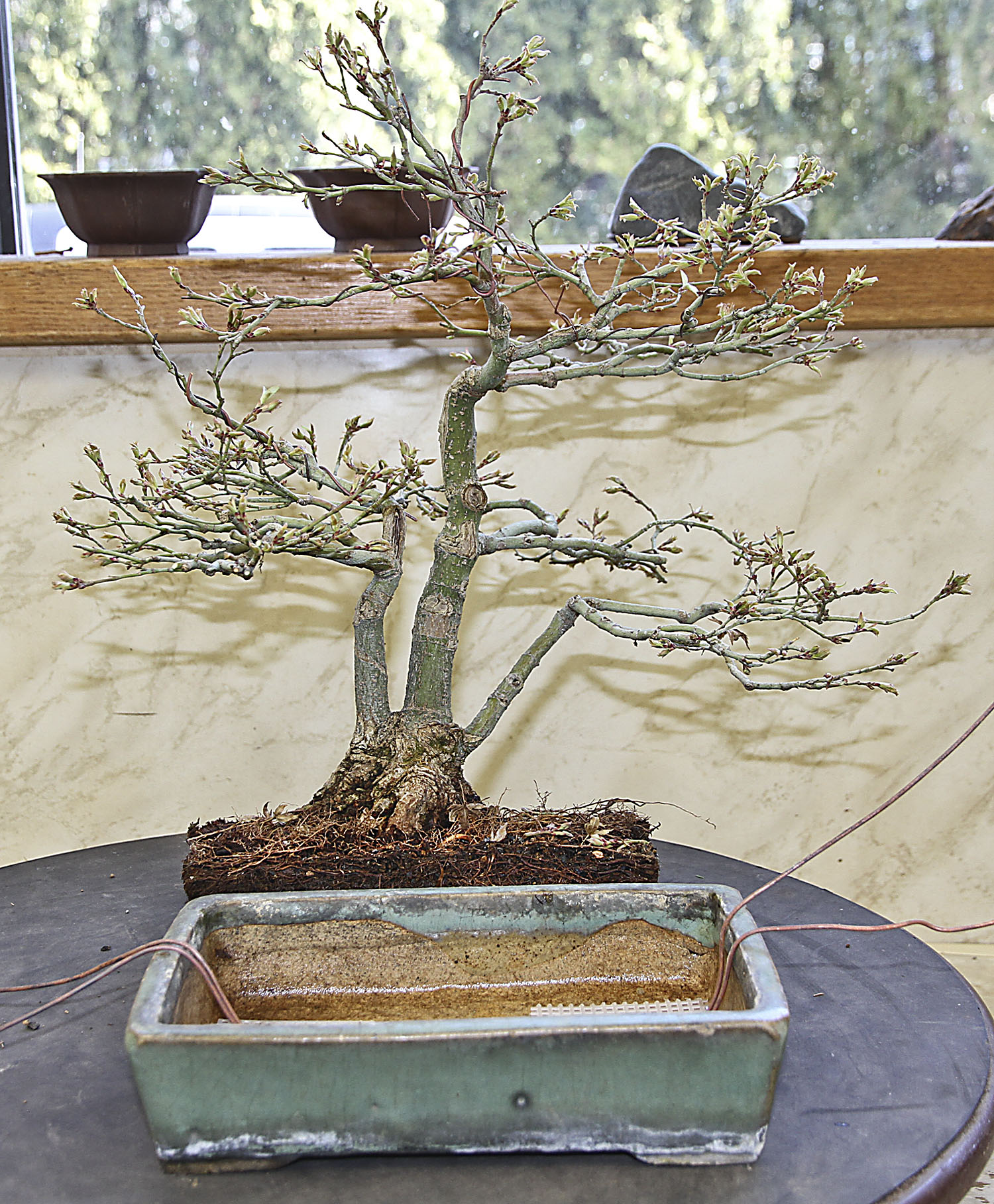
Although the temperature is still cold and snow piles remain, some deciduous bonsai need repotting because the buds are now beginning to open. These bonsai have been overwintered in the garage. My son Chris has been working on several cars and turned the kerosene heaters up a little to make it more comfortable than the 27F temperature I’ve been maintaining. So… many deciduous bonsai woke up a bit early this year.

Usually we transplant the deciduous species first, followed by the narrow leaf evergreens and finally the broadleaf evergreens. Additionally, I “try” to repot bonsai which are pot bound and difficult to water during the summer. Some of those bonsai have strong roots and the root pressure splits containers. Also the roots of pot bound trees often raise the soil level up higher than normal. All I need to do is to remember which trees drained slowly. I do not repot bonsai on a regular schedule, but rather when the trees tell me to. Transplanting too often disturbs growth and I’d rather wait a year (or two) before repotting. Some of my pines have not been transplanted in ten years. They grow slowly, have short needles and still drain well.

 Image

Bob preparing containers and soil mixes


Image

The containers are prepared before the roots are worked

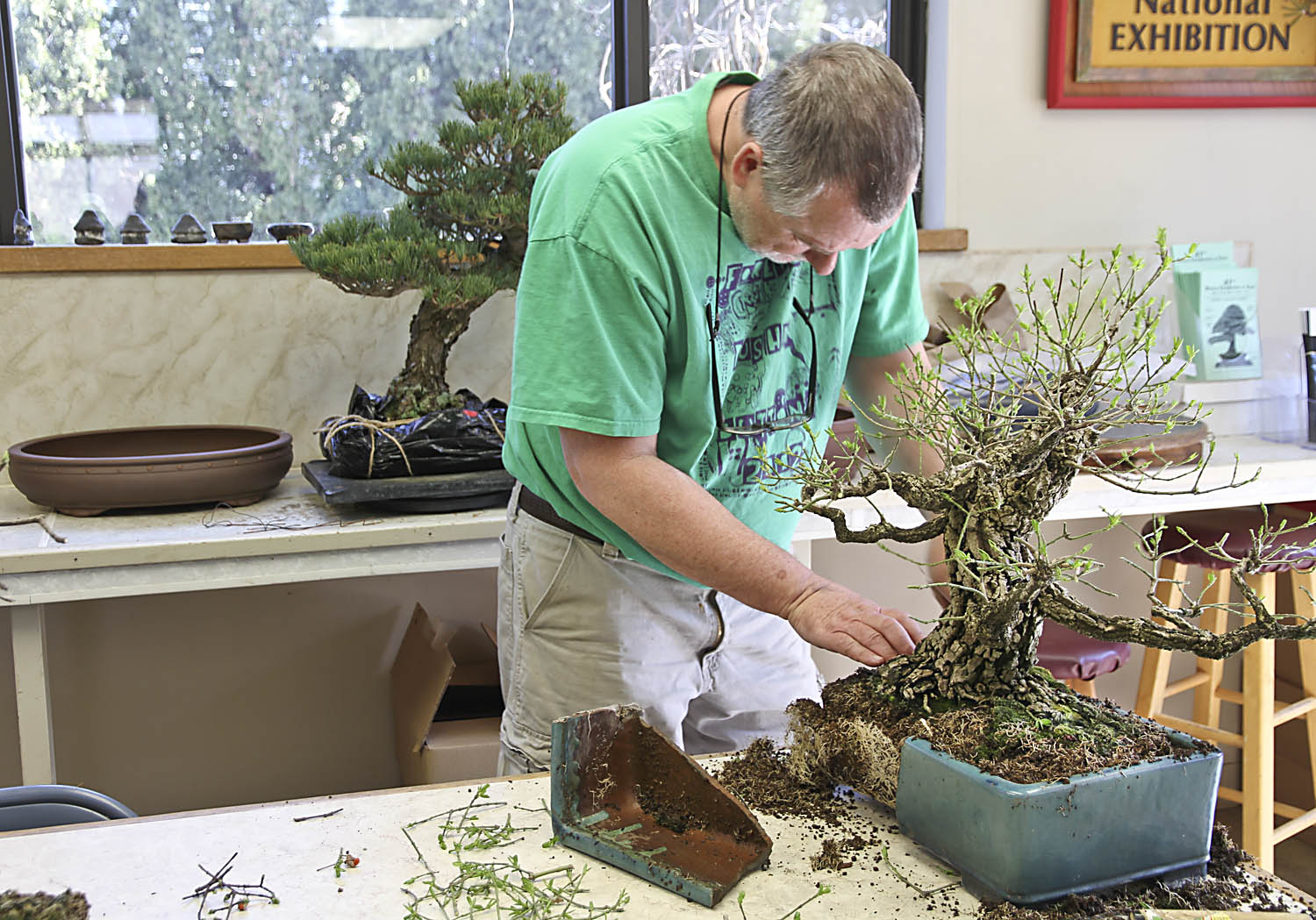
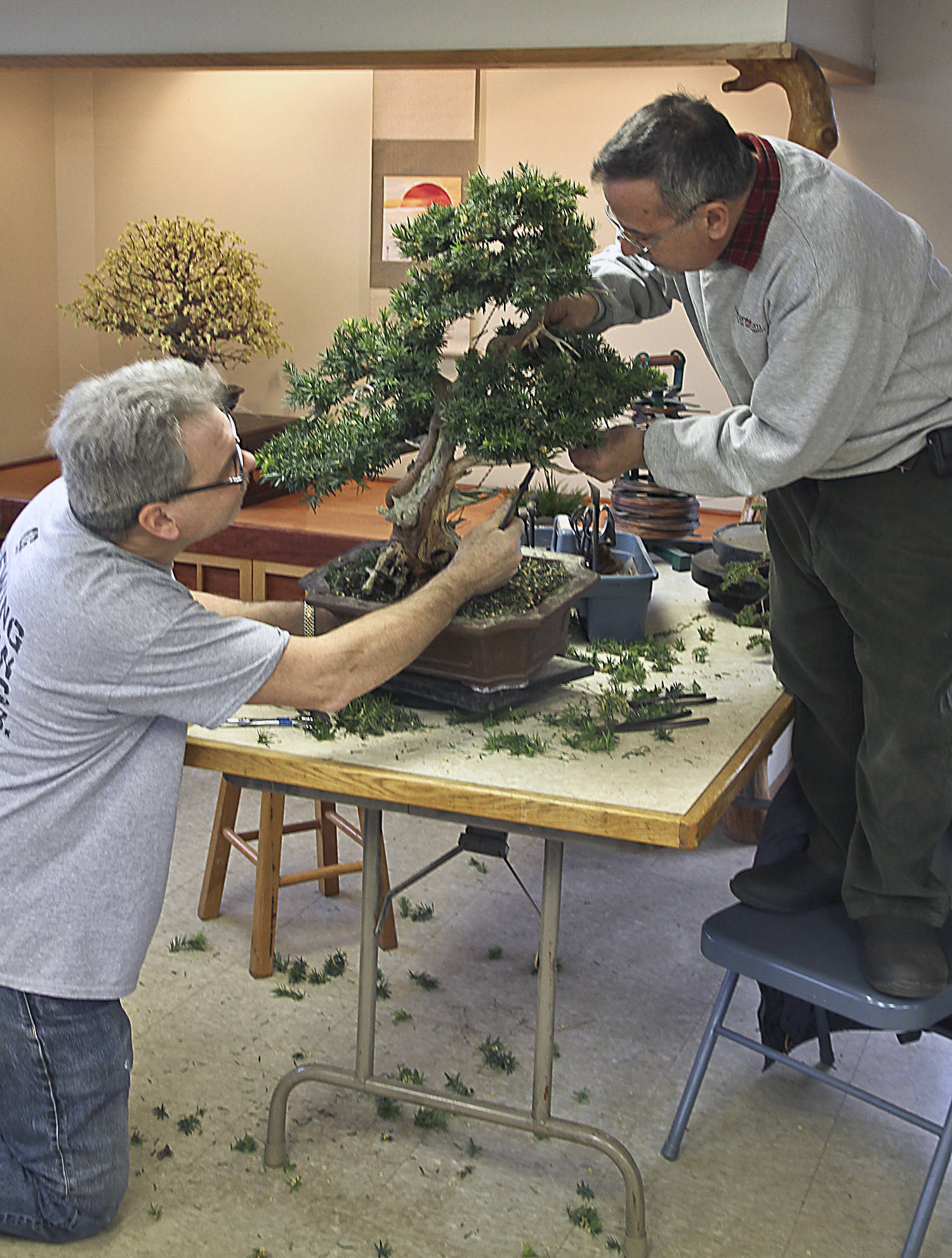
On Wednesday Bob Pfromm and Alan Adair helped me transplant. At one time we were working on five bonsai at the same time. I was trimming a bonsai; Bob was preparing the soil and containers for other bonsai, while Alan worked the roots of another. Most of the containers were matched ahead of time, while sometimes we prepared the roots and fit them into the containers to see how they looked. Usually we selected the right container first. And, it’s not unusual for us to have five or six excellent containers lined up for final selection. I made the final trunk positioning in the container and Bob and Alan finished up and mossed the soil surface.

Image

This bonsai needed to but cut out of the container because of the slight incurving rim 

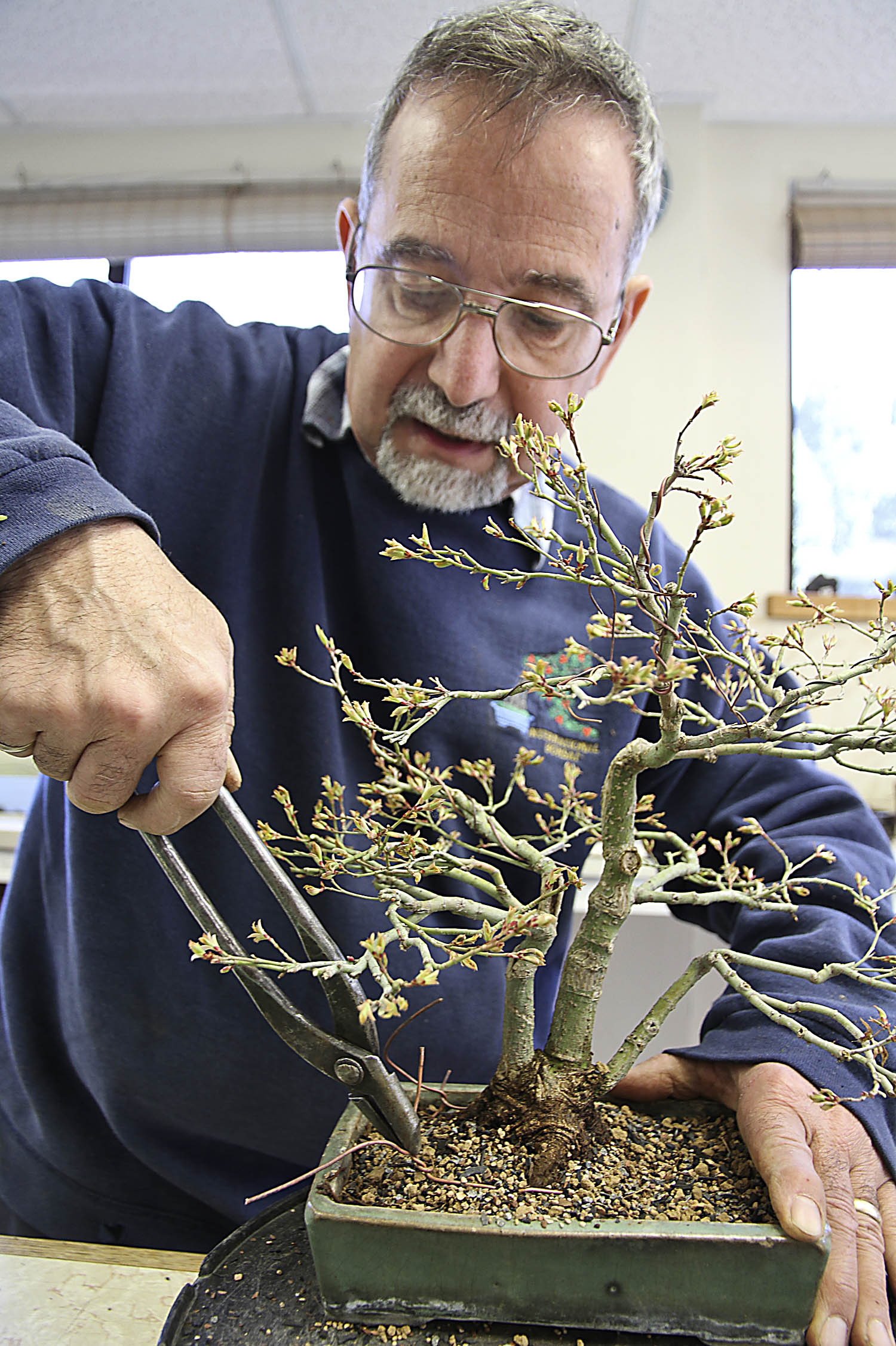
As we were transplanting I thought of a few topics, which might help others while repotting. Students often ask why I use the large size long handle wire pliers. They say that they don’t have large trees so smaller size tools are better. However, in addition to providing additional leverage, the long handles allow hands to stay free from damaging tender branches.

 Image

Long handle pliers provide leverage and allow hands to stay clear of the delicate branching


Image

Euonymus, November 2011

My large Euonymus bonsai with rough bark is an unusual bonsai that is colorful in autumn with the coral colored fruit. It has been growing in a contemporary oval Chinese container for many years. Last spring it was transplanted into a smaller, much finer quality, rare, old Japanese container to make the trunk look more powerful for displaying in the 2013 Artisan’s Cup of Portland Bonsai Exhibition. The event was delayed until 2015 and the announcement came out after I transplanted the tree into the smaller container. It needed watering more often because of the smaller container. The container is quite special and originally came from Yuji Yoshimura’s father. It was broken over 30 years ago and I received it from a friend who had patched it up. He patched well, because it held together until last year. The root pressure pushed out and the container split apart.

 Image

Image

Alan removing the tree from the old container

Image

After trimming the tree Alan repotted it while the container fell into two pieces. We immediately wrapped the roots to prevent dehydration while the container was repaired. Alan used a two part epoxy cement with drainage screen as patches. The plant roots cannot detect colors (I think) so we used purple screening over the drainage holes to provide a festive mood.

 Image

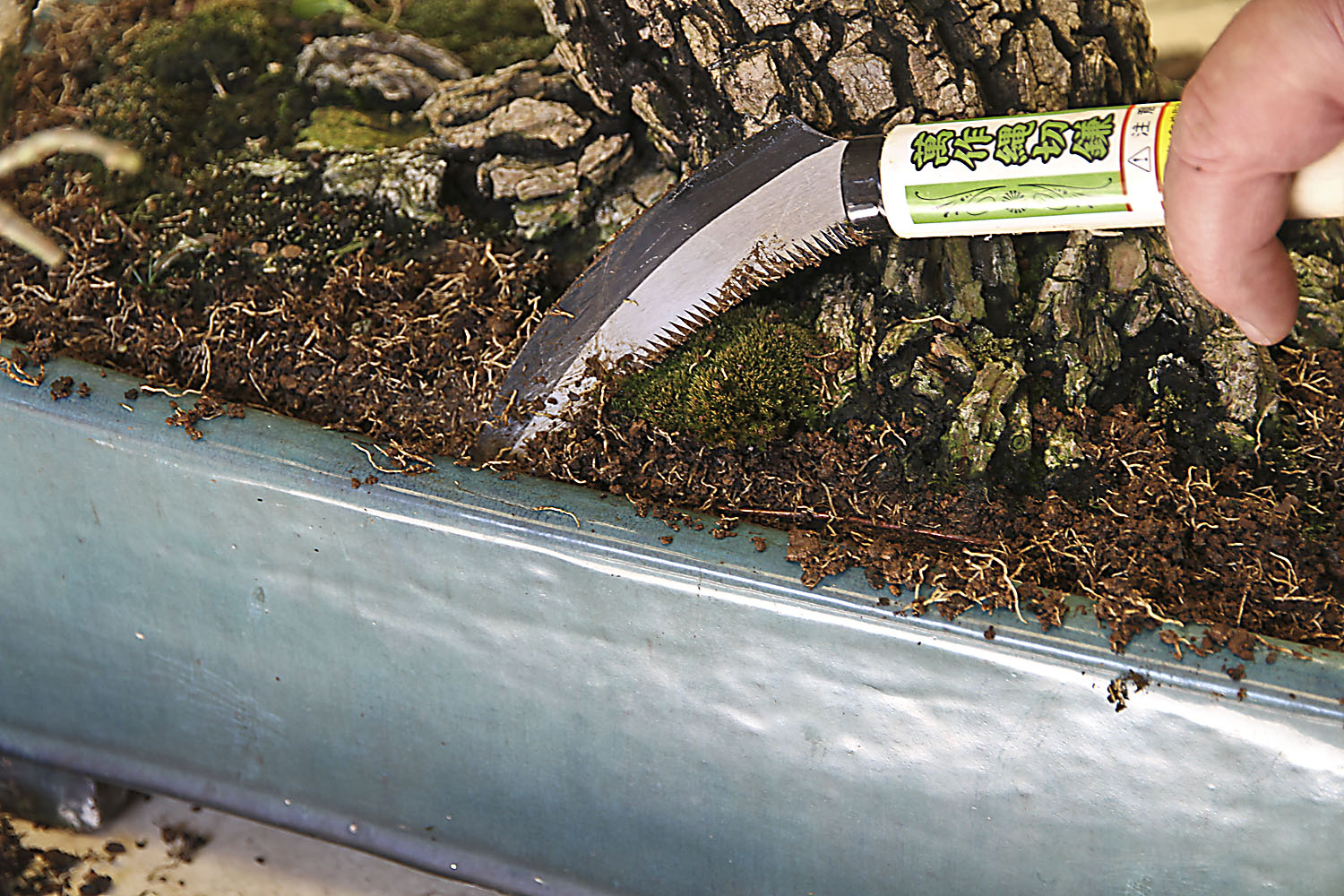
After the container was repaired we began cleaning the trunk. For the past five decades I’ve used old toothbrushes to clean the bark of dirty trees. Most of my deciduous bonsai are cleaned yearly, especially before exhibits. In addition to removing algae, moss and other dirty things, the water cleans the trunk, which often permits dormant adventitious buds to freely grow through the old bark. In the past I used water with liquid dish soap and a few drops of Superthrive to clean the bark. Narrow leaf and broad leaf evergreens are washed more carefully than deciduous species. This year after trying out a friend’s new Japanese pressure sprayer made specifically for bonsai, actually satsuki azaleas, I splurged and purchased one from Japan. It works GREAT, but I can’t add dish soap or Superthrive because it might clog up the fine spay nozzle.

 Image

Image

After experimenting a bit, I instructed Alan how to use the pressure sprayer. He spent over 35 minutes cleaning the bark of the old Euonymus bonsai. Afterwards he said he could have spent more time cleaning the bark. We finished, but will clean it well again next spring in preparation for display in the September 2015 Artisan’s Cup of Portland Bonsai Exhibition.

Image

Bark before washing


Image

Bark after washing


Image

The transplanted Euonymus bonsai 

On Thursday Paul Eschmann joined Alan Adair and me to continue repotting. The large Trident maple from Dr. Andrews was pruned and potted using many tools including a power reciprocating Sawzall. This tools comes in quite handy when making a flat cut across the bottom of a root ball or for sawing through heavy roots.

 Image

Alan sawing roots while Paul carefully holds the tree to prevent damaging the branches


Image

Combing the roots before trimming


Image

Oto Hime Japanese maple bonsai, March 2011. This bonsai has two fronts.

In March 2011 I got an Oto Hime Japanese maple grown by Julian Adams during my annual spring southern lecture tour. By the time I got home the tree had leafed out and I did not feel comfortable potting it into a shallow container because I found several large heavy roots. Having grown in a deeper than normal bonsai container for three years the tree produced many fibrous feeder roots and we proceeded to repot it into a shallow container. This was a lot of work and required a couple of hours to completely repot the bonsai.

 Image

Image

Trunk base before washing and pruning crossing roots


Image

Image

Image

Image

Heavy roots in the center of the root ball were hard


Image

A chisel was used to hollow out heavy roots

Image

Before washing


Image

Washing root base

Image

Crossing roots were revealed

Image

A Masakuni chisel was used to simply remove the crossing root with one tap of a mallet


Image

The remaining roots were washed with a forceful spray of a garden hose

After I trimmed the branches of the Oto Hime Japanese maple bonsai Paul removed it from the container. Then Alan, Paul and I worked on the roots. Making a flat cut through the 2.5 inch root ball was a chore! The heavy roots in the center were old, hard and we needed to change the new Sawzall blade we started with. After we got through the root ball the tree would not sit properly in the new container. It rocked because a heavy root remained. I did not feel comfortable reducing the entire root ball any more so got out my handy Masakuni bonsai chisel and proceed to carve the heavy root. We reduced it quite a bit, but the tree still rocked, so we needed to chisel out a few more heavy roots before we got it to sit correctly at the proper depth. Over 12 different tools were used to repot this bonsai.

 Image

The newly repotted Oto Hime Japanese maple showing the “other” front

All of the newly repotted bonsai were thoroughly watered and place outside because the temperature was in the low 40sF. However the forecast was for lower temperatures so we put them into the garage for the evening. The low temperature for Wednesday evening was 25F. Although they would have been fine, it is better to be cautious and provide maximum aftercare. They will again go outside in the morning and probably go back inside for the evening. Thus the “Bonsai Dance” season begins. More on that activity later.


It was a busy two days transplanting several bonsai. After my friends left I still had the energy, drive and creativity to design four additional European beech forests for sale.

The Joys of an Early Rochester Springtime!

Image

On Friday morning a few distant students from my Classical Bonsai MasterClass remained. So, as my custom, I put them to work. Nobody stands around here…

Image

Image

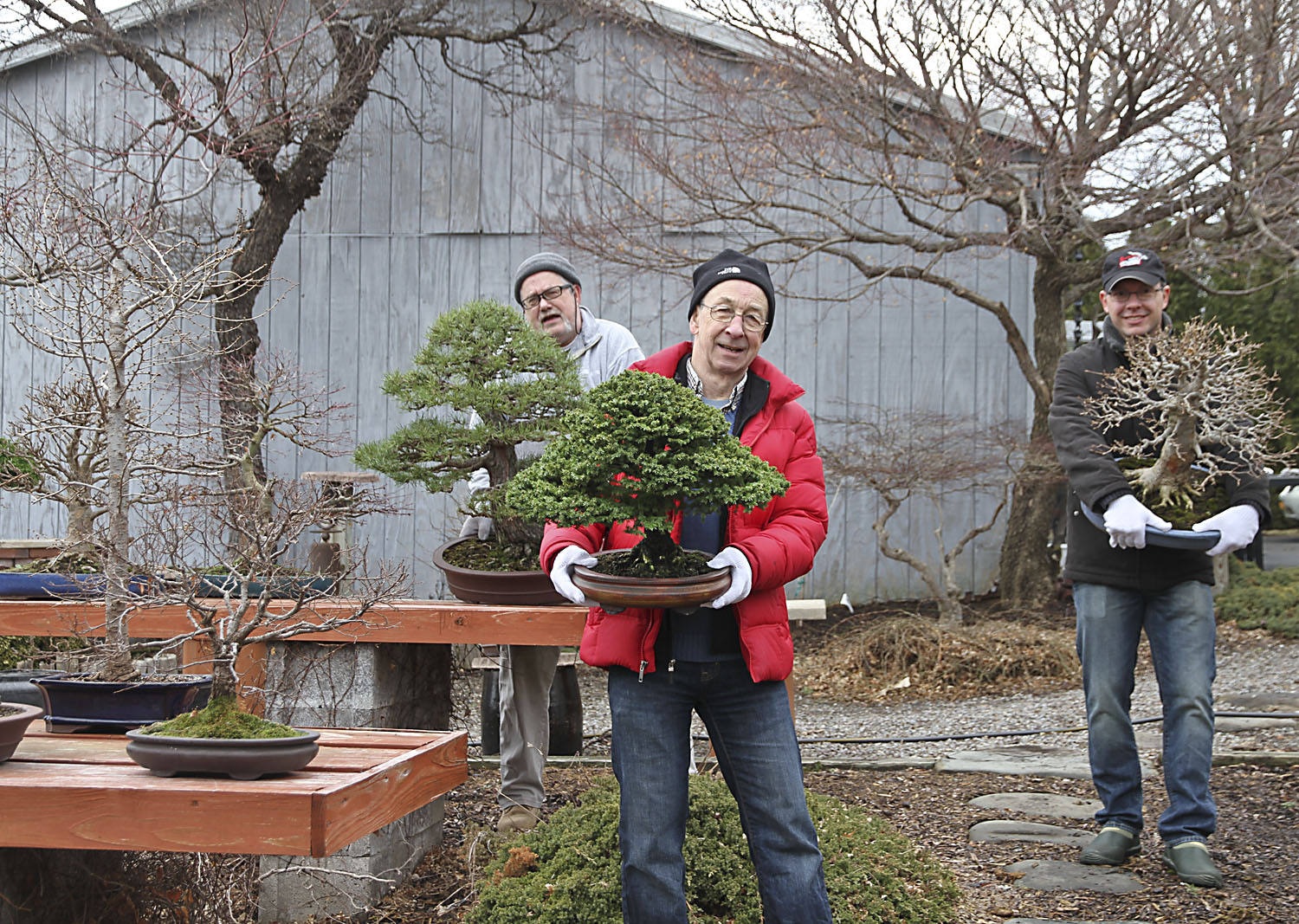
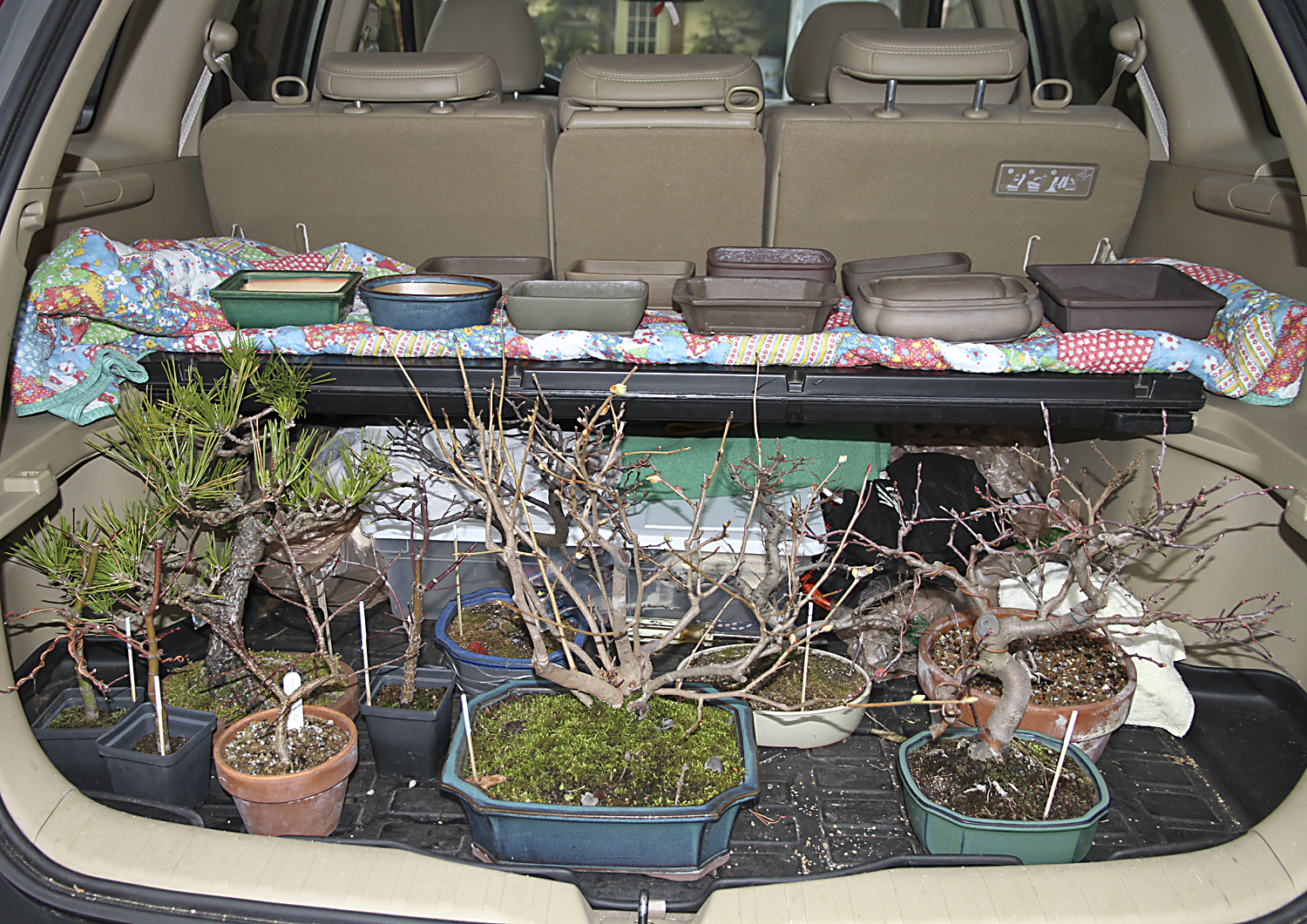
The migrant workers, Diego from Brazil and John from Ithaca volunteered to help move some of the dormant bonsai outside with Alan Adair my assistant. Only evergreens and deciduous bonsai with tight buds were moved. A few other friends came later on and my garden began to look more like a bonsai garden than a grey winter scene.

Saturday morning my Saturday Crew came and moved all of the large and two-man, bonsai outside into the display and sales area. As they know, just put the trees outside, I’ll move them all later and even if I tell them exactly where I want them, I’ll still move them around. So when you look at the trees on the tables, note many are not straight and parallel with the table edge, however, I guarantee they will be straightened out at a later date.

As the Saturday Crew was moving trees someone mentioned that we were in a winter storm warning. It’s a good thing they only moved trees, which were still in deep dormancy. Other trees, which had enlarged, and opening buds remained inside the poly houses. The low temperatures were only forecast to be about 29-31F. which is fine. Remember, my trees have been acclimated to 27F. However, IF the temperature forecast drops to about 20F. we will be a bit busy around here moving some trees into the garage or under the tables.

Image

Harvey spent most of the day refining and cleaning the roots of his Japanese maple.


Image

Bob Pfromm worked on a Japanese five-needle pine.


Image

Fran Mahoney wired two Nishiki Japanese-black pines.


Image

Jim Dolce worked on a Chinese quince.

Image

Bob Blankfield worked on a Japanese yew.

Image

It took both of us pushing hard to compact the top section of the bonsai using three guy wires, but we did it!


Image

Rick Marriott likes small size bonsai and always brings a load of tree and selection of containers.

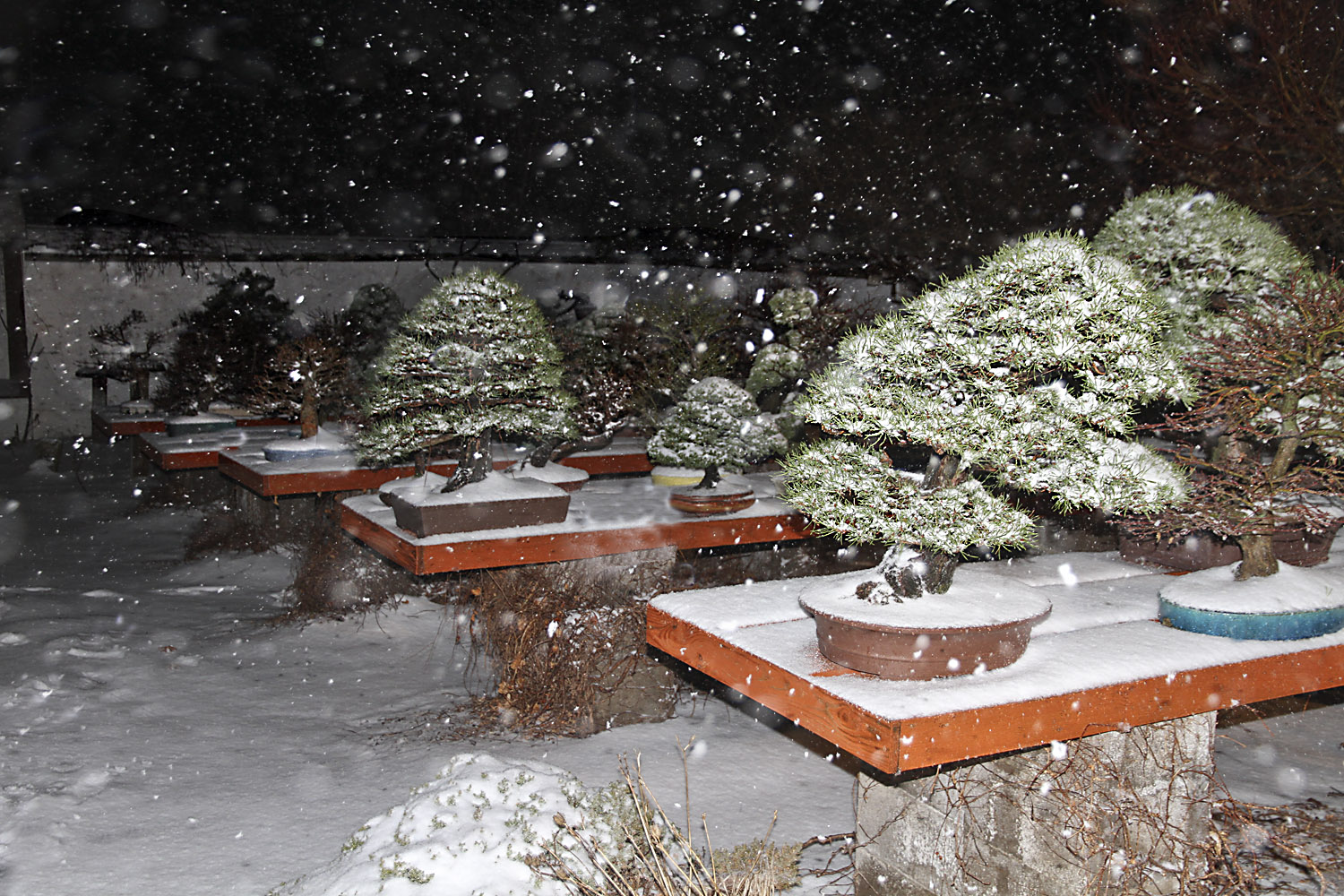
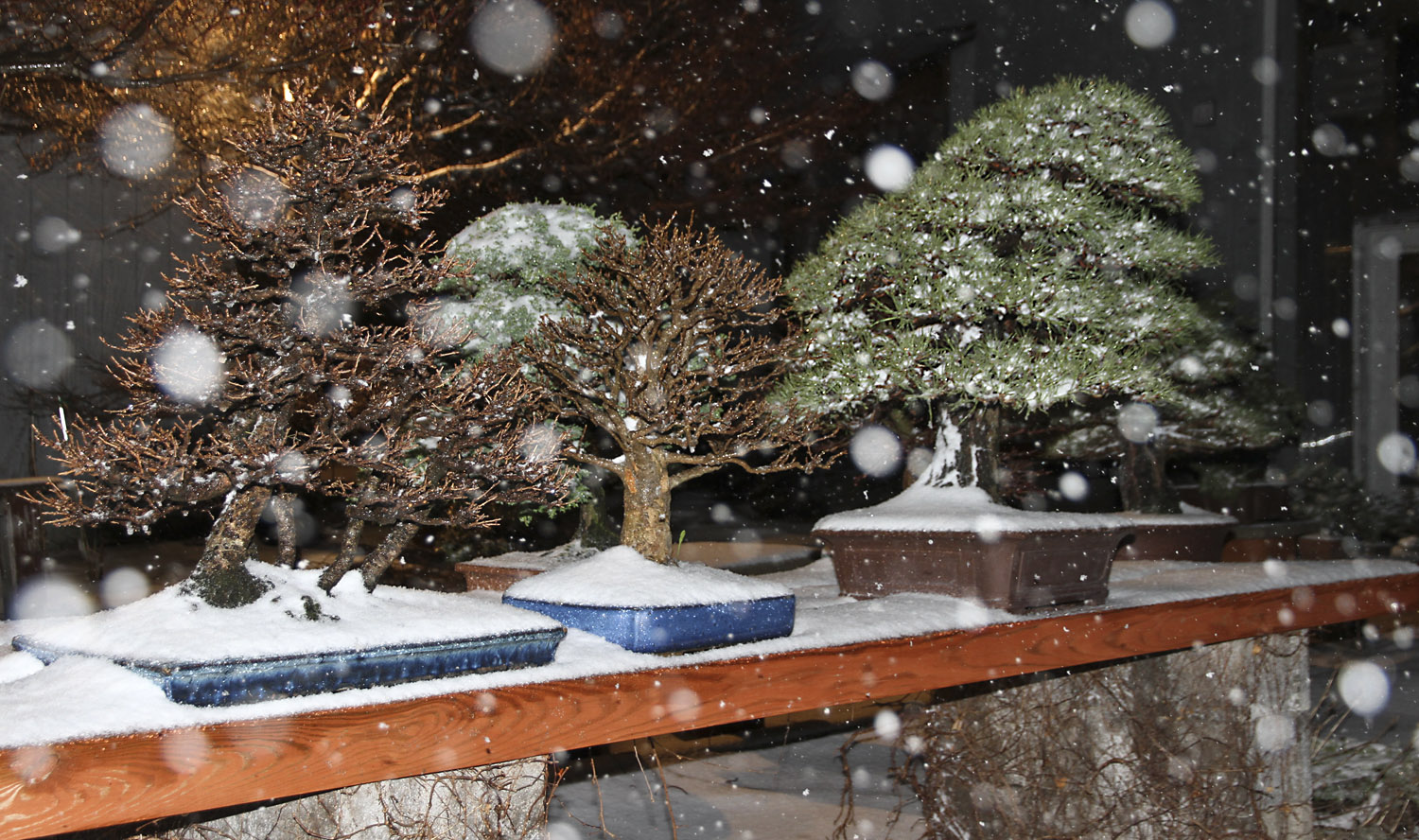
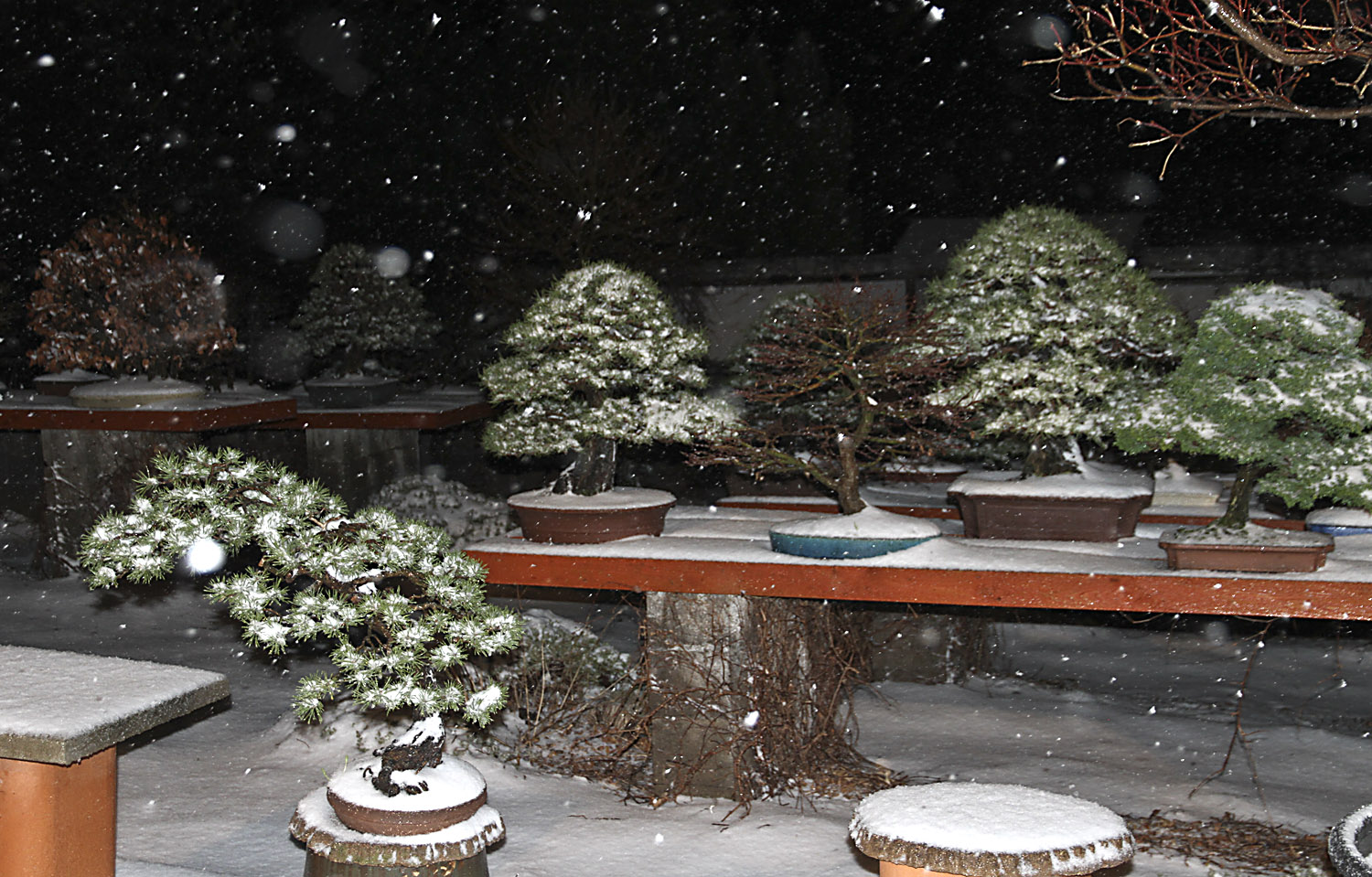
My two Open Workshops finished at 4pm on Saturday. After cleaning a bit and checking my e-mails I was so exhausted from teaching 11 classes in five days I simply went to bed at 6pm. I woke up at 9pm (don’t need much sleep) to find freezing rain and snow coming down quite hard. Got dressed, took my camera and went outside into to check the trees and to take a few photos. Then I went to bed, again after having a quick bowl of Sapporo Ichiban noodles.

Saturday evening:

Image


Image


Image


Sunday morning I woke up to a “Winter Wonderland” and took a few more photos. I agree the trees look beautiful in a fresh snow covering, but I hate snow and really only like it on Xmas cards. We had at least 9″ of HEAVY wet snow and deeper drifts. Wet snow is about three times as heavy as common snow.

Image


Image


Image


Image


Image

Image


Image

People often ask why I live in Rochester with the “interesting” weather. Well, I have made many close friends here during the past 46 years, and I’ve trained numerous students as well. It would be impossible for me to promote bonsai, in my style, without their dedicated support. Also, if one purchases a bonsai from me, you are pretty sure it will be winter hardy in your area, if you live south of the North Pole.

Image

A “snow hat” keeps Yuji Yoshimura warm, or did he really want to be a “cone head?”

I am anxiously awaiting better weather, hopefully, this week. There are many bonsai to be trimmed and repotted and I have a couple of special new creations in the works, especially one in an unusually long container.

Creating A Beech Forest Bonsai

Image

Beech are highly prized for bonsai because of their characteristic white bark, beautiful foliage, winter hardiness and easy training. There are several beech species native to Japan. The Japanese beech, Fagus crenata is the most commonly trained species for bonsai in Japan. Specimens near Mt. Fuji are especially valued because of their small thick foliage. The American beech, Fagus grandifolia, has rather large thin foliage and often collected specimens are grown for bonsai. The European beech, Fagus sylvatica, is trained for bonsai in Europe and spectacular bonsai are created from thick trunked collected trees.

In the United States European beech, and its numerous cultivars are commonly used in the landscape for different colored foliage or unusual growth patterns. These cultivars are usually grafted onto seedlings of European beech, so they are a widely grown nursery stock.

The normal leaf size of European beech is a bit larger than Japanese beech. Although individual seedlings vary in leaf size and character, European beech mostly have thick leathery foliage, which quickly reduce in size. Whitish bark quickly develops in approximately six to ten years.

Image

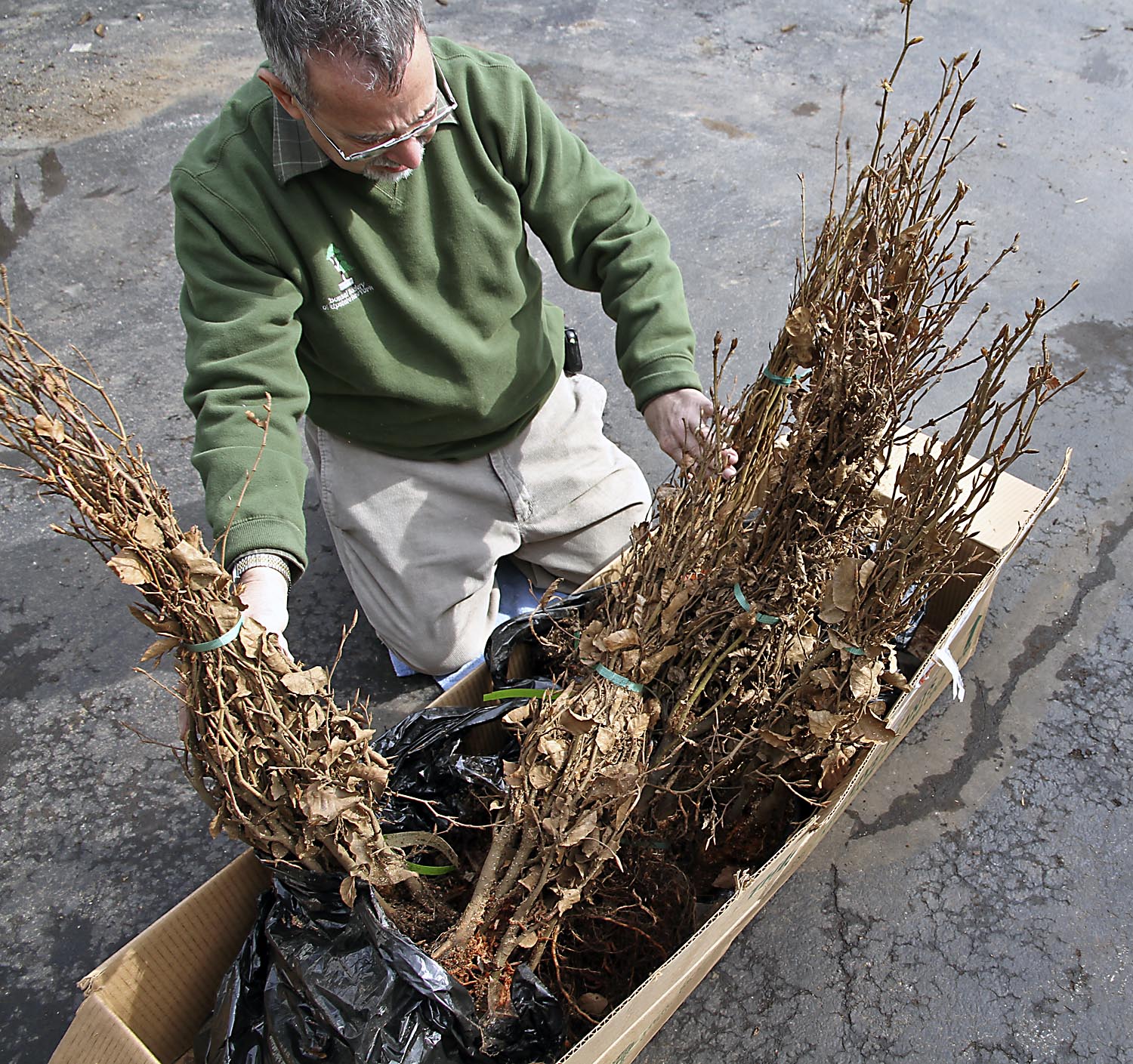
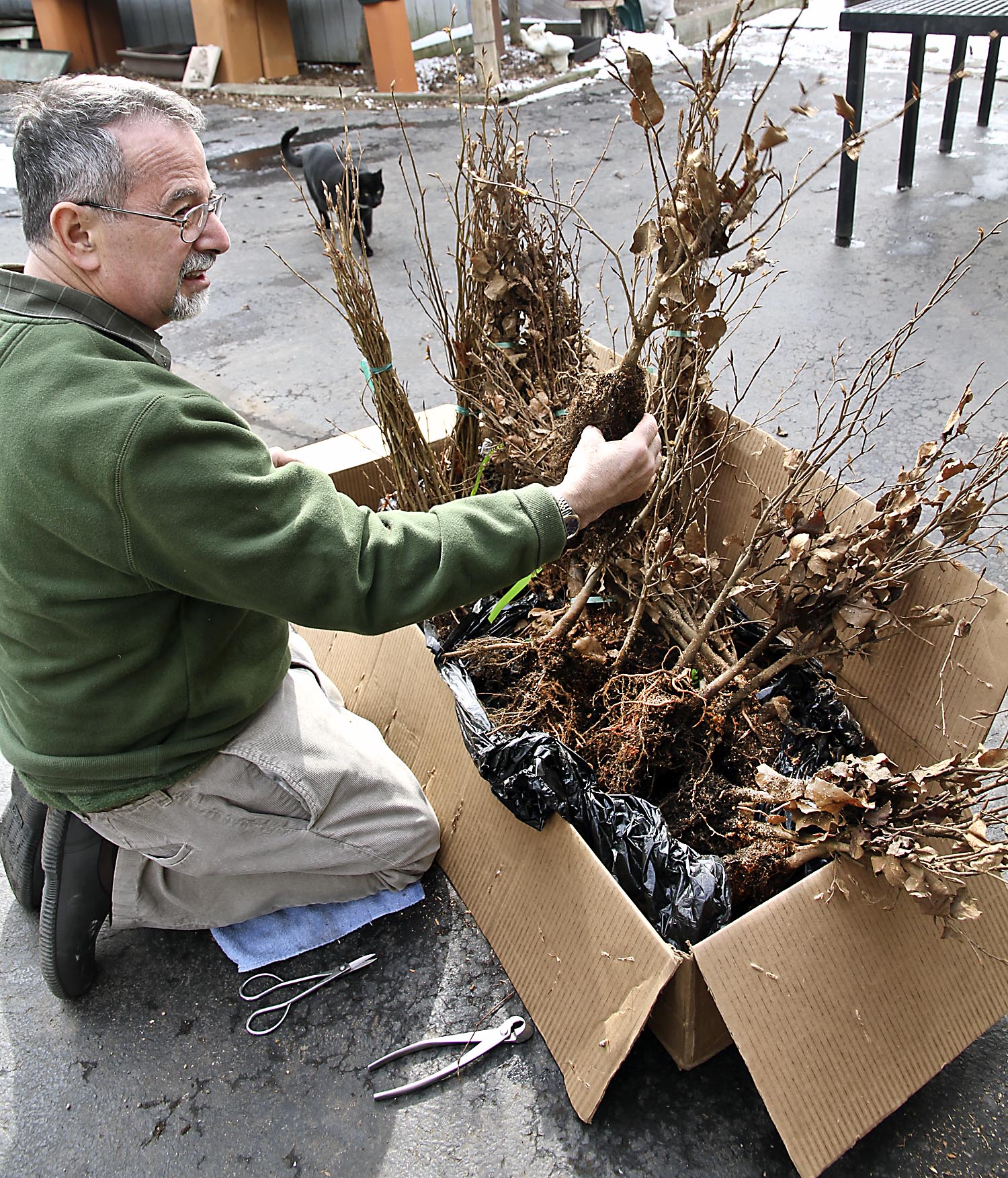
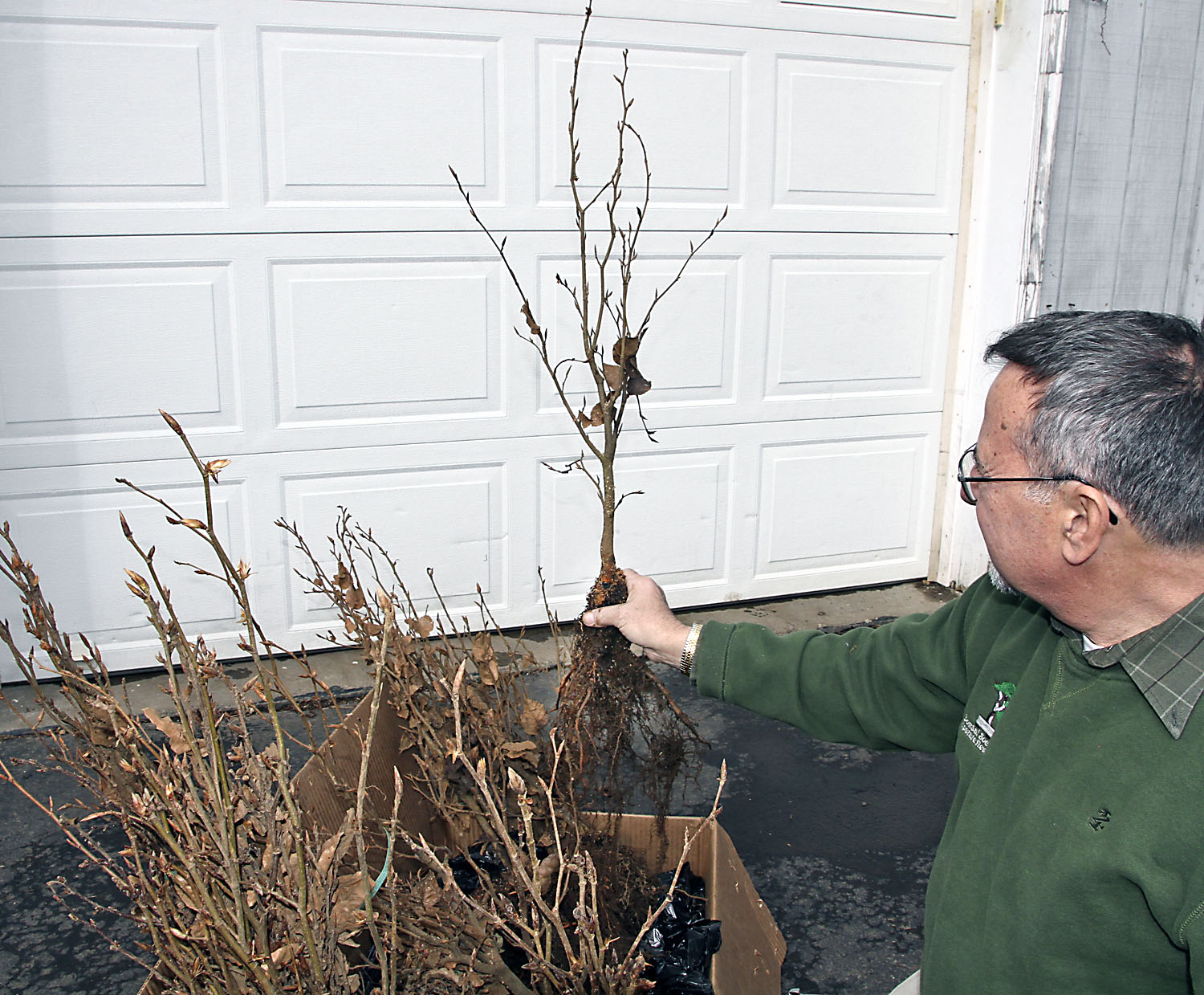
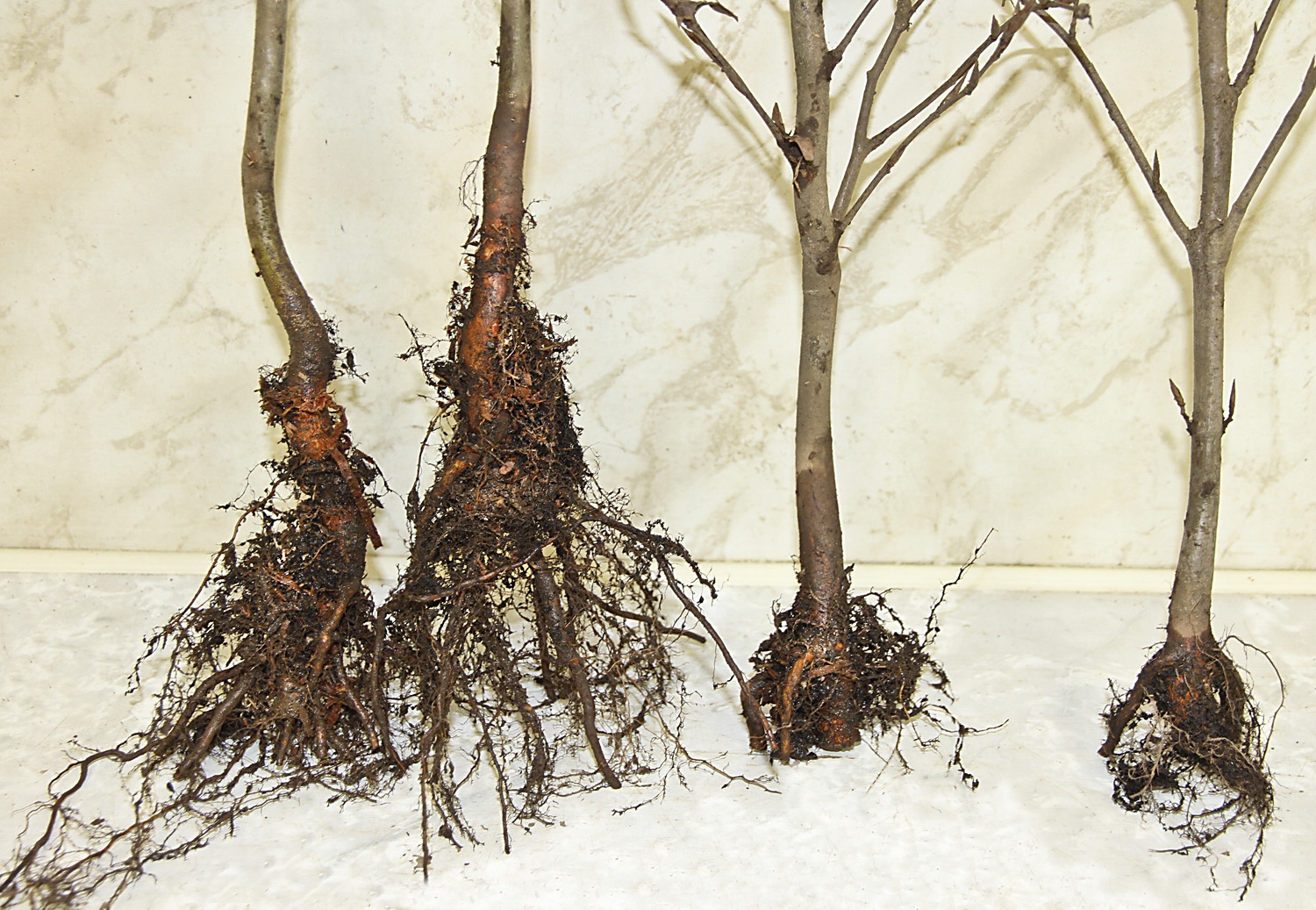
A few weeks ago I received a nursery offering for one to two foot European beech seedling transplants with low branching for hedges. European beech are often used for hedges in Europe and old estates in the United States. The offering sounded great and 150 sample trees were ordered. They were intended for single tree workshops for my next year’s Introductory Bonsai Course. Upon arrival, after inspection, the branching was not ideal for single tree bonsai, but excellent for forests.

I was quite excited about the shapes of the new plants and immediately created five European beech forests of different designs. Only a few of the seedling transplants were selected for single trunk bonsai. Since I was working alone I did not take the time to photograph the process of creating a forest bonsai. The five forests came out great and have the possibility of developing into future fine bonsai, so I ordered another 100 seedling transplants to make another forest with a friend photographing the creative process.


Image

The seedlings arrived last week, but I did not have an opportunity to create the forest because I was preparing for my new Classical Bonsai MasterClass. Three of the four students arrived a day early to drop off their bonsai and since my preparations were complete I seized the opportunity to create the European beech forest while presenting a private demonstration lesson for the early arrival three students.


Image

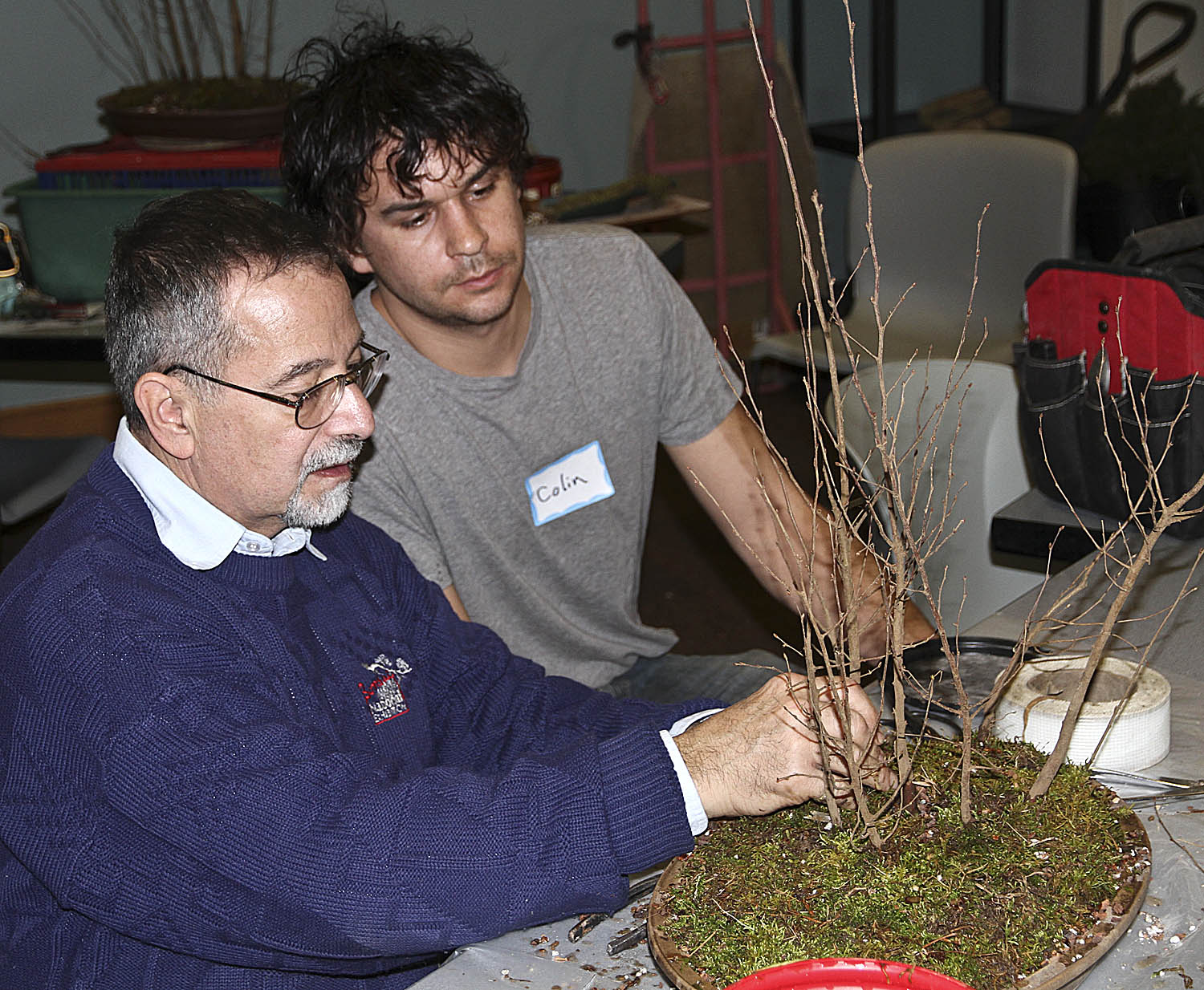
The first step in creating a forest, rock planting or any bonsai is to prepare all the material ahead of time: trees, container, wire, soil, tools and moss. I like oval containers for forest plantings because they do not have difficult corners to aesthetically use. Shallow containers are best without prominent feet. A flat foot is better than cloud feet to provide a solid visual anchor. Beech is a deciduous species and I personally prefer an outer lip because of the flat foliage. Although unglazed containers can be displayed year around, I selected an old Japanese Tokoname-ware container from the Suishoen Heikisui Kiln. This container has been used for several bonsai from my garden during the past 30 years and has history. When selecting the container I was thinking about respect and came up with another interesting article on the topic. Rather than take up the time and space here the topic will be in a forthcoming blog entry, or magazine article.


Image

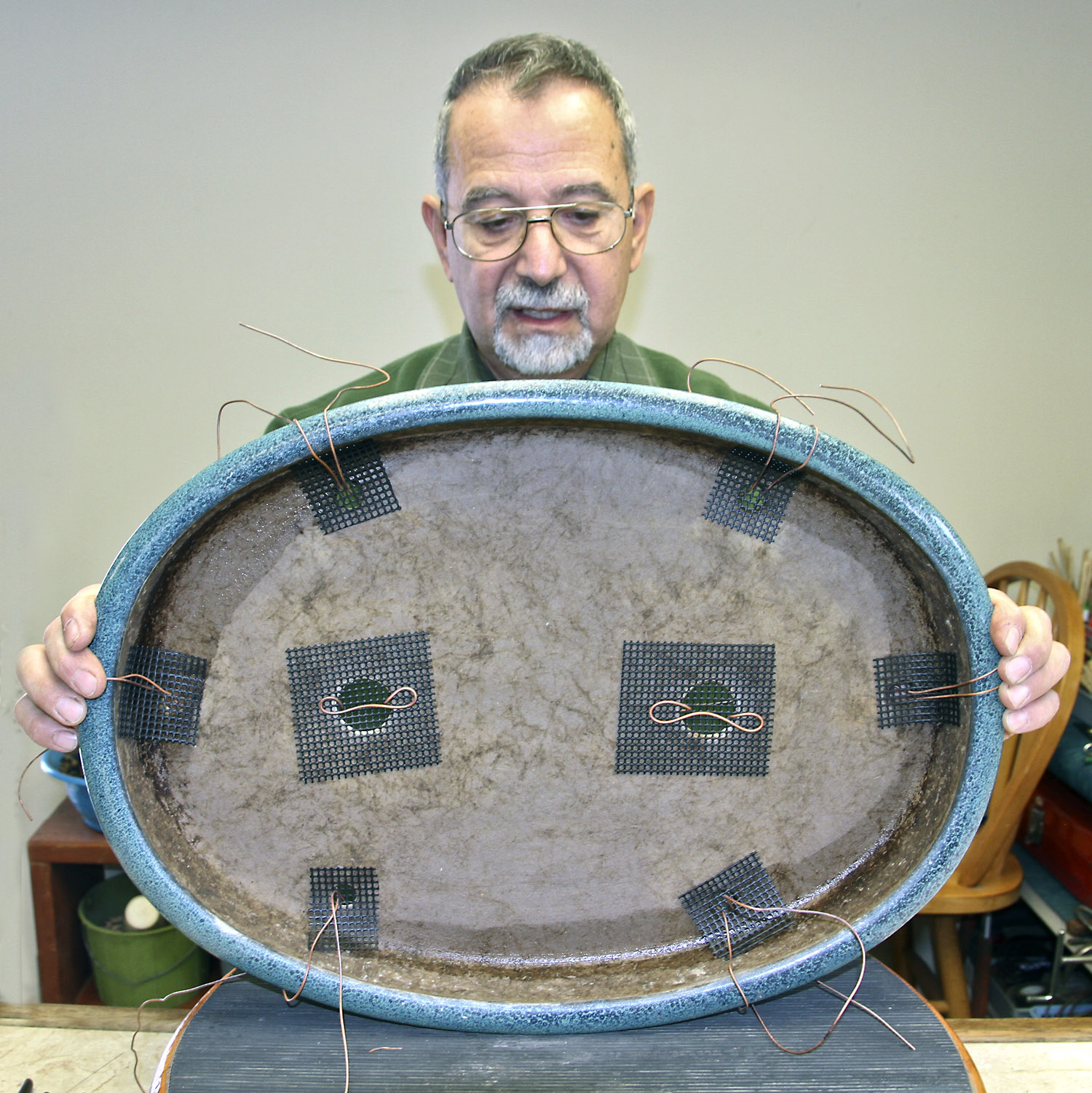
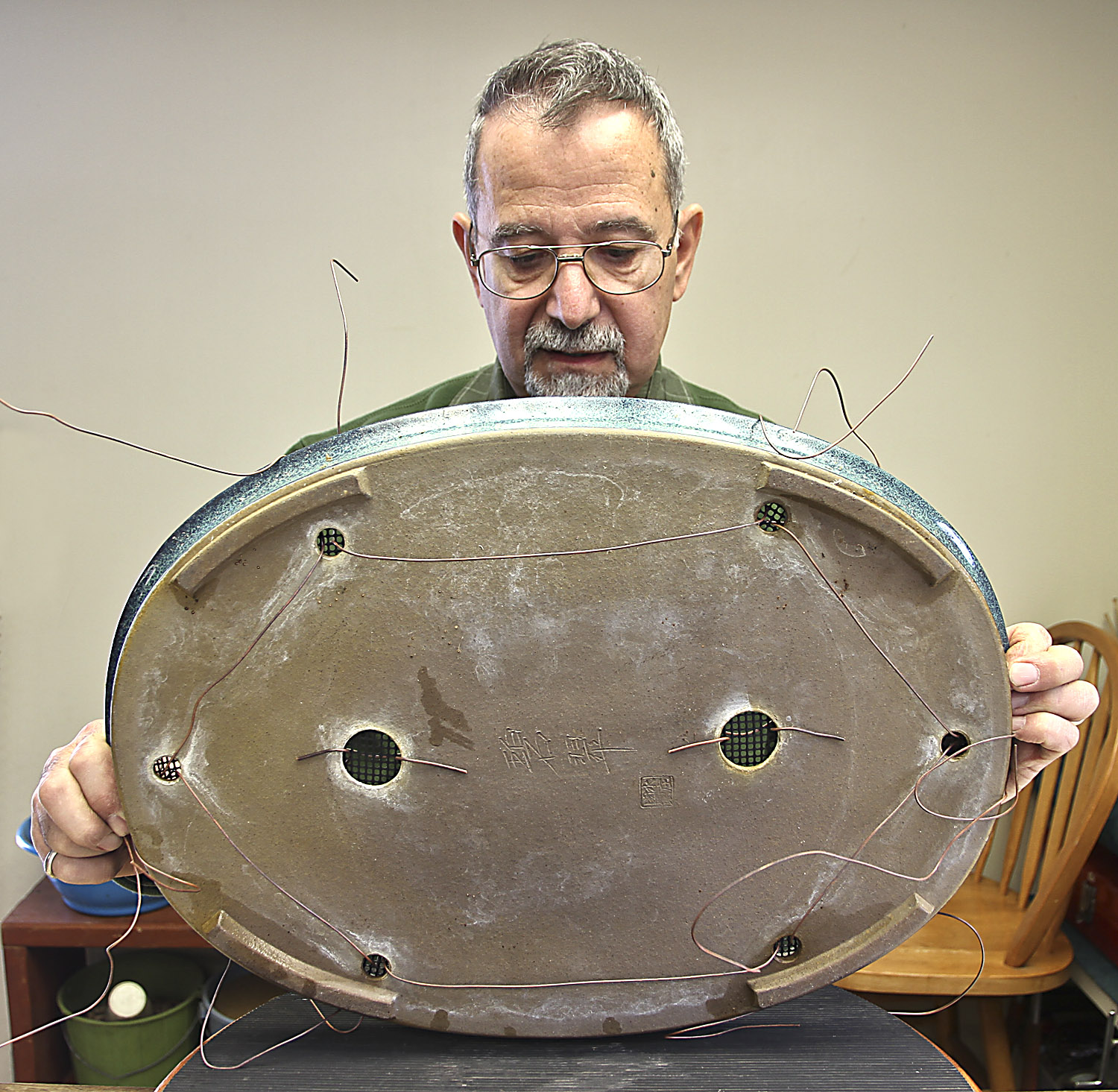
After selecting the container, notice that it has been cleaned inside, but shows antiquity, drainage screen is placed over the holes. Although nearly everyone who grows bonsai takes the time to secure the drainage screen over the holes to prevent movement when potting with pieces of short copper wire, I do not. I have learned through decades of experience that it takes time to make and insert the wire and it’s easier and cheaper for me to simply use a larger piece of drainage screen over the holes. When potting my bonsai, usually most of the holes have copper wire to tie the tree into the pot. If carefully positioned, they will hold the drainage screen from moving. However, for this forest bonsai (mostly for demonstration purposes) in addition to using a larger piece of drainage screen, I added small copper wire clips.

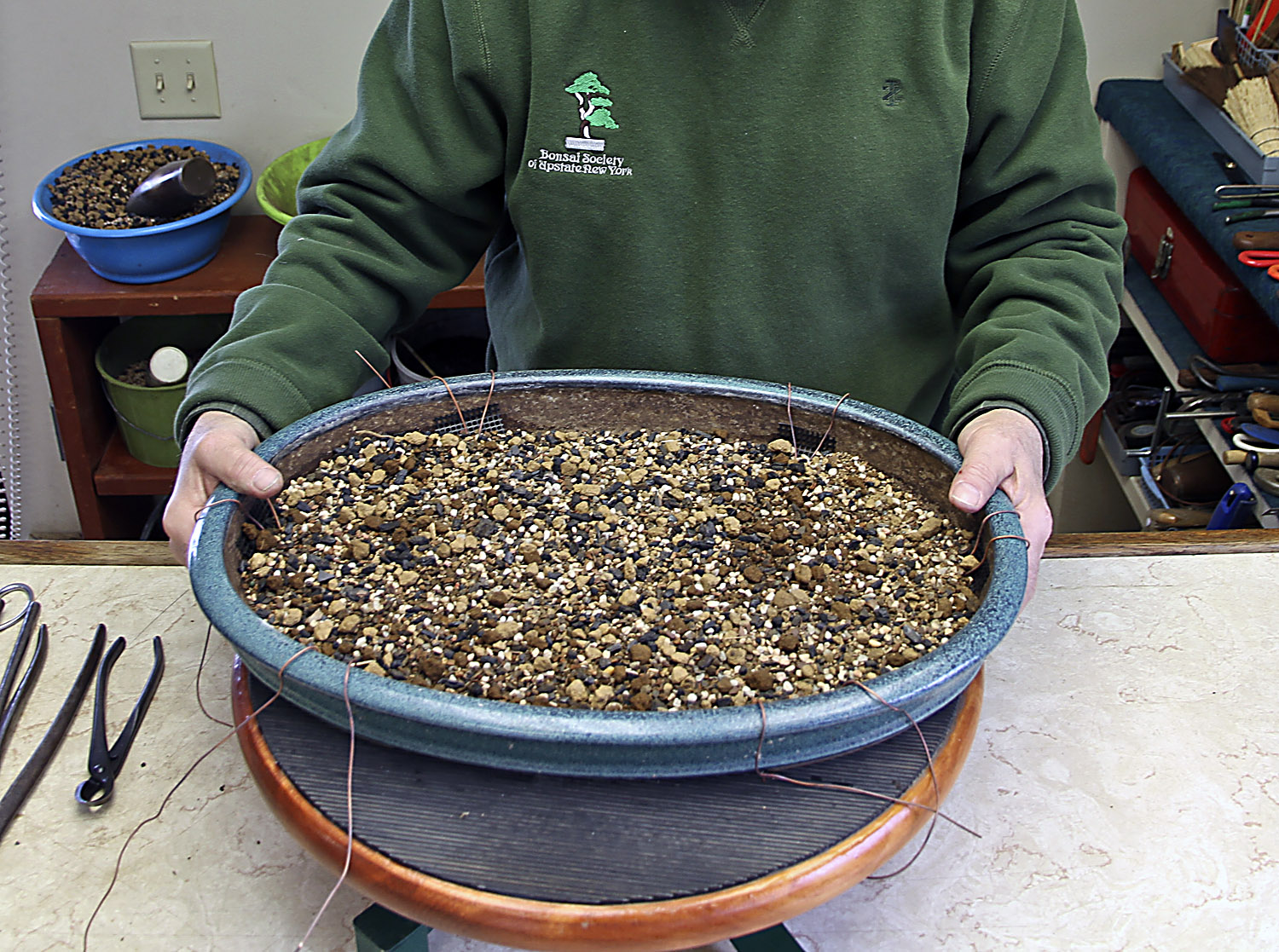
Copper wire for holding the trees into the container were used, lots of them. It’s better to have too many wires than not enough, although extra wire can be always added to secure stubborn trees that want to move around. A small layer of coarse bottom soil was placed into the container, which was set aside until later.


Image

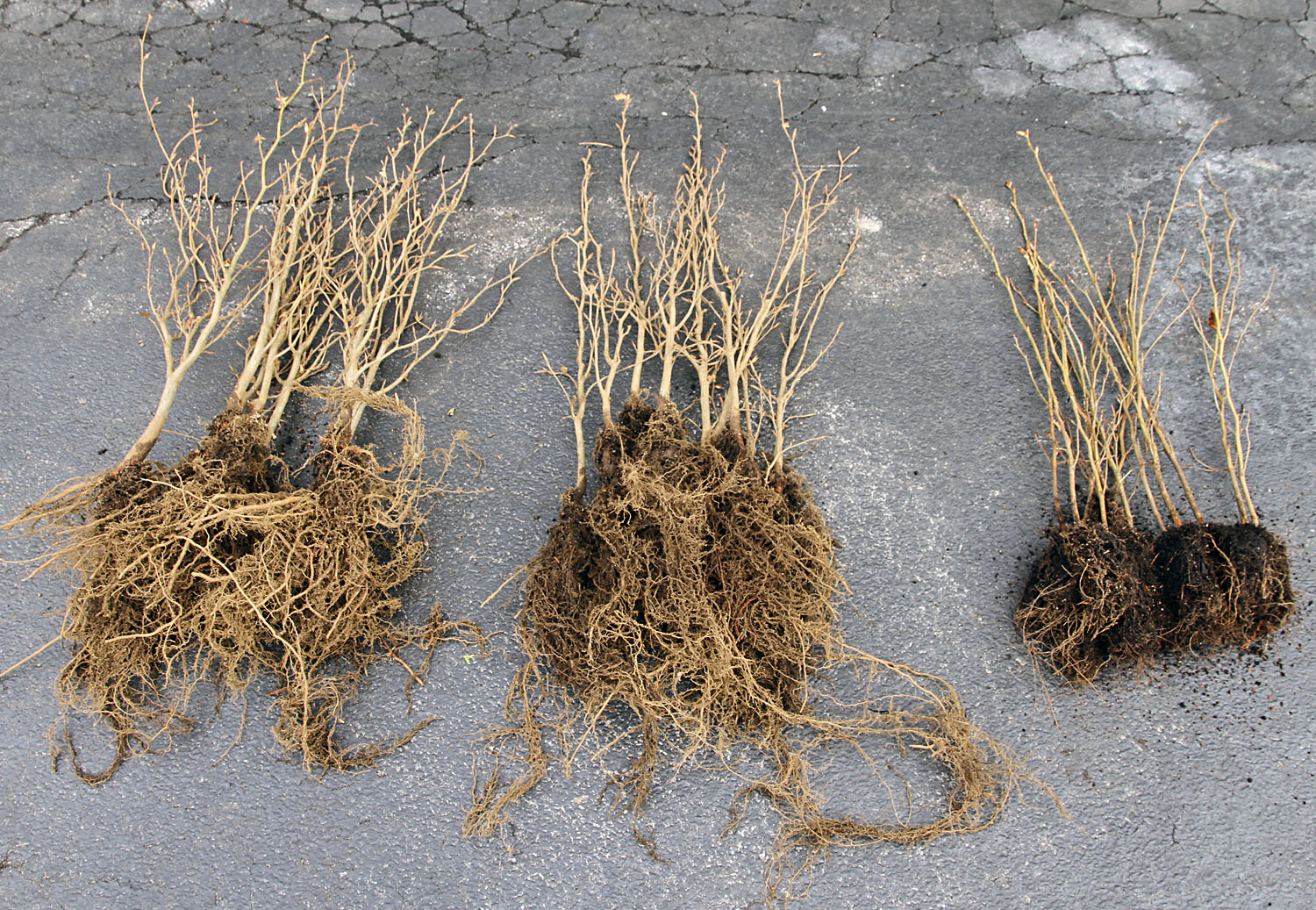
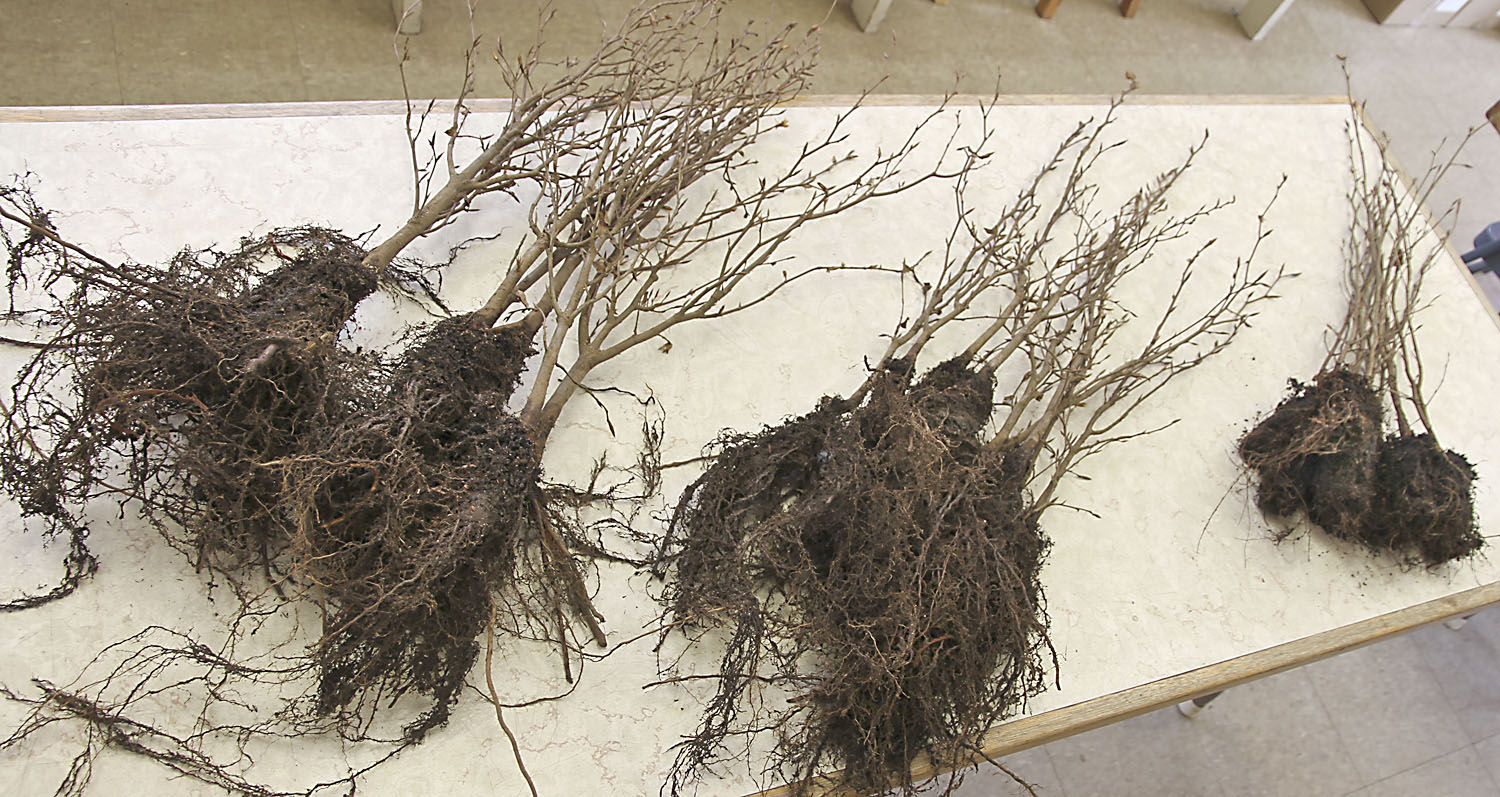
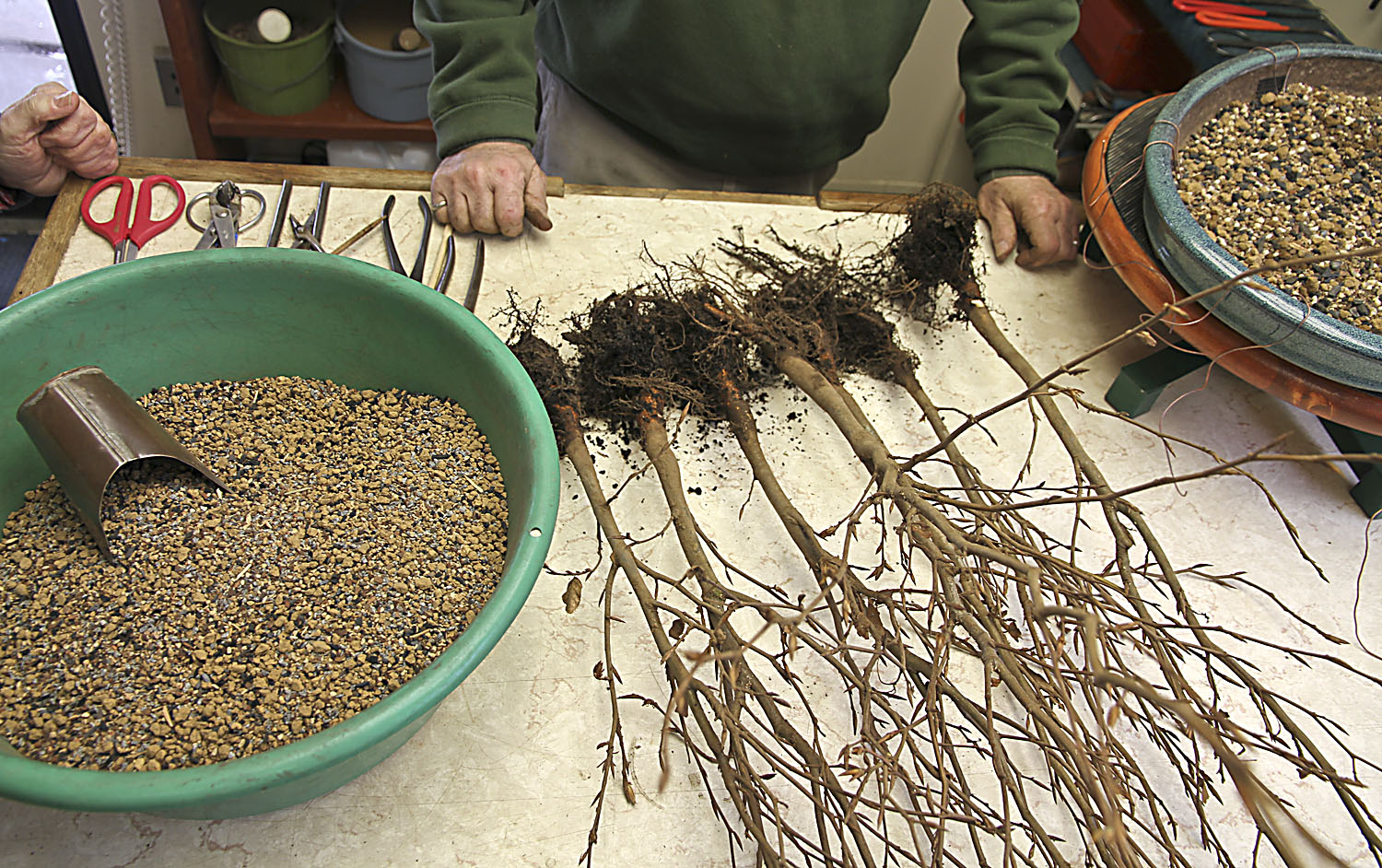
The shipping box of the seedling transplants was then opened outside where the sunlight was bright, a rarity in Rochester this year. Each bundle of ten trees was cut open and every tree was studied. Again a few more specimens had suitable shapes for individual bonsai, while the others were graded into large, medium and small sizes. They were graded by trunk diameters, not heights, because they can easily be trimmed down or grown tall, but the trunks thicknesses are more difficult to change.

Image


Image


Image


Image

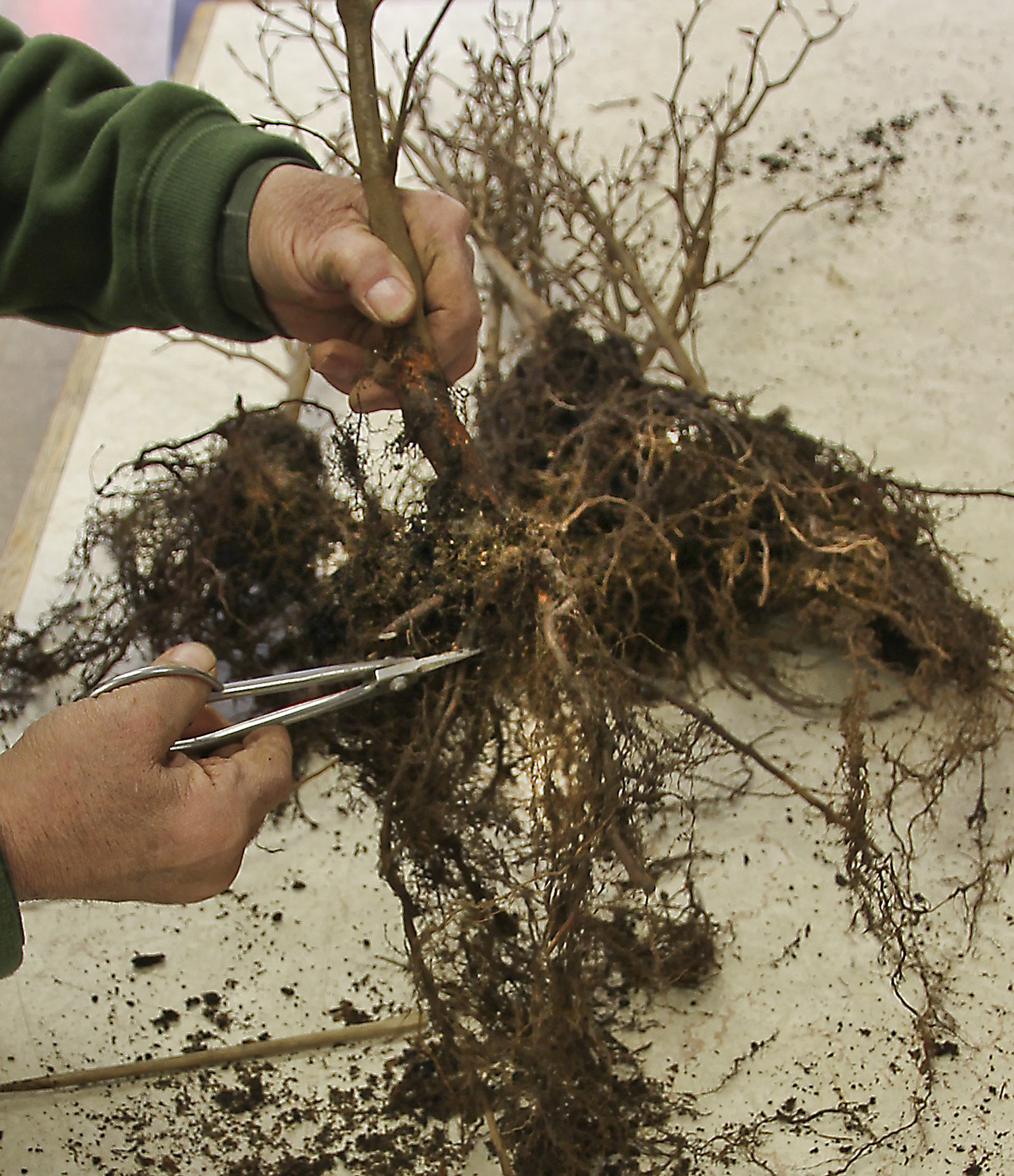
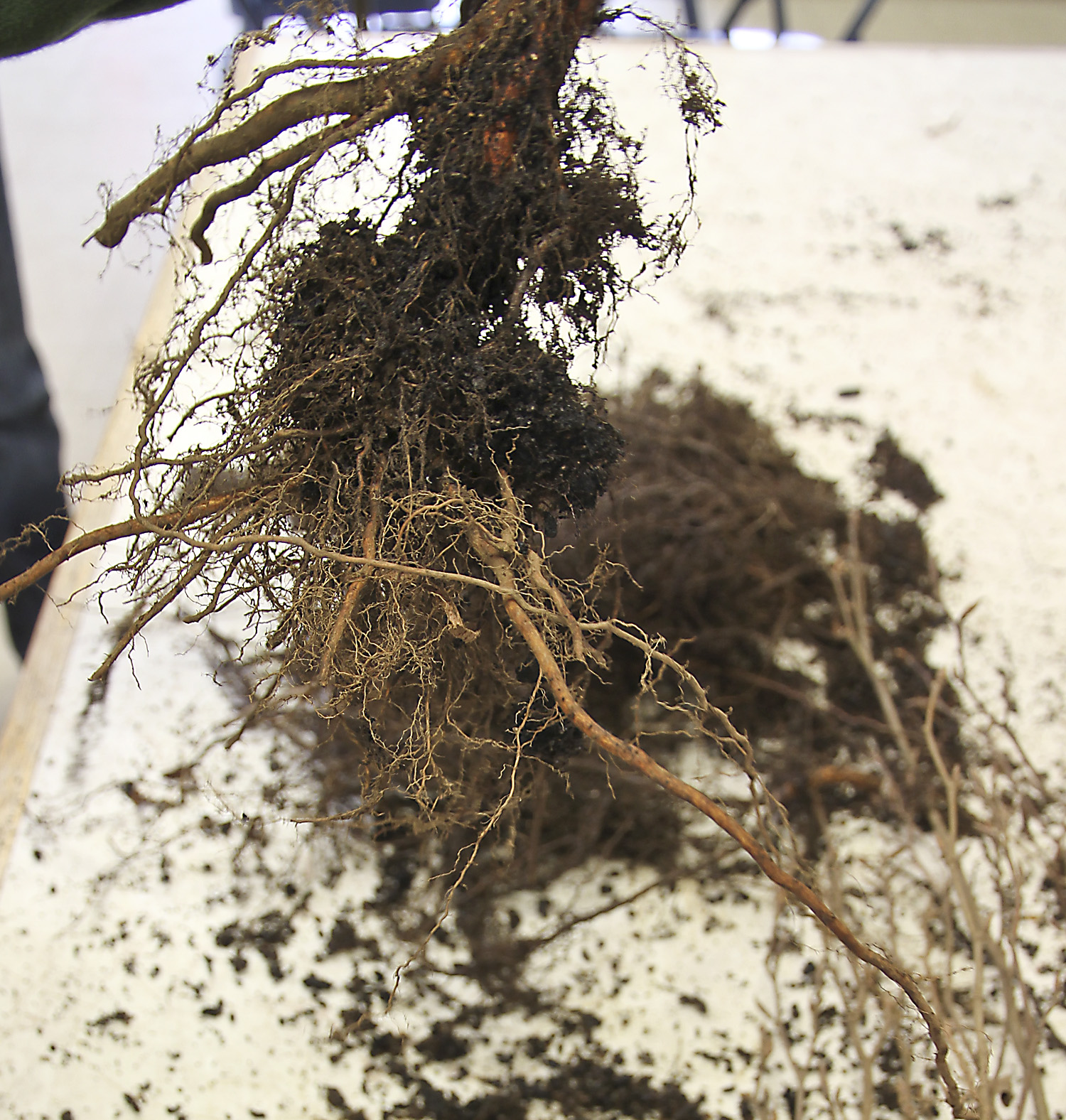
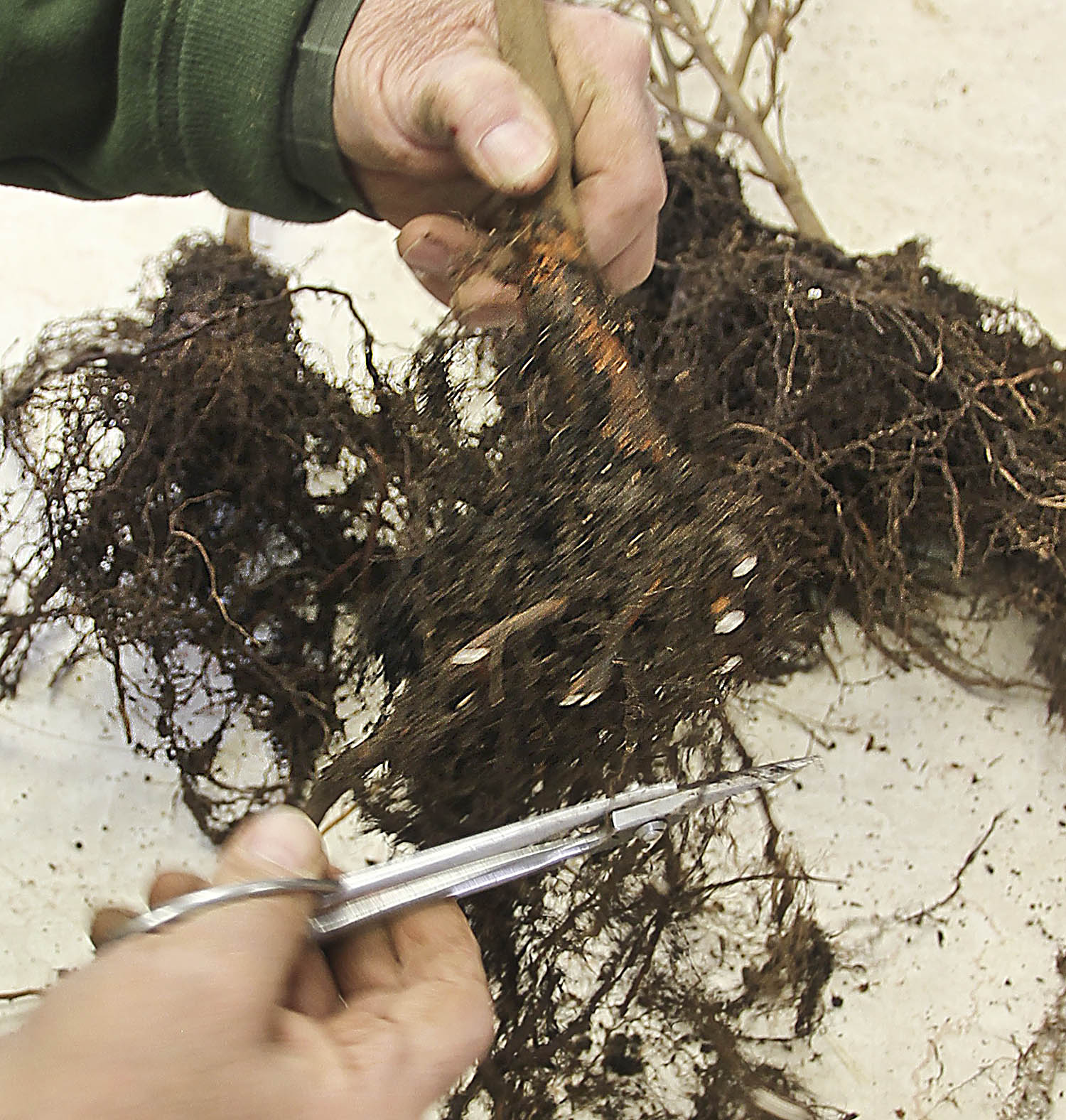
The graded seedlings were brought into the studio and root pruned. Long and heavy roots were immediately pruned short. Sometimes seedlings will develop two root systems and the lower one is often removed. But, it’s important to study all the roots, sometimes the upper roots are removed because the lower level root system has better distribution or finer roots. These are young deciduous seedlings that are vigorous, especially at this time of the year. They do not need a large number of roots at this stage. Most of the top growth will be shortened after positioning. One of the advantages of using young deciduous seedlings is that they can be positioned closer together than potted specimens with a larger root system. Again, after root pruning, the trees were graded and placed into three groups: large, medium and small.


Image


Image


Image


Image


Image


Image


Image

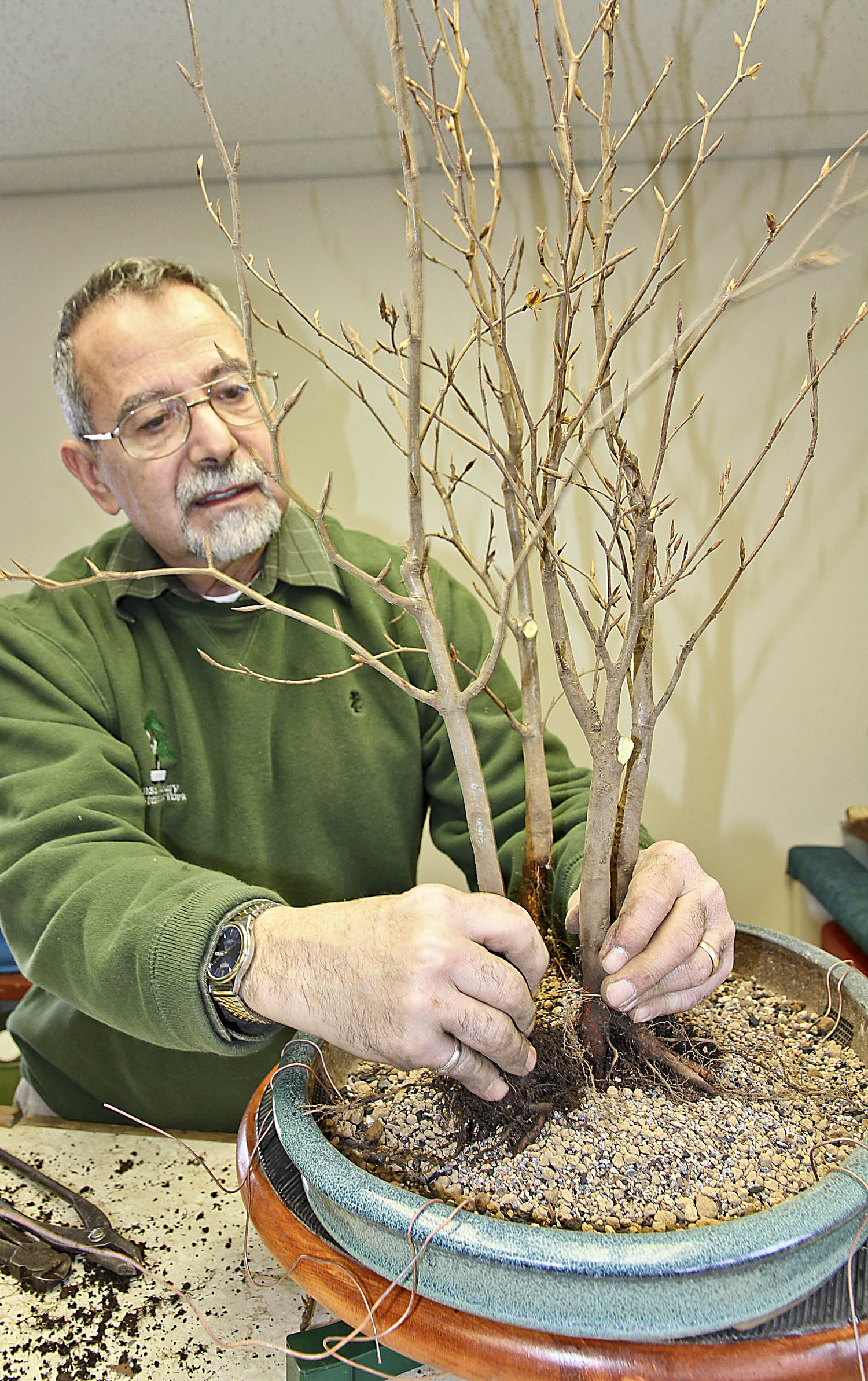
The basic design of a forest bonsai is actually created by the position of the main larger trees. If a larger tree is not available, two trees can be planted close together to appear as one large specimen or the tree can be planted a bit higher in the container. After carefully placing the trees into the container, soil was added around the roots to keep the trunks from falling over, remember, they do not have many roots. A small amount of water from a hand sprayer will add weight to the soil to help stabilize the trees. Also, often times two or more trees are tied together at the base of the trunks. And temporary wire is usually used in the upper sections of the trees to keep the trees from moving.


Image


Image

Additional medium size trees are then used around the larger specimens working toward the container rim. First position the trees for similar trunk movement, keeping in mind any small branching the trunks might have. Ideally the branches should be positioned so they grow towards the outside of the forest, not inside. I do not usually prune the heights or remove inner branching until after the forest is completed. Please note that the trunks were not wired at this time. If necessary, they can be wired or refined during the summer or even best next year. I have learned, the hard way, that if you only wire one or two trees, they will look so good that you continue on and eventually wire all the trunks. So, either wire all or none of the trunks at this time.


Image


Image

A distant view design will be used for this forest bonsai because of all the lovely similar seedlings. The main tree is positioned towards the center of the composition and the beauty of the bonsai lies with the delicate branching the trees will develop.


Image

Finally the smaller trees are added to the group. I also looked through a few of the European beech seedling bundles we mail order for even smaller trees. This forest actually had four different sizes of seedlings to present a wider range of trunk calibers and heights.


Image


Image


Image


Image


Image

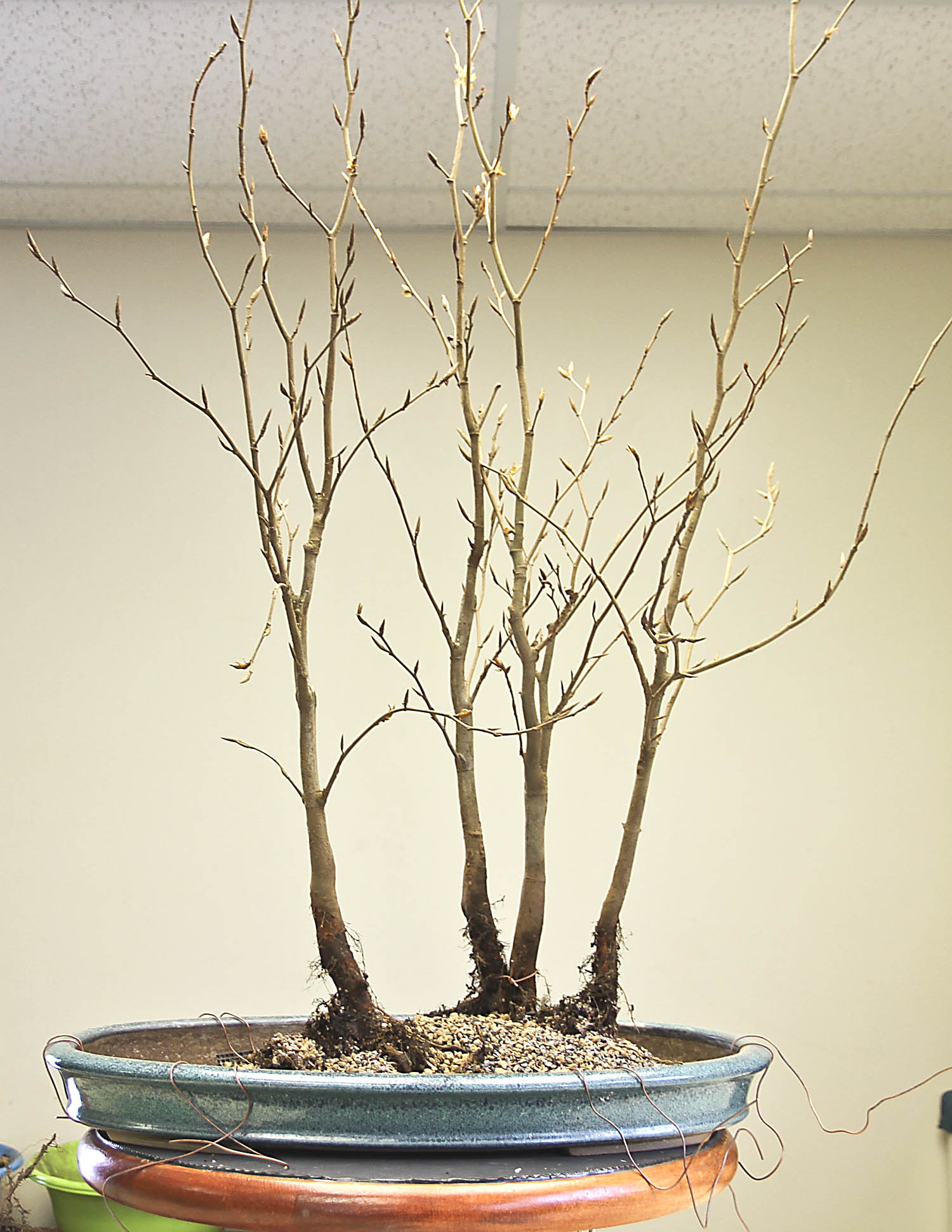
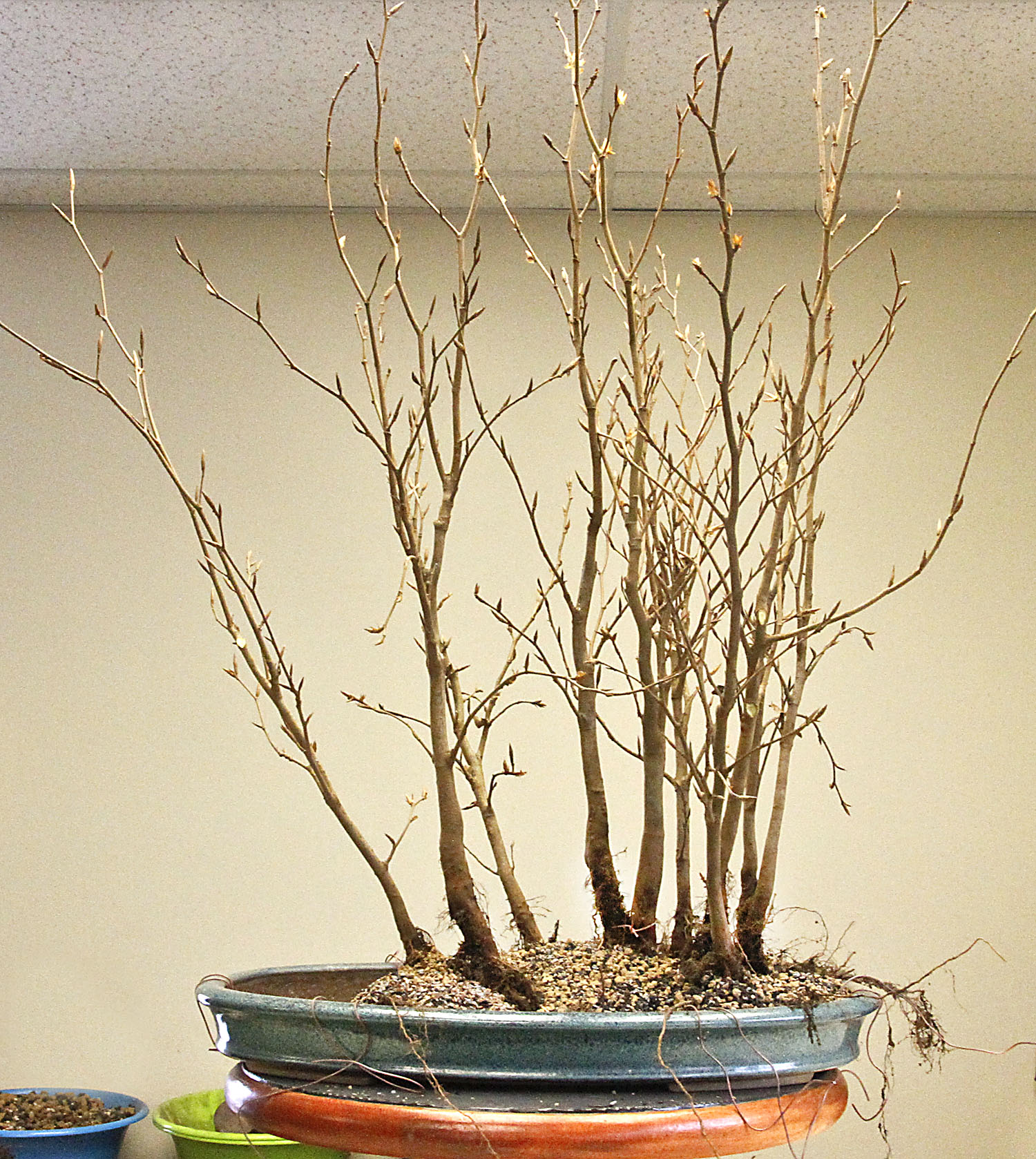
After enough trees were added to present a pleasing forest they were secured using the copper wires inserted through the drainage holes. I never counted the number of individual trees in this forest. The actual number is not important because the normal human eye can’t easily count more than eight trees at a time in a forest planting. Basically, what I was aiming for is to have most of the larger trunks around the main tree on the right and positioning them closer together than the other trees near the smaller trunk trees on the left.


Image

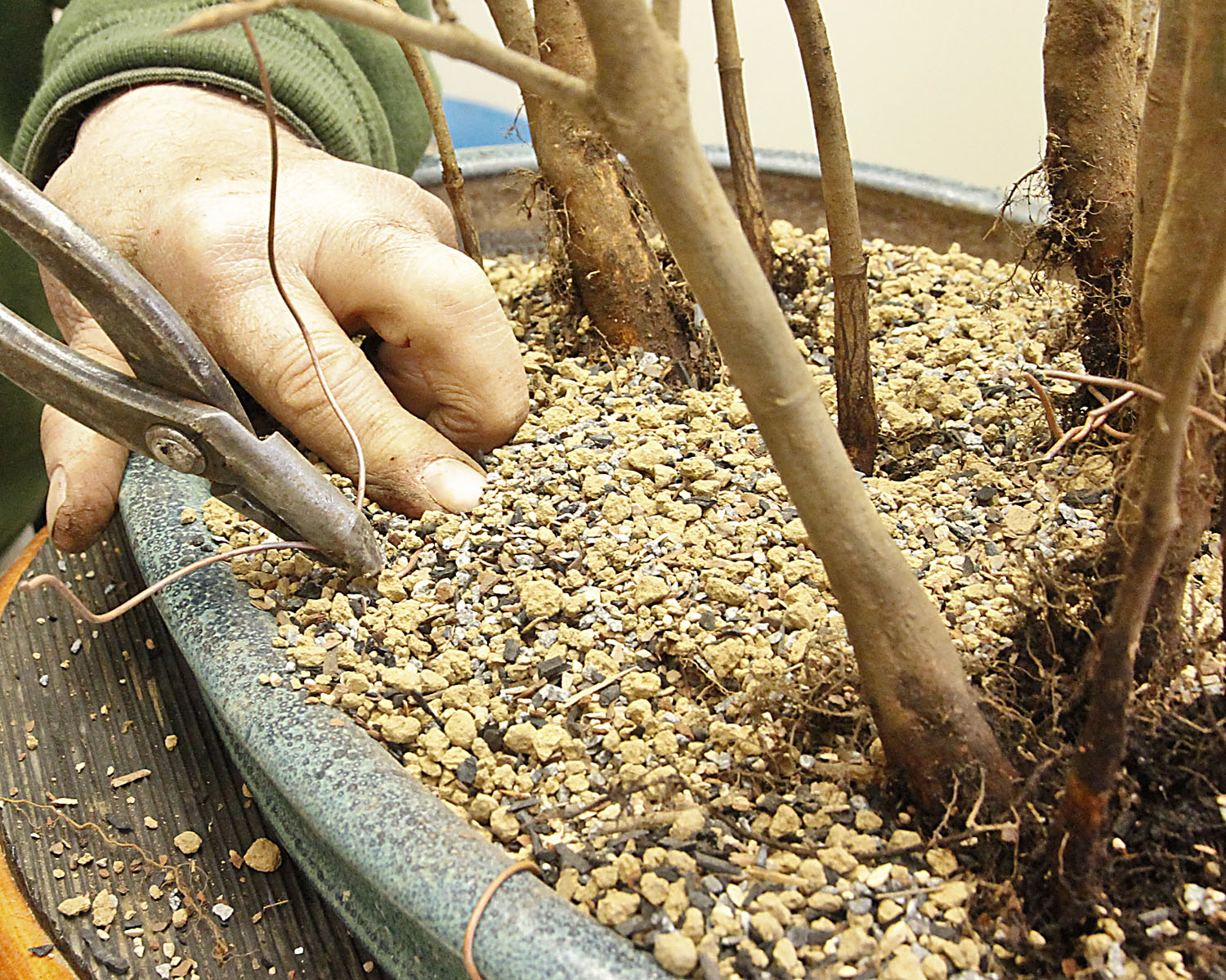
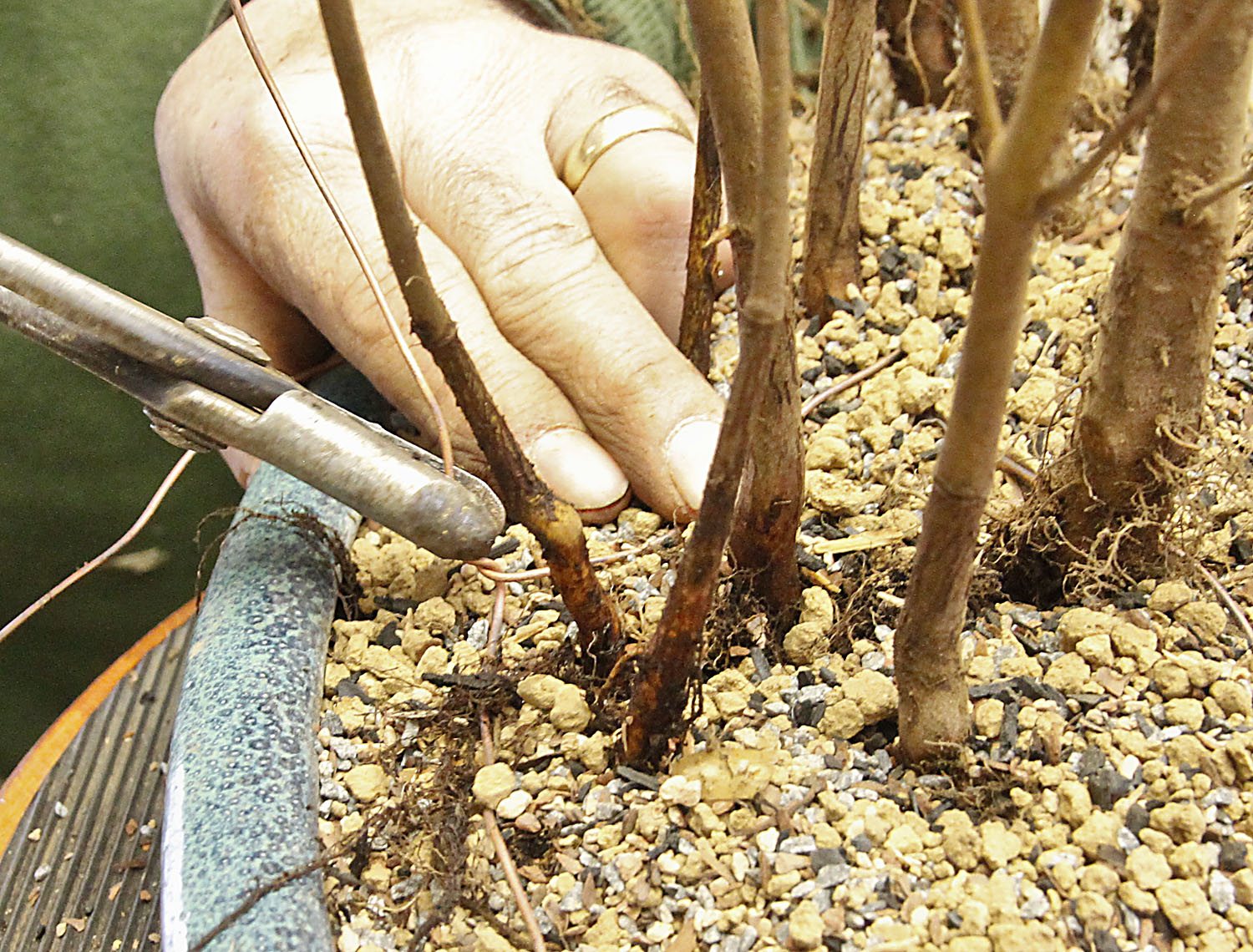
The wires run through the planting and are tied with a wire pliers making certain that both ends of the wire are twisted together at the same time. The ends are not trimmed until the end, because they are often handy for tying to each other for additional support. Soil is then added and carefully placed around the roots.


Image


Image

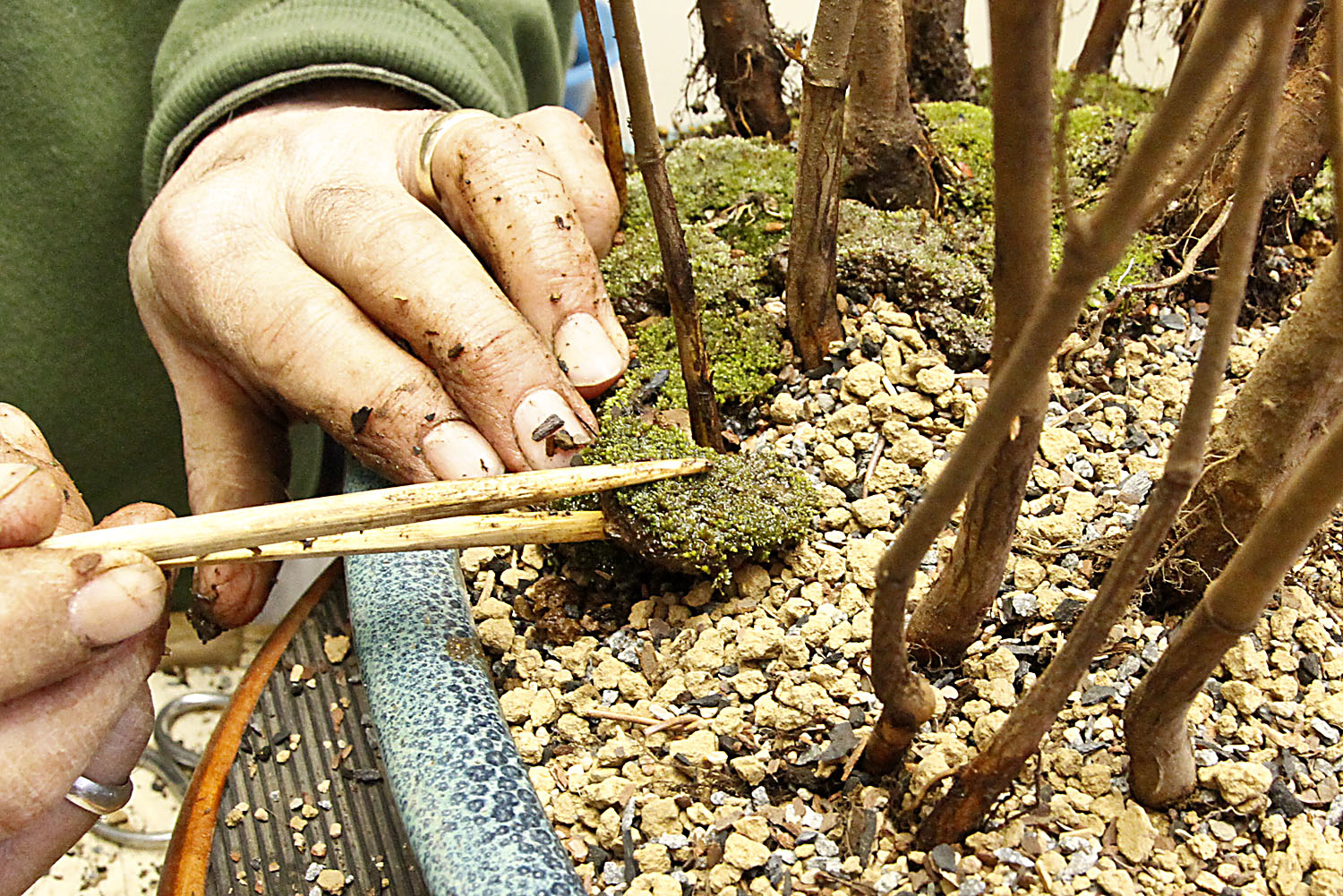
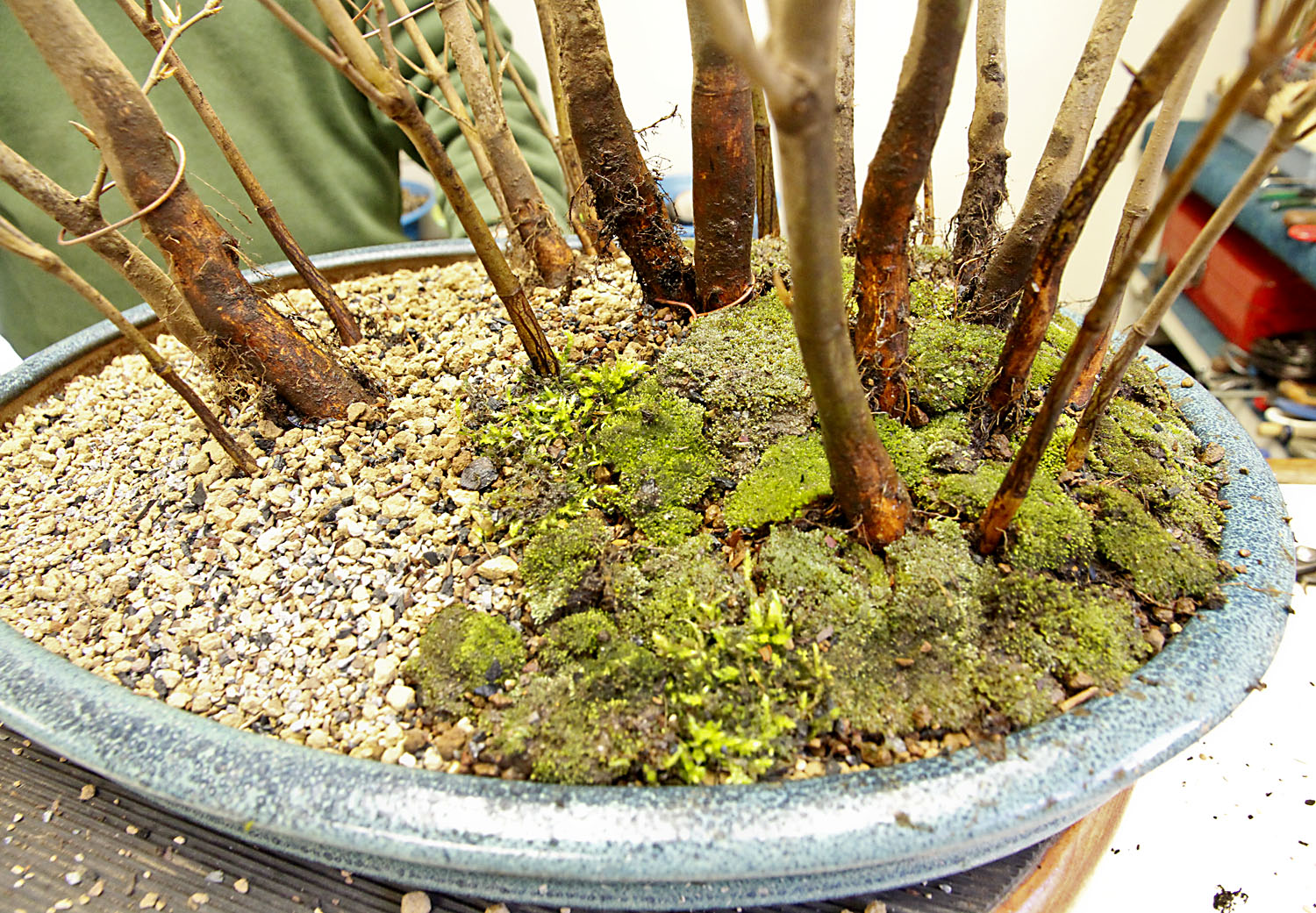
Next moist green moss is applied in small pieces first around each trunk base. It is gently pressed into the dry soil to secure the trunk positioning. While doing this, each trunk is again adjusted and can even be rotated for better viewing from the front. All the moss is placed next to each other without gaps to hold the trees in position.


Image

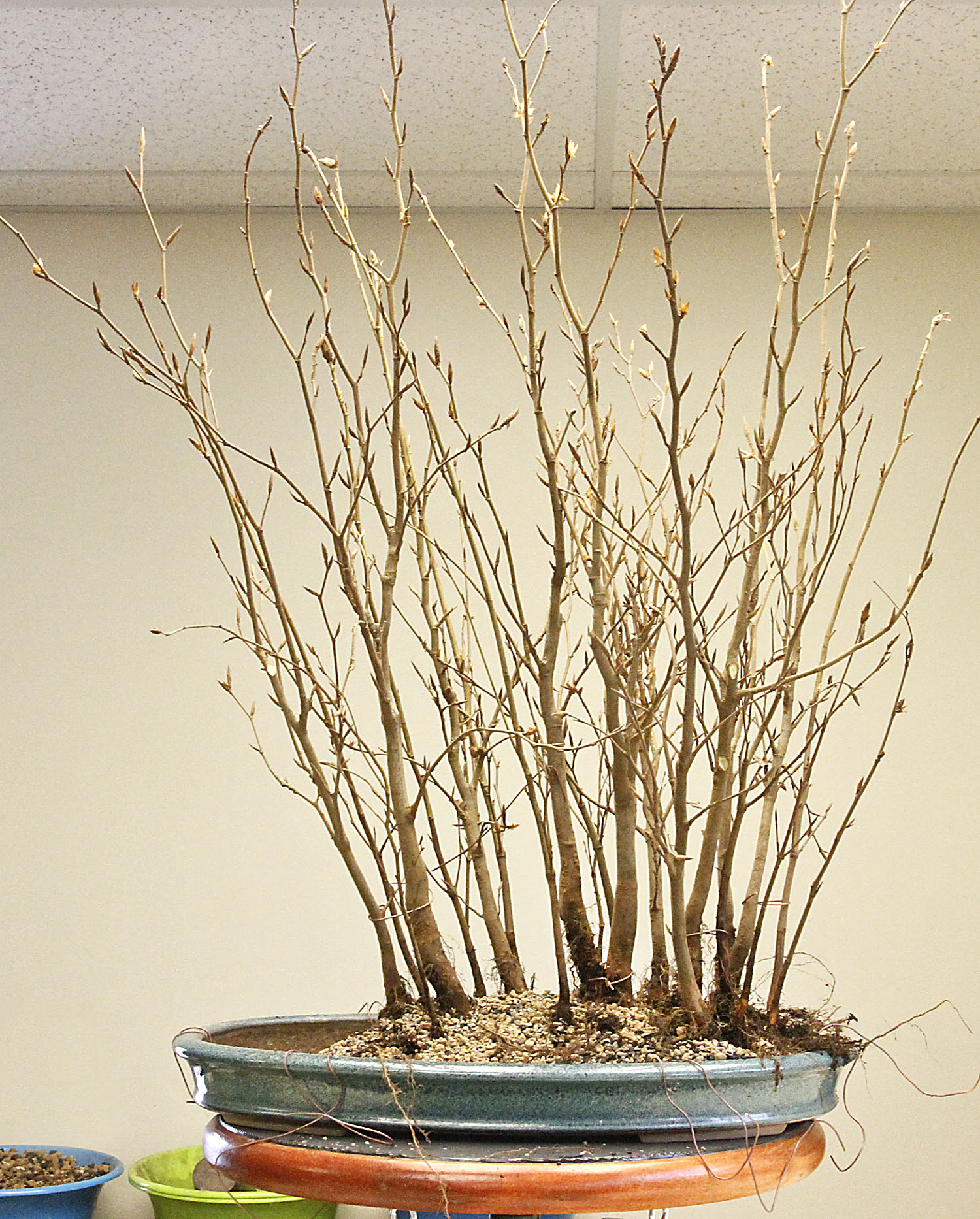
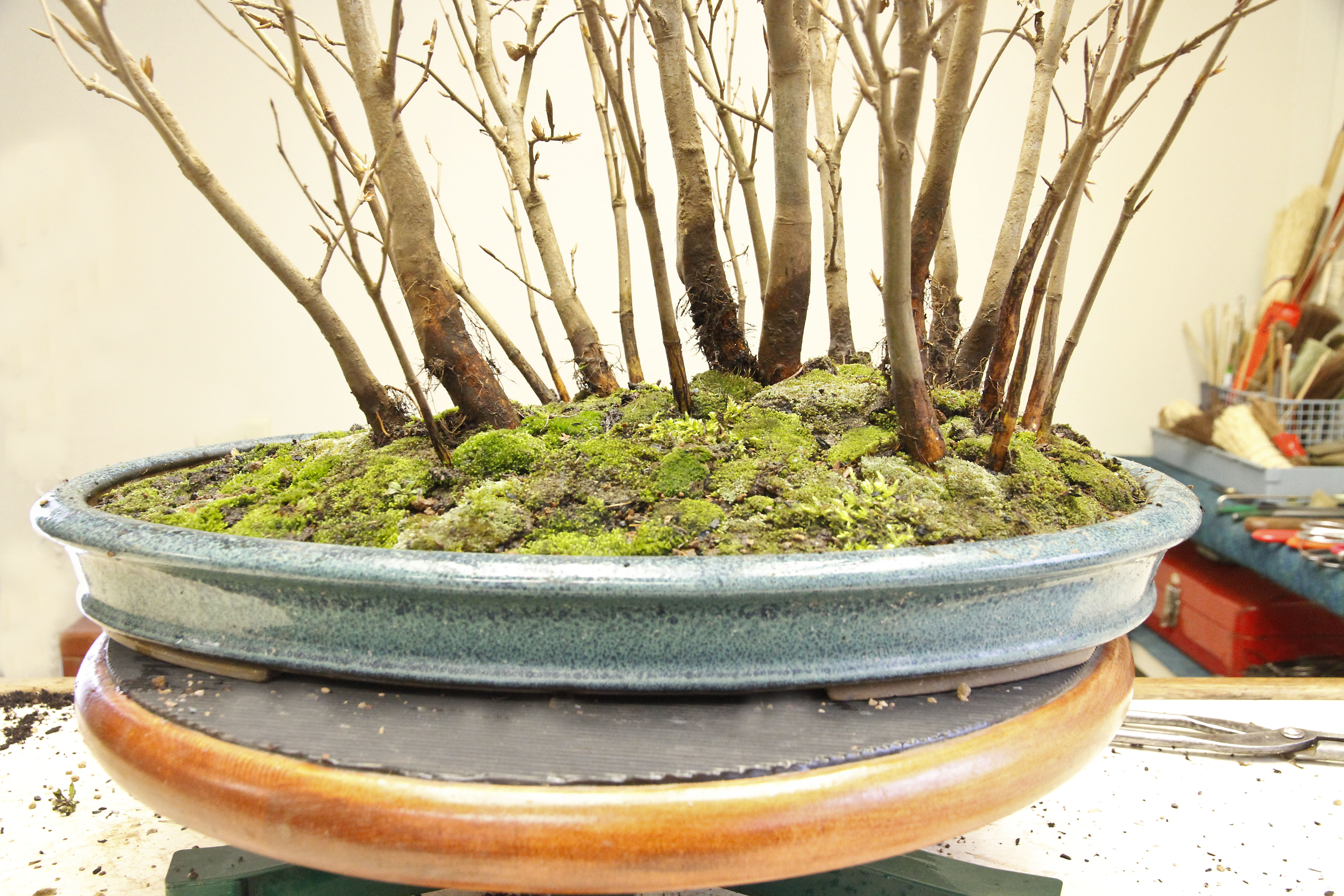
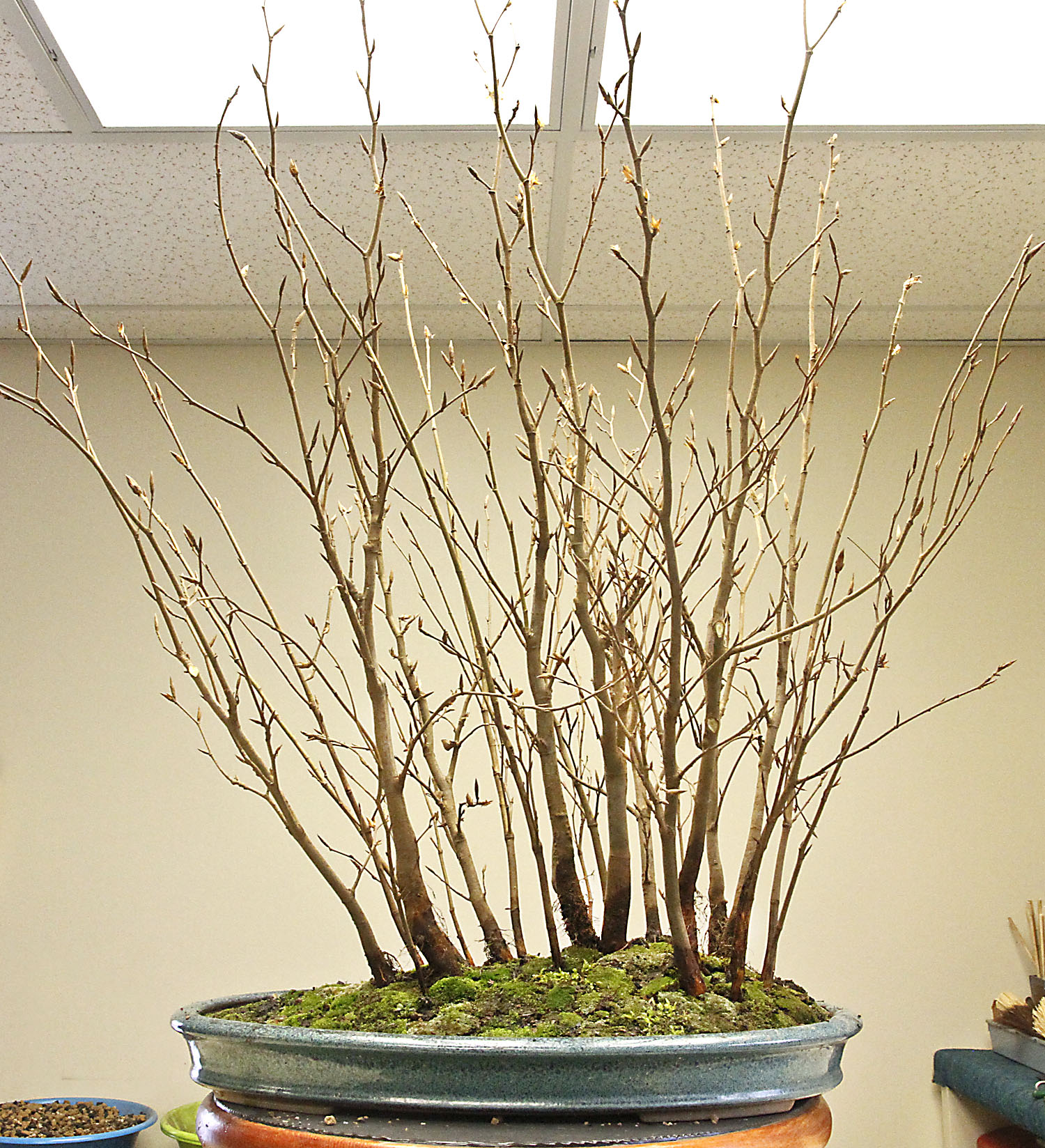
Once the moss has been completely planted the trees are trimmed. First the height of the forest bonsai is established as well as the sides. Then all the other trees are trimmed to different heights, keeping in mind the heavier trunks ideally should be taller than the skinny trunks. As adjusting the tree heights inner growing branches are removed. Trees can still be slightly positioned at this stage of development. It’s important to remember that when the planting is completely planted it is only the beginning of its development for a future forest bonsai.


Image

After completing the planting the wire on the bottom of the container is twisted to lock the plants into final positioning. They must not move around. Additional small pieces of thin wire might be added to the tops of the trees to keep them from moving. The planting is watered from the top with water and Superthrive until it runs clear through the bottom drainage holes. Then it is placed in a sunny area, out of the wind until new buds grow.


Image

These are the identical techniques and theory I teach when presenting educational programs around the world. My next Group Planting Seminar will be held on Saturday, April 5, 2014 in Rochester, New York.


Image


Image