VENDORS AT US NATIONAL BONSAI EXHIBITION

VENDOR 1


VENDORS 3

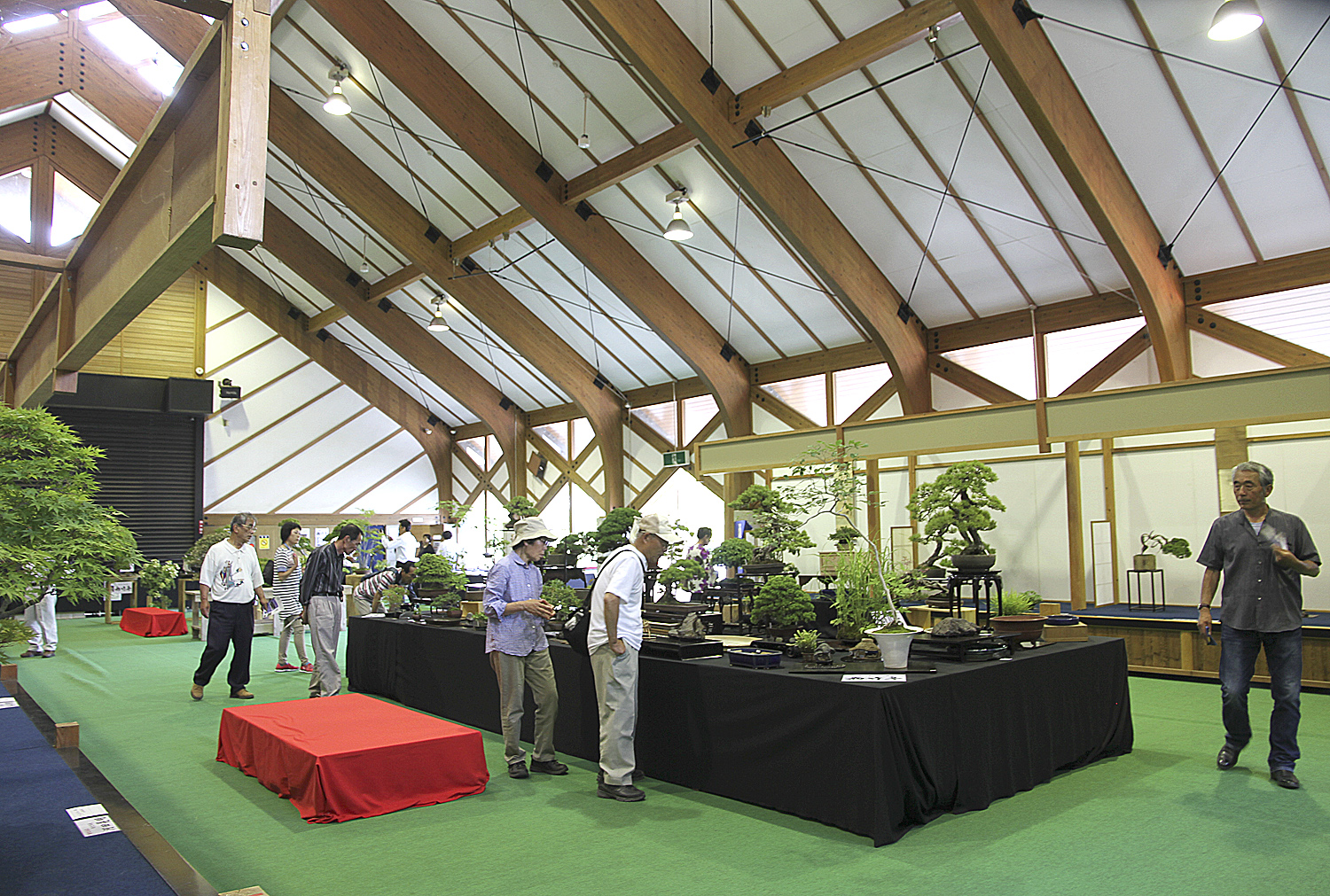
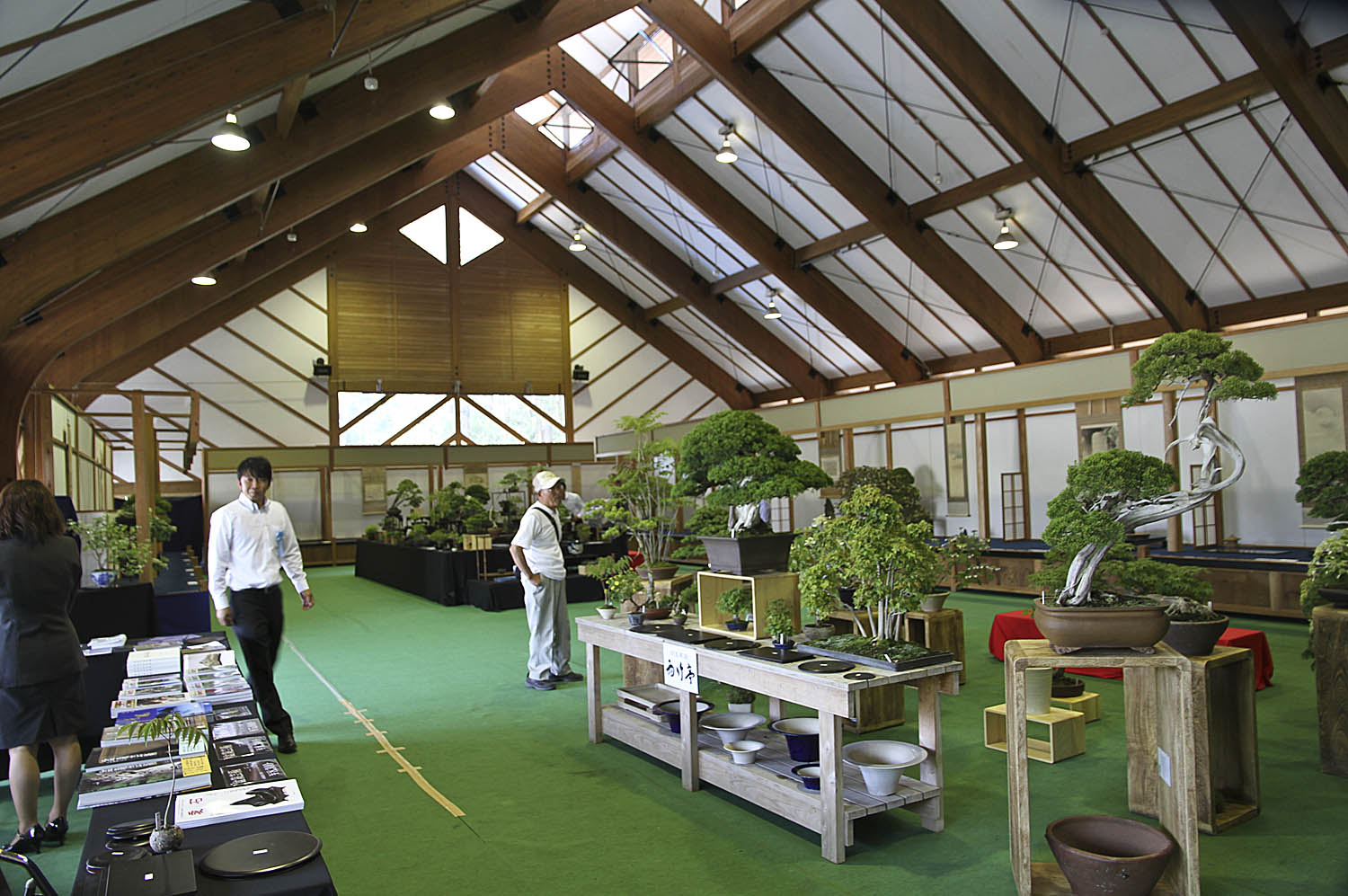
The following vendors will be selling their finest bonsai, pre-bonsai, tools, containers, display tables, scrolls and other items at the US National Bonsai Exhibition on September 13-14, 2014 in Rochester, New York. Over 100 tables will be filled with goodies from across the country for your bonsai creation, care and enjoyment.

Adams’ Bonsai               Julian Adams                          Virginia

American Bonsai             Cullen Mairacher               Florida

Tony Alario                                                                       Connecticut

Bjorvala Bonsai Studio       Bjorn Bjorholm           Tennessee

Bonsai Berkshire                Geoff Holmes                  Connecticut

Bonsai By Fields                 Mark Fields                      Indiana

Bonsai Unearthed               Owen Reich                  Tennessee

Bonsai Vision                      Jim Gollmer                     Nevada

Bonsai West                       Michael Levin                   Massachusetts

Brussel’s Bonsai                 Brussel Martin               Mississippi

Cedar Bog Bonsai              Mitch Boatman             Tennessee

Alice Chen                                                                       New York

Custom Oriental Woodcraft     Sean Smith       Pennsylvania

Deer Meadow Bonsai              Jim Gremel              California

Eagleville Bonsai                      Jack Hoover              Rhode Island

Giorgi Studio                           Dave & Rob Giorgi    Ohio

Golden Arrow Bonsai               Andy Smith            South Dakota

Kaede Bonsai                           Matt Ouwinga           Maryland

Knittle Studio                           David Knittle            Vermont

Lang Bonsai Containers           Ron Lang                Pennsylvania

Mc2 Pottery                           Charles Smith               Tennessee

Meco Bonsai                          Roger Lehman               Pennsylvania

Miniature-Bonsai                     Dave Paris                  New York

Mulberry Creek Herbs              Mark Langan            Ohio

Stacy Muse                                                                         Florida

Natures Way                           Jim Doyle                        Pennsylvania

Nitju Clayworks                        Ross Adams                Pennsylvania

Osiga                                       Yen Huang                        Maryland

PFM Bonsai                           Pauline Muth                   New York

Gratia Pfromm                                                                 New York

Quiet Spirit Arts                        John Bierley              Maryland

Reflections In Water                Karen Proctor           New York

Royal Bonsai Garden         Suthin Sukolosovisit    Massachusetts

Sanctuary Bonsai                    Todd Hansen              Connecticut

Sara Rayners Pottery               Sara Rayner               Minnesota

Satsuki Bonsai                         David Kreutz               Missouri

Stands & Stones                      Mark Rhyme                Florida

Tandamiti Bonsai                     Hank Miller                New York

Michele Villeneuve                                                         Quebec, Canada

Vons Gardens                         John Kirby                      Connecticut

Wildwood Gardens                   Frank Mihalic           Ohio

Roy Wixson                                                                       New York

International Bonsai           Wm. N. Valavanis        New York


SALES & DEMO AREAS

VENDORS 2


SPECIAL EXHIBITS AT US NATIONAL BONSAI EXHIBITION

Upper Courtyard Completion

We are again fortunate to have the support of the following botanical gardens, arboreta, collections and organizations which will be displaying at the US National Bonsai Exhibition. Outstanding bonsai from these distinguished collections will be on display for the visitors of the US National Bonsai Exhibition.

US National Bonsai & Penjing Museum, Washington, DC
Montreal Botanic Garden, Montreal, Canada
Chicago Botanic Garden, Chicago, IL
Brooklyn Botanic Garden, Brooklyn, NY
North Carolina Arboretum, Asheville, NC
Arnold Arboretum, Jamaica Plain, MA
Bonsai Society of the Royal Botanical Gardens, Burlington, Canada
Karamatsu Bonsai Study Group, Montreal, Canada

Of significant importance is a Dwarf hinoki cypress bonsai from the Larz Anderson Bonsai Collection at the Arnold Arboretum which was started in 1802. It was imported from Japan in 1913 and is one of the first bonsai imported into the United States. Although not the oldest Japanese bonsai in the United States, it has been under cultivation longer than any other plant currently growing in North America.

Additional information on the US National Bonsai Exhibition, September 13-14, 2014 in Rochester, New York, can be located at:

http://www.internationalbonsai.com/store/1708315/National_Exhibition/index.html

JAPANESE BONSAI MASTER WORKSHOP

DEMO-5

Second generation bonsai artist, Hiro Yamaji proprietor of Sansho-En Bonsai Garden in Kokubunji, Japan will be conducting a special one-day hands-on workshop. Mr. Yamaji is a graduate of Osaka University and fluent in English and has presented programs throughout the United States, Canada and Europe. He is one of the international judges at the 4th U.S. National Bonsai Exhibition.

YAMAJI-2
Mr. Yamaji, pine bonsai specialist, with decades of experience about pruning, pinching new growth, wiring as well as with a wide variety of species. Watch and learn as Mr. Yamaji performs his magic on your bonsai as well as having all your questions answered in perfect English, without wasted translation time.

Registration for the Yamaji Bonsai Workshop is $125, Observers $50. Observers may ask limited questions. Bring your own plant material or purchase something exciting from over 40 vendors at the U.S. National Bonsai Exhibition sales area. The Yamaji Bonsai Workshop will be held at the International Bonsai
Arboretum, 1070 Martin Road, West Henrietta, New York. Refreshments and a pizza lunch is included. Don’t delay in registering for this special and limited seminar.


Monday, September 15, 2014


To register contact:
William N. Valavanis
WNV@internationalbonsai.com
(585) 334-2595

2014 Nashville Regional Bonsai Expo Photos

1 VIEW

A few photos from the 2014 Nashville Regional Bonsai Expo held today, July 12 and tomorrow July 13, 2014 at the Cheekwood Botanic Gardens in Nashville, TN. Great trees, a wide selection of vendors with trees and containers, dynamic demos and workshops and last but not least warm southern hospitality.

Join us tomorrow to see some beautiful bonsai!


2 BUTTONWOOD


3 BUTTON


4 OWEN

5 MAPLE

6 PONDEROSA

7 JUNIPER

8 JANE KLUIS

9 SATSUKI 2

10 SEIJU

11 SATSUKI

12 SHOHIN ELM TREE

13 SHOHIN EM

25 SHOHIN TRIDENT

14 GINKGO

15 LAVENDAR

16 HINOKI

17 THUJA

18 RHUS

19 PYRACANTHA

20 CHOHUBAI

21 SEIRYU

22 PINE CLUMP

23 MAPLES

24 SHOHIN BLACK

26 SHOHIN


27 SHOHIN COMPOSITION

28 TRIDENT ROCK

29 SPRUCE

30 SHISHIGASHIRA

31 BLACK

32 TRIDENT

33 LANDSCAPE

34 KUSA 2

35 KUSA

36 KUSA 3

37 ARRANGEMENT


US NATIONAL BONSAI EXHIBITION DEMONSTRATION SCHEDULE

Image


All Demonstrations FREE With Paid Admission

Daily Admission $15

Weekend Pass $20 Before September 1st


Saturday, September 13, 2014

 Image

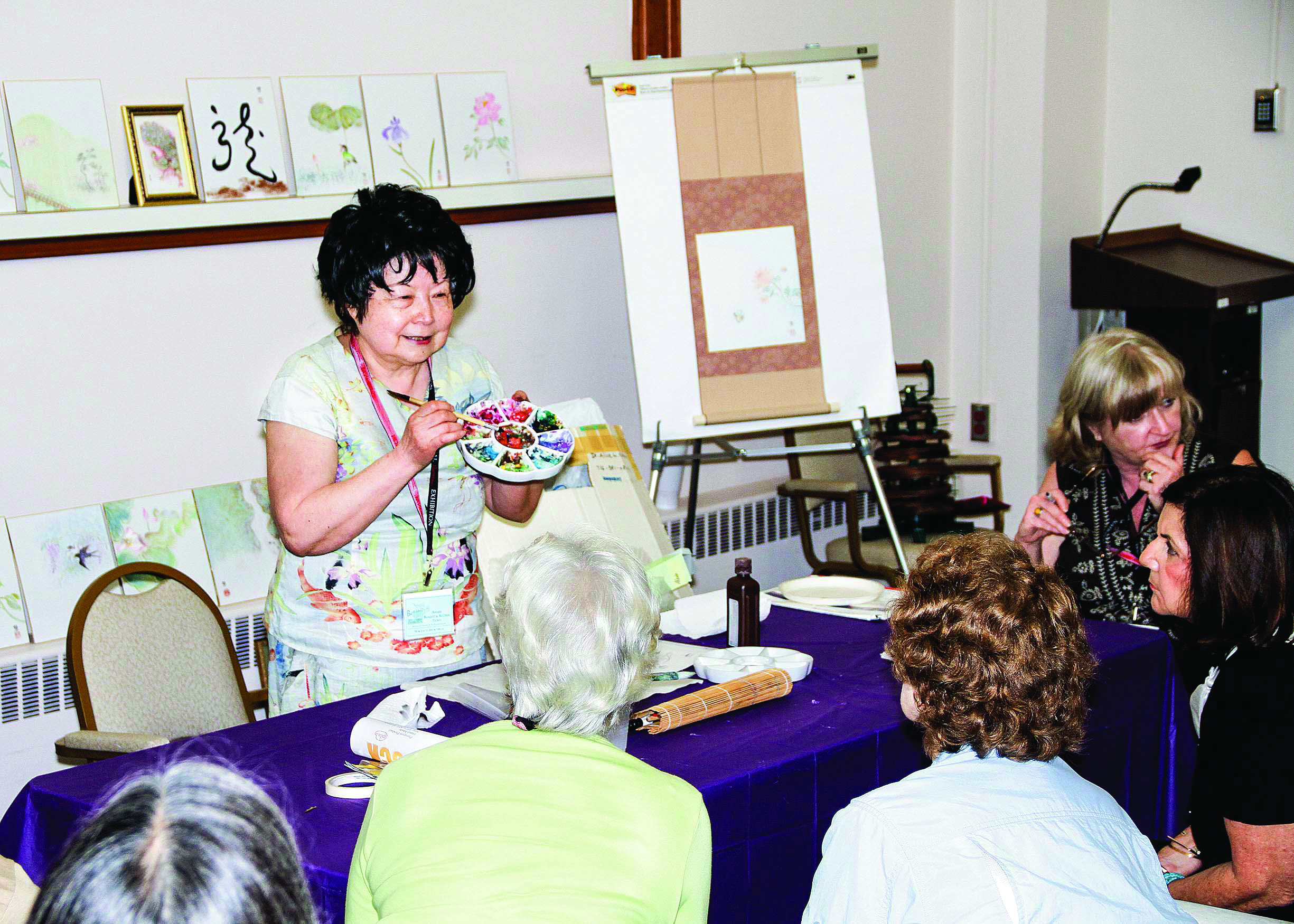
10 am– Oriental Brush Painting

by Dr. Alice Chen, New York

Watch, be amazed as a master artist creates beautiful oriental brush paintings as the color flows off her brush onto the paper. Many of Dr. Chen’s be,autiful paintings are quiet, simple and suitable to be displayed with bonsai and suiseki.


Image

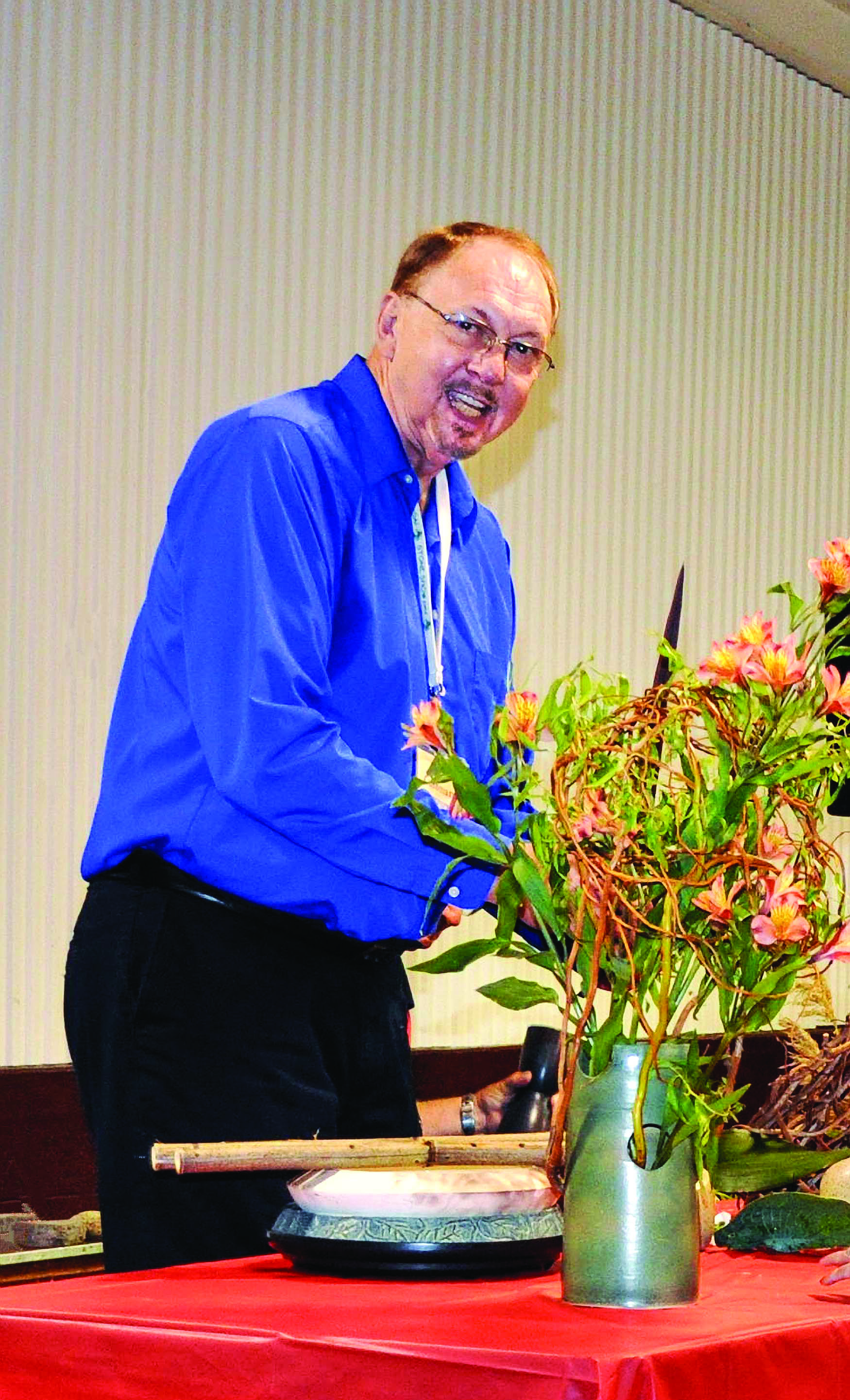
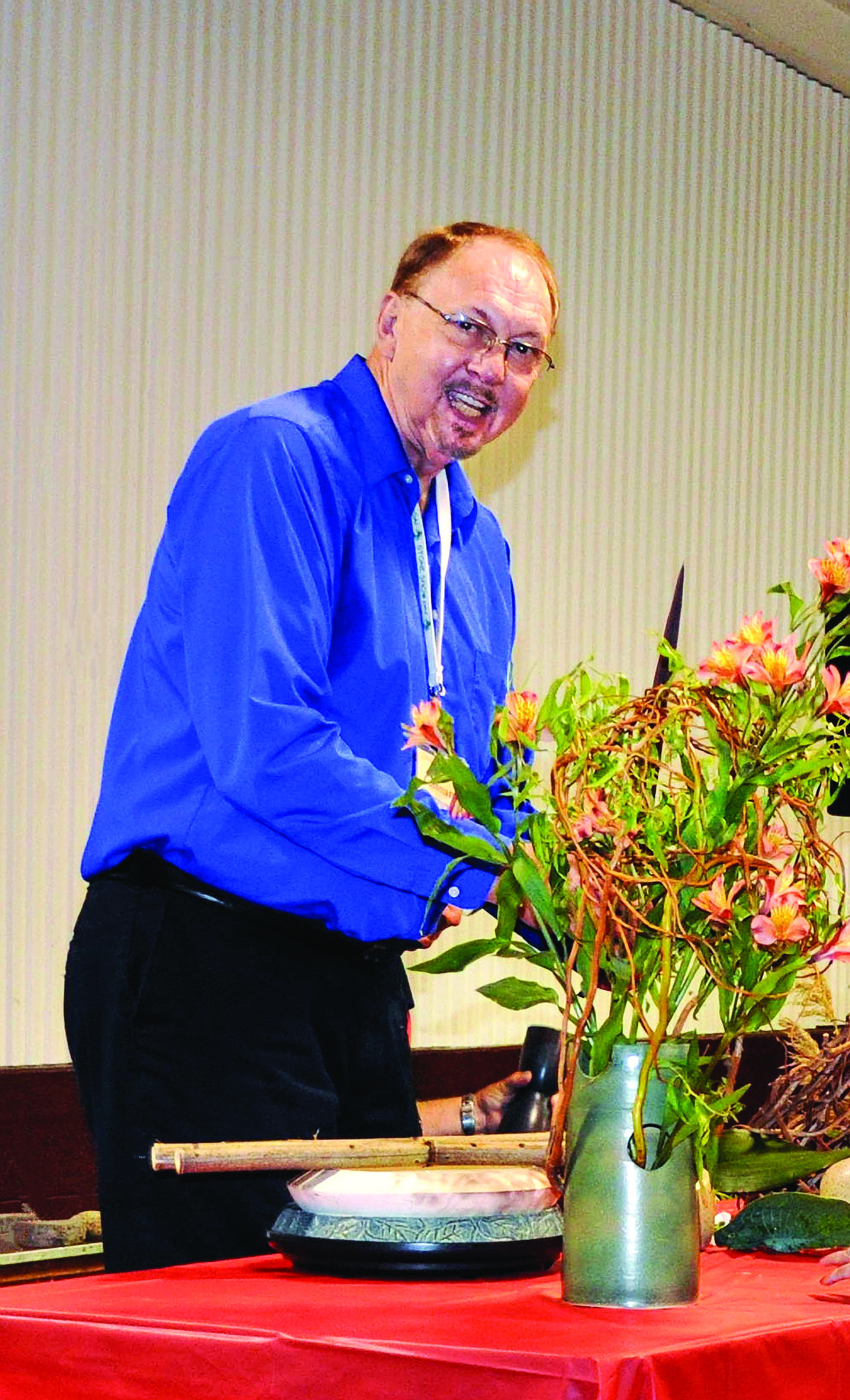
11 am– Ikebana Japanese Flower Arranging

by Professor Jerome Cushman, New York

Ikebana, the ancient Japanese art of flower arranging literally means “living flowers.” Accredited ikebana professor Jerome Cushman will demonstrate how to create arrangements in the modern Ichiyo School of ikebana which gives the viewer an experience with nature that is unexpected, stimulating and profound.


Image

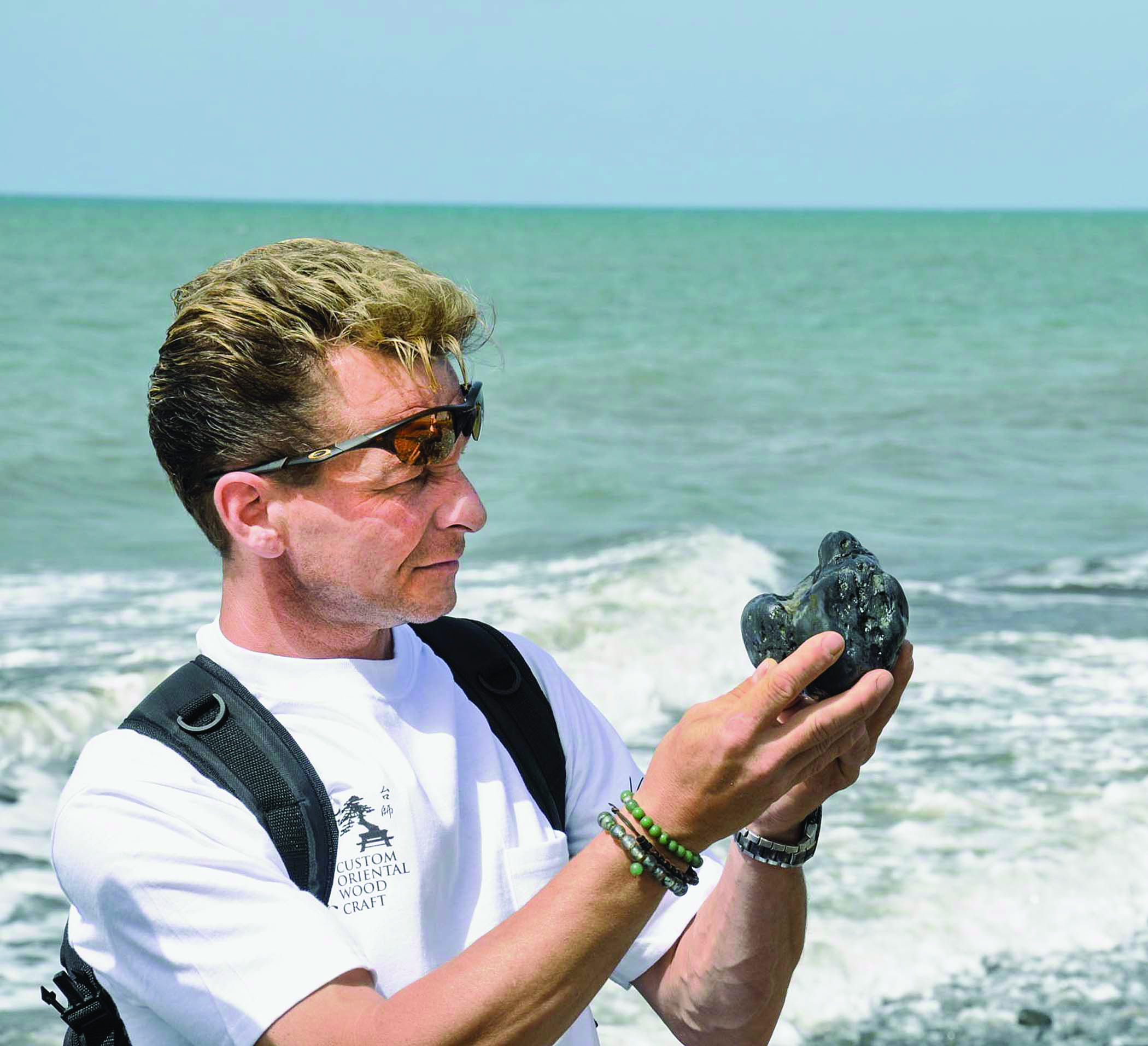
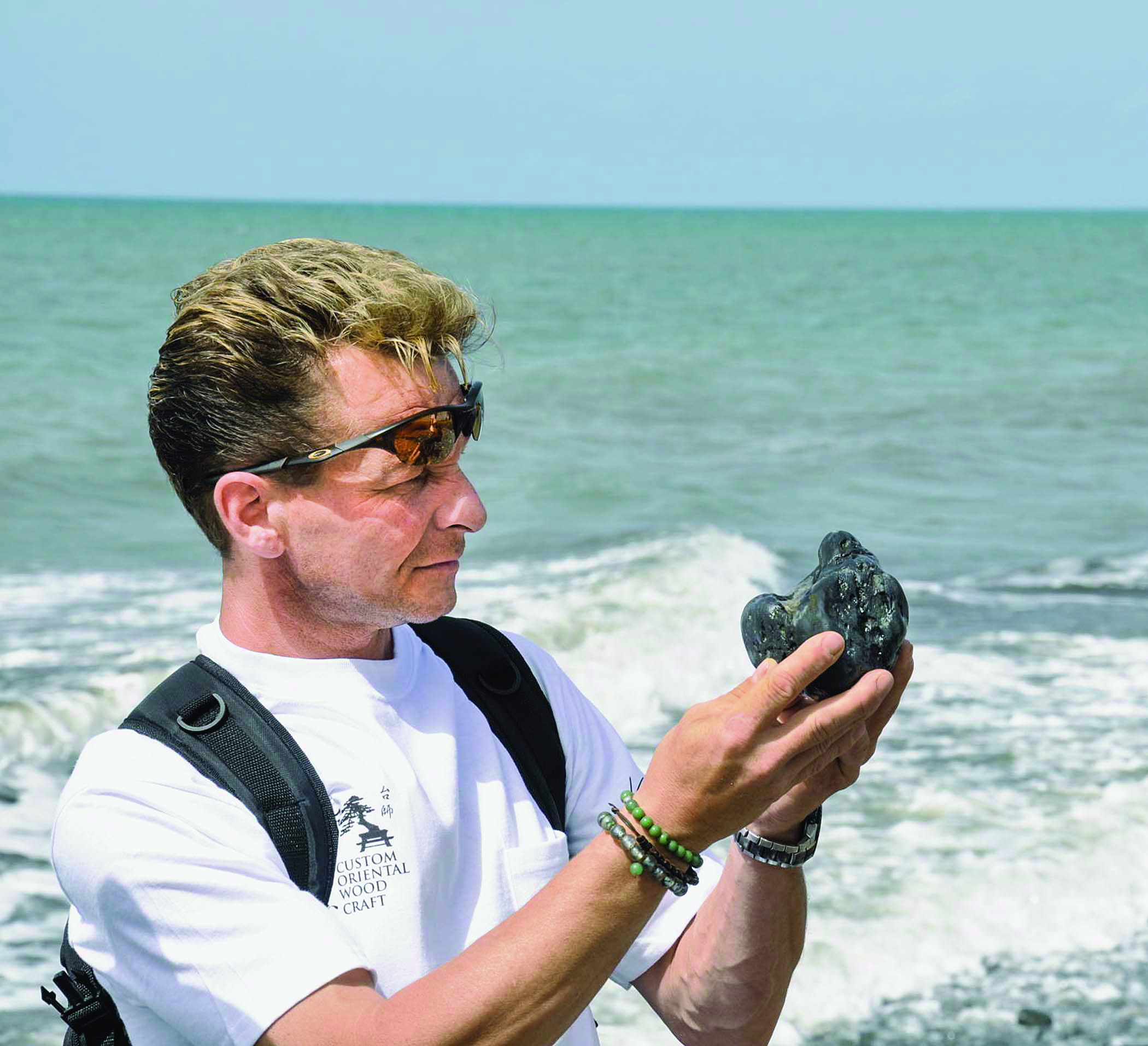
12 pm– Suiseki Japanese Viewing Stones

by Sean L. Smith, Pennsylvania

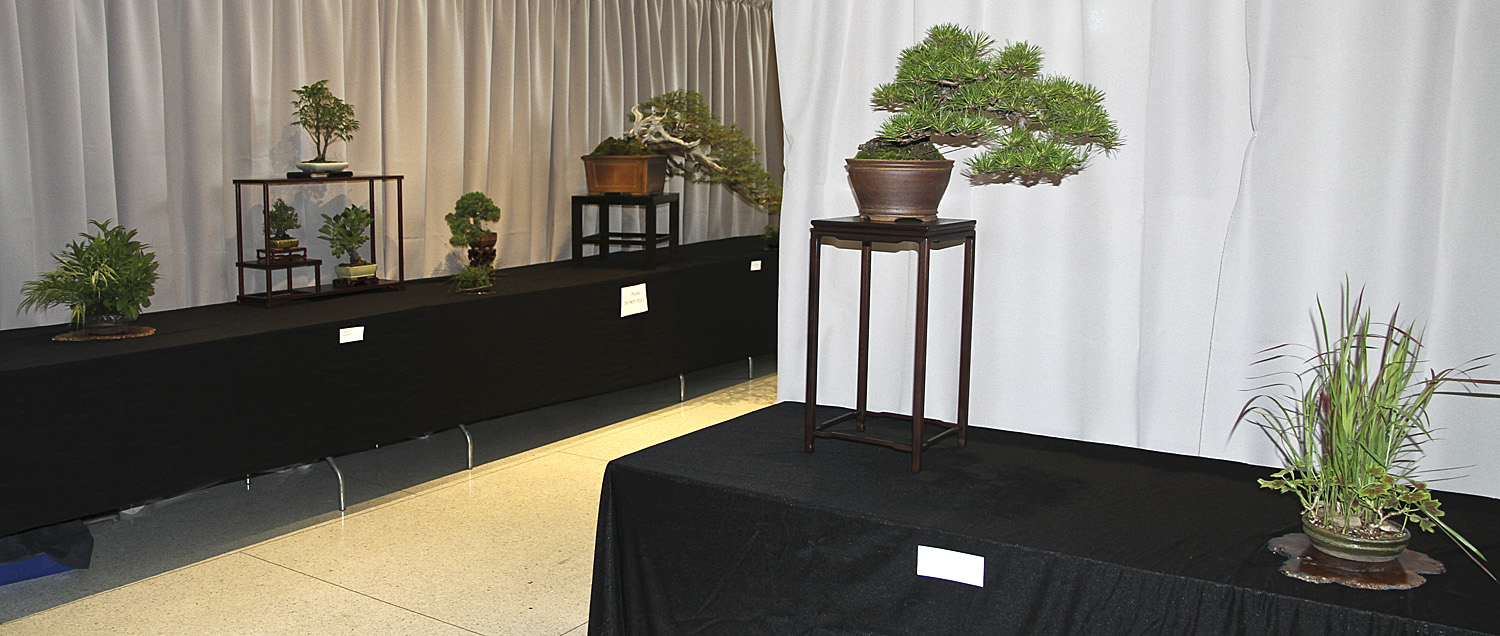
This year the US National Bonsai Exhibition features an invitational suiseki exhibition. Suiseki are small natural rocks which are appreciated for their shapes and suggestive forms rather than their mineral content. International suiseki authority Sean Smith will show and explain what a suiseki is and how they can be incorporated into a bonsai display.


Image

Image

1 pm–   Creating A Bonsai from Nursery Stock

by Hiroyoshi Yamaji, Japan

Second generation bonsai grower, Hiroyoshi Yamaji from Shikoku Island, Japan. He will demonstrate his skills and artistry as he explains the process of shaping techniques for creating a bonsai from American grown nursery stock. The large size Japanese black pine demonstration tree was container grown in South Carolina for about ten years and has been acclimatized to the severe Upstate New York climate for over five years. Mr. Yamaji will transform the Japanese black pine into a classic bonsai with Alan Adair who will assist him with the wiring. The finished Japanese black pine bonsai will be auctioned at the Saturday evening Award Banquet and

Benefit Auction which will be held at the Holiday Inn- Airport. Limited seating still available.


All Demonstrations FREE With Paid Admission

Daily Admission $15 l Weekend Pass $20 Before September 1st


Sunday, September 14, 2014


 Image

10 am– Oriental Brush Painting

by Dr. Alice Chen, New York

Watch, be amazed as a master artist creates beautiful oriental brush paintings as the color flows off her brush onto the paper. Many of Dr. Chen’s be,autiful paintings are quiet, simple and suitable to be displayed with bonsai and suiseki.


Image

11 am– Ikebana Japanese Flower Arranging

by Professor Jerome Cushman, New York

Ikebana, the ancient Japanese art of flower arranging literally means “living flowers.” Accredited ikebana professor Jerome Cushman will demonstrate how to create arrangements in the modern Ichiyo School of ikebana which gives the viewer an experience with nature that is unexpected, stimulating and profound.


Image

12 pm– Suiseki Japanese Viewing Stones

by Sean L. Smith, Pennsylvania

This year the US National Bonsai Exhibition features an invitational suiseki exhibition. Suiseki are small natural rocks which are appreciated for their shapes and suggestive forms rather than their mineral content. International suiseki authority Sean Smith will show and explain what a suiseki is and how they can be incorporated into a bonsai display.


Image

Image

1 pm–   Refining Established Bonsai

by Peter Warren, England

Bonsai artist and author, Peter Warren, travels the world sharing his bonsai knowledge and skills. The large collected Eastern white cedar bonsai for his

demonstration was originally designed by Marc Noelanders from Belgium at the 1997 BCI Convention in Toronto, Canada. Unable to take the bonsai back to Belgium, Reiner Goebel purchased the tree and trained ituntil the tree was auctioned at the 2000 ABS Convention. Since then it has been at the International Bonsai Arboretum. Mr. Warren will trim and wire the bonsai with the assistance of award winning bonsai artist and Eastern white cedar specialist Marc Arpag. The newly refined large size Eastern white cedar bonsai will be auctioned at the conclusion of the demonstration on Sunday afternoon at 4 pm.           

Questions? wnv@internationalbonsai.com

(585) 334-2595

http://www.internationalbonsai.com

Image


2014 Nashville Regional Bonsai Expo

Image

The 2104 Nashville Regional Bonsai Expo will be held on July 12-13th at the Cheekwood Botanical Garden, in Nashville, Tennessee. Over 50 bonsai from the southeast will be displayed along with kusamono.
 Image

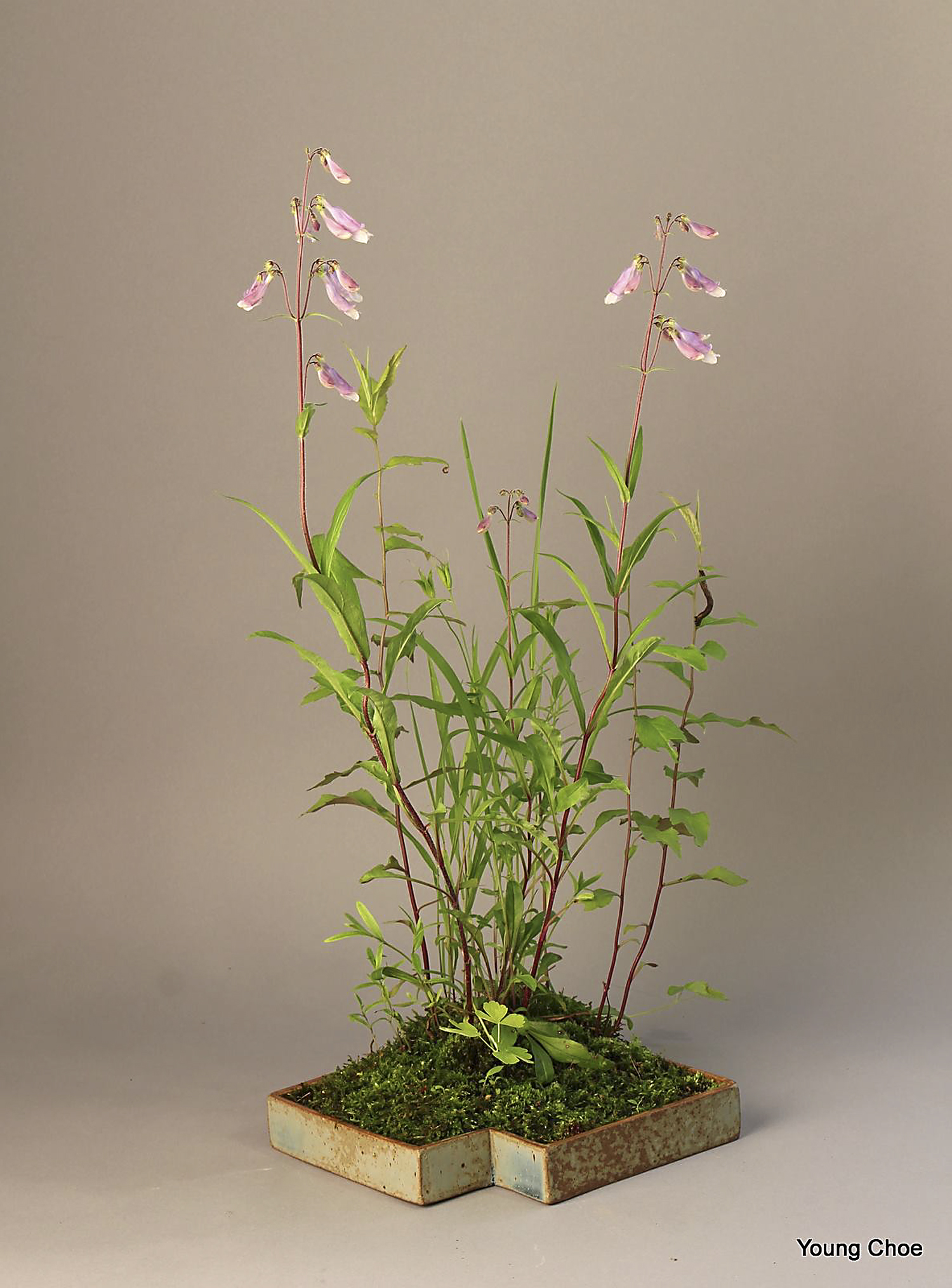
Guest artists for the event are Jim Doyle, Young Choe and Owen Reich who also heads the event. In addition to lecture/demonstrations by Jim Doyle and Young Choe, two kusamono classes will be conducted along with a collected Engleman spruce workshop. A bonsai refinement workshop will also be offered. Jim Doyle will conduct a critique of the displayed bonsai and Young Choe will critique the kusamono.

 Image

Jim Doyle

Confirmed vendors for the sales area include: Fedducia’s Bonsai, Bellota Enterprises, MC Squared Ceramics, Glass Art by Jacob, Kusa Farm, Bonsai Unearthed, Lynnwood Gardens, Turnbull Creek Bonsai, Nature’s Way, The American Bonsai Society, Cedar Bog Bonsai, New World Horticulture and International Bonsai.

 Image

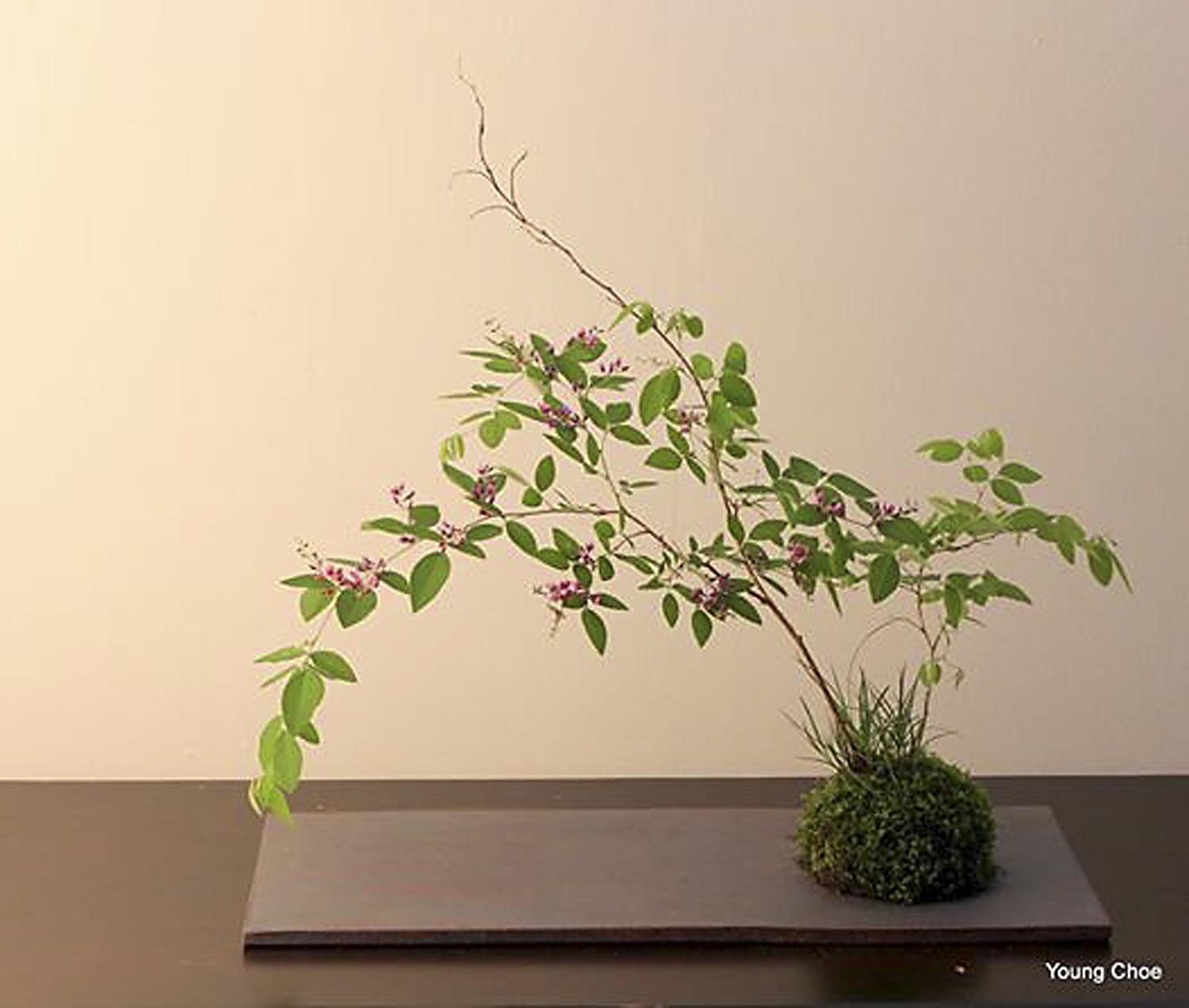
Young Choe

The general and professional division entries promise to have some great bonsai, as in the past events, from the region. Anyone wishing to enter a display in the professional division needs to either work with a bonsai professional regularly or be a professional bonsai artist. Bonsai from the general division will be eligible for the Best of Show Award. Please contact Owen Reich for entering all displays at owenbonsai@me.com

 Image

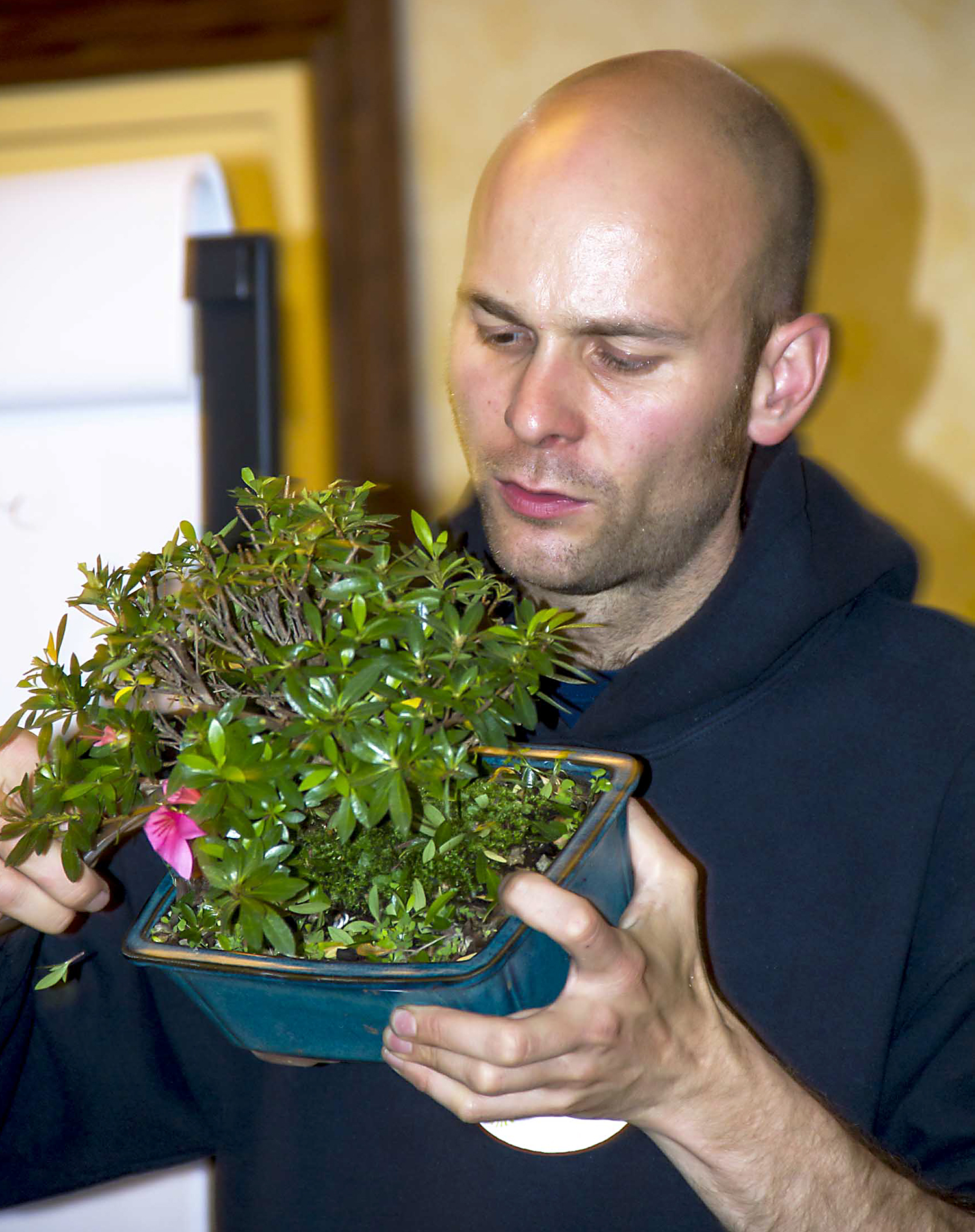
Owen Reich

Nashville Bonsai is the largest bonsai organization in central Tennessee and sponsor of the event, which will be held at the Cheekwood Botanical Garden in Massey Hall. The Nashville Regional Bonsai Expo is free with admission to the Cheekwood Botanical Garden. I look forward to making new friends as well as greeting long time friends at this exciting event. Join us for an enjoyable and educational weekend of bonsai with southern hospitality!

 Image

A short video of the 2013 Nashville Regional Bonsai Expo can be located at: http://www.youtube.com/watch?v=dTu0gV-tUmg&sns=em


Additional information for the 2014 Nashville Regional Bonsai Expo and registration for the limited workshop openings may be obtained from Owen Reich: owenbonsai@me.com


Image


Japan Satsuki Bonsai Tour– Part 8– Final

Image

Image

19th Utsunomiya Satsuki & Flower Fest

67th Tochigi Prefecture Satsuki Association Exhibition

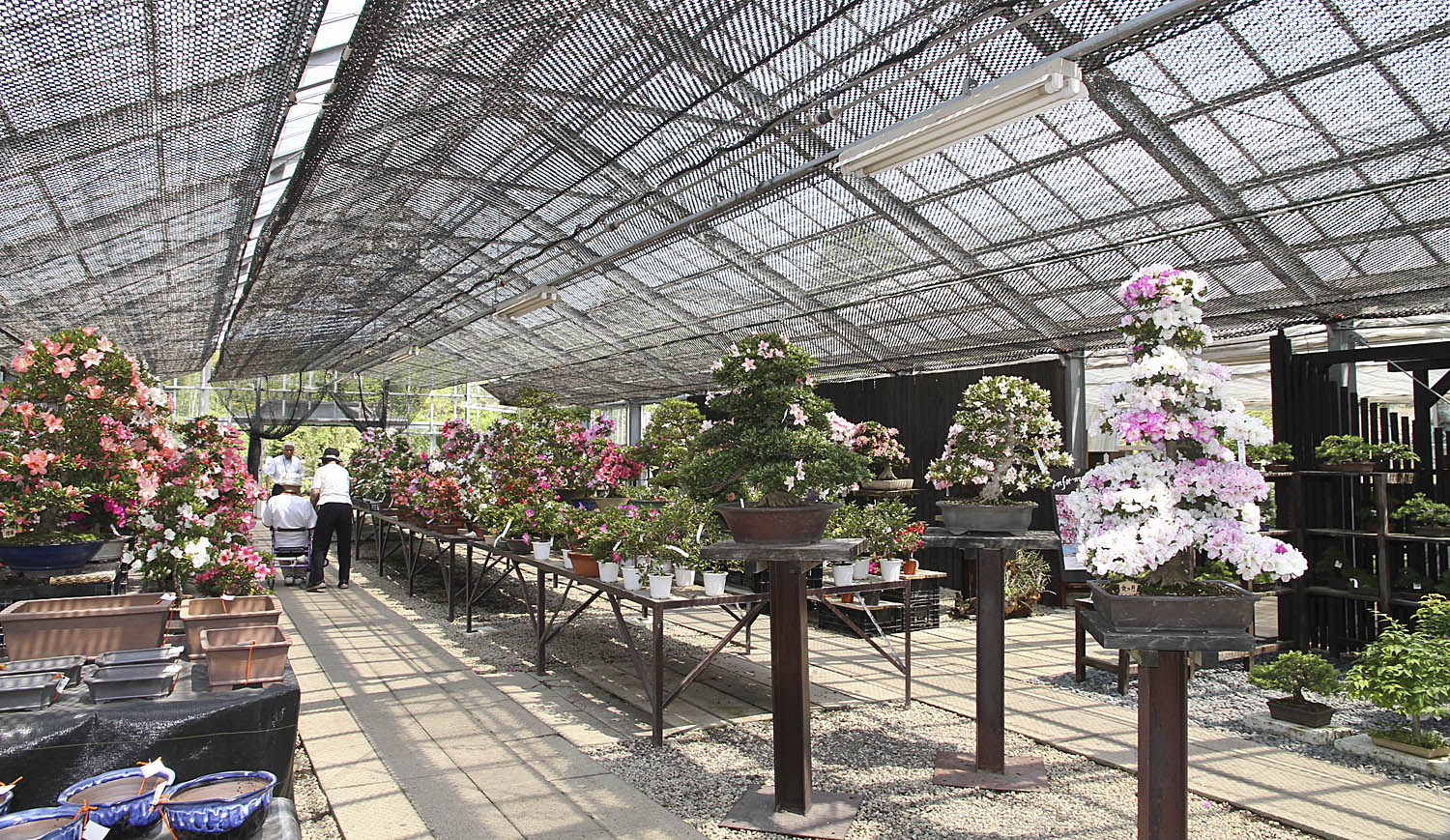
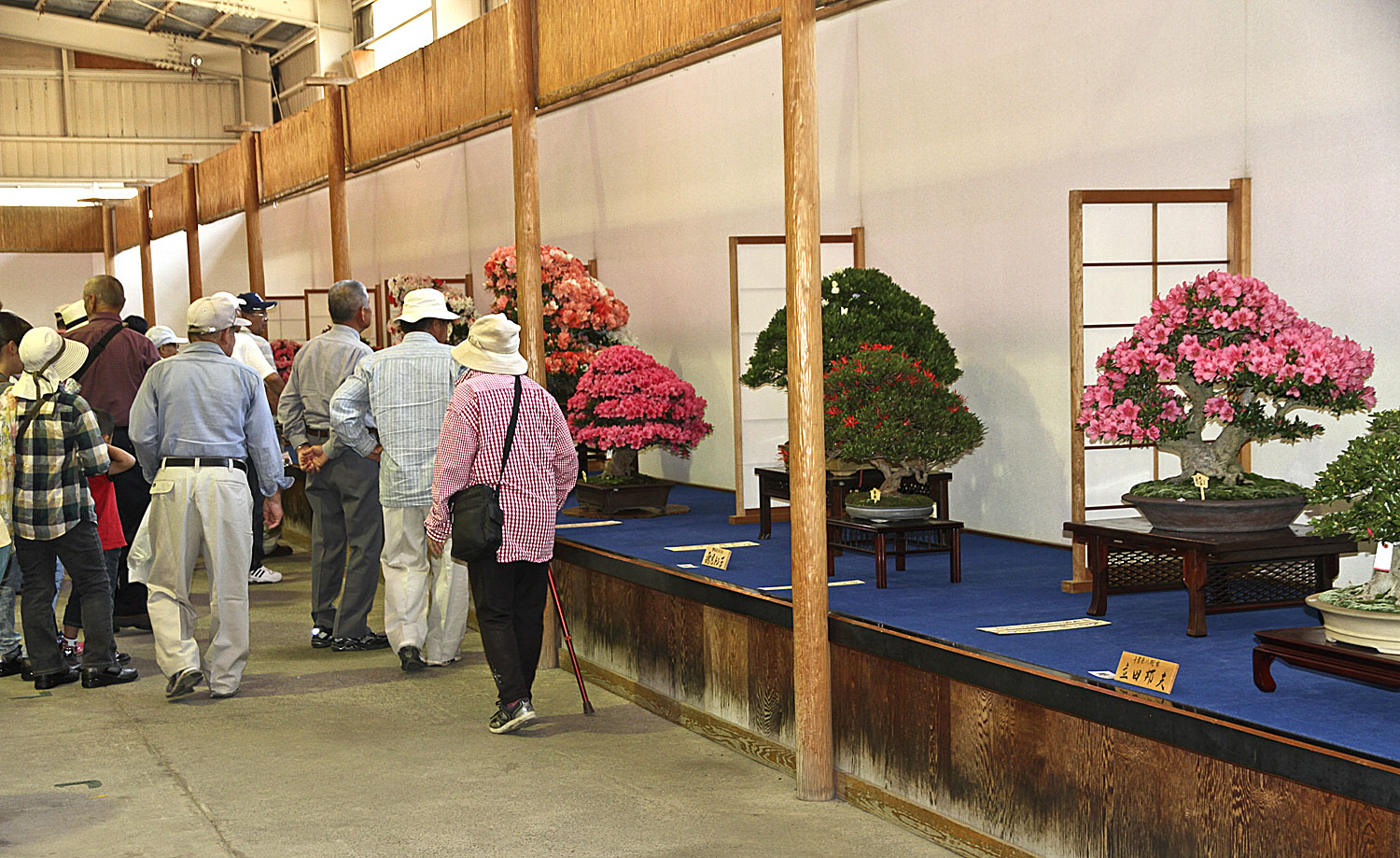
Well, we had one more unexpected final surprise. We heard about another Satsuki exhibition which was held in Utsunomiya at a “Romantic Village” about half an hour away from our hotel. After asking Mr. Morimae about it he strongly suggested we go as the quality was a bit better than the Satsuki shown at the Kanuma City Kaboku Center Exhibition and Ueno Satsuki Festival. Boy, was he correct! There were no steps and the main exhibition was in an air conditioned greenhouse complex.

Image


Mr. Morimae graciously had one of his staff drive a few of us to the exhibition. It was even over 30 minutes from the FuGa Exhibition. When we left, at closing time in the late afternoon we had a difficult time getting a taxi. So wImageImage

Image

Image


e walked a while and stopped in at a Japanese type of Home Depot to call for a taxi. We still needed to wait some time, in the heat and humidity before our ride came. It was another 30 minute taxi ride to our hotel in Utsunomiya, the same city as our hotel. But all the travel was well worth the beauty we saw.

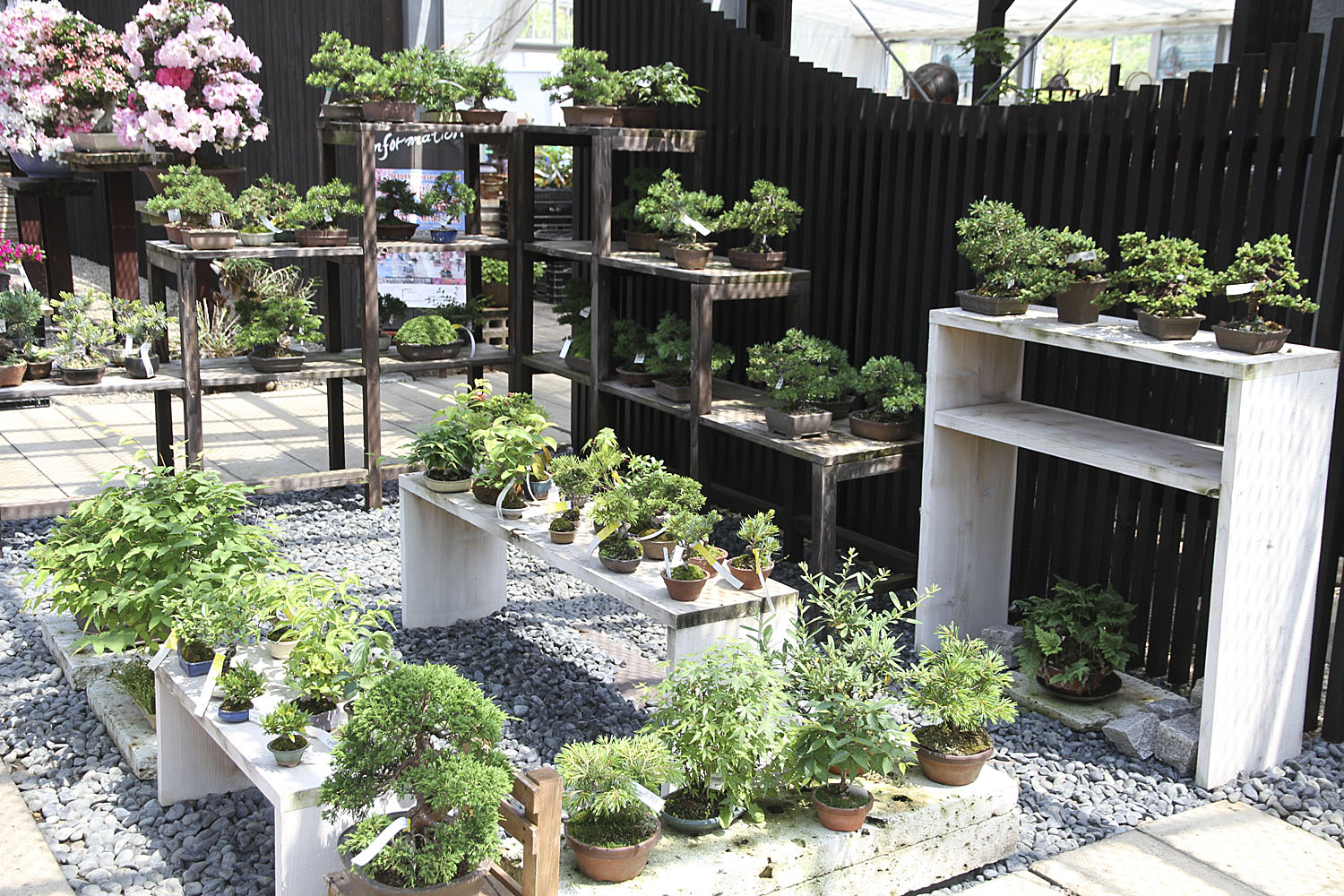
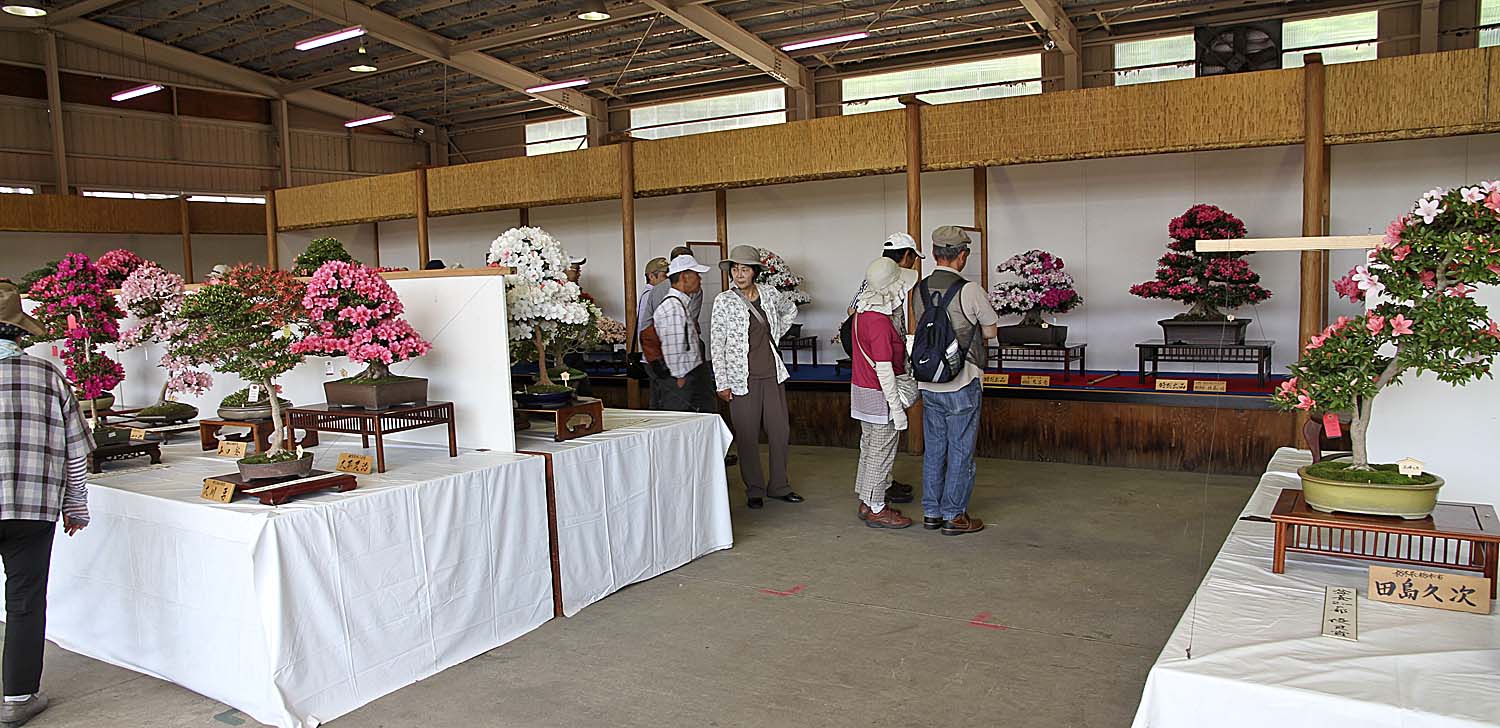
The indoor Satsuki displays were superb as were the individual trees. Although there were a few smaller specimens, no shohin bonsai were shown. The natural lighting coming through the greenhouse ceiling made it difficult to photograph with cross shadows and dark areas. The quality of the display tables and companion plantings were far superior to the other Satsuki exhibitions.


Image


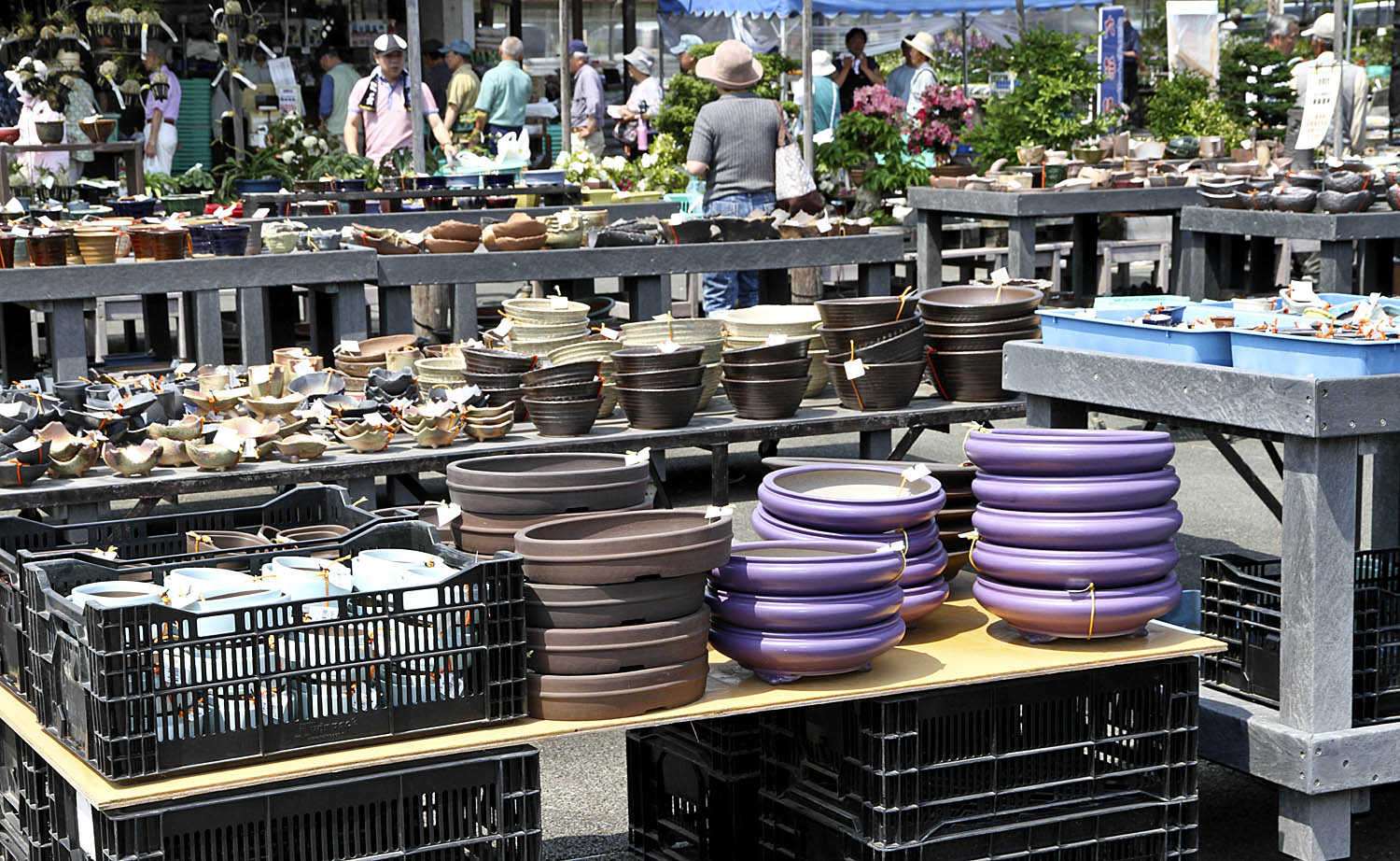
Several Satsuki vendors set up shop in the entrance area as did some container sellers and a tool dealer. It’s interesting that at all the Satsuki exhibitions we saw had used bonsai containers for sale. Not antiques, but most had patina and were cleaned.


Image


Image


Image

After passing the sales area there were four long rows of Satsuki on display outdoors. Although most were the tall bushy style, there were a few trained as bonsai. All were beautiful, however and gave us lots to study and had a better appreciation for Satsuki azalea bonsai.

Image

This short, intense Satsuki Bonsai Exhibition Tour is now finished and all the Satsuki were in full blossom featuring a multitude of different colors, often on the same plant. Although it was unusually hot, I’ve experienced even hotter weather in Japan a few years ago when I brought Jonathan Singer to Japan to photograph trees for our book Fine Bonsai.

Image


Image

Image

Our group of 14 tour members were great and we all got along well. Kora Dalager did a superb job organizing the hotels and transportation. Should there be interest we would consider repeating the Satsuki Bonsai Exhibition Tour again. I hope everyone enjoyed seeing my photos and personal commentary and thoughts. Remember, if you want to see finer professional quality photos with detailed information you can subscribe to International BONSAi at:

http://www.internationalbonsai.com/product/IBM

japan Satsuki Bonsai Tour– Part 7


Image

Image


FuGa Bonsai Exhibition

Usually our tours enjoy unexpected surprises. One of the additional unscheduled visits this time was to the FuGa Bonsai Exhibition sponsored by S-Cube, Seiji Morimae’s business. This elegant exhibition of fine quality bonsai was in the Kanuma City Kaboku Center complex, up at the top of a small hill, more stairs, in a specially built exhibition building by the Tochigi Prefecture.

Image

Image

Everything Mr. Morimae does is beautiful and with class, including this bonsai exhibition of his study group and clients. There were five long rows of individual alcove areas with plain backgrounds. Unlike all the other Satsuki exhibitions, most individual displays had hanging scrolls and companion plantings. This was a formal bonsai exhibition, complete with a pleasant mix of classical music, not the Japanese type Americans use in shows.

Image

Image

Image

Mr. Morimae’s entire family and staff were on hand to make visitors feel welcome, guide them around, answer questions and make sales. The center of the building had two areas of fine quality bonsai, display tables, companion plantings and art for sale. Also there was another table with quality display tables and books for sale as well.

Image


ImageImage

Image

Image

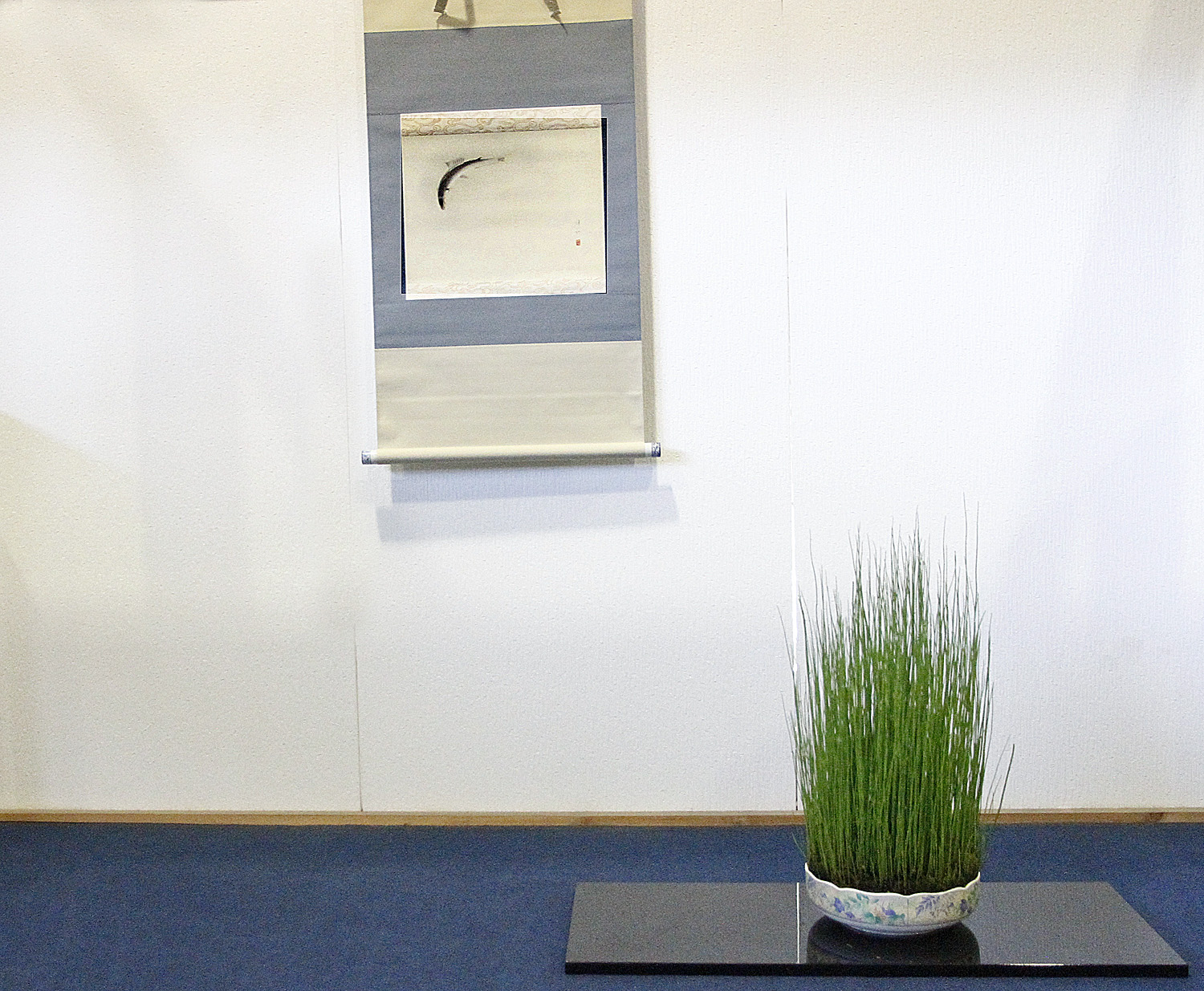
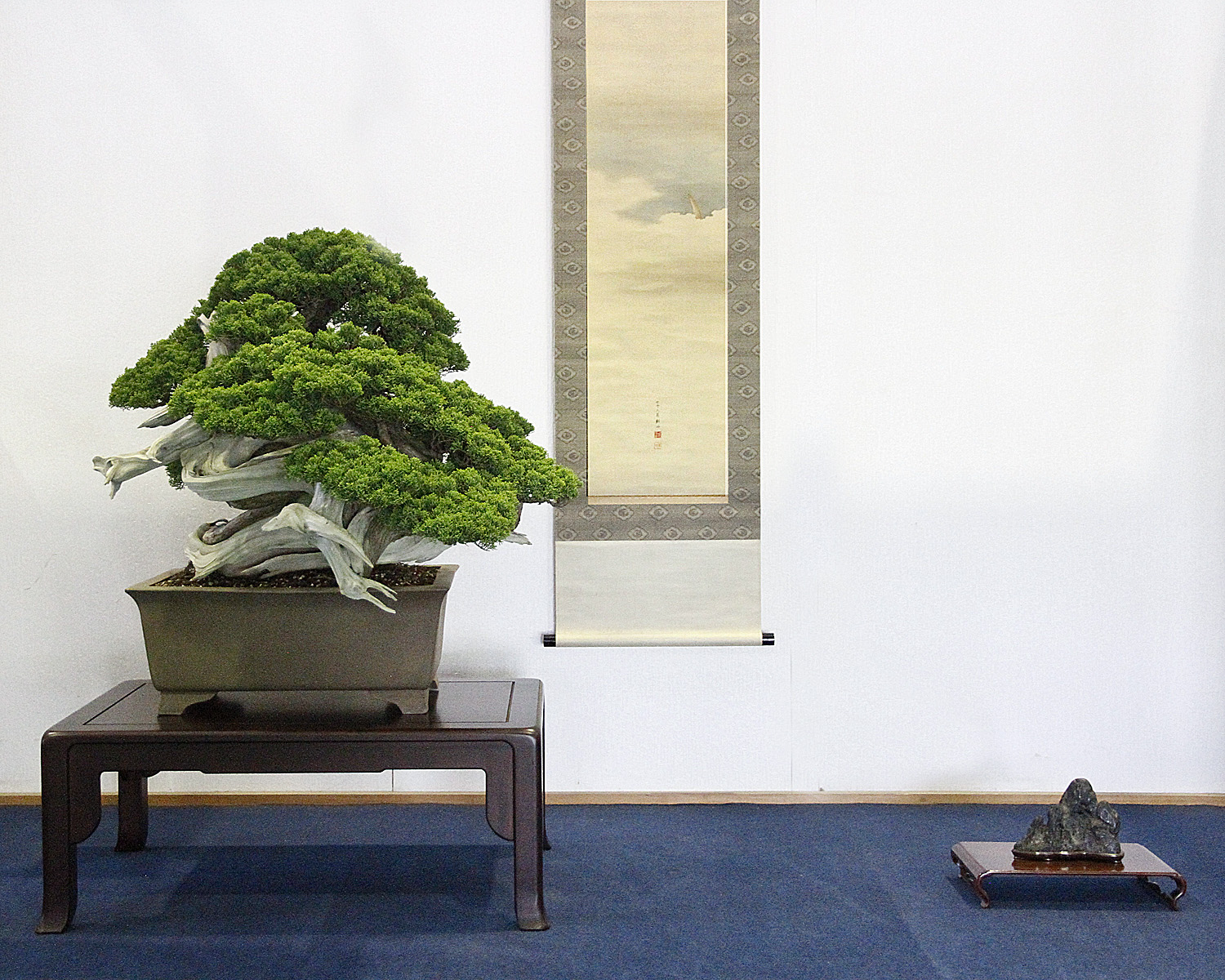
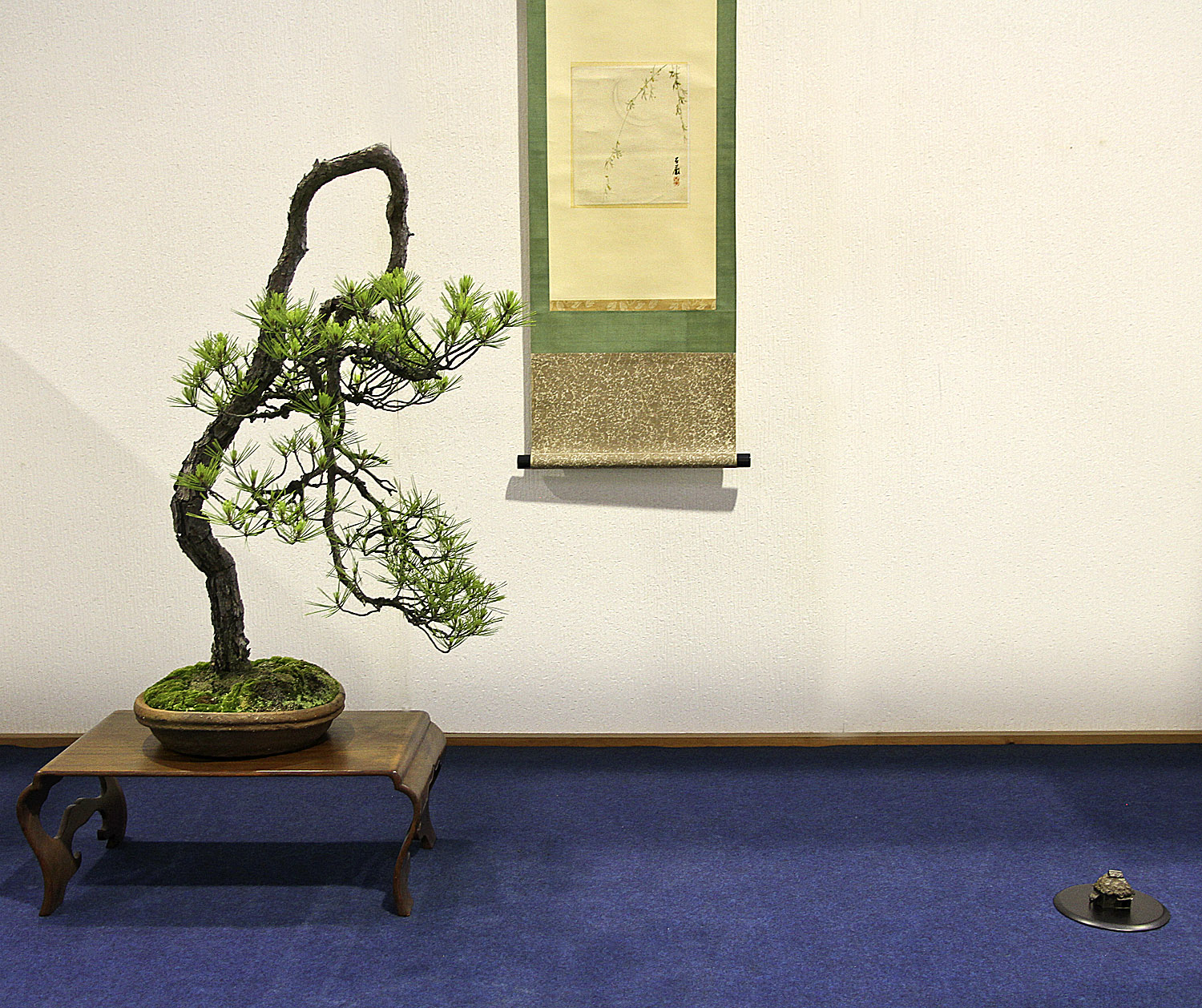
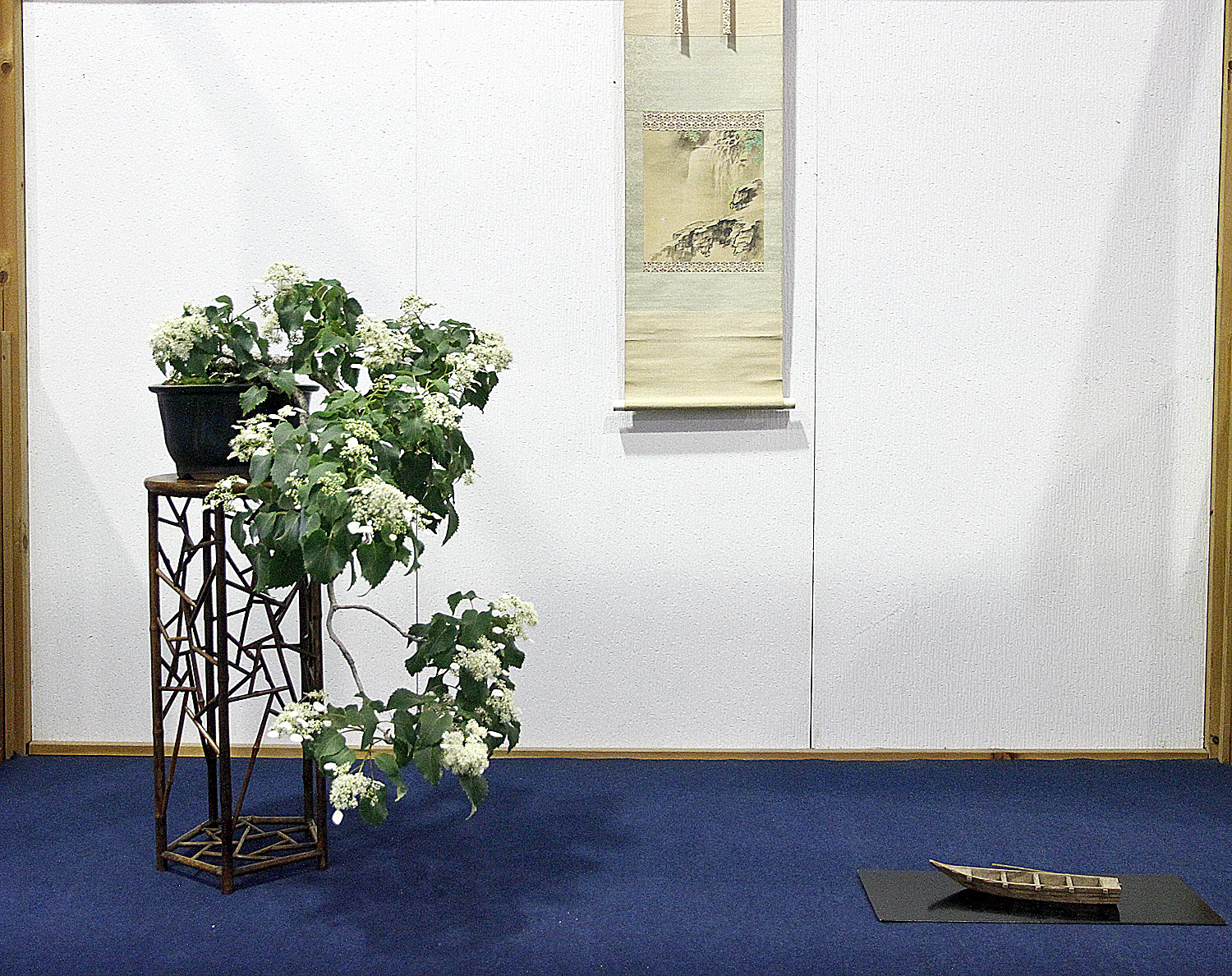
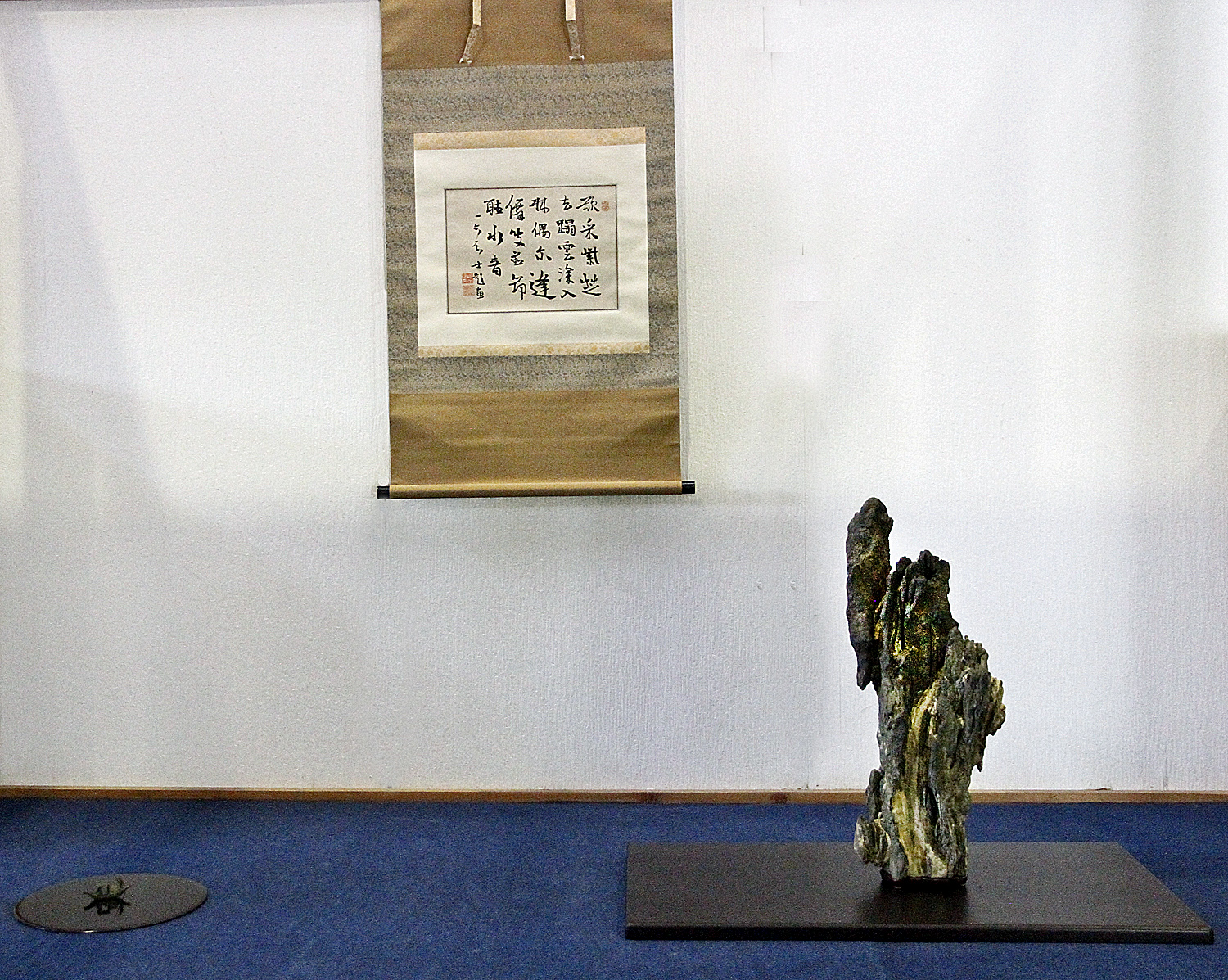
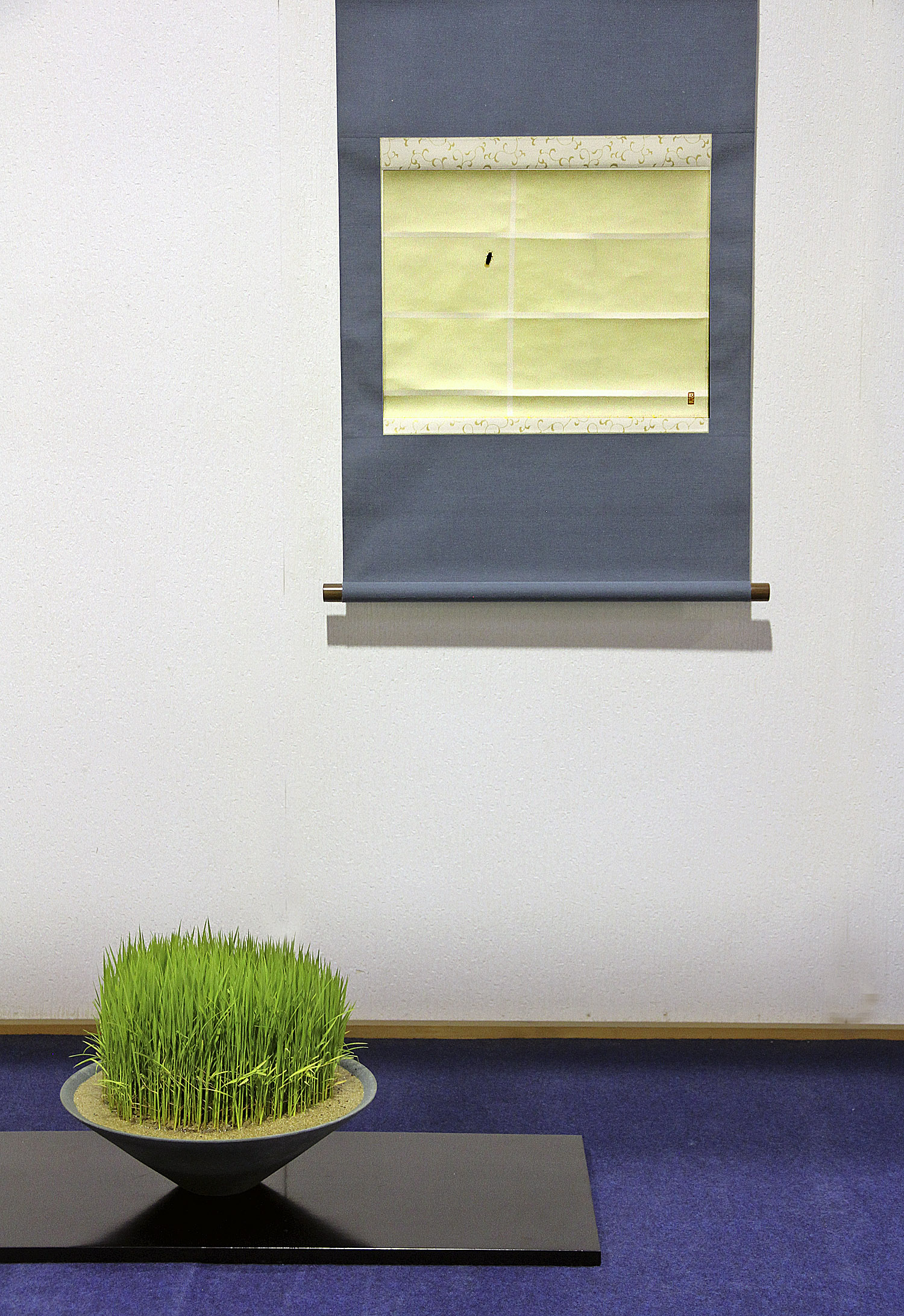
Seasonality is of paramount importance in Japanese style display. Included in the formal displays were a planting of young rice plants displayed by Mr. Morimae’s daughter who speaks English and numerous early summer flowering perennials. Several blooming Hydrangea were shown as were a few suiseki. Mr. Morimae answered all of our questions and pointed out a special waterfall suiseki. It was previously owned by Kyuzo Murata, one of my teachers and after the war it was in the collection of Saburo Kato. A hanging scroll with calligraphy was used along with a small bronze boat figurine. It’s interesting that he had an explanation of the calligraphy and display on the exhibit label. Many Japanese find it difficult to understand or translate the calligraphy used in scrolls for bonsai display. The calligraphy is hand drawn with elegant style and often includes poetry. Mr. Morimae knows this and it was quite considerable of him to provide the explanation. His daughter translated it for us, but we got the general idea directly from Mr. Morimae.

Image

Image

Image

This is the 4th FuGa Bonsai Exhibition and I’ve featured them in past issues of International BONSAI. Of course, formal, better photos will be in future issues as well. So if you want to see professional photos complete with informative captions you will need to subscribe, and you can easily do this at:

http://www.internationalbonsai.com/product/IBM

japan Satsuki Bonsai Tour– Part 6

ImageImage


43rd Kanuma Satsuki Festival

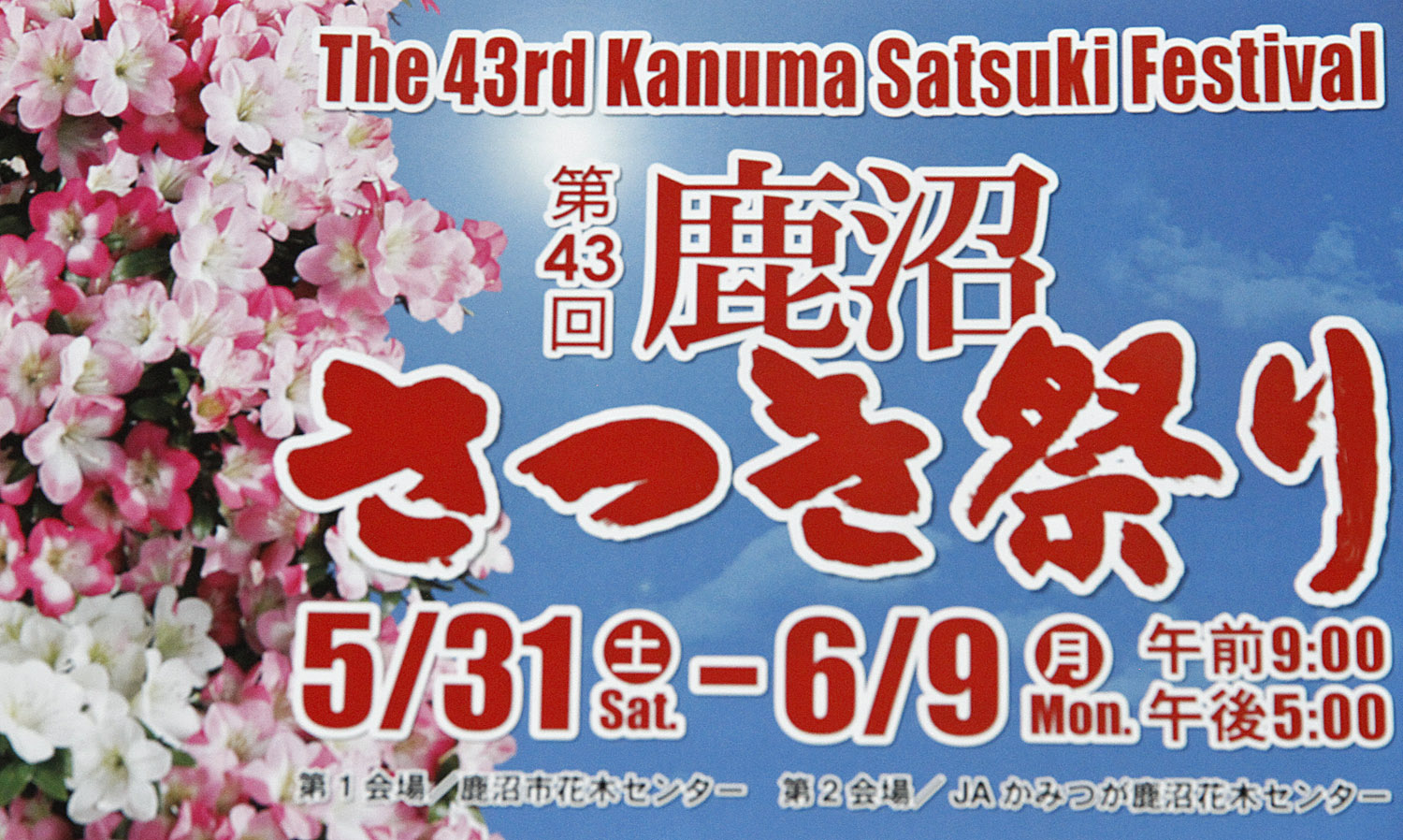
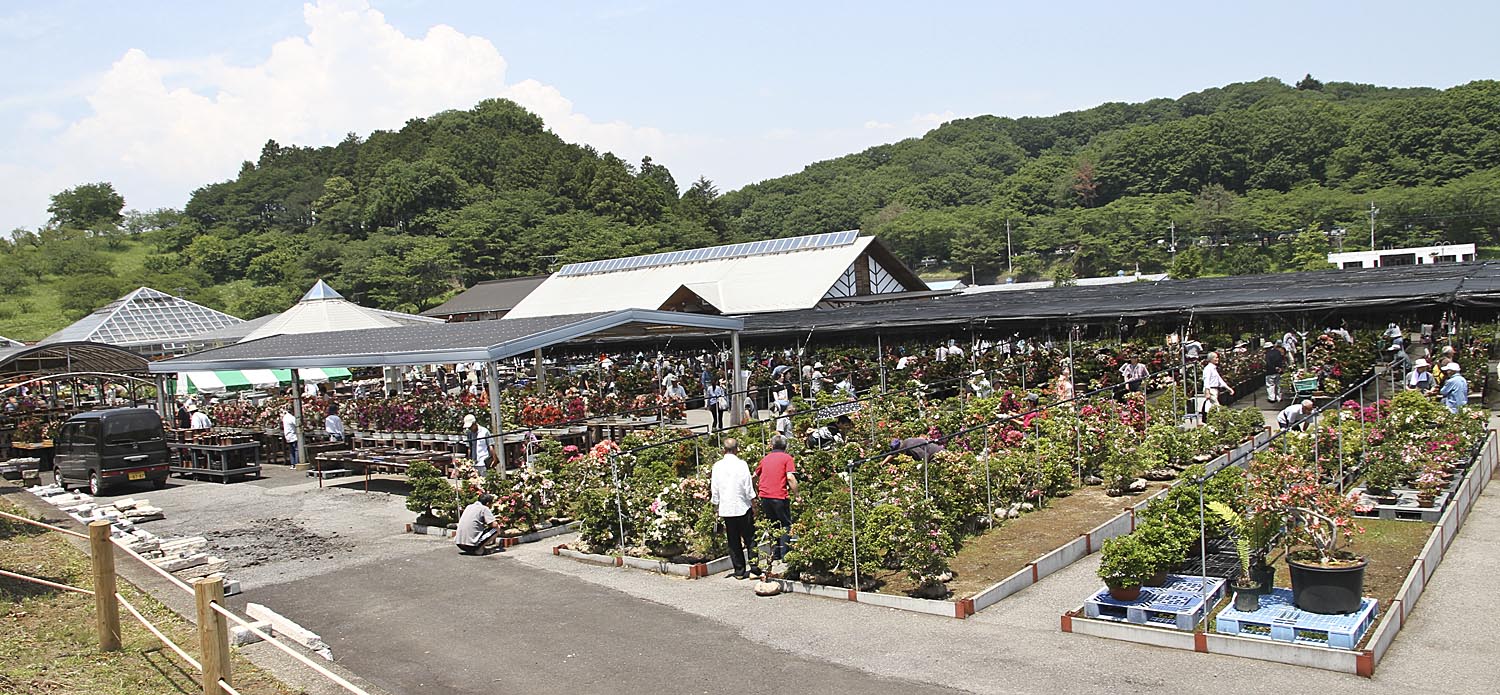
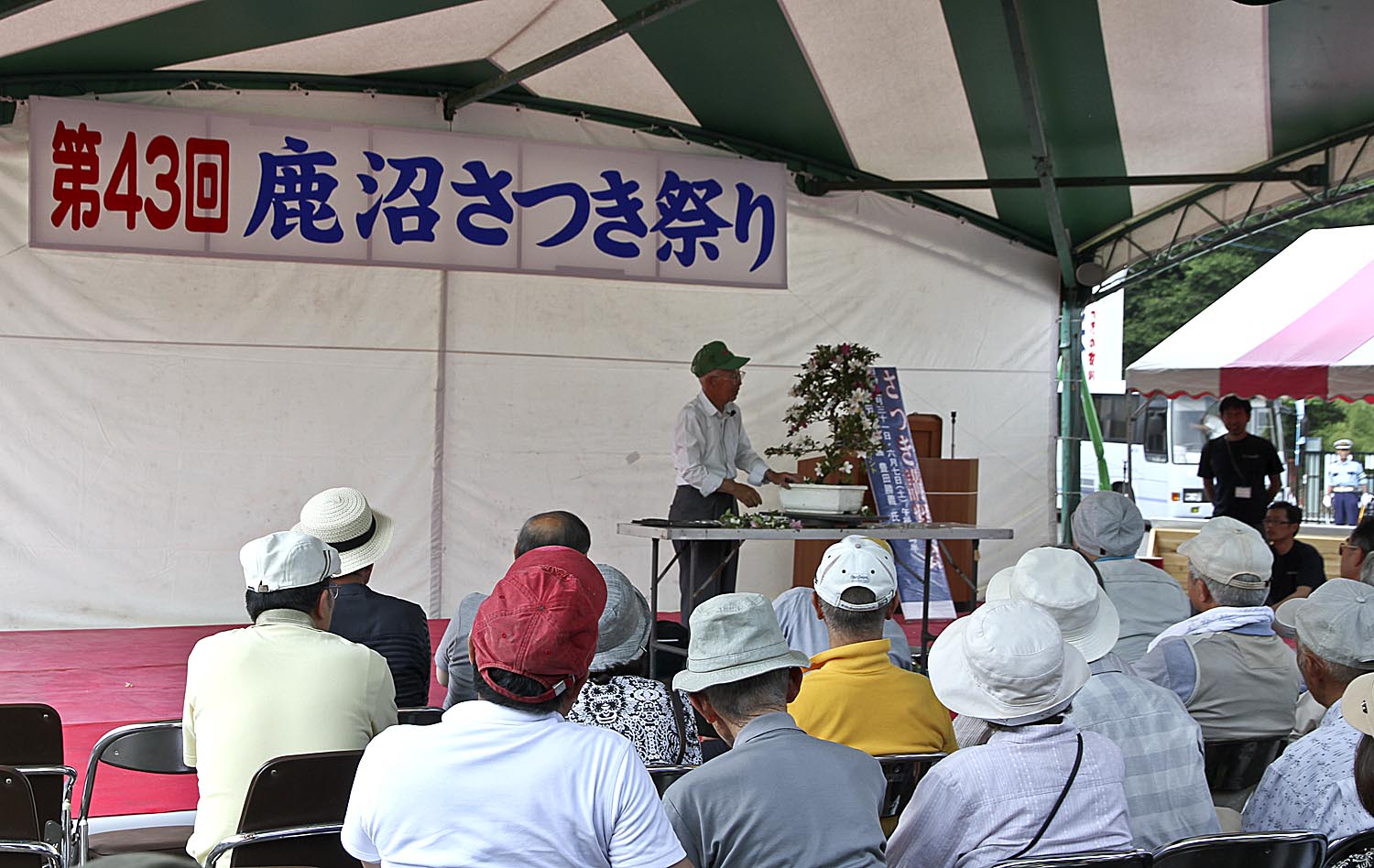
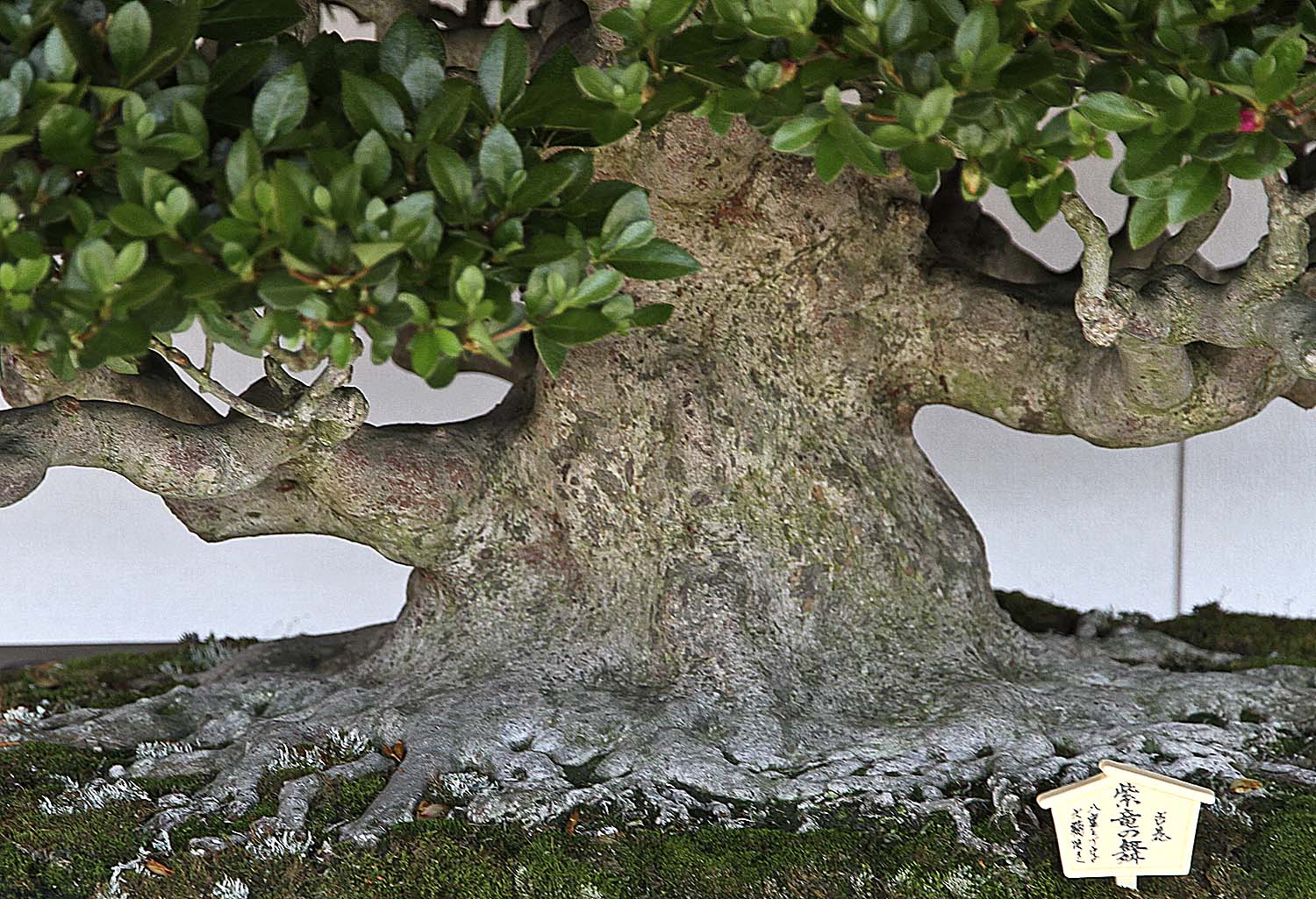
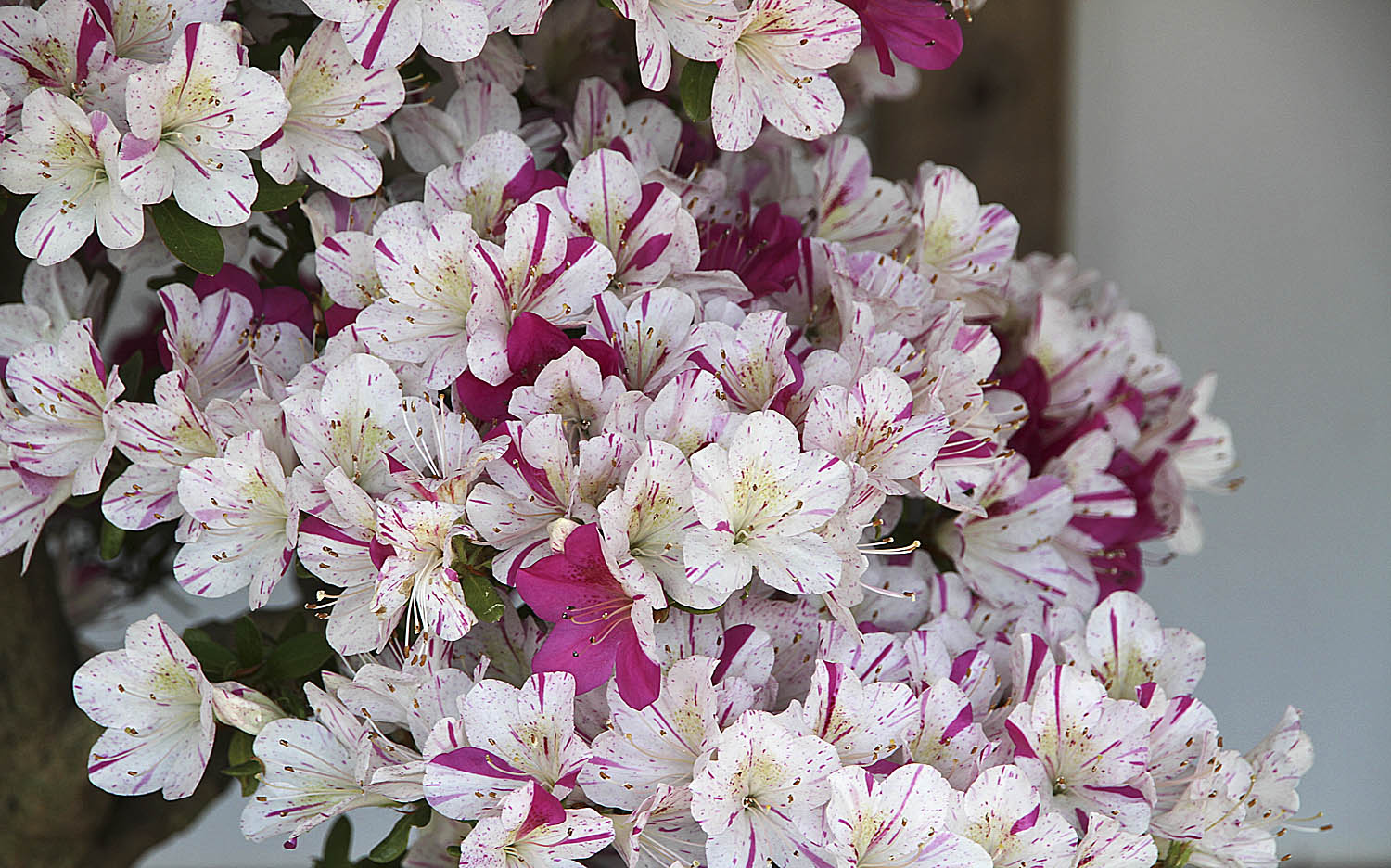
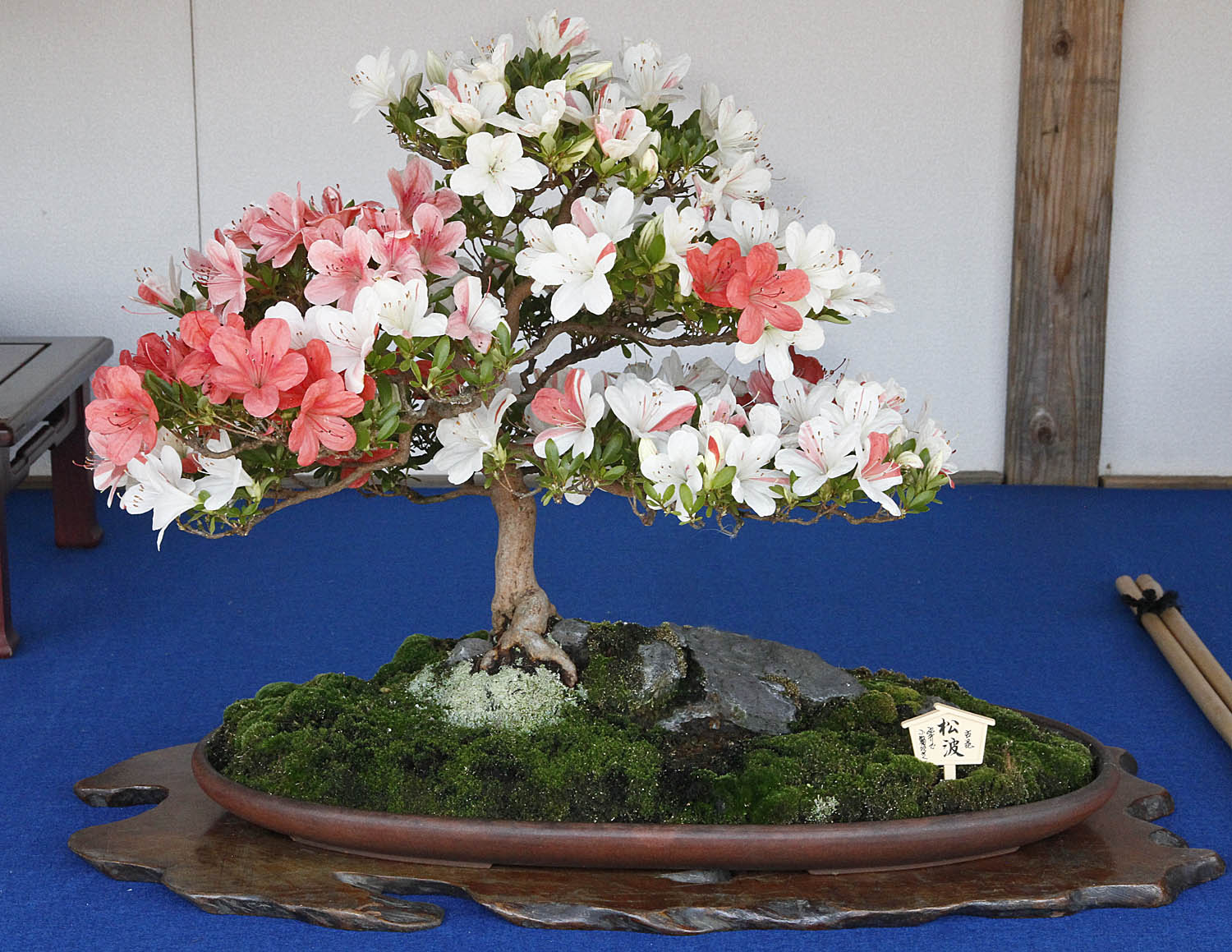
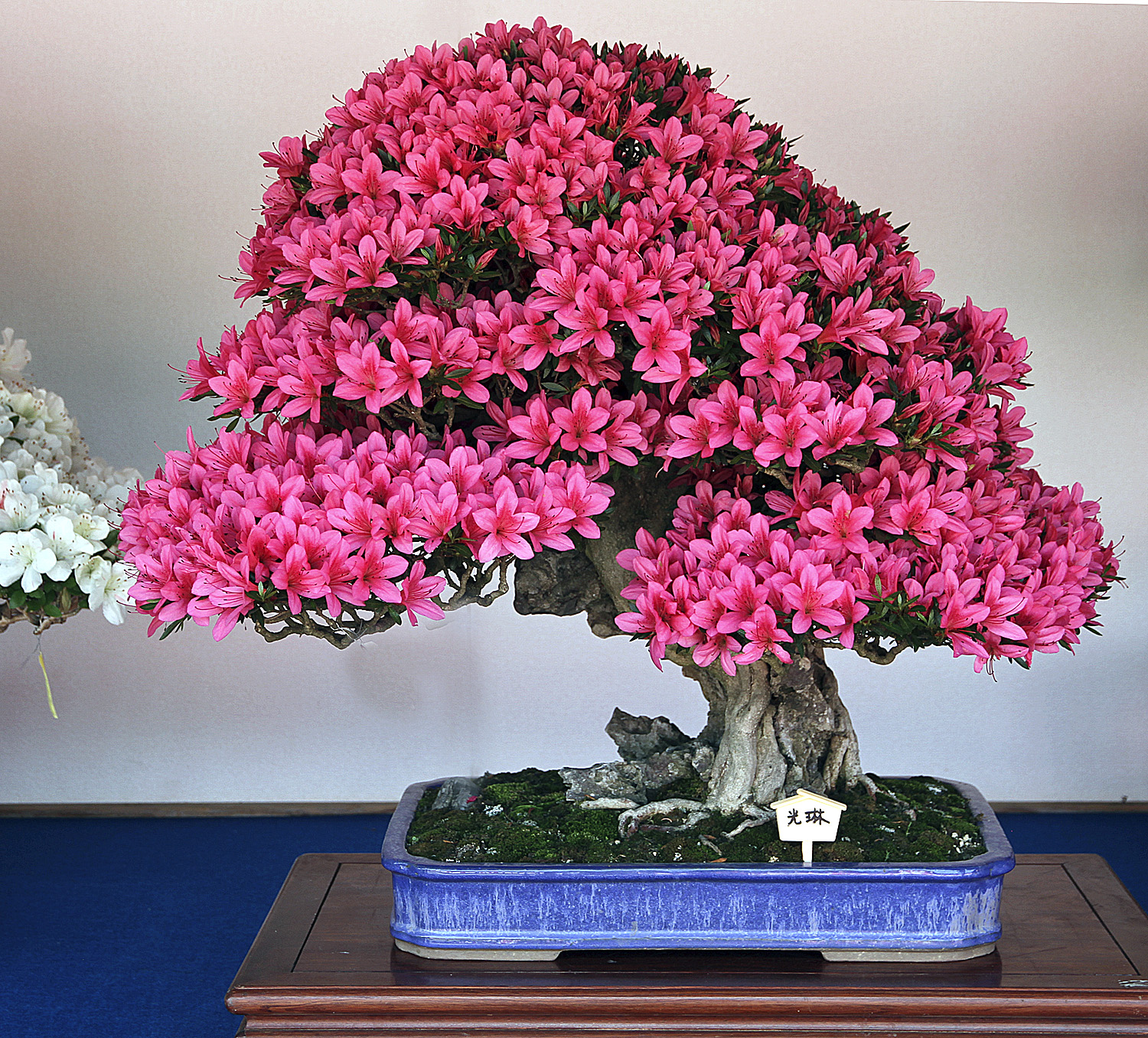
The main reason our tour traveled to Japan is to see Satsuki azalea bonsai. The 43rd Kanuma Satsuki Festival is probably the largest in Japan. It is held on the grounds of the Kanuma City Kaboku Center. The two acre complex includes: a permanent exhibition and sales area over a half acre alone, one and a half acre area auction area, and greenhouses. Additionally the complex has a garden tree sales field of seven acres, additional greenhouses, restaurant and a 66 acre wild bird forest, plus more. This is a truly unique center for Satsuki azalea bonsai production, exhibitions and sales. It’s the finest, largest and most complete garden center I’ve had the pleasure of visiting, I only wish shopping for plants was permitted for foreigners.

Image

Image

Image

Image

Image

Image


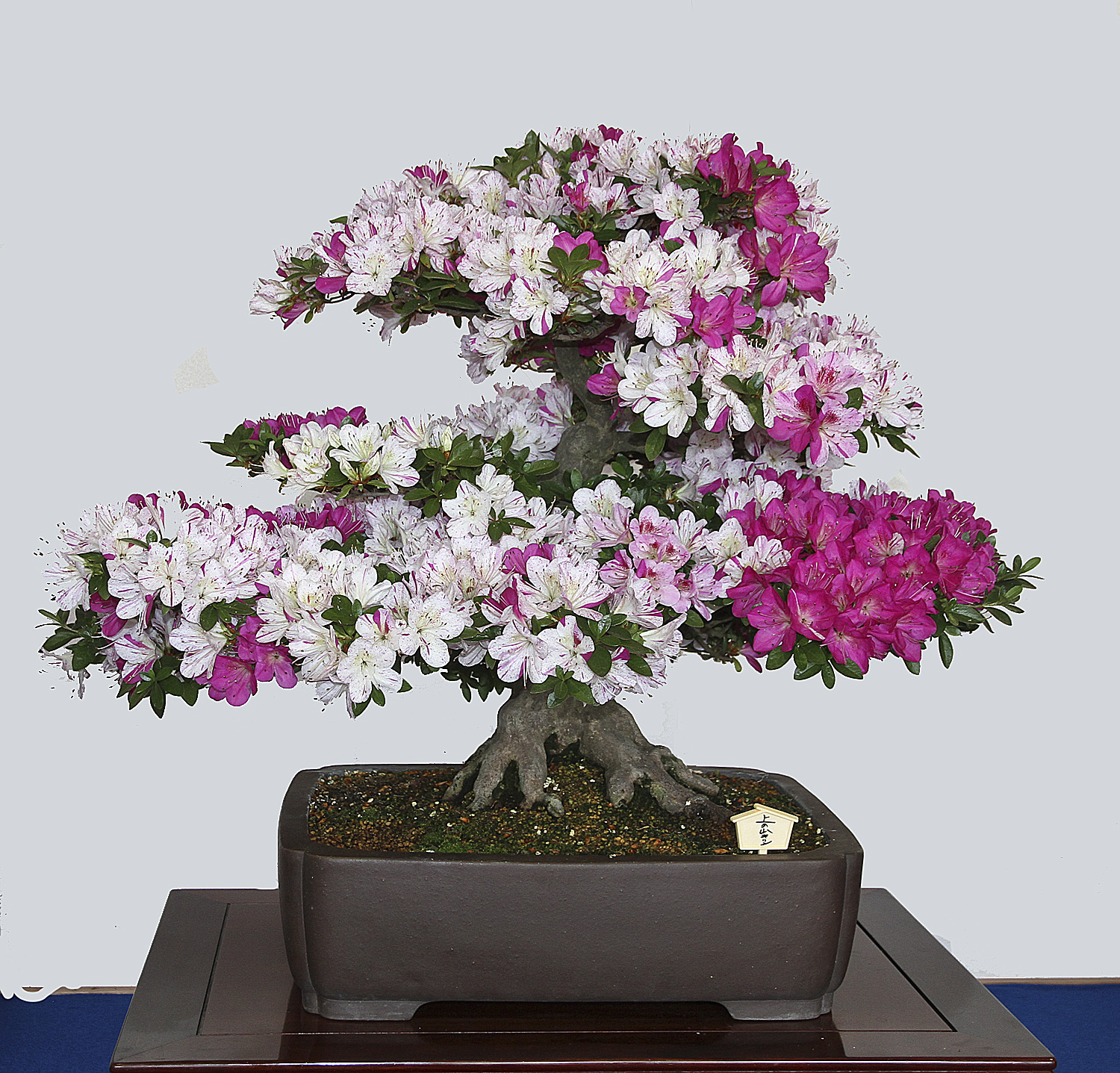
ImageThe temperature was 93F, which I’ve been told is not normal for this time of the year. The humidity was high as well with strong sun beating down on visitors. On my way to one of the dozens of vending machines to get a Japanese ice tea I passed another building selling wine. Although I don’t drink wine, I popped my head to see if they had anything else, and boy was I surprised! There was an excellent selection of bonsai display tables. There were several multi level shohin box tables, wooden slabs as well as others. After looking at them carefully I did not see any which would be different additions to my bonsai table collection, so I moved around looking to see what else they were selling. In the back of the store I found two caved root stands. The larger stand looked new like it was carved from a triangular piece of wood, while the smaller one is now in my hand carried luggage. I’ll have it for sale when I return home.

 Image

Image

Image

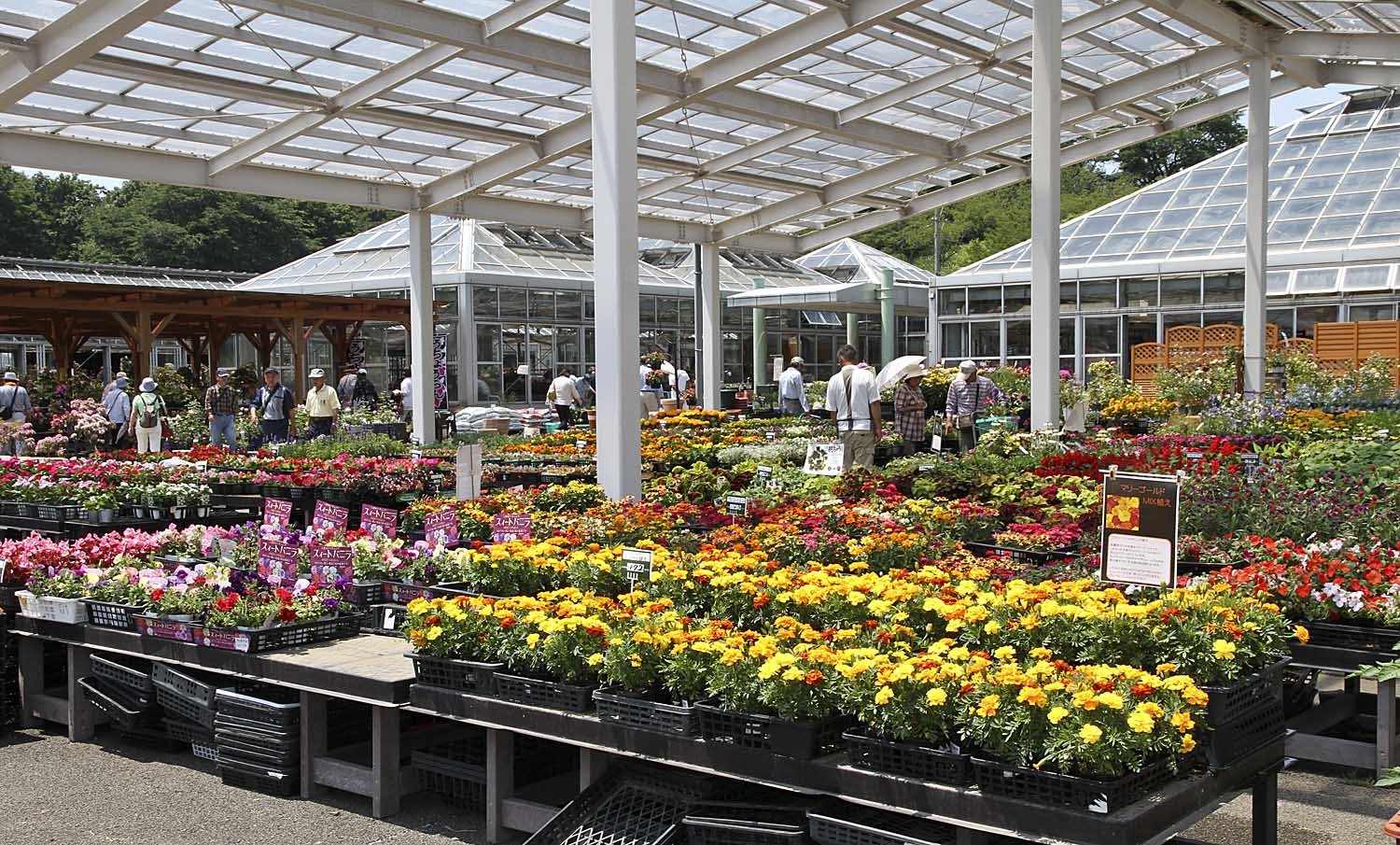
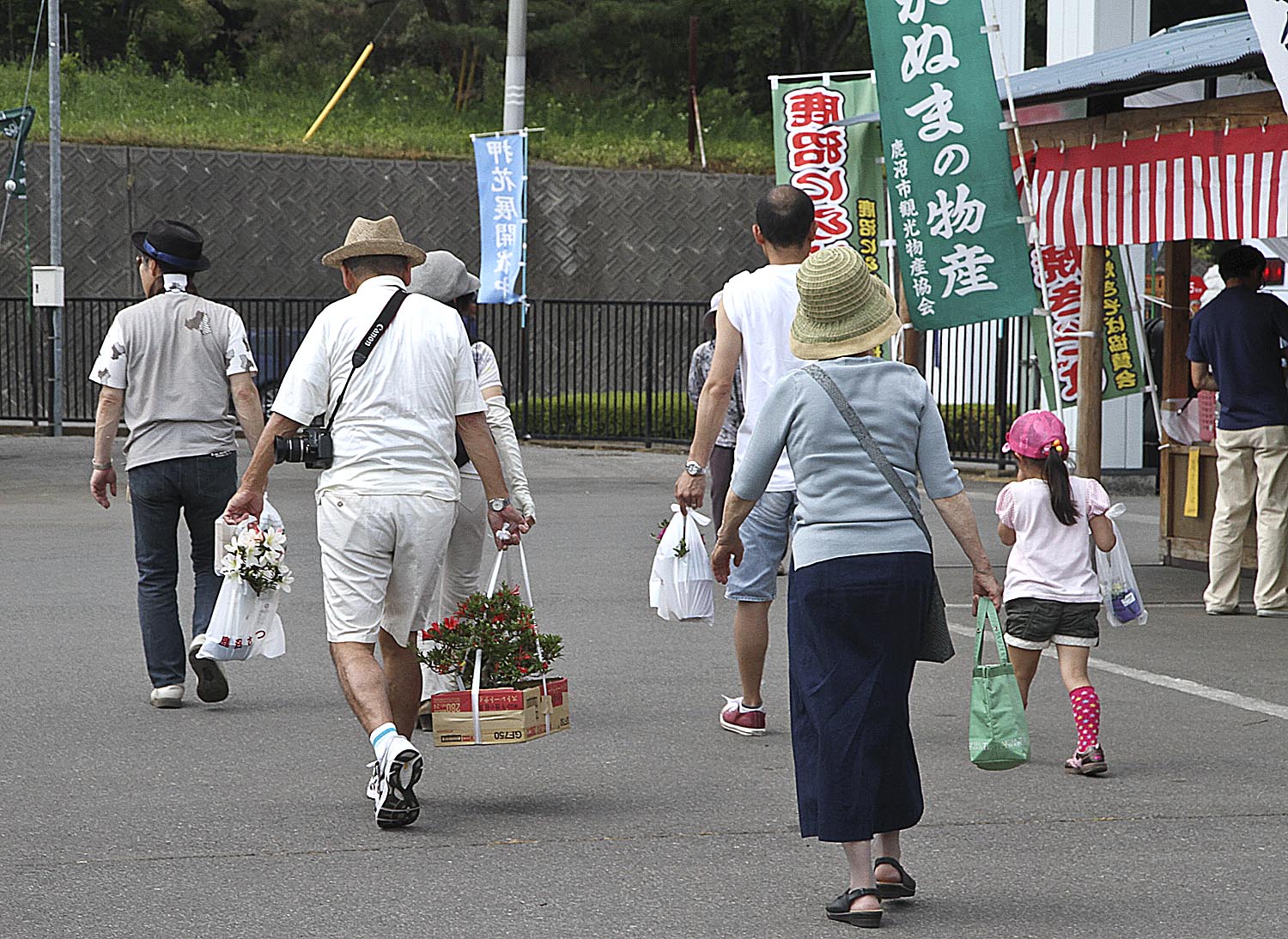
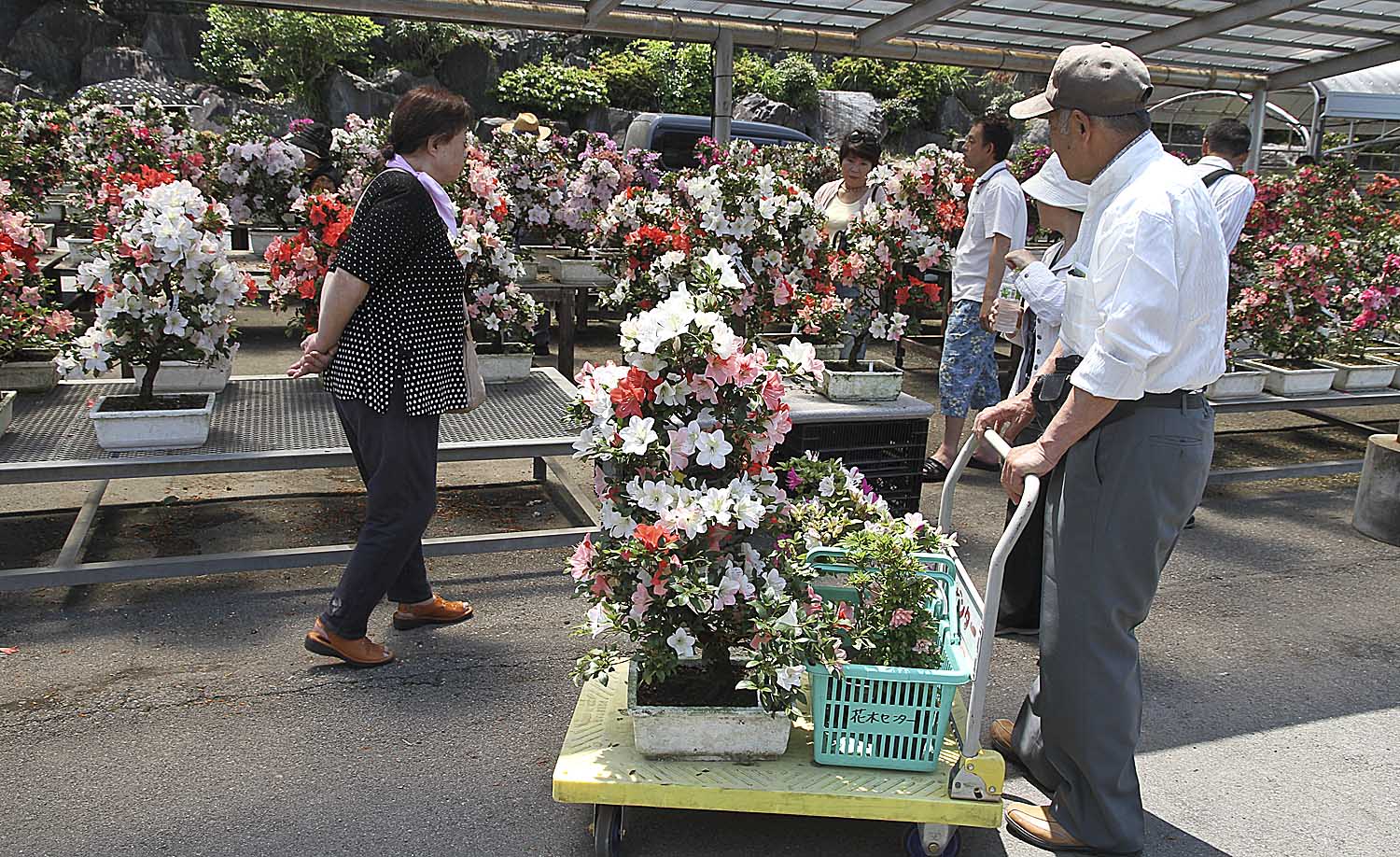
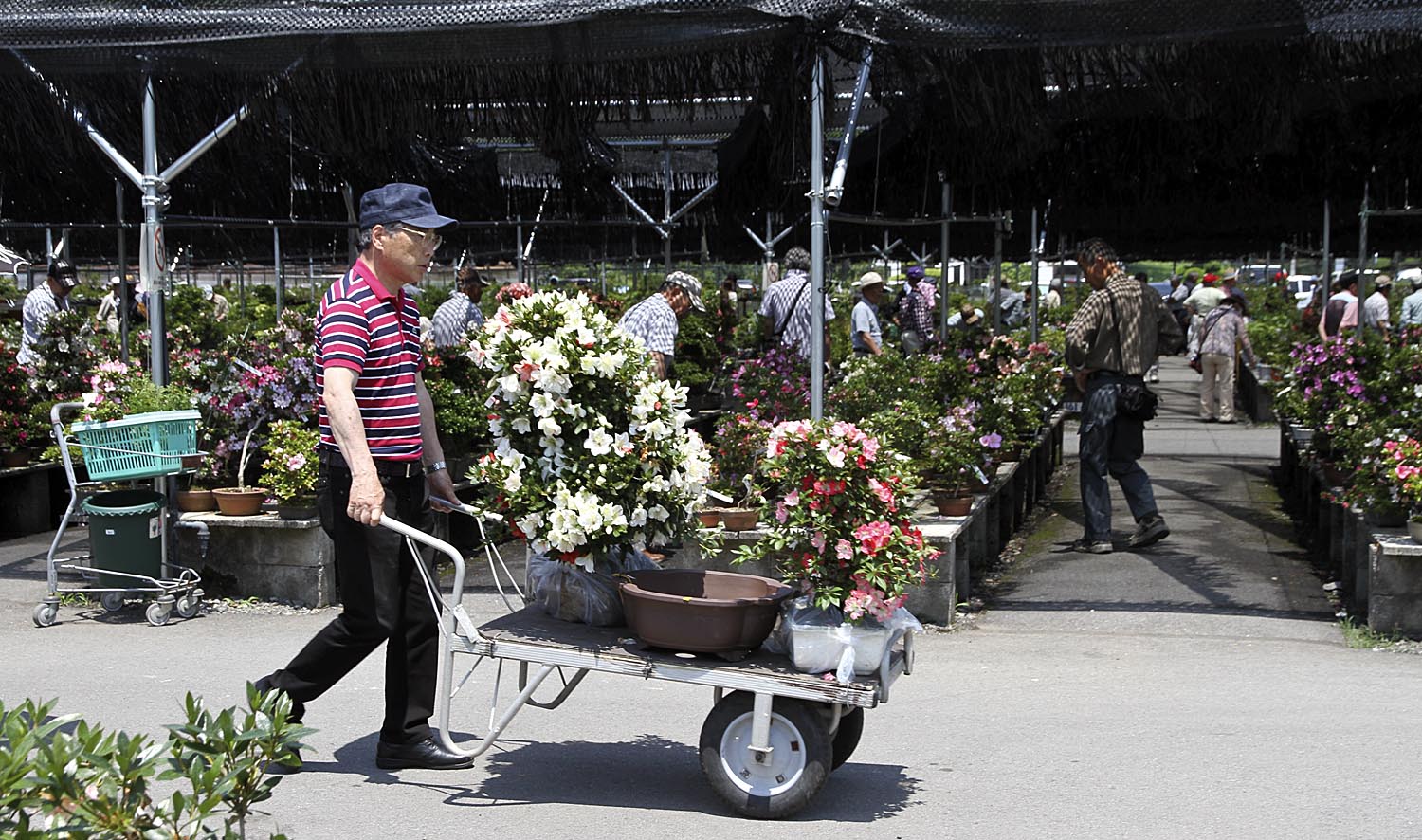
I could not believe the people shopping. There were carts full of Satsuki as well as other bonsai, vegetables, bedding plants, orchids, fruit tree as well as other items. The customers seemed to all have smiles leaving and I’m certain the Kanuma City Kaboku Center proprietors did as well.


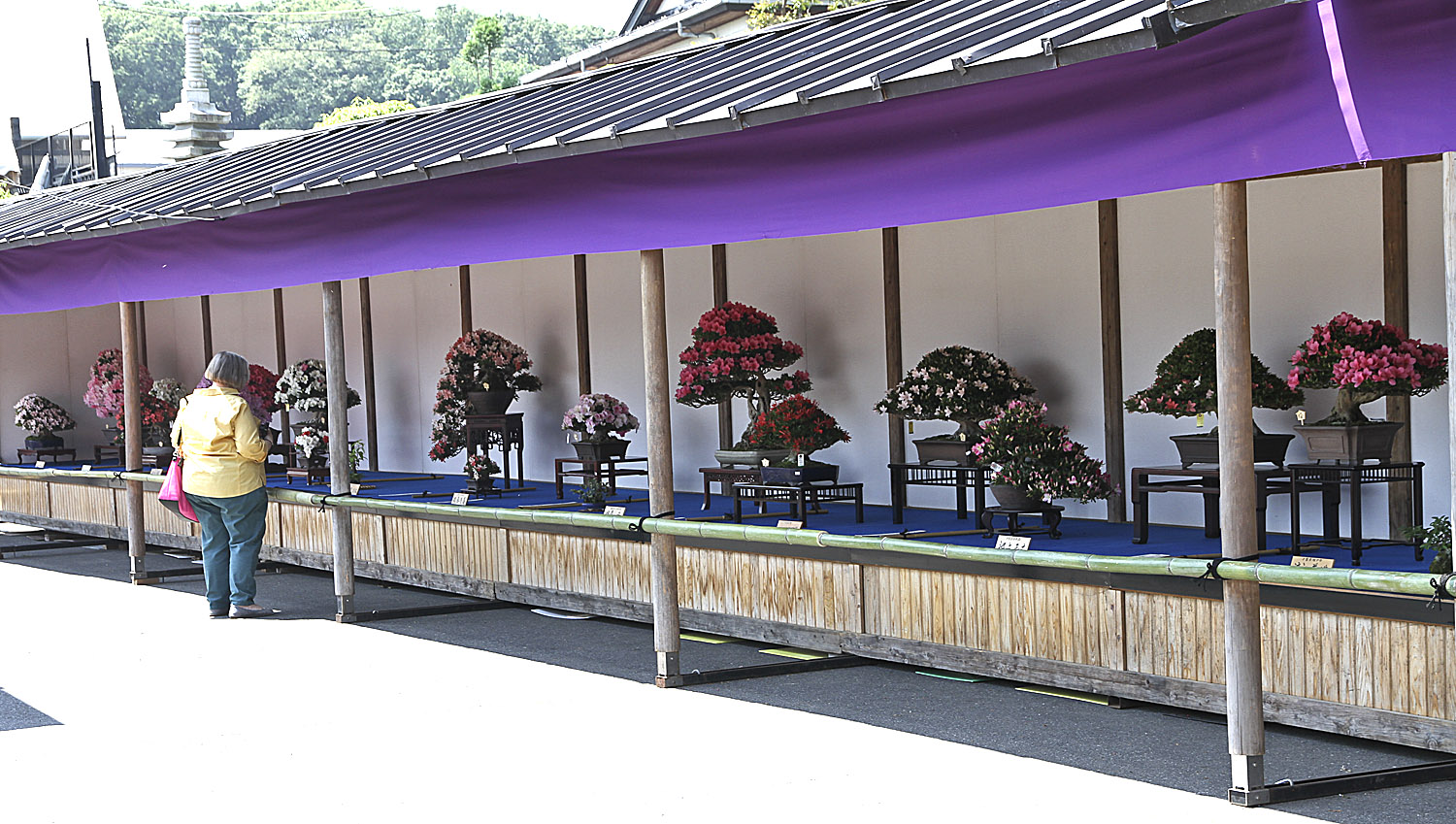
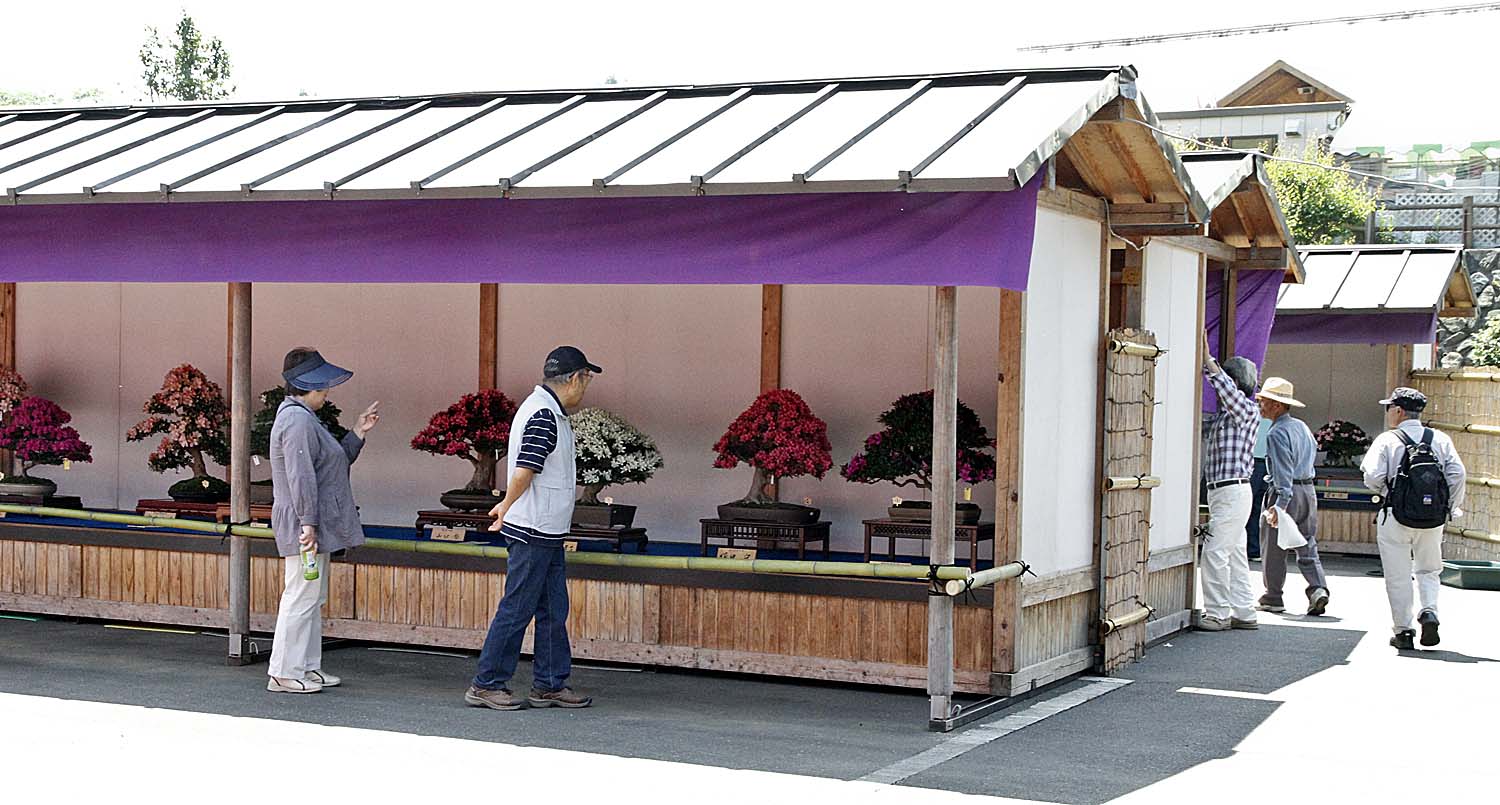
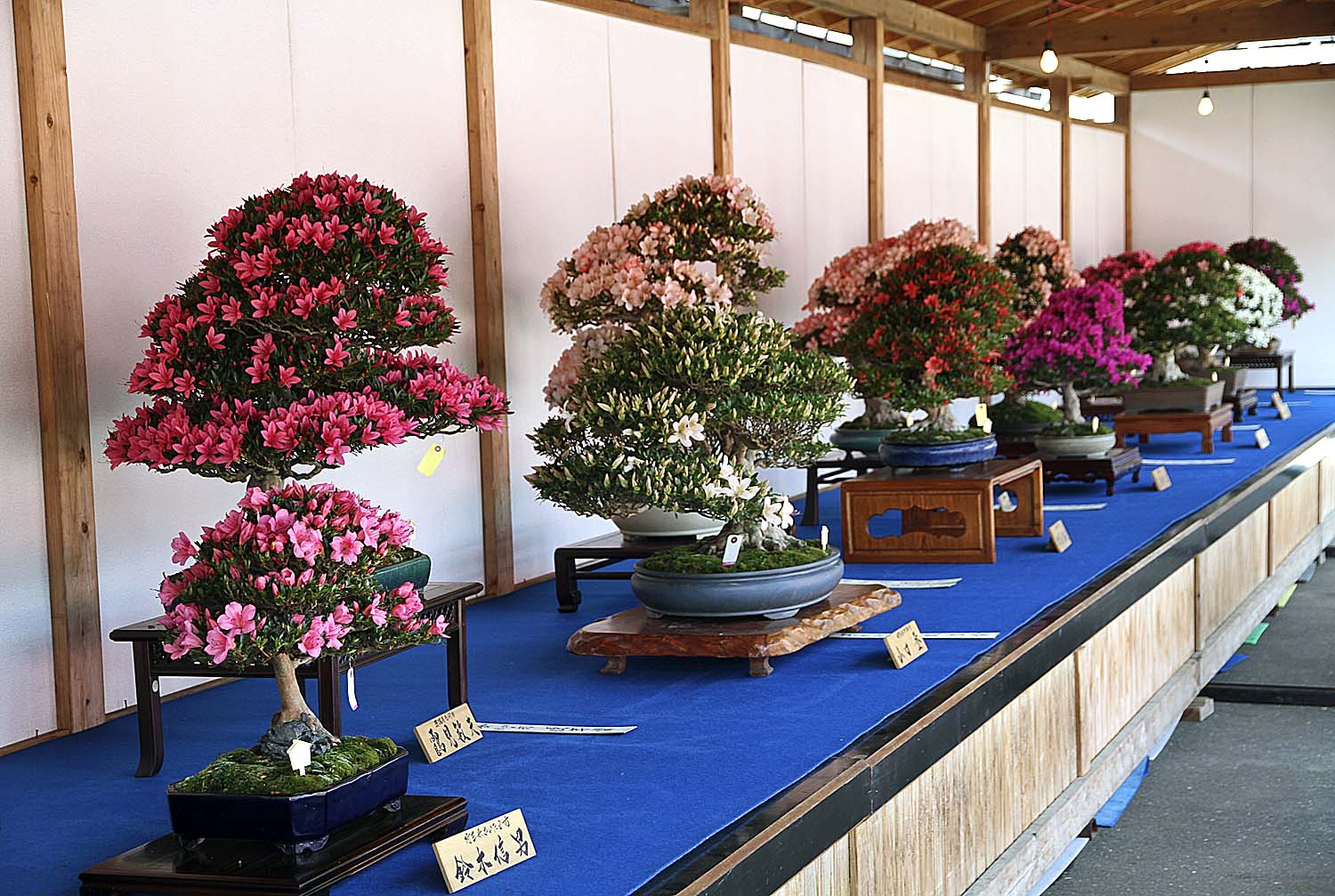
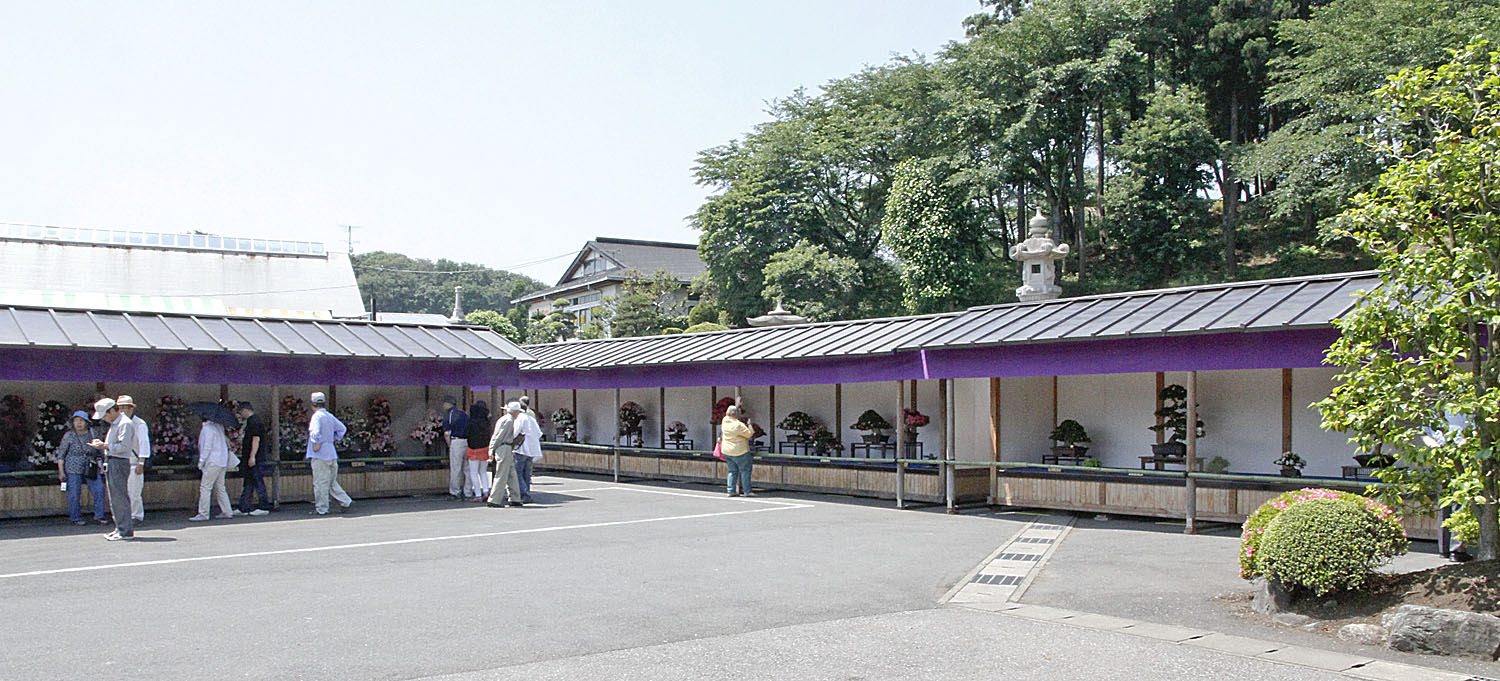
The Satsuki exhibition was held in a large building and outdoors in special display buildings which look like two sided sheds on the ground floor. These are often used for chrysanthemum and other outdoor exhibits with a covered roof for protection. The outdoor exhibit consisted of seven long rows of bonsai, while the indoor exhibit had five long rows plus two large table areas where the smaller trees were displayed. Some of the trophy awards were actually larger than the Satsuki.

Image

Image

Image

Image

Image

Image


 Image


Image

Image

Image

Image


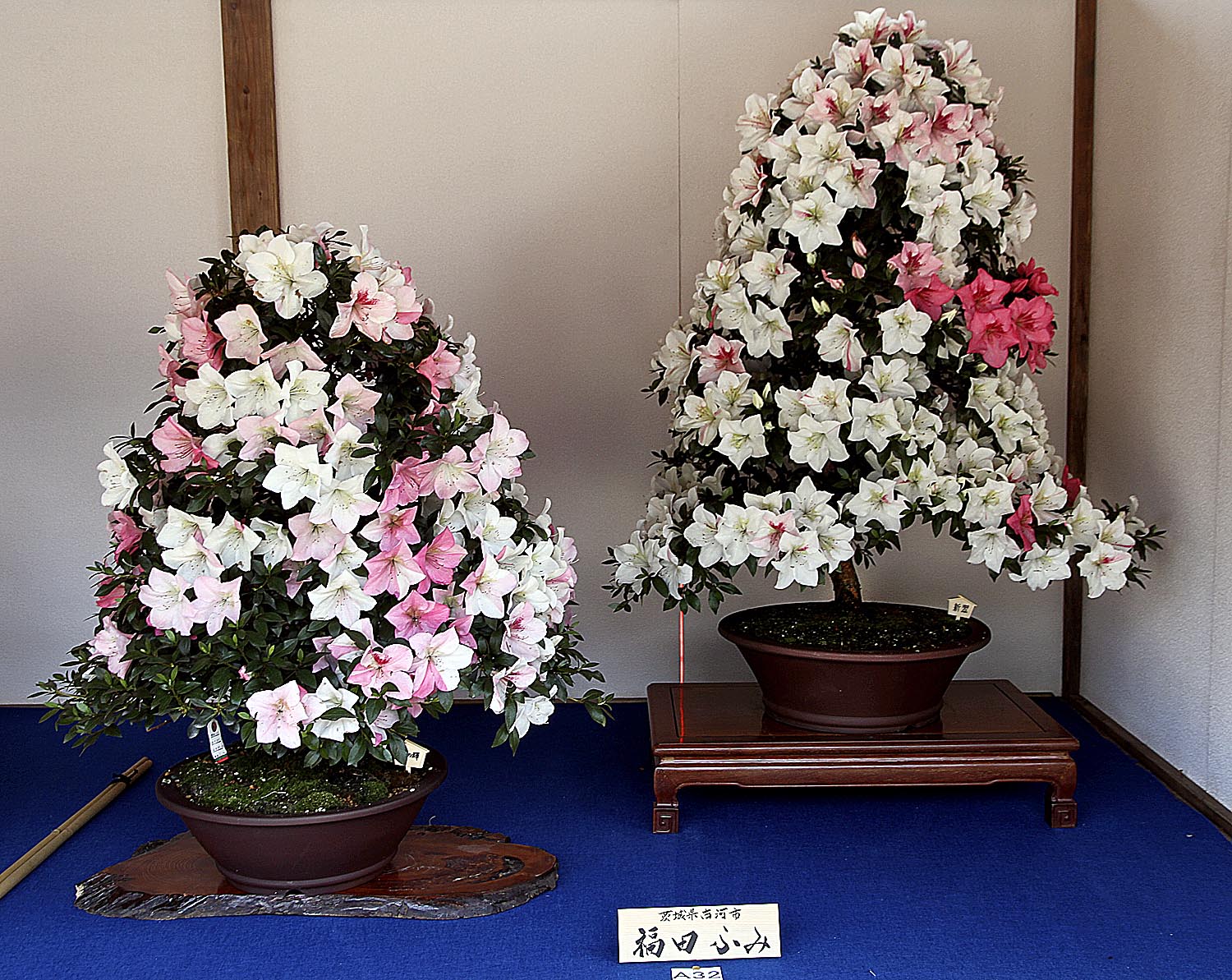
There seemed to be two different types of displays, those trained as traditional bonsai and others which were tall bushes where the flowers are to be appreciated. Even those taller bushier specimens, however, had training and looked like the beginnings of bonsai training. I think new cultivars are shown this way to make them popular for sale.

Image

It’s interesting that among all the several Satsuki exhibitions we visited very few shohin bonsai size were shown. Perhaps I missed them or they were displayed in another area.

 Image

The Satsuki shown in the long rows, both indoors and out were traditional formal bonsai displays with companion plantings. Often two well developed Satsuki bonsai were displayed together, remember this is a Satsuki exhibition, not a bonsai exhibition. Nearly every style possible was represented, but I only saw a couple of Satsuki featuring dead wood because it rots away and is not permanent.

Image

japan Satsuki Bonsai Tour– Part 5

Image


Image

Today was our tour’s “culture” day, and we traveled from Tokyo to Nikko. There is more to studying bonsai art than just looking at little trees. I believe many different areas of study or exposure, not immediately apparent to the casual student, add significantly to the overall appreciation of bonsai.

Image

Image


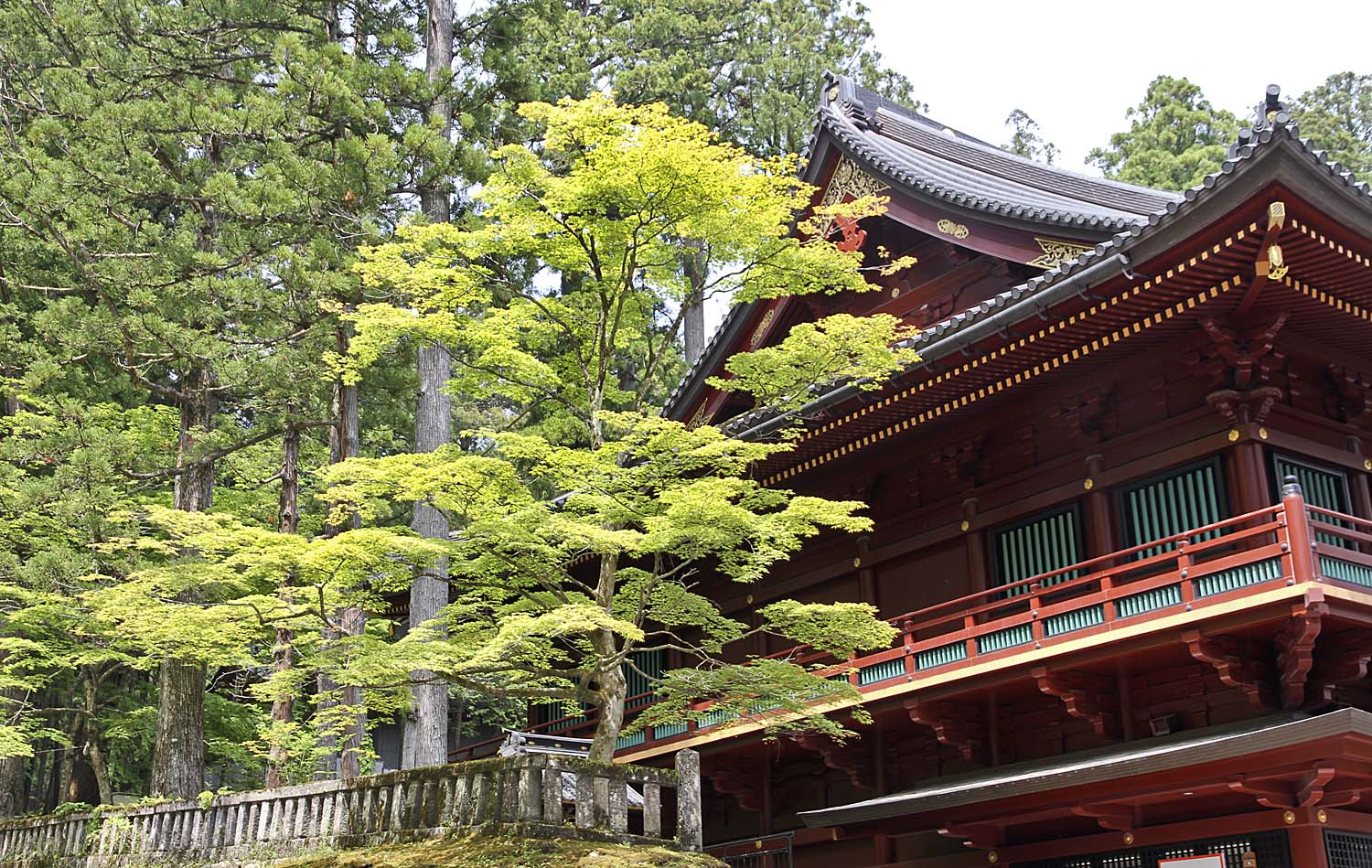
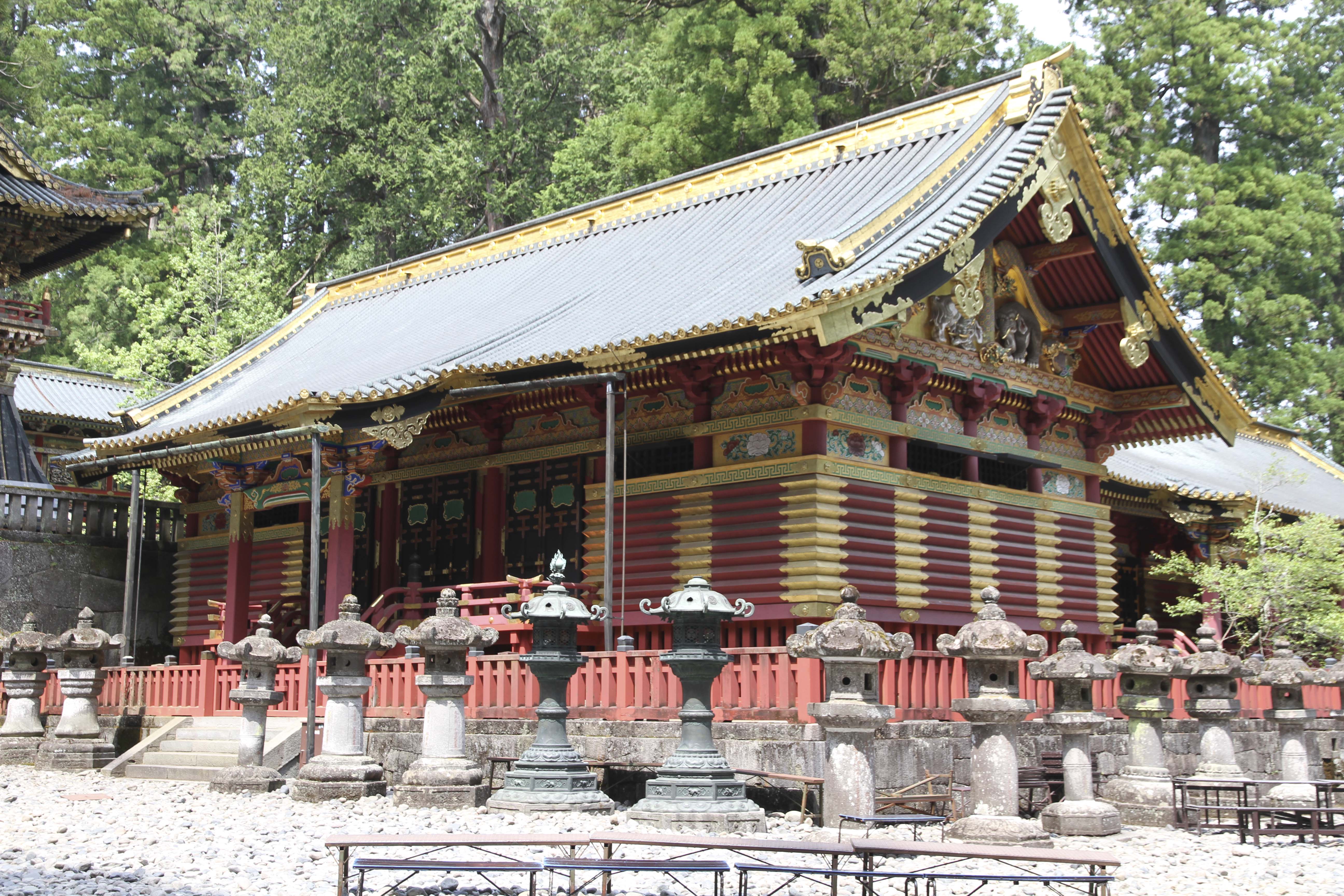
A private bus picked us up from the Bullet train in Utsunomiya and we traveled to the UNESCO World Heritage Site of Nikko high in the mountains of Tochigi Prefecture. Nikko is a beautiful city featuring the famous Toshogu Shrine which was established in 1617 as the burial site of Shogun Tokugawa Ieyasu, however there were many other shrines in Nikko, some established in 766.

Image

Image

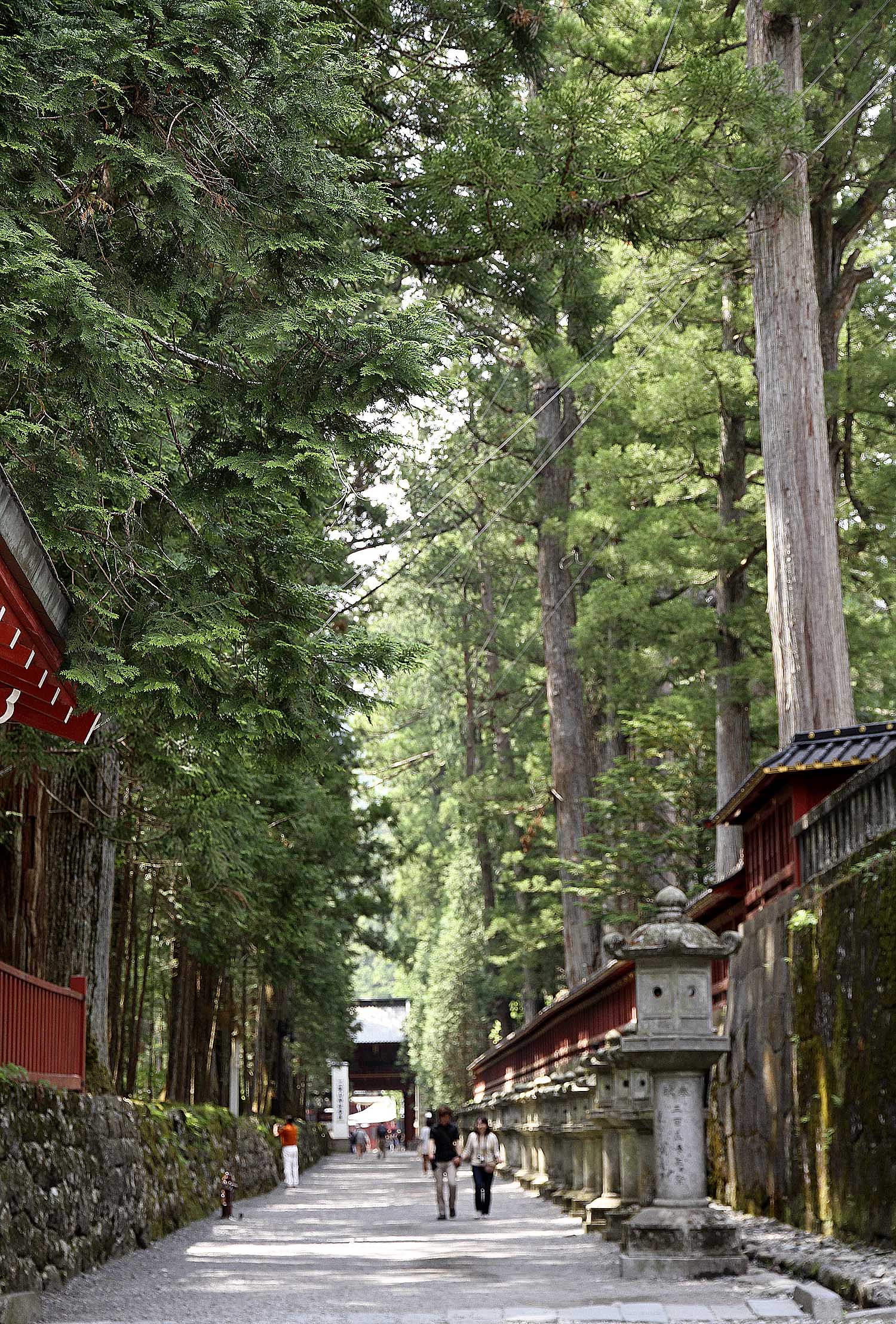
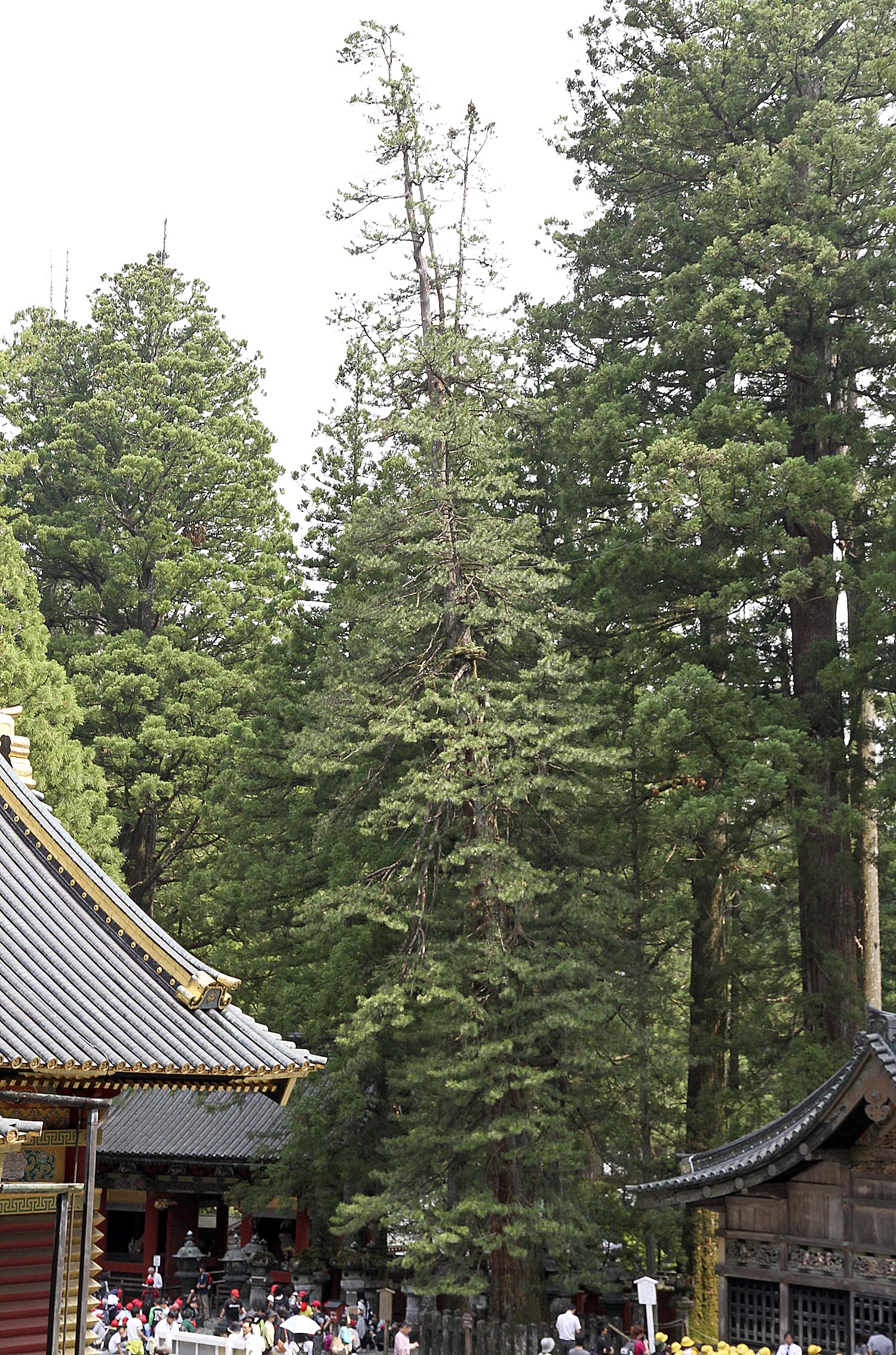
One of the focal points of Nikko is a street lined with Cryptomeria leading up to the Toshogu Shrine. Over 200,000 Cryptomeria were planted in a ten year period by a member of the Matsudaira family about 400 years ago. Only about 13,000 trees remain today and are similar to the Coast redwoods of California, only smaller. Looking at these stately 400 year old trees one can see the natural growth habits which are important to consider when styling bonsai.

Image

Image

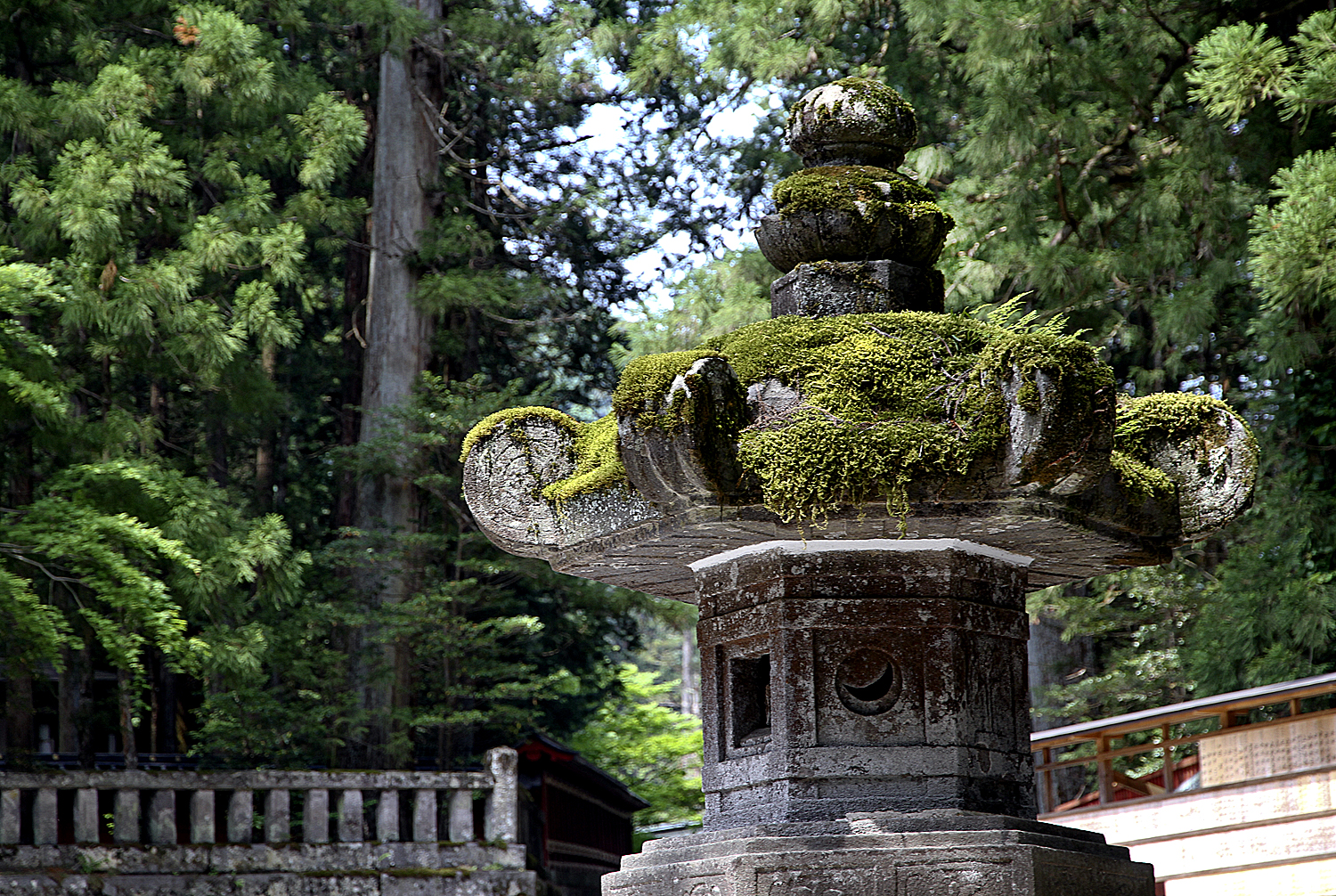
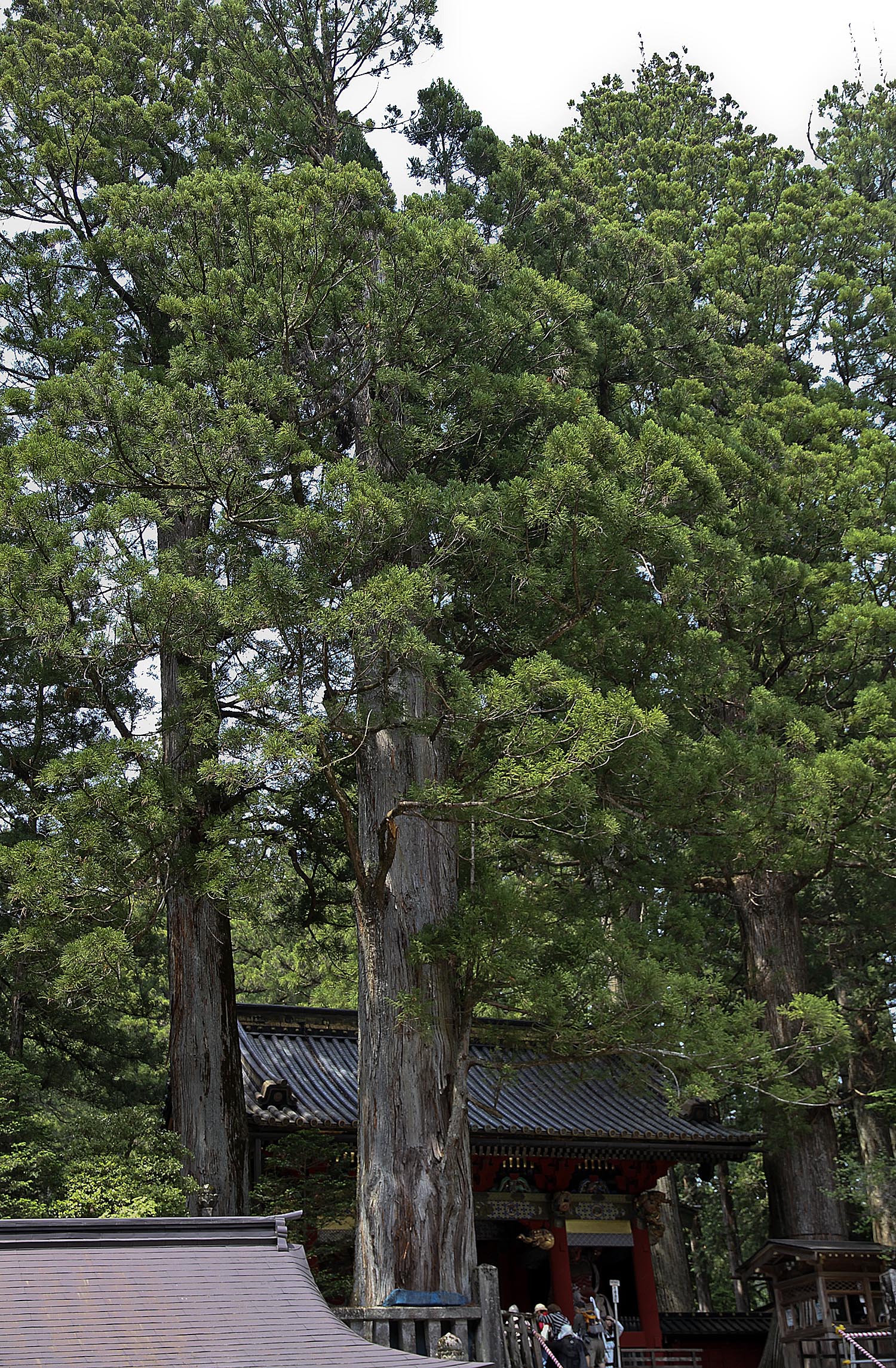
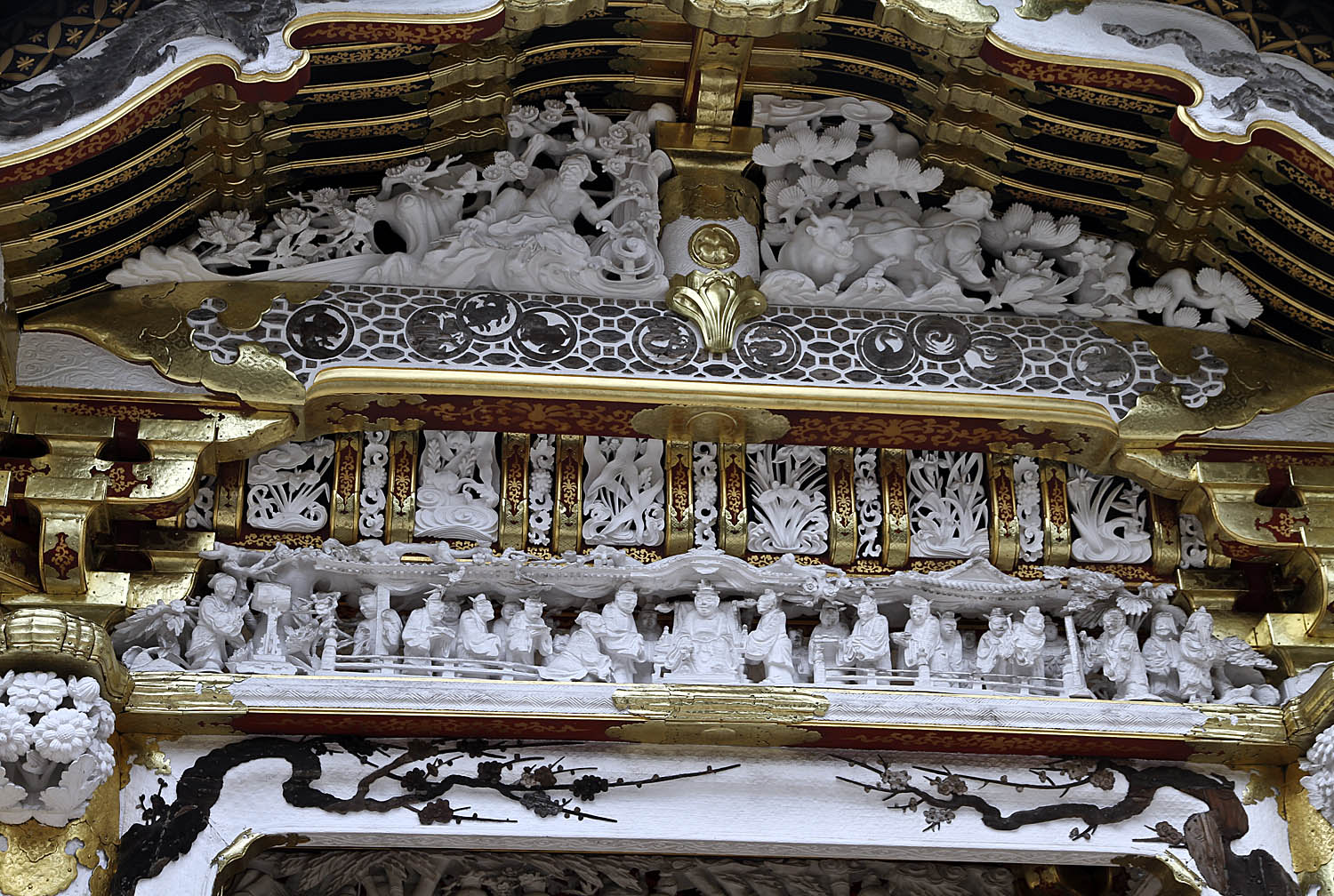
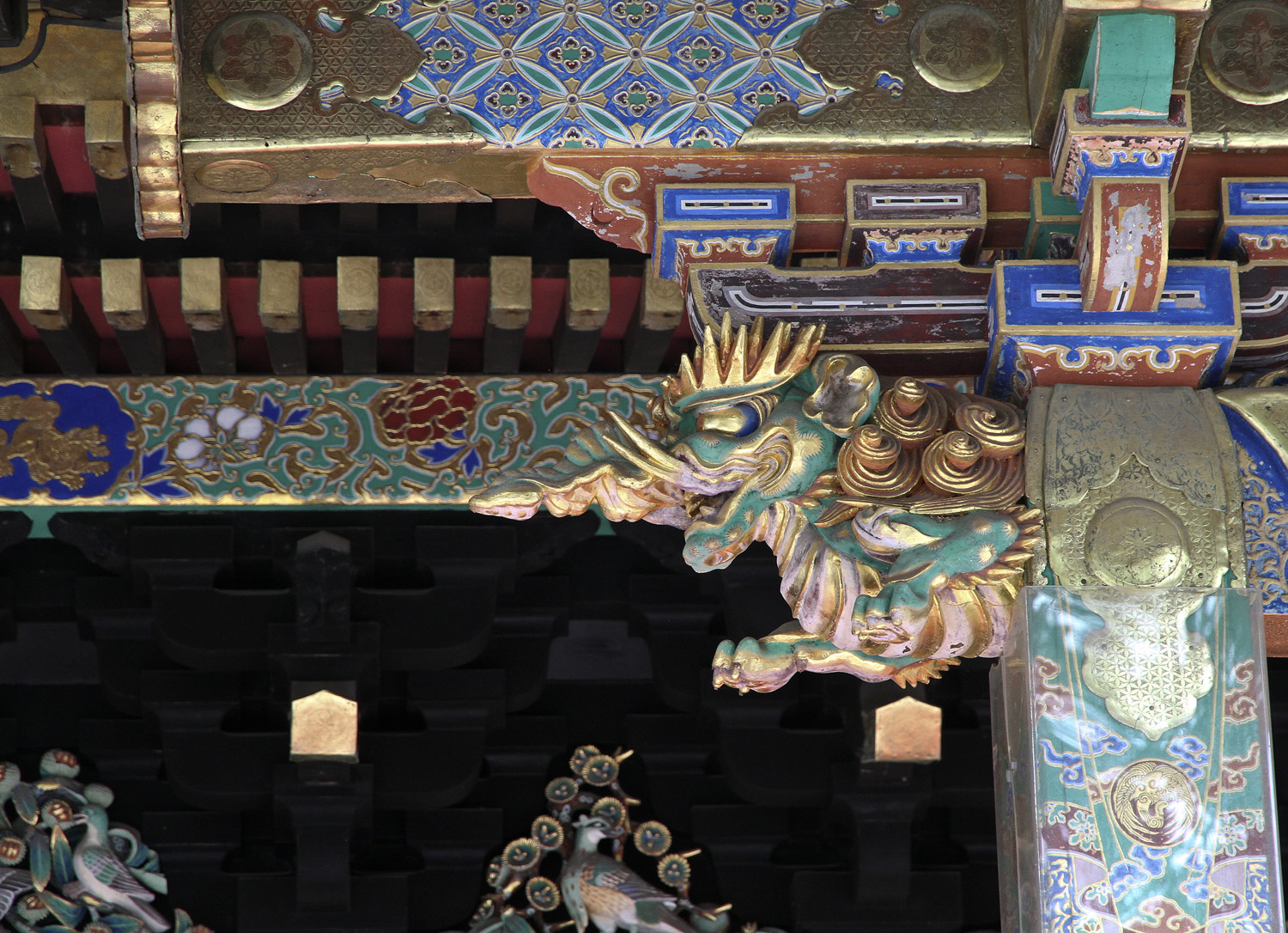
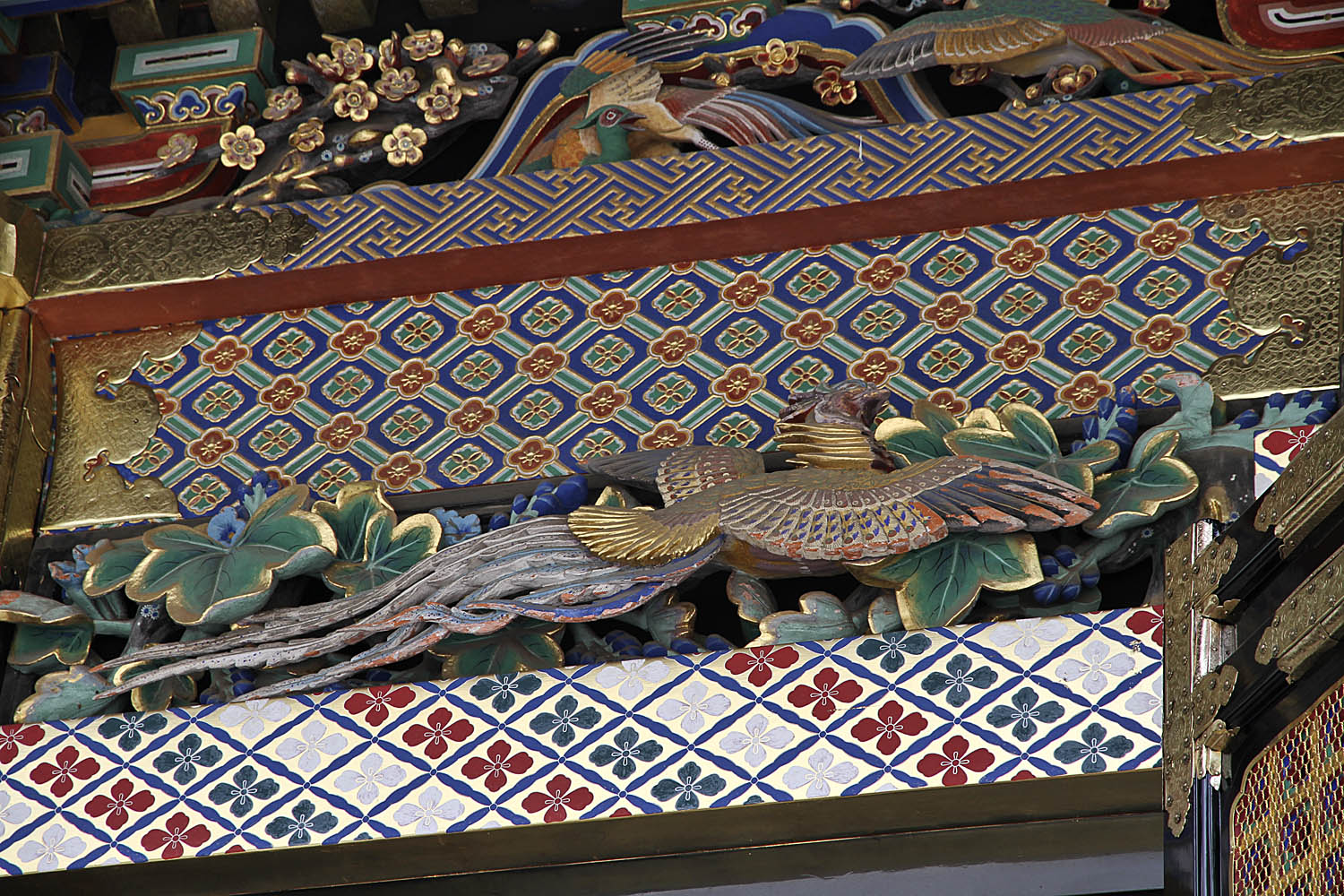
There were numerous sets of steep steps leading to the colorful old shrines and temples. A couple of the significant building were covered as they were being repaired to preserve or restore the beautiful detailed carvings. Large mature ancient specimens of Cryptomeria and Japanese umbrella pine were planted throughout the compounds.

Image

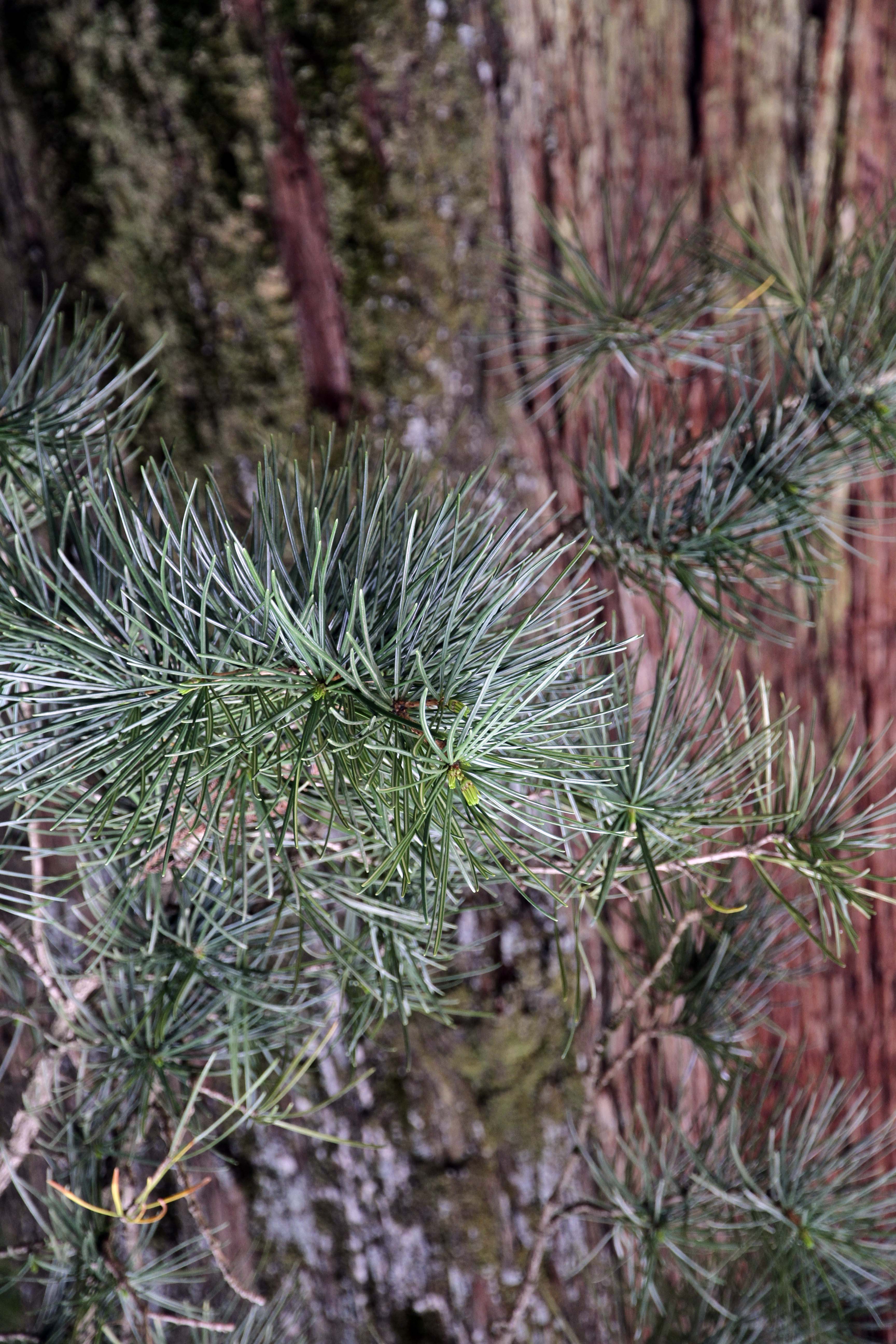
The tallest tree is an ancient specimen of Japanese umbrella pine, Sciadopitys verticillata. This is a high quality garden tree used in American landscapes, but I’ve never seen one this tall.

Image

Broad needle foliage of Japanese umbrella pine

Image

ImageImage


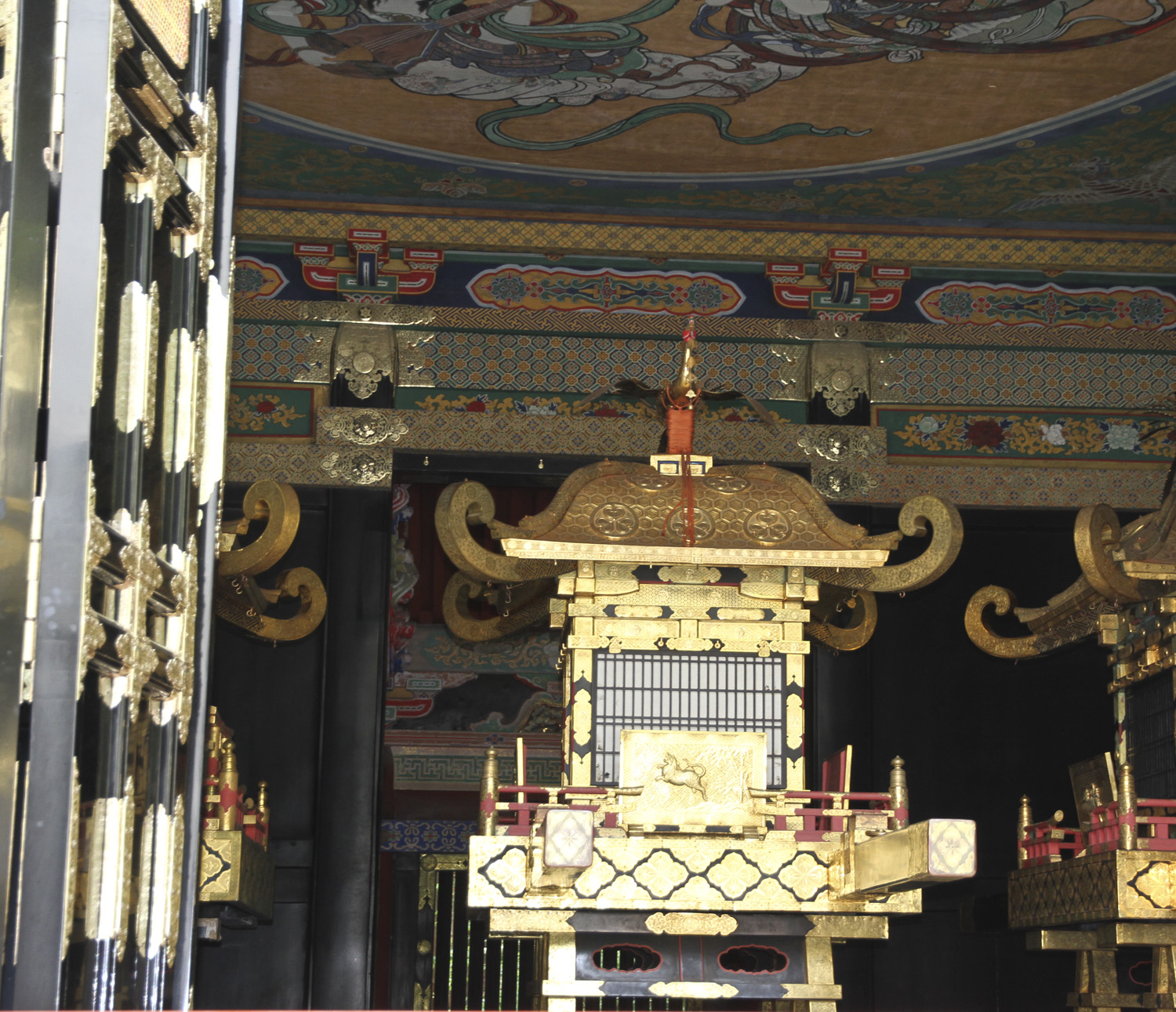
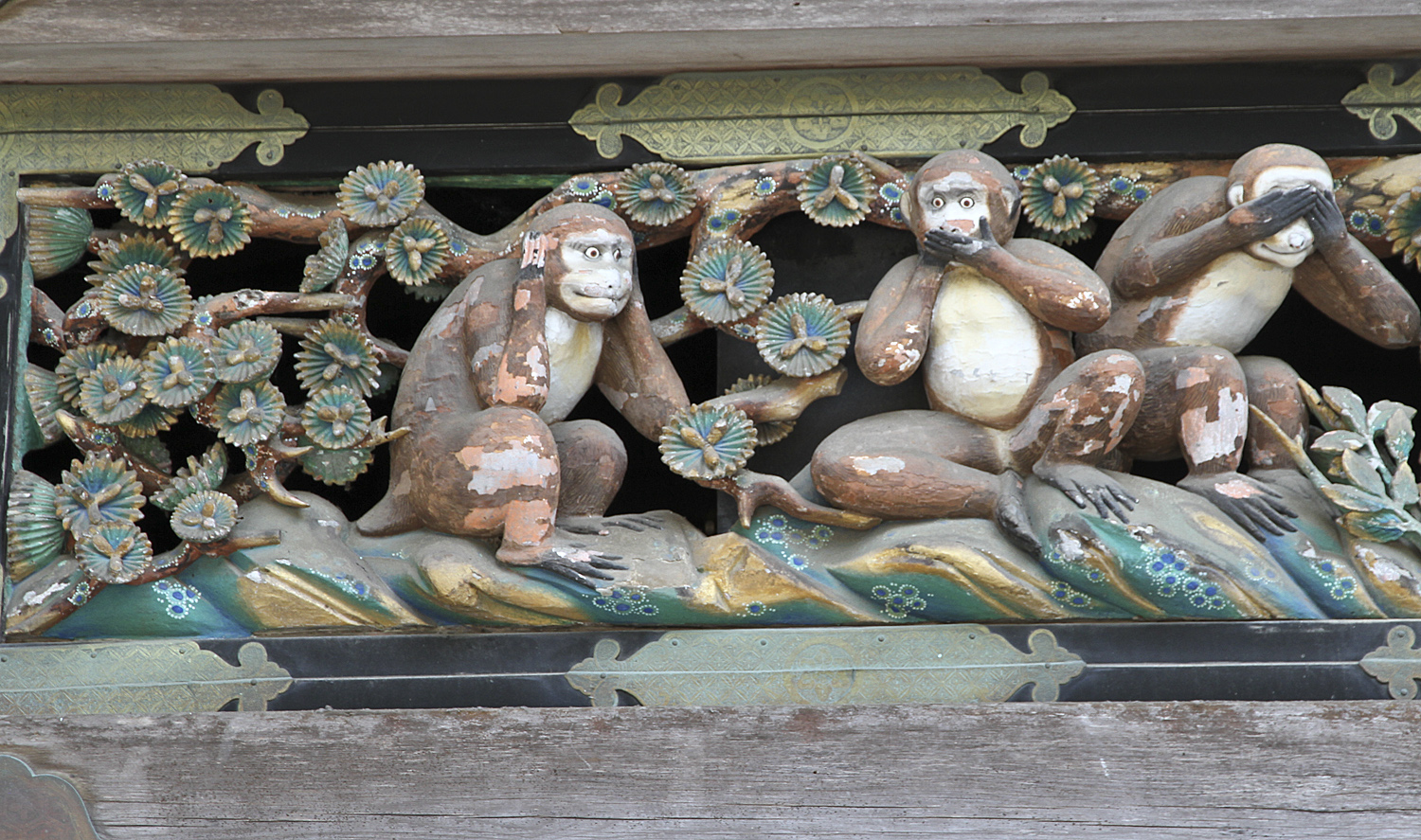
The original carvings of the “hear no evil, see no evil and speak no evil” appeared in the carvings on one of the buildings. Many of the carvings were of Chinese origin and quite colorful. Large buildings and structures were originally gifts from China, Korea, Holland and other countries.

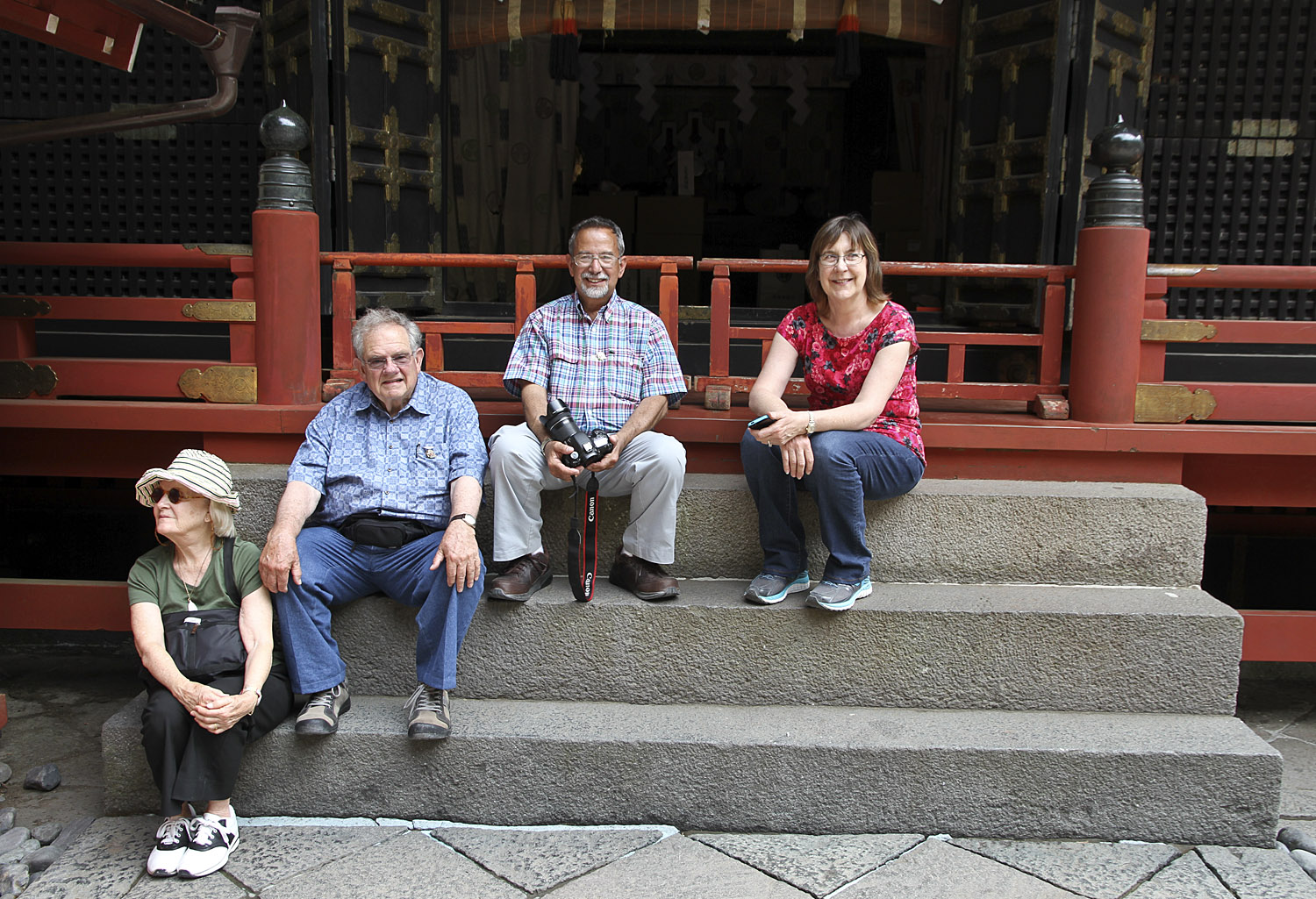
The temperature was nearly 90F, but in the mountains it was a bit cooler, but still hot. Most of us sat out the trip to see the burial site of Tokugawa Ieyasu because there were more than 255 steep steps leading up to the site. I don’t want to break my foot again, six times is enough, my original break was in Japan several years ago.

Image

Image

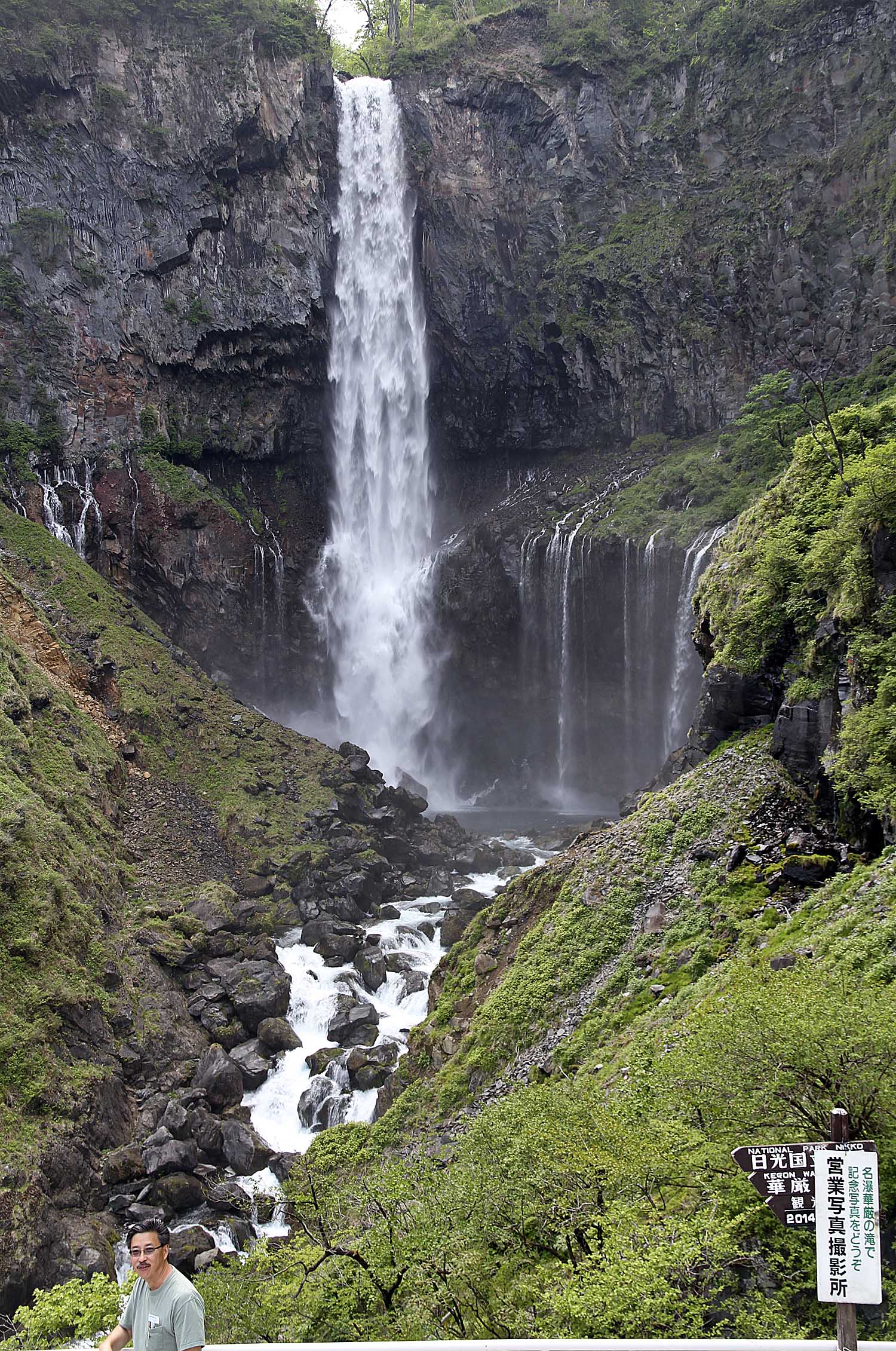
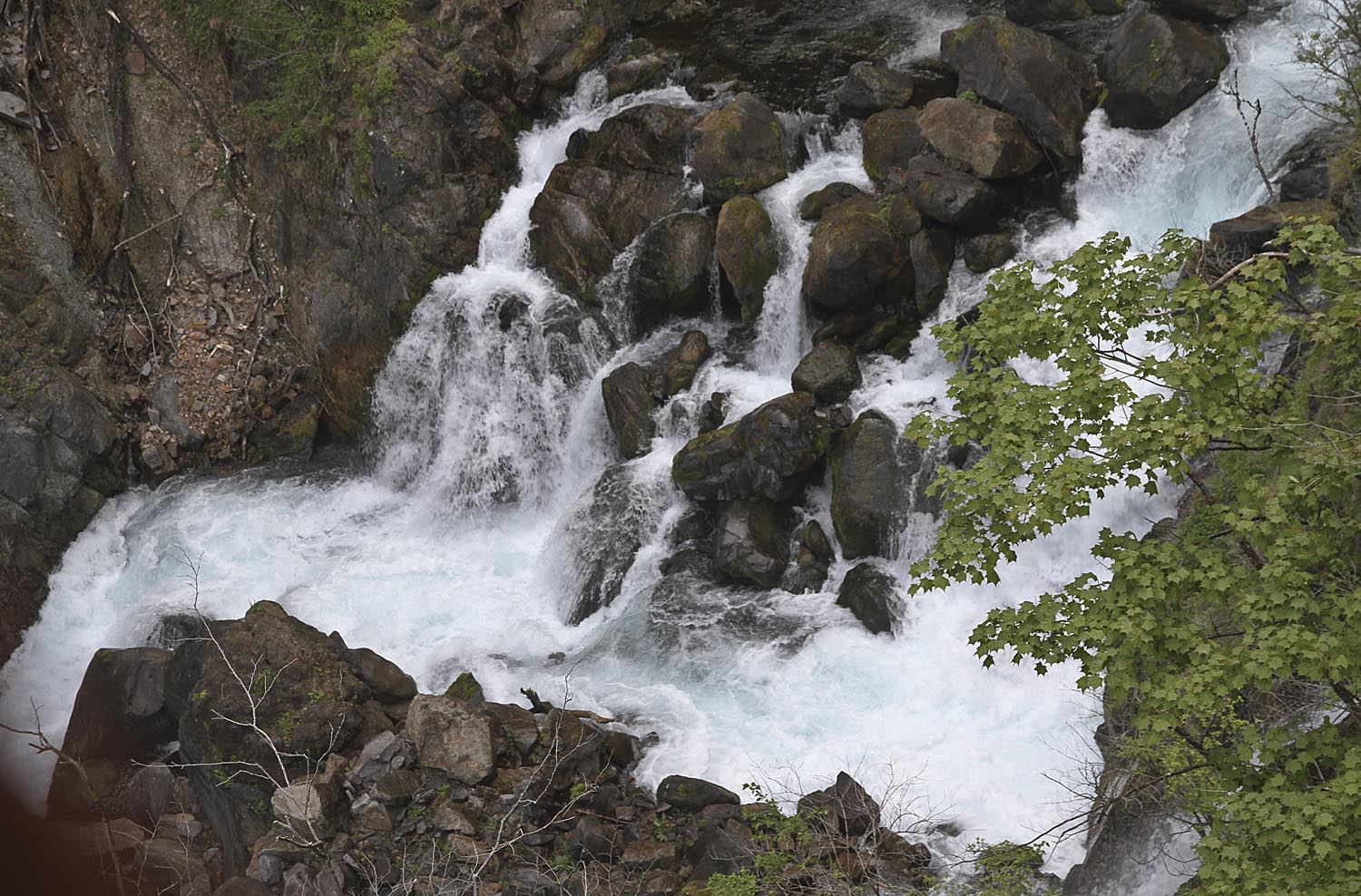
We boarded our bus and traveled up a winding road most of us would not even attempt in a small vehicle to see Kegon Waterfall. Colorful flowering azaleas, rhododendrons and other deciduous species dotted the sides of the mountains. When we reached the top we took an elevator 100 meters down to the bottom viewing area for the waterfall, and there were still steps we had to travel. Although breathtaking to most visitors, I can drive an hour and a half to see Niagara Falls one of the seven wonders of the world. It’s interesting that Niagara Falls also has an elevator to the bottom and also the Maid of the Mist boat which takes you right up to the roaring falls. Finally we saw Lake Chuzenji before driving the large bus down the winding road.

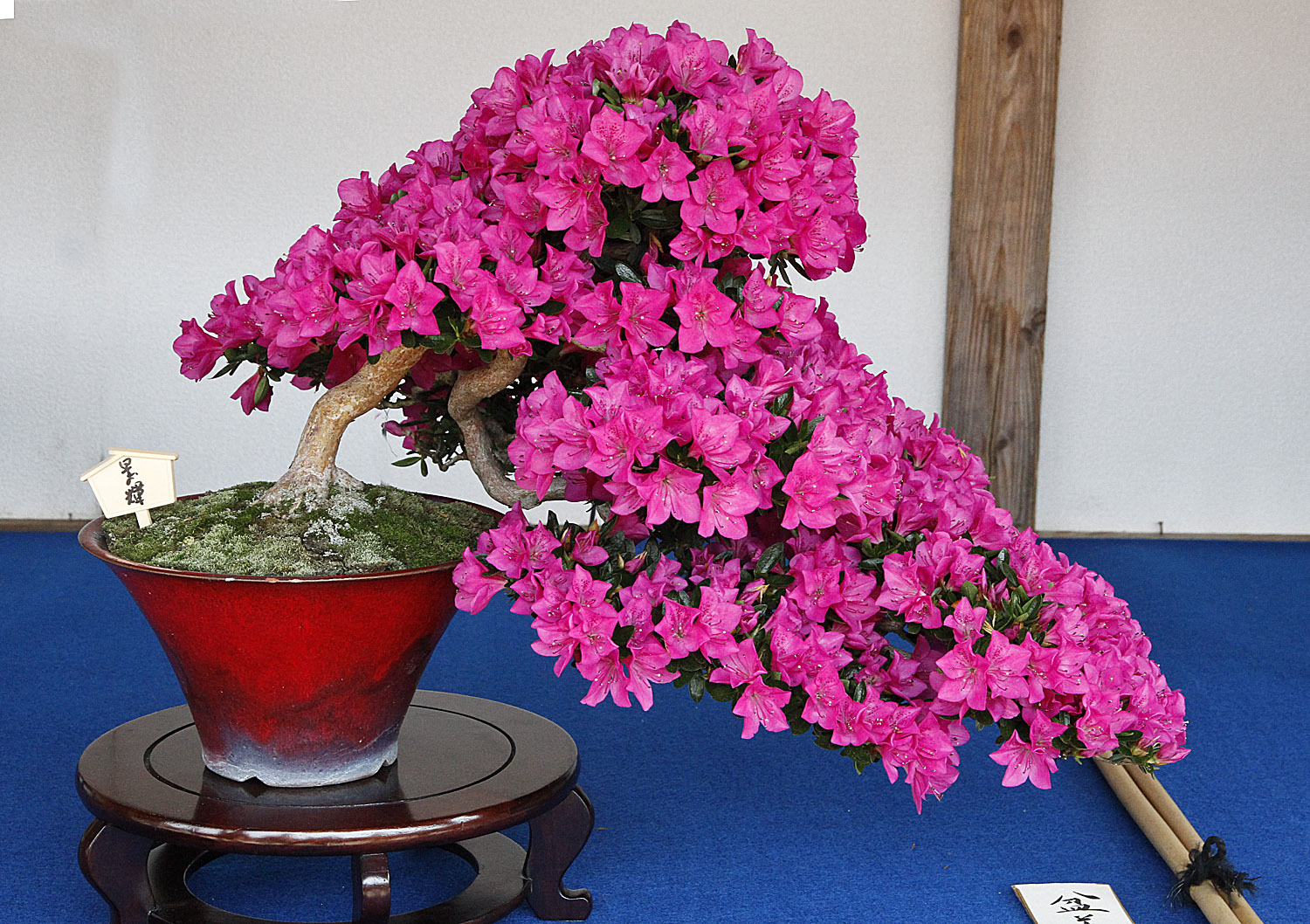
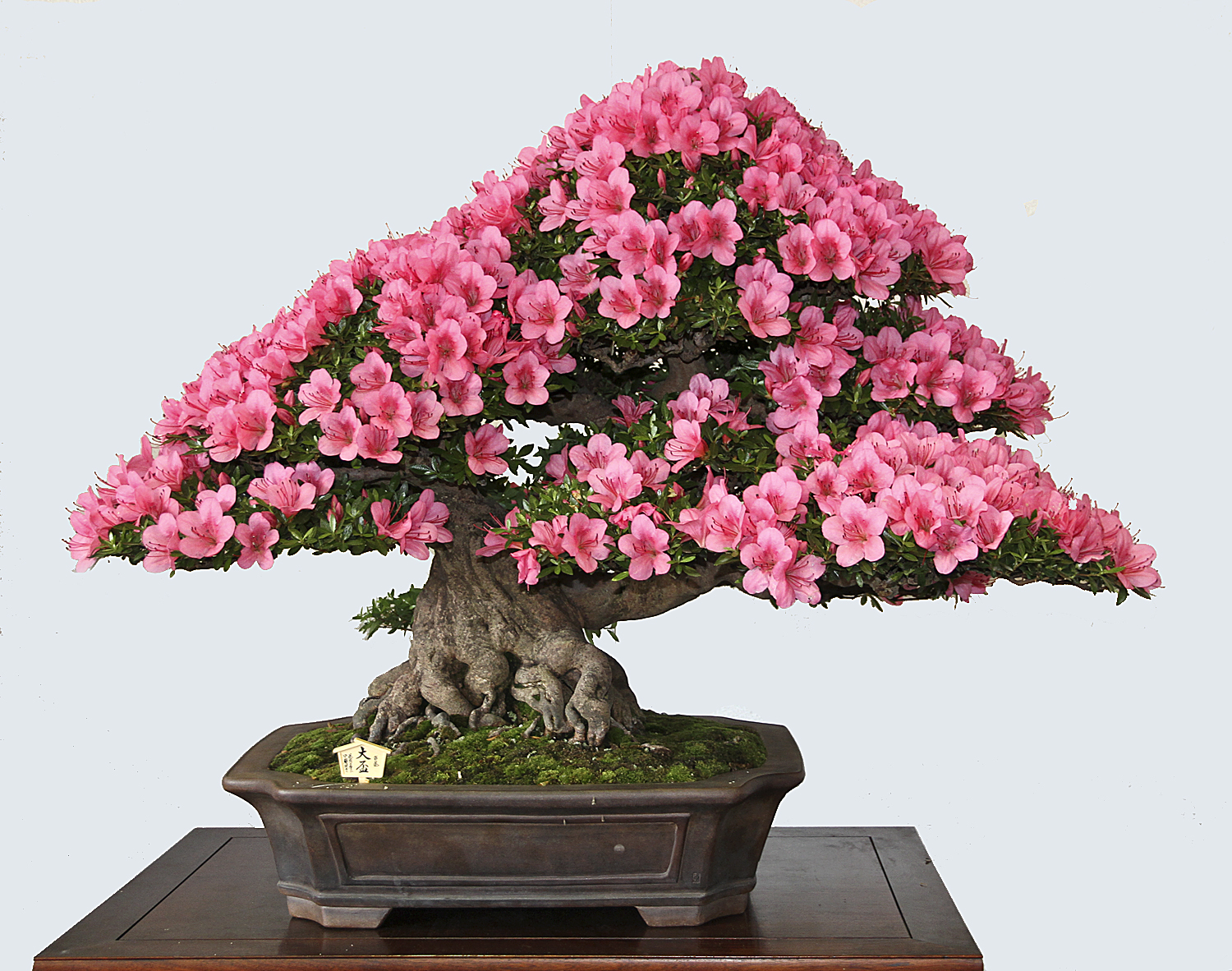
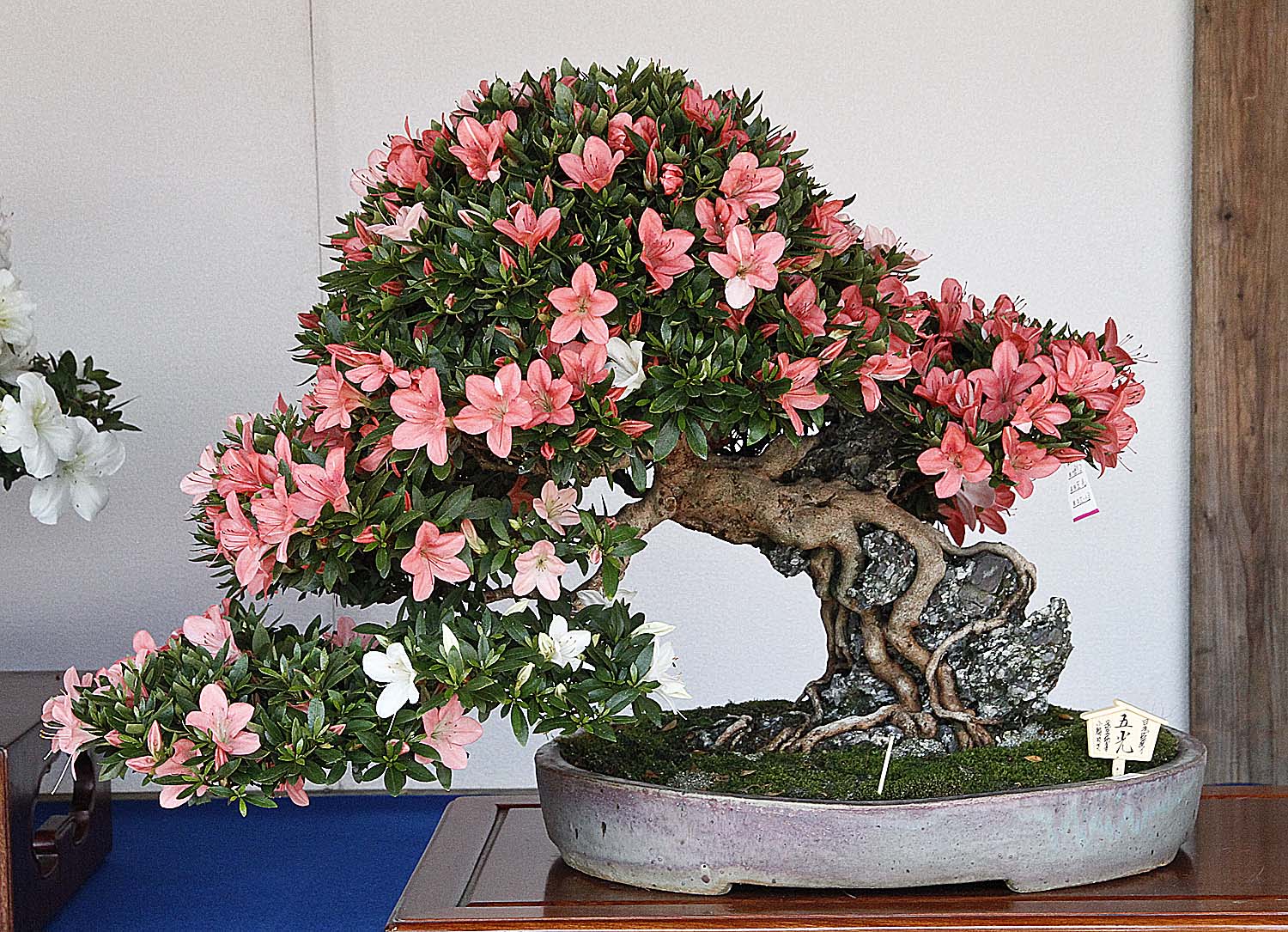
Since this is a Satsuki bonsai tour a few bonsai photos are included. Here is a preview of three different exhibitions we visited the next day.

Image

Image

Image