37th Nippon Bonsai Taikan Ten Exhibition– Part 1

6P4A6142.jpg


_P4A6182.jpg


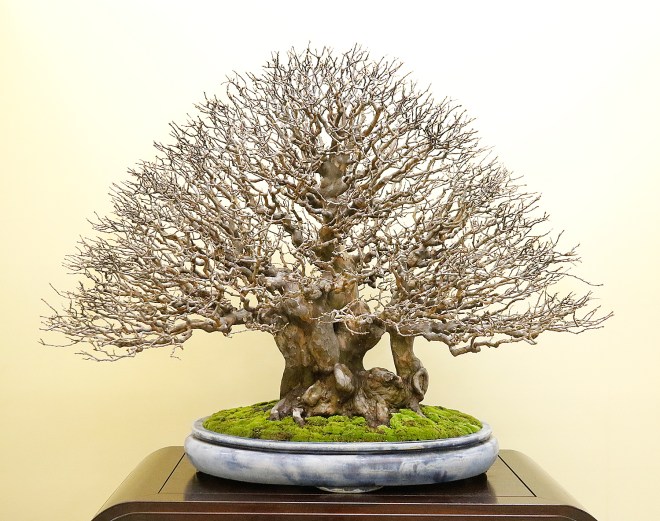
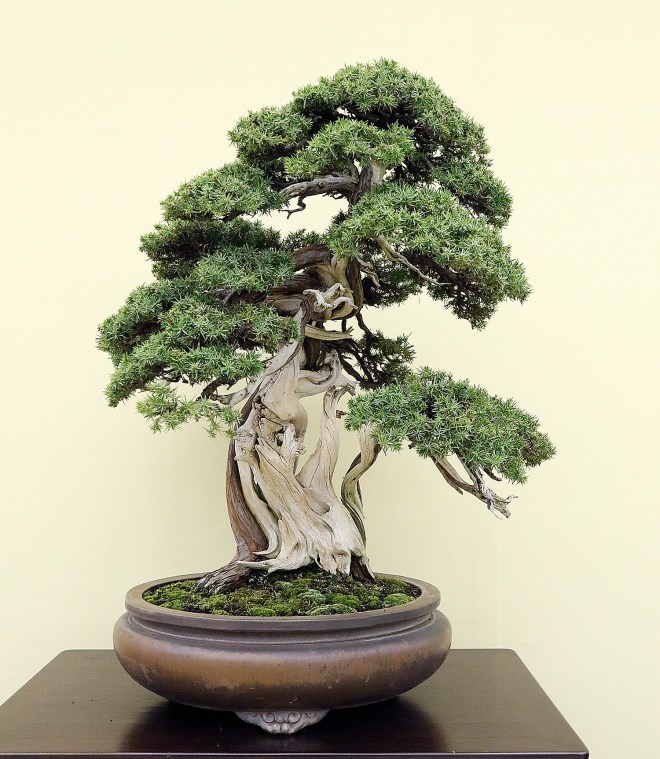
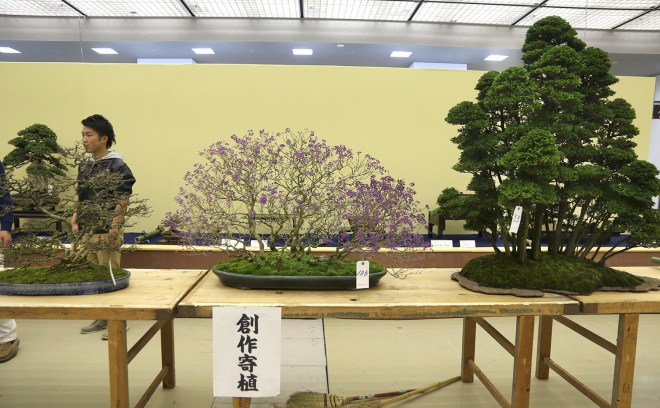
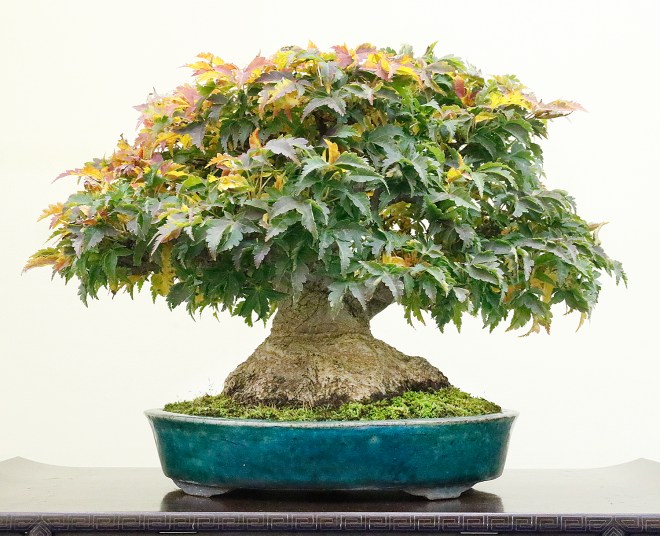
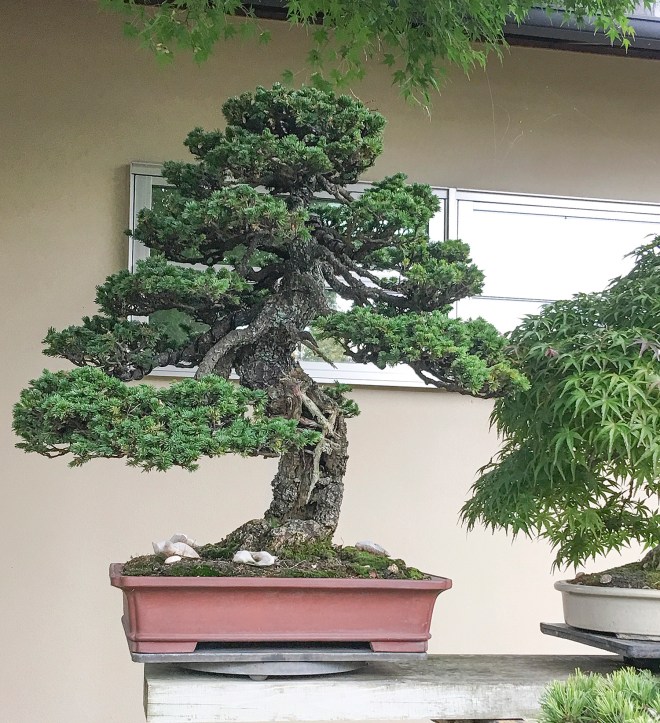
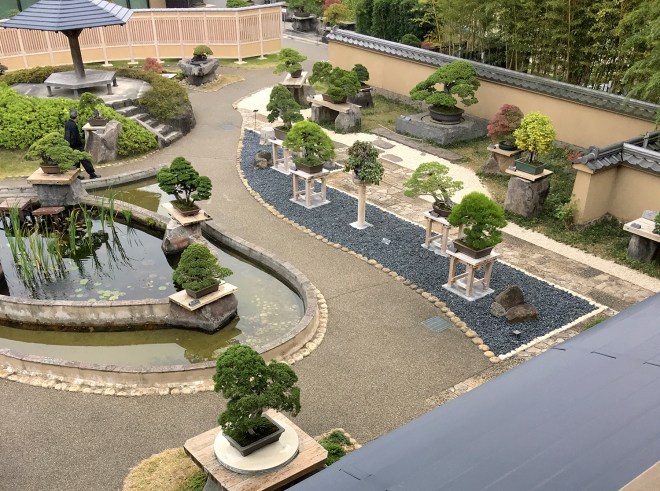
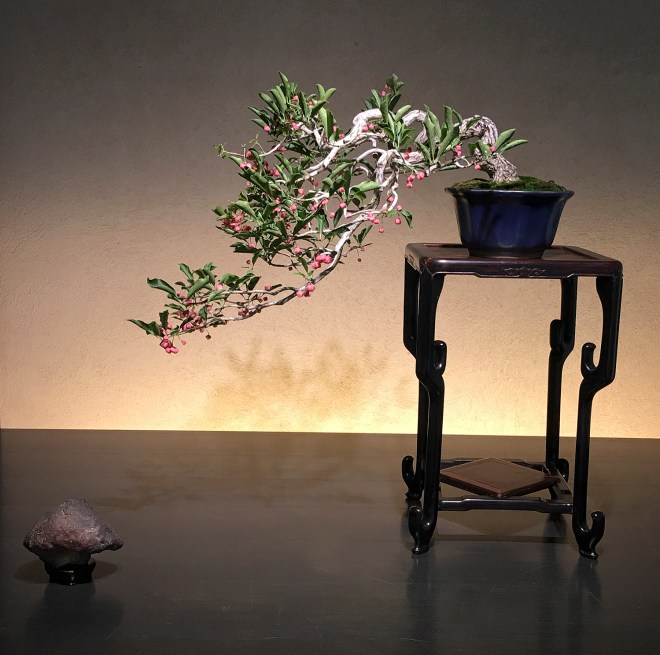
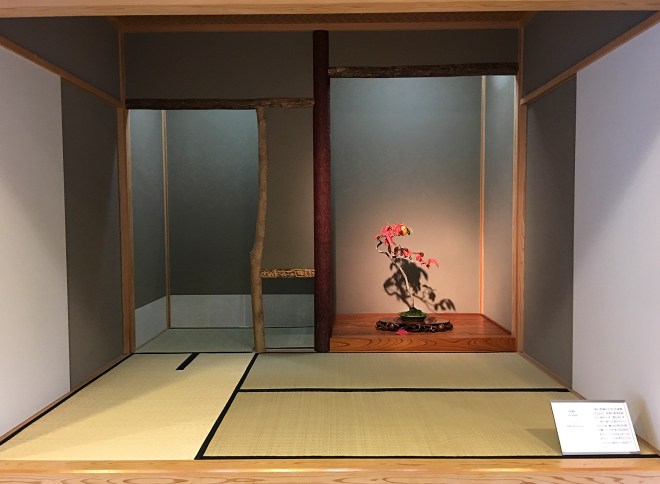
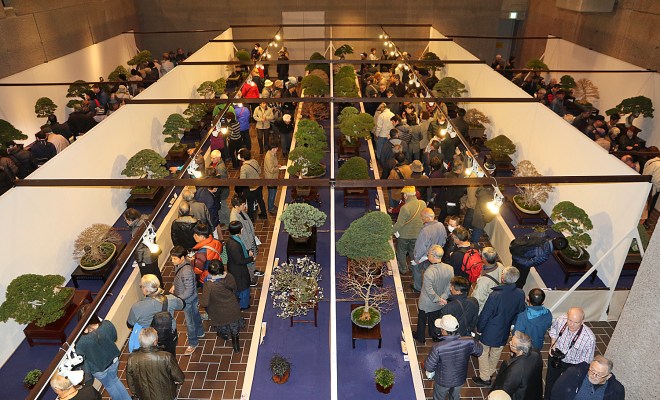
_P4A6054.jpg_P4A6199.jpgThe 37th Nippon Bonsai Taikan Exhibition is on November 18-21, 2017,at the Kyoto Messe in Kyoto, Japan. The building is just down the street from the famous Heian Shrine, well known for a large vermillion tori gate. This exhibition is perhaps the second largest and most prestigious bonsai exhibition in Japan. I particularly like this show because it features displays. Both bonsai, suiseki and art objects are formally displayed, many with scrolls. This is not the common traditional bonsai exhibition. There were a few contemporary displays as well in good taste too.


_P4A5836.JPG


_P4A6355.jpg_P4A6186.jpg


_P4A6185.jpg

Although all the bonsai are beautiful, not all are of the high Kokufu Bonsai Exhibition quality. Professional bonsai artists nominate the bonsai for entry. There are two general sizes of display and I believe the entry fee is US $500 and $1,000 per display areas.


_P4A6099.jpg_P4A6102.jpg

_P4A6108.jpg6P4A6035.jpg6P4A6041.jpg6P4A6043.jpg6P4A6036.jpg6P4A6040.jpg6P4A6047.jpg6P4A6045.jpg6P4A6052.jpg6P4A6051.jpg6P4A6049.jpg


On Friday, the day before the opening, 13 judges gathered to select the top award winning bonsai. The trees are classified by size, large, medium and small, and by type, evergreen, deciduous, satsuki, shohin bonsai, literati, forest and rock plantings. The suiseki are classified as those in water basins, daiza bases and figure stones.


_P4A6327.jpg


6P4A6142.jpg6P4A6142.jpg


MORIMAE TREE.jpg


1940.jpgAbout 1940


_P4A1909.jpg

Mr. Funayama’s display at the 2017 8th World Bonsai Convention


_P4A1813.jpg


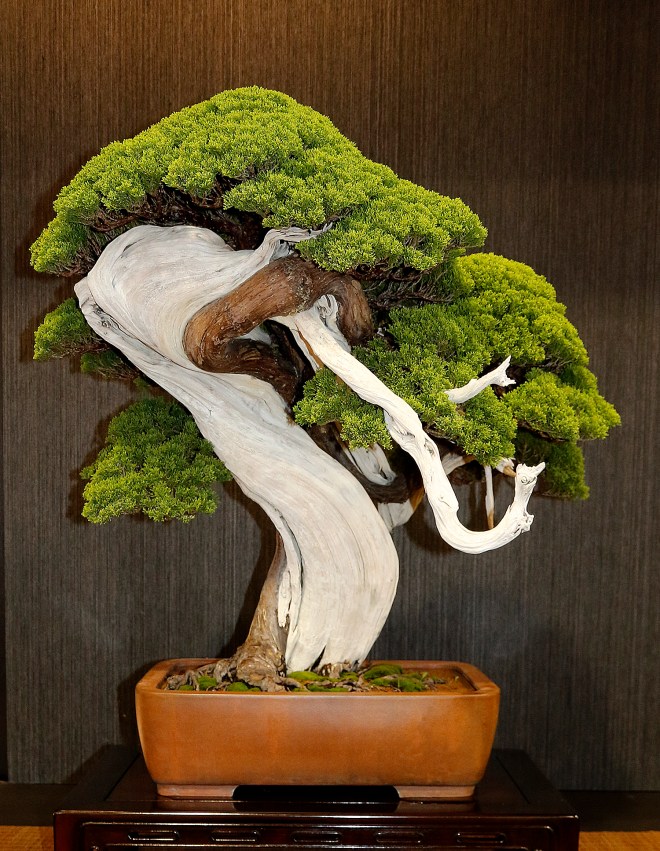
The top Prime Minister Award for “best of show” was presented to a large Japanese five-needle pine. This impressive pine is well known because it was “for sale” at the ASPAC Convention in Takamatsu a few years ago for US$1,000,000. It was also displayed at this spring’s 8th World Bonsai Convention. I was fortunate to see the tree in the owner’s private collection several years ago. Mr. Morimae took me to see his superb bonsai collection and this pine was featured in his garden. He had a special hand made container made for the tree in China. During lunch Mr. Funayama took out an old scrapbook with an old black and white poor quality photo of his tree, taken around 1940. It’s changed quite a bit, but the basic trunk design was established many decades ago.


_P4A6113.jpg_P4A6358.jpg_P4A6189.jpg_P4A6356.jpg_P4A6136.jpg_P4A5870.jpg


_P4A5909.jpg_P4A6098.jpg


On the first day there were a large number of foreigners. It is interesting to me, but not surprising, that most turned right upon entry and went directly to the large sales area, rather than going left into the exhibition.


_P4A6158.jpg


_P4A6173.jpg_P4A6306.jpg


_P4A6207.jpg_P4A6371.jpg


_P4A6360.jpgThere are several large special displays as well as past award winning bonsai exhibited, and these will be featured in my next blog entry. Jet lag is over for me and it’s time to return to the exhibition for more photos and study. OK, buying too…_P4A6351.jpg

It’s Party Time, Dance Of The Feather Mantle

IMG_7392.jpg

Akihisa Saito, a new director of the Nippon Bonsai Association and his wife Harue have one of the finest and largest private bonsai collections in Japan. They have between 300 to 400 bonsai at their home in Okayama. Award winning bonsai artist Kenji Oshima, son of Mikio Oshima, from Okayama, is the curator of their collection.


6P4A6434.jpg

Mr. Akihisa & Mrs. Harue Saito at their special display of Twisted trunk pomegranate bonsai at the 2017 Taikan Bonsai Exhibition. This bonsai received a Kokufu Bonsai Award in 2010.


22.jpg

Part of the Saito Bonsai Collection at their home. Gerald Rainville photo.

Each year they have a special large special display at the Taikan Bonsai Exhibition. The theme changes yearly and features masterpiece bonsai from their collection. It also has beautiful and colorful framed contemporary Japanese paper cuts figures between the bonsai. In the past their special display featured several masterpiece Hinoki cypress, Korean hornbeam, Japanese maple and Trident maples.


2012.jpg

2012 display featuring Chinese quince bonsai


2013.jpg

2013 display featuring Trident maple bonsai


2013  .jpg

Kenji Oshima with the 2013 display of Trident maple bonsai


2014.jpg

2014 display featuring Hinoki cypress bonsai


2015.jpg

Korean hornbeam from the 2015 display


2016.jpg

2016 display featuring Japanese maple bonsai


_P4A6382.jpg

2017 display featuring Twisted trunk pomegranate bonsai

During my trip to Takamatsu on Shikoku Island in September I had the opportunity to visit and demonstrate at the Kokubunji Bonsai Festival where I saw the Saito’s display of seven masterpiece bonsai. There I had the opportunity to meet Mr. & Mrs. Saito and asked what they were going to display at this year’s Taikan Bonsai Exhibition in Kyoto. He said Twisted trunk pomegranates and came through displaying seven large size bonsai.


6P4A4819.jpg

September 2017 Saito Bonsai Collection display at Kokubunji Bonsai Festival


2010  .jpg

2010 Kokufu Bonsai Award Twisted pomegranate


6P4A4815.jpg

September 2017 Twisted Pomegranate


_P4A6007.jpg


November 2017 Twisted pomegranate

This year Mr. & Mrs. Saito won two Kokufu Bonsai Awards in the 2017 91st Kokufu Bonsai Exhibition in the Tokyo Metropolitan Art Museum in Ueno Park, Tokyo. In total, they have seven Kokufu Bonsai Awards. In order to celebrate their two highest bonsai awards in Japan, Mr. & Mrs. Saito hosted a private party on Friday, after the judging of the Taikan Bonsai Exhibition in Kyoto. There were 36 invited guests to the party held in a beautiful large party house. A private car came to pick us up at the Taikan Ten Bonsai Exhibition and also returned us to our hotel after the event later in the evening.


_P4A0228.jpg

2017 Kokufu Bosnai Award Japanese black pine

Their first Kokufu Bonsai Award this year was presented for a beautiful Japanese old and massive Japanese black pine. Kenji Oshima won the coveted Prime Minister Award for this bonsai in last year’s Sakufu Bonsai Exhibition which is limited to professional bonsai artists. Traditionally the top award winning bonsai from the Kokufu and Sakufu Bonsai Exhibitions are displayed in the Taikan Bonsai Exhibition as special display.


2010    .jpg

2010 Chinese quince bonsai


_P4A0849.jpg

2017 Kokufu Bosnai Award Chinese quince, February


6P4A4511.jpg

September 2017 Chinese quince bonsai


2017.jpg

November 2017 Chinese quince bonsai


The award winning Chinese quince bonsai originally came from Korea many decades ago and ended up in Kyushu. He saw a photo of it in Kinbon magazine and wanted to add it to his bonsai collection. Unfortunately, the dealer who handled this bonsai did not want to work with him and the price was too high. Mr. Saito kept trying to buy the bonsai and finally was able to purchase the superb bonsai. The container is also quite special and rare. It’s an antique Chinese container approximately 200 years old. I have seen and enjoyed this container for years as it often appears in exhibitions. I thought the owner simply repotted the bonsai into the same container, but was incorrect. Mr. & Mrs. Saito own four identical containers and there are only six in the entire country of Japan. They have excellent taste in containers as well as bonsai.

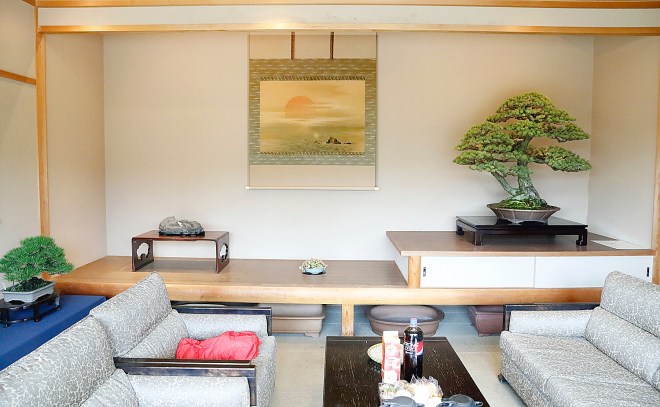
I have never had the opportunity to attend such a party and felt honored to having been invited. A huge alcove displayed Mrs. Saito’s favorite Chinese quince bonsai along with a suiseki in the side alcove. After Mr. Saito welcomed his guests he made comments and spoke about the famous Chinese quince.

This year the Saitos displayed their Chinese quince in the special display of award winning bonsai.  It was taken to the party house for display and returned in time for the exhibition opening. They also displayed their Kokufu Bonsai Award winning Twisted trunk bonsai in their special display. The Japanese black pine was not displayed this year because it was displayed last year in the Taikan Bonsai Exhibition of recent award winning bonsai.


IMG_7383.jpg


IMG_7408.jpg

In Mr. Saito’s opening and welcoming remarks, he introduced us to the Chinese quince’s poetic name “Hagoromo No Mai,” which means “Dance Of The Feather Mantle.” The celestial dance is one of the most famous Noh Plays about the legend of an angel who came to earth.


IMG_7400.jpgIMG_7409.jpg


After Mr. Saito’s remarks a floor to ceiling curtain suddenly rose revealing three maiko and one geko entertainers and two musicians. I thought these four lovely ladies were geisha. We spoke with them and learned that the term geisha is used in the Tokyo area, while in Kyoto they are referred to as geiko. Maiko are young apprentices training to be geiko. They must be under 20 years old and use their own hair, use while geikos wear wigs. They performed twice and the geko had her beautiful robes changed on stage twice, from purple to white and finally orange. It was quite a sight to behold. Each time the robes had to be torn apart and are later resewn. It was quite a beautiful and rare experience for me.


IMG_7413.jpg

Geiko with the Royal Family, Glenis Bebb (BCI President) and Lindsay Bebb (Chairman World Bonsai Friendship Federation)

IMG_7411.jpg


IMG_7417.jpg

IMG_7418.jpg

Turnip with shell ladel

The multiple courses of beautiful began and as we enjoyed the delicious delicacies there were a few more short speeches. The three maiko and geiko circulated around the room chatting with all the guests serving liquid refreshments, anything one could wish for, except for McDonalds sweet tea. I had a beer, yes, me, then switched to orange juice.

Towards the end of the three hour meal and entertainment came a huge turnip for each guest, which was split and the center was consumed. Finally, a delicious ripe melon was served.

Mr. & Mrs. Saito love and enjoy Japanese culture and like to share and introduce it to others. Their celebration party was a wonderful evening which I will never forget and appreciate the generous hospitality of the Saitos who share their love and passion of bonsai.

6P4A6468.jpg

My Surprise Visit To Omiya Bonsai Village!

IMG_7119.JPG

On my way home on Tuesday from Taiwan to Rochester, a connection was scheduled in Tokyo. I always try to make a connection in Tokyo when traveling in Asia. Upon arrival in Tokyo I was surprised to learn my connection flight to Chicago was cancelled. This also happened last week on my way home from Shanghai, but there was sufficient time to reroute me on the same day. On Tuesday United Airlines rescheduled my flight from Chicago to Newark. Of course, that flight was “full” because of the cancellation so I asked to take the flight the next day because I know it was not full and there was an excellent chance to get three seats, an entire row, so I could stretch out and sleep and also work on my blogs. United put me up in a nearby hotel for the evening, with meal coupons of course, and no luggage. I did end up getting an entire row to myself and slept for five hours and worked on my last blog for five hours during the flight.

Now, what was I going to do with an entire free day in Tokyo since my flight did not depart until 6:45 pm? I had two options, visit Kunio Kobayashi’s Shunka-en Bonsai Museum or go to the Omiya Bonsai Village. Since I was with Mr. Kobayashi for three out of the last four weekends (China, California and Taiwan) I decided to visit Omiya Bonsai Village. I’ll see Mr. Kobayashi next weekend at the Taikan Ten Bonsai Exhibition in Kyoto.

Although I was tired from the successful Taiwan BCI Bonsai Convention, I found enough energy to take a “day trip.” I left my hotel at 7:45am and took two buses, five trains and two taxis and returned back to the airport in time to have “a bit” of sushi before boarding my plane home,

While in Omiya Bonsai Village I remembered that there is a bonsai auction at the Ueno Green Club for professional bonsai artists on Wednesdays, so I quicken my pace to stop by at the auction. By the time I got to the Ueno Green Club the auction was ending and people were loading up their newly purchased trees, or those which did not get their desired prices and were purchased back.

I only took a few photos which interested me and which will be used for future magazine articles and my PowerPoint educational programs. Oh, and please remember all of these photos were taken with my iPhone 6S Plus, since my proper camera was still at the airport in my suitcase. I think the images came out great and can’t wait to see the quality of the photos from my new iPhone X, with two cameras, when it arrives next week, while I’m in Japan again for the fifth time this year. Please enjoy the photos of my surprise Omiya Bonsai Village visit which I’d like to share with you.


Fuyo-en Bonsai Garden

Hiroshi Takeyama

IMG_7021.JPGIMG_7033.JPG

IMG_7091.JPGIMG_7042.JPGIMG_7044.JPGIMG_7110.JPGIMG_7069.JPGIMG_7075.JPGIMG_7101.JPGIMG_7026.JPGIMG_7116.JPG 


Kyuka-en Bonsai Garden

Isamu & Yukio Murata

IMG_7121.JPGIMG_7122.JPGIMG_7124.JPGIMG_7126.JPGIMG_7191.JPG


Seiko-en Bonsai Garden

Tomio & Kaori Yamada

IMG_7128.JPGIMG_7135.JPGIMG_7142.JPGIMG_7141.JPGIMG_7131.JPGIMG_7155.JPG 

IMG_7137.JPG


Mansei-en Bonsai Garden

Hatsuji & Takahiro Kato


IMG_7161.JPGIMG_7167.JPGIMG_7165.JPGIMG_7179.JPGIMG_7162.JPGIMG_7184  .JPG 


Omiya Bonsai Art Museum

IMG_7187.JPGIMG_7248.JPGIMG_7193.JPGIMG_7207.JPGIMG_7212.JPGIMG_7213.JPGIMG_7215.JPGIMG_7199.JPG


Ueno Green Club

Headquarters for the Japan Bonsai Growers Cooperative

Wednesday Bonsai Auction


IMG_7262.JPGIMG_7253.JPGIMG_7254.JPGIMG_7270.JPGIMG_7256.JPGIMG_7260.JPG

Taiwan 2017 BCI Convention & 14th Asia-Pacific Bonsai & Viewing Stone Convention & Exhibition– Part 5


6P4A5235.JPG


_P4A5238.jpg

22ND Hwa-Fong National Bonsai Exhibition

The 22nd Hwa-Fong National Bonsai Exhibition was held on November 4-26, 2017 in Xizhou Park, in Changhua County, Taiwan. This is a huge agricultural expo park featuring five exhibition halls, parks and rural handicraft displays along with food courts. Trees, plants and flowers from around the world are planted around a large pond in European style landscapes. The exhibition is held in a large hall with excellent natural lighting and air conditioning which was needed with the high outdoor temperatures and humidity. It was quite pleasant in the exhibition and a three piece band played tunes as thousands of visitors came to see the finest bonsai for 2017.

6P4A5509.jpg_P4A5565.jpg_P4A5801.jpg_P4A5802.jpg_P4A5507.jpg6P4A5759 2.jpg

The Hwa-Fong National Bonsai Exhibition took place during a large fair which I was told attracted 140,000 people on the opening day alone. It displays the highest level bonsai from throughout Taiwan and is identical to the Kokufu Bonsai Exhibition in Japan and the US National Bonsai Exhibition in America. It is sponsored by the National Bonsai Association of Taiwan which is composed of 26 branches in the country. Each branch selects their ten best bonsai which are brought to the exhibition. There the judges select only the finest to display. Over 135 bonsai were displayed, but it looked like more. There is only one winning bonsai and eleven bonsai which received gold awards.


6P4A5790.jpg


_5576.jpg

Top award winning Fig bonsai

_P4A5644.jpg_P4A5739 2.jpg_P4A5628.jpg_P4A5623.jpg6P4A5520.jpg_P4A5762.jpg6P4A5228.jpg6P4A5517.jpg6P4A5518.jpg_P4A5765.jpg_P4A5767.jpg5571.jpg_P4A5148.jpg

Like many bonsai common to Taiwan and China most were quite large in size, although there were a few shohin bonsai compositions and some smaller trees as well. Special exhibits featured scenic painting backgrounds which added interest and impact to the displays, especially for the public.


_P4A5761.jpg_P4A5581.jpg_P4A5746.jpg_P4A5590.jpg_P4A5601.jpg_P4A5631.jpg_P4A5156.jpg_P4A5535.jpg_P4A5594.jpg_P4A5560.jpg6P4A5095.jpg_P4A5205 2.jpg_P4A5743.jpg_P4A5580.jpg_P4A5627.jpg_P4A5575.jpg_P4A5591 2.jpg_P4A5608.jpg_P4A57  85 2.jpg6P4A5797.jpg_P4A5158.jpg_P4A5745.jpg

The opening day was quite crowded and it was difficult to photograph the bonsai. The crowds thinned out during the next few days. People were polite and friendly during the exhibition and in fact, all through Taiwan. Enjoy my photos and please check out my upcoming article in International BONSAI, www.internationalbonsai.com, which will feature better quality photos.

6P4A5586.jpg6P4A5660 2.jpg6P4A5537.jpg6P4A5169.jpg6P4A5170.jpg

Taiwan 2017 BCI Convention & 14th Asia-Pacific Bonsai & Viewing Stone Convention & Exhibition– Part 2

_P4A5683.JPG


_P4A5690

Looking for lunch at the Xizhou Park, location for the Hwa Fong National Bonsai Exhibition, we came across the BCI Viewing Stone Exhibit in a large building. This  enue was full of viewing stones, and a few Suiseki as well. Nearly all were rare stones (chin seki) or beautiful stones (bi seki). These two classifications of viewing stones are quite popular in Taiwan and China, whereas the art of suiseki developed in Japan.


_P4A5685.JPG_P4A5689.JPG_P4A5687.JPG_P4A5692.JPG_P4A5688.JPG_P4A5722 2.JPG_P4A5684.JPG


_P4A5679.JPG_P4A5693.JPG_P4A5680.JPG_P4A5698.JPG_P4A5694.JPG_P4A5686.JPG_P4A5695.JPG_P4A5700.JPG_P4A5701.JPG_P4A5702.JPG_P4A5704.JPG_P4A5706.JPG

_P4A5724.JPG


_P4A5731.JPG_P4A5732.JPG


_P4A5733.JPG_P4A5682 2.JPG_P4A5681.JPG_P4A5691.JPGThe rare and beautiful stones are quite different than suiseki because they leave little to the immigration. Many are highly polished to expose colors and patterns, while others are quite literal representions of objects and humans.


_P4A5500.jpg_P4A5502.jpgSAKURAI DEMO.jpg

Demonstrations

Twenty-five demonstrators from 20 countries were also highlights of the convention, but were held in three different locations and there were two or three demos on stage at the same time. It was impossible to watch them all. I was only able to peak in on a few while I was photographing the exhibit.


_P4A5240.jpg6P4A5244.jpgIMG_9244.JPG6P4A5264.jpgTOOLS.jpg6P4A5268.jpg6P4A5255.jpgIMG_8129.jpg

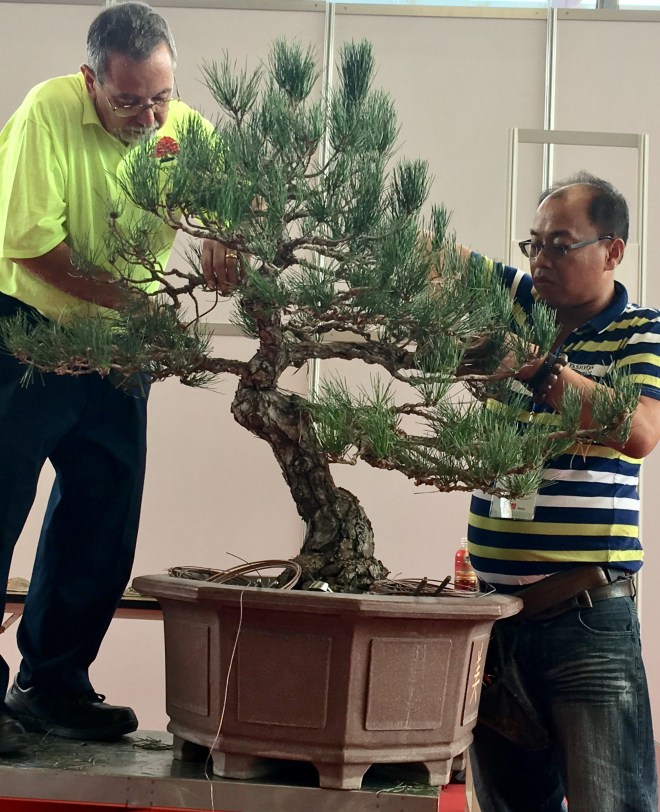
Min-Shuan Lo provided me an excellent Japanese black pine for my demo tree and warned me not to remove a prominent crossing root because of the tree’s health. He also provided me with one of his best students as an assistant. I carefully watched him needle pluck the old foliage and thin out the multiple buds on the branch tips and was impressed with his speed and skill. Then came wiring…. I always bring my own tools and wire for demos, especially in foreign countries. This time I brought the new American Bonsai tools which have been using and like and introduced them to the audience from the world. Copper wire is not available in Taiwan and my assistant has only used sissy wire and is not familiar with power and holding capacity of fire annealed copper wire. I gave him a heavy piece of wire and had him bend it several times. He noticed it got harder when bent. I proceed to wire and position the heavy branches and left the secondary branch wiring up to him. When I glanced to look at him I saw him straighten out soft copper wire, then coil it back up into much smaller coils. The bonsai came out great, however.


IMG_8129.jpg

I’m saving the best for the last post, bonsai from the 22nd Hwa-Fong National Bonsai Exhibition!

Taiwan 2017 BCI Convention & 14th Asia-Pacific Bonsai & Viewing Stone Convention & Exhibition– Part 1


_P4A5385

6P4A5390.jpg

The combined conventions of BCI (Bonsai Clubs International) and ASPAC (Asia-Pacific Bonsai Viewing Stone Convention) were held in Taichung, Taiwan, on November 4-6, 2017. Taichung is about a two to three hour drive south of Taipei. The programs and multiple displays were another hour drive from the two convention hotels in Taichung. We had plenty of bus rides and a lots of waiting time. I guess logistically it is difficult to move over 1,000 people around and to feed them as well.

Over 1,000 people registered for the convention from 58 different countries. The main event, the Hwa Fong National Bonsai Exhibition requires a separate blog entry because of its importance. Additionally, there was an International Bonsai Symposium held concurrently in the National Museum.


6P4A5358 2.jpg6P4A5361 2.jpg

The program included bus trips to several gardens/nurseries, private bonsai collections and museums. It was a bit confusing to me because the of the multiple buses which did not follow the printed itinerary. So, I’m just going to share photos of the beautiful gardens and bonsai only identifying locations which I’m certain of.


6P4A5298

6P4A5279

6P4A5320 2

6P4A5280

6P4A5288

6P4A5322

6P4A5341

6P4A5310

6P4A5314

6P4A5312

6P4A5317

6P4A5318

6P4A5328

6P4A5331 2

6P4A5344

One of the finest, non broom style Zelkova I’ve seen

6P4A5345

6P4A5349

New growth emerging

Several of the gardens had HUGE trained garden trees which have bonsai shapes. These large trees are grown in containers and moved with cranes into garden landscapes. The private bonsai collections all featured these large shaped trees throughout their gardens.

6P4A5389

6P4A5482

_P4A5370

_P4A5366

_P4A5372

Chen Mei Culture Park

The Bonsai & Viewing Stone Exhibition of the 14th ASPAC was presented at the Chen Mei Culture Park. The viewing stones and a few bonsai were displayed in the modern welcoming center of the park, while the larger bonsai were beautifully displayed surrounding a scenic pond.

6P4A5363

6P4A5383

6P4A5495

6P4A5484

6P4A5483

This stroll garden has many old rare garden trees. In 1813 a county magistrate built a market and the original home was reconstructed, using traditional building techniques during the past 30 years. It is considered to be one of the most famous traditional buildings in Taiwan.


6P4A5397

6P4A5455

6P4A5456

6P4A5457

6P4A5406

6P4A5424

6P4A5394

6P4A5393

6P4A5428 2

6P4A5449

6P4A5448

6P4A5438

6P4A5440

6P4A5439 2

6P4A5444

I particularly found this garden valuable for my better understanding of Chinese aesthetics which features symmetry. The buildings, their details and even how bonsai were displayed in the park, (not considering the special convention bonsai display around the pond,) were all symmetrical, unlike the asymmetrical beauty of Japanese art. It was quite clear to me to see why larger bonsai are valued in China so they could be effectively displayed in gardens. Japan does not have the tradition of enjoying bonsai in gardens, as they formally displayed bonsai indoors in alcoves and historically in restaurants.

6P4A5480

6P4A5476

6P4A5305

Amy Liang Bonsai Museum– Small, Shohin & Mame Bonsai

6P4A5026.jpg

International bonsai master Professor Amy Liang has a special love for her small size bonsai which are featured in a small enclosed garden in her newly opened Amy Liang Bonsai Museum in Taipei, Taiwan.

6P4A5037.jpg

I was particularly impressed with the staging of these small treasures. Ten round concrete tables are tastefully filled with small bonsai. But, each individual table is a special display itself. Most of the bonsai are placed on small bricks or pieces of stone to raise their height to make an attractive, interesting and distinctive display. As I was studying the small bonsai, suddenly O was surprised by one entire table filled with mame bonsai, which are generally up to six inches in height. Many of these small jewels were under three inches in height, which is quite an accomplishment just to keep them watered in Taiwan’s hot climate.

6P4A5042.jpg6P4A5041.jpg6P4A5054.jpg6P4A5043.jpg6P4A5045.jpg6P4A5046.jpg6P4A5048.jpg6P4A5055.jpg6P4A5052.jpg6P4A5049.jpg

In addition to the ten round tables filled with small bonsai, there are also three larger rectangular tables and a long taller table filled with gravel to provide additional water and humidity. Behind the long rectangular tables there are six beautiful ceramic elephants, each topped with a small bonsai.

6P4A5027.jpg6P4A5058.jpg

An attractive display of small bonsai is difficult to accomplish in a garden where the trees must be cared for. Amy Liang has done a super job which is not readily apparent with a quick glance. I thoroughly enjoyed and learned during my afternoon visit to the opening of  the Amy Liang Bonsai Museum. I recommend a visit if you are in Taipei, but suggest an appointment first.

6P4A5050.jpg6P4A5051.jpg6P4A5061.jpg6P4A5047.jpg

AMY LIANG BONSAI MUSEUM

No. 17, Lane 107 Tianmu E. Road

Shilin District

Taipei City, Taiwan

886-935-597-548

e-Mail: jennychang21@gmail.com


6P4A5038.jpg


Amy Liang Bonsai Museum Opening– And New Book Release


6P4A5084.jpg

6P4A5031.jpg

On Thursday, November 3, 2017, international bonsai master Professor Amy Liang formally opened her new Bonsai Museum at her home in Taipei, Taiwan. As always, Amy’s impeccable and distinctive attire matched her photogenic persona. She changed her clothes three times that afternoon, each more beautiful than the previous. Her museum is called “Purple Garden” matching her beautiful Chinese style purple outfit.

IMG_1300.jpg

I’ve visited her collection several times in the past and she has extensively expanded her garden to effectively display her bonsai collection, all around her property. When entering her bonsai museum people were escorted upstairs into a museum reception area with gift shop. Amy warmly greeted her guest and was autographing her new book, The Revelations of Bonsai, reflecting on her 50 year milestone bonsai journey. Books were flying off the shelves as Amy individually autographed copies for her guests. I had to patiently wait in line for 30 minutes twice, I returned to get more copies for friends back home. Her friendly staff photographed Amy as she posed with her guests. The large size hardcover, and quite heavy, new 302 page book is beautifully produced and full of color and black and white photos of her life, thoughts and bonsai activities around the world for the past half century.

IMG_5261.jpg

IMG_5774.jpg

Together with her doctor husband they have five lovely daughters who all look quite similar. Her husband showed me around as he was proud of his wife’s accomplishments. Each daughter helped the 1,200 guests during the day.

6P4A5077.jpg

IMG_4496.jpg

IMG_7765.jpgThe bonsai garden museum is large and is segmented into about five areas, each featuring small displays of several bonsai. A room was also dedicated to her collection of Suiseki and viewing stones.


6P4A5006.jpg6P4A5026.jpg6P4A5030.jpg

6P4A4995.jpg6P4A5001.jpg6P4A5005.jpg6P4A5000.jpg6P4A4999.jpgThere were a large number of small and miniature size, enough to make another posting of these diminutive treasurers later.

IMG_8976.jpg6P4A5019.jpg6P4A5053.jpg6P4A5021.jpg

6P4A5057.jpg6P4A4991.jpg6P4A4994.jpg6P4A5029.jpg6P4A5072.jpgA buffet was available next to the ceremony area which began at 3:30 pm. Short speeches preceded the actual “Official Opening and Book Release” along with her granddaughter’s dancing. Invited VIP guests were called to the stage and given a long popper to twist and open at the exact opening. Suddenly red and white confetti was all over the place as a large gold and red balloon package exploded revealing a huge replica of her new book.

6P4A5079.jpg

6P4A5081.jpg

Later in the early evening Amy hosted a private dinner party for 380 of her friends and family. Singers and dancers added to the festivities. There were so many people in the large room that there were remote TVs set up throughout so guests could enjoy the festivities as they dined on a special delicious meal. What a wonderful ending for a beautiful lady’s special day. Amy also arranged for four buses to take here guests to Taichung for the next day’s opening of the bonsai convention three hours away.

IMG_1325.jpg


Join Us In A Small Tour To See Japan’s Finest Bonsai


1.jpg

Have you ever considered to visit the Japan bonsai community?


6P4A4610.jpg

Here is your opportunity to experience the finest bonsai exhibition in the world PLUS to visit private bonsai collections, gardens and the Japan Suiseki Exhibition. A visit to Tokoname to purchase bonsai containers is also available too!

10.jpg


In early February Kora Dalager and I will be leading another one of our popular value-priced trips to Japan. Only a small number of members will be accepted for this tour so we will have ample time to fully appreciate the beauty of the treasured bonsai in Japan.


6P4A6752.jpg

6P4A6748.jpg

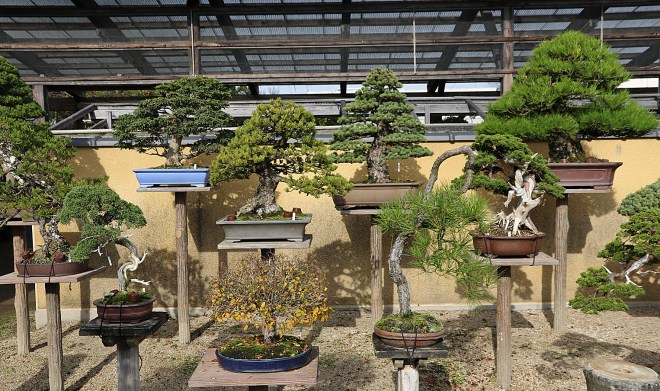
Omiya Bonsai Village, the mecca of bonsai, will be experienced, where you will see the top four bonsai gardens where many of the famous masterpiece bonsai have been created and are maintained. You will have the opportunity to meet the top bonsai artists and see their trees, both outdoors and in small indoor displays.


14.jpg


The Omiya Bonsai Art Museum, near the village will be on the tour where formal instructive displays, in English, can be seen as well as formal bonsai alcove displays. You can then stroll through a large outdoor garden with masterpieces displayed throughout. Directly across the street we will experience a delicious Japanese luncheon.

8.jpg


Bonsai artist Masahiko Kimura will be on the tour and here you can see many of the top evergreen bonsai in his small, intimate garden. He always has time for us and answers your questions as well.

21.jpg


27.jpg


6P4A6670.jpg


121.jpgA visit to Seiji Morimai’s nearby S-Cube bonsai garden is always a highlight because of friendly hospitality while seeing thousands of bonsai and suiseki. He also accepts credit cards as well…. Bonsai containers, at great prices as well as display tables and art are always popular with our groups.
_P4A6607.jpg


4.jpg

6P4A6629.jpg


Kiunio Kobayashi’s Shunka-en Bonsai Art  in Tokyo is visit you will not forget. Here approximately ten indoor formal bonsai displays will feature some of the finest, and most expensive bonsai in Japan. Outdoors a small koi pond is surrounded with other masterpieces. Having run out of room, another area has been constructed on top of the building holding antique containers and more suiseki. Truly a breathtaking experience!

2.jpg

11.jpg28.jpg

7.jpg

17.jpg


A bullet train ride will bring you to the city of Shizuoka near Mt. Fuji, where Taisho-en Bonsai Garden of Nobuichi Urushibata will be visited. Although the garden generally specializes in shohin bonsai, Mr. Urushibata’s son Taiga has large dynamic bonsai. He studied with Mr. Kimura and is also traveling to the upcoming 2018 6th US National Bonsai Exhibition in September to judge and demonstrate his techniques.


18.jpg

20.jpg


28.jpg

34.jpg


Of course, the main highlight of this tour is the Koku-fu Bonsai Exhibit Part 1 where approximately 250 stunning masterpiece bonsai are on formal display in the Tokyo Metropolitan Art Museum. Many of the famous masterpieces seen in books and magazines will be shown. After the exhibit closes for a day ANOTHER 250 bonsai will be displayed in Part 2!

00000.jpg

00.jpg

7.jpg


14.jpg

3.jpg


Upstairs on the fourth floor of the same building you will have the opportunity to attend the opening ceremony of the Japan Susiseki Exhibition. Here, in addition to rare and beautiful famous stones you will see antique water basins and important bonsai display tables. Suiseki are also displayed with appropriate hanging scrolls.

4.jpg

6.jpg

7.jpg

A free shuttle bus from the museum complex will take you to the Ueno Green Club, a three story building full of bonsai, containers, tools, display stands and more are offered for sale by the top bonsai gardens in Japan. The surrounding parking lot is also crammed full of items for sale.

6P4A0320.jpg

6P4A0325.jpg

6P4A0329.jpg


If members are interested a short buying side trip can be arranged to Tokoname, an ancient pottery town. Although most famous for toilet bowls, they are now famous for high quality bonsai containers. You will meet some of the top bonsai potters and also have the opportunity to watch them hand build bonsai containers in their factories. All the containers are offered at special discounted prices for our tour.0.jpg


13.jpg


12.jpg


As if all of this is not enough, our tour has been planned to begin the day after the popular California Shohin Bonsai Seminar near San Francisco, CA. Many people simply make a stop in California on their way to Tokyo (usually at no extra airfare,) attend the seminar and continue on to Japan. Additional information on this seminar can be found at: www.calshohin.org

CA SHOHN SEMINAR.jpg

California-Shohin-Seminar-How-it-Works_Page_2-1024x496.jpg


3.jpg

2018Flyermed.jpg

If you want to see highlights from our past tours to Japan, check out my archives and go to the February entries. Here you will see many photos from our tours.

https://valavanisbonsaiblog.com/2017/02/

https://valavanisbonsaiblog.com/2016/02/

https://valavanisbonsaiblog.com/2015/02/


6P4A6724.jpg


36.jpg

Join Kora Dalager and me for another tour to see the Japanese bonsai world. Please contact Kora at kora@astound.net for additional information. She can arrange special visits if you like. Be certain to mention if you are interested in the Tokoname bonsai container buying trip, as it is NOT mentioned in the tour flyer below.


A tour flyer is available at: www.internationalbonsai.com/files/1708315/uploaded/WINTER%202018%20TOUR%20FLYER.pdf


I look forward to exploring the Japanese bonsai world with you in February.


IMG_9363.jpg

Trident Maple Clump Style Development

TRIDENT CLUMP

When I returned home on Monday from teaching in California, I was greeted by my Trident maple clump in brilliant autumn coloring. A few other bonsai are also just starting to show color. Hopefully my garden and bonsai will be colorful when I return home from Taiwan next week. On November 11, 2017 at 1pm EST, I’ll be doing a question and answer live broadcast from my garden and hopefully the garden and bonsai will be colorful. Check out Bonsai Empire for the details: http://www.bonsaiempire.com

1

Before removing from the stone about 15 years ago in MAY.

The history of this bonsai and its development is interesting. Several decades ago Philis Wishnick created a rock planting with at least seven Trident maples, Acer buergerianum, in a class under the direction of Yuji Yoshimura. The stone is solid granite which Mr. Yoshimura shaped and glued a small rock on the bottom for stability in the correct orientation for optimum beauty.

She gave me the bonsai about twenty years ago with a few missing trees from her original design. I put the bonsai in my display garden and just watered it (intelligent neglect.) I had the rock planting for many years and simply watered it and did light trimming. Eventually the roots filled the peat much soil mixture and became large, so large that it pulled the anchoring wires Mr. Yoshimura cemented on the stone pulled off. Often I would lift the bonsai off the stone and dunk it in a pail of water to keep it hydrated.

2

3

4

Still not thin enough

5

6

Eventually, I had to do something to keep it alive so in mid-May, when the Trident maple was in FULL leaf it was removed from the rock, easy, just lift. My assistants Doug McDade and Doug Taylor helped me with the transplanting. I directed as the two took a reciprocating saw and simply sawed off the bottom of the root ball. It was not quite thin enough for me so we peeled off another layer. The reciprocating saw is a handy tool for me and often used when transplanting bonsai.

8

Front or back view

7

Front or back view


Only four of the original trunks remained and had grown together creating a clump style bonsai. I carefully positioned the Trident maple clump in a new container so it would look good from both sides. Since I’m not Japanese using four trunks did not bother my aesthetic sense.

The bonsai grew well and was maintained as a bonsai with two acceptable fronts. This is handy when displaying and a left to right eye movement is needed and also when a right to left eye movement is required for effective display, especially in areas with a solid wall on one side.

The bonsai was only transplanted once since it was removed from the stone. I don’t remember defoliating the bonsai, especially not during this past growing season. This Trident maple naturally had small neat foliage.


By the way, the original granite stone now has a multiple trunk Benichodori Japanese maple growing on it which looks good from both sides, an indication of a well-designed bonsai. It too also needs transplanting.

MAPLE ROCK


Enjoy autumn, it does not last that long….