Our Visit to Mr. Kimura, Omiya Bonsai Village and Mr. Morimae

Image

Our tour group was scheduled (with confirmed appointments) to visit Mr. Kimura, Omiya Bonsai Village and Mr. Morimae on Saturday. However on Thursday we  were informed that the gardens would be not be open because that’s the “switch out day” for the Kokufu Bonsai Exhibition and the people would be in Ueno with their bonsai. Actually, that’s why we scheduled our visit during the closed day, but the artists forgot about the switch out day. No problem, Mr. Kobyashi made a few phone calls to the gardens and we immediately changed our schedule to Friday rather than Saturday one day early when the gardens were open.

BUT, God must have been smiling on our group. He knows I hate snow and 3-5 inches of heavy wet snow was forecast for Saturday. Although a bit of snow looks pretty on some bonsai, we did not need to get stuck in heavy traffic on the Japanese roads. It’s now Saturday morning and the snow began at 3:11am. How do I know it was 3:11am? Simple, jet lag…. It’s still snowing hard too and might continue tomorrow too.

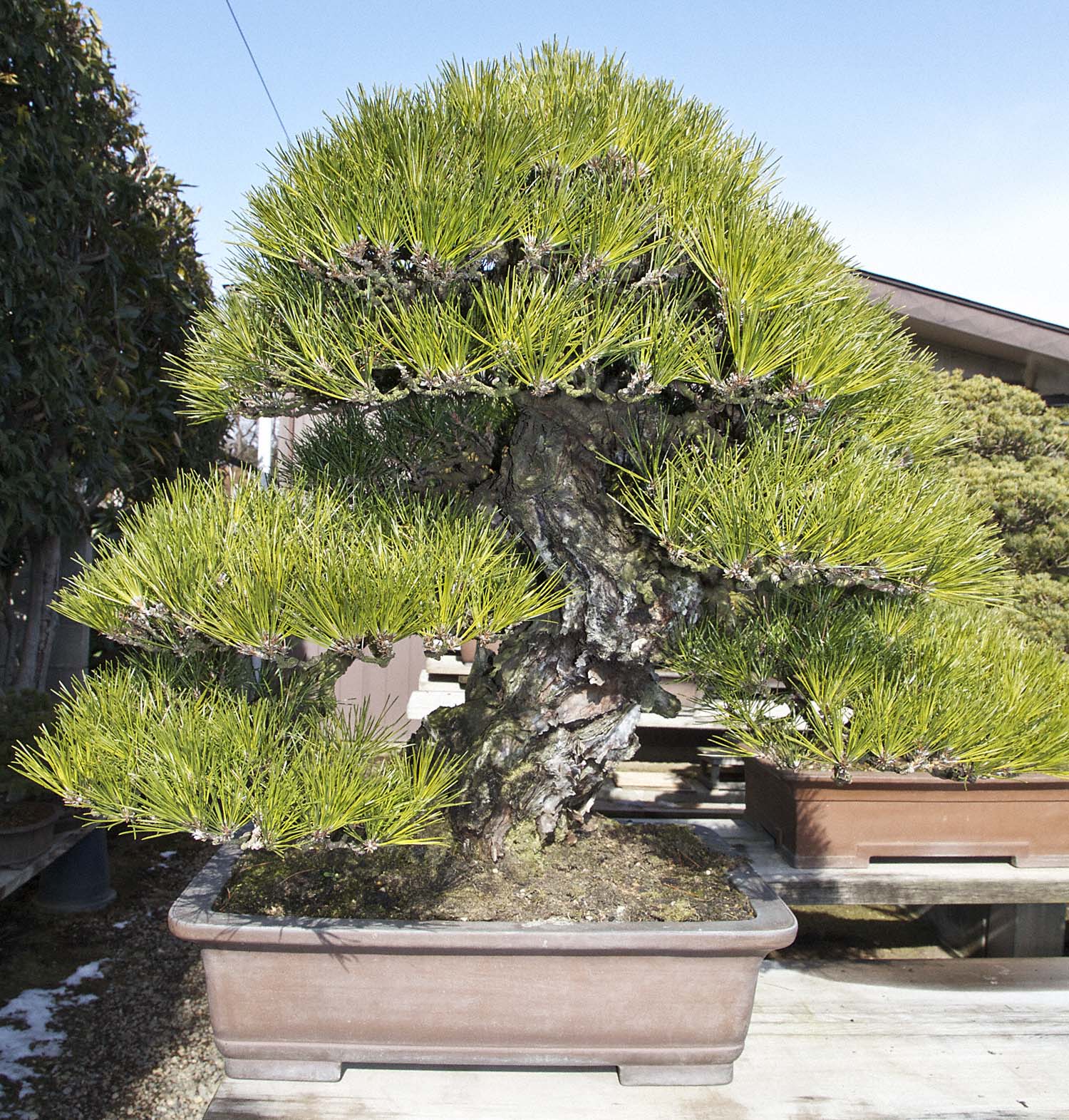
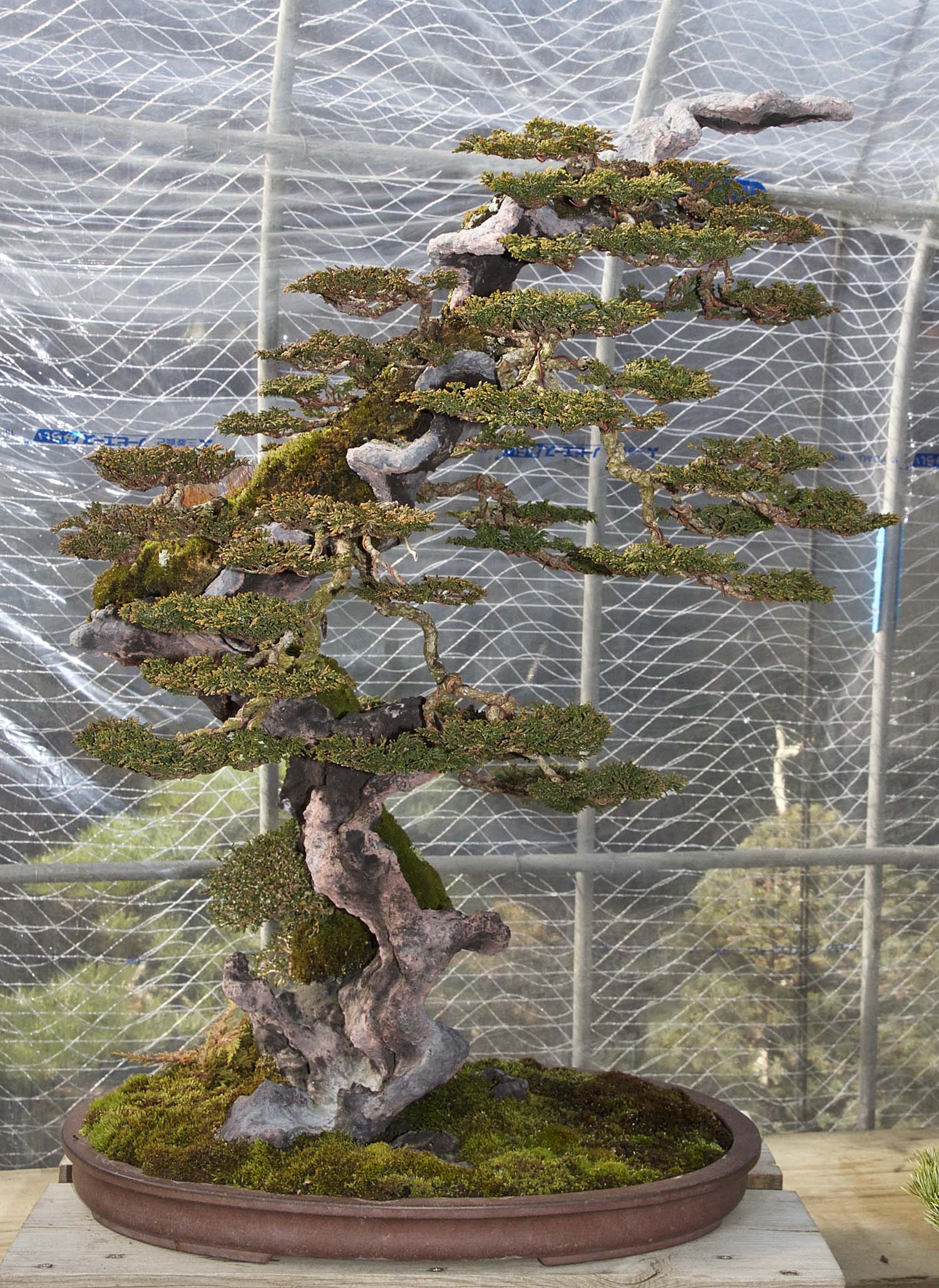
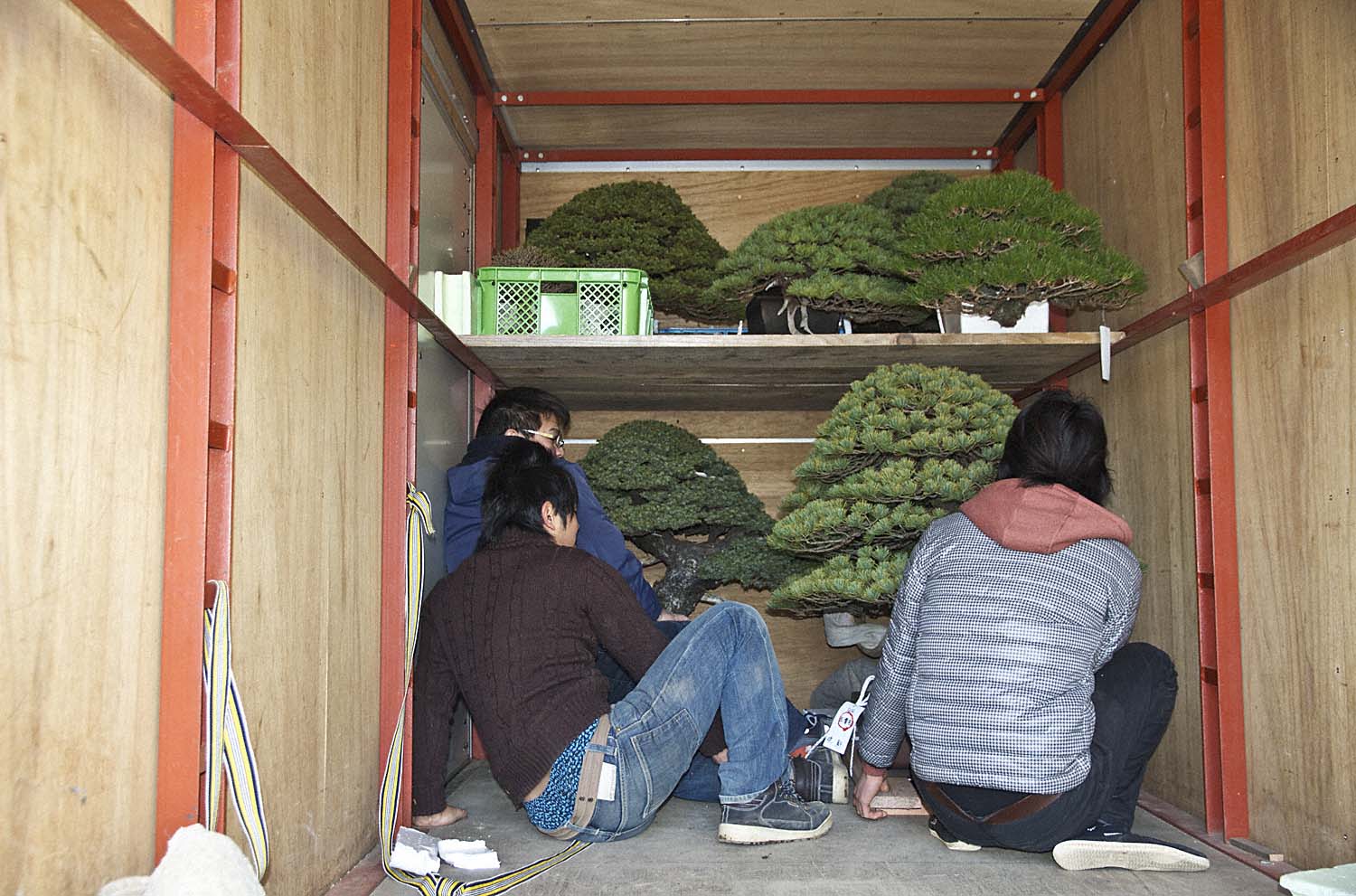
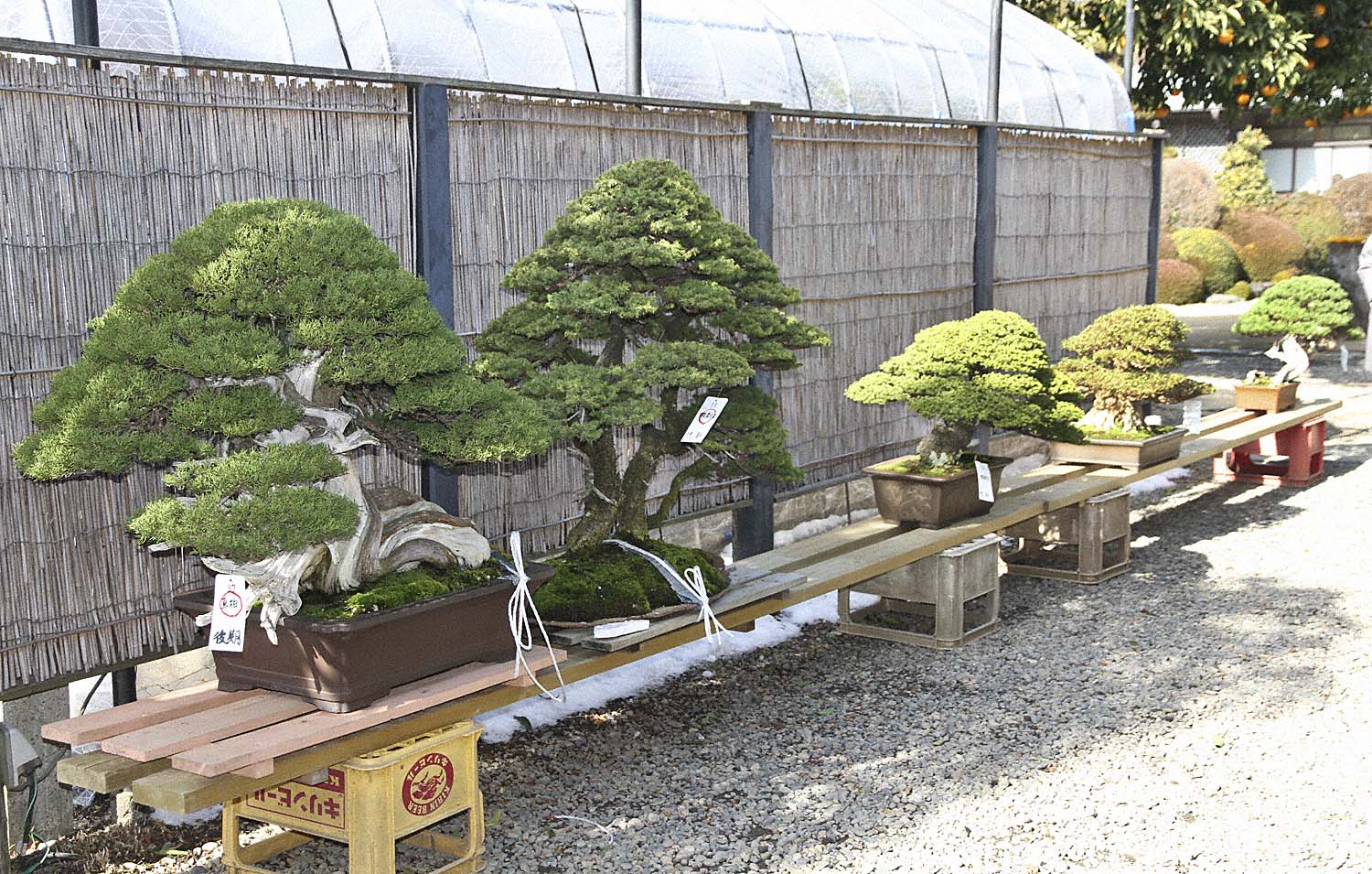
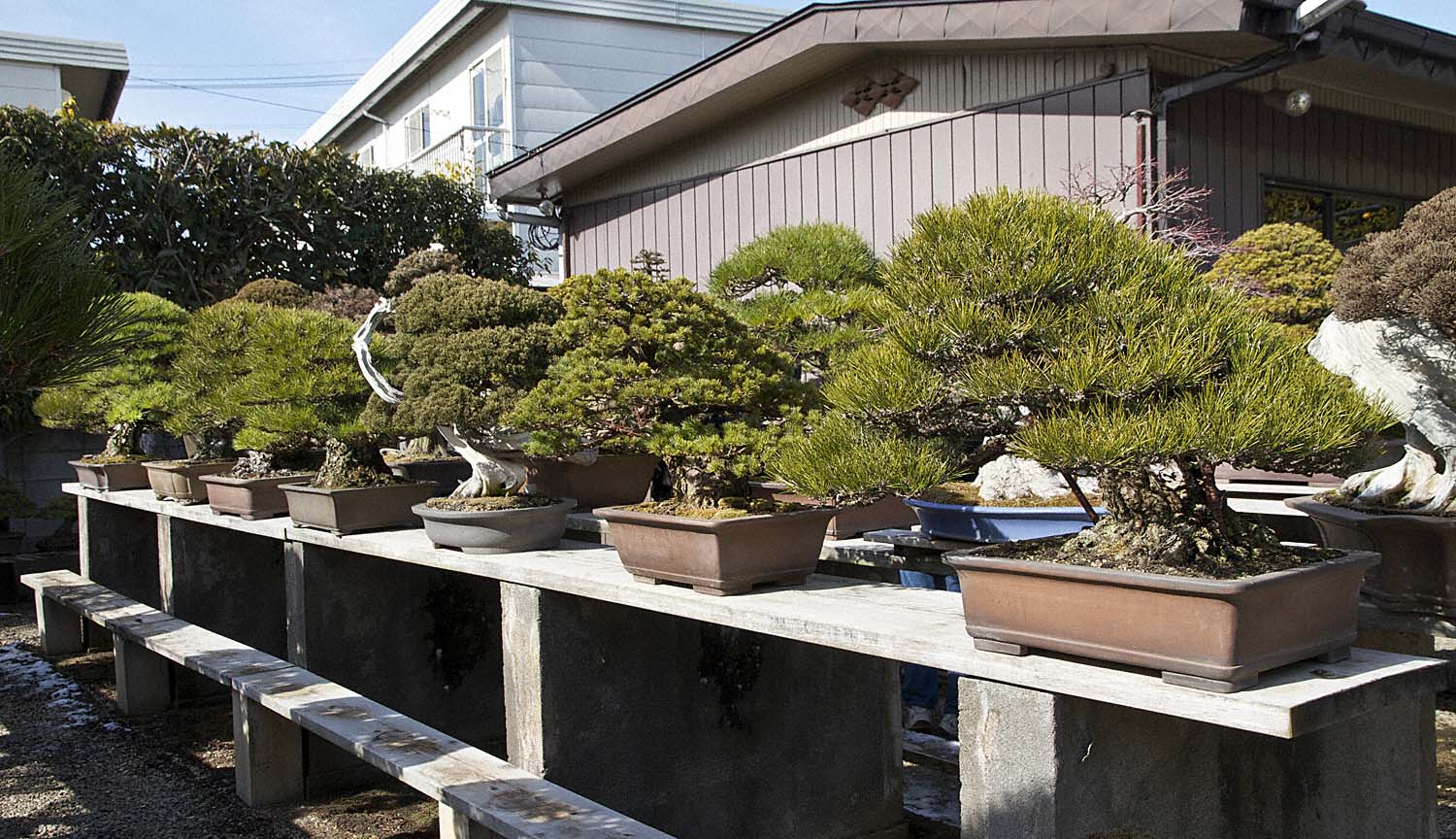
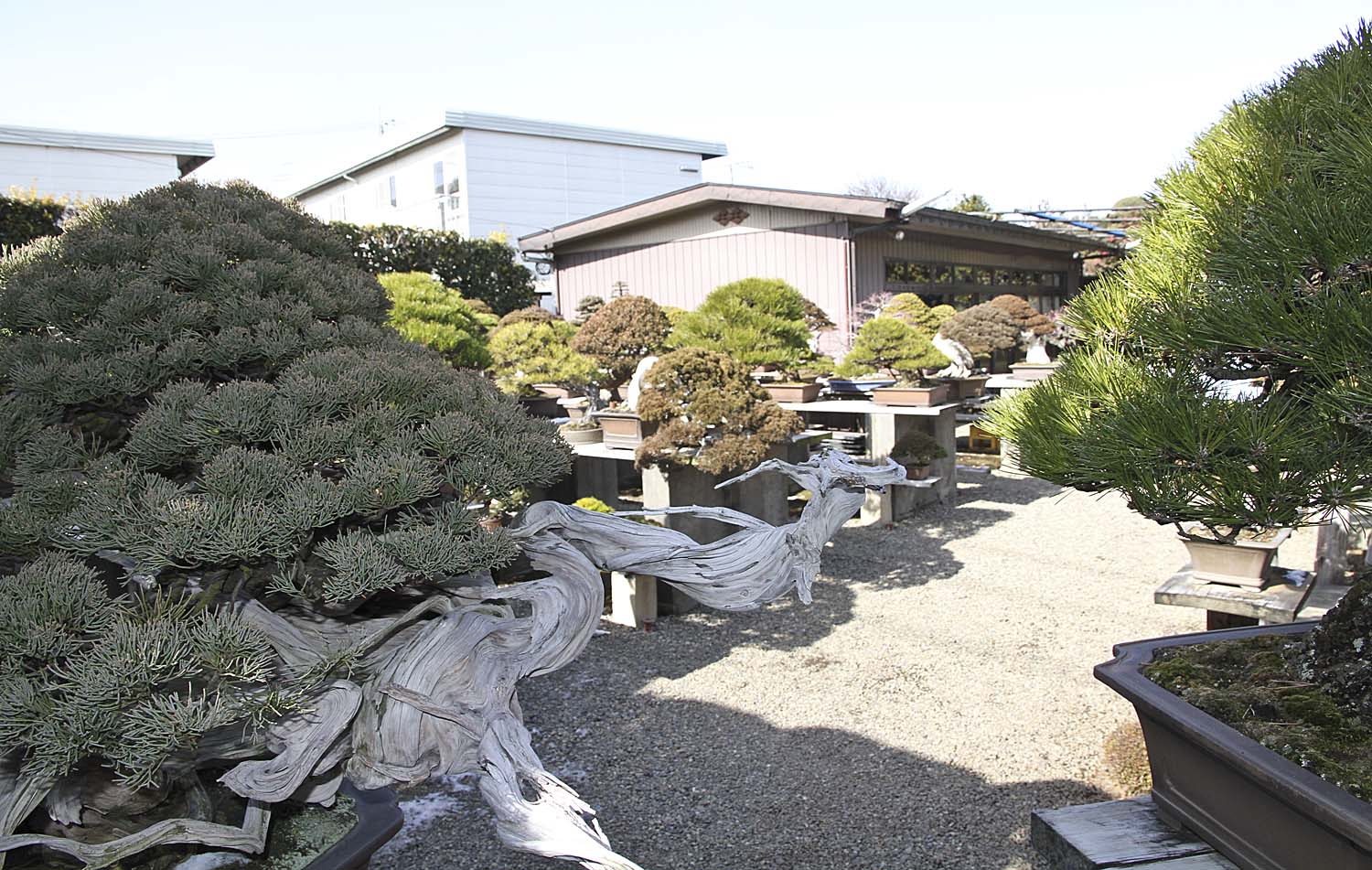
On Friday morning we visited the garden of Award winning artist Masahiko Kimura. When we arrived a large truck was being loaded by three apprentices. Approximately 14 bonsai were groomed, labeled and tied to wooden boards for the trip to Tokyo and switch out on Saturday.
Image


Image


Image


Image


Image


Image


Image


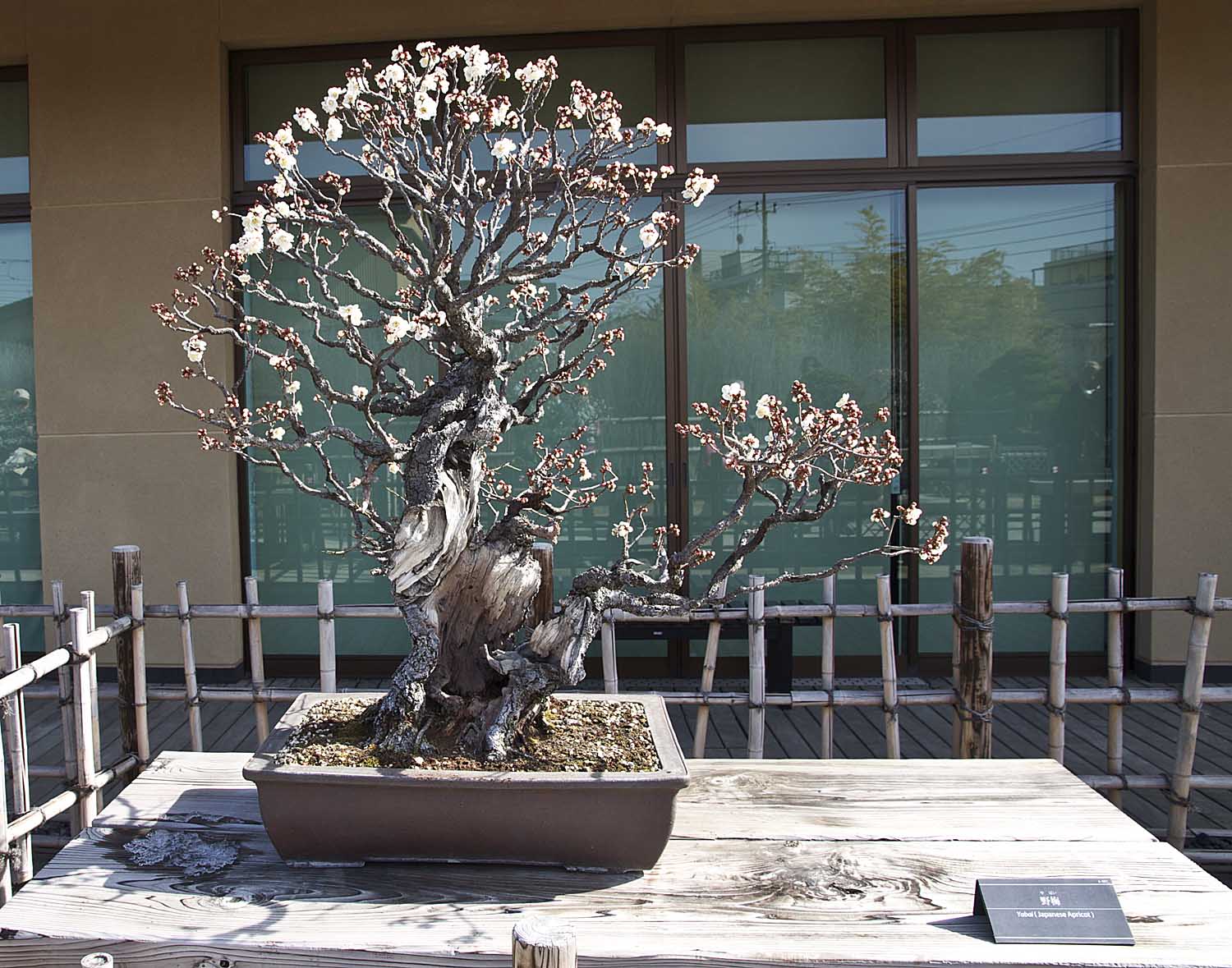
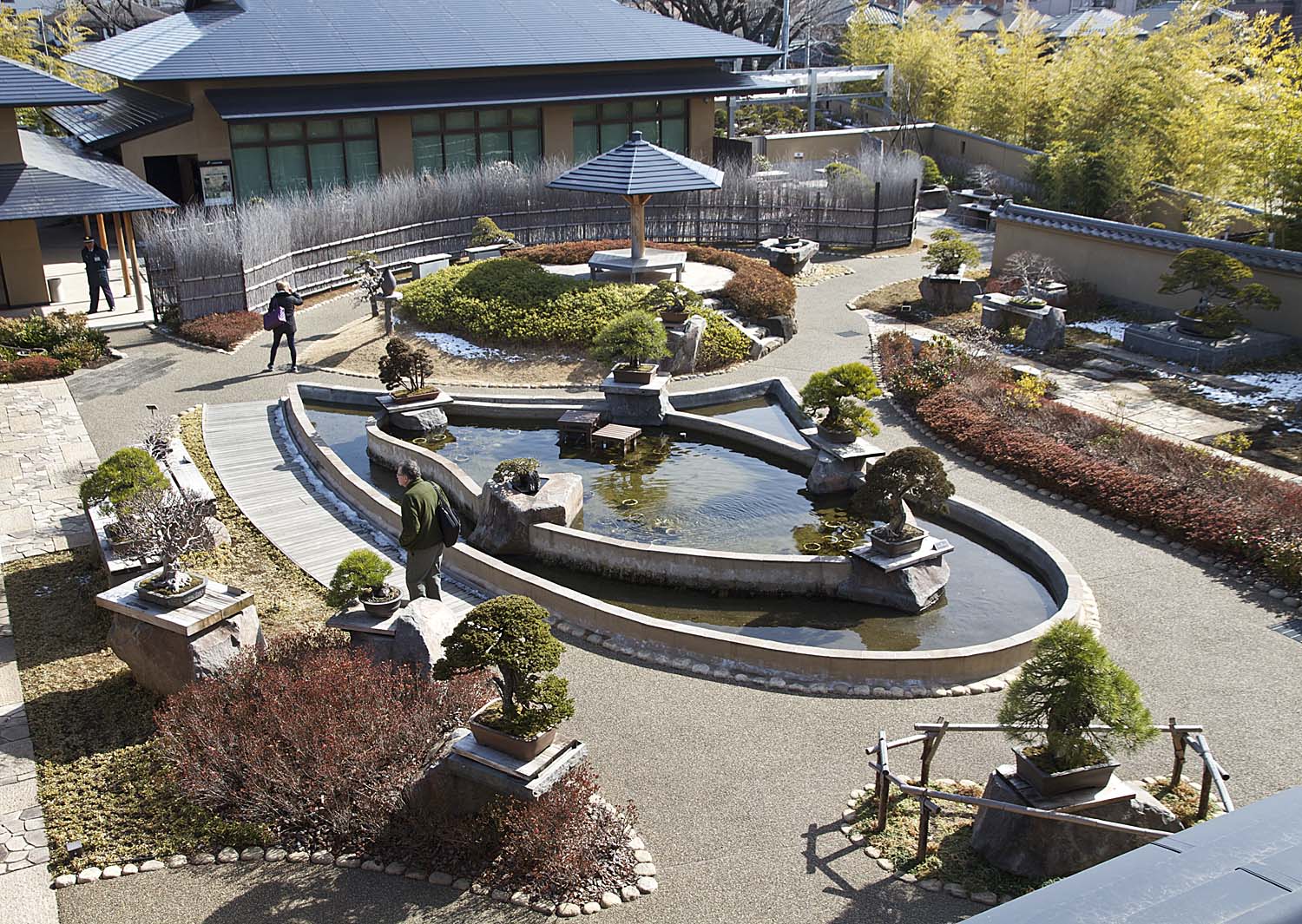
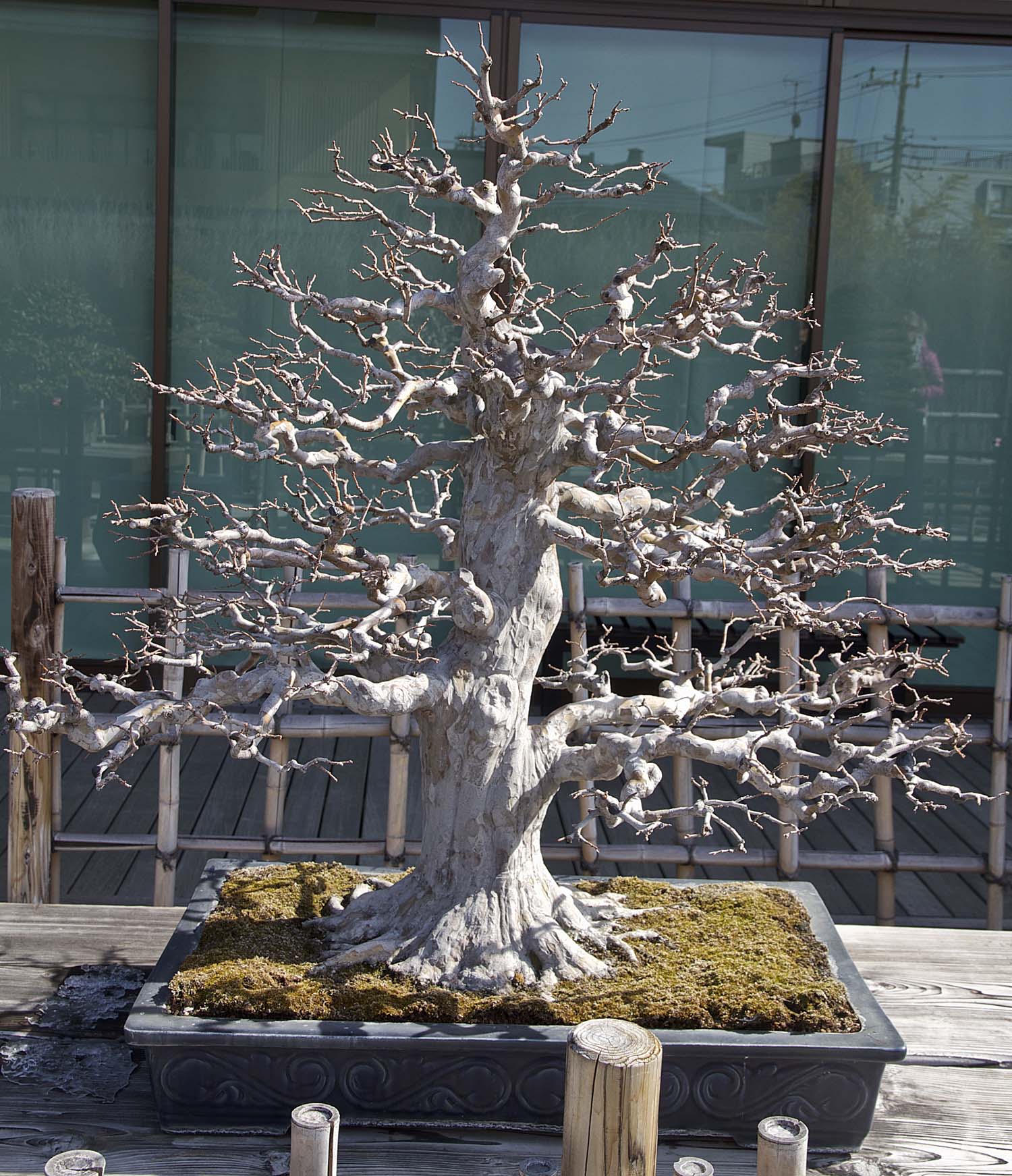
Next we visited the Omiya Bonsai Art Museum. Several of the sweet aromatic Japanese flowering apricot bonsai were in peak blossom. Photographs are not allowed in the museum nor the outdoor display area. However there is a section where photos are allowed in the garden, lobby and upper terrace. Of particular interest to me was a special display of old photographs, tools, maps and publications about the Omiya Bonsai Village. Of course I looked carefully and found an old photograph of a young Yuji Yoshimura leading a bonsai tour at Fuyo-en Bonsai Garden in the 1950s.
Image

Image


Image


Image

This is the 90th Anniversary of the founding of Omiya Bonsai Village and each of the few remaining gardens displayed a several representative bonsai of their artistry. This week’s display was from Seiko-en Bonsai Garden of Tomio and Kaori Yamada. She displayed a beautiful pink Japanese flowering apricot composition in her “Saika Bonsai” style which she innovated to combine unusual containers, ikebana and flowering species to increase the popularity of bonsai to the public, especially women.
 

Image


Image

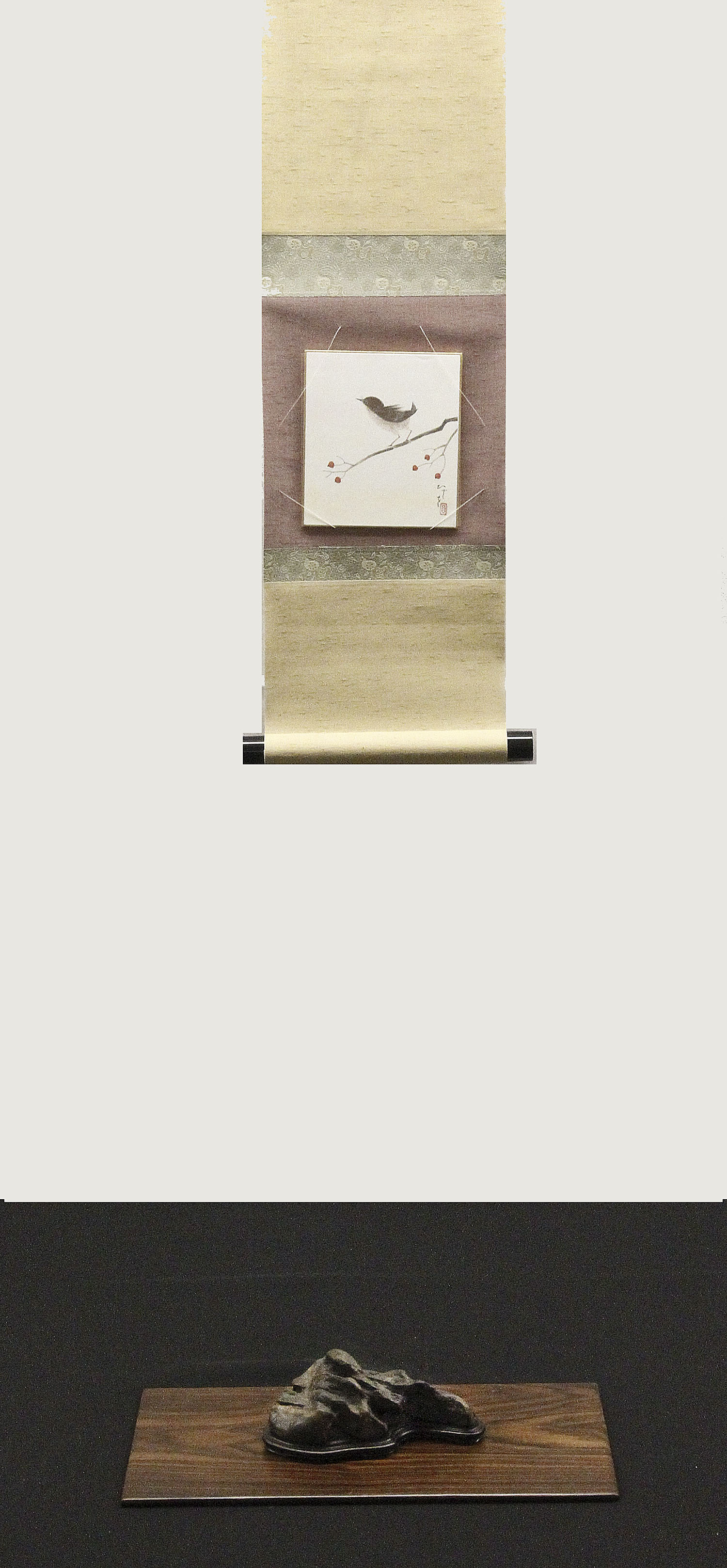
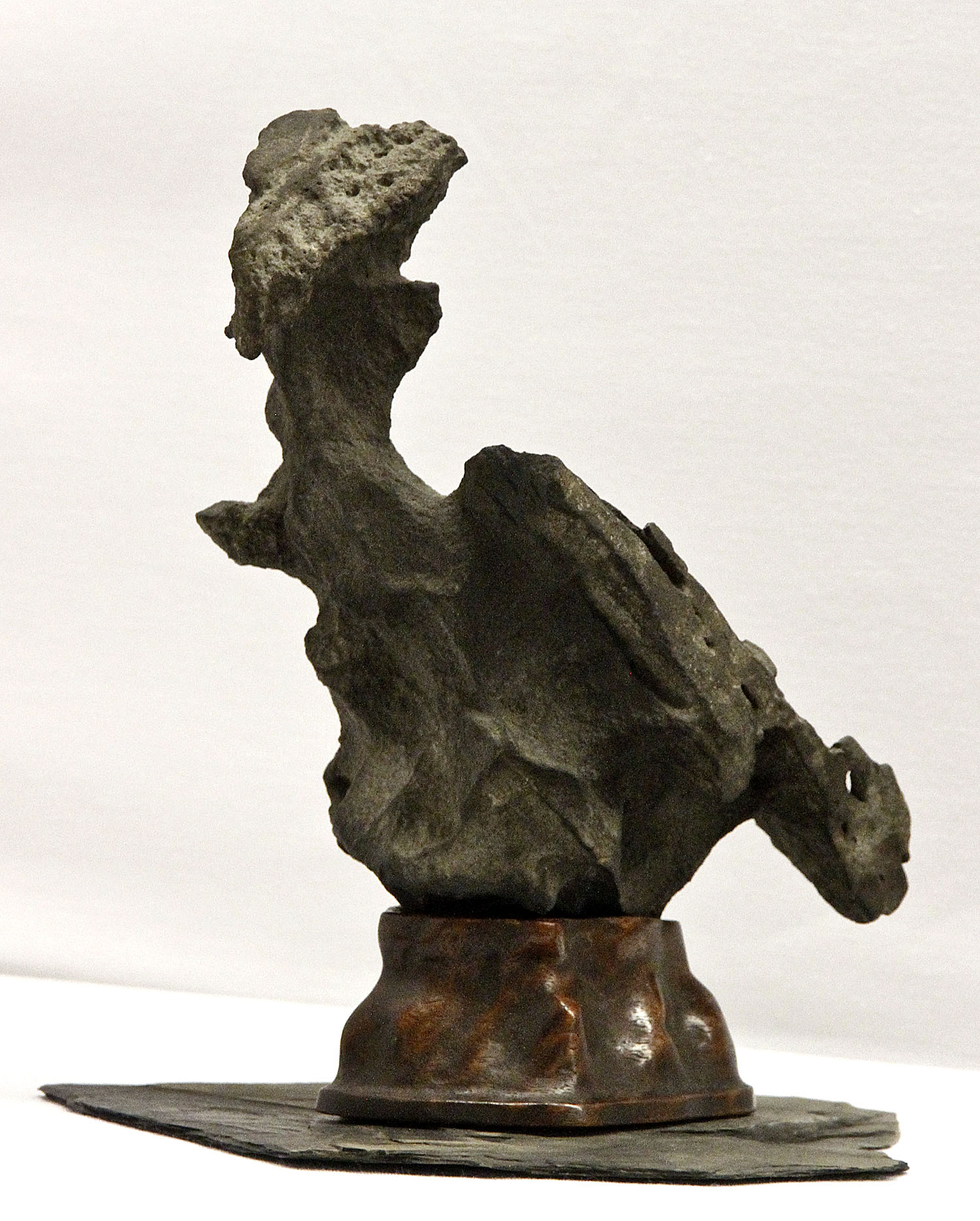
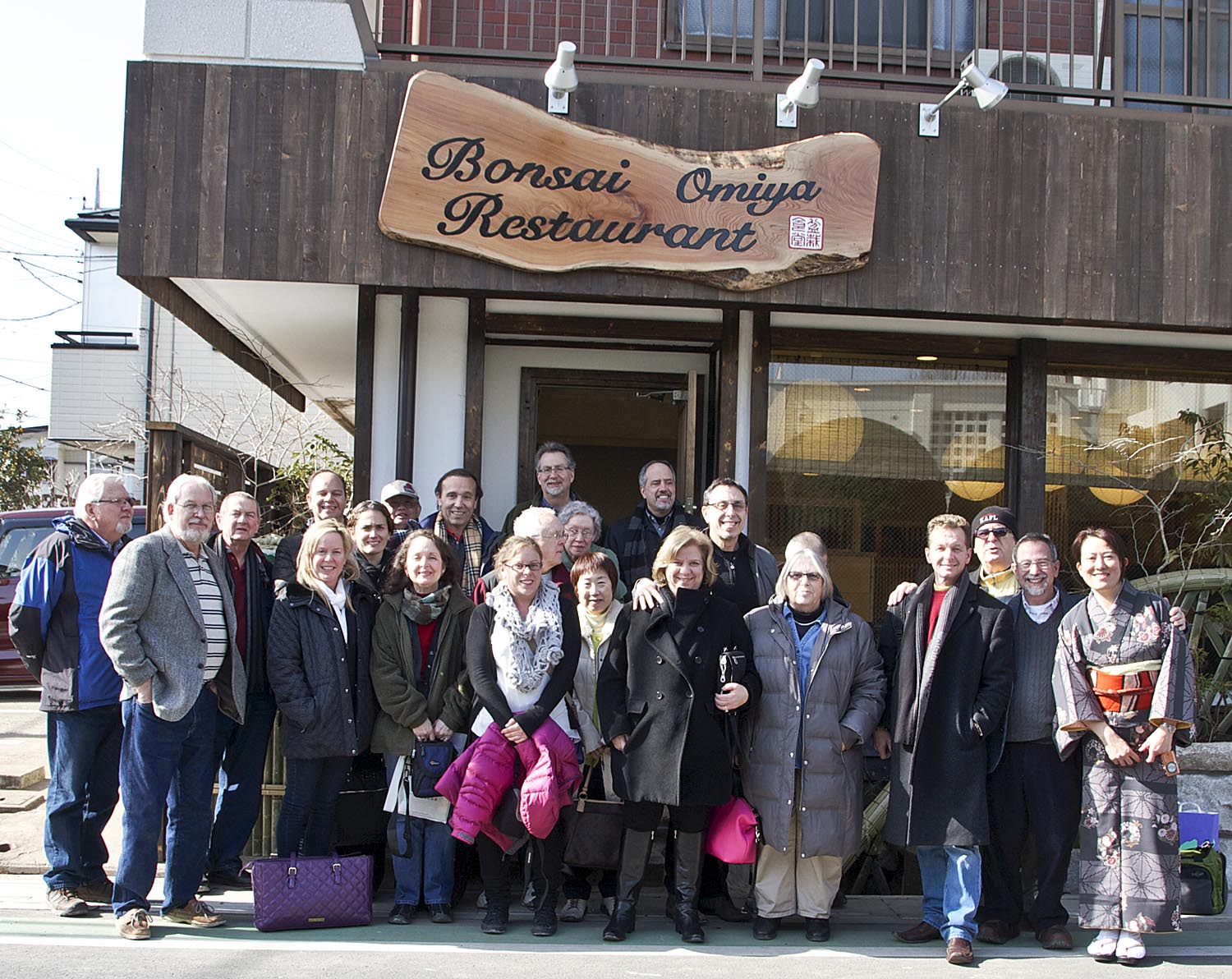
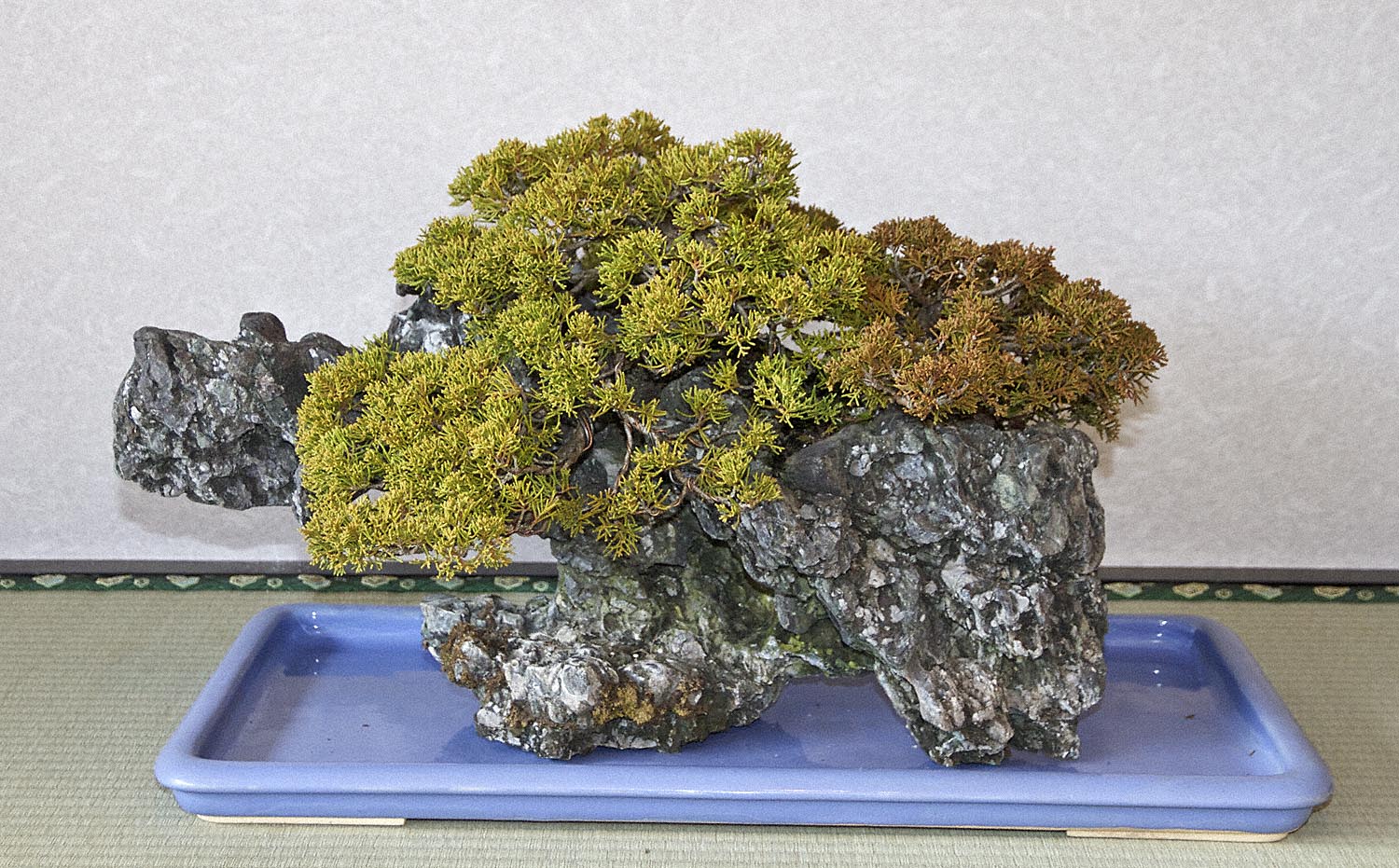
Yoshi Nakamizu (Bonsai Network Japan) opened his new Bonsai Omiya Restaurant a couple of days ago we were one of his first groups to dine with him. The new restaurant is right across the street from the entrance of the Omiya Bonsai Museum. The food was colorful, well presented and delicious too. A few bonsai were used for decor as well as a beautiful rock planting in the welcoming tokonoma alcove.
 

Image

Image

Image


Image


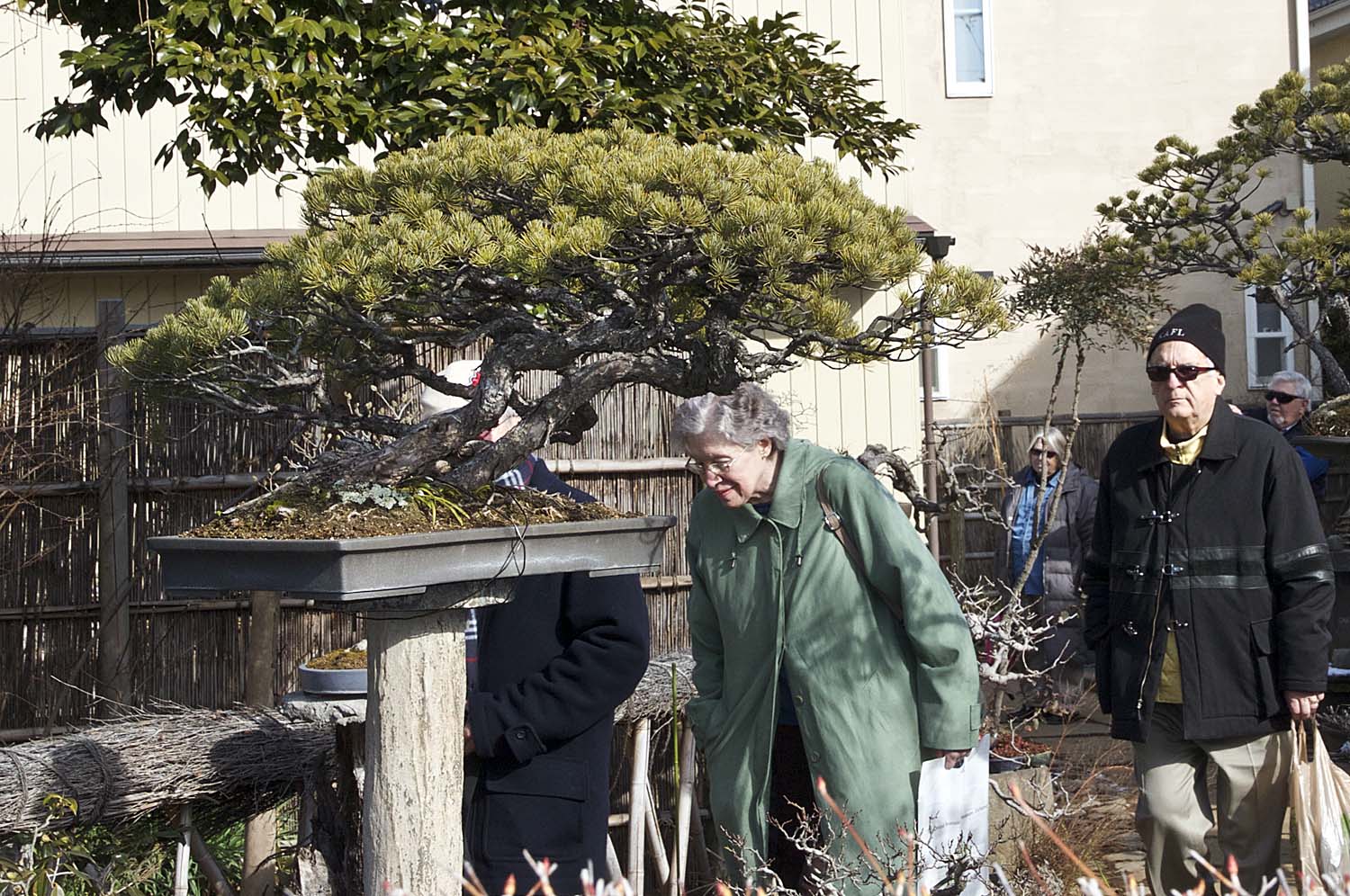
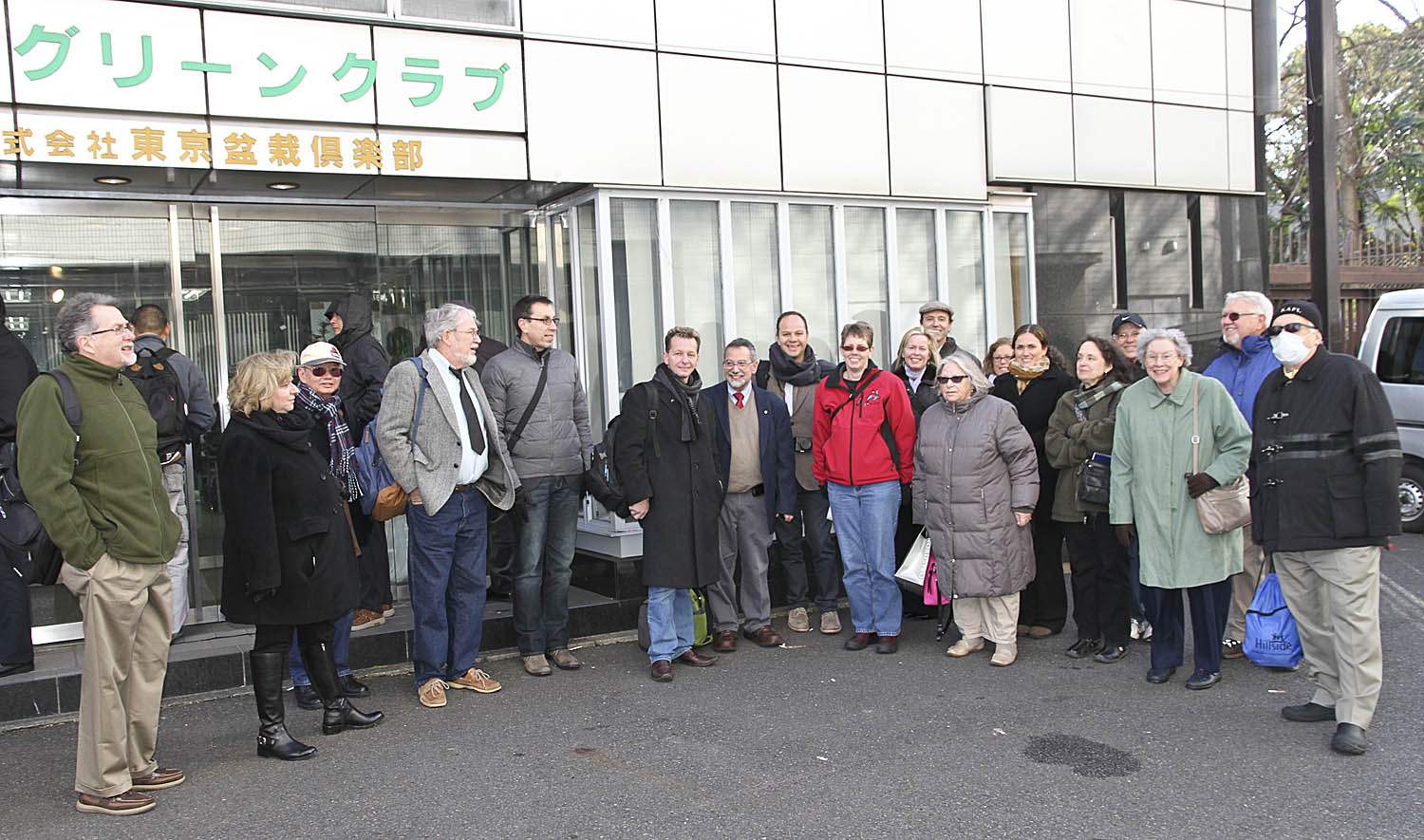
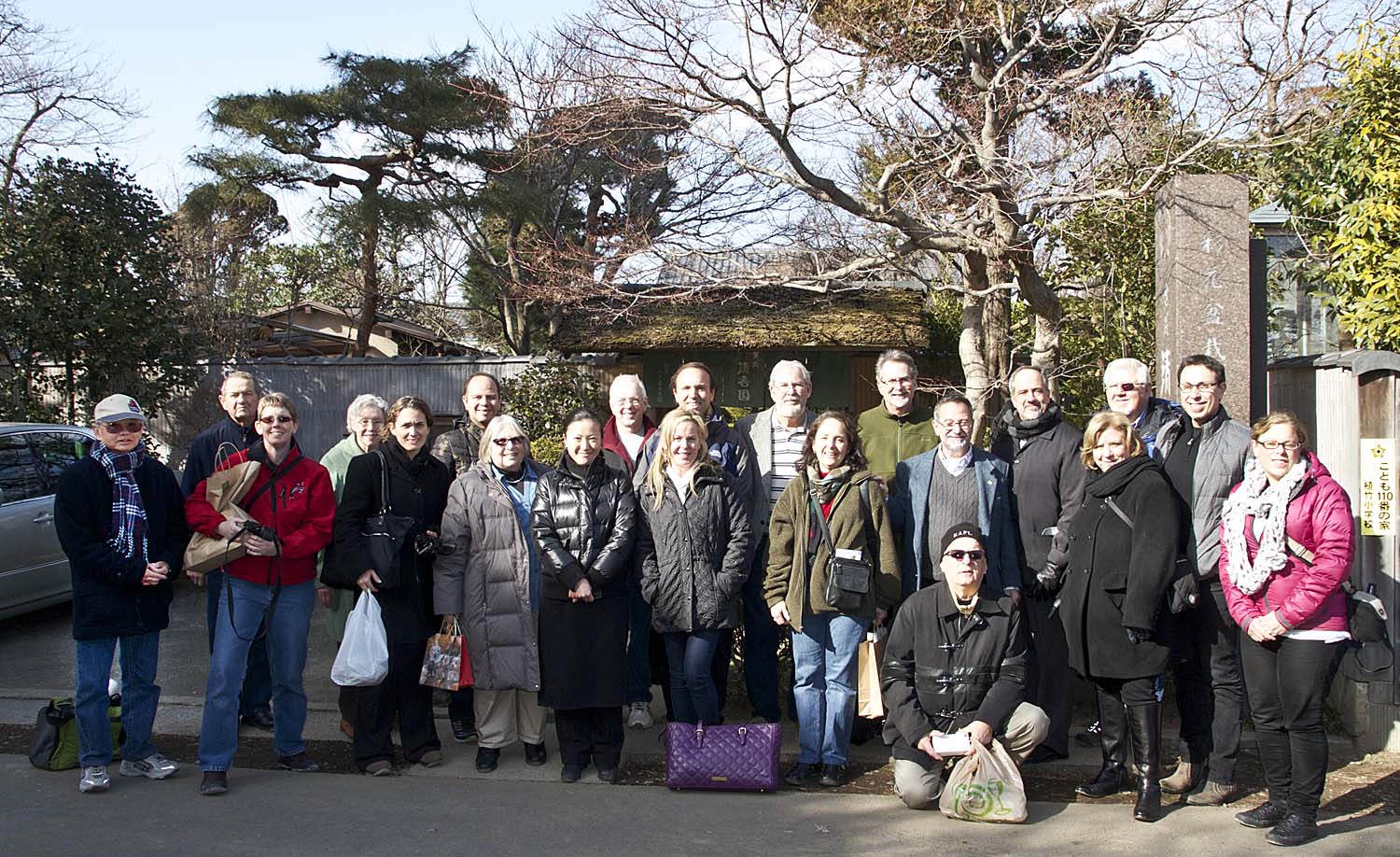
We then walked through the Omiya Bonsai Village and the first stop was Mansei-en Bonsai Garden of Hatsuji and Haruhiko Kato, fourth and fifth generation bonsai artists. They also were loading a truck with bonsai for the exhibition. Continuing our visits we stopped by the Seiko-en Bonsai Garden of Tomio and Kaori Yamada. She wanted to have a group photograph with her in the garden entrance.
Image


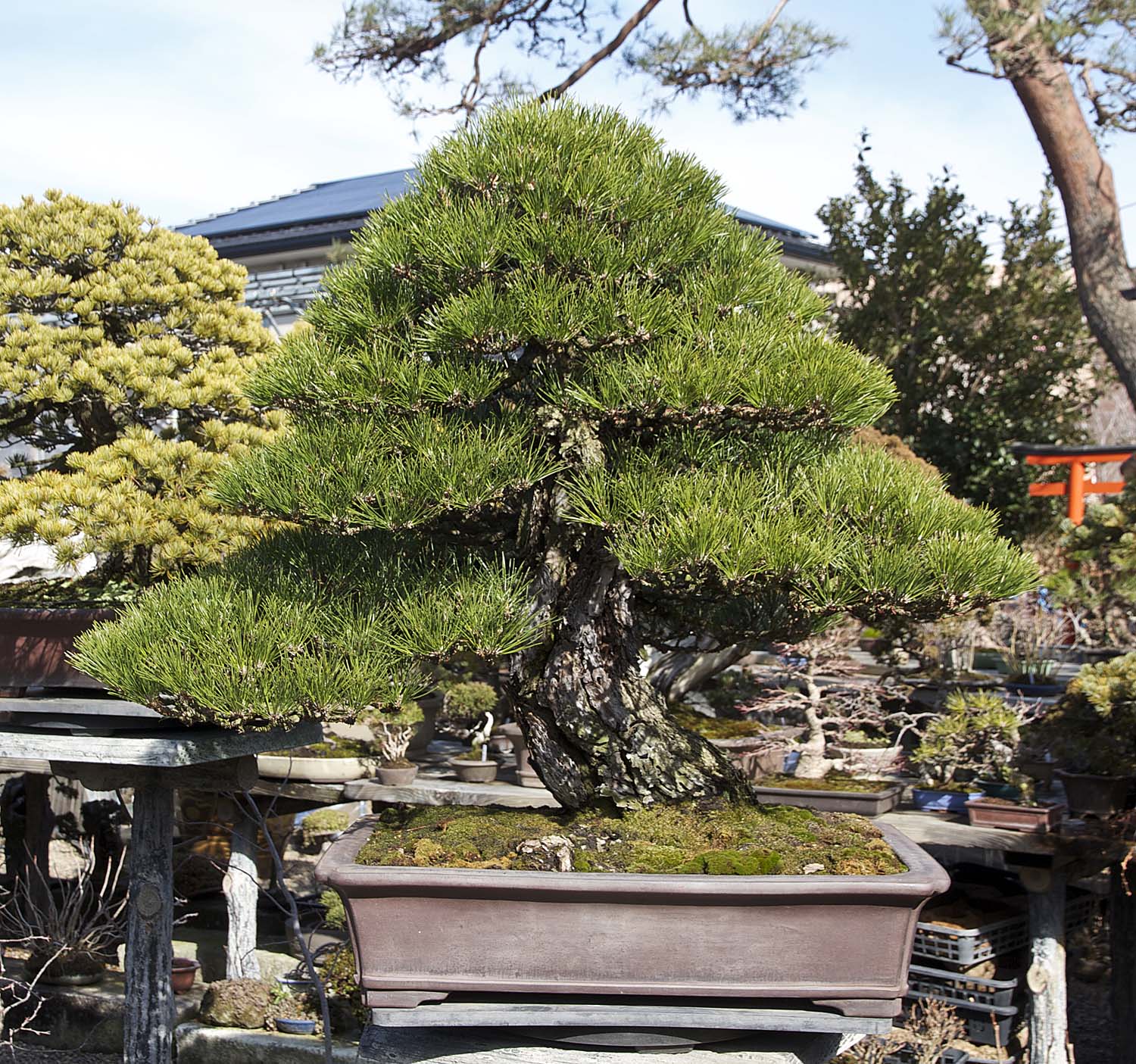
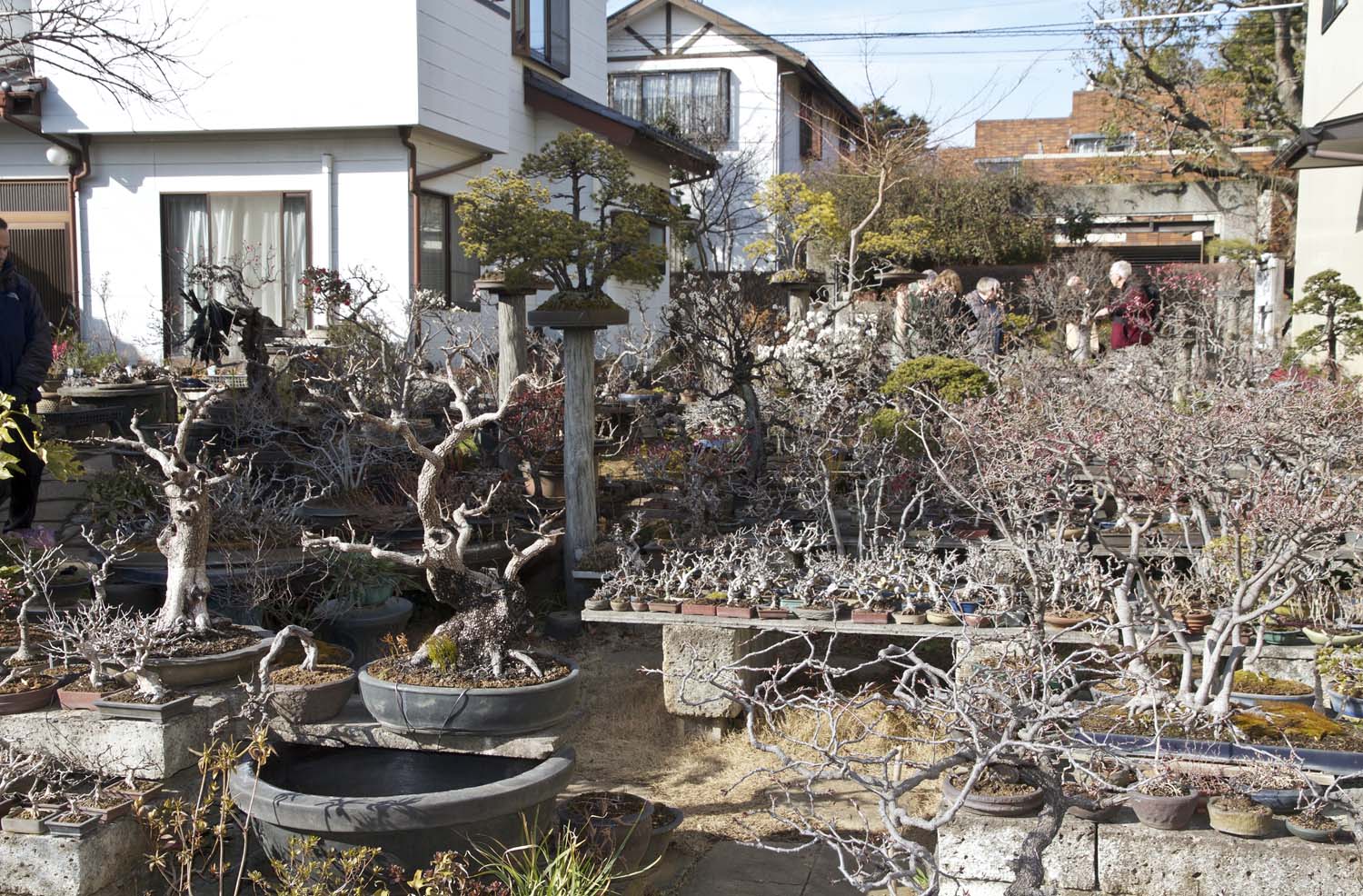
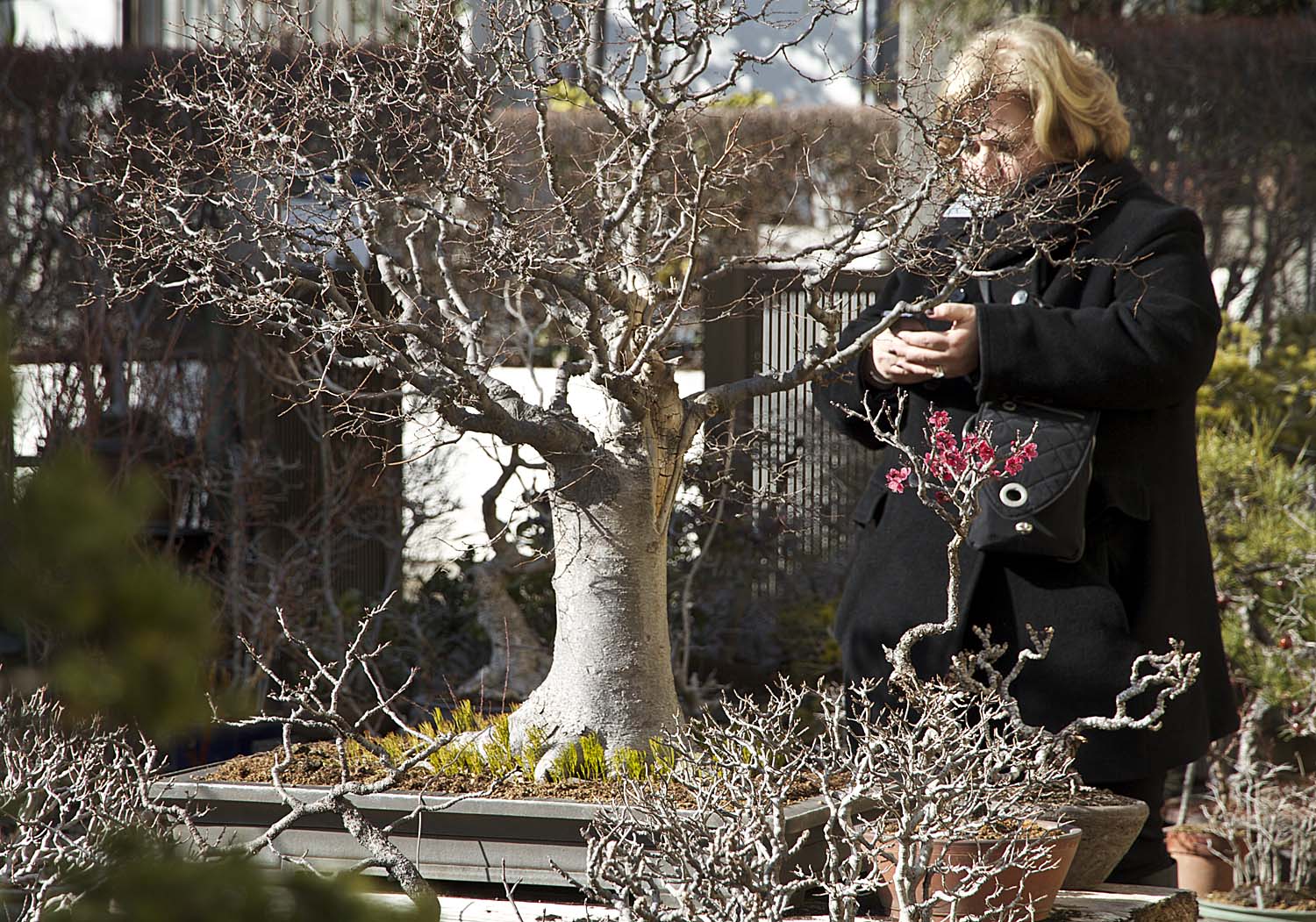
Down the road a bit we stopped by the Kuku-en Bonsai Garden of Isamu and Yukio Murata. The old famous Zelkova bonsai which once belonged to Prime Minister Yoshida was on display. Mr. Murata is the caretaker of the Imperial Bonsai Collection in Tokyo and I was surprised to be informed that several “imperial” bonsai are maintained at Kyuka-en Bonsai Garden.
Image

Image

Image


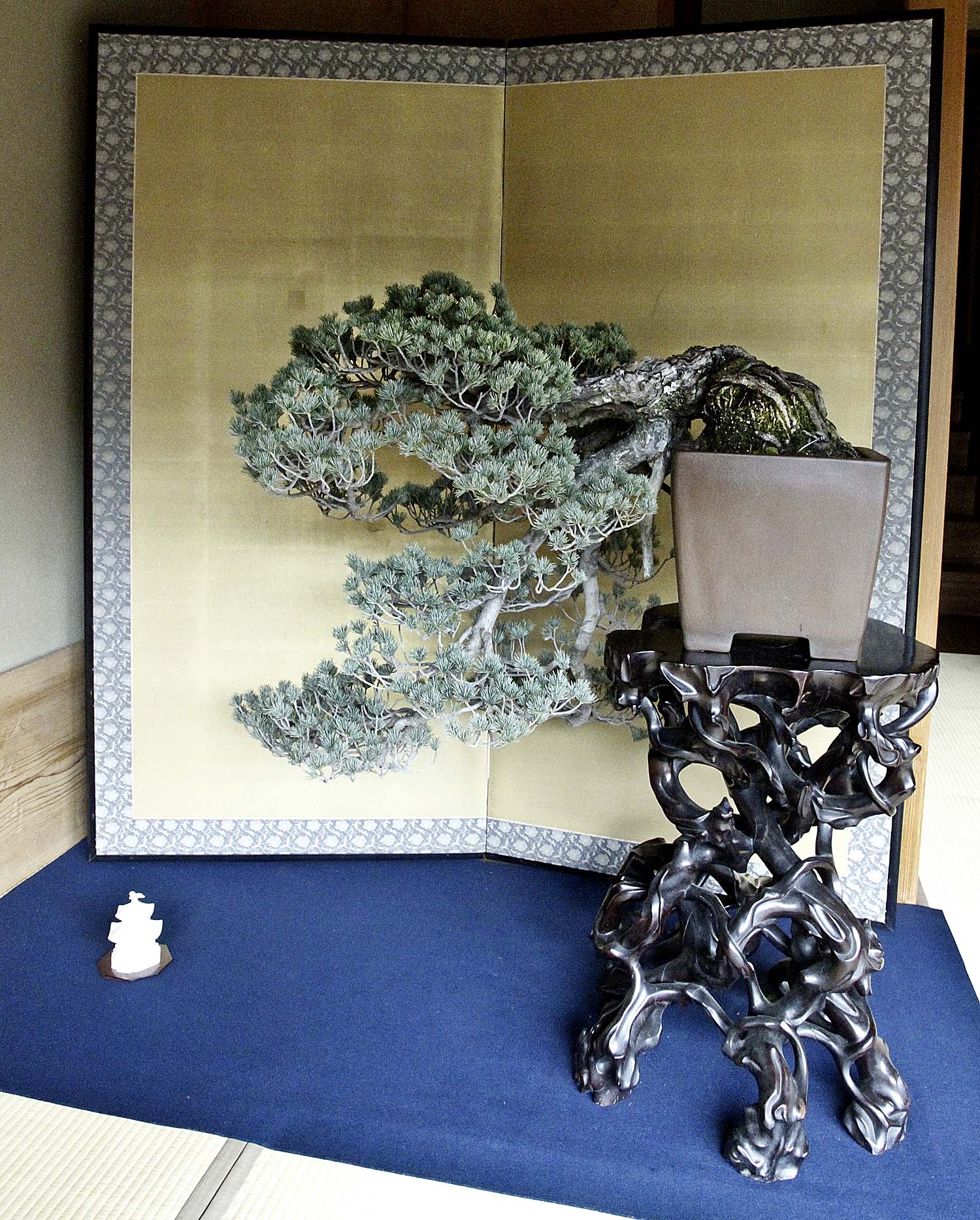
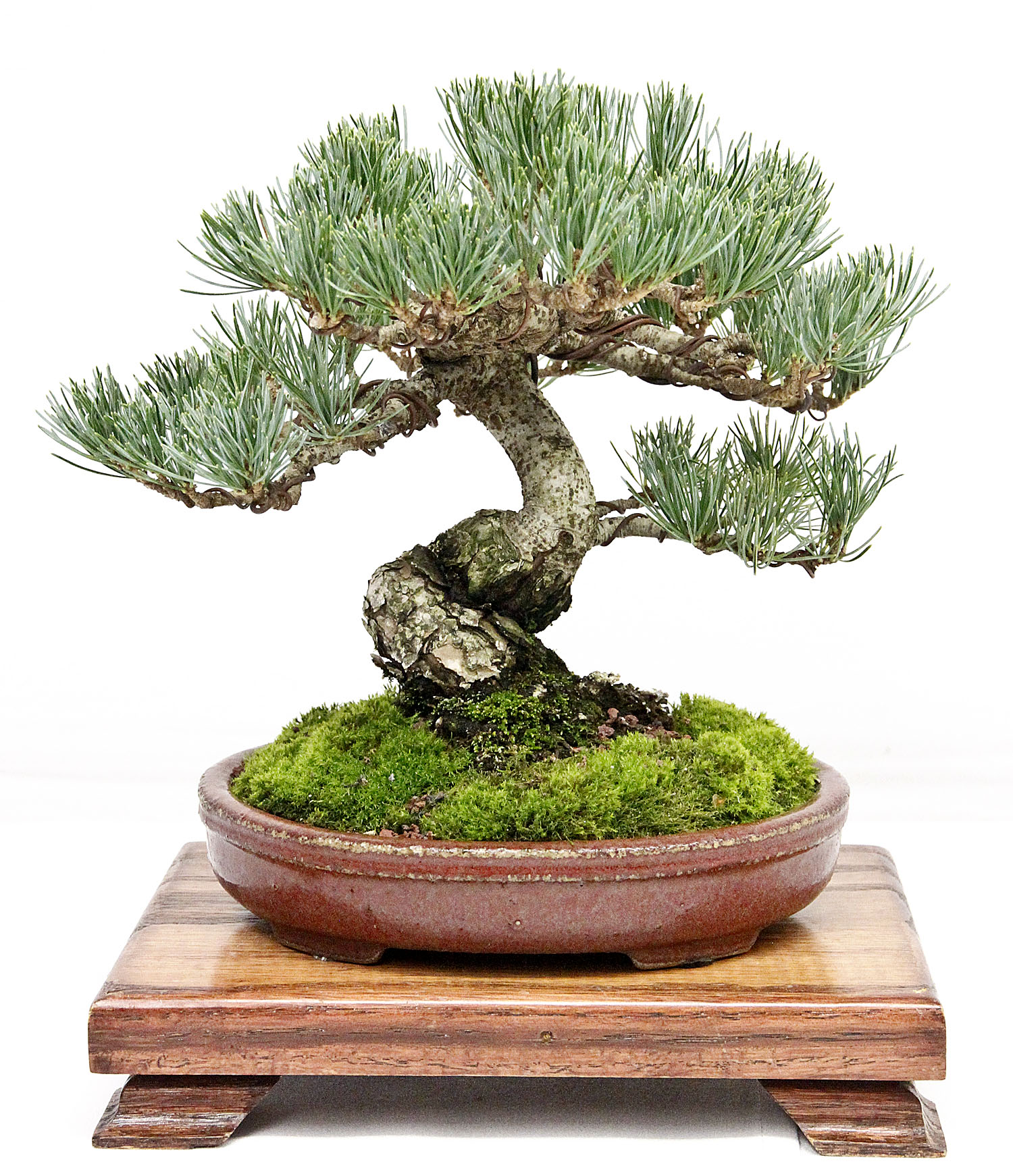
Imperial bonsai Japanese five-needle pine


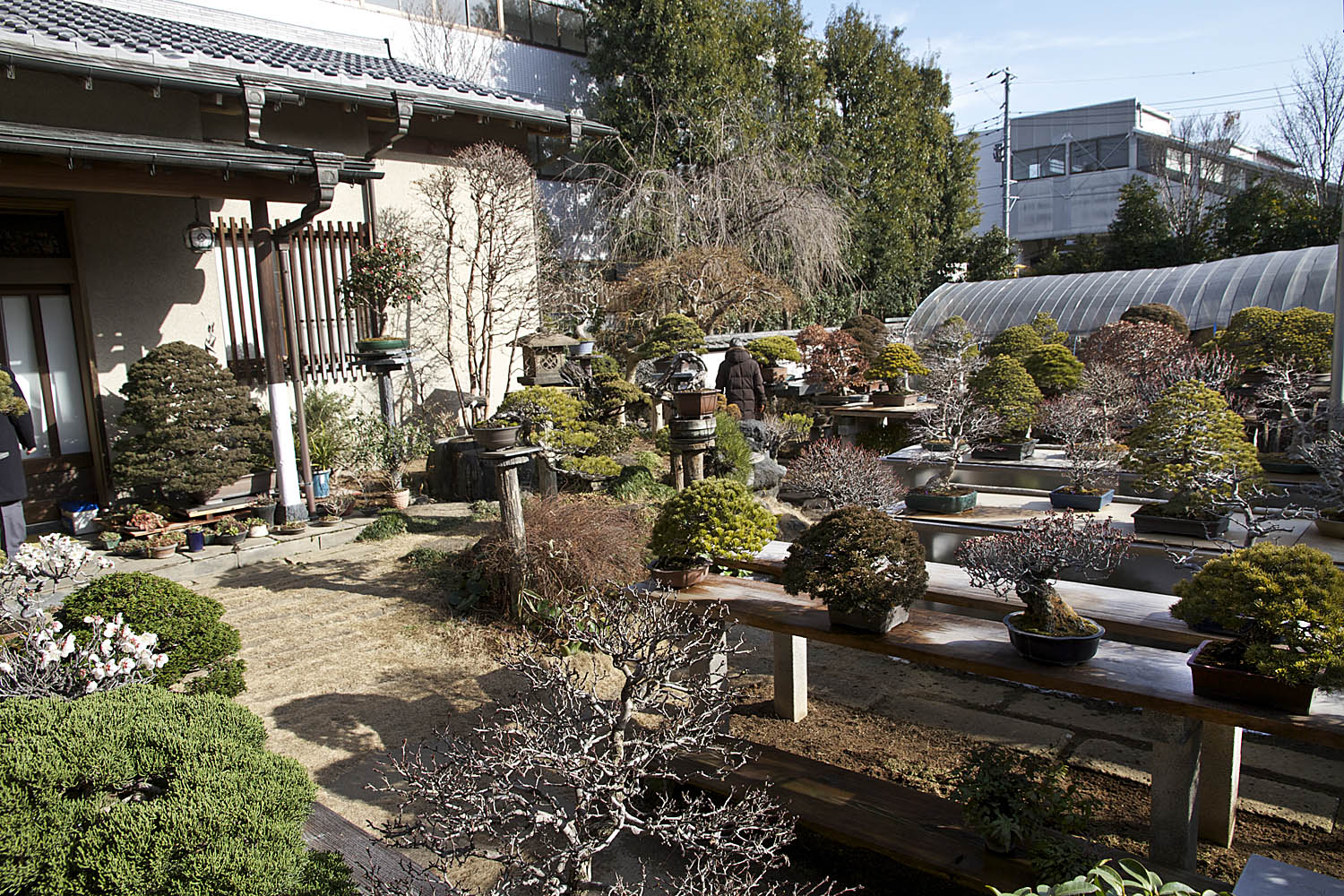
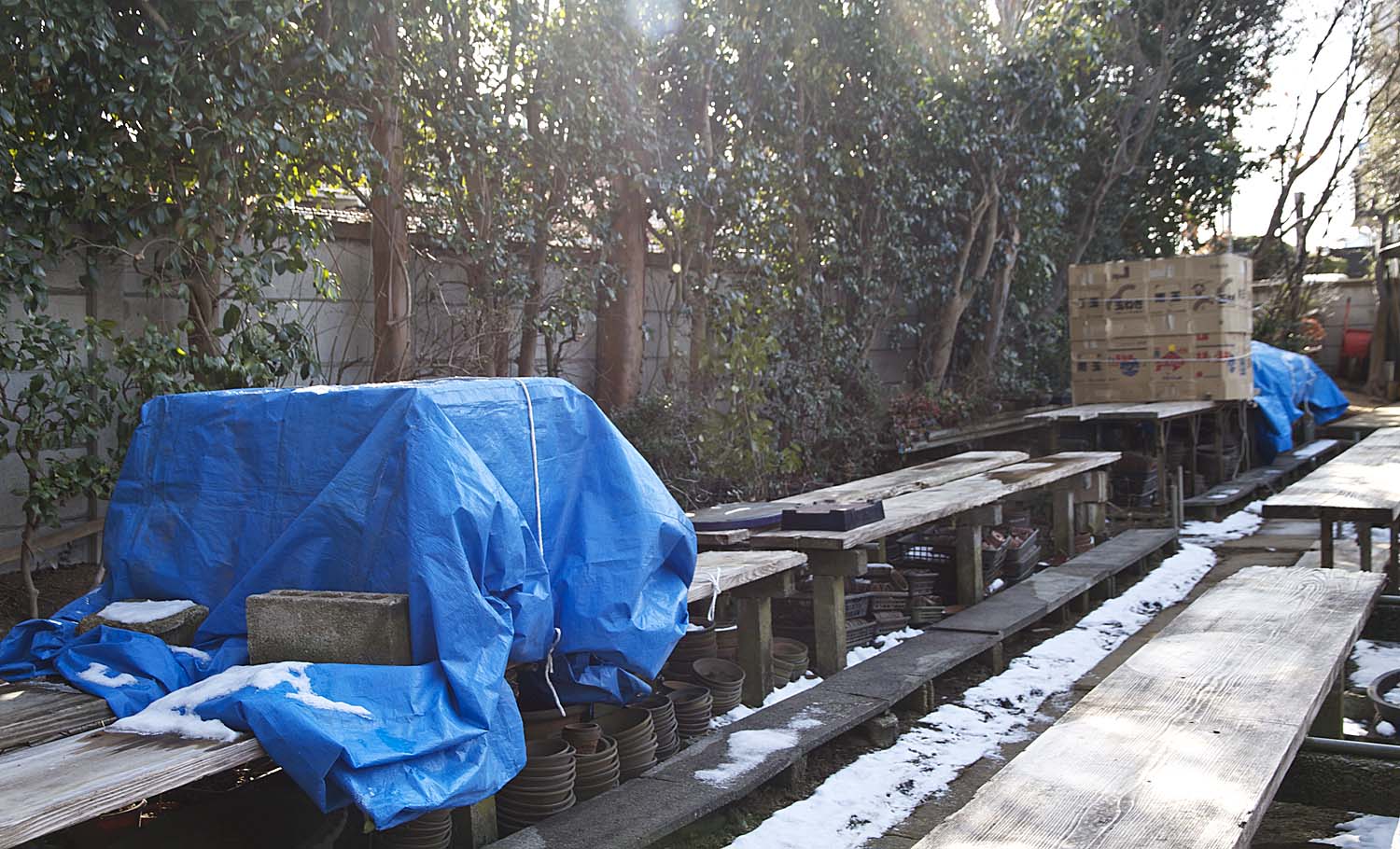
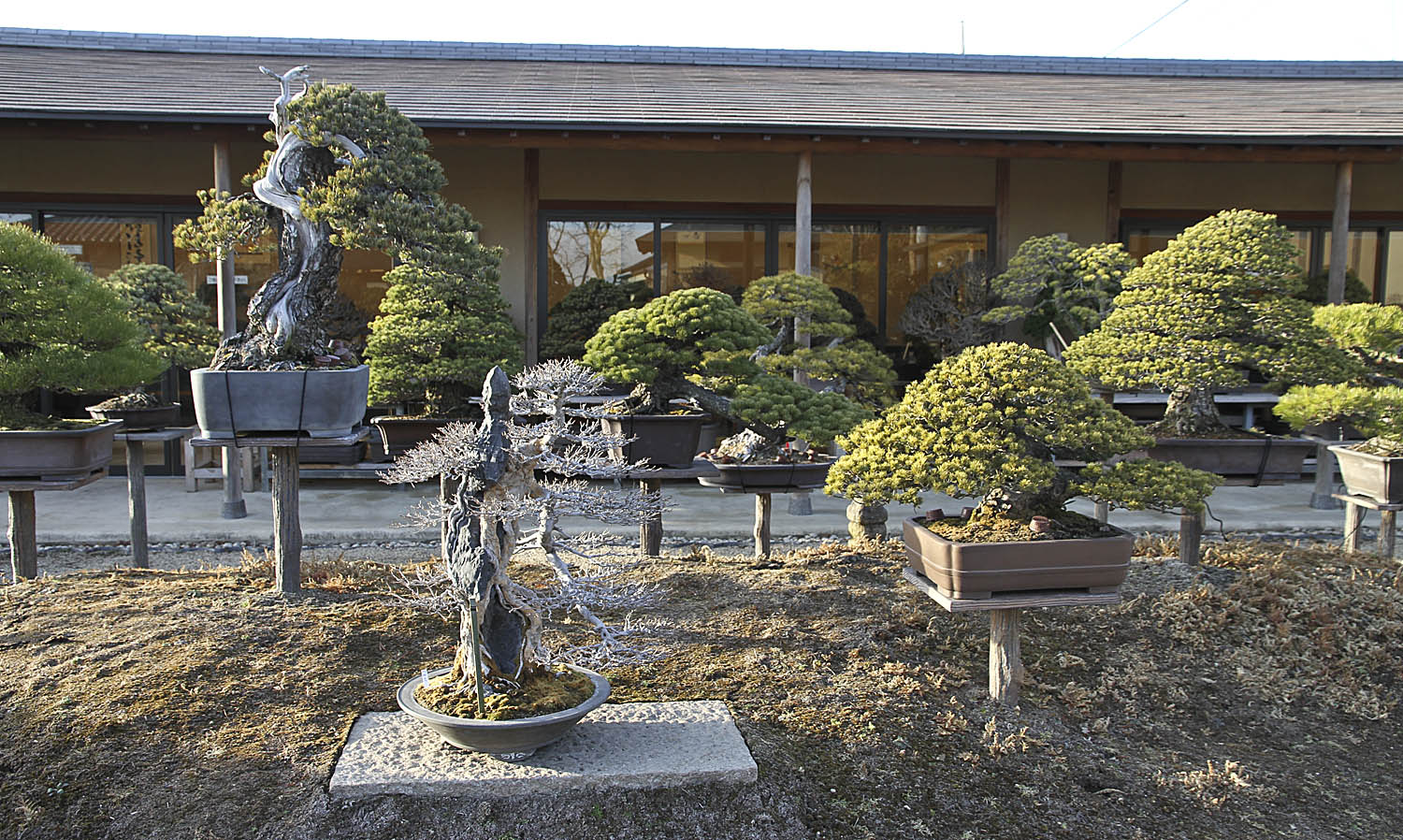
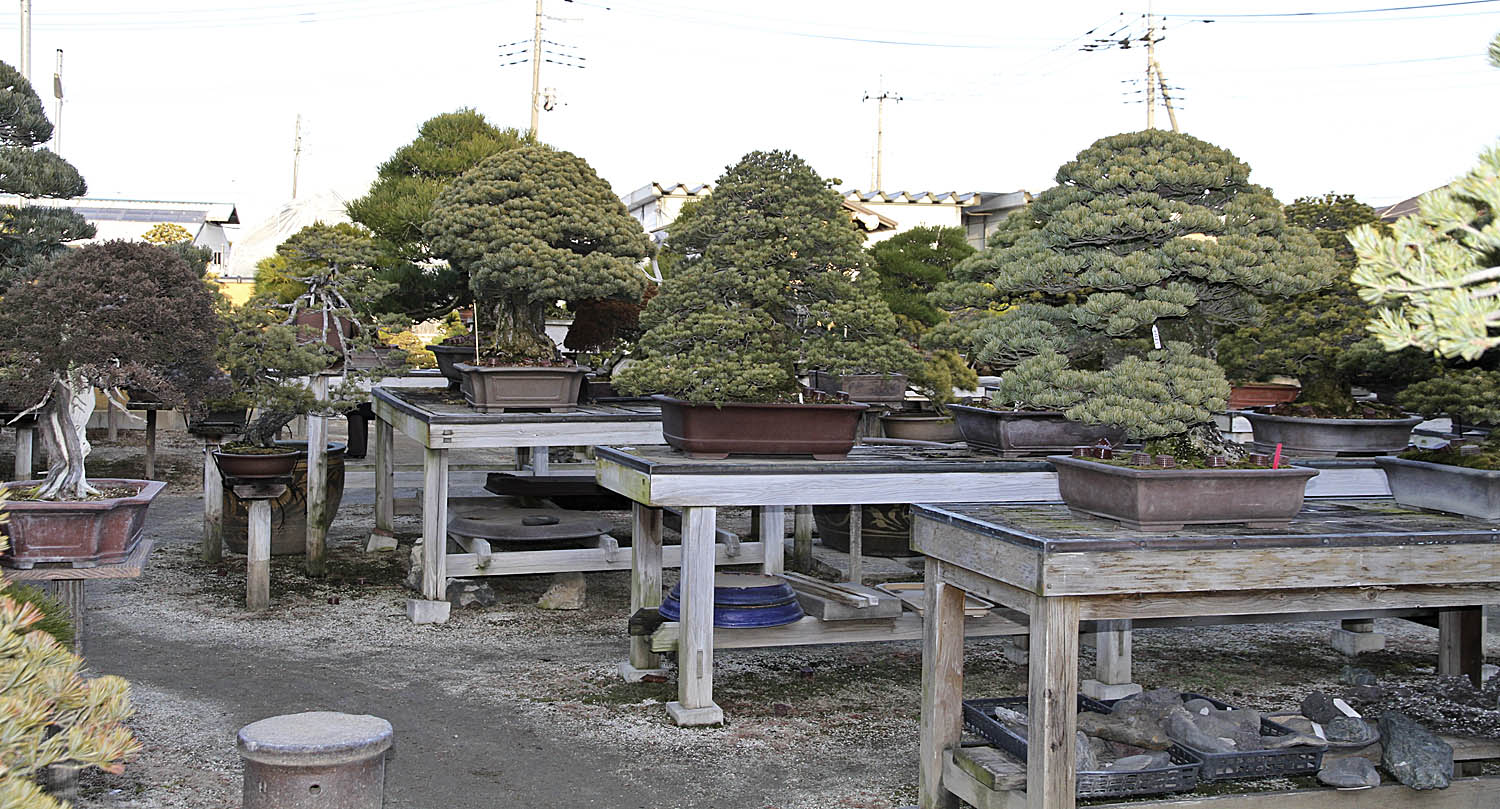
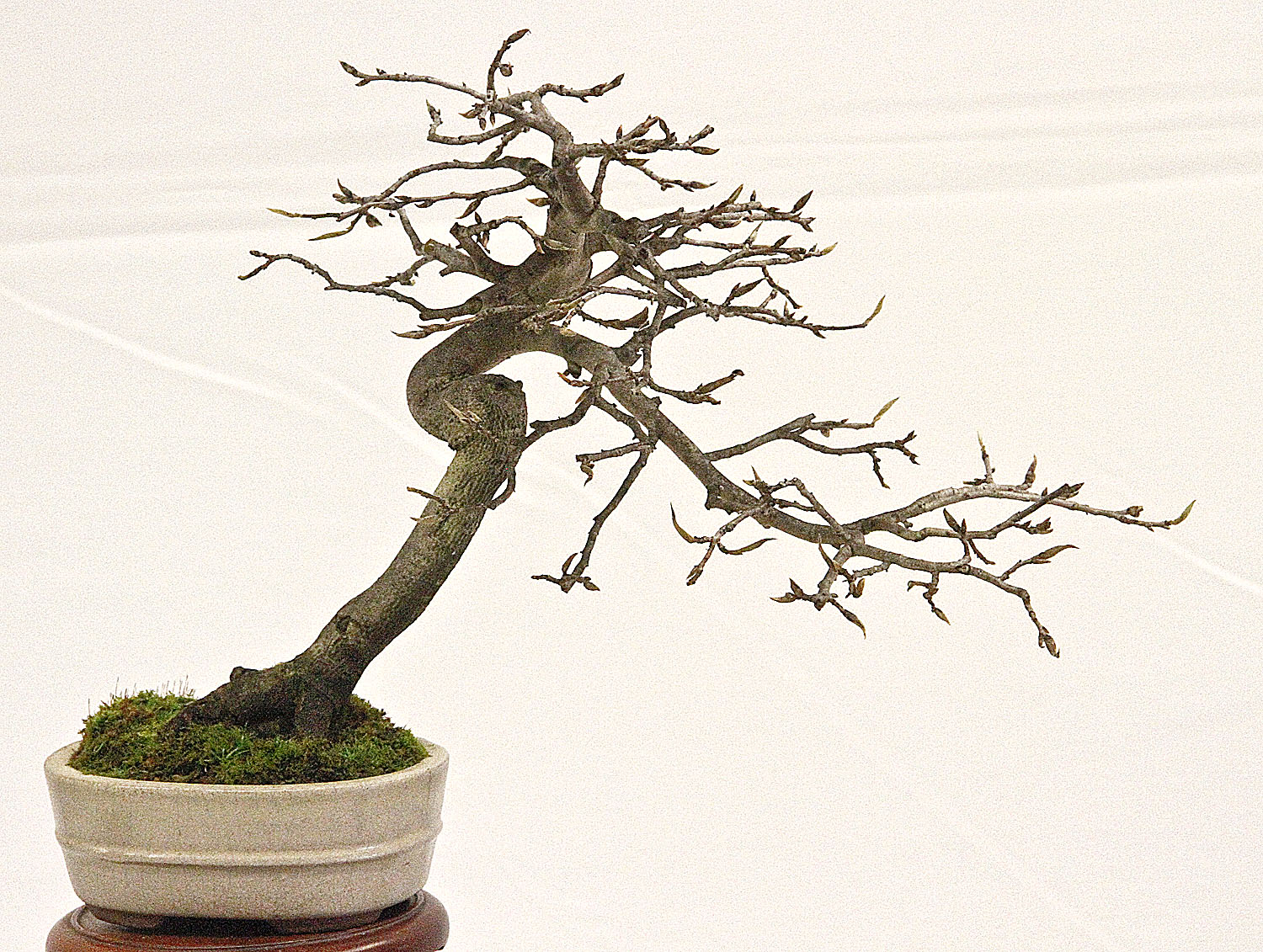
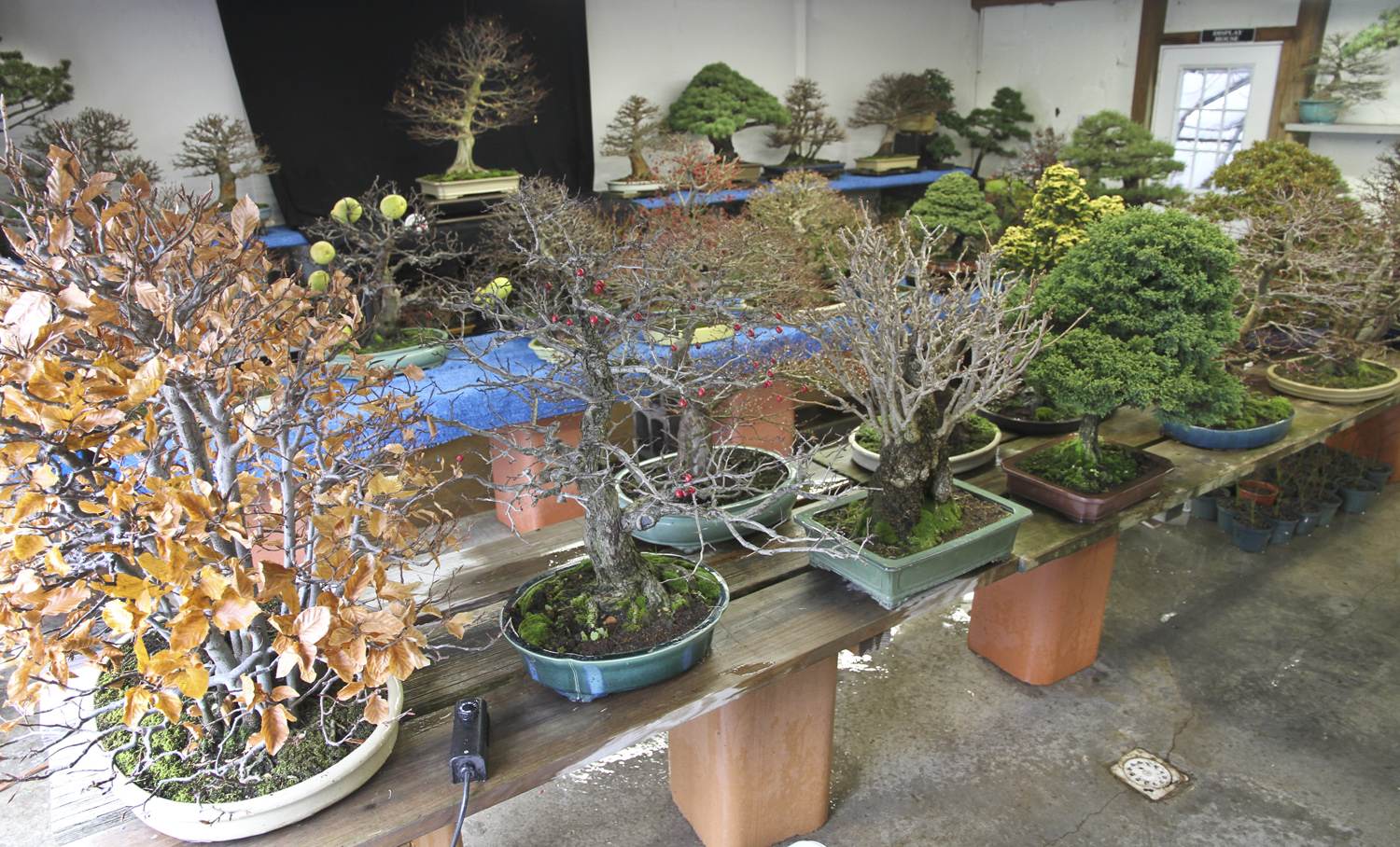
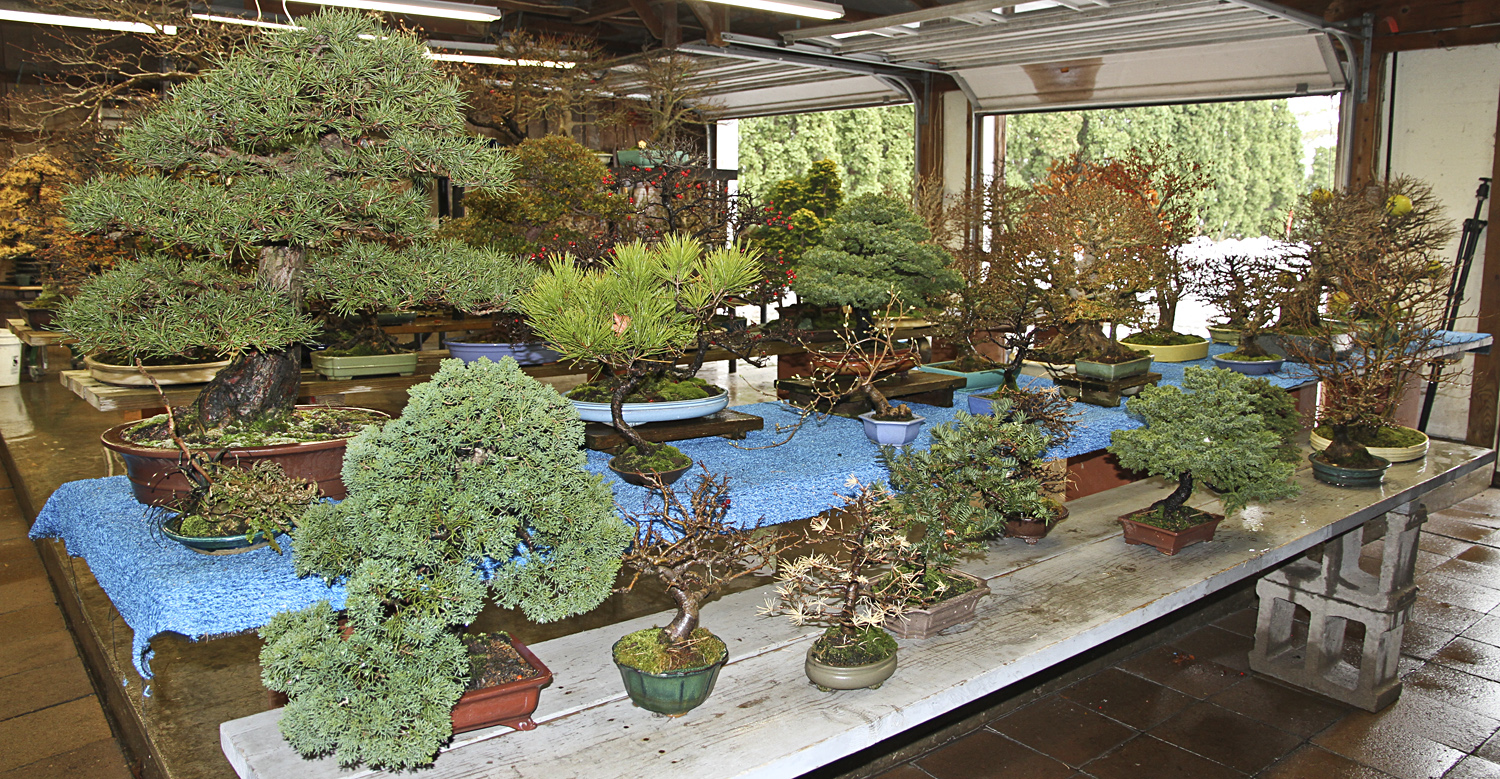
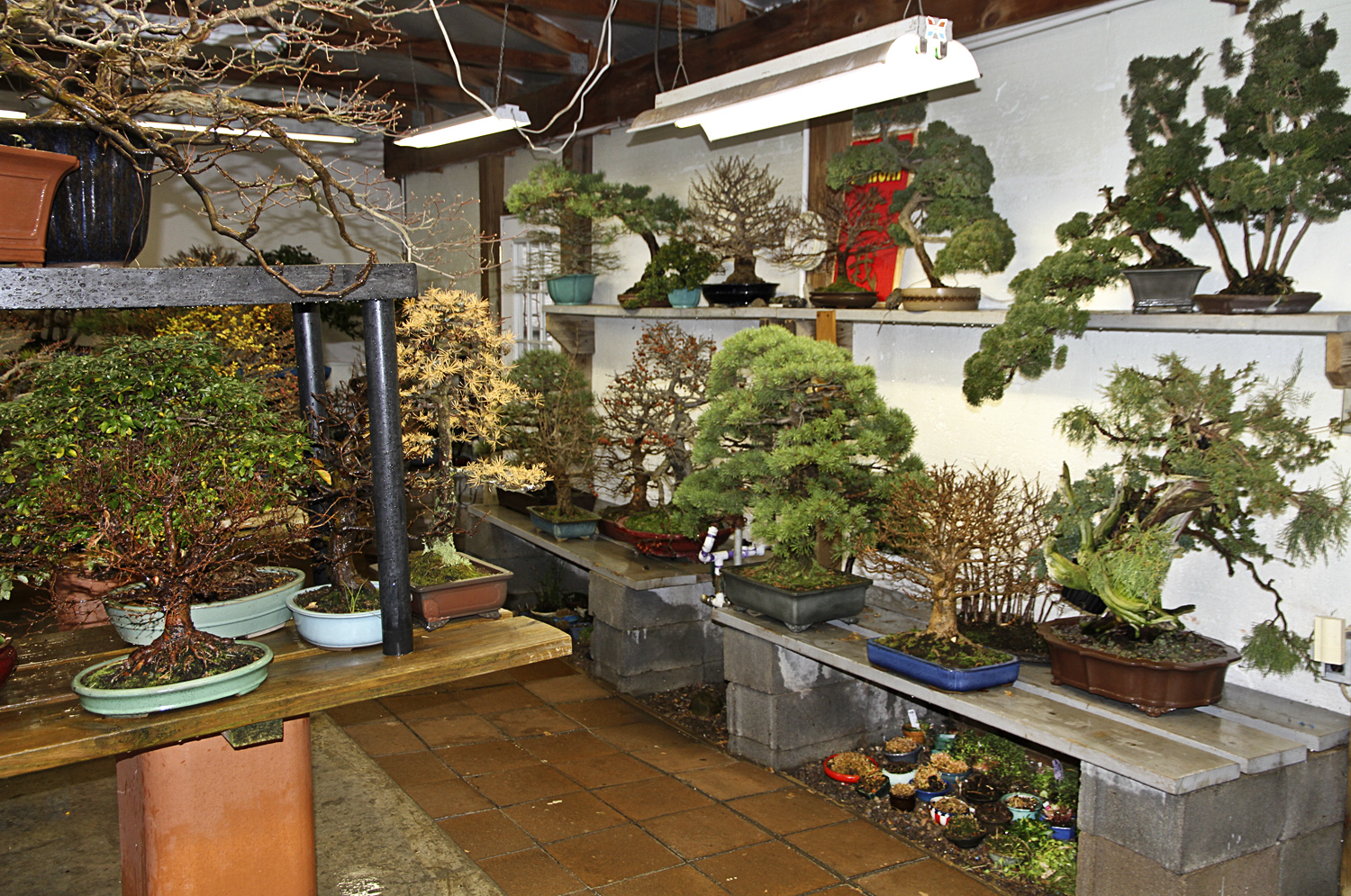
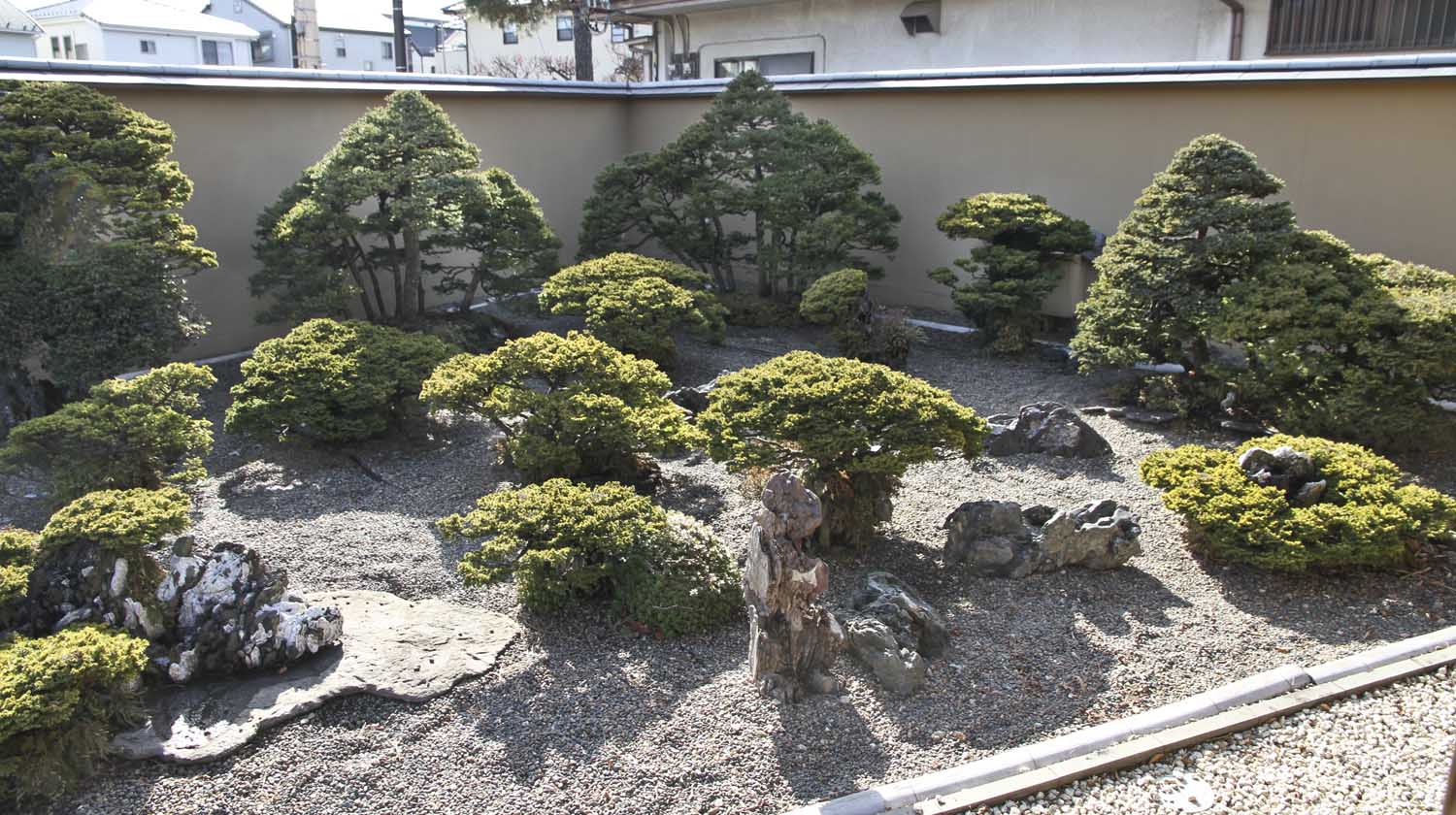
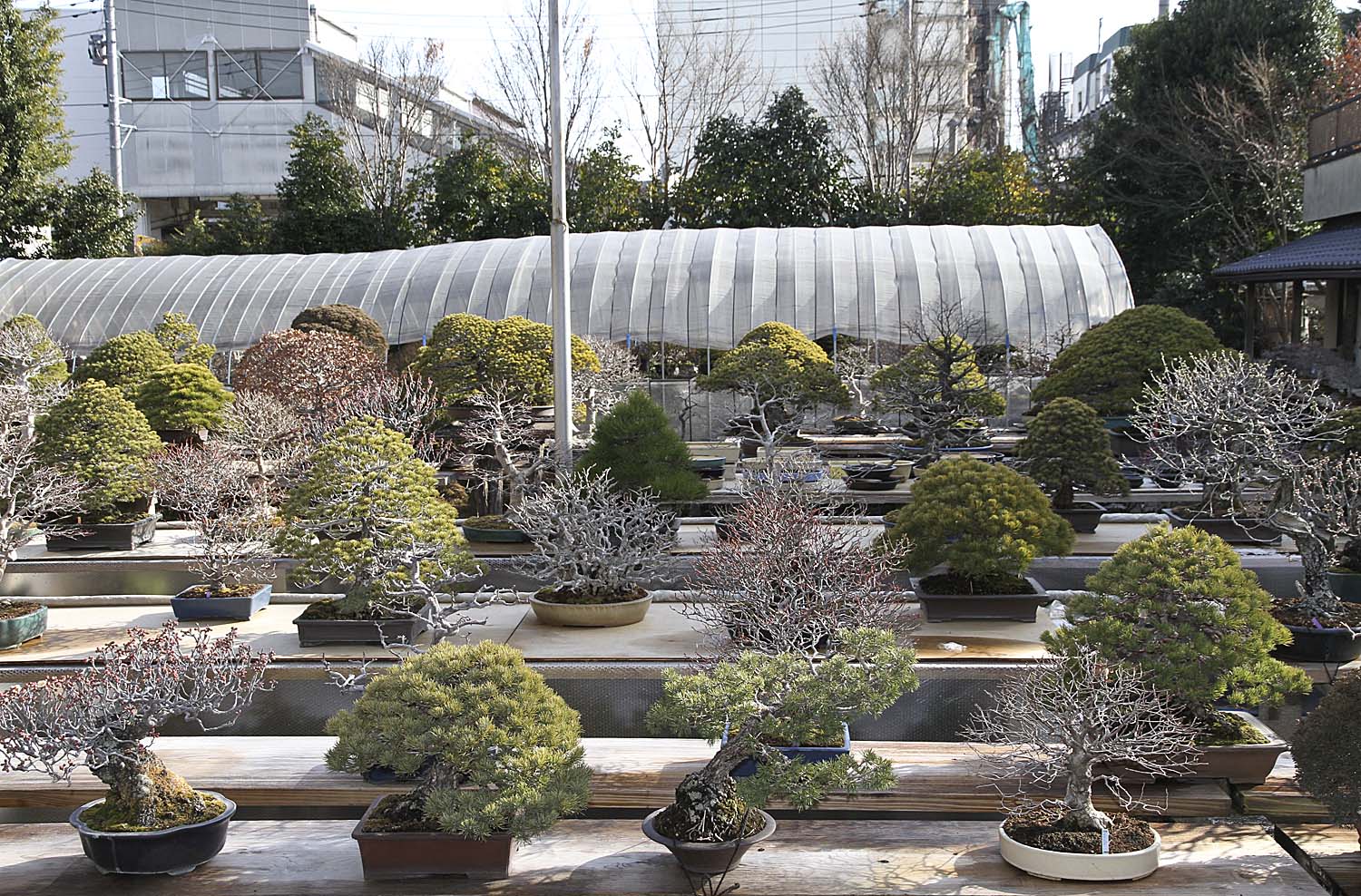
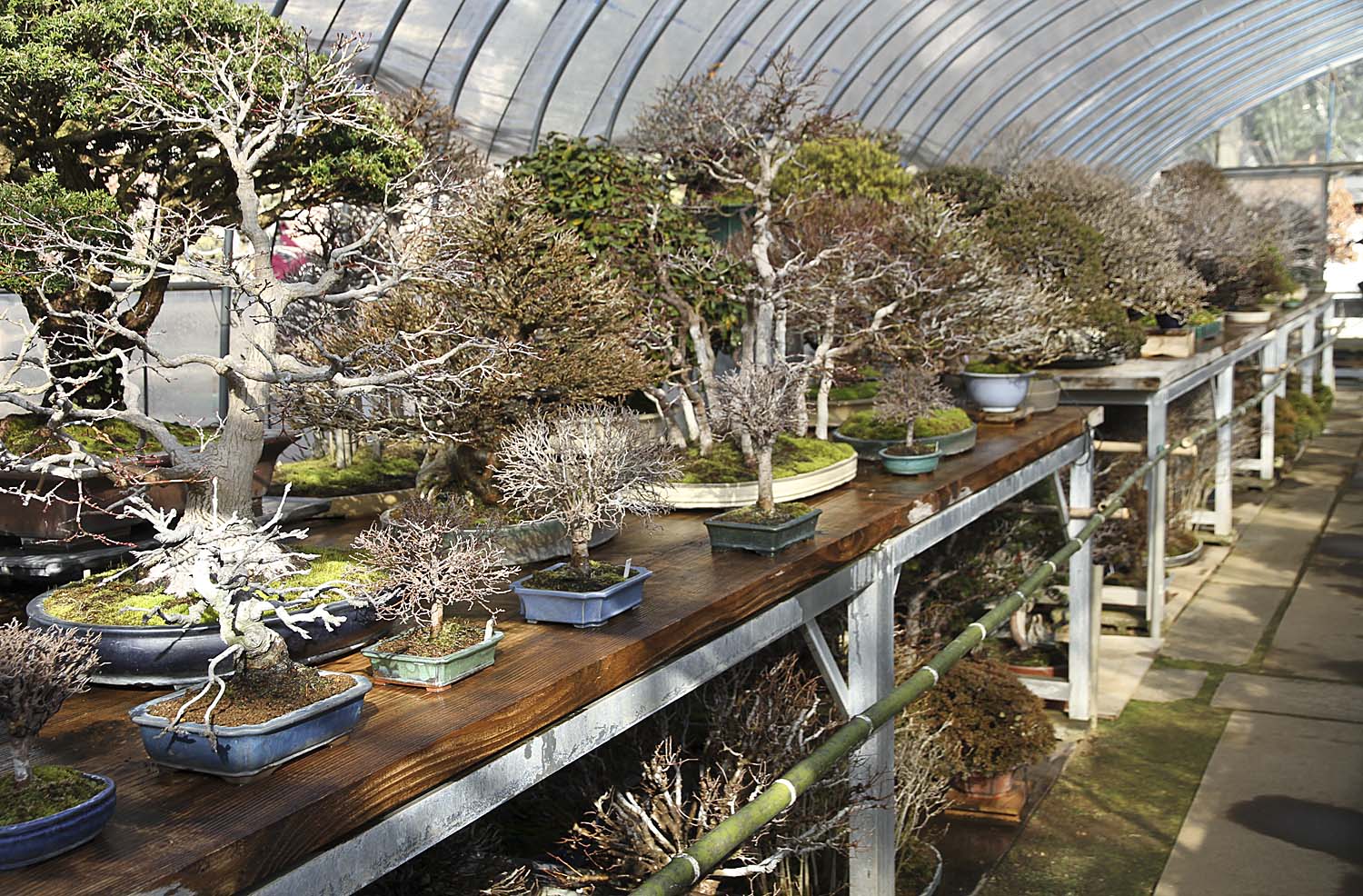
Around the corner, our final stop in Omiya Bonsai Village was to Fuyo-en Bonsai Garden of Hiroshi Takeyama. He specializes in deciduous and unusual bonsai and also forest plantings. It was interesting to see his winter protection for many delicate deciduous bonsai and tropical bonsai under blue tarps and cardboard boxes.
Image

Image

Image

Image

Image


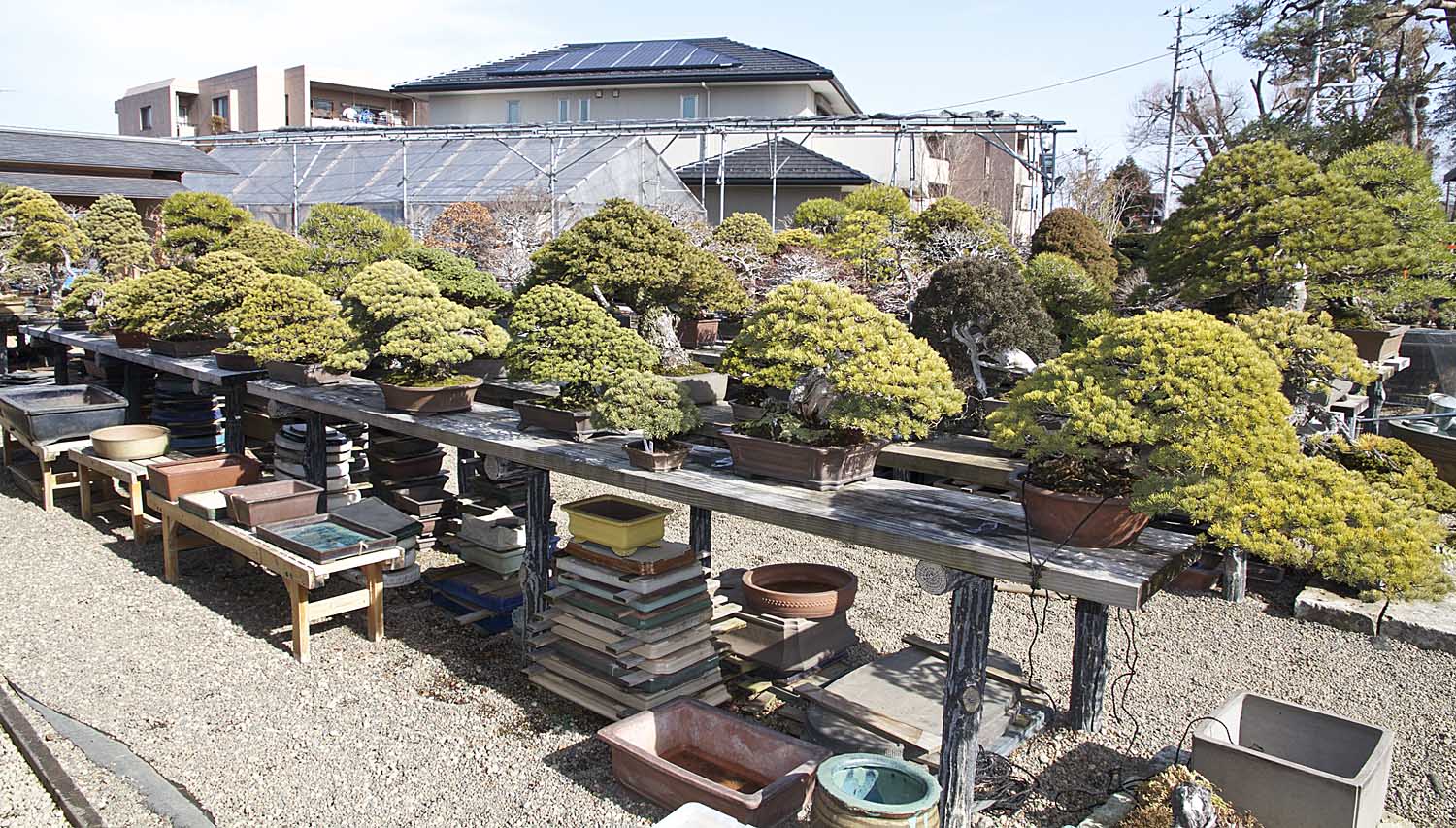
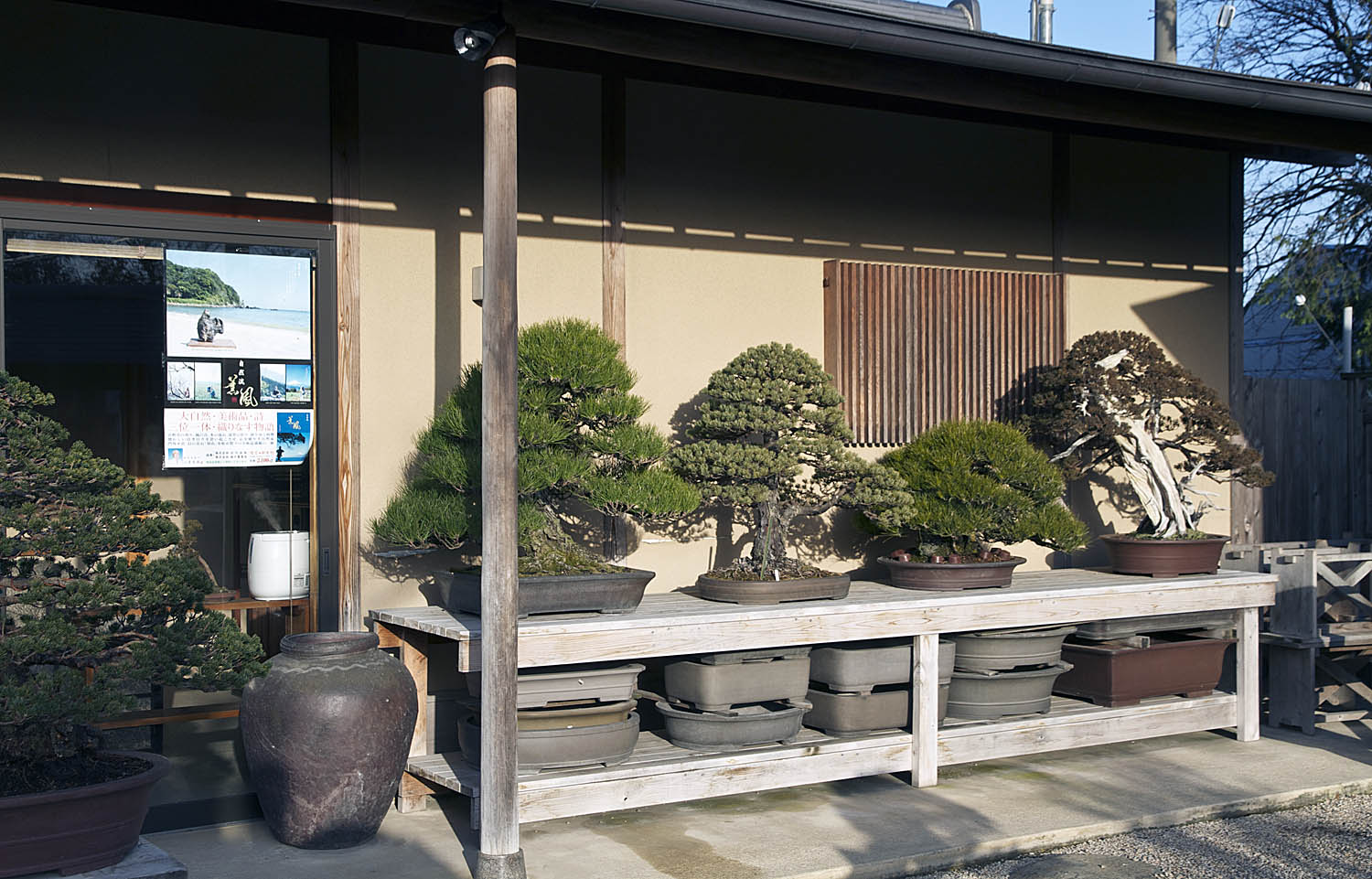
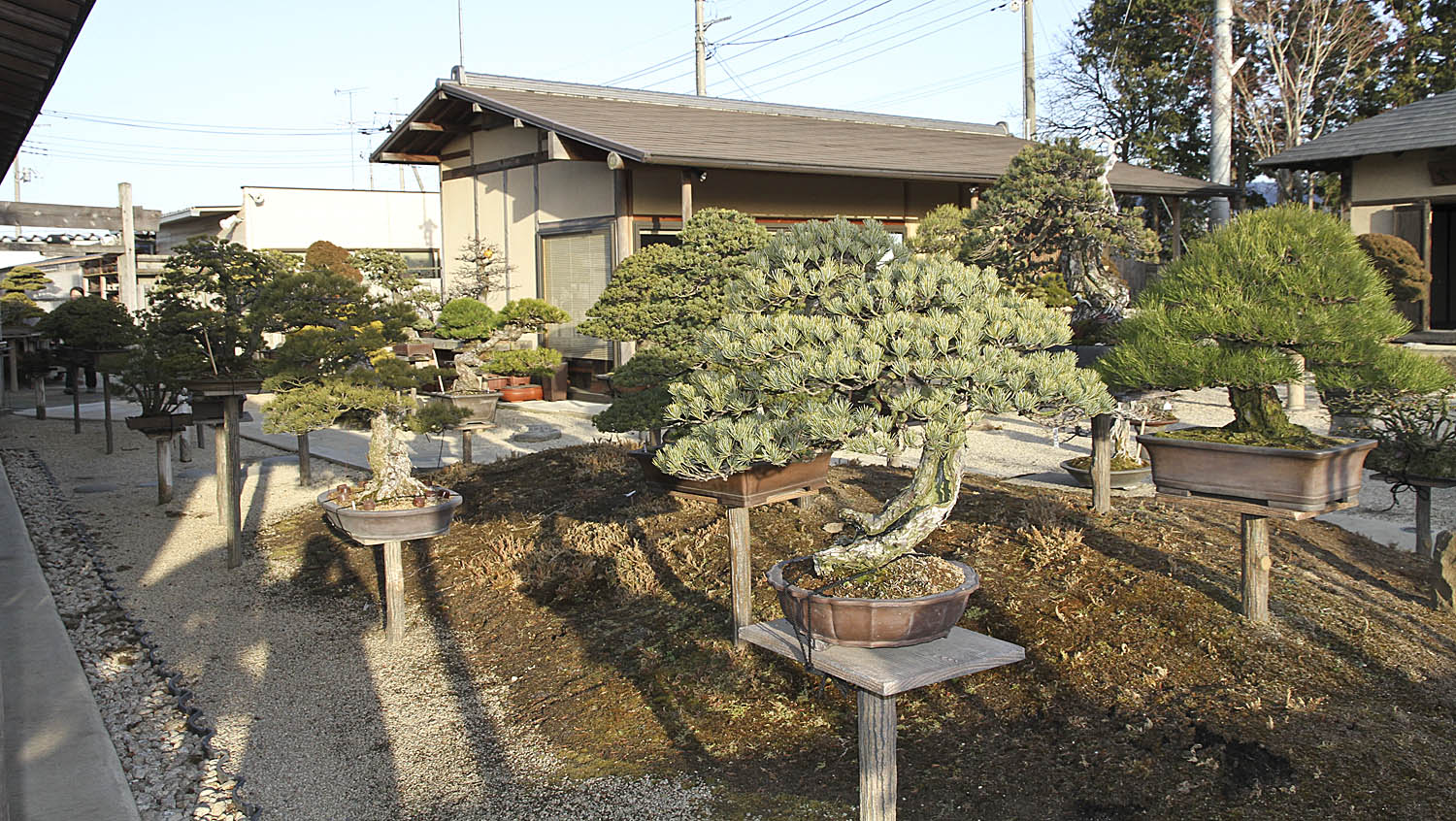
On the bus again we departed for Hanyu, Japan, home of S-Cube the garden of Seiji Morimae. This is the largest bonsai garden in Japan which is also like a museum of affordable bonsai, suiseki, display tables and other antiques. He is charismatic and his family and staff made us feel warm, especially on this cold day.
Image

Image


Image


Image

Image

We enjoyed many views of Mt. Fuji on the way to Omiya, but unfortunately it was too dark to see the mountain again on our way home. That’s OK because most members were asleep after a chilly but sunny full day of enjoying and buying.
Image

A Visit To The Shunka-en Bonsai Museum

Image


Image


Image


We had a private morning visit to the Shunka-en Bonsai Museum of Kunio Kobayashi in  the Edogawa area of Tokyo, Japan. Mr. Kobayashi has developed his museum to display many of his masterpiece bonsai in a garden setting as well as in formal alcoves. This is a most complete example of how bonsai can be enjoyed and appreciated in formal displays as well as illustrating the necessary outdoor environment for health and training.
Image


In addition to having each bonsai in pristine condition, each specimen was matched to the perfect display table in size, color, design and quality. The accessories, antique containers, scrolls, as well as the display tables were all first class and of the highest quality, typical of the refinement Mr. Kobayashi enjoys and teaches.Image

Image


Image

Image


Graduate apprentice Peter Warren from England returns back to his teacher for assistance during the busy exhibition season of Kokufu Bonsai Exhibition. Now an established international bonsai artist, Peter is usually found teaching and maintaining collections in Europe as well as the United States. I see more of Peter than many bonsai friends in the United States. Normally Peter is working at the Ueno Green Club sales area of his friend, award winning artist Minoru Akiyama. However he remained at the Shunka-en Bonsai Museum so he could guide us around and explain details which most people would not even think of.

Image

Minoru Akiyama was one of the senior apprentices of Kunio Kobayashi when Peter was studying there many years ago and a close friendship has developed. They often teach together in Europe and the United States. Mr. Akiyama is a second generation bonsai artist who’s father is well known and married of Mr. Kobayashi’s daughters. It is a common practice for one bonsai artist to send his son to another artist for training in order to add new techniques to an established garden.

Image

During our visit Isao Fukita, another senior graduate apprentice of Mr. Kobayashi was watering bonsai, in the cold.

It was interesting to see slight changes at the Shunka-en Bonsai Museum because of the Chinese market. Larger Japanese black pines are now commonly seen being trained. Some bonsai are as large as me, which is not saying much. Additionally there is a new area of Japanese maples being trained, some in wooden boxes. Many of these maples have red leaves, I guess the Chinese like red foliage, because most Japanese artists prefer the common Japanese maple with solid green foliage. They are more vigorous too.

Image


Image


Image


Of course there were loads of finely developed Satsuki azaleas, one of the specialties of Kunio Kobayashi, and here again, large old stumps were being trained in wooden boxes. It was interesting to see the winter color differences of the Satsuki azalea foliage, some green, others bronze while some cultivars were nearly bare of foliage. All the Satsuki azaleas were full of plump flower buds for late spring display. If you want to see this garden ablaze in color, consider joining our new tour in late May/early June when we will bring a small group to see Mr. Kobayashi’s prize winning Satsuki azaleas, as well as two exhibitions, Satsuki festival and private visit to Taisho-en Bonsai Garden in Shizuoka which specializes in shohin bonsai.

Image


Image


Image

Most of the bonsai at the Shunka-en Bonsai Museum had a whitish coloring because of the recently applied dormant spray of lime sulfur. Remember, the primary purpose of lime super is not for dead wood preservation, but rather to protect plants from pests. Normally a heavy application of lime sulfur is given after the exhibition season, but because of the unusually cold weather it was given earlier. The bonsai still looked good. Of course, masterpieces in preparation for display were not sprayed and many were in locations under the roof eves for a bit more protection to the tender buds.


Image

After a quick lunch several of us returned to the Kokufu Bonsai Exhibition for another study period. It’s amazing what new discoveries can be learned each time a bonsai is seen. Details, details and more details are elements in refined classic bonsai and distinctive display. Of course, any trip is not complete without a stop at the Ueno Green Club.


2014 88th Kokufu Bonsai Exhibition– Part 1

Image

Image

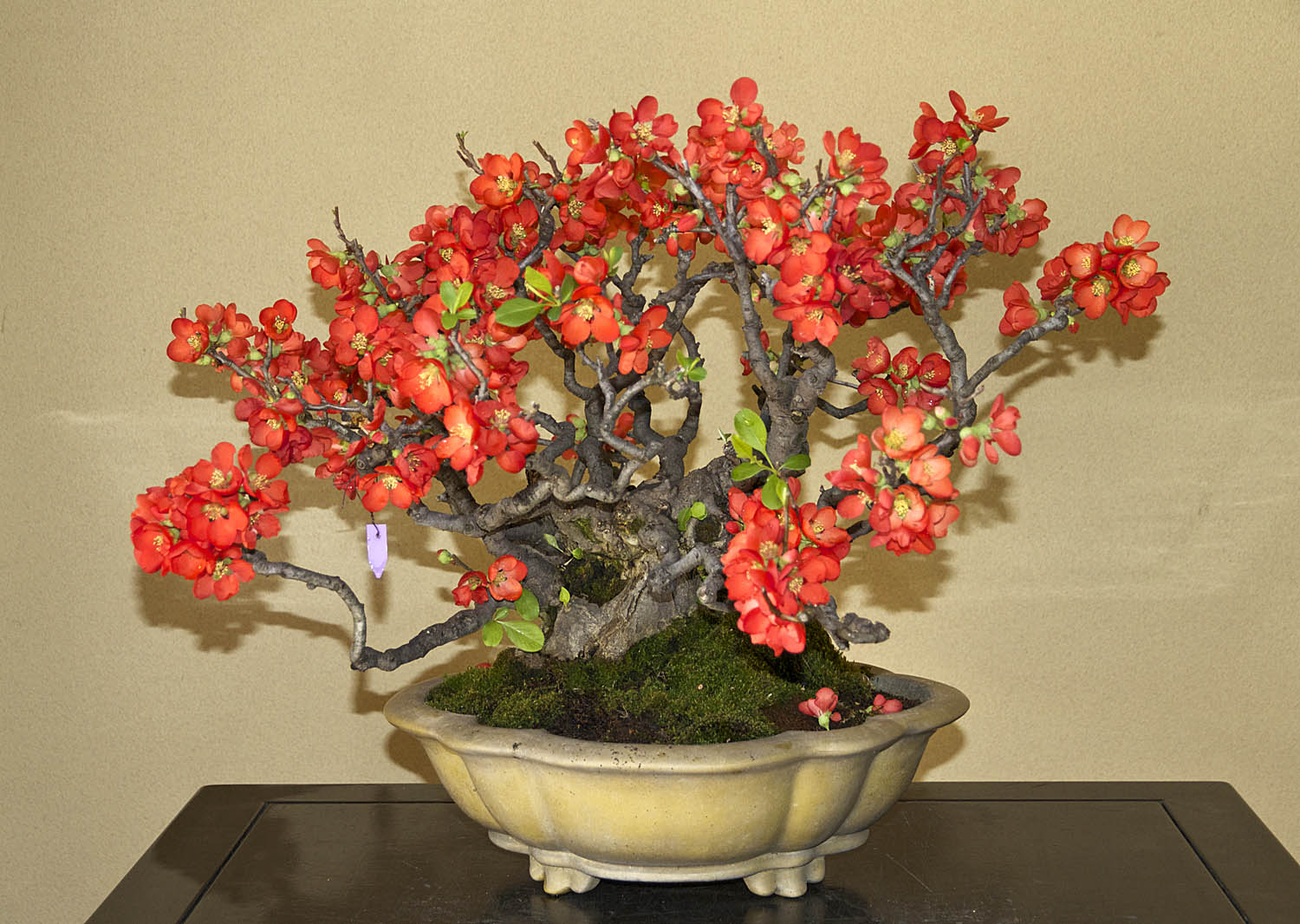
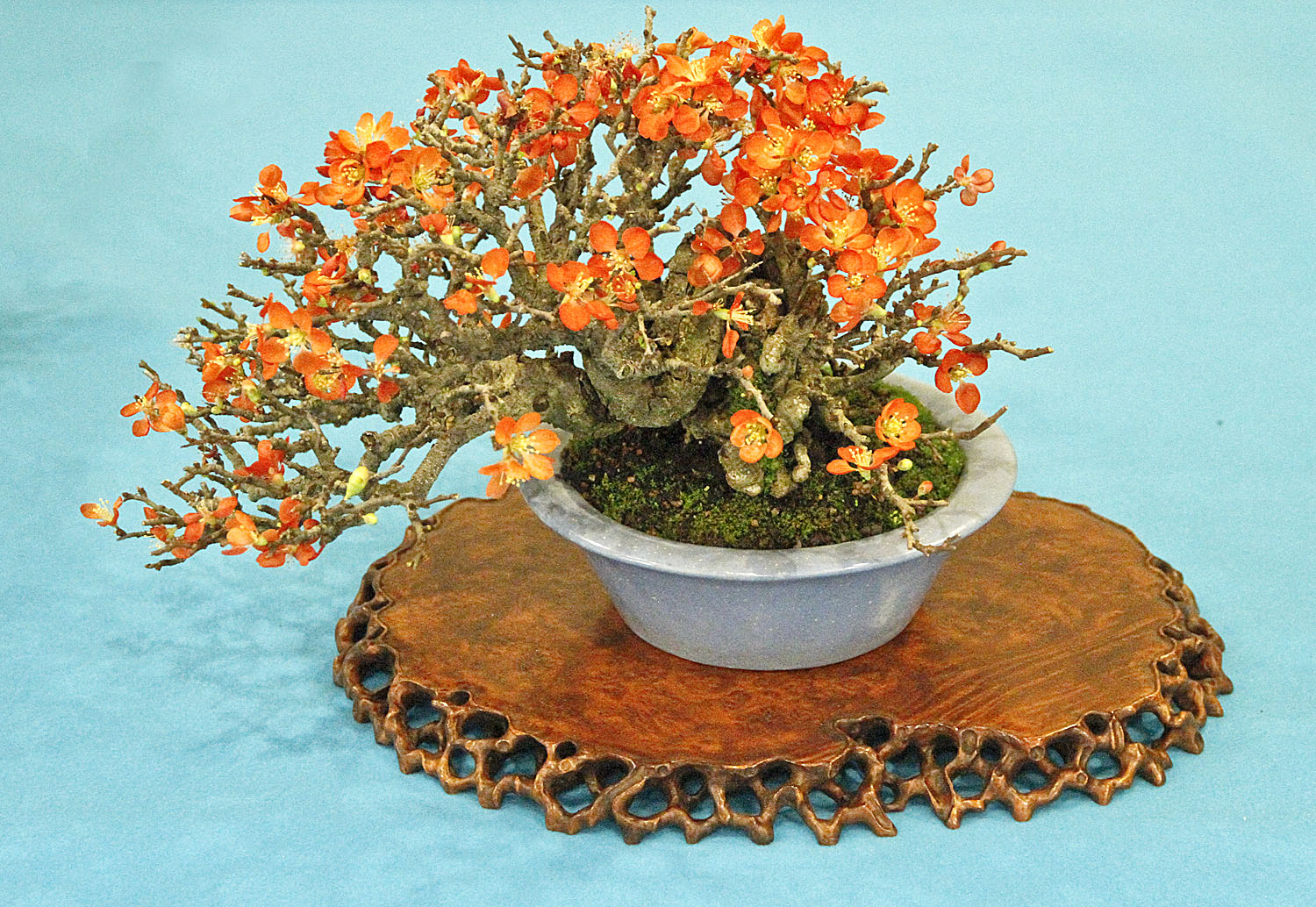
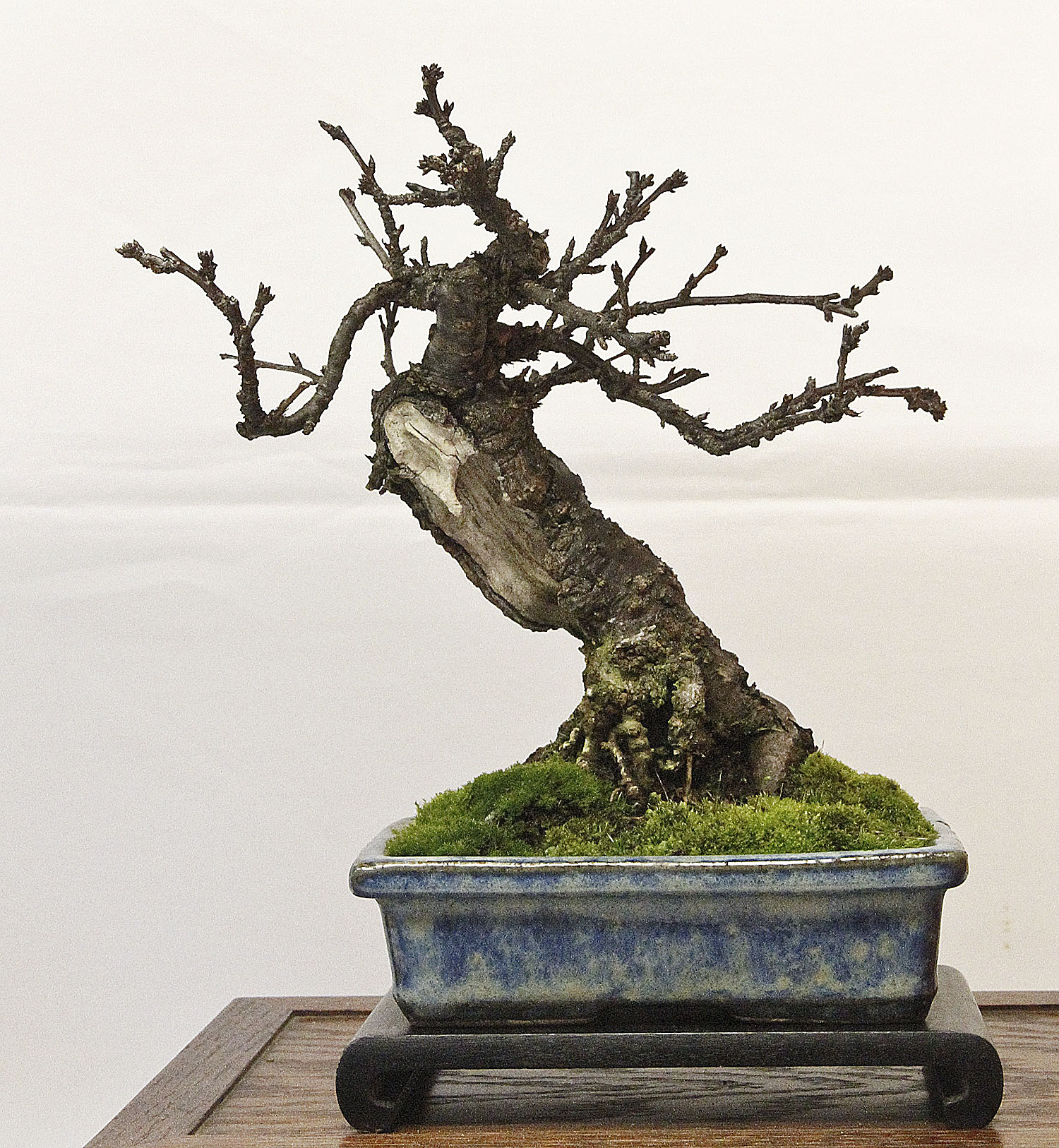
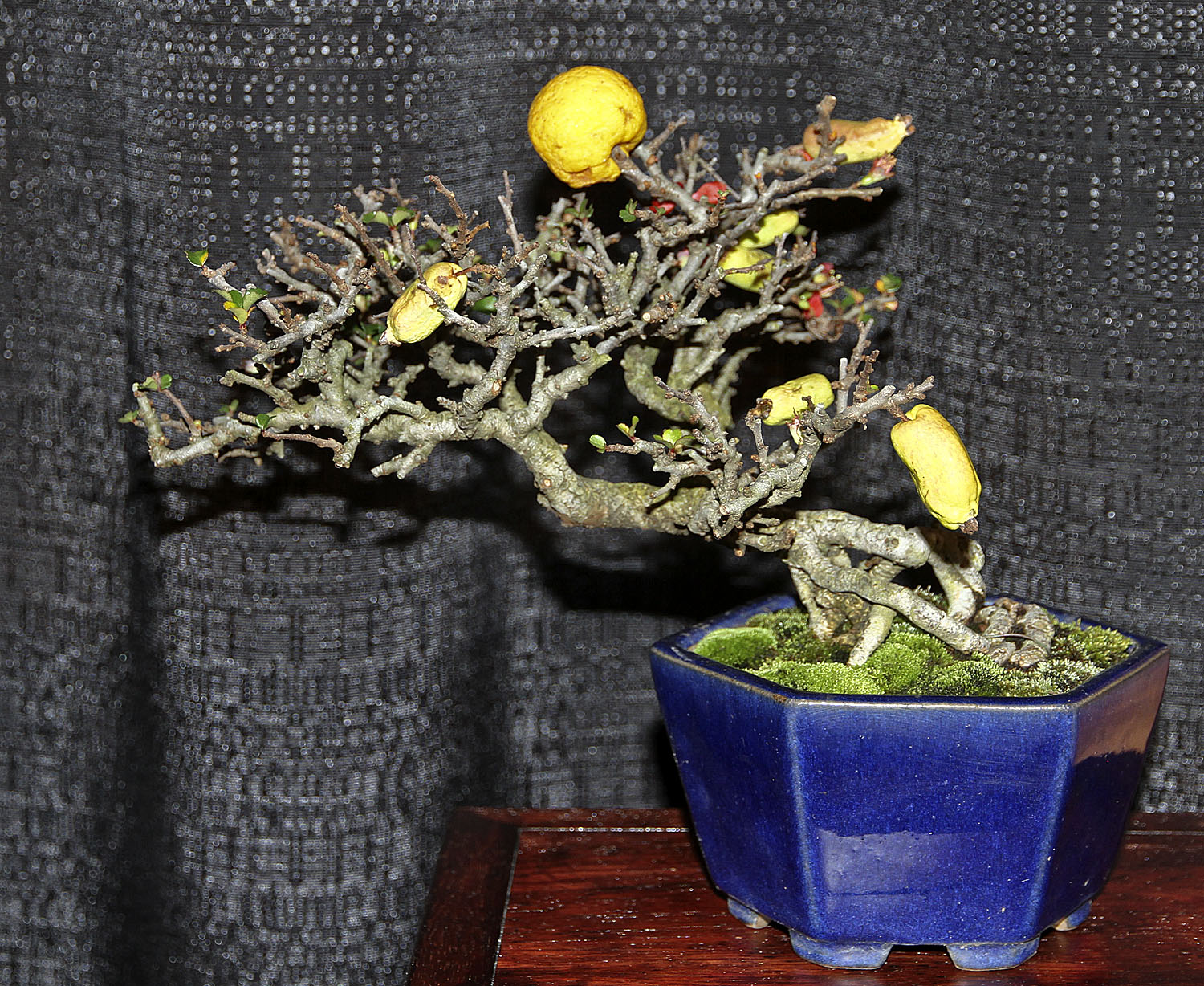
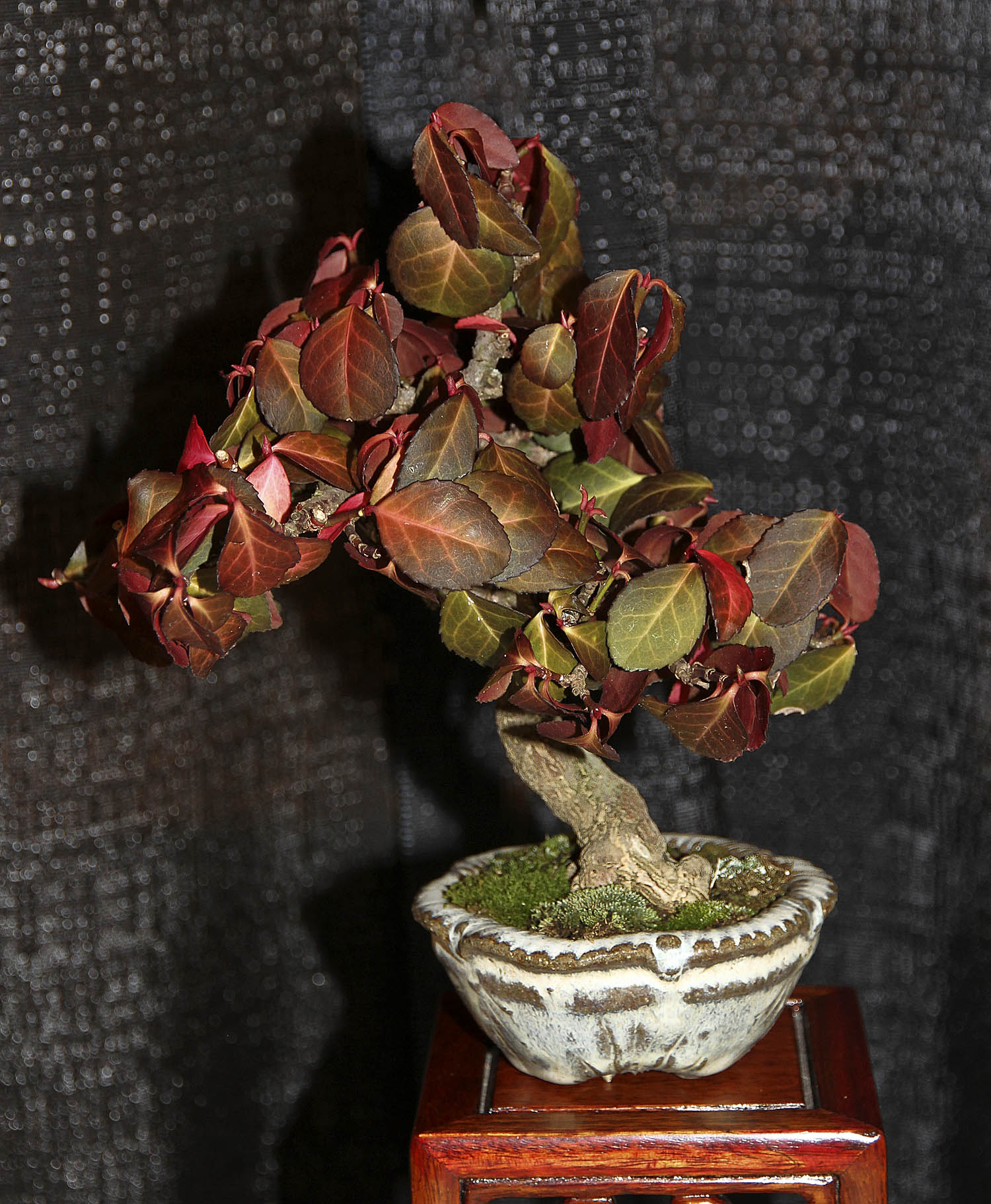
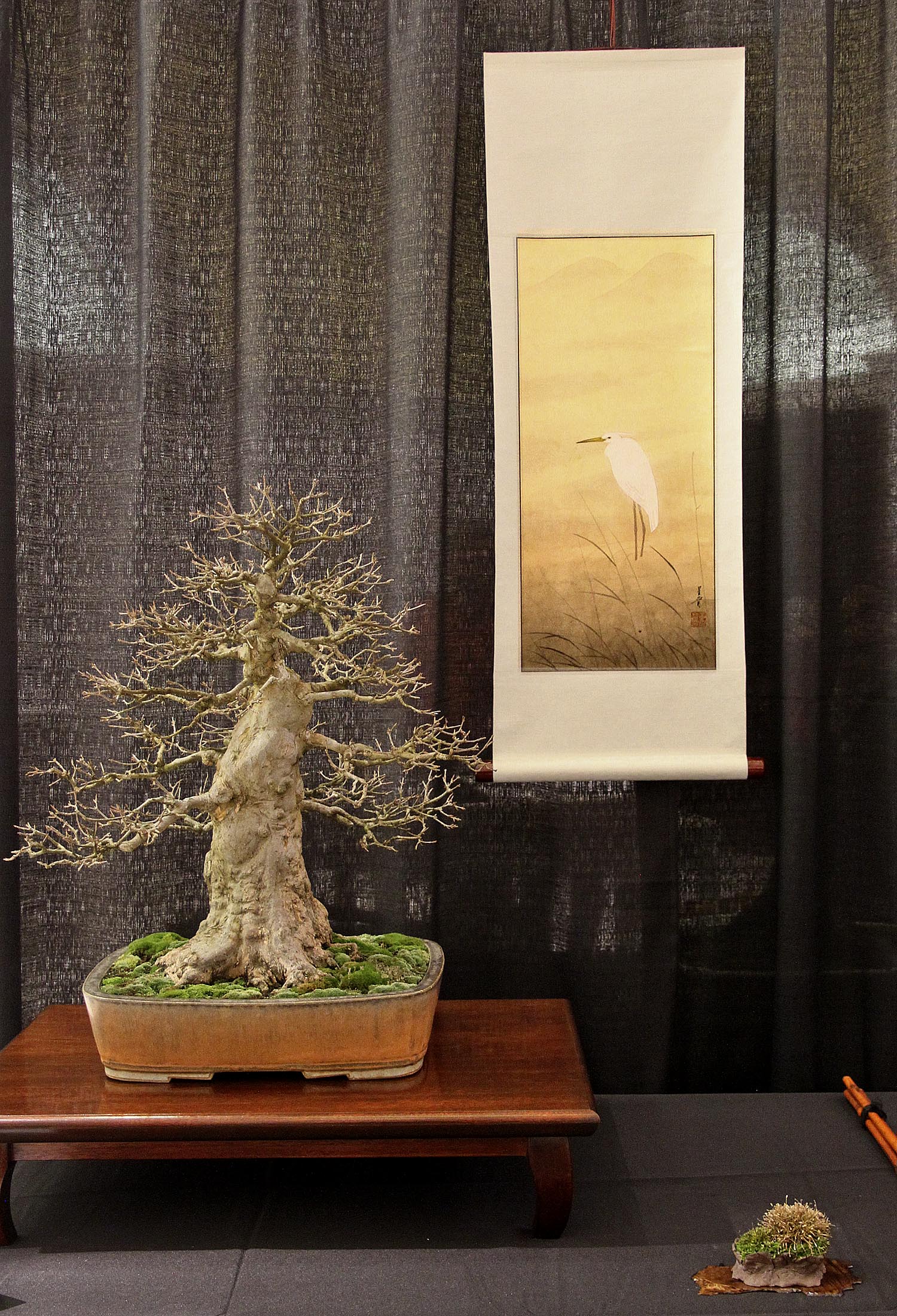
Japanese flowering quince, Chaenomeles speciosa

After an uneventful and on-time arrival in Tokyo our group was “welcomed” by cold and wet snow. NO, I did not order the weather, in fact the meteorological conditions were better in Rochester than Tokyo. But, my wife, Diane, did get stuck at the airport in Newark for several days on her way home from the California Shohin Bonsai Seminar.


Kora Dalager’s and my International Bonsai Tour Exploration this time includes 20 people from New Zealand, Canada, Mexico, Australia as well as from the United States. Four close friends from my “Crew” in Rochester joined me this time which are members of the Suiseki Study Group of Upstate New York and also officers of the Bonsai Society of Upstate New York. Two of us will have suiseki on display in the new Suiseki of Japan Exhibition opening on Sunday.

The Parkside Hotel in Ueno is sold out because of the Kokufu Bonsai Exhibition so our group had to stay in two different hotels. However, both groups meet together to attend the exhibitions and visits to the bonsai gardens.

Image

We met at our hotel and made the short walk to the Ueno Green Club, in the cold windy weather to take the complimentary shuttle bus up the hill to the Metropolitan Art Museum in Ueno Park for the exhibition. There were not large crowds upon our arrival at 9:30 am, but it became crowded near noon when many of us left to take the shuttle back to the Ueno Green Club to go “shopping” after a quick lunch.

The first Kokufu Bonsai Exhibition was held in March 1934 under the leadership of Count Matsudaira who was president of the Kokufu Bonsai Society, sponsor of the event. From 1934 until 1939 the exhibition was held twice a year in March and November. In the early 1960s sponsorship changed from the Kokufu Bonsai Society to the newly established Nippon Bonsai Association. For a comprehensive overview, history and photos of the Kokufu Bonsai Exhibition, please check out Robert Baron’s excellent site at: http://phoenixbonsai.com/Days/Kokufuten.html

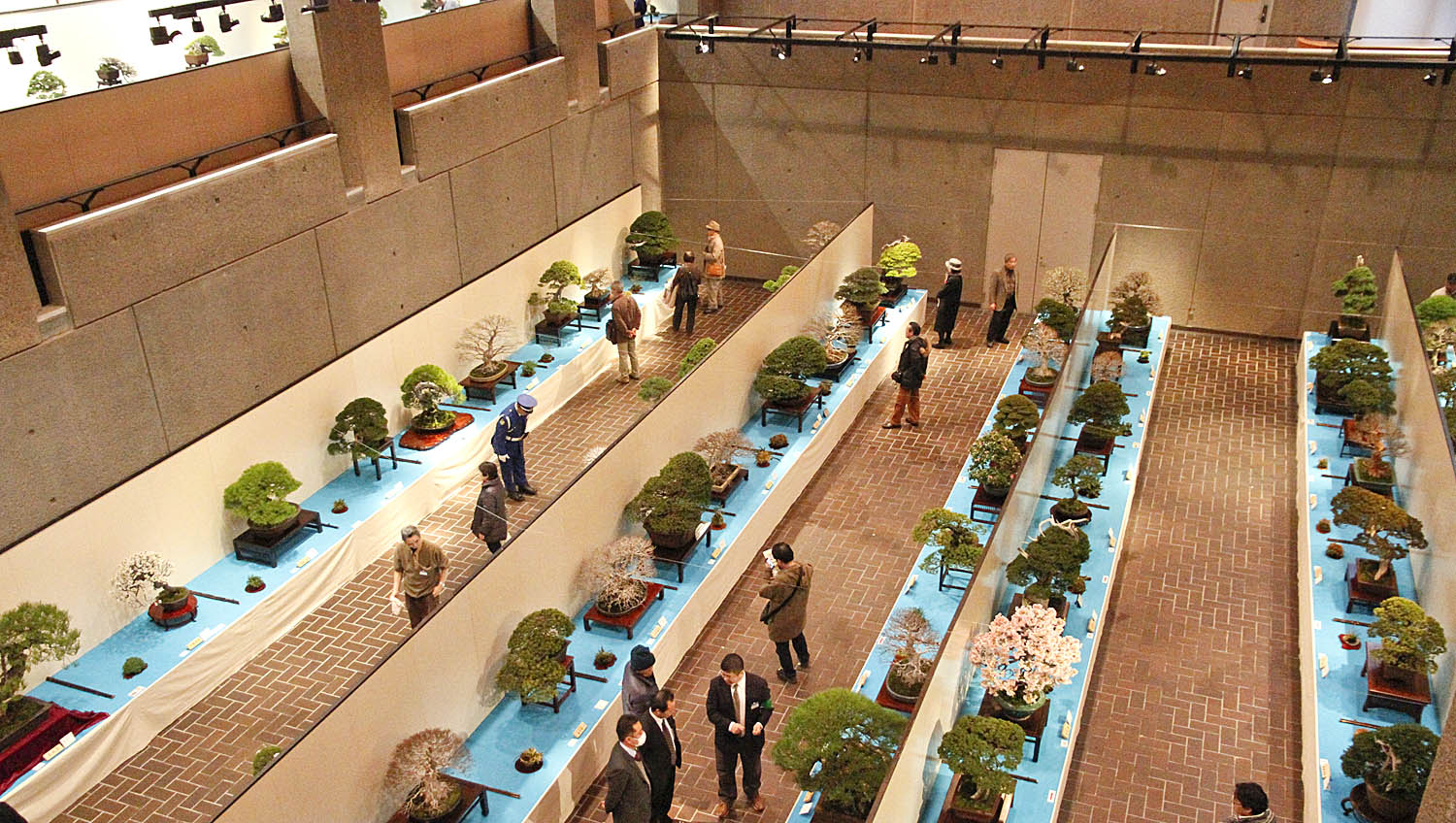
Although I’ve made several dozen study visits to the exhibition I was immediately startled by a color change of the new tablecloth color this year. A couple of days ago Peter Warren, who helped set up the exhibition, posted a few photos in his blog (http://saruyama-bonsai.blogspot.jp) which showed the new tablecloths. I thought that the color balance must be off between Peter’s photos and internet reproduction, but they were correct. In the past the tablecloths have been mostly a dark navy blue color and most recently light blue. This year they are a bright blue/green, my favorite color for bonsai containers. However, personally, the new color detracts from the quiet atmosphere of the presentation of the world’s finest bonsai. But, this is only my personal opinion, which might change during the next week during my many visits to the exhibition.

Image

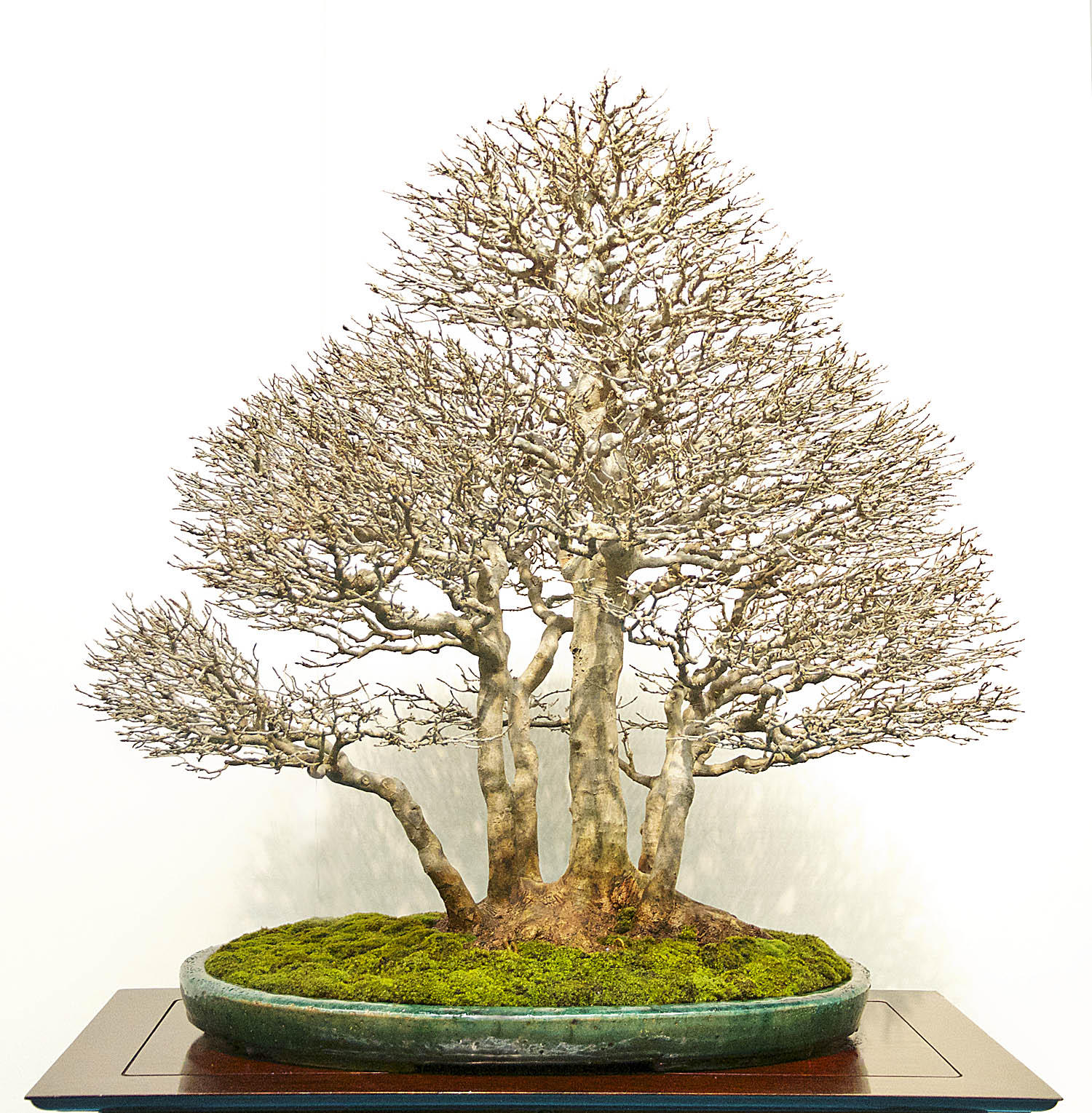
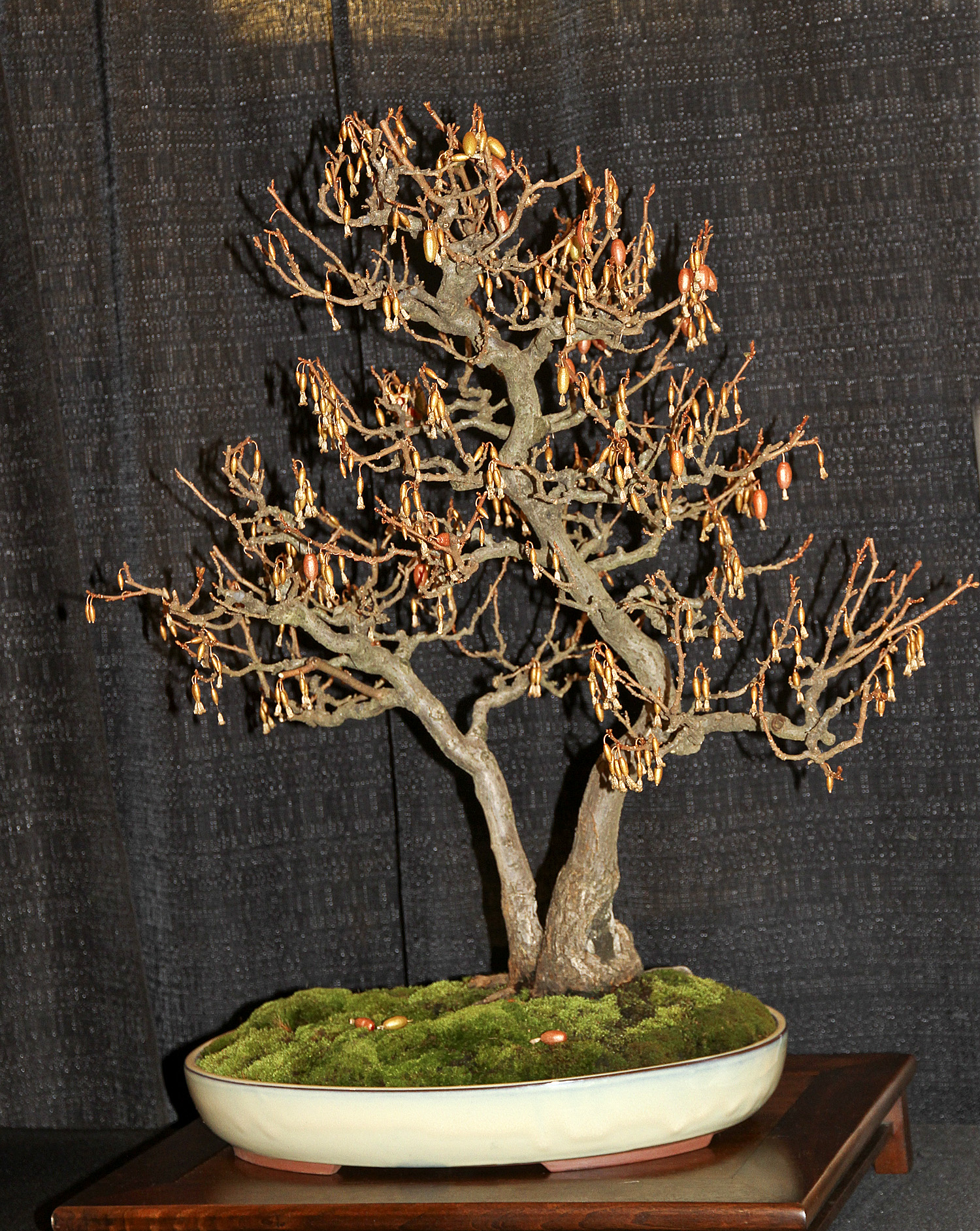
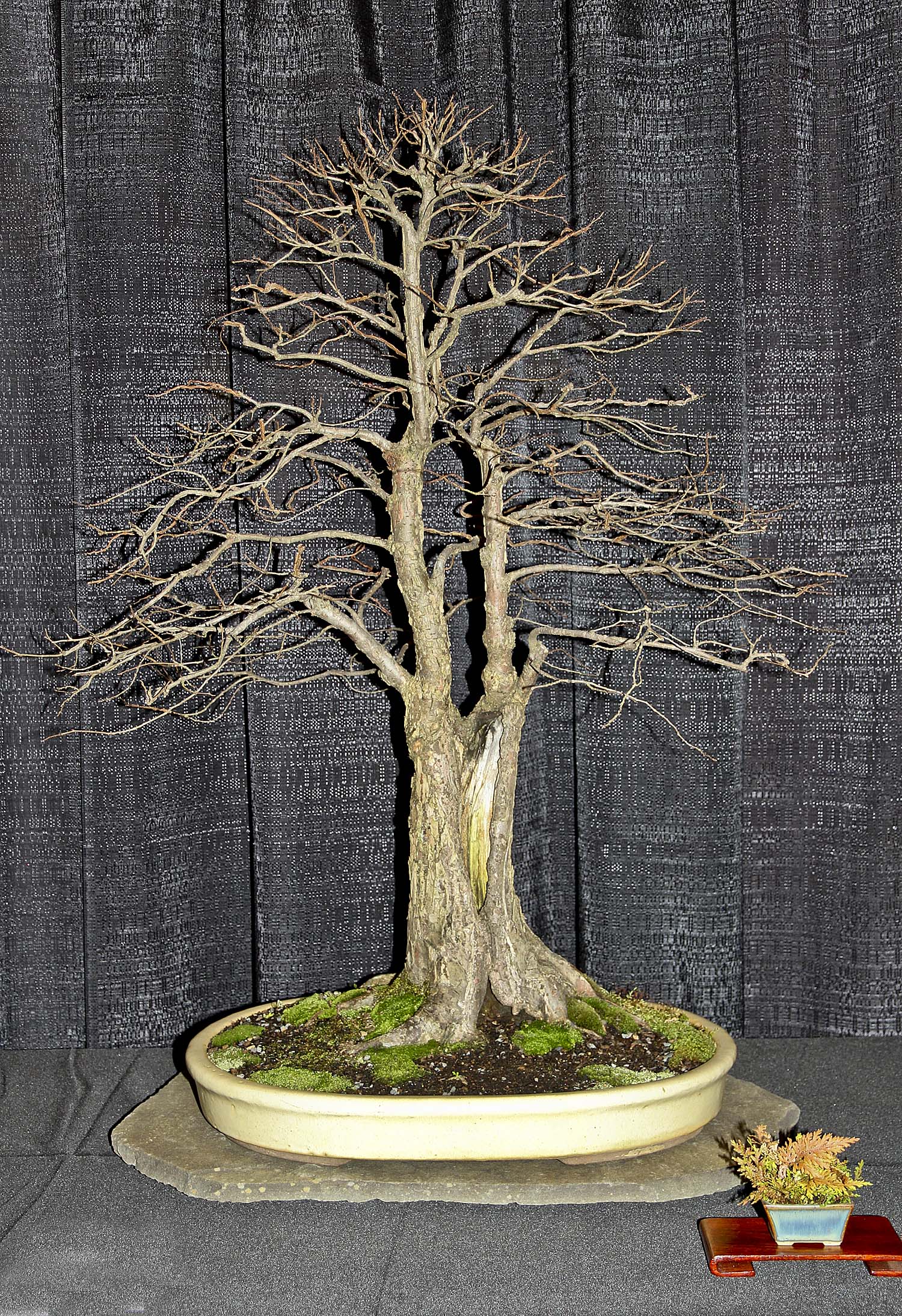
Japanese hawthorn, Crataegus cuneata

Because the Metropolitan Art Museum remodeled a couple of years ago the Nippon Bonsai Association could not display as many bonsai as in previous years. Generally about 260 bonsai exhibits are shown. This year in order to present more bonsai the event has been scheduled in two parts, each lasting four days with a switch out day between when all the trees will be changed on Saturday.

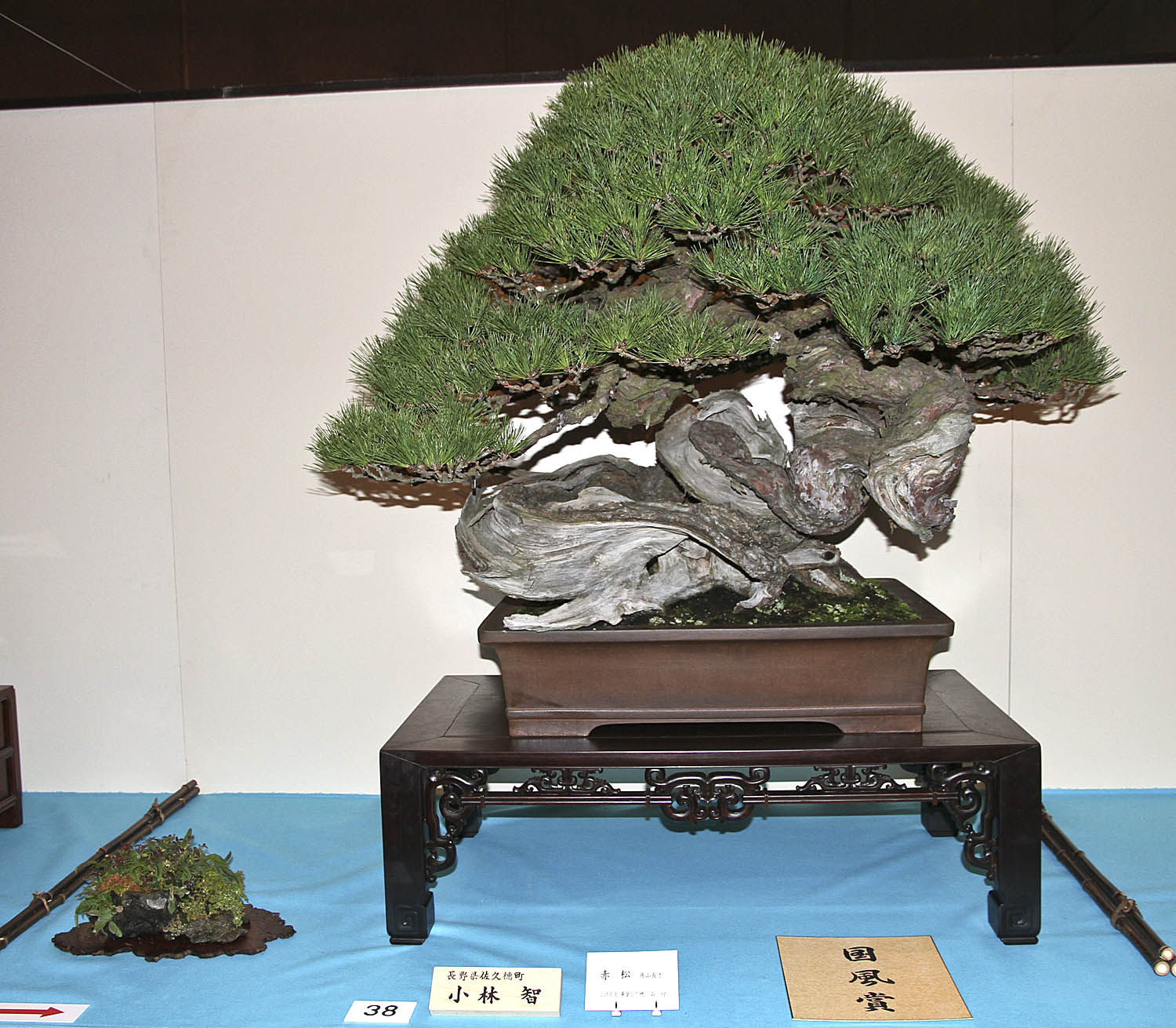
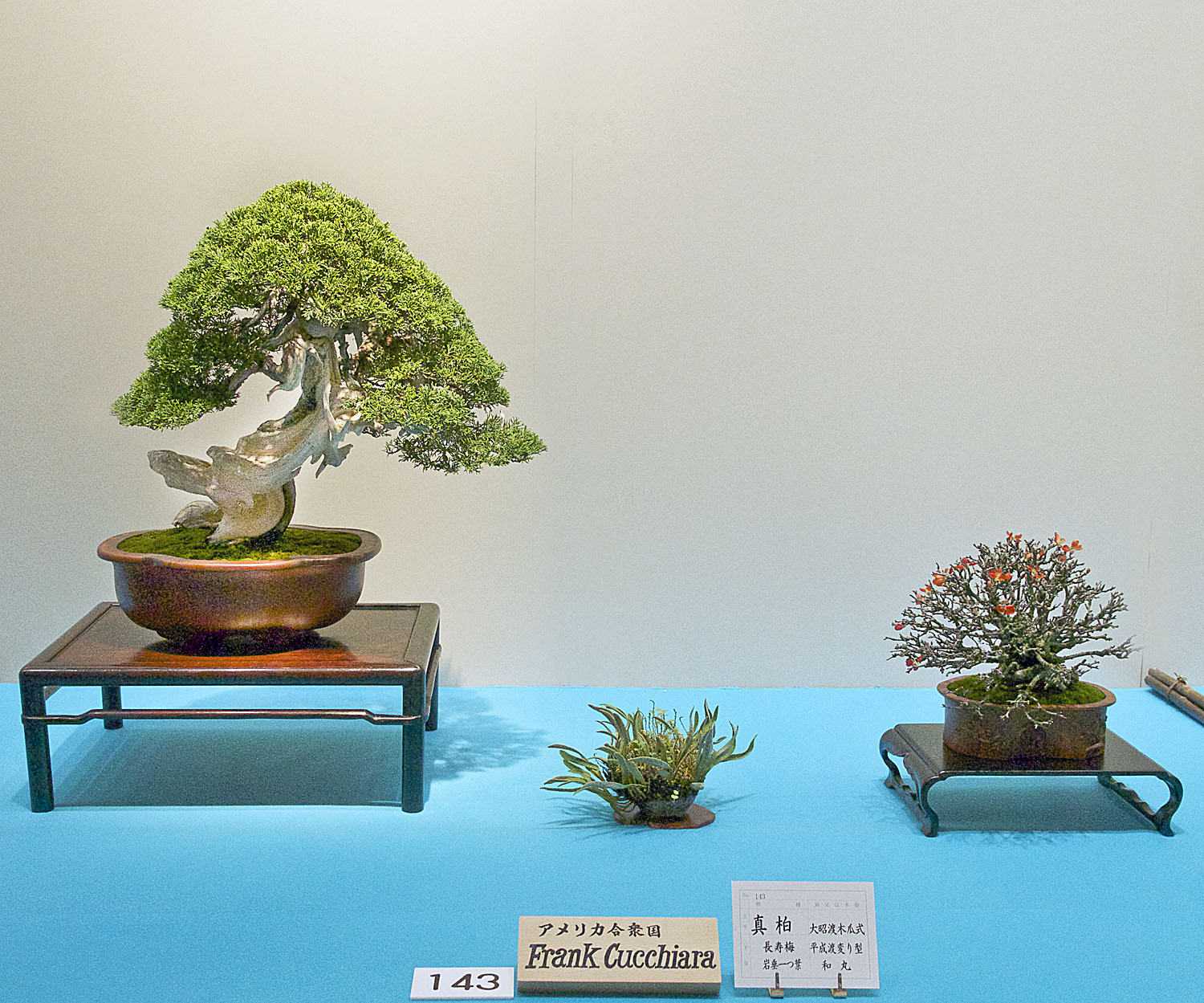
The 2014 88th Kokufu Bonsai Exhibition– Part 1 was composed of 170 displays, including 29 Important Bonsai Masterpieces. After the exhibition is set up a group of judges awarded five coveted National Awards (Kokufu-sho). There were only five shohin bonsai compositions, a mame bonsai composition was not included in this part. There were 46 medium size  three-point exhibits which included a main bonsai, often two, and a companion planting. Considering that each shohin bonsai composition had six main bonsai and a side tree (all very consistent which shows the current taste of display) and most medium size exhibits had two trees nearly 300 individual specimens were shown. Two Americans, Doug Paul and Frank Cucchira, displayed Sargent juniper bonsai. Another exhibitor from Italy also displayed a Sargent juniper bonsai and received one of the five Kokufu-sho awards, the first time for a foreigner.

Image

Kokufu-sho Award, Japanese red pine, Pinus densiflora

Image

Trunk detail


Image

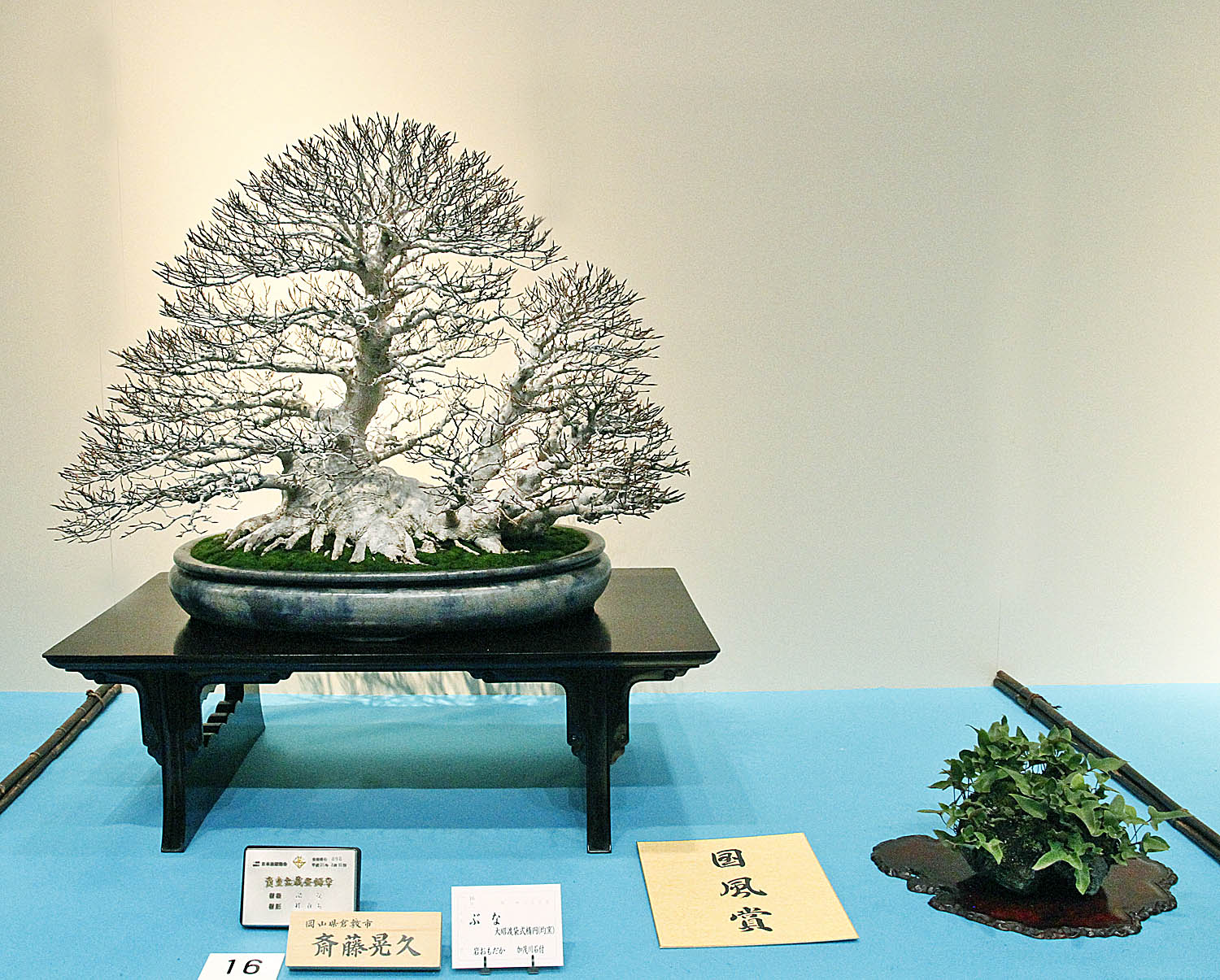
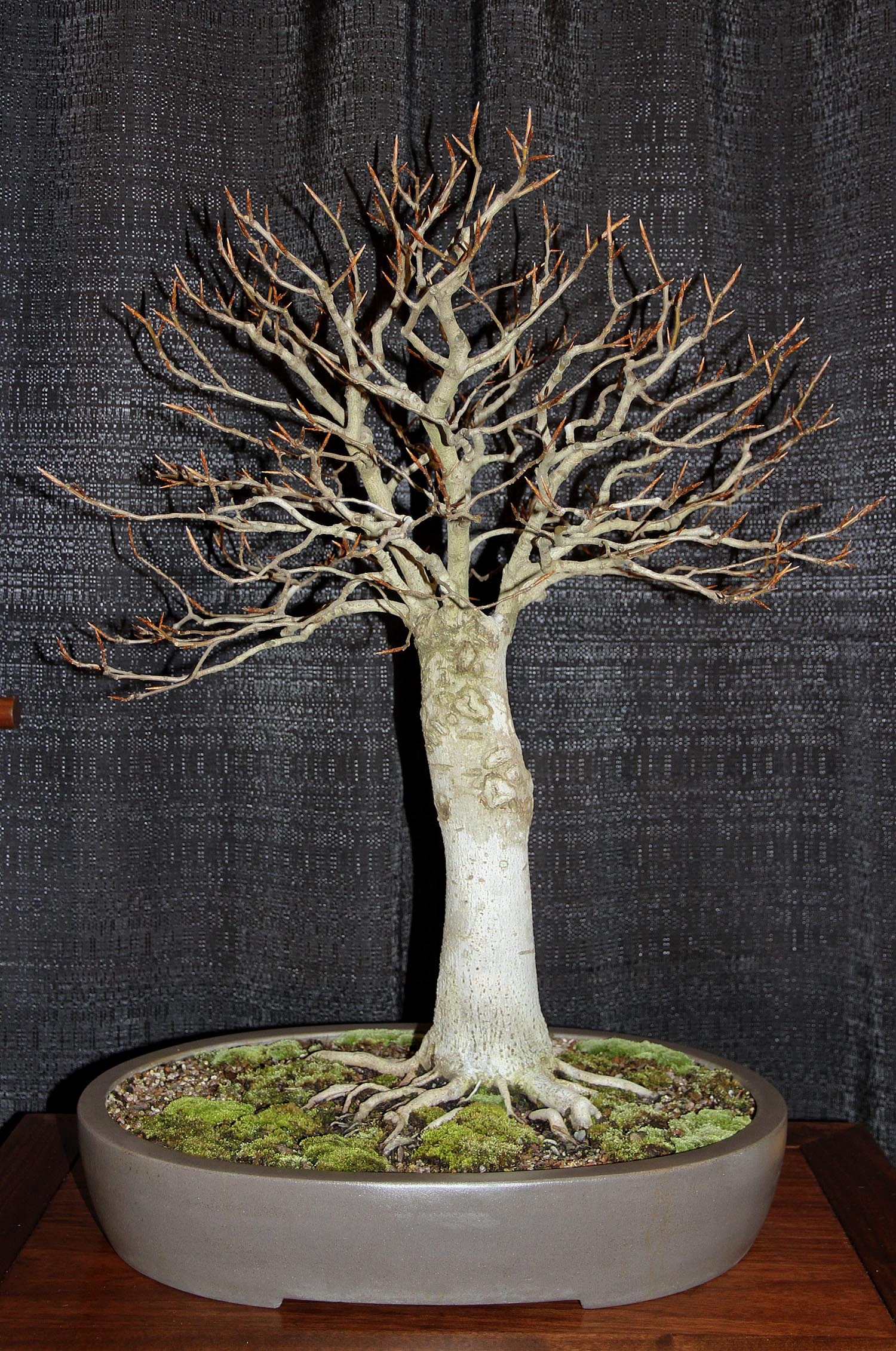
Kokufu-sho Award, Japanese beech, Fagus crenata

Image

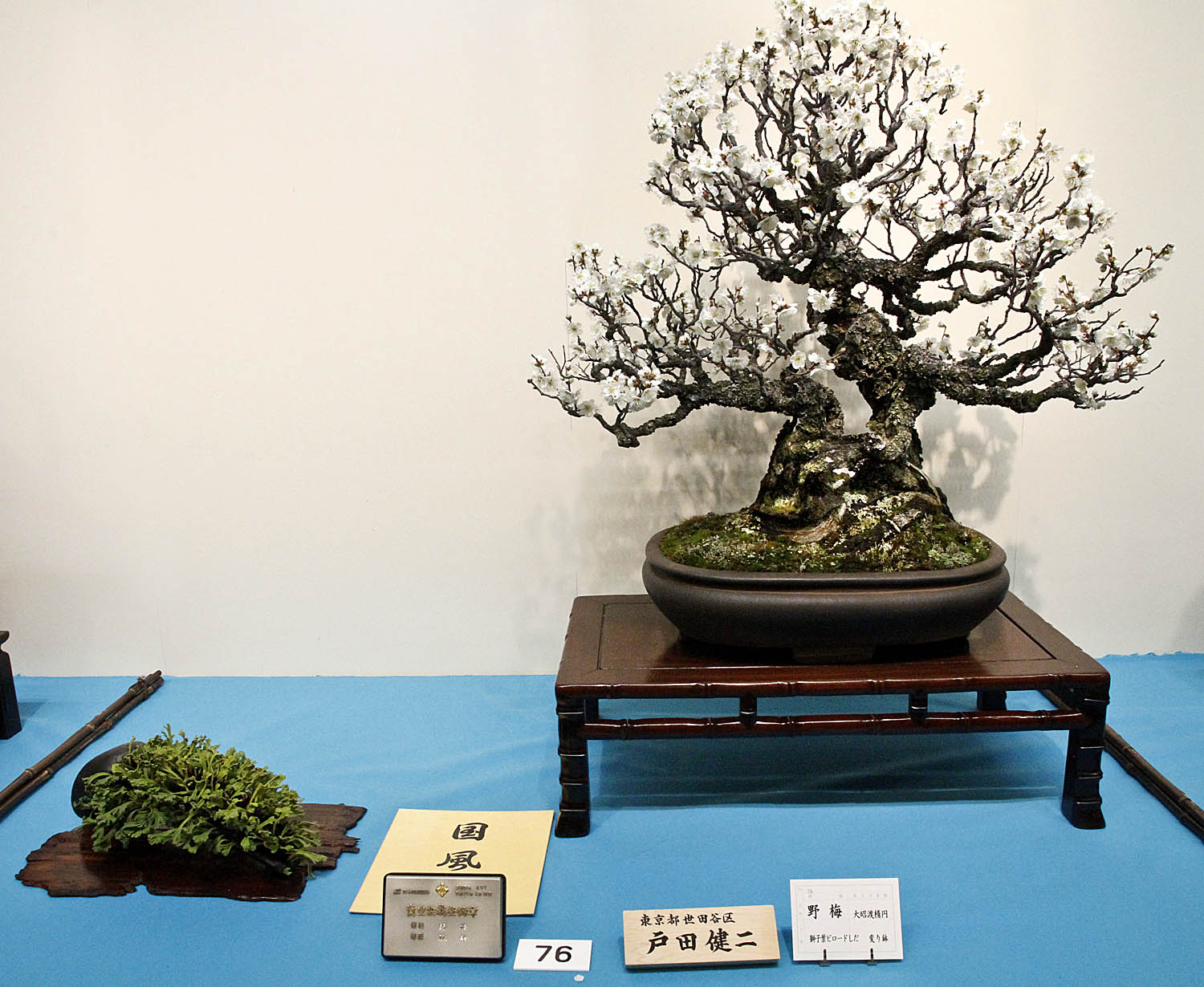
Kokufu-sho Award, Japanese flowering apricot, Prunus mume

Image

Kokufu-sho Award, Sargent juniper, Juniperus chinensis var. sargenti ‘Shimpaku’

Image

Kokufu-sho Award, Japanese five-needle pine, Pinus parviflora

Image

Trident maple, Acer buergerianum

Image

Sargent juniper, Juniperus chinensis var. sargenti ‘Shimpaku’

Displayed by Doug Paul


Image

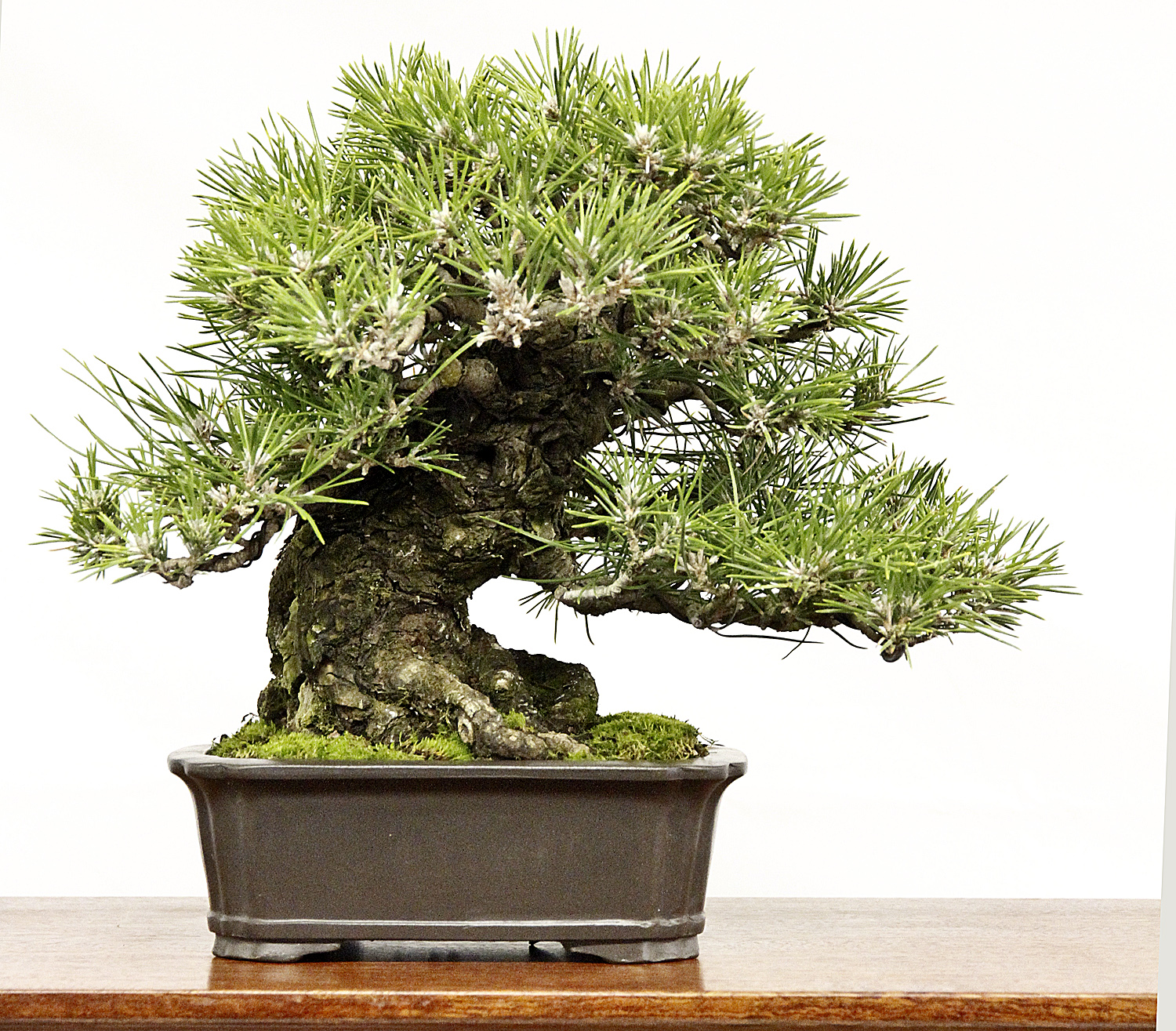
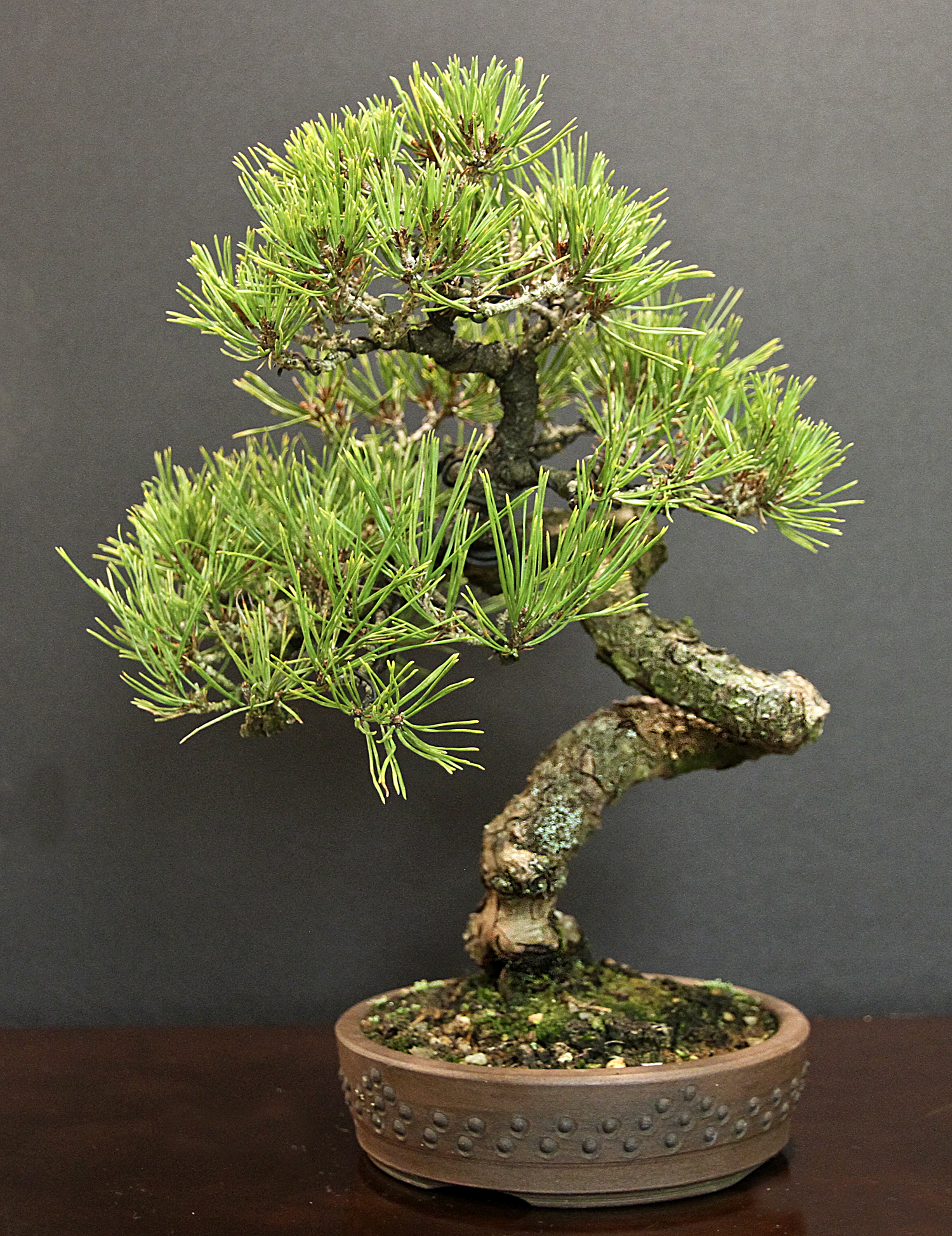
Japanese black pine, Pinus thunbergii

Image

Chojubai flowering quince, Chaenomeles japonica ‘Chojubai’

Image

Sargent juniper, Juniperus chinensis var. sargenti ‘Shimpaku’

Displayed by Frank Cucchiara


After our initial visit which was overwhelming because of the beauty we needed a breather and had lunch in the museum restaurant and went to the Ueno Green Club for a couple of hours. As soon as we went to the outdoor sales area I immediately saw a row of old Kokufu Bonsai Exhibition Albums. One of my close friends said he never saw me move so fast…. A sign in Japanese listed the older volumes and I was quite happy to add five missing books to my collection! The books are from the No. 3, 5, 9, 14 and No. 16 exhibitions. The list on Robert Baron’s site does not include a No. 16 exhibition, but apparently an album was published, because it’s now in my collection. I was happy and excited! Doesn’t take much does it? My quest continues for the dozen odd missing volumes however.

Image

Japanese black pine, Pinus thunbergii sold by Seiji Morimae, S-Cube


Image

Japanese five-needle pine, Pinus parviflora sold by Seiji Morimae, S-Cube


Image

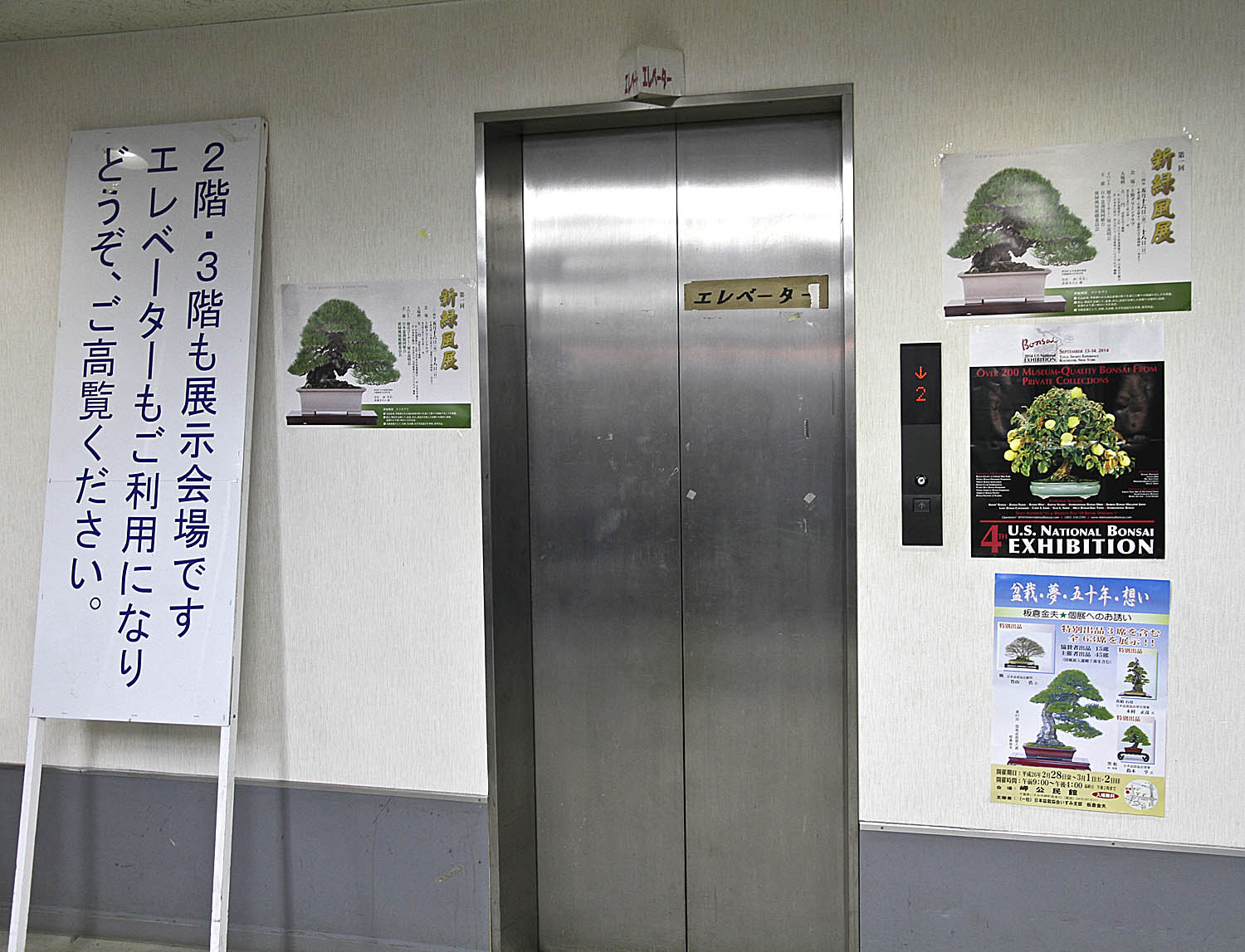
Elevator at Ueno Green Club where thousands of visitors take to the second and third floor sales area

We later returned to the exhibition where I was allowed to take a few photos for International BONSAI. Last year during the remodeling the museum overhead lighting was changed to “pinkish” bulbs which might look good with other art, but not bonsai. Some of the Trident maple bonsai appeared to have pink bark, rather than the characteristically white coloring. Additionally, spotlights presented dramatic lighting on many bonsai highlighting flowers or twigs. All of these factors did NOT help with my photography, however hopefully my friend Joe Noga can compensate when color correcting and perfecting the images for my magazine. Having spent over 35 years teaching color reproduction, Joe has a calibrated eye for perfection with unequaled results. So, please note that the color is not correct in the attached photos. If you want to see the true beauty and color of the bonsai you will need to wait until June when the next issue of International BONSAI is released with photos from the exhibition.
Image

Chojubai flowering quince, Chaenomeles japonica ‘Chojubai’

More information to come after additional days of study, but these are my initial impressions. By the way, I believe this is one of “the best” presentations of the Kokufu Bonsai Exhibition and can’t wait to see part 2 which begins on Sunday.

A visit To Bonsai Boon & A Suiseki Collection

Image

A visit to Bonsai Boon and the suiseki/bonsai collections of Mas Nakajima and his wife Janet Roth concluded our visit to the Golden State before departing for our tour to Japan.

Image

Image

Image

Image

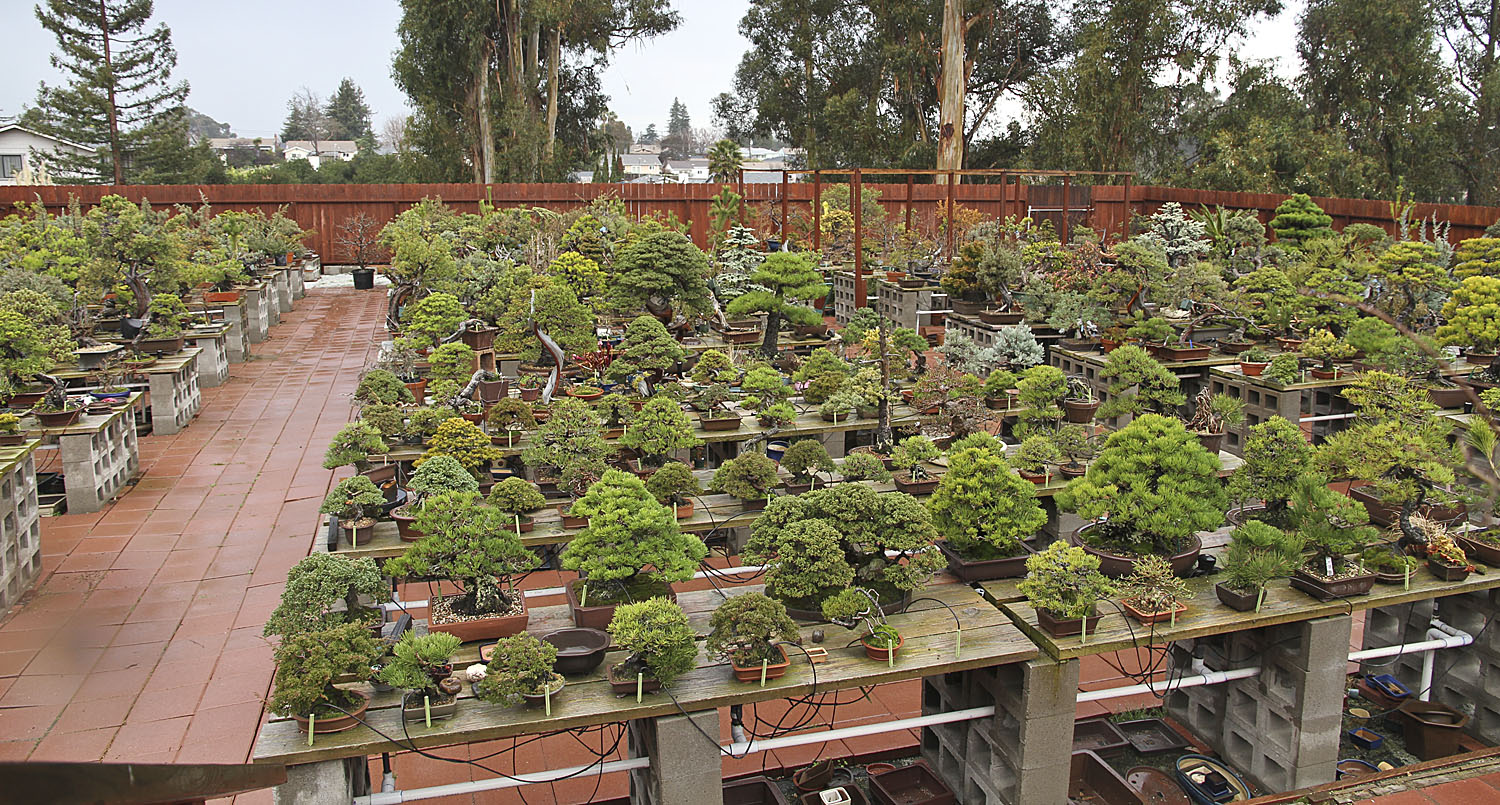
Bonsai Boon is the garden/school of Boon Manakitivipart who recently moved to a new larger location. Although Boon travels around the globe teaching and consulting his popular “Bonsai Intensives” classes are held in his school. He has many different species but pines and junipers seem to be represented most.

Image

David Campbell transplanting a Japanese maple

Image

Image

Image

Image

Image

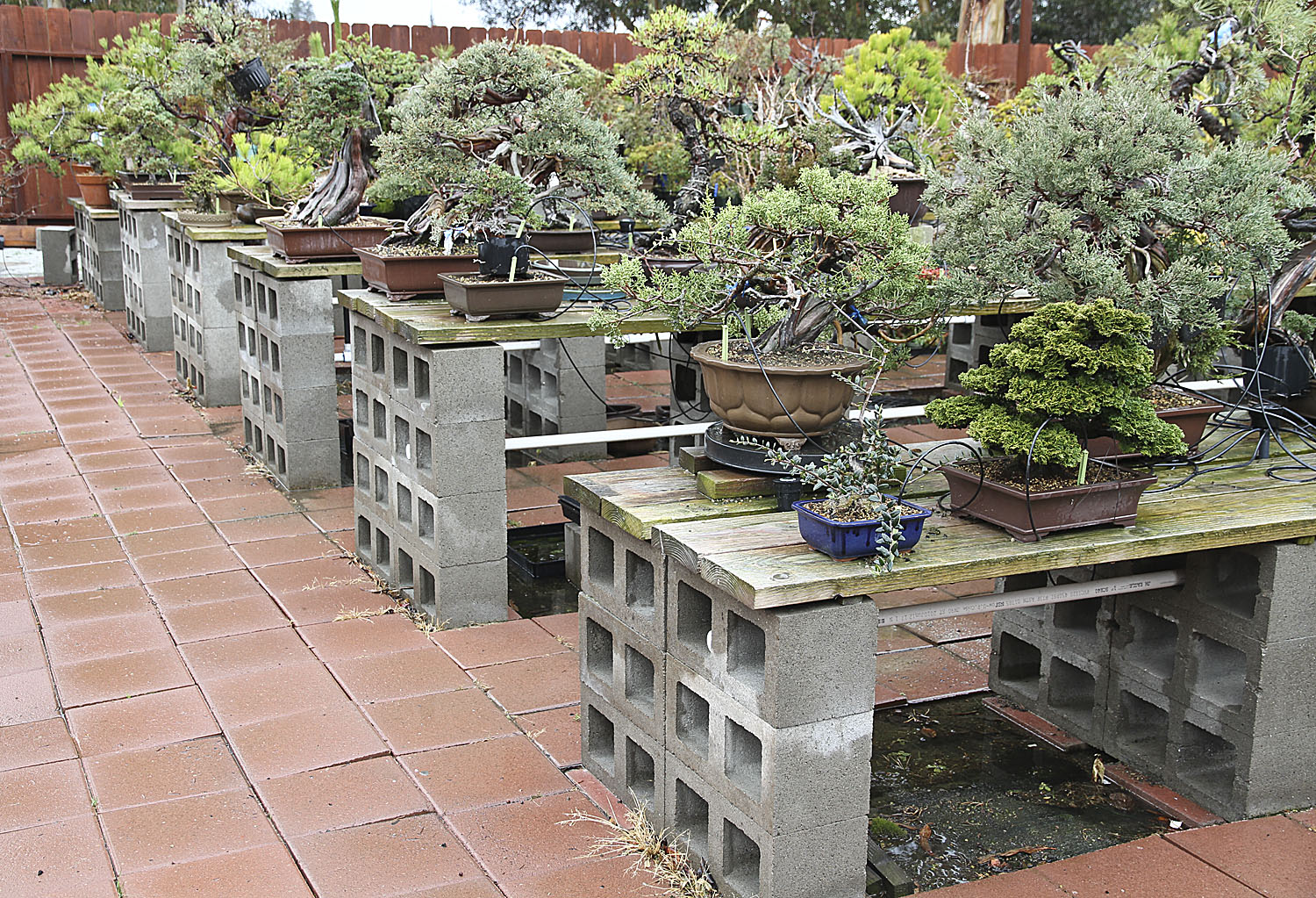
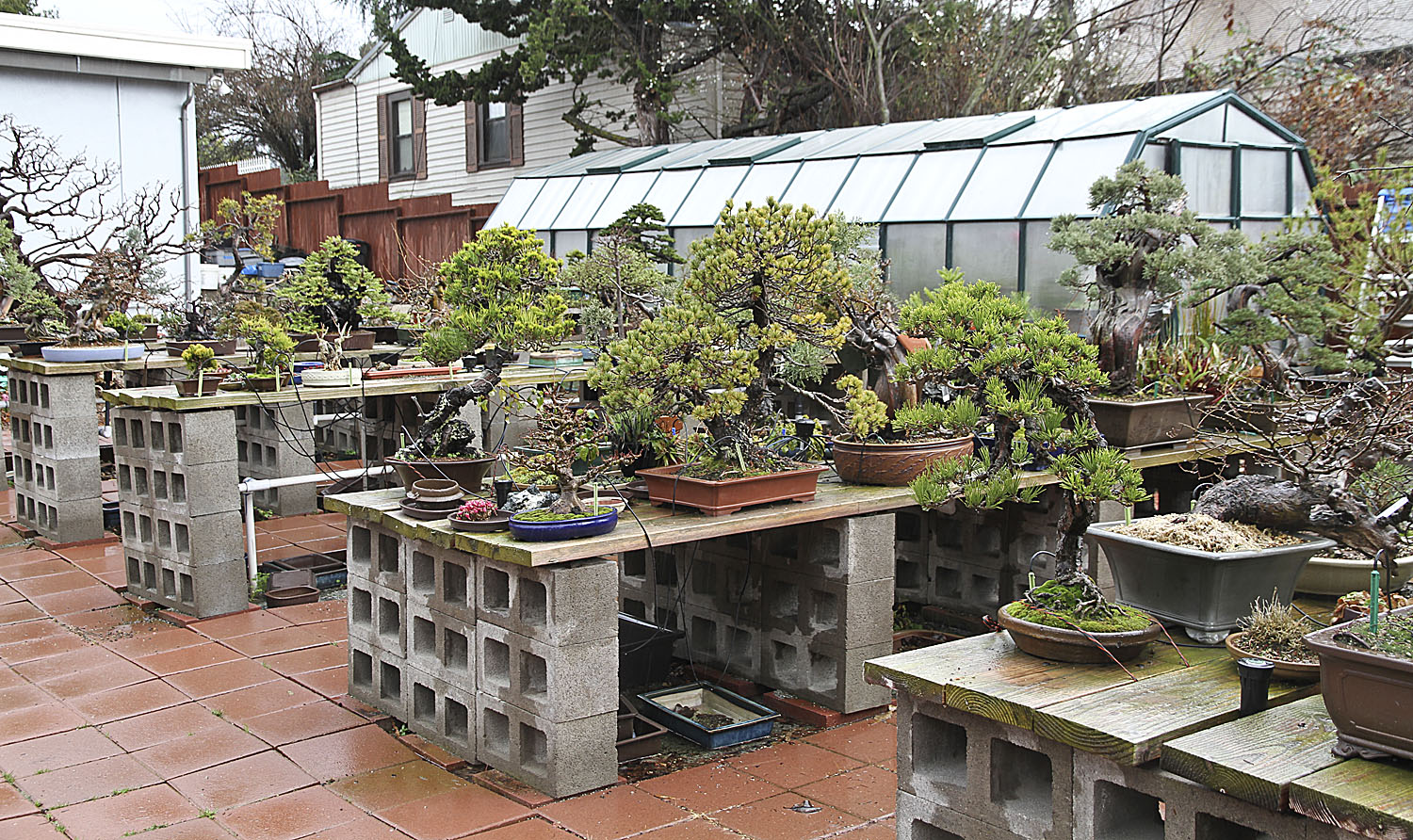
It was quite interesting to see his training methods and garden layout as well. The automatic watering system was well designed and works well. Boon’s table construction and lay out was well organized and each was filled with his and his clients beautiful bonsai.

Imaged


Mas Nakajima and Janet Roth suiseki and bonsai garden

Image

Image

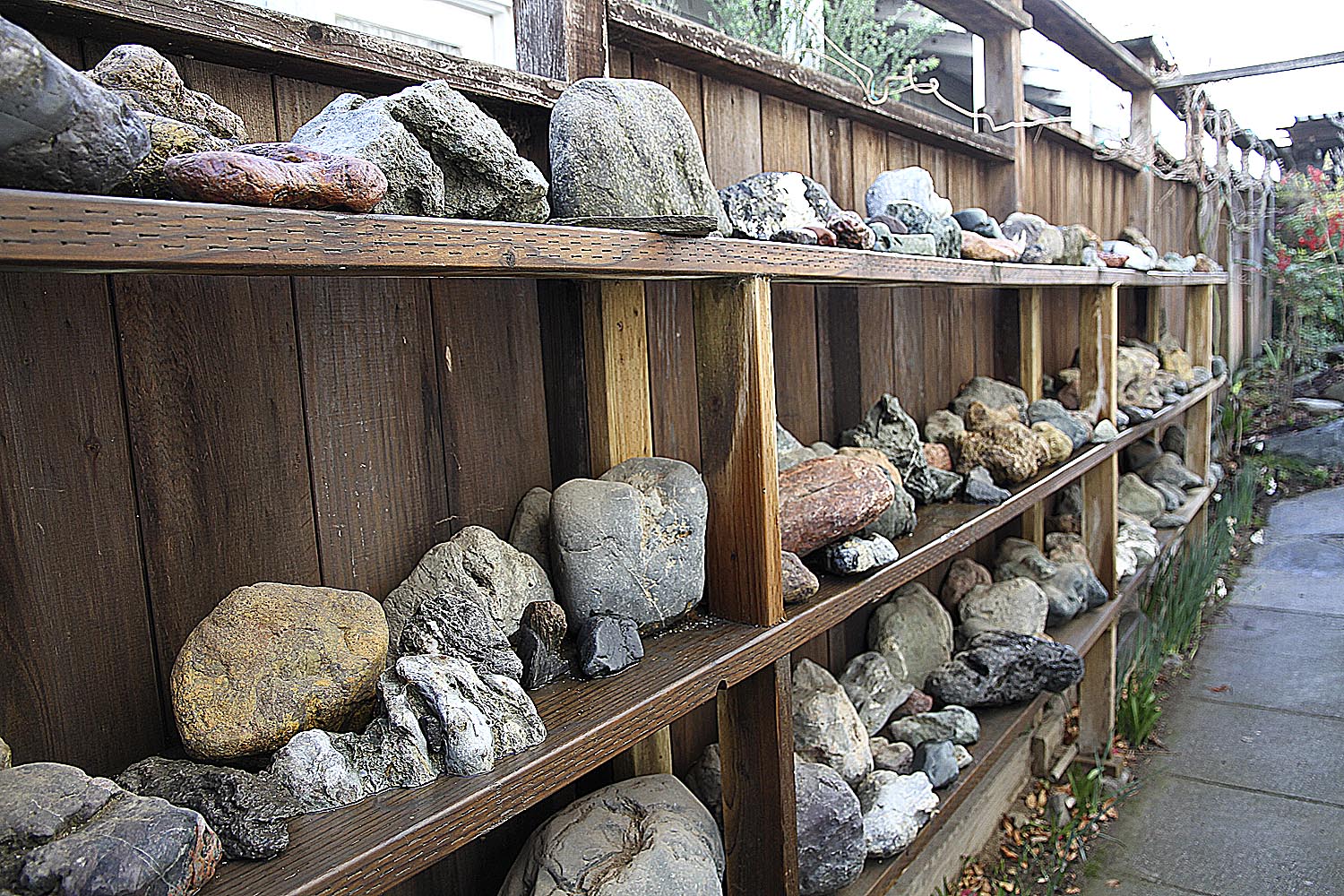
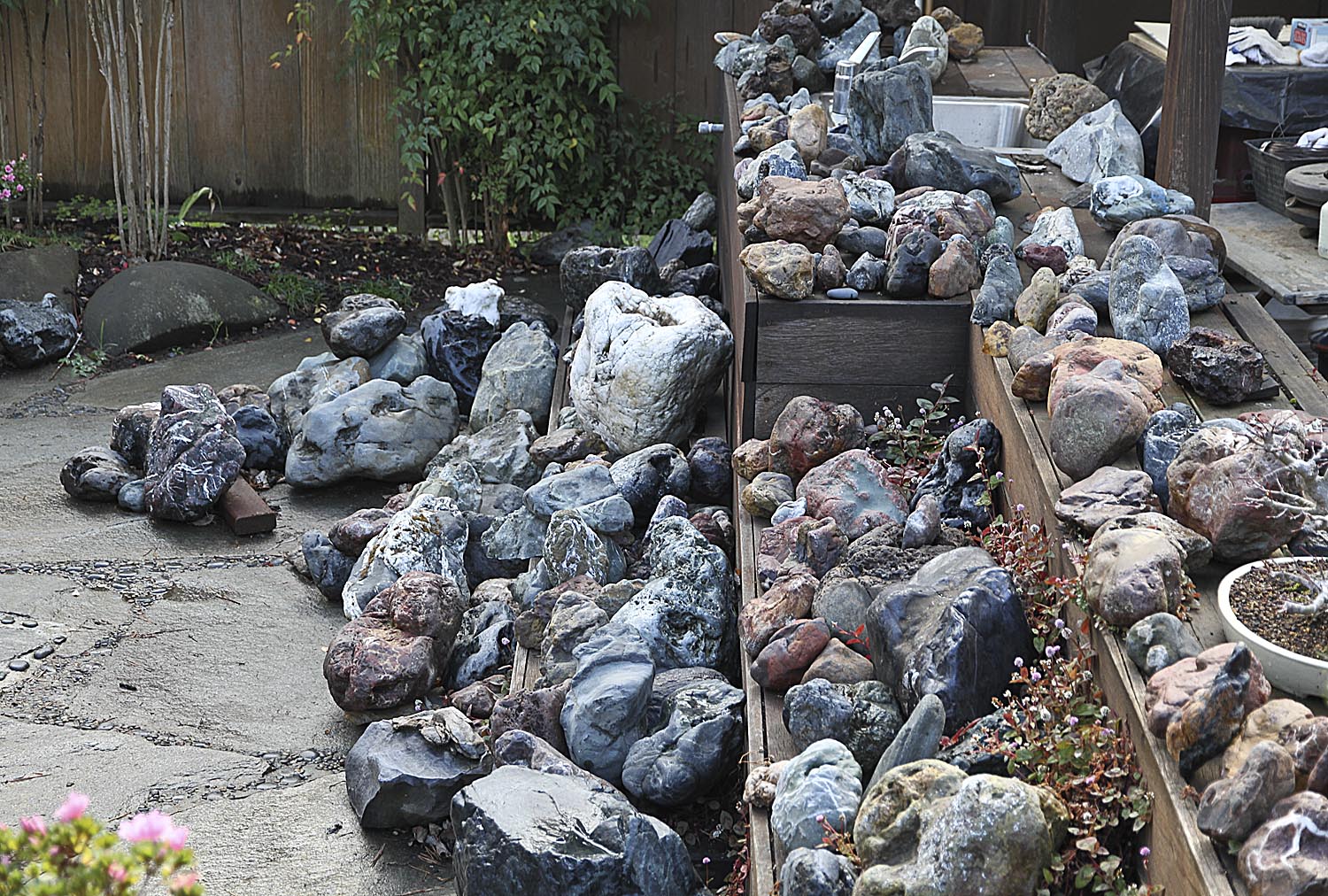
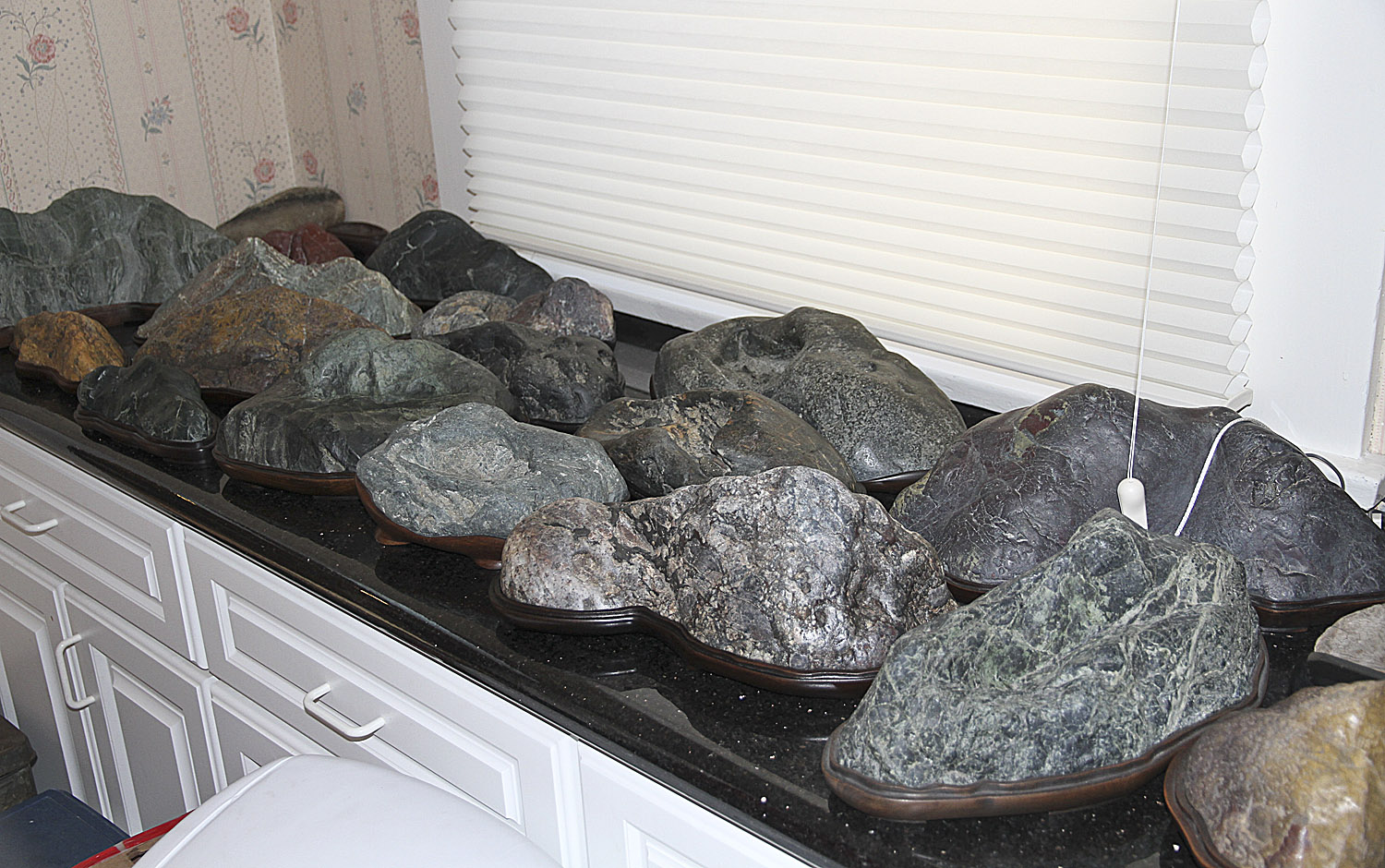
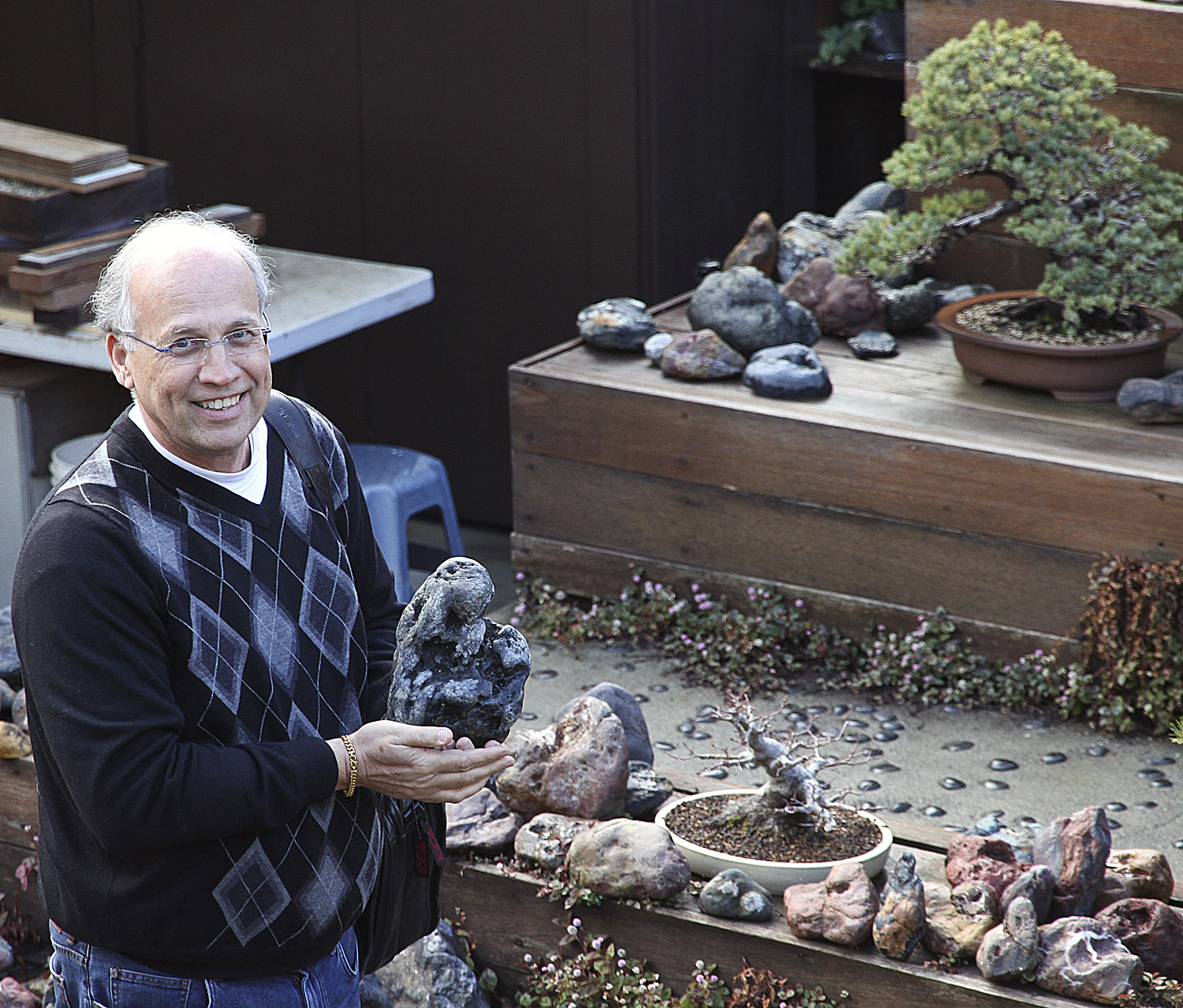
Our last stop was to the home of artists Mas Nakamima who specializes in collecting suiseki and carving daiza. His lovely wife, Janet Roth, also collects stones as well as training her own bonsai. I have never seen such a large collection of suiseki in one place. There were beautiful and distinctive stones everywhere. A large area, near the rear of their garden, contained severa shelves of prized suiseki, each of which has their own hand carved daiza by Mas protected indoors.

Image

Each of these suiseki have a daiza indoors

Image

Image

Image

Image

Sam Edge admiring a suiseki

Imagea

Janet Roth and Mark Arpag

Image

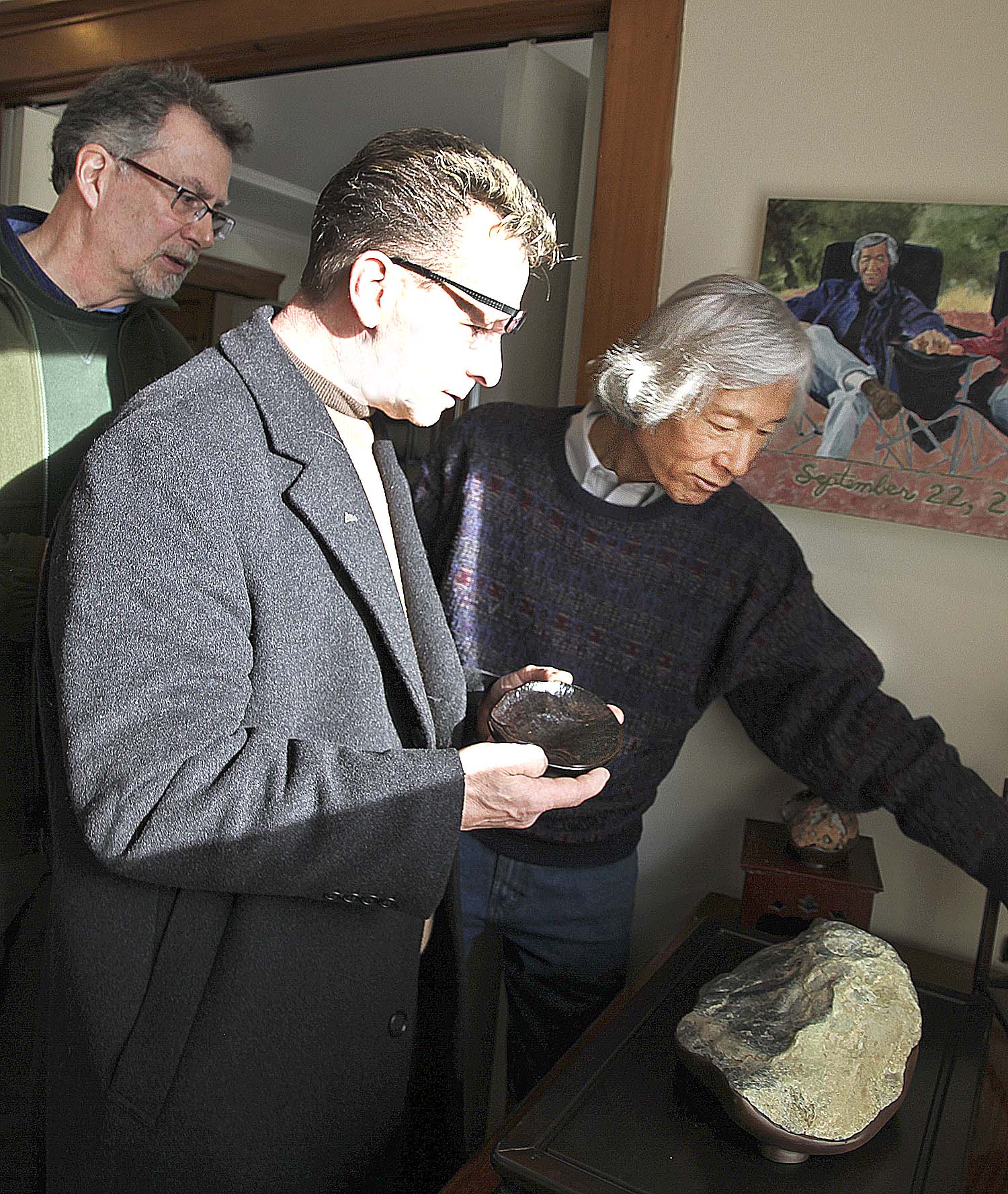
Mark Arpag, Sean Smith and Mas Nakajima discussing a daiza

Although there were more stones than I could count, each was distinctively different and showed the deep understanding and fine taste of Mas and Janet.

The 14th California Shohin Bonsai Seminar

Image


Image

The popular California Shohin Bonsai Seminar was held on Friday, Saturday and Sunday, January 31-February 3, 2014. The event was held at a small hotel in Santa Nella, California, which is a small town (truck stop?) located between Los Angeles and San Francisco to make travel easy for people throughout the state. Several friends from Rochester traveled with me to the event on our way to Japan for the Kikuyu Bonsai Exhibition, Shinseki of Japan Exhibition and to visit public and private bonsai collections in the Tokyo area.

The excellent and well presented lecture/demonstrations were held on Friday. On Saturday morning 12 workshops were conducted by skilled instructors, all in one large banquet room. Although all the workshops were in the same room, everyone enjoyed the individual attention of the teachers and excellent plant material each prepared for their classes. An additional 12 workshops were then presented in the afternoon. The only cost for the workshops was for the plant costs.


Image

A room filled with beautiful shohin bonsai provided inspiration for the 237 full registrants and many daily attendees. Critiques were held in the exhibit to get fresh ideas and thoughts on the display, design and horticultural requirements of the small treasures people brought to share with the others.

Image


Image


Image


Image


Image


Image


Image


Image


Image


Image


Image


Image


Image

Sunday morning concluded the California Shohin Bonsai Seminar with a comprehensive lecture/demonstration by Kathy Shaner on repotting bonsai. Two rooms were filled with numerous vendors offering their plants, stones and other educational items for training, caring and the display of bonsai.

Image

This event is always sold out and is limited to the size of the banquet room. Although typical of well organized California conventions, the California Shohin Bonsai Seminar, conducted every two years is popular because of the low cost. All the instructors, from around the country, volunteer their time and talent so the workshops are offered at low prices. Profits from the raffle and auction are split equally between the two bonsai gardens administrated by the Golden State Bonsai Federation in Pasadena and Oakland.

The chairman of this event is changed each time and this year Gary and Lucy Judd did an outstanding job assisted by other family members and volunteers. All programs were well attended and many questions were asked and answered.

I have been fortunate to have attended and taught at all but two of the seminars and   look forward to the 15th California Shohin Bonsai Seminar which will be held in January 2015. 


Image

Bare Root Seedlings & Classical Bonsai MasterClass

Image

The severe cold and snowy weather delayed the arrival of the bare root seedlings from nurseries around the country. Finally they arrived, in good condition too.

Image

Bob Pfromm and Harvey Carapella grading the seedlings.

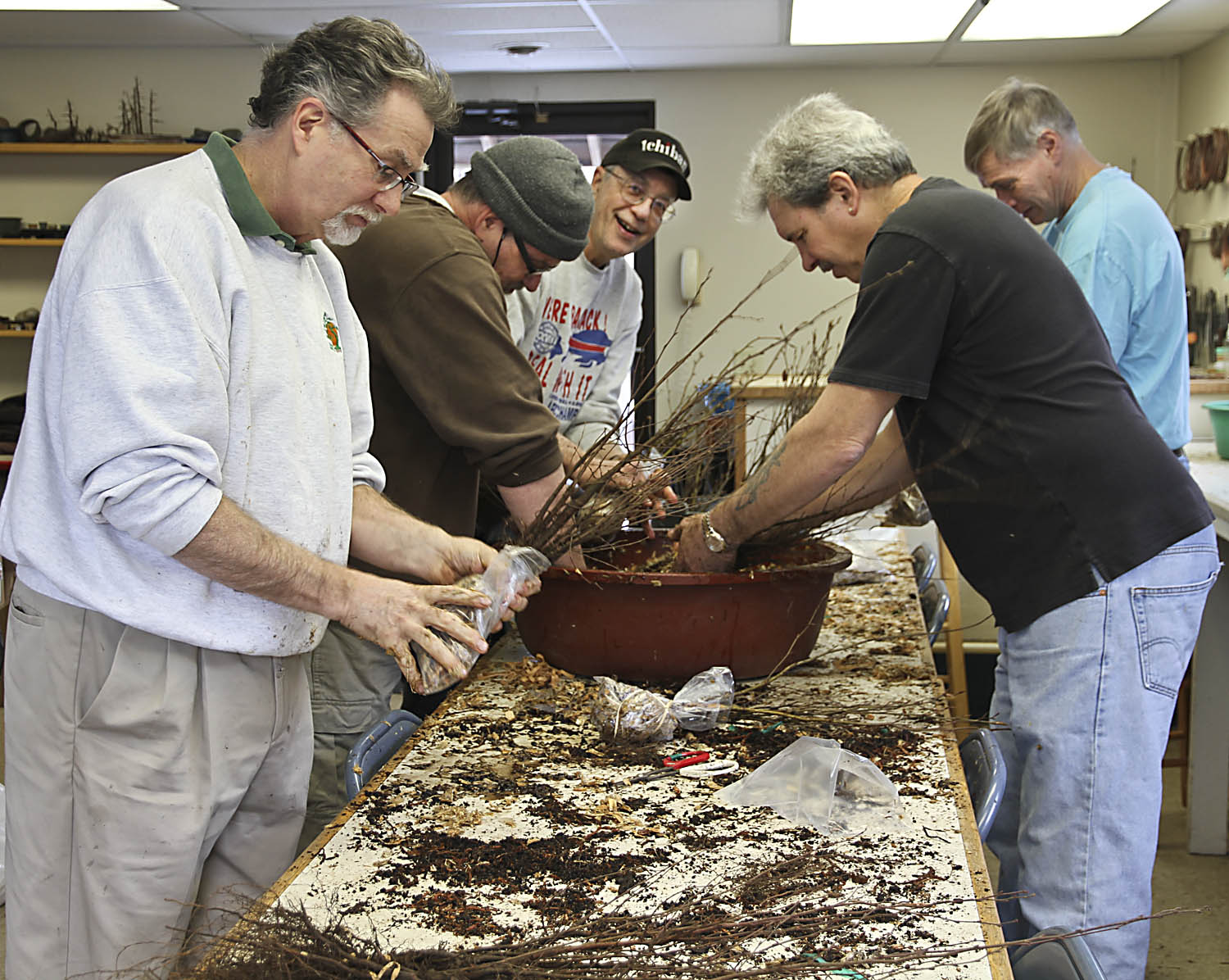
Last weekend my Saturday Crew came and helped process several thousand seedlings for the Seedling & Pre-Bonsai Catalog. First the seedlings were inspected and graded so bundles would have different sizes suitable for forest bonsai. Then the others soaked the seedlings and wrapped them in wood shavings. Finally they were bagged, labeled and stored in my overwintering garage which is kept around around 32F. Usually I maintain 27F, but when the seedlings arrive the temperature is slightly raised.

Image

Marc Arpag, Alan Adair, Paul Eschmann, Bob Blankfield and Dave Steel packing the bundled seedlings.

They are now ready for shipping to warmer areas of the country and to those with protected locations or greenhouses. Check out the catalog:

http://www.internationalbonsai.com/page/1442817

We have also added several new shohin bonsai, containers and suiseki to our web site.

Image

Image

Image

Classical Bonsai MasterClass

Session 1 of my new Classical Bonsai MasterClass quickly filled and several additional sessions have been added:

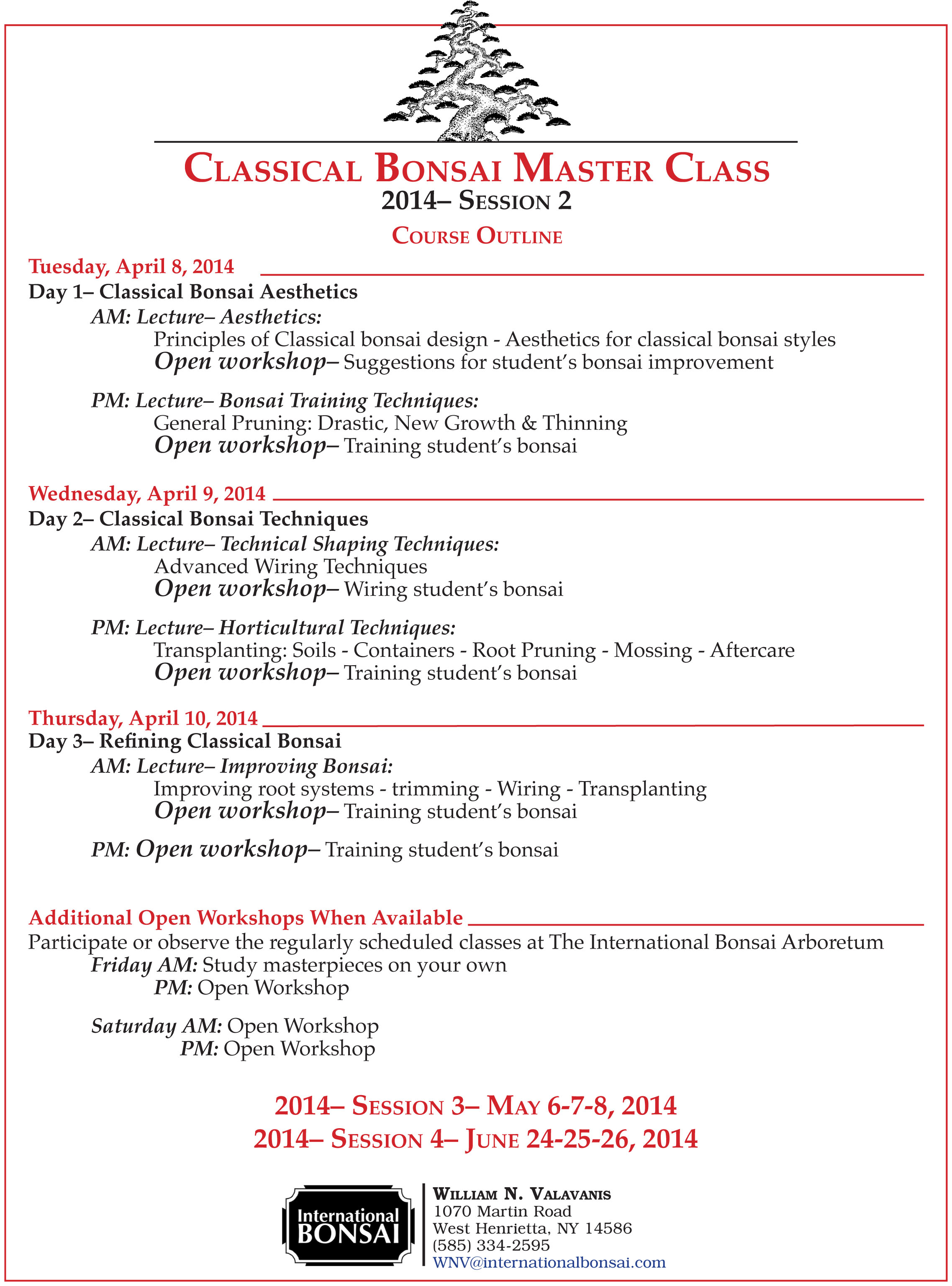
Session 2 April 8-9-10, 2014

Session 3 May 6-7-8, 2014

Session 4 June 24-25-26, 2014

Please contact me to register or if you have any questions.

WNV@internationalbonsai.com

Image

Image

Classical Bonsai MasterClass

Image

I’d like to announce a new educational bonsai program I’m starting in spring the Classical Bonsai MasterClass

Image

Image

If you have been growing bonsai for some time and wish to advance your skill level in producing high quality bonsai, then this Classical Bonsai MasterClass is designed for you. The detailed instruction and individual help with your bonsai will reinforce the principles and techniques learned from the program. The instruction and personal attention will provide confidence in the development of your future bonsai designs.

Image Beginners as well as experienced bonsai hobbyists are welcome to join

Image

Image

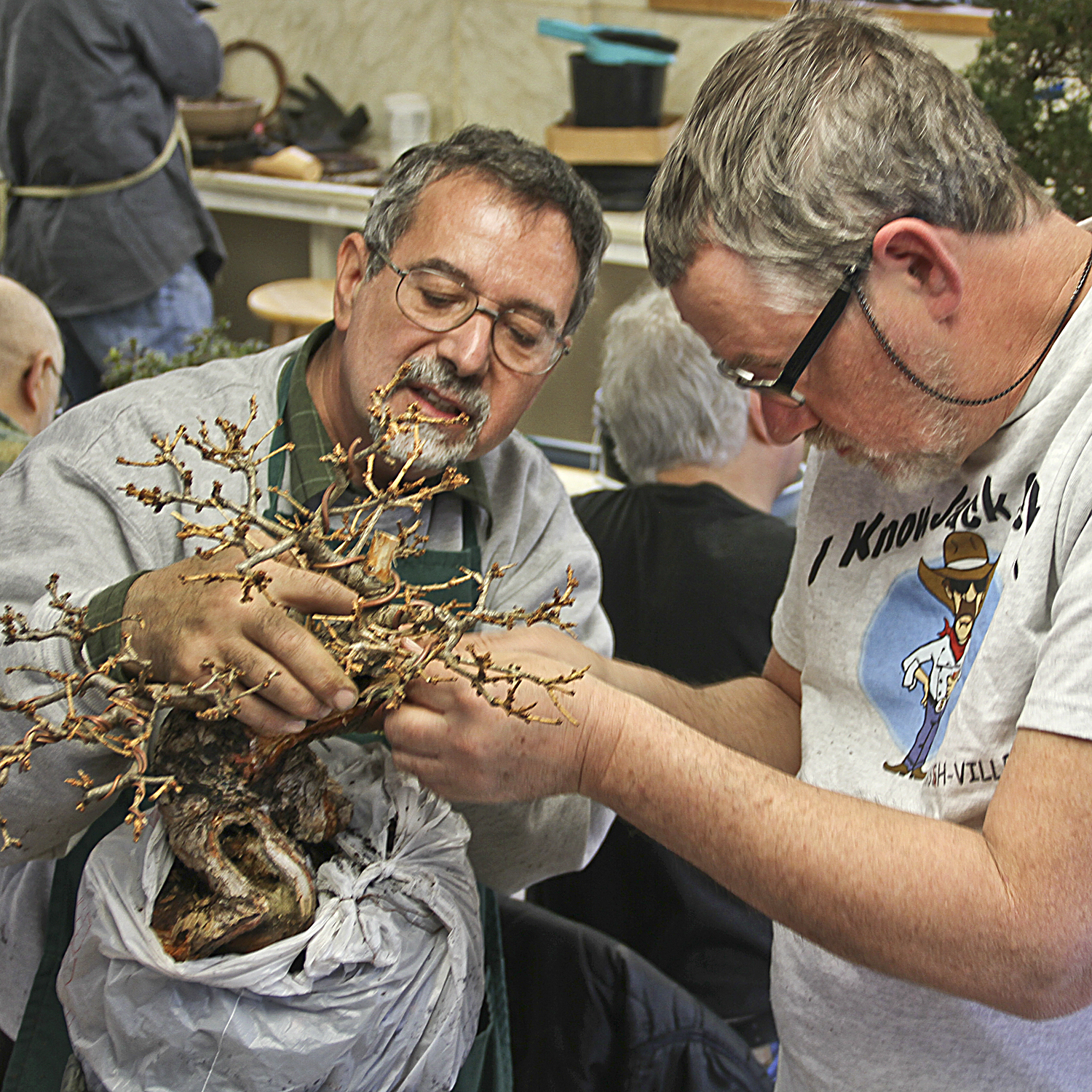
The Classical Bonsai MasterClass will consist of lectures on classical bonsai and guided workshops to ground your skills and reinforce the principles discussed. You will work on your bonsai with the guidance of William N. Valavanis, increasing your understanding and skill while also improving the quality of your trees. The practical application of the techniques learned and the personal attention during the work sessions will be beneficial to the improvement of your bonsai skill and understanding of classical bonsai art. The level of quality bonsai is increasing in the United States as can be clearly seen in the U.S. National Bonsai Exhibitions.

Improve and refine your trees during the open workshops for developing exhibition quality bonsai.Techniques for developing and refining both deciduous and evergreen species will be covered.

Image Bud pinching to increase twig ramification and maintain size for deciduous species

Image Korean hornbeam 2005

ImageKorean hornbeam 2010

Image Korean hornbeam August 2013

Image Korean hornbeam November 2013

Image RAF dwarf Scots pine 1993

Image RAF dwarf Scots pine 2003 before refinement

Image RAF dwarf Scots pine 2003 after refinement

Image RAF dwarf Scots pine 2013 before refinement, again. Developing bonsai is a series of wiring and refinement to create masterpieces.

Image RAF dwarf Scots pine 2013 after refinement

Image Refinement techniques will be introduced then applied to student’s bonsai during the open workshops

Professionally trained horticulturist and bonsai artist William N. Valavanis will teach the Classical Bonsai MasterClass at the International Bonsai Arboretum in Rochester, New York.

Image

Image Teaching classical bonsai in Brazil

Image  Teaching classical bonsai at the Noelanders Exhibition in Belgium with the assistance of Corin Tomlinson, Greenwood Gardens in Nottingham England. Corin Tomlinson apprenticed with Mr. Valavanis from 1989 to 1991 through a cooperative effort of Merrist Wood College (England) and The Ohio State University (USA) as part of his horticultural degree requirement. His father, Harry Tomlinson sent his son to Mr. Valavanis for formal bonsai training. Corin Tomlinson, second generation bonsai artist traveled to Belgium to assist with the demonstrations.

Drawing on his experience of teaching classical bonsai art for over fifty years on five continents, Mr. Valavanis will freely share his knowledge and techniques and help you to practically apply them in the open workshops. Lectures on core principles and skills will begin each day. Detailed techniques and refined design will be illustrated using some of the developed specimens from the Valavanis Bonsai Collection.

Image

Image The Classical Bonsai MasterClass sessions will be held at the International Bonsai Arboretum in Rochester, New York, where thousands of students have learned and been introduced to classical bonsai art with the guidance of William N. Valavanis. The facilities contain a comfortable venue and atmosphere for teaching and working on student’s individual bonsai with everything necessary for bonsai creation and appreciation is available.

Image


Image

Limited to only four students, the Classical Bonsai MasterClass will be customized to the student’s interests and bonsai brought to the workshops. Seasonally related and other advance topics will be fully explained and explored in future sessions to be announced at a later date.


Registration:

Registration for the three day Classical Bonsai MasterClass is $600 per student which includes personal instruction by Wm. N. Valavanis, lunch and snacks during the day. This session can also be extended by participating or observing the regularly scheduled open workshops on Friday and Saturday. Please prepare and bring your tools, wire, supplies as well as plants, and are encouraged to bring both untrained nursery stock as well as developed bonsai for the open workshops. Items may also be purchased during the sessions. Students traveling from long distances may work on specimens from the International Bonsai Arboretum.

Transportation may be easily arranged from the Greater Rochester International Airport as well as to and from the motels. The eight motels within two miles of the International Bonsai Arboretum offer comfortable accommodations in all price ranges.

Image

Please contact Mr. Valavanis for any questions and to register for the Classical Bonsai MasterClass.

WNV@internationalbonsai.com

585 334-2595

Image

Image

BONSAI WINTER SILHOUETTE EXHIBITION


Image

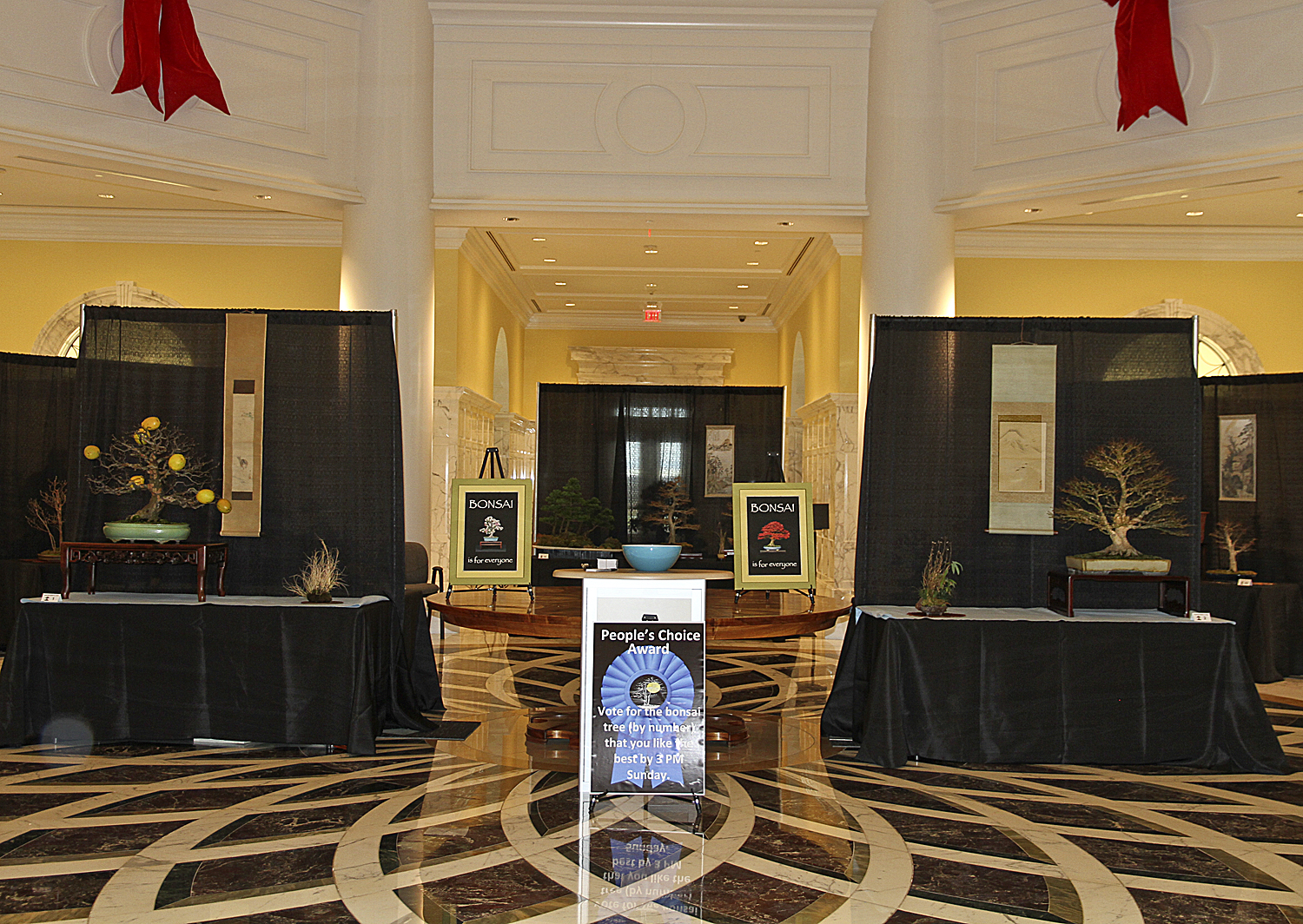
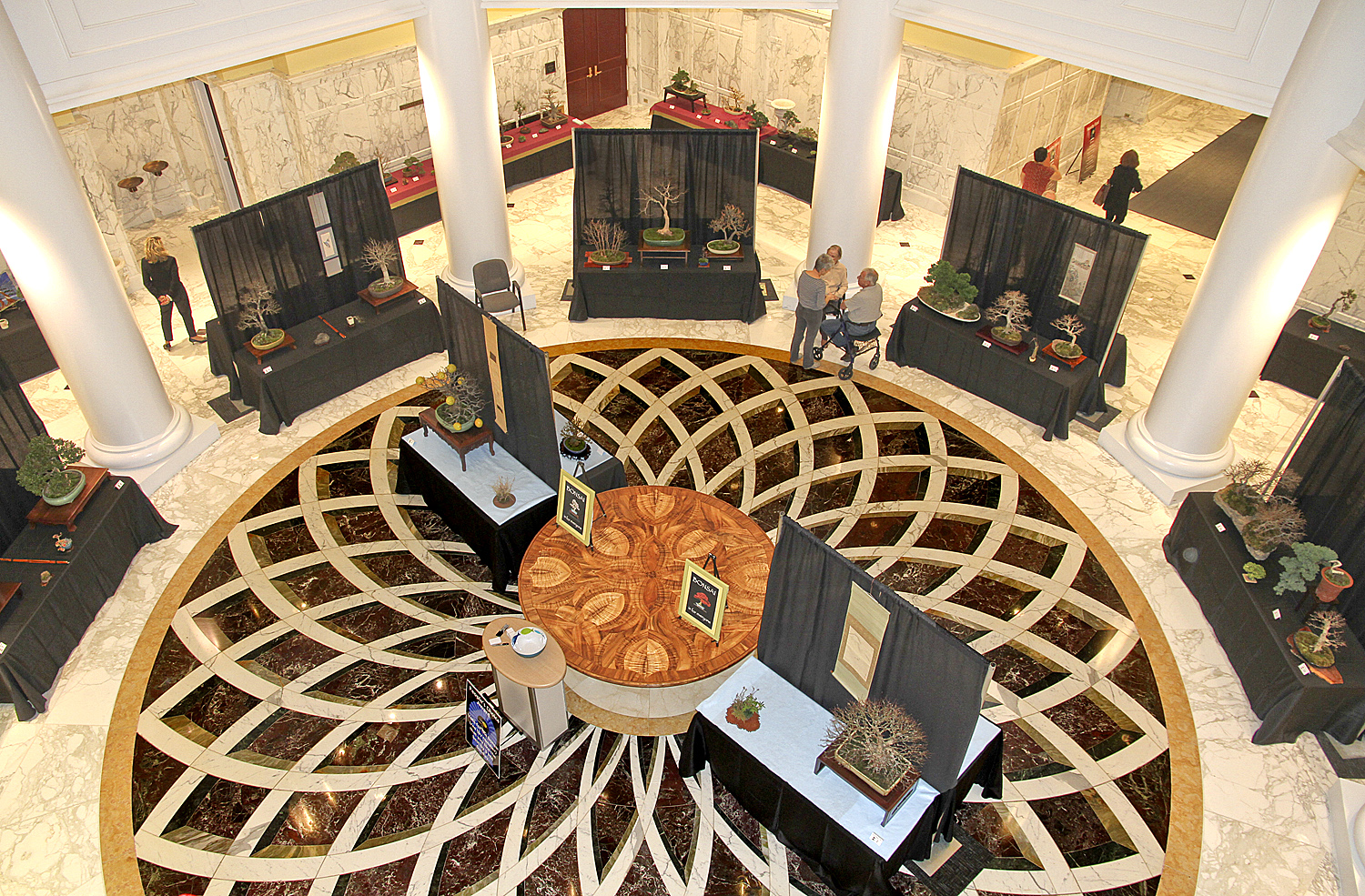
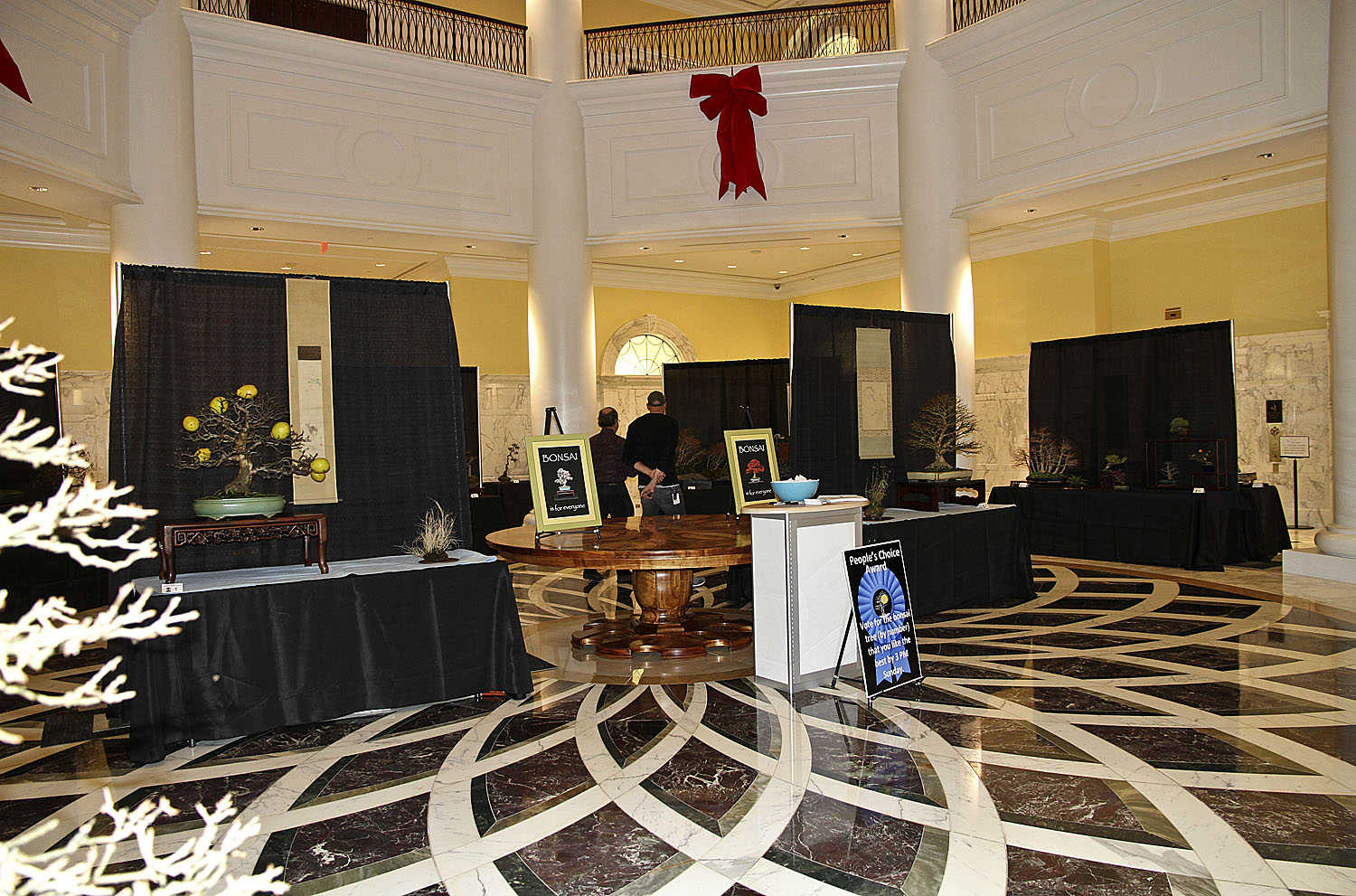
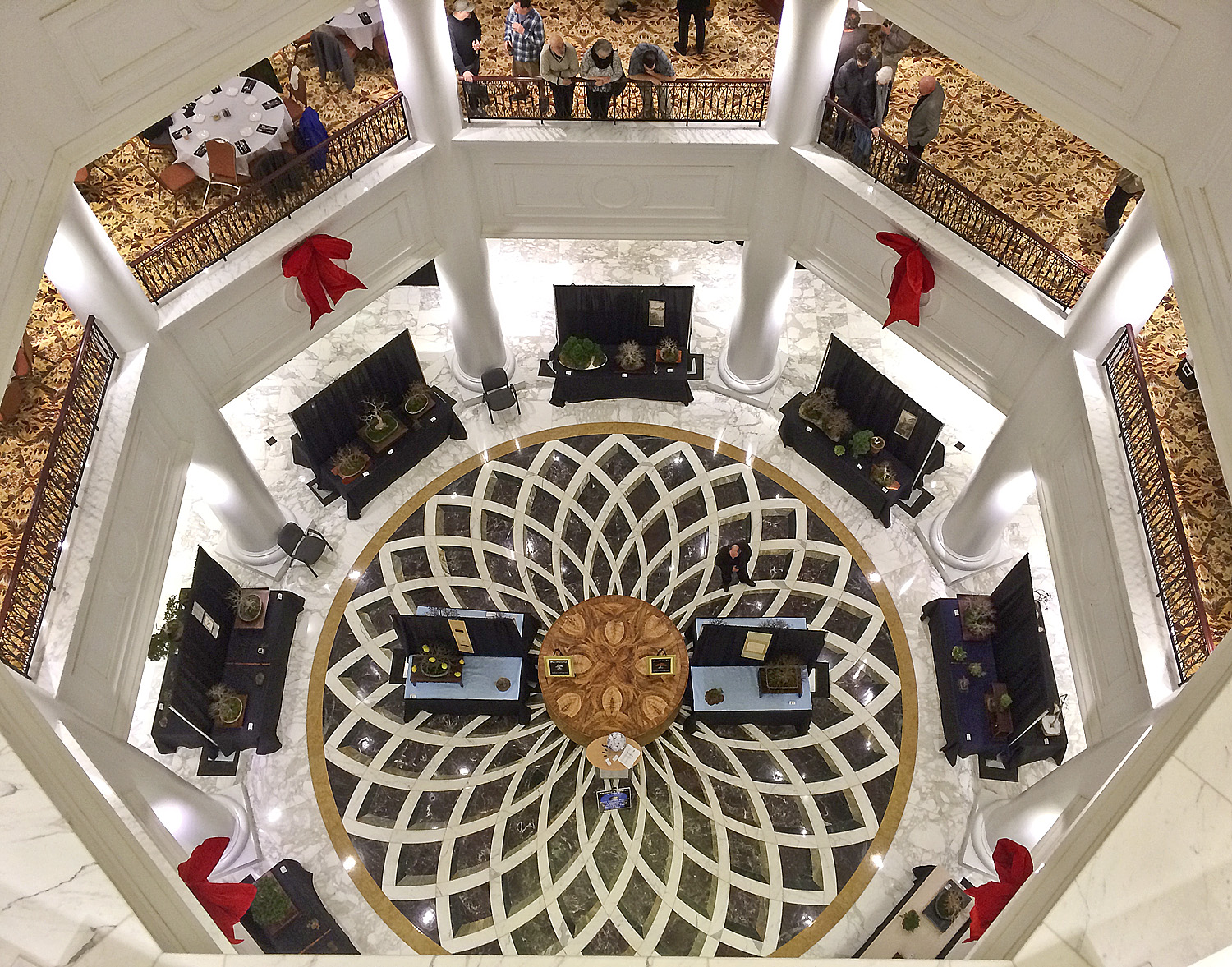
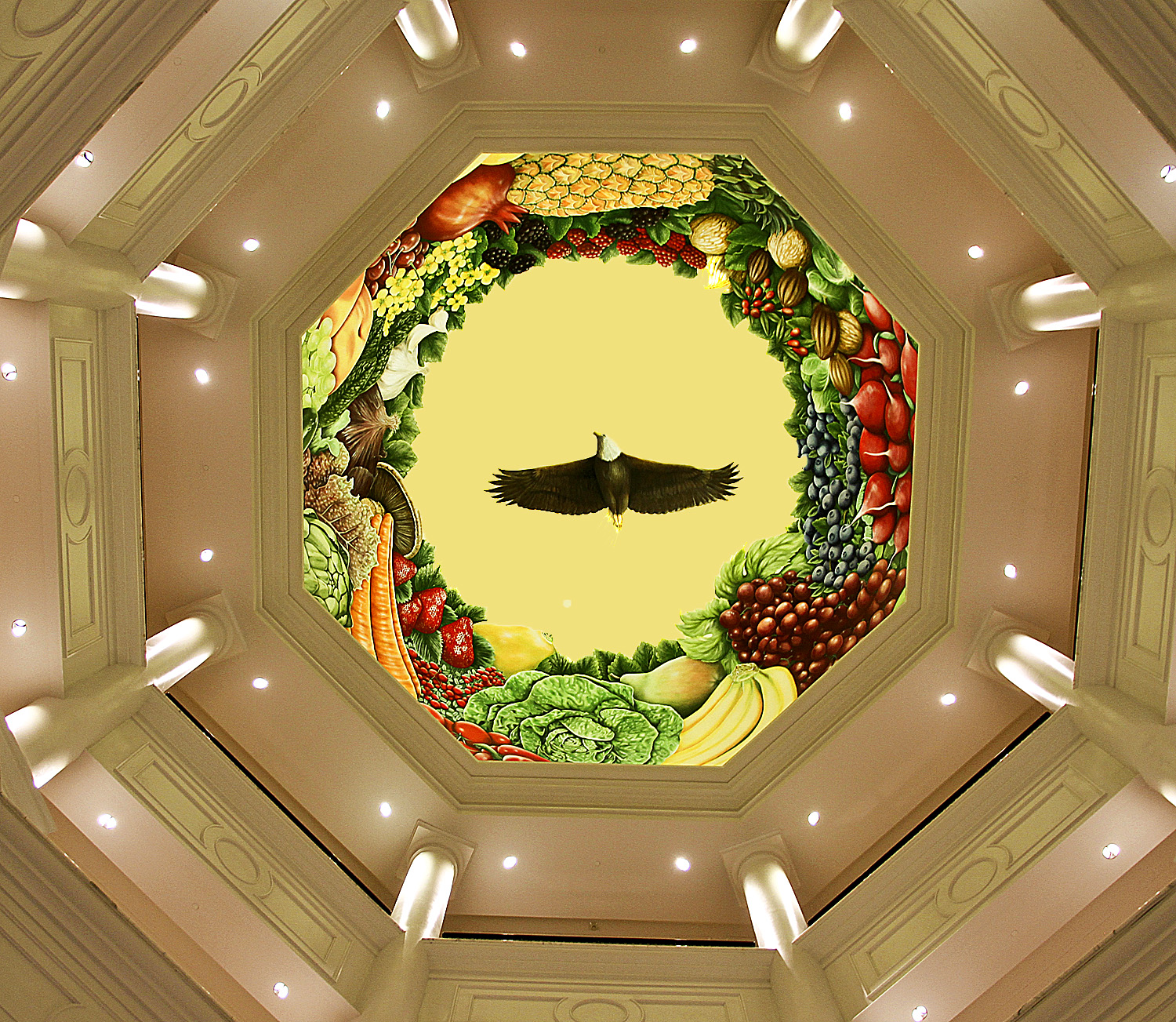
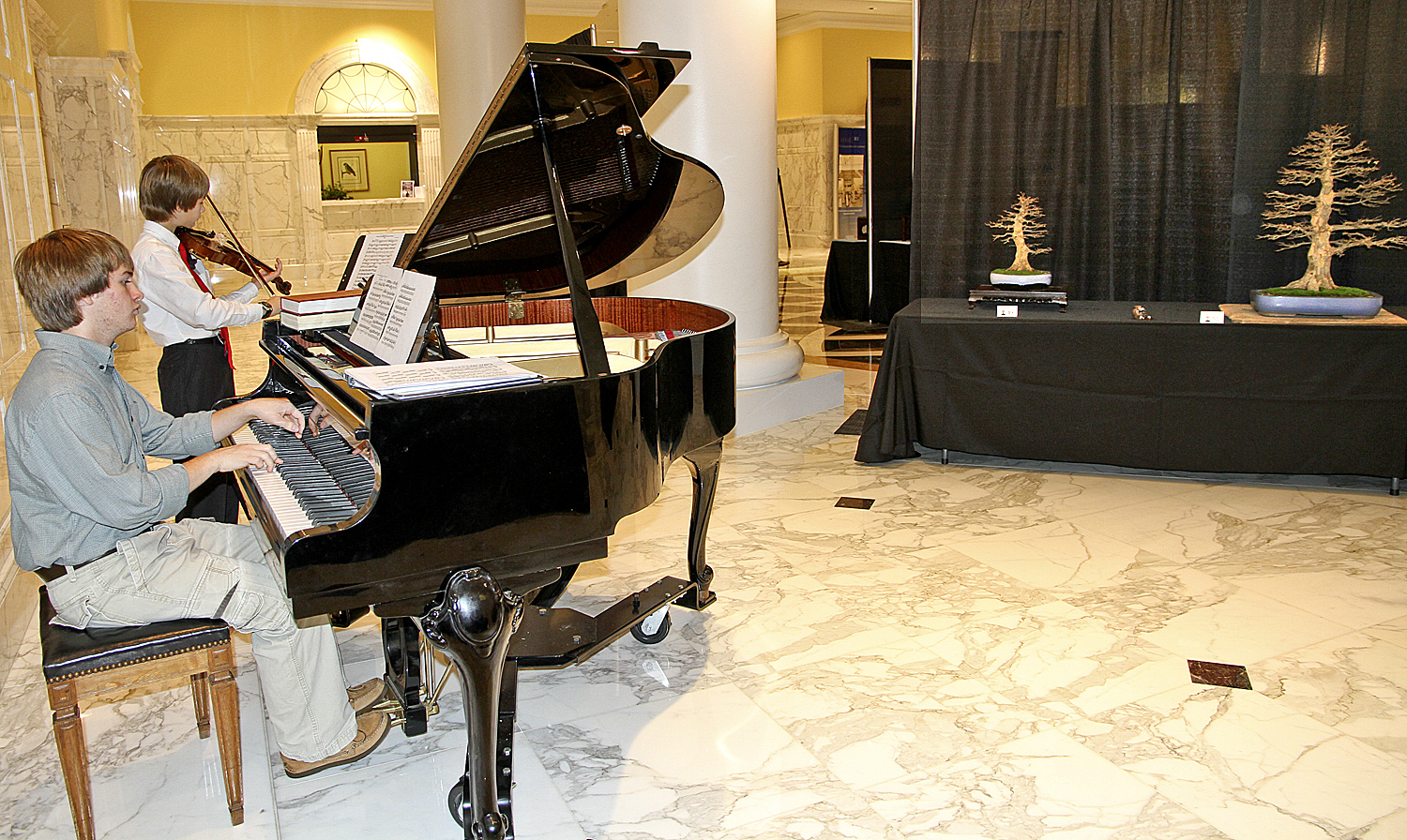
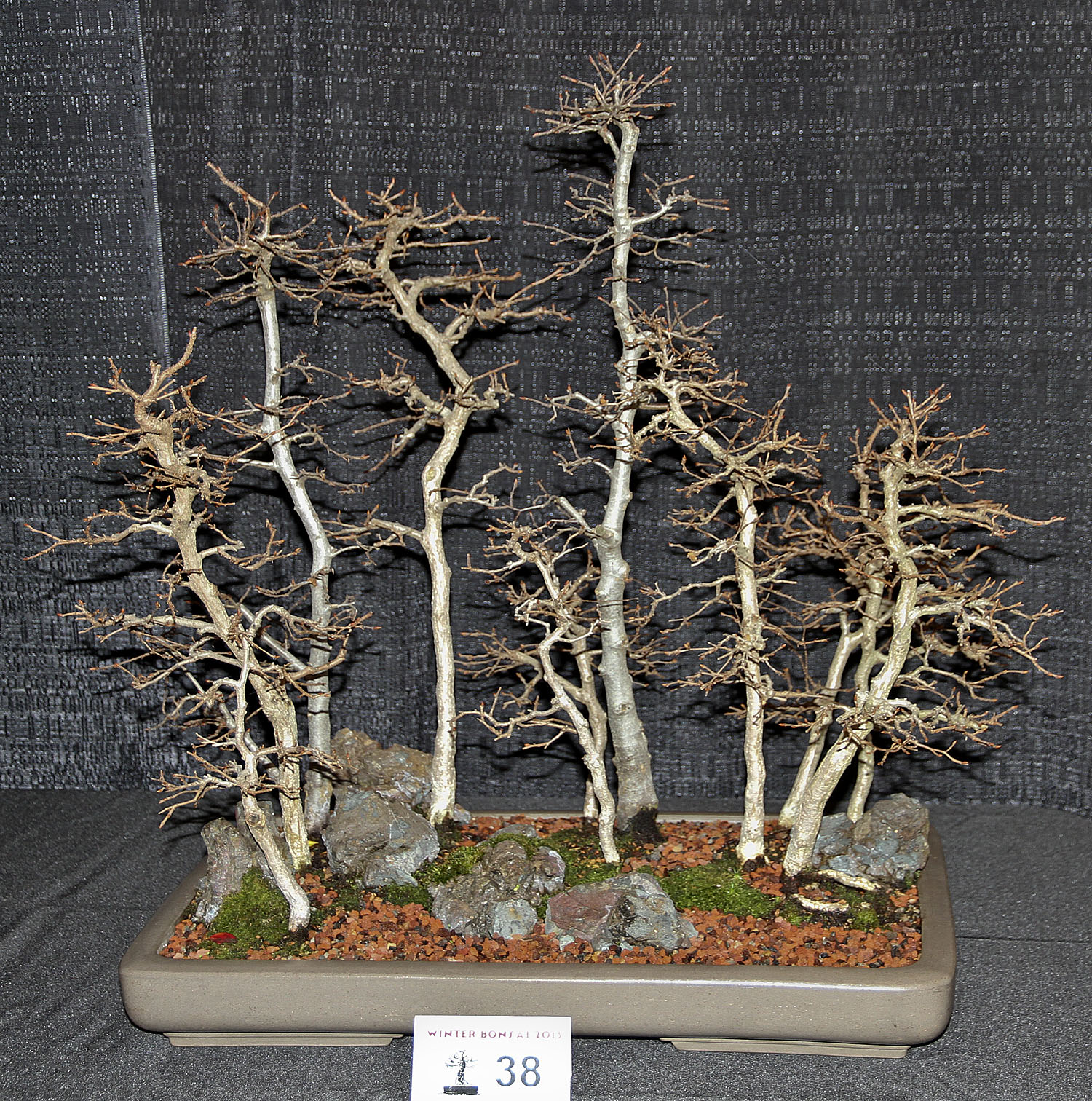
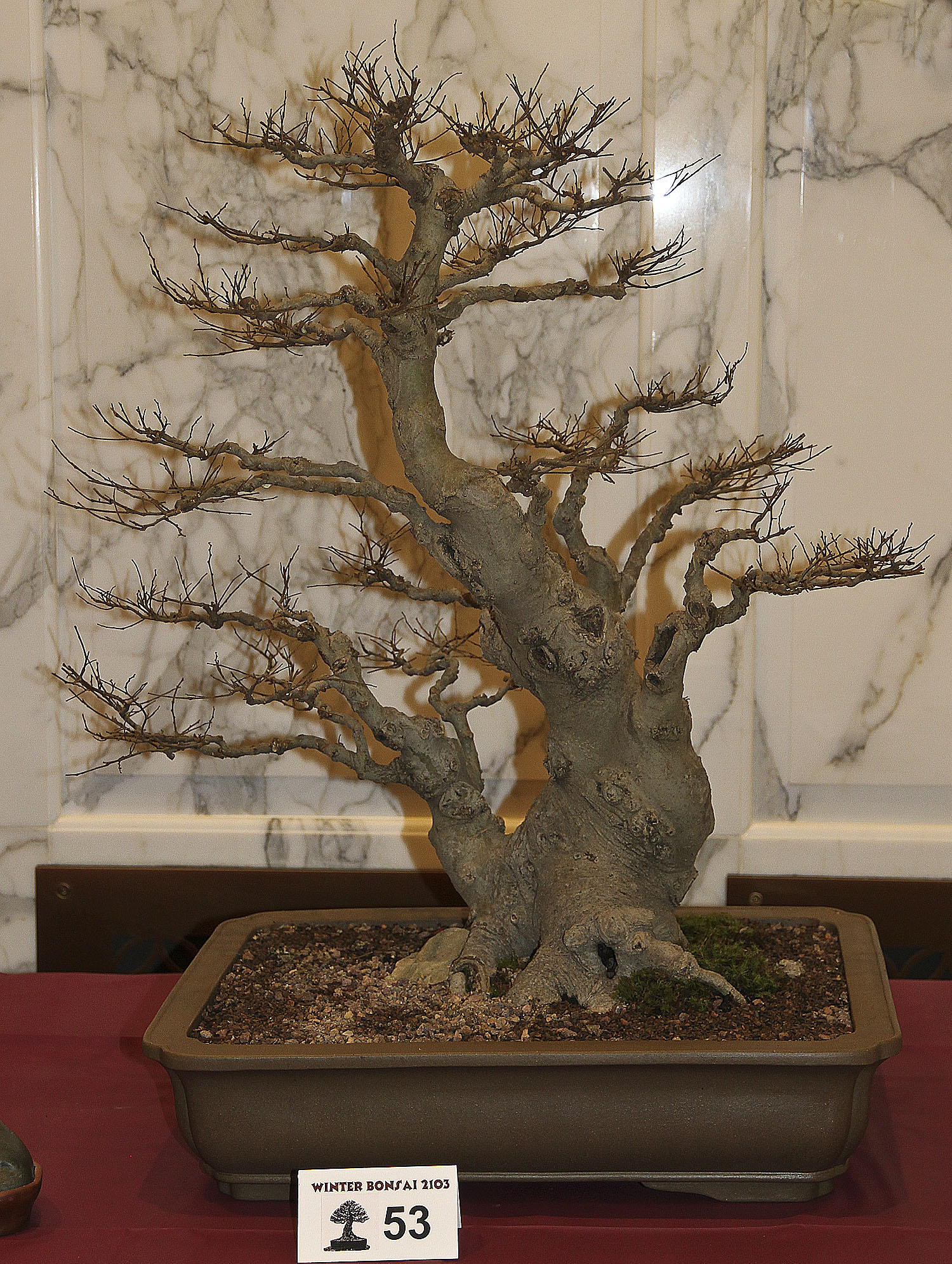
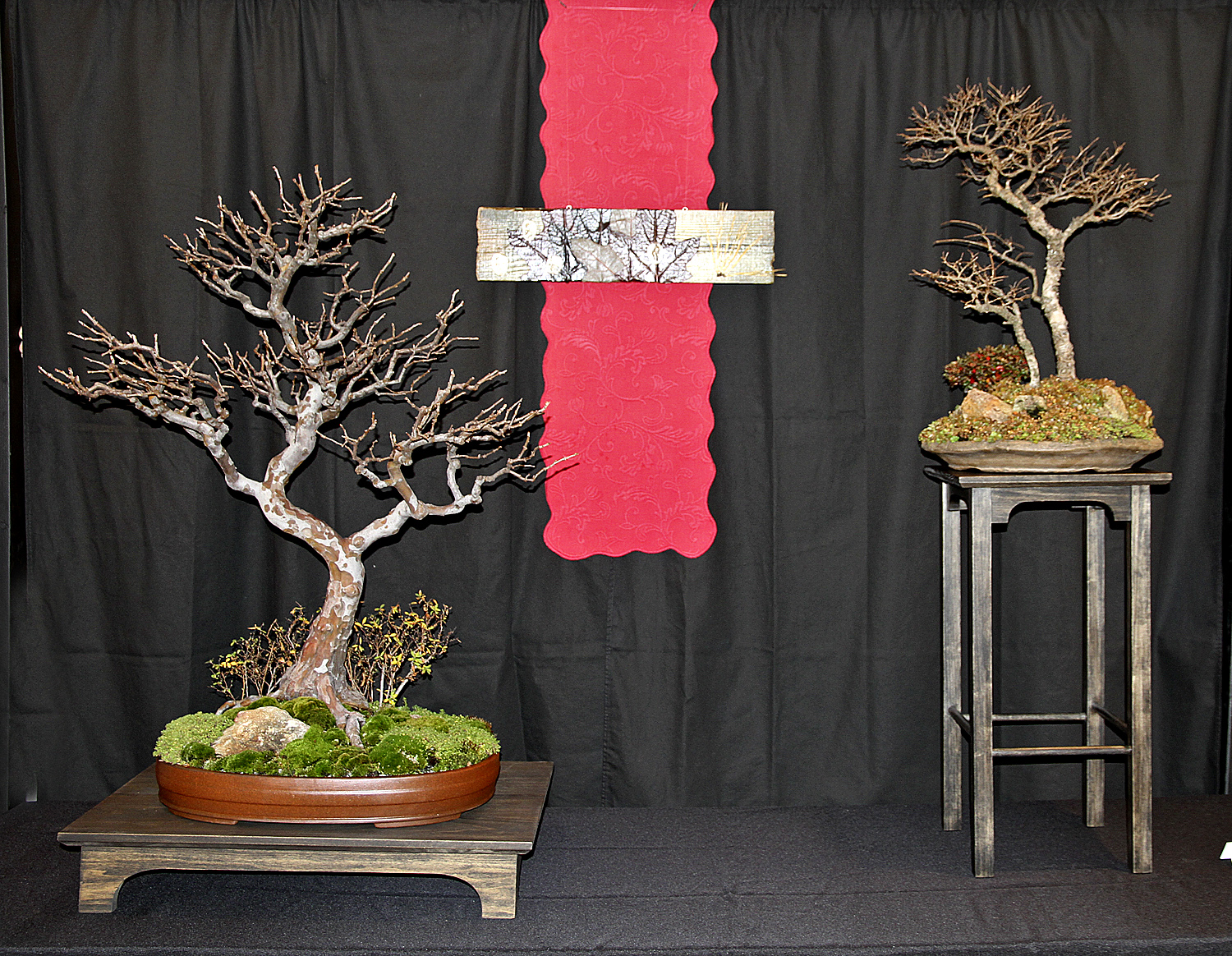
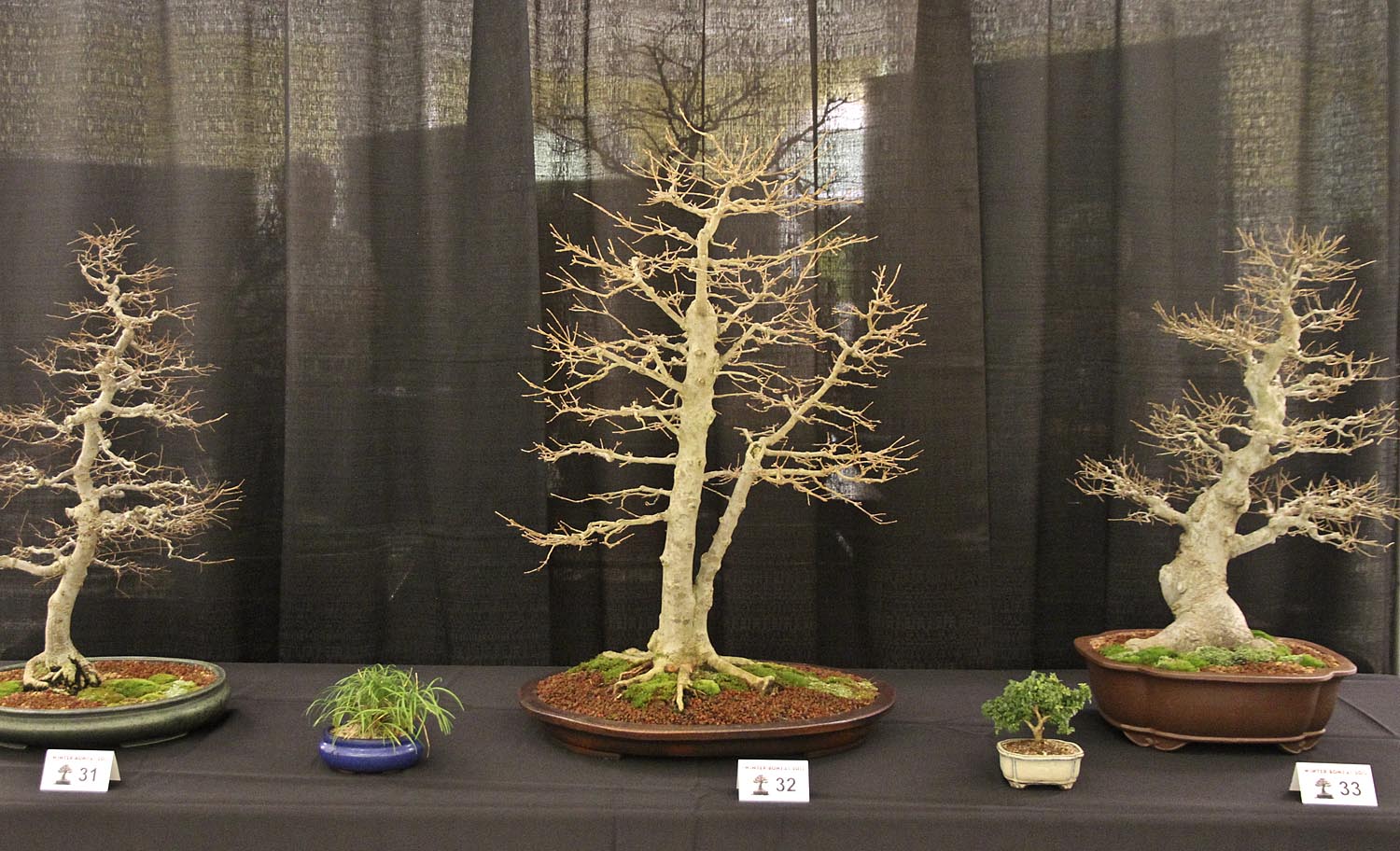
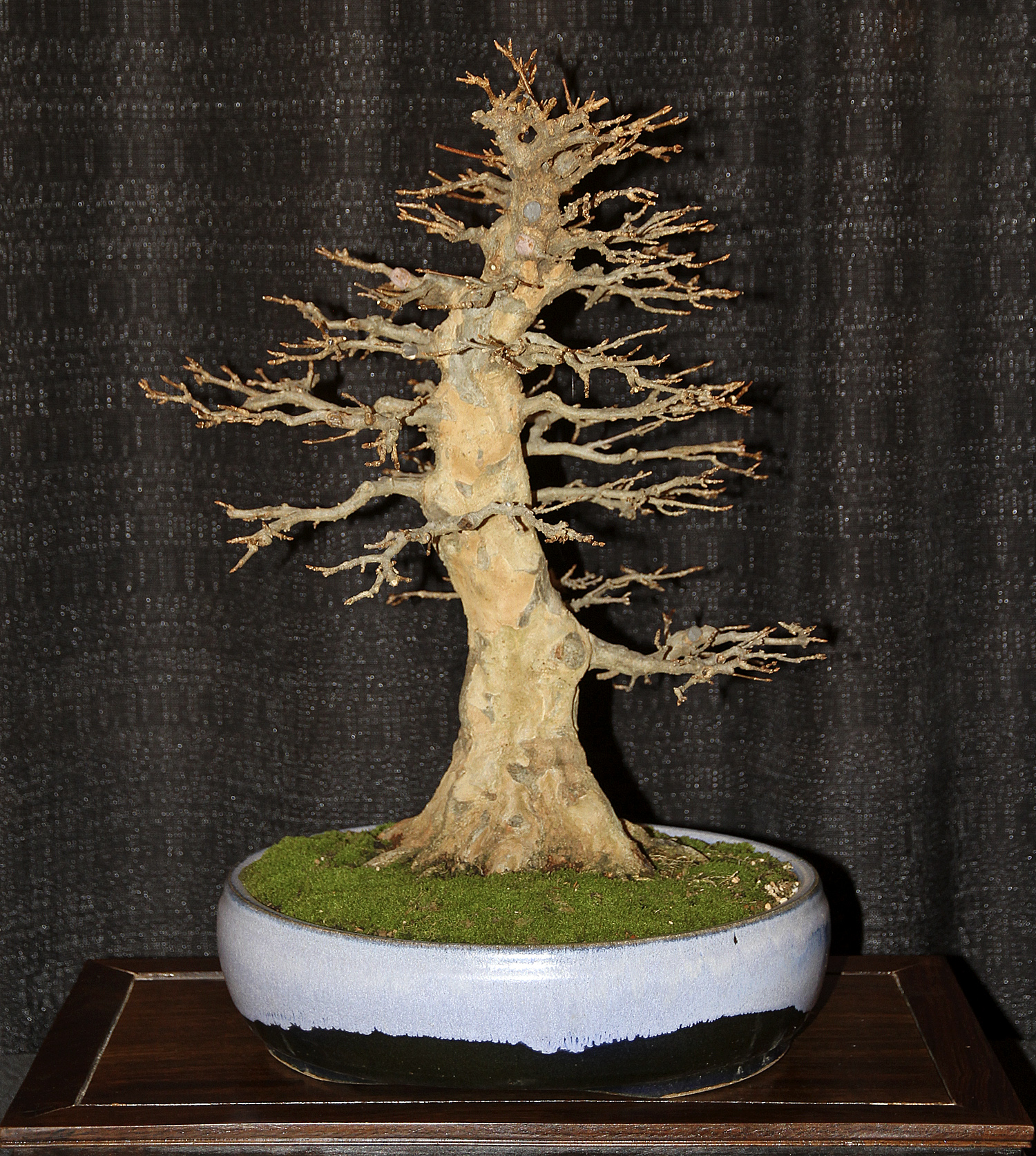
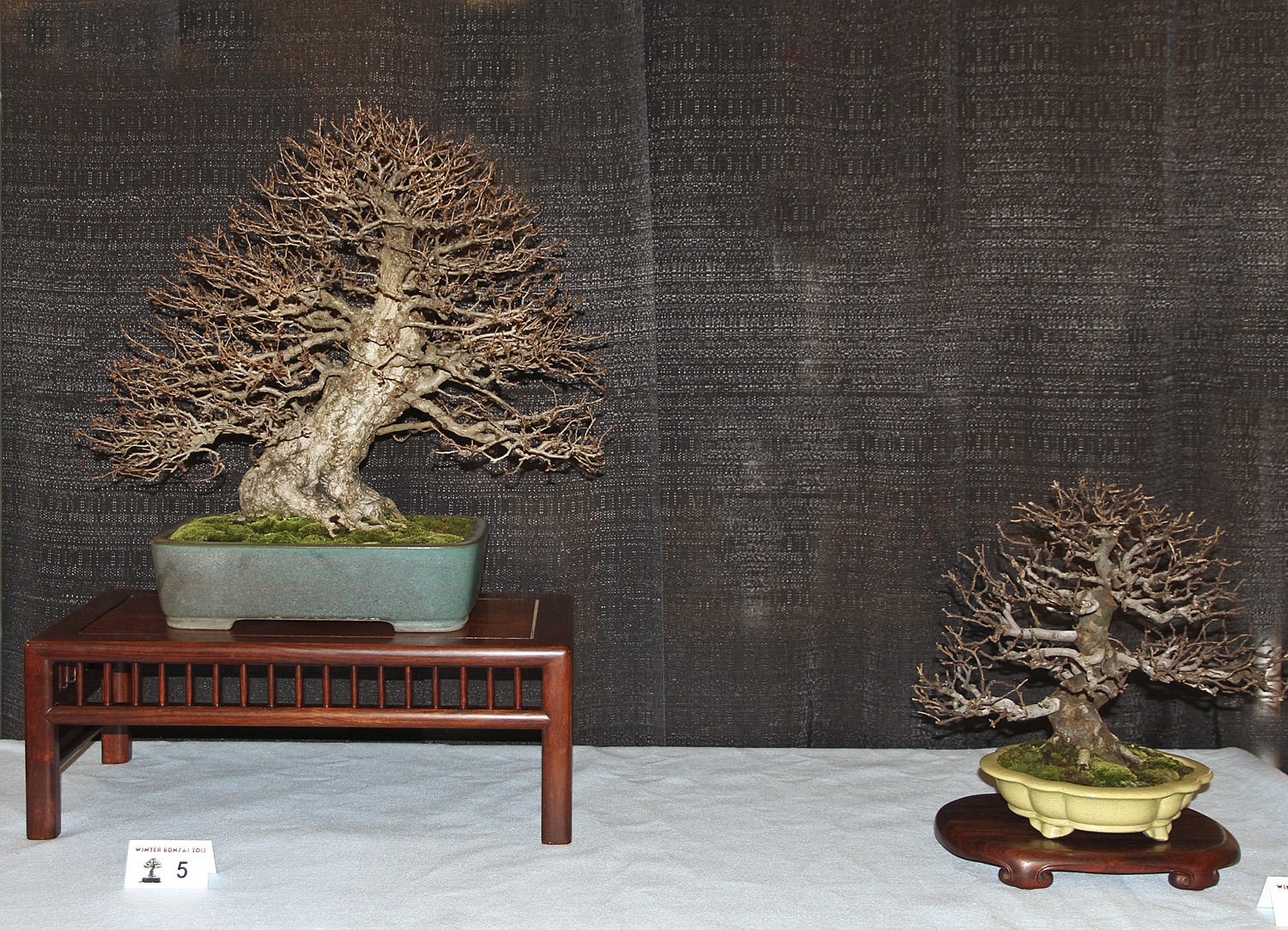
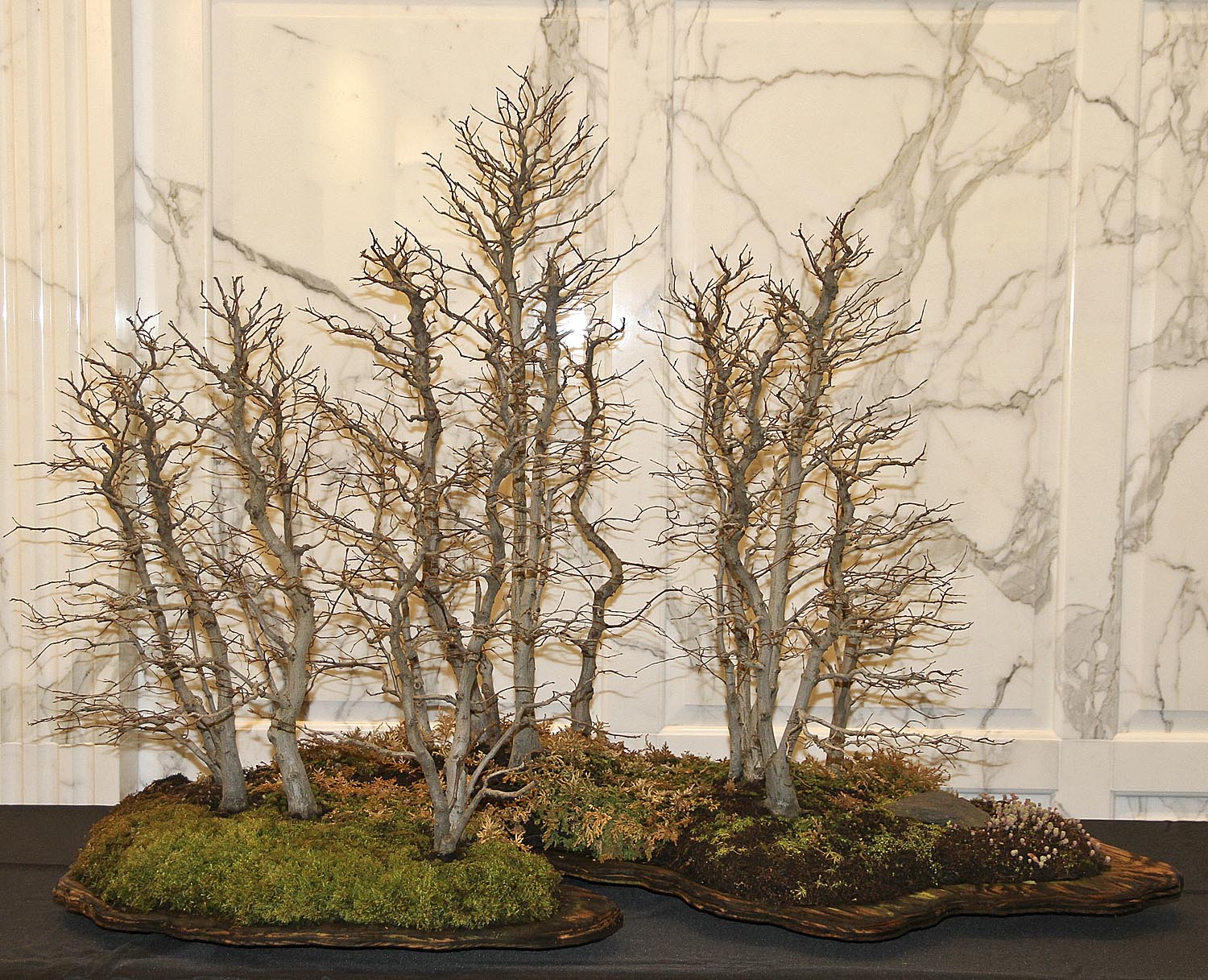
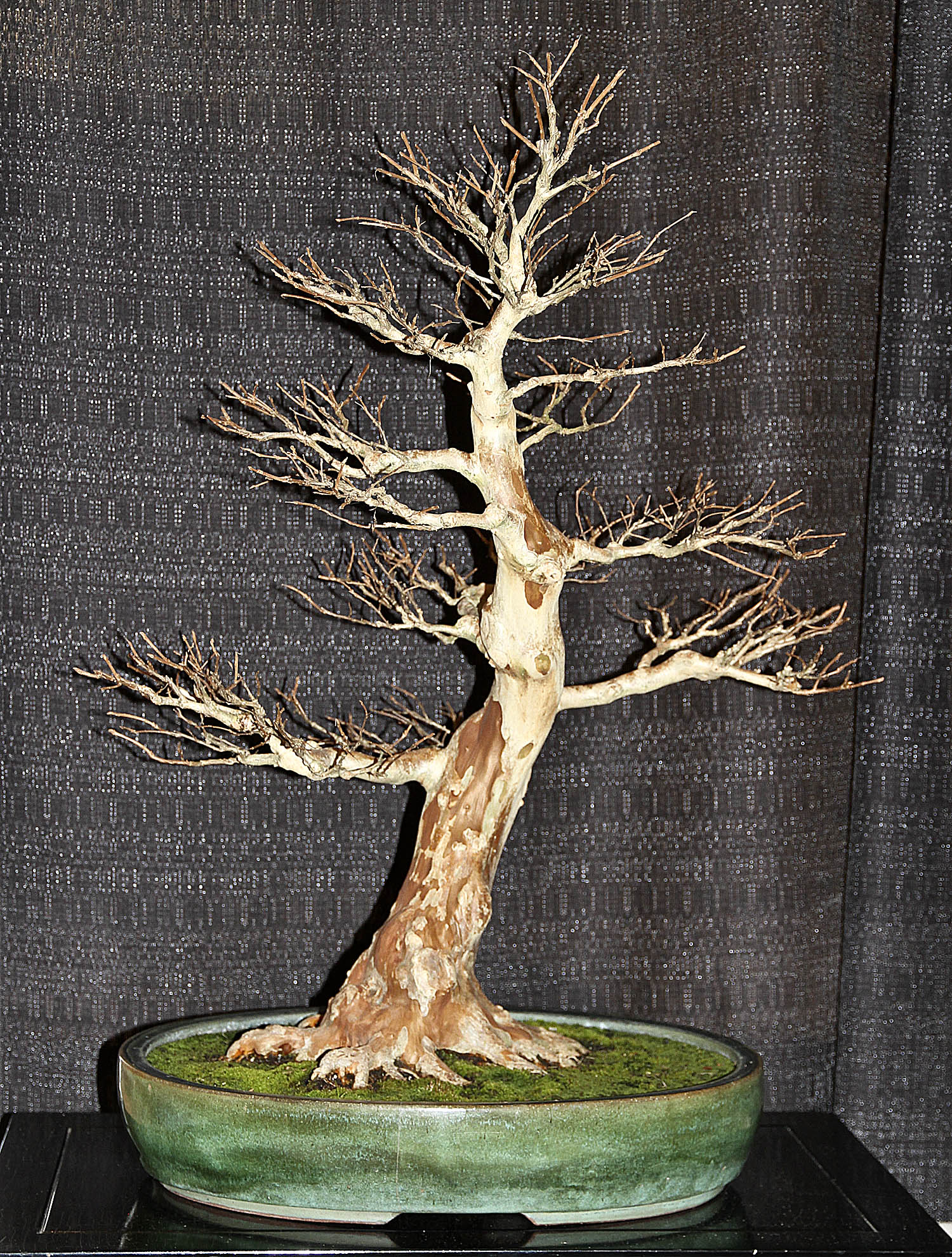
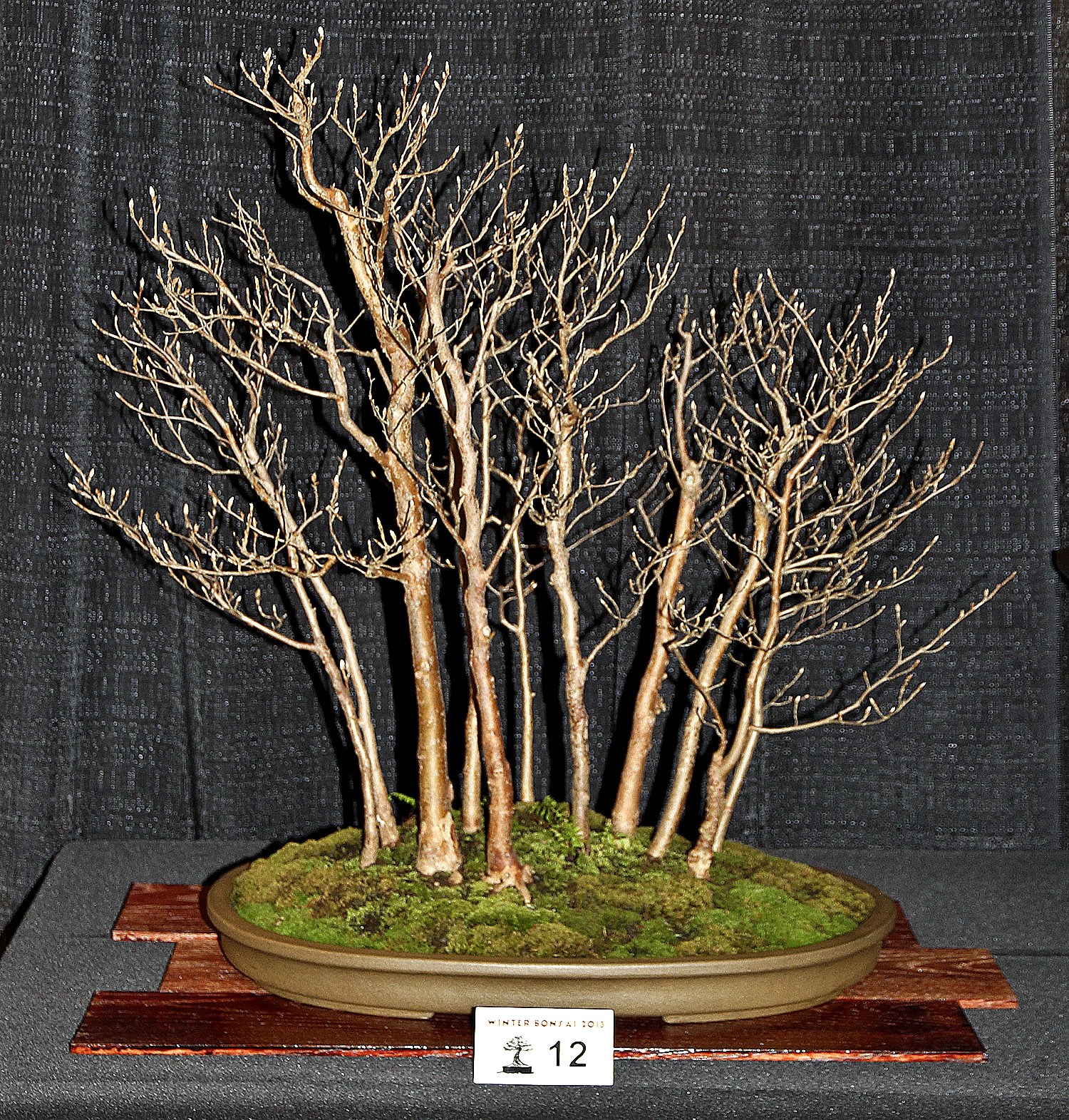
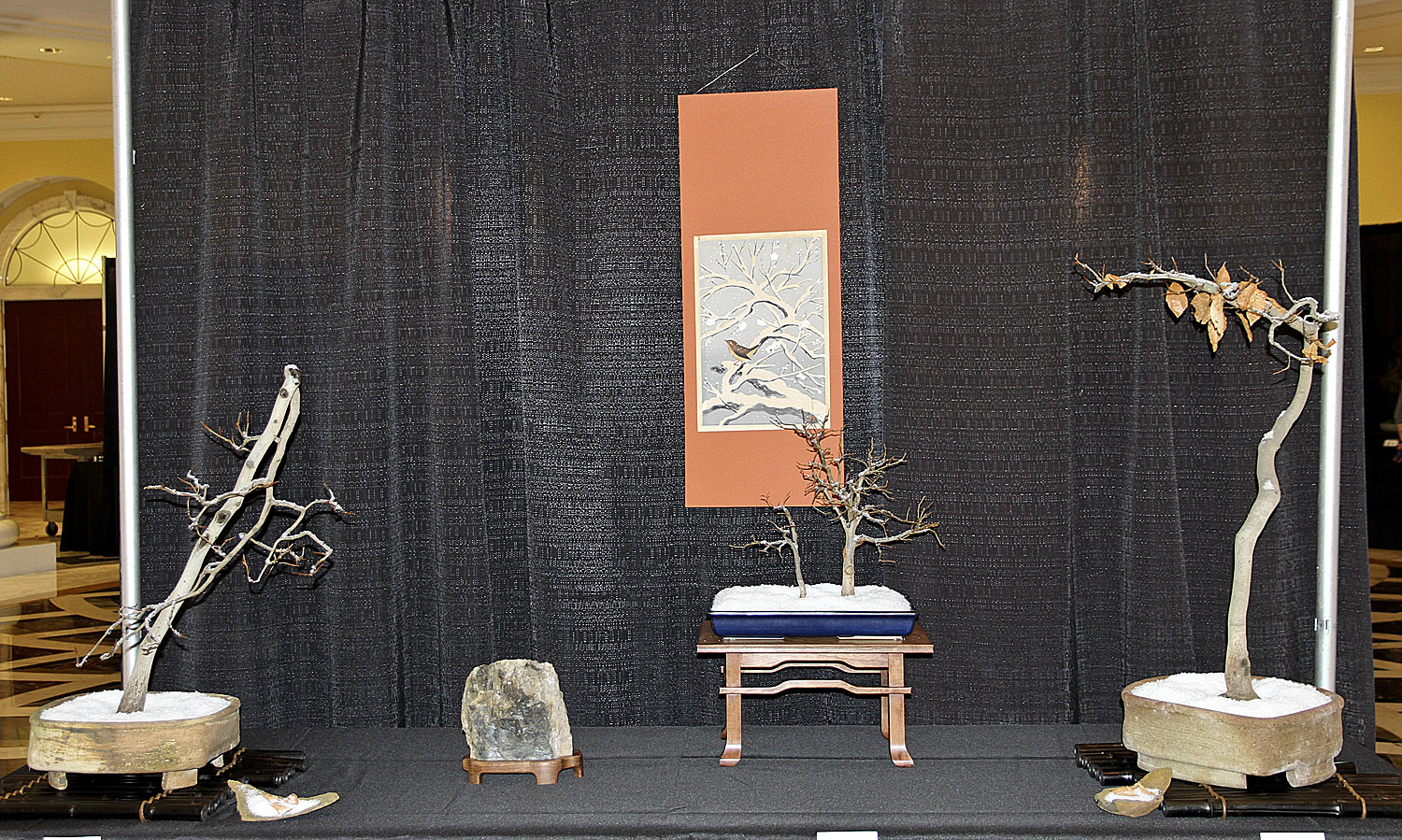
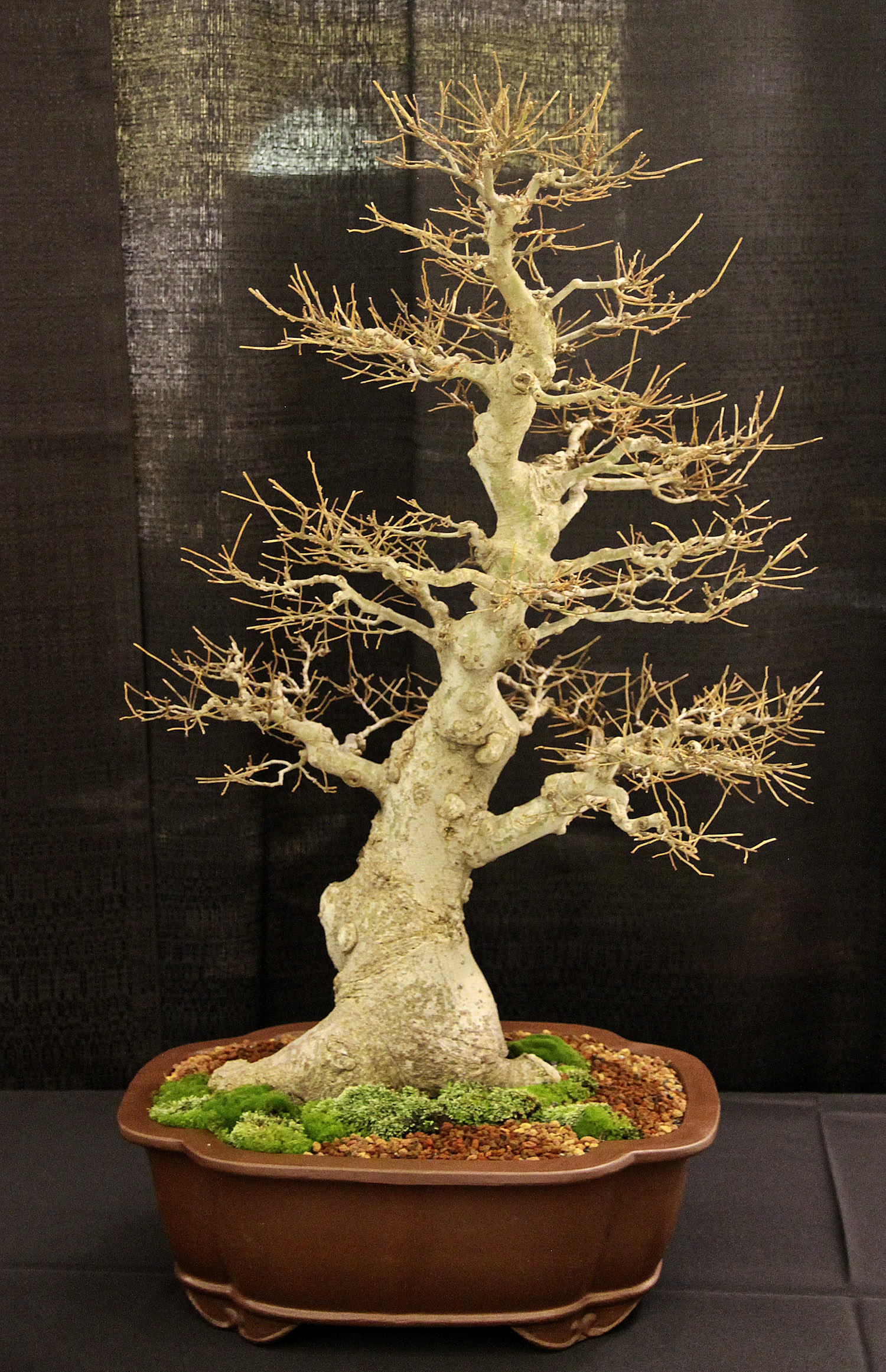
On December 7-8, 2013 the first Bonsai Winter Silhouette Exhibition on the East Coast was held at the David H. Murdock Research Center in Kannapolis, North Carolina, just north of Charlotte. The elegant exhibition was hosted by Steve Zeisel, Director of the Nutrition  Research Institute. The North Carolina Research Campus provided the venue which featured marble from the same quarry in Italy that Michelangelo used to carve his famous “David” in a unique four story rotunda crowned with a beautiful dome. This is the tallest dome south of Washington, D.C. The marble floor inlay with beautiful geometric forms and tall pillars, truly an elegant setting for bonsai featuring deciduous bonsai without foliage. Black curtains were used as backgrounds to highlight the light colored bark. The lighting was excellent, perhaps because of the highly polished light colored marble floors. The four story rotunda added another dimension to this bonsai exhibition which I have never experienced before, and I’ve seen quite a number of shows around the world.

Image

Image


Image


Image


Image


Image

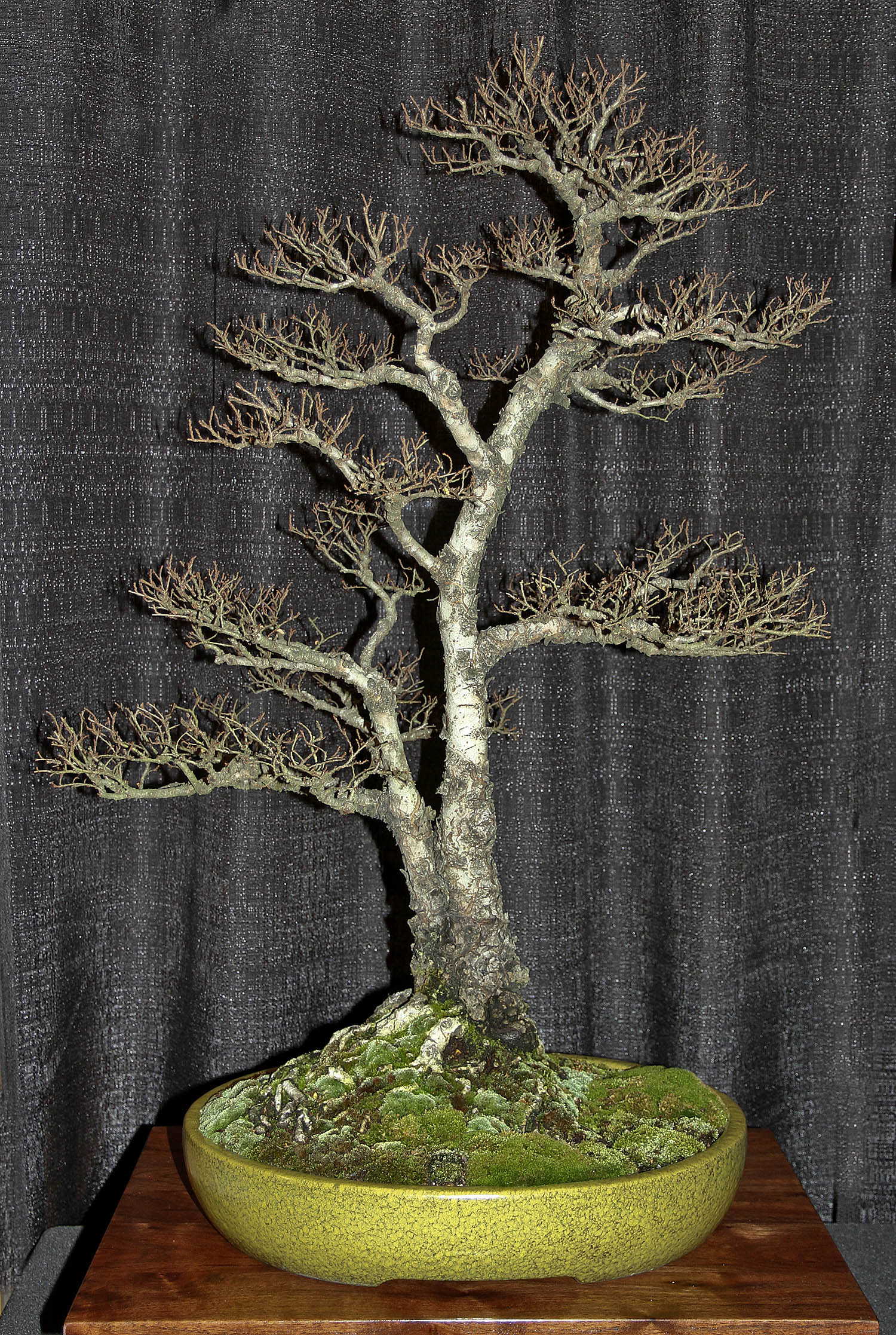
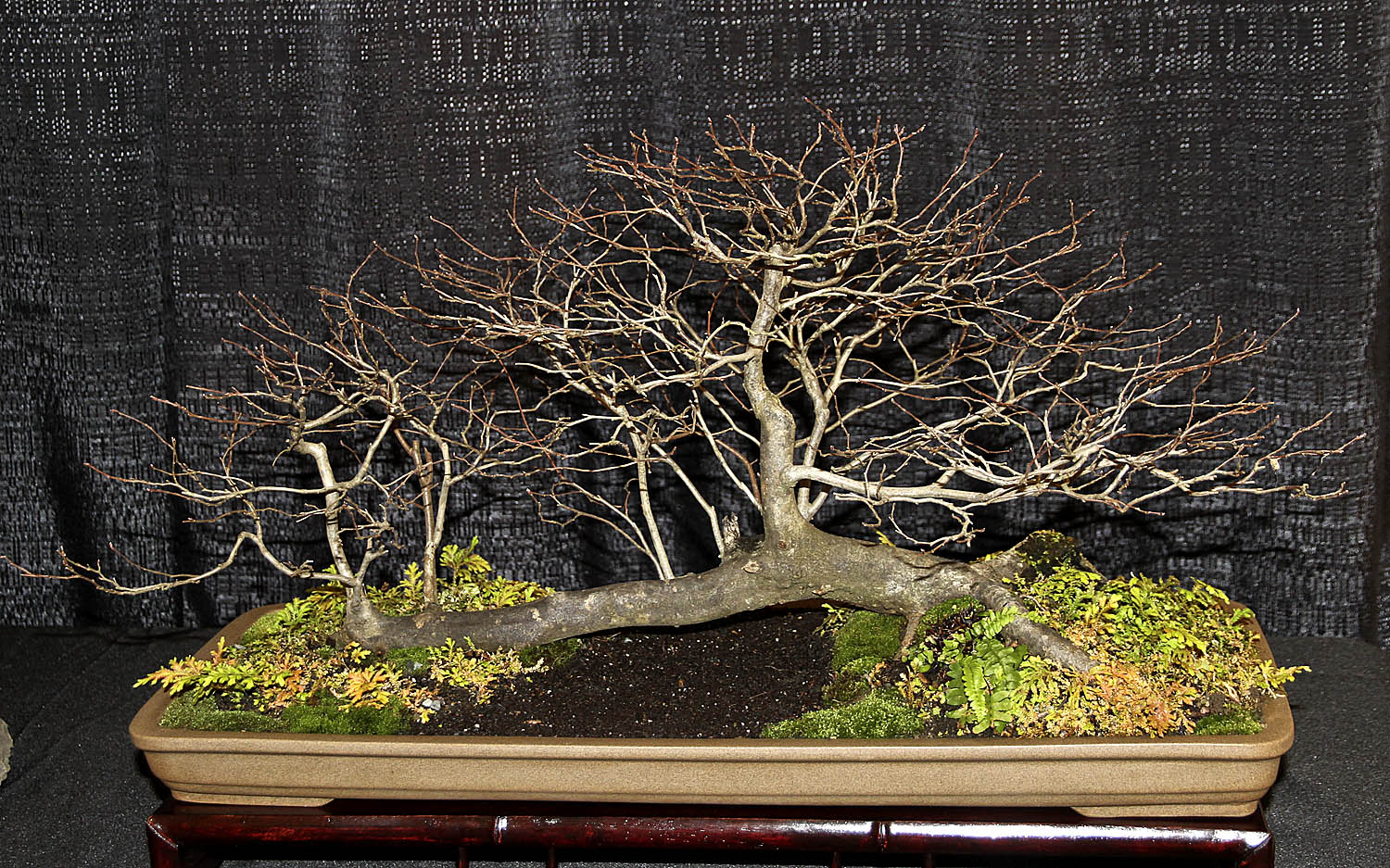
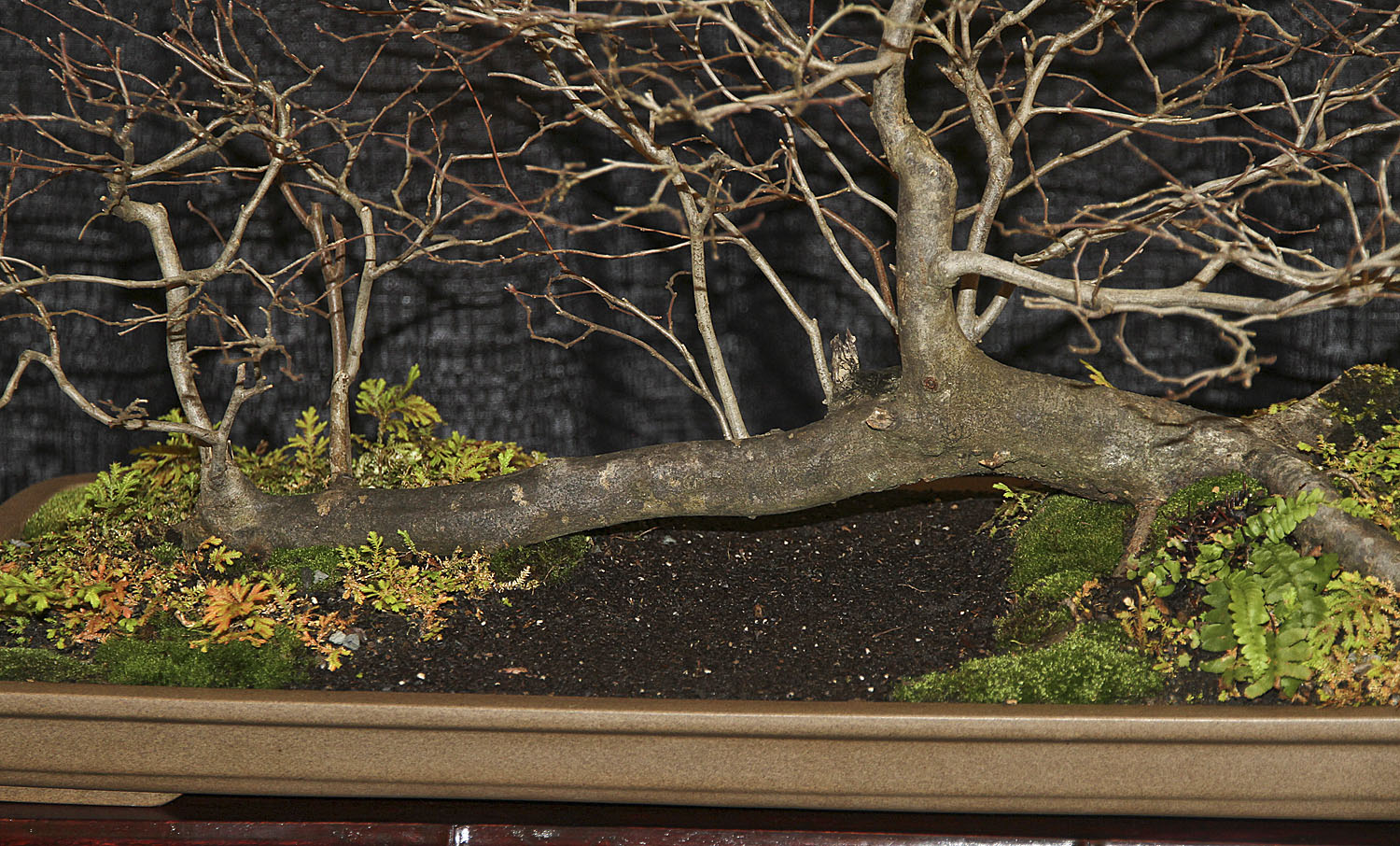
Deciduous bonsai displayed during this season reveal the beauty of the tree with everything showing, so viewers can study and appreciate the beauty of buds, bark, form. There is no hiding of any flaws or wire scars, which is often not the case with evergreen bonsai. This shows how well the trees have been trained and have aged during the years.

Image

The Research Center even rented a baby grand piano and had two young brothers playing classical Christmas tunes on the piano and violin. The delightful and cheerful music was much better than loud Japanese music which is common at bonsai exhibitions.


Image


Image

Image


ImageImage


Image


Image


Image


Image

Thirty exhibitors and vendors brought some of their finest bonsai to share with others so they too could enjoy nature in miniature. Vendors brought a wide variety of plant material from young seedlings to well developed masterpiece bonsai in addition to stone and ceramic containers and supplies for the creation of bonsai. Just over 100 bonsai were displayed including two shohin bonsai compositions.

Image


Image


ImageImage


Image

Image


Image


Image

It would be very boring to see all deciduous species so a few evergreens were also included. On Saturday I presented a Maple Bonsai program to a standing room only audience. On Sunday Ed Lauer and Harold Johnson will demonstrate on a Sargent juniper.

Image


ImageImage


Image


Image


Image


Image


Image


Image


ImageImage


Extensive publicity in the region drew over 300 visitors on Saturday to see the inaugural event, which I hope will develop into an annual affair. Both the public and experienced hobbyists attended on a cold day. The Bonsai Society of the Carolinas in the Charlotte area brought bonsai as did members from the Triangle Bonsai Society in Raleigh, a South Carolina study group, some from Virginia and the North Carolina Arboretum. Everyone came together to share the beauty of bonsai during the winter season.

Image


Image


Image

Steve Zeisel coordinated and ran the well organized elegant event and is to be congratulated for undertaking such an important event for bonsai on the East Coast. I look forward to participating next year.

Image

FINAL WINTER PROTECTION FOR BONSAI

Image

Last week I returned home Japan in a blizzard! I hate snow and cold weather!

Image

Image

Image

We had about 10 inches of snow, so far we have had over 13 inches with many more feet to follow. While I was in Japan Diane, Chris and some friends rushed to bring the bonsai into the garage and poly houses before the blizzard and 4F low temperature. Of course I had to move each one to their proper location and removed some dead leaves which took some time, still not completely finished.

 Image

Image

Image

Image


Dormant companion plantings on the ground level under the bonsai tables

Image


Shohin bonsai winter protection 

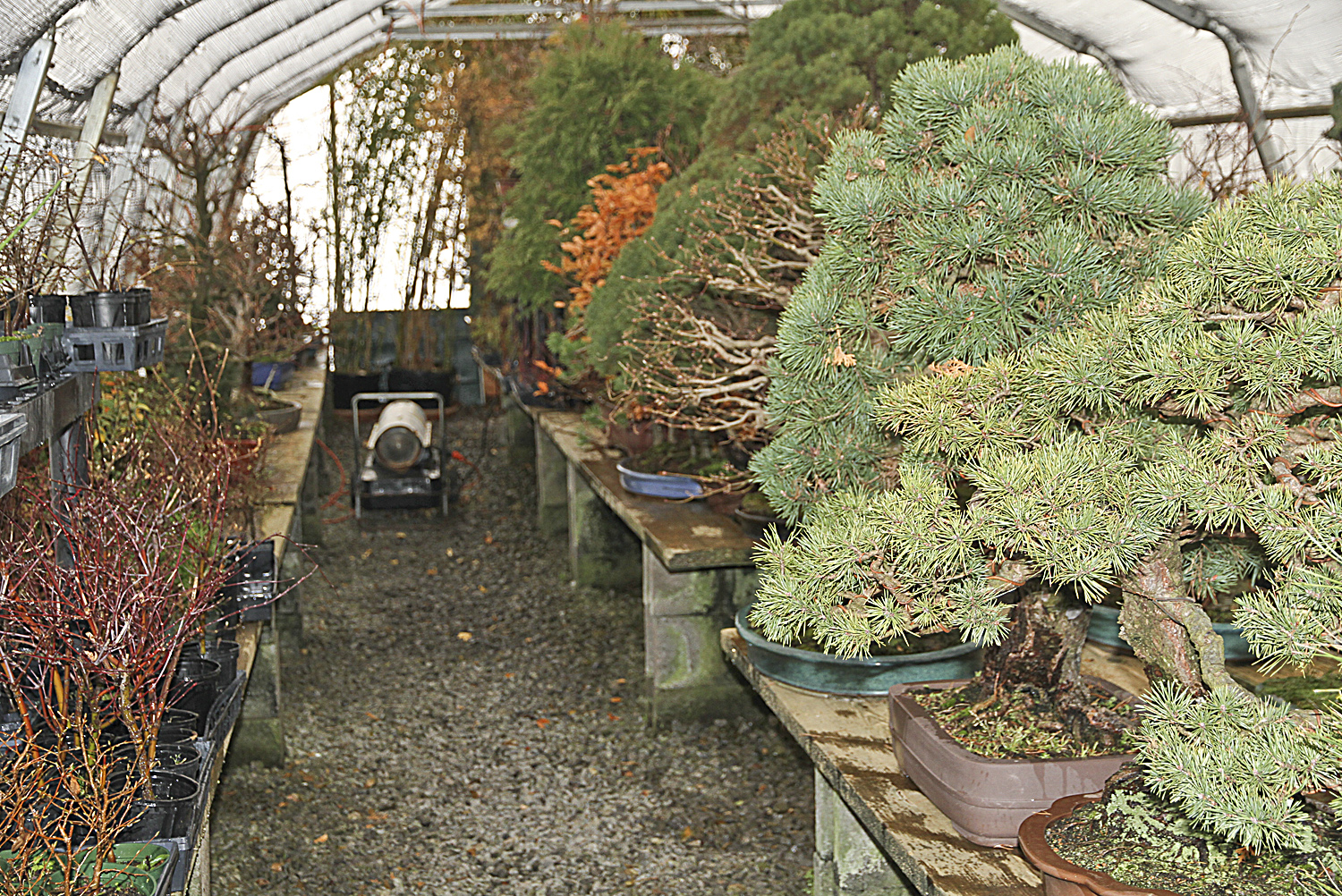
Here are a few photos of the overwintering garage after watering. There are two forced air kerosene heaters, which Diane repairs and tunes up, in the garage. They are on thermostats set at 27F. There are also two heaters in each of the two large poly houses which are attached to the garage. The four other poly houses are not heated.

Image


It’s difficult to find thermostats which go below 50F, but they are out there if you look

Image


Hated poly houses

Image


Also a few photos of my heated greenhouse where I overwinter tropical and tender bonsai.

Image

Image


Yesterday my loyal and skilled Monday Senior Crew came and helped me clean and move bonsai, then they assisted in preparing my bonsai for this weekend’s new Winter Silhouettes Bonsai Exhibition in North Carolina.

 Image


Our new 2014 Seedling & Pre-Bonsai Catalog is now available. You can easily order on line at:

http://www.internationalbonsai.com/page/1442817

 Image

Please note that shipping will begin in late January and we can’t accept foreign orders.