MIDWEST BONSAI SHOW– Final Part

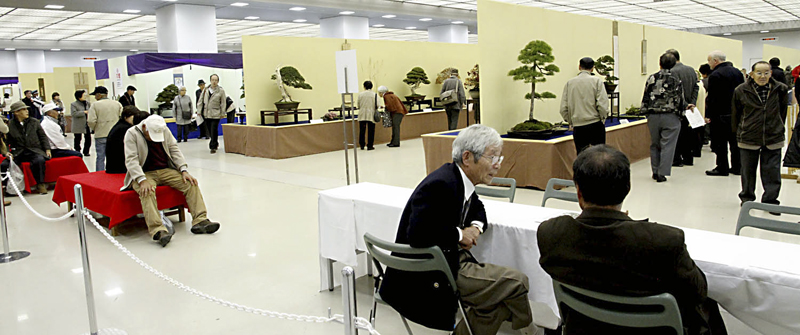
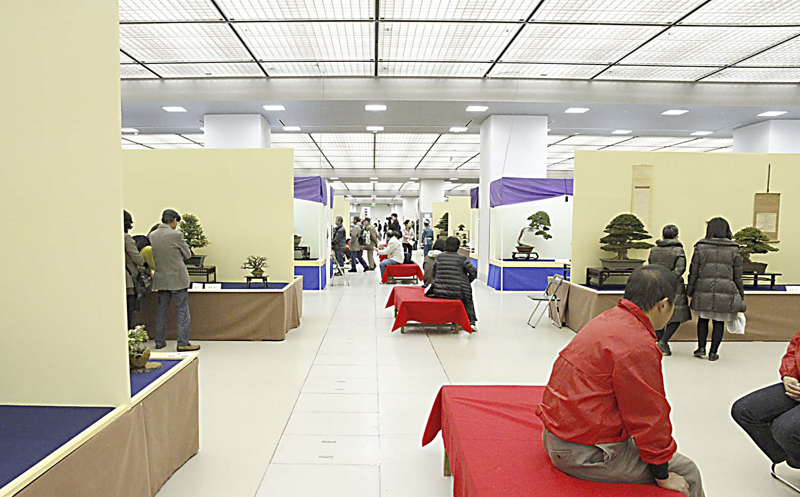
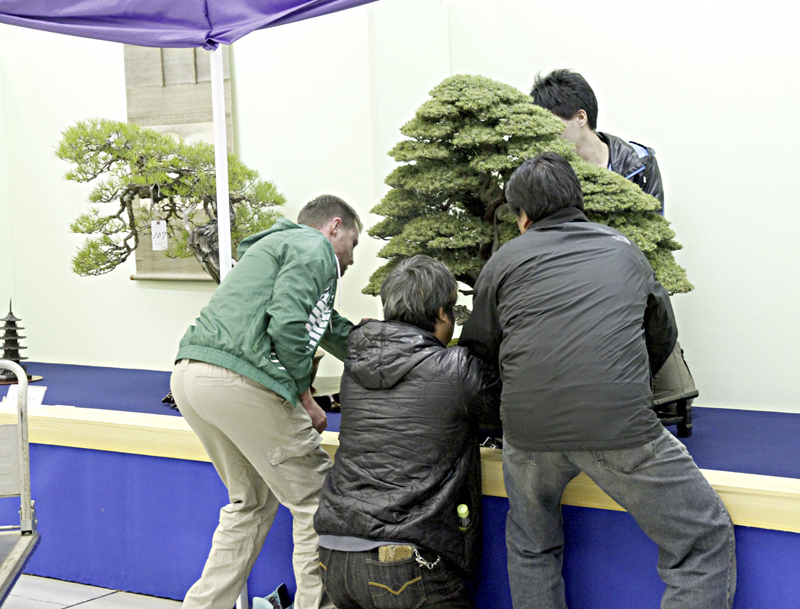
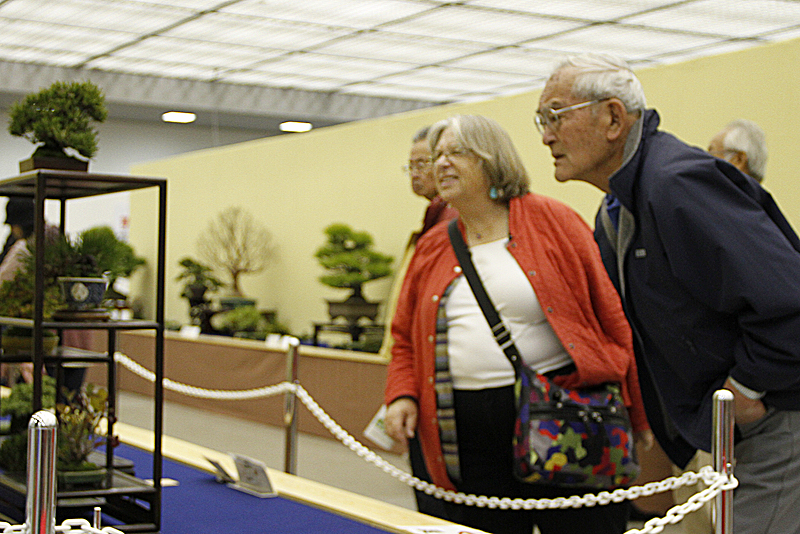
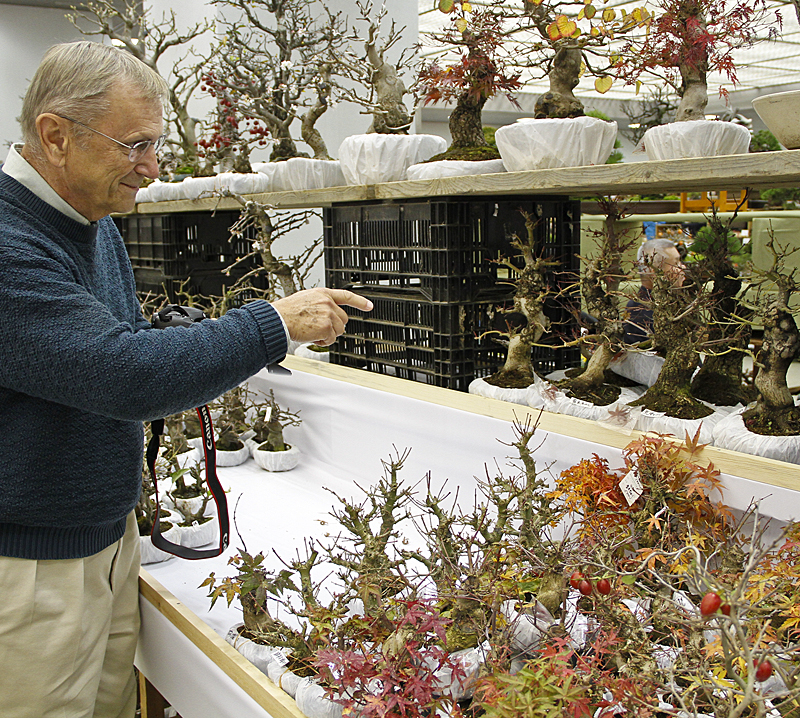
Here are a few more photos from the show which was well attended.

Image

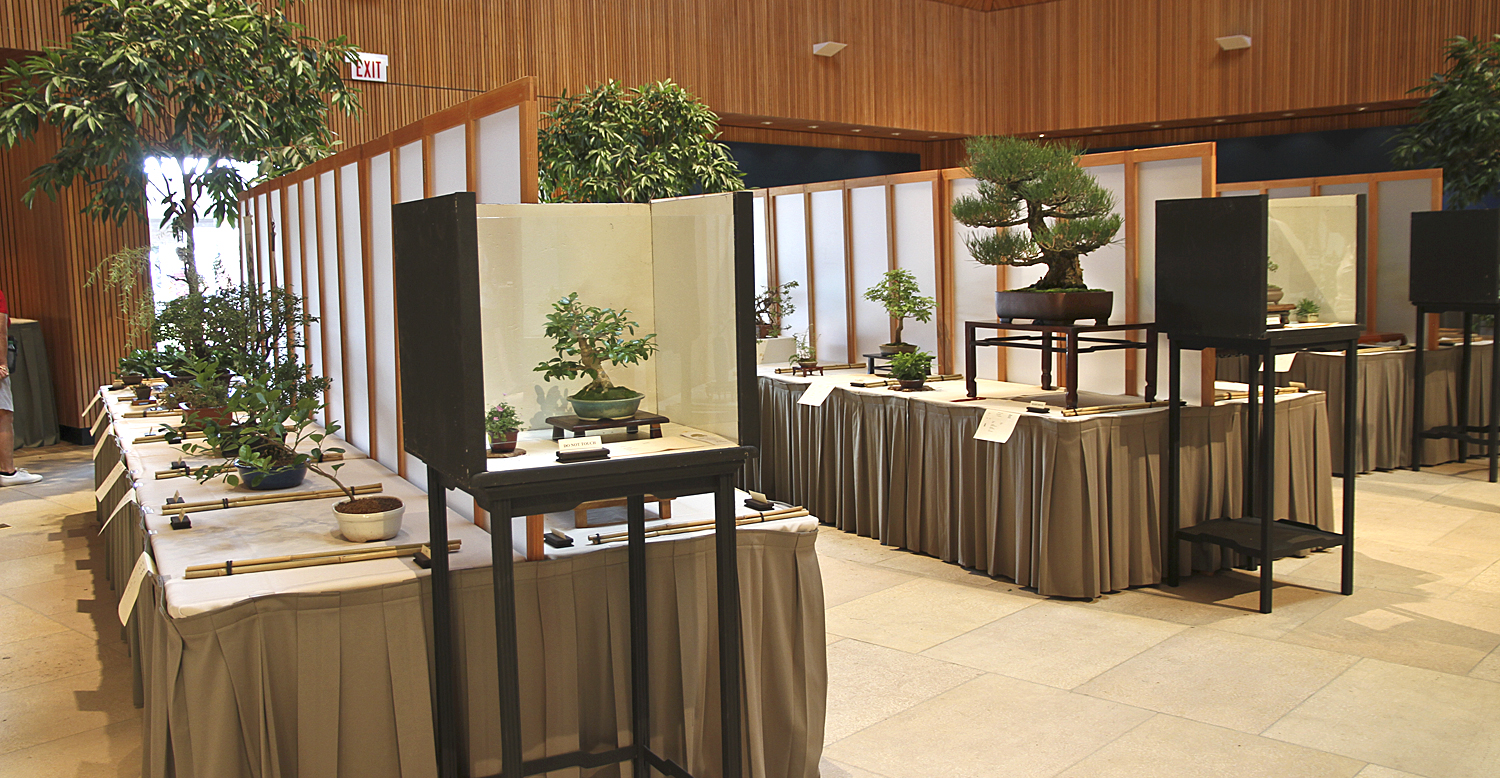
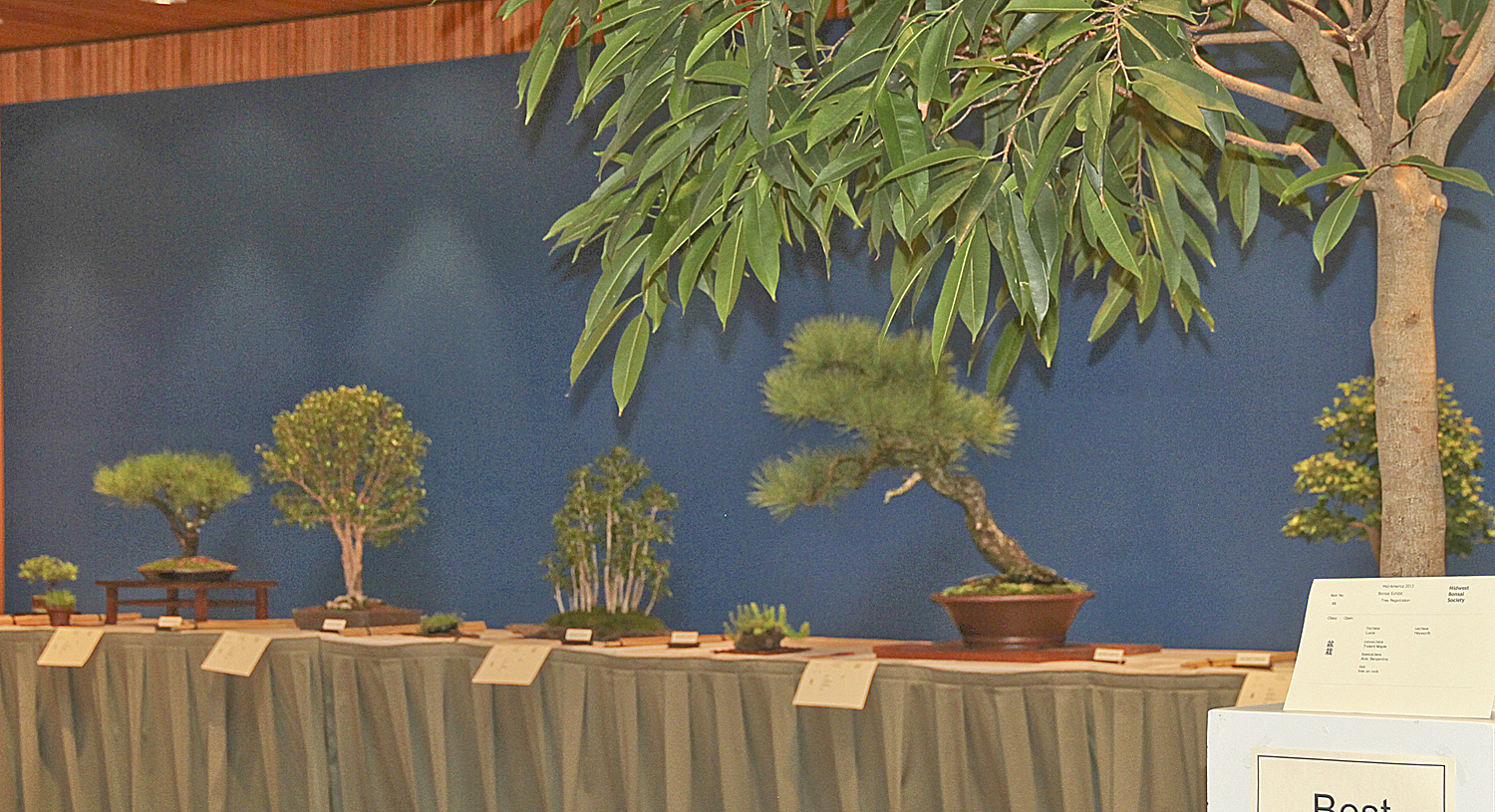
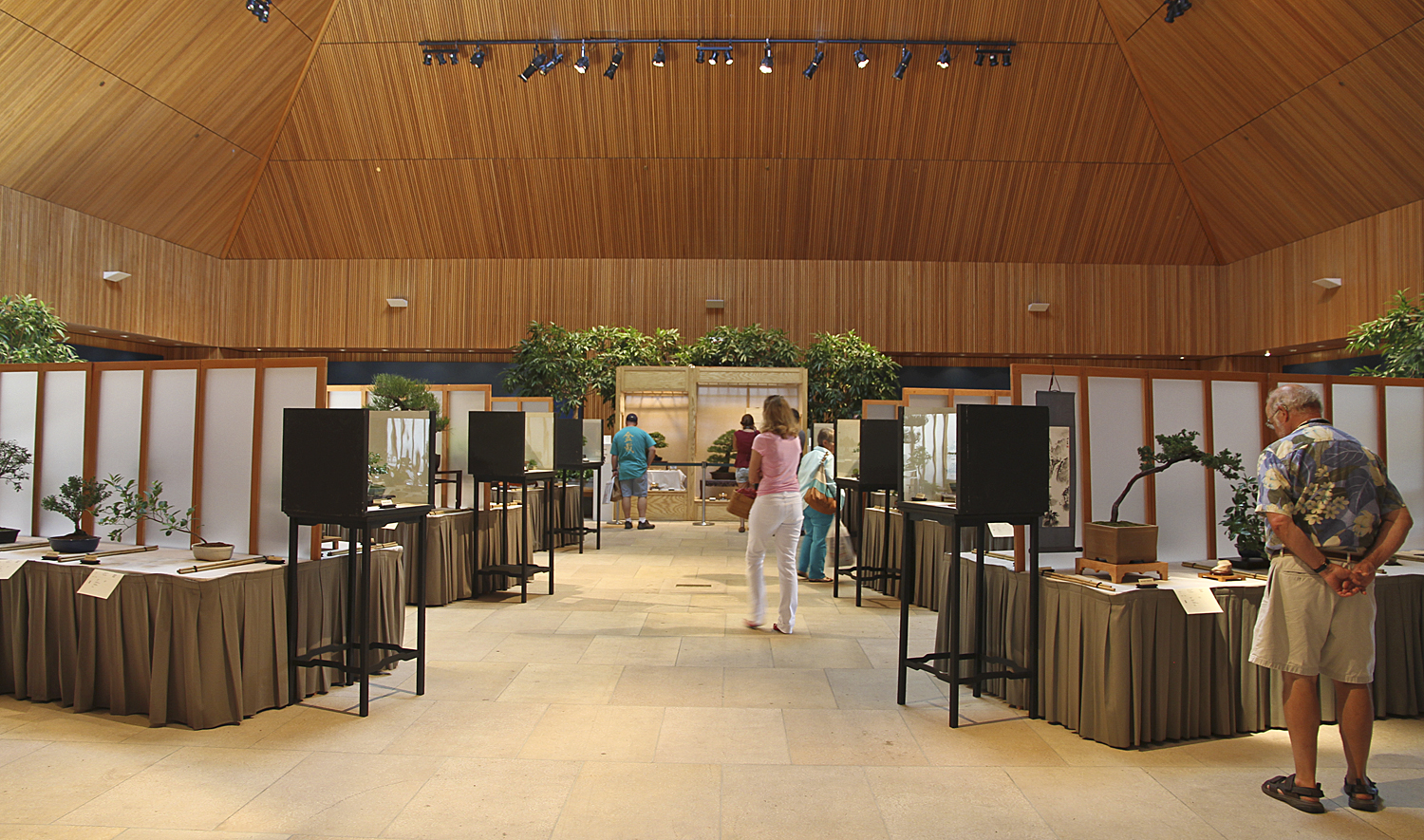
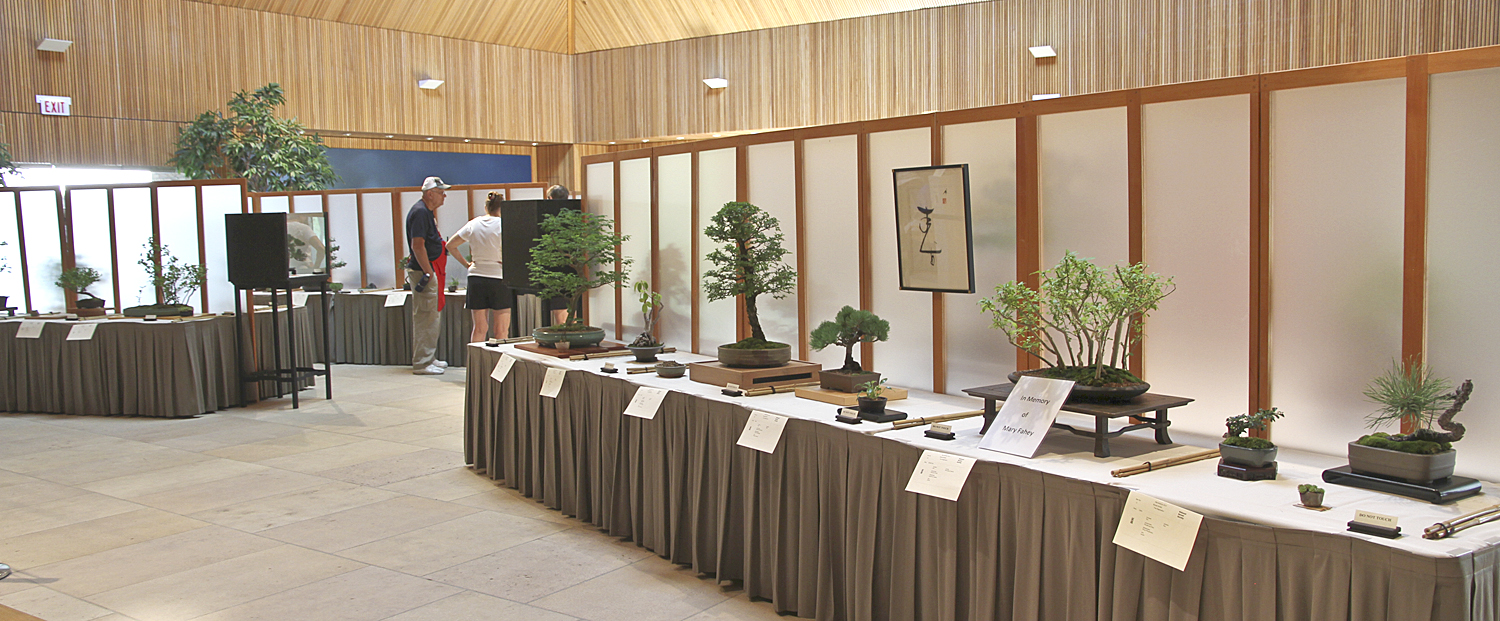
Table displays


Image

Table displays 2


Image

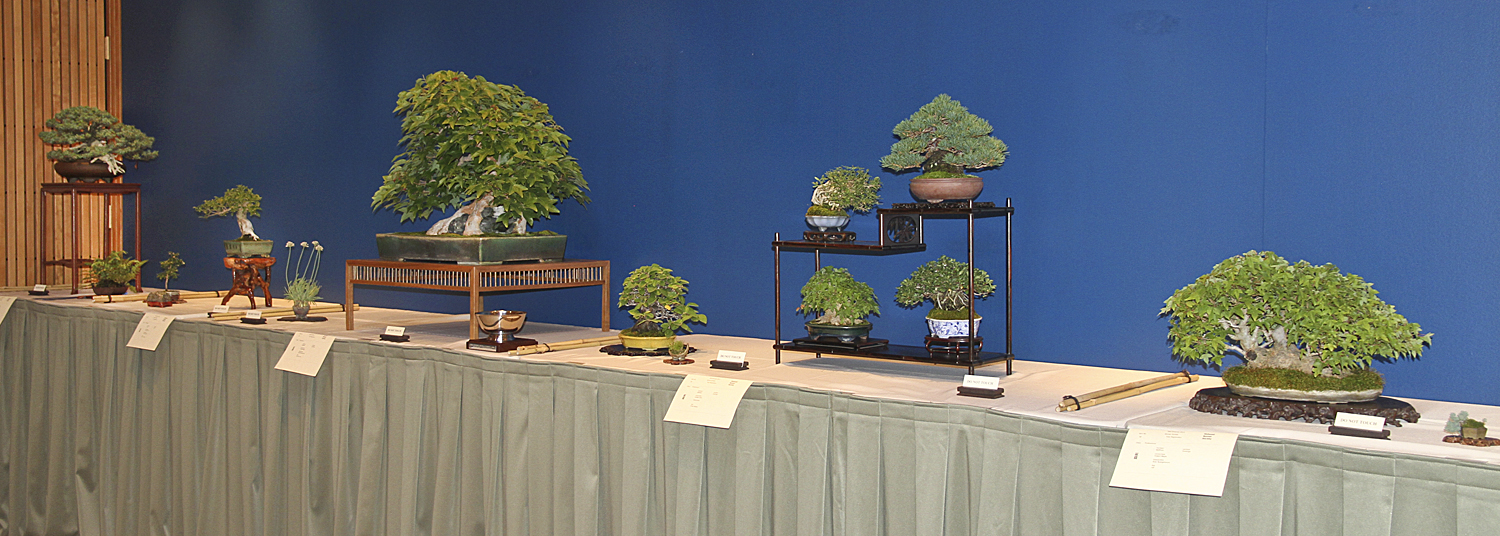
Sectional display of professional division


Image

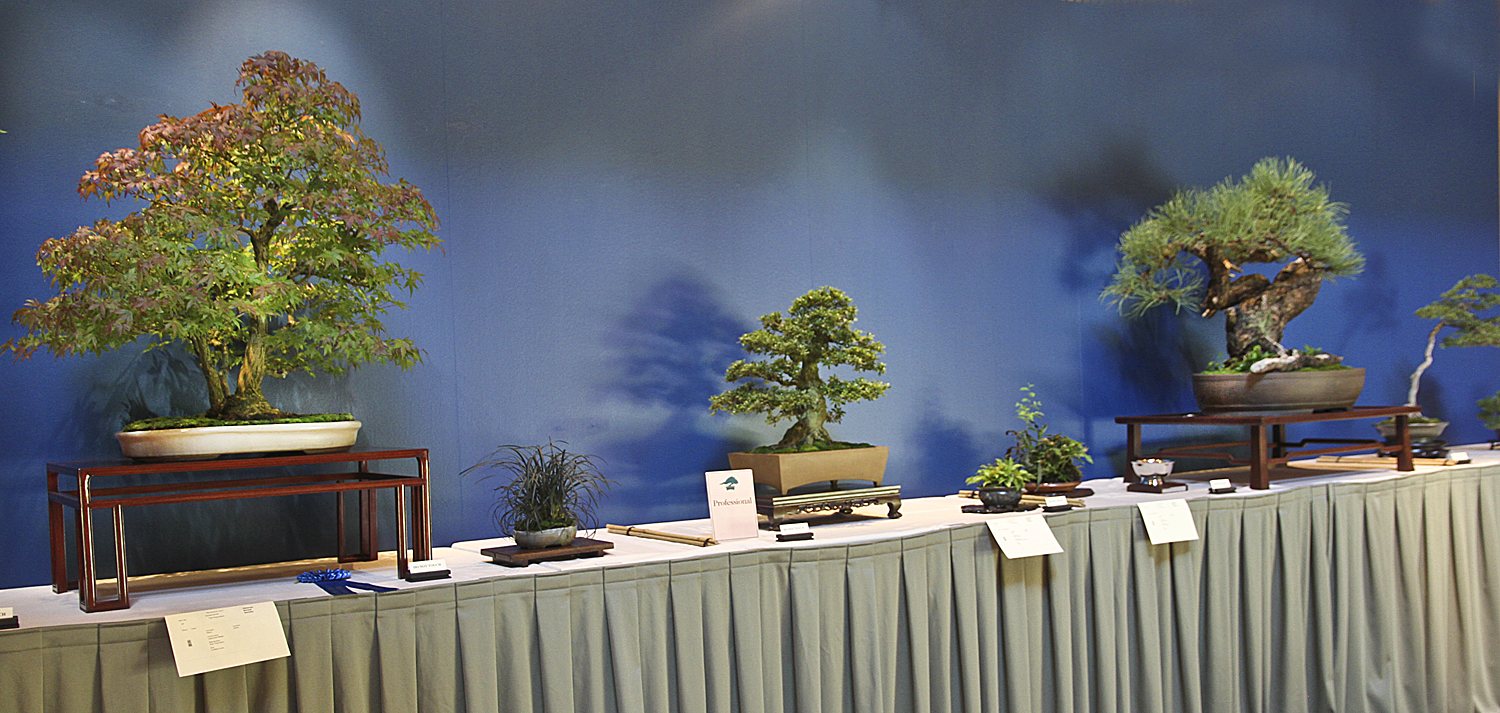
Sectional display of professional division 2


Image

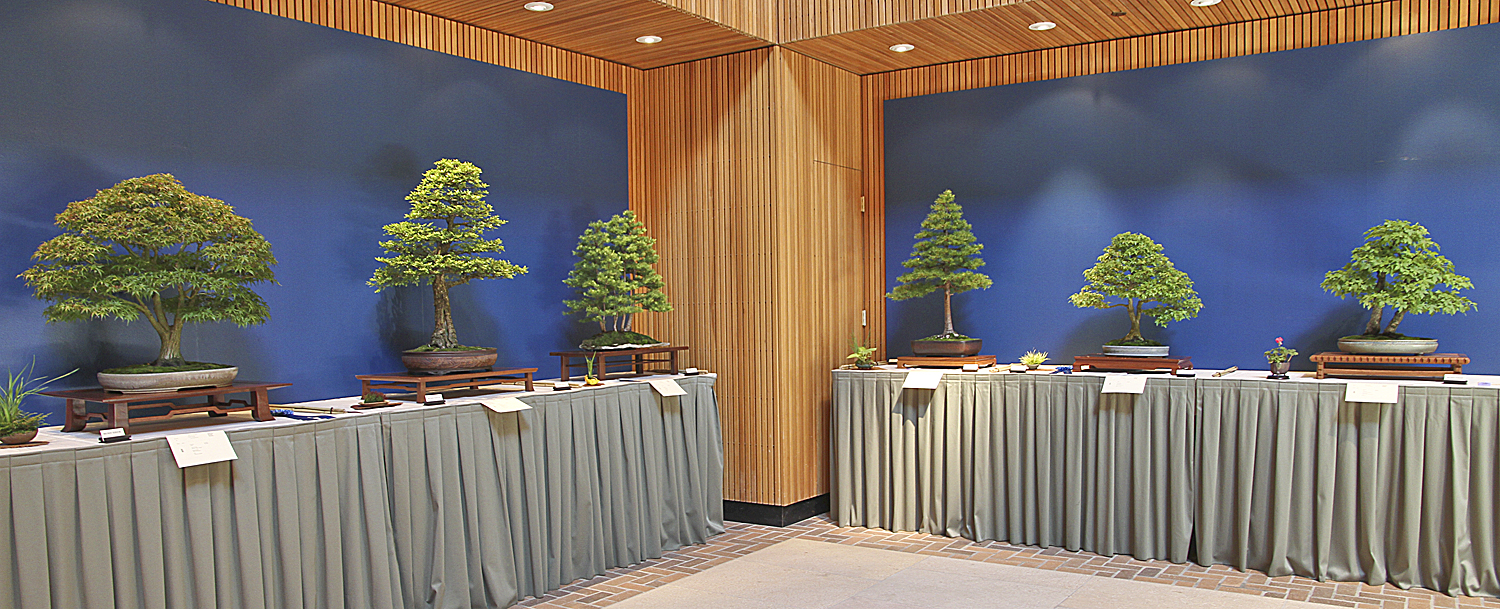
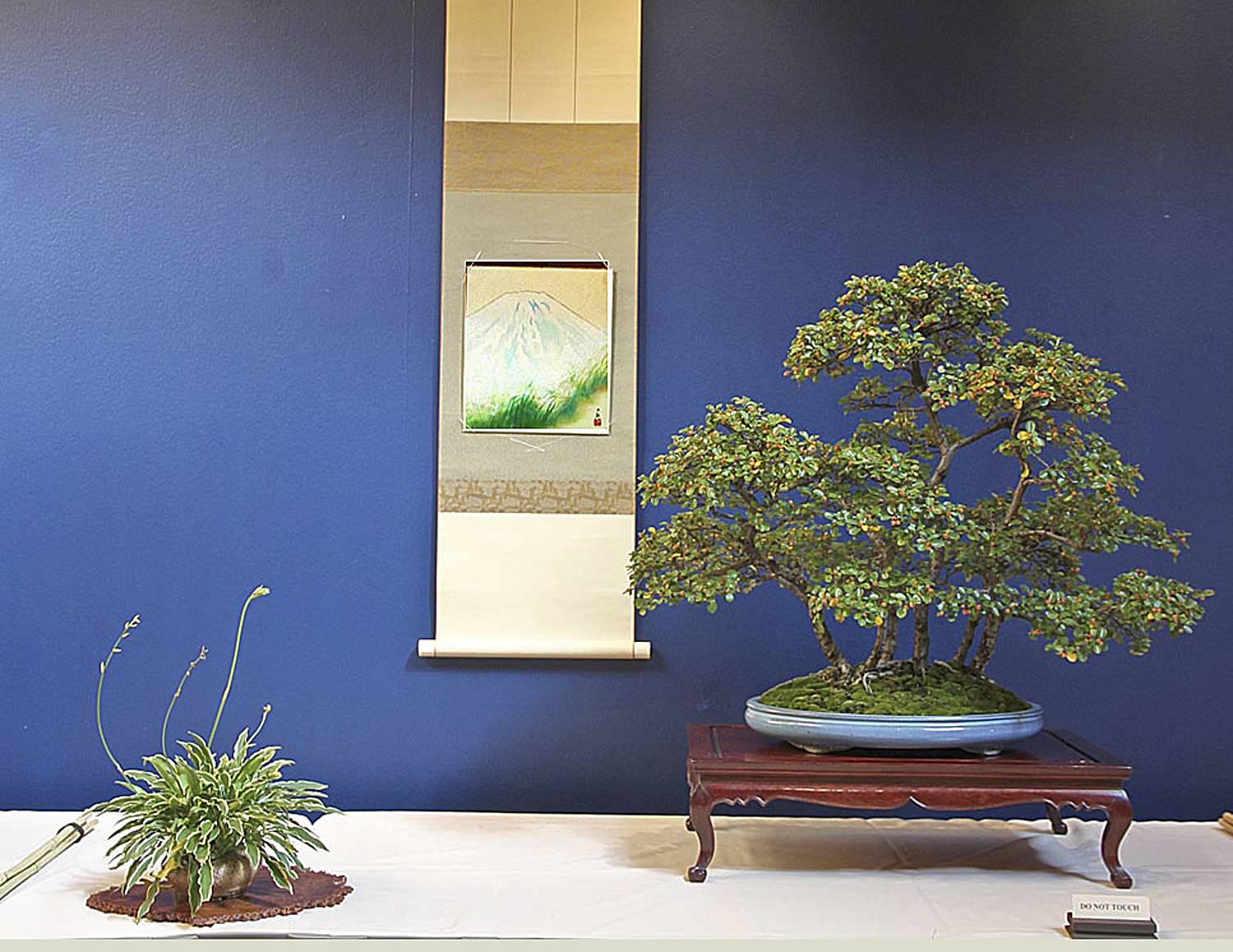
Wall display


Image

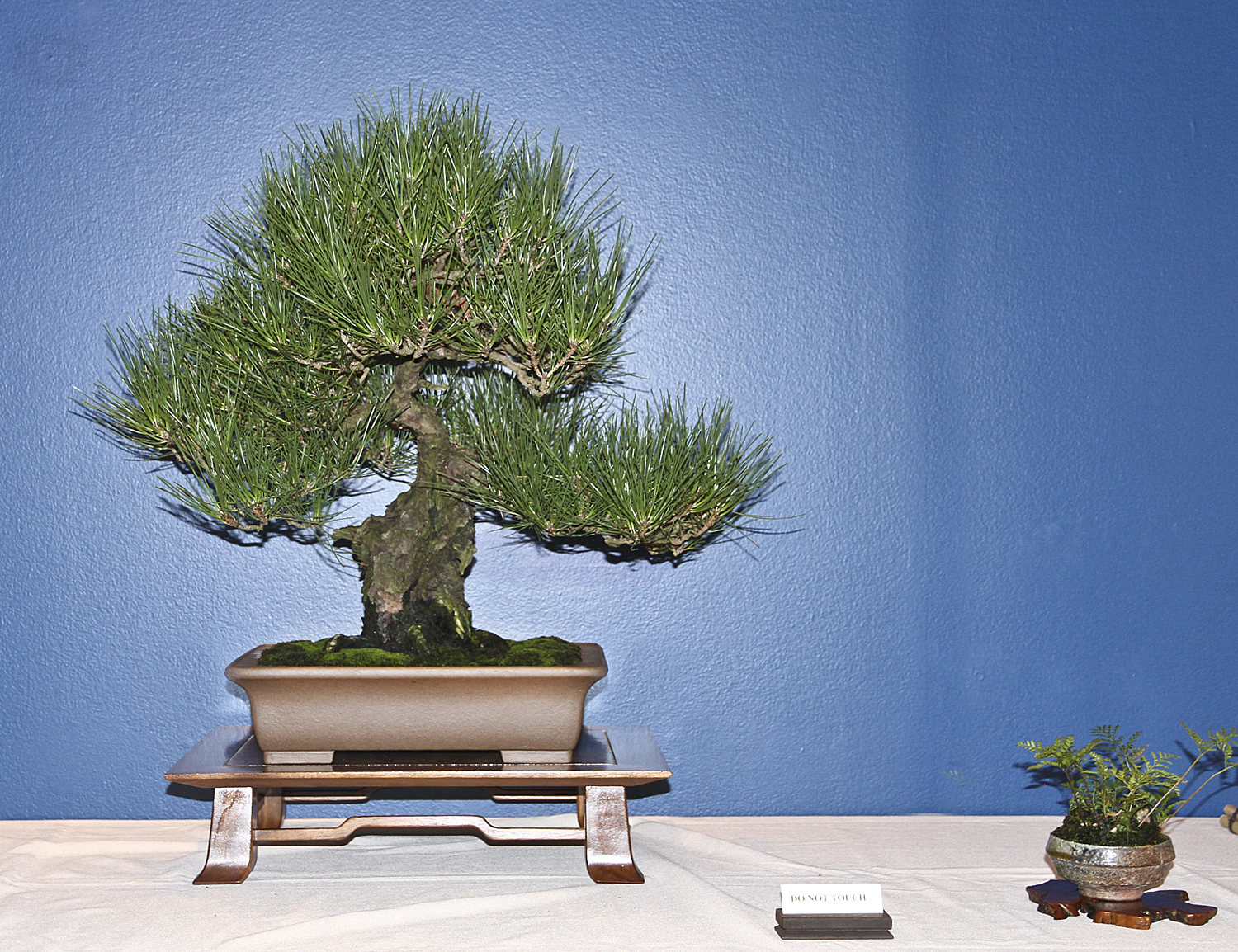
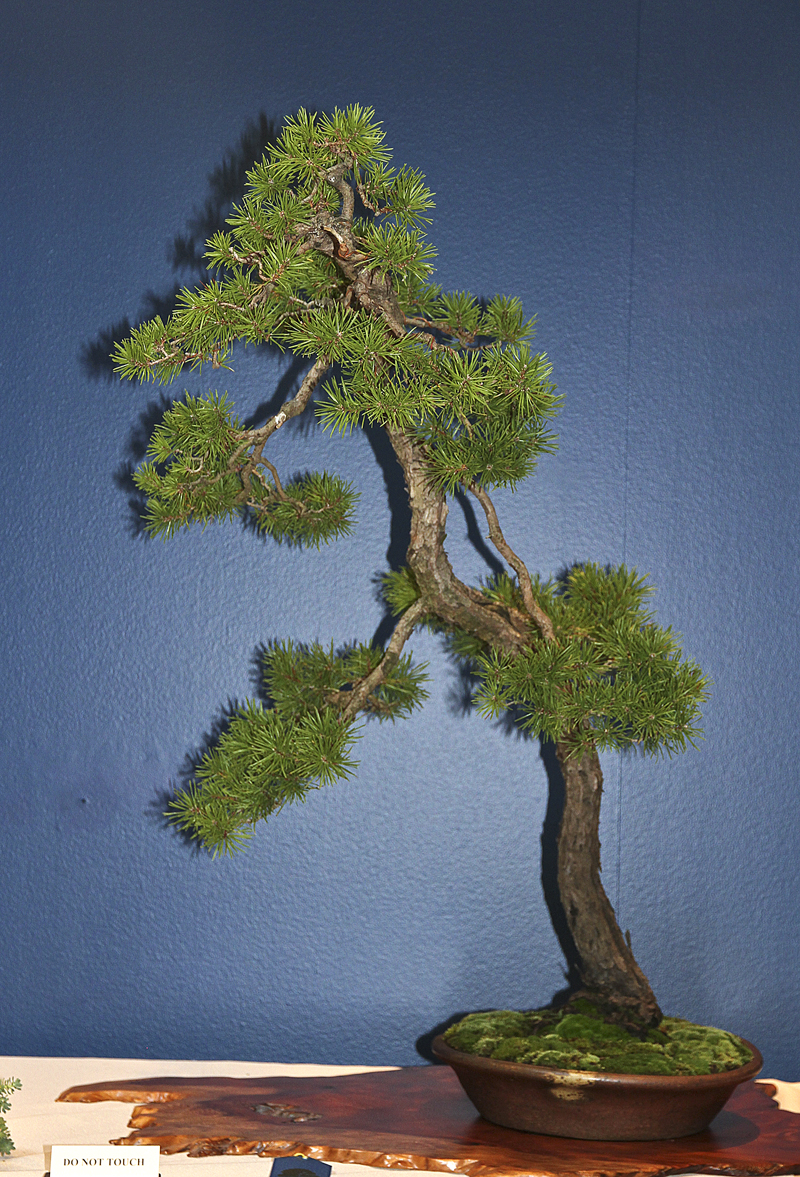
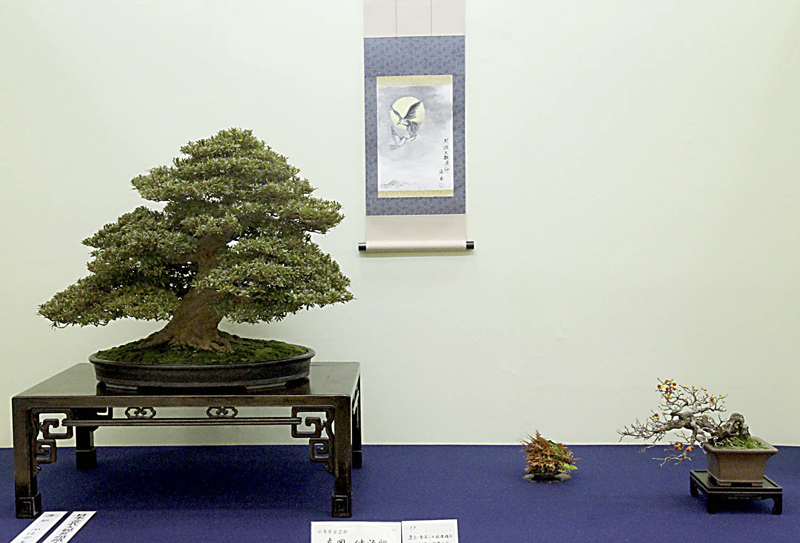
Japanese black pine


Image

Japanese black pine 2

Image

Nia


Image

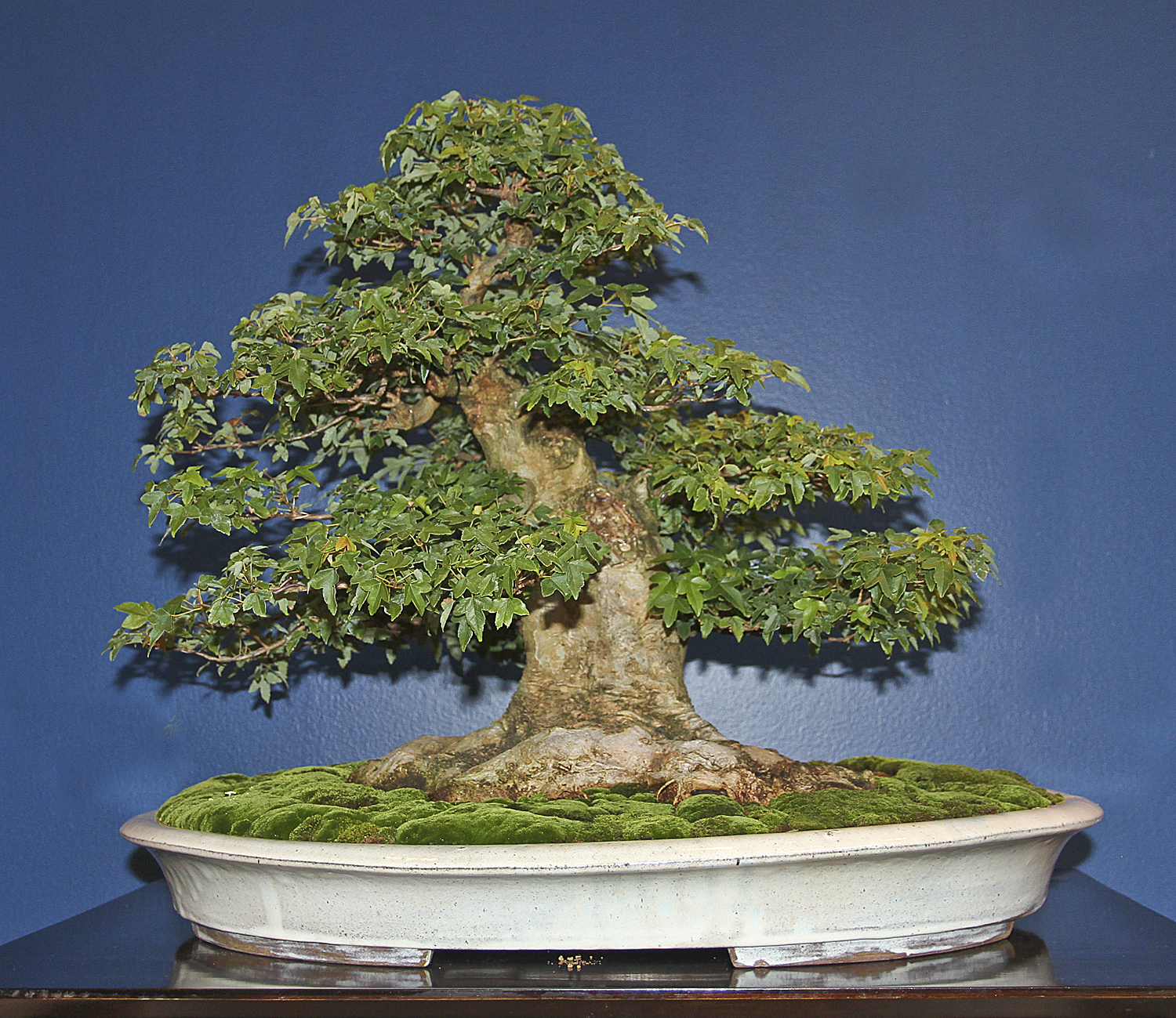
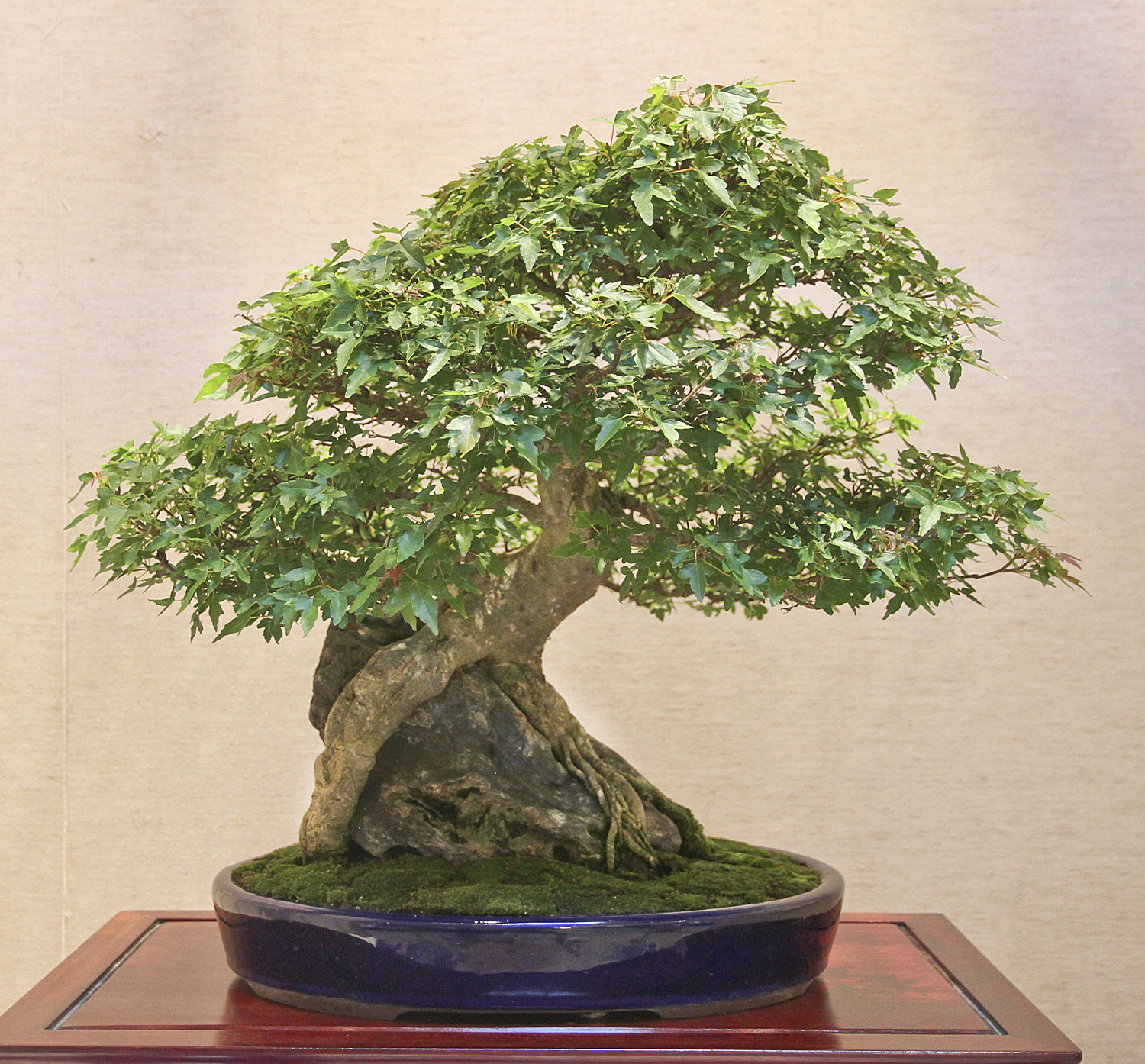
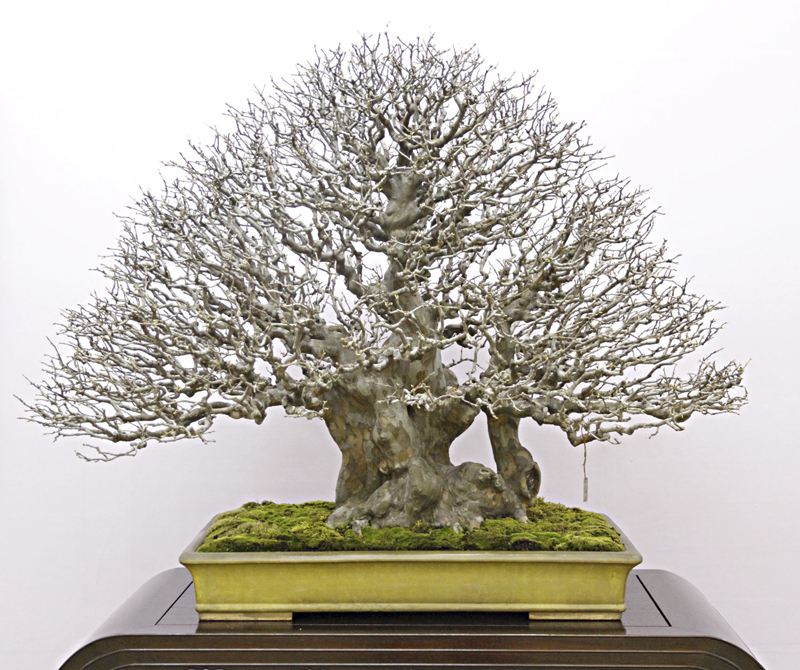
Trident maple


Image

Trident maple, Best of Show


Image

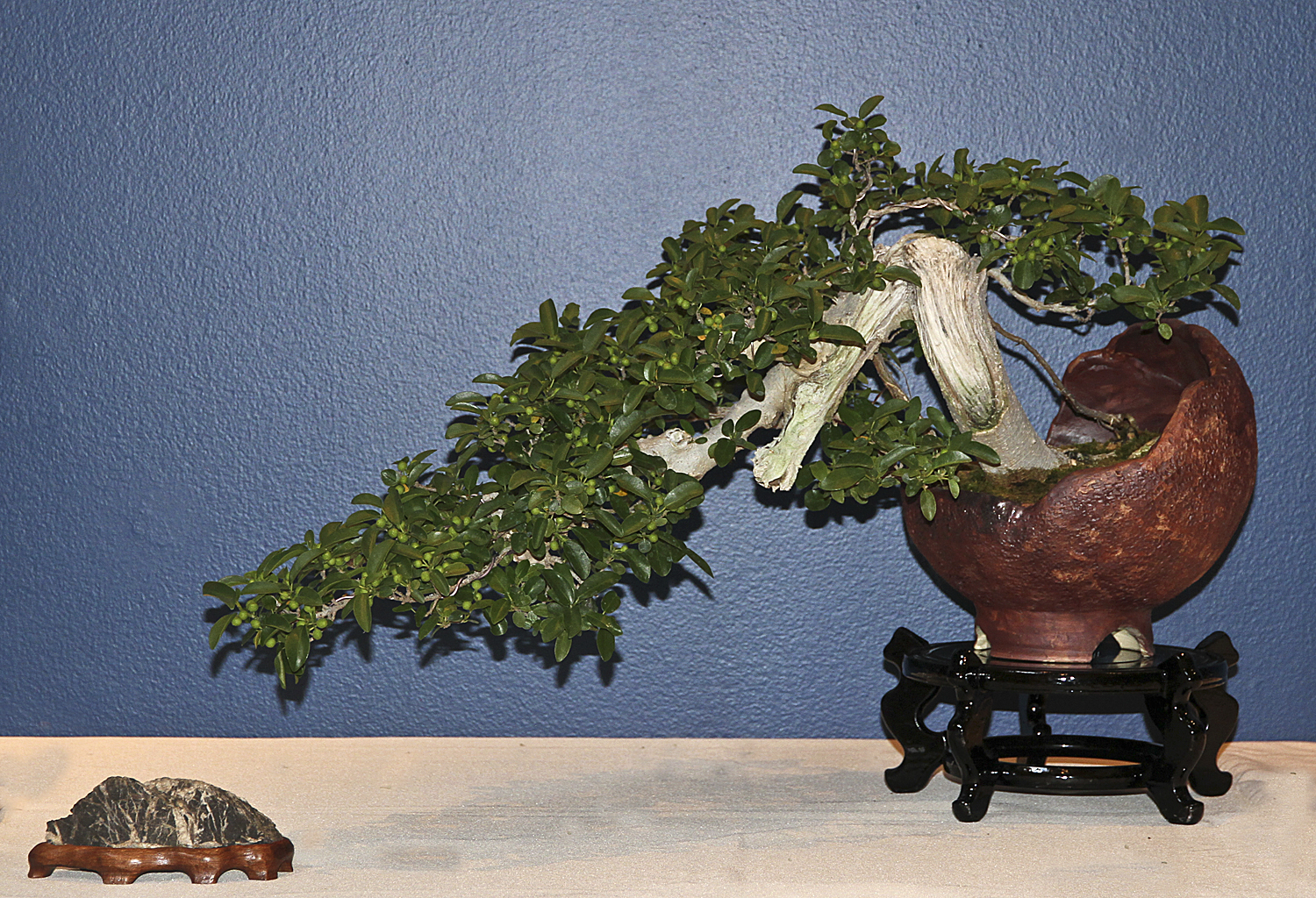
Ficus cascade


Image


Ficus heavy trunk


Image


Sharps pygmy Japanese maple


Image


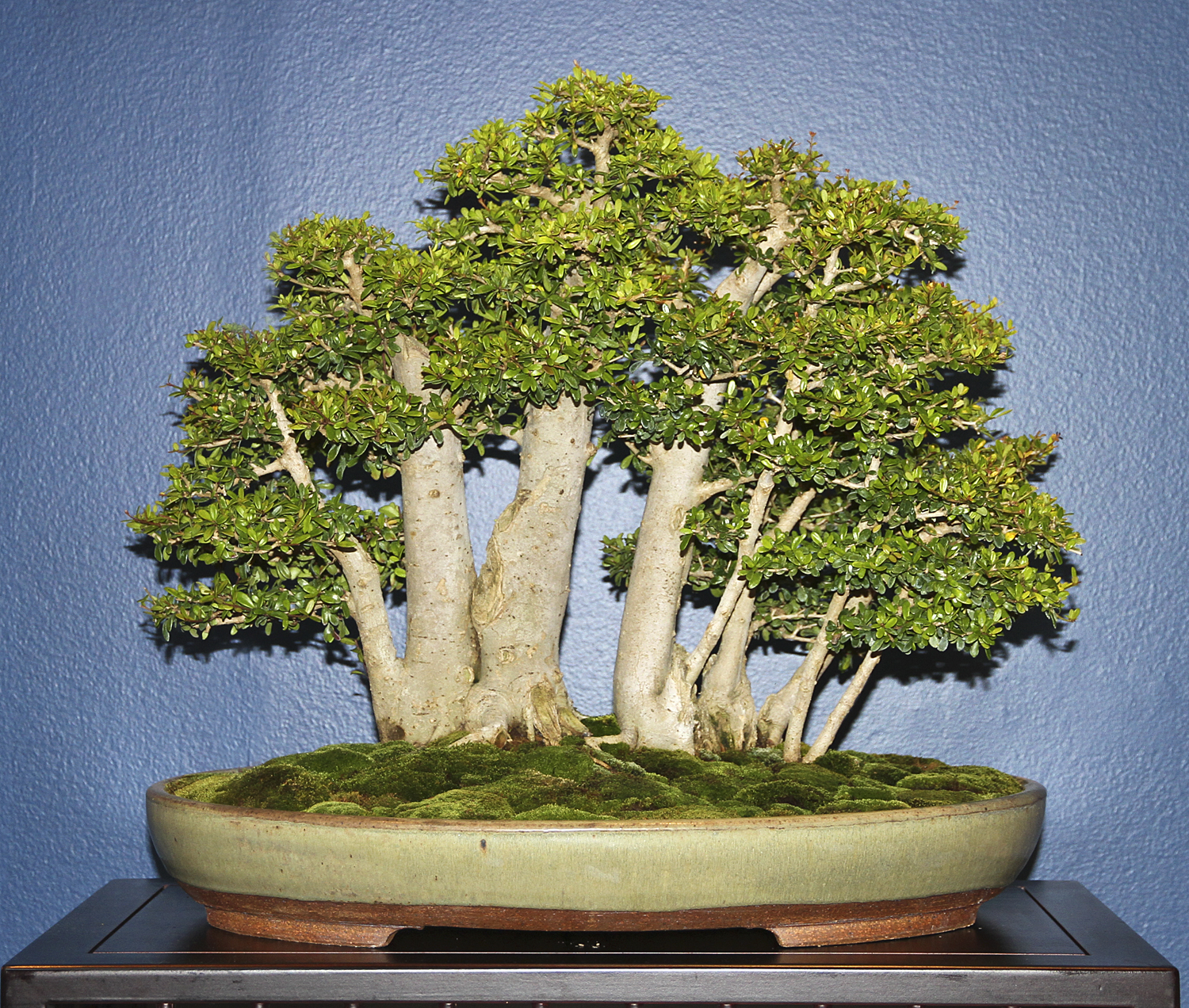
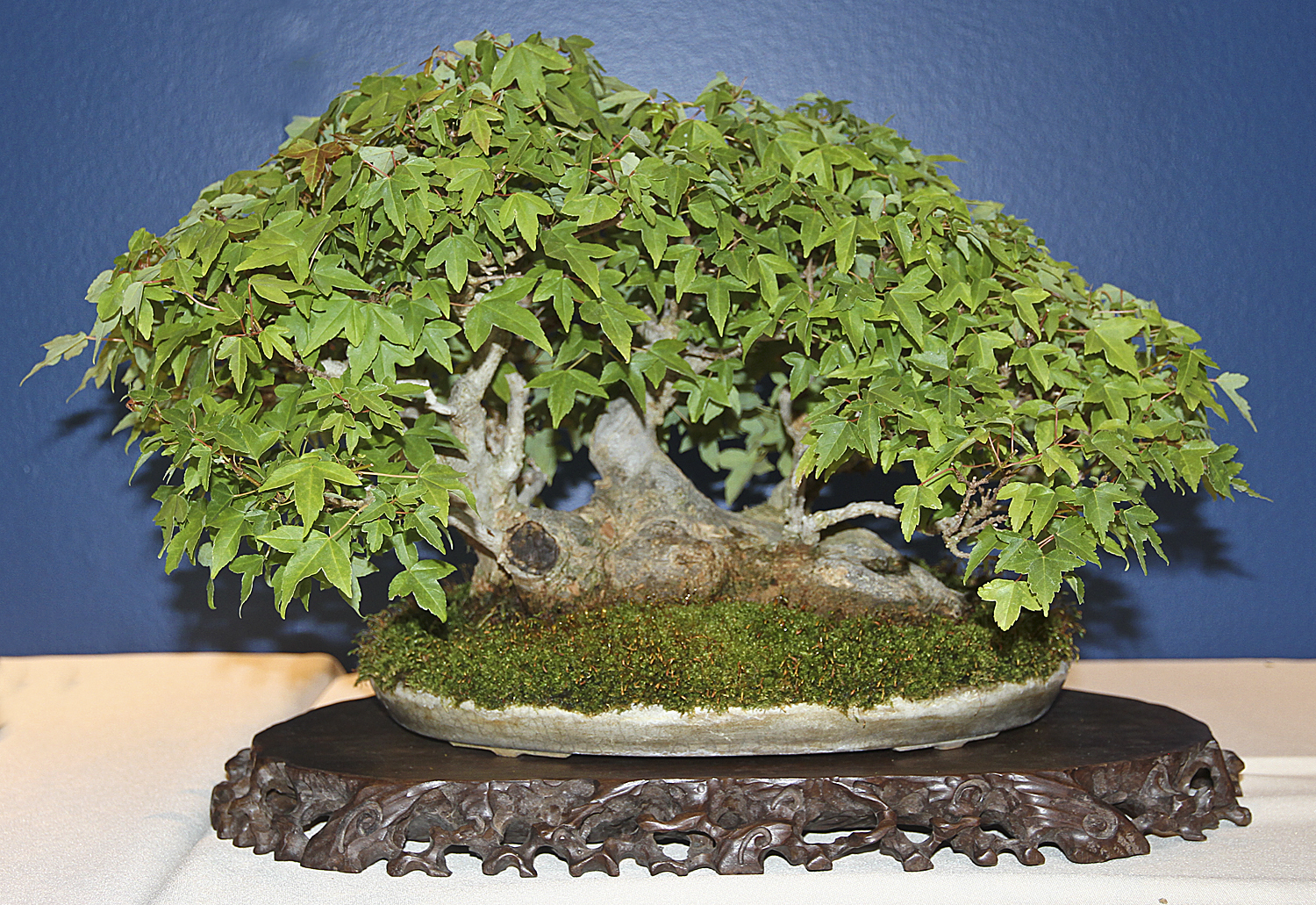
Trident maple multiple trunk shohin bonsai


MIDWEST SHOW, PART 2?

Sorry, NO, this is not part 2. I’m new to using this program for posting blogs and suddenly my post was published before I added more photos…

Image

Chinese elm

Image


Chinese quince

Image


Cork bark Chinese elm

Image


Little house in the woods

Image


Jack pine

Image


Japanese maple

Image


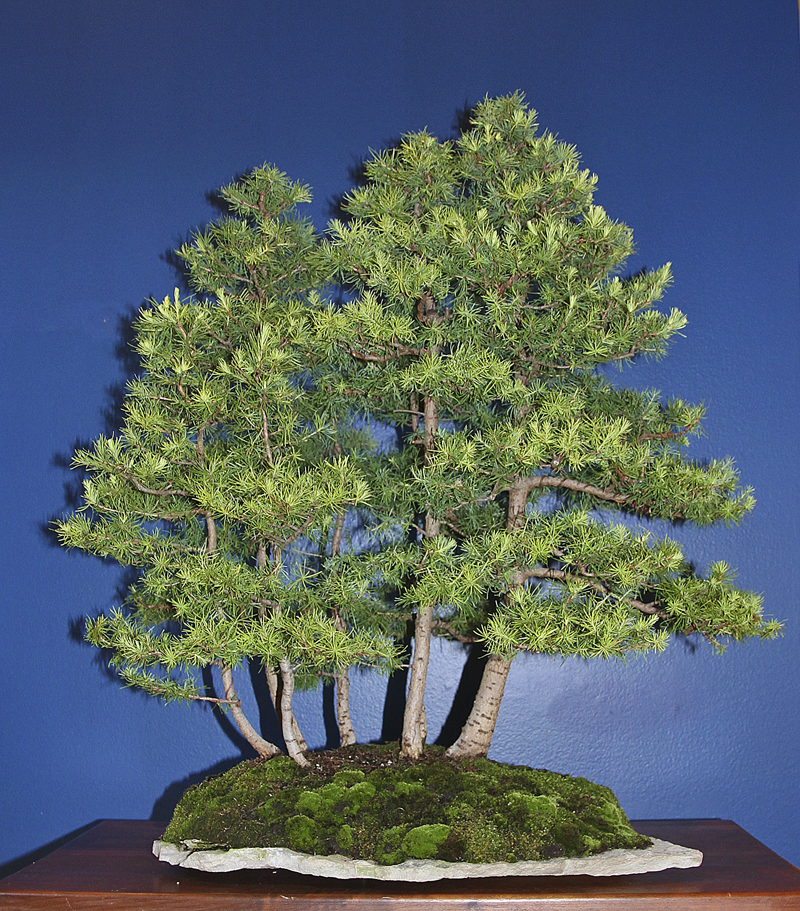
American larch

Image


Ponderosa pine- huge!

Image


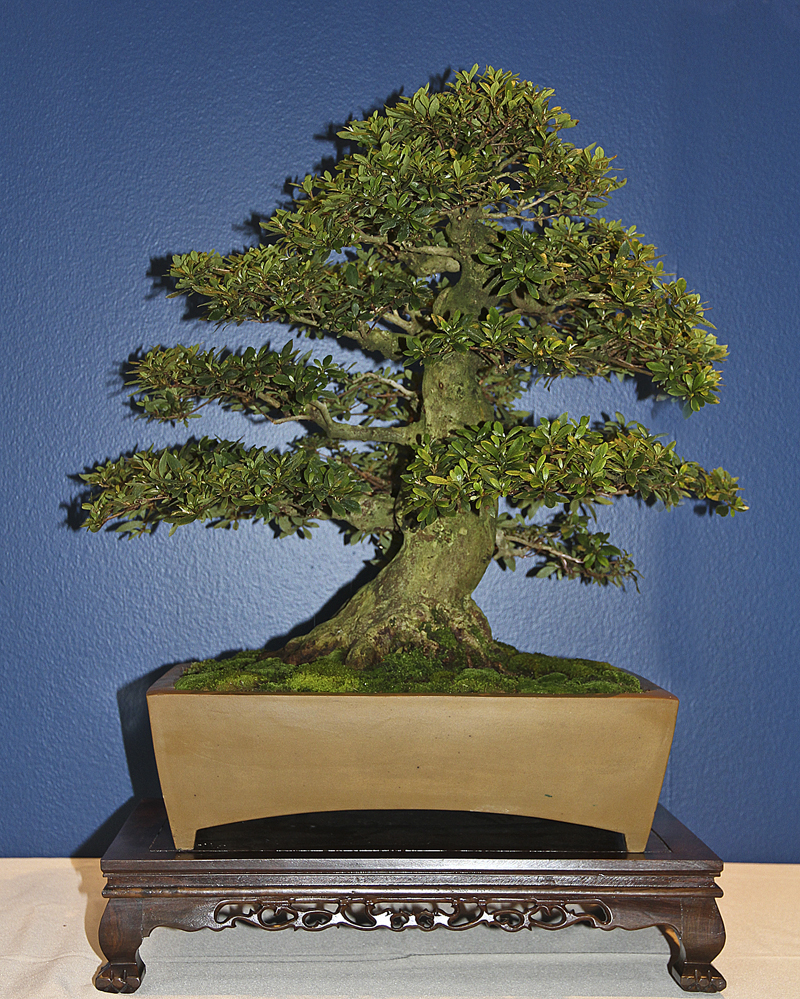
Satsuki azalea

Image


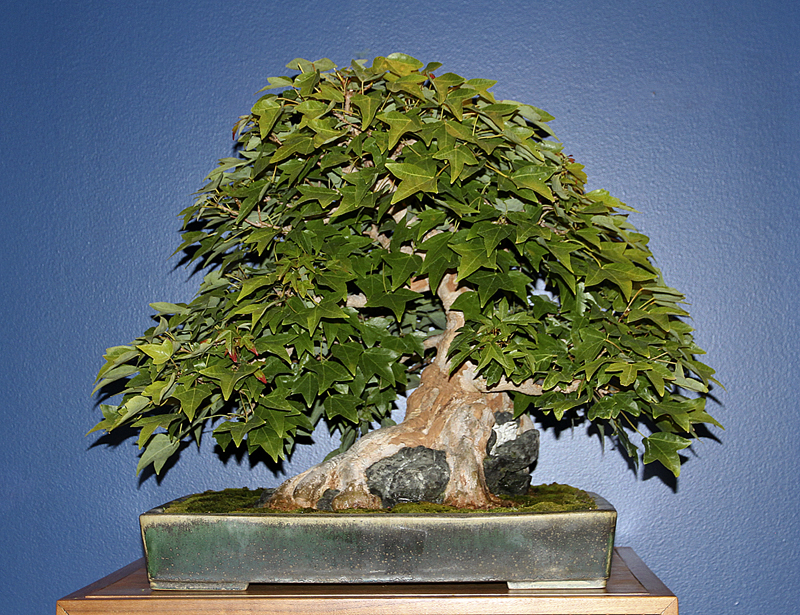
Trident maple

Image


Ponderosa pine

Image


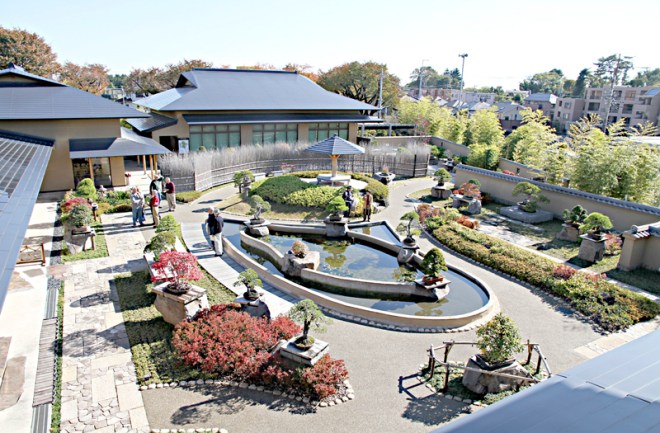
Chicago Botanic Garden Bonsai Courtyard photos

Image


Image


Image


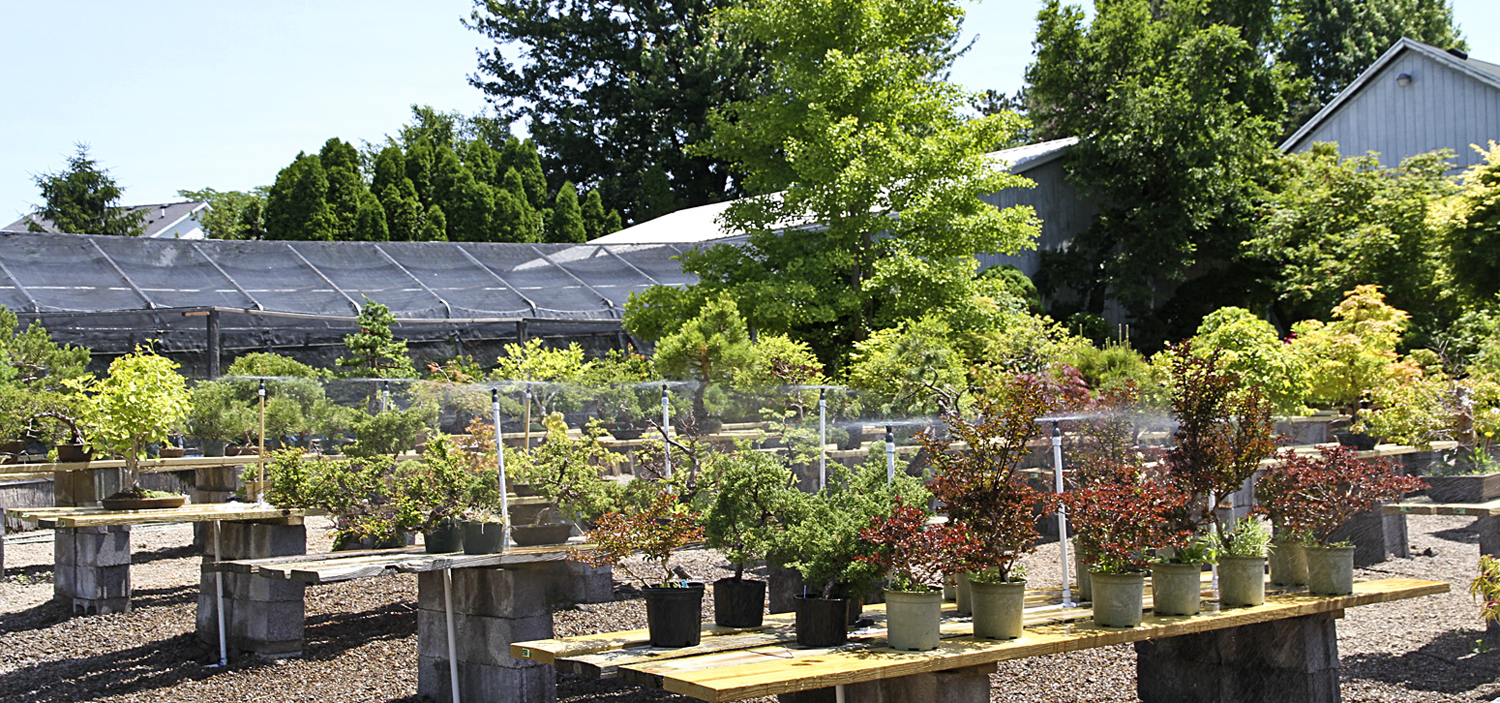
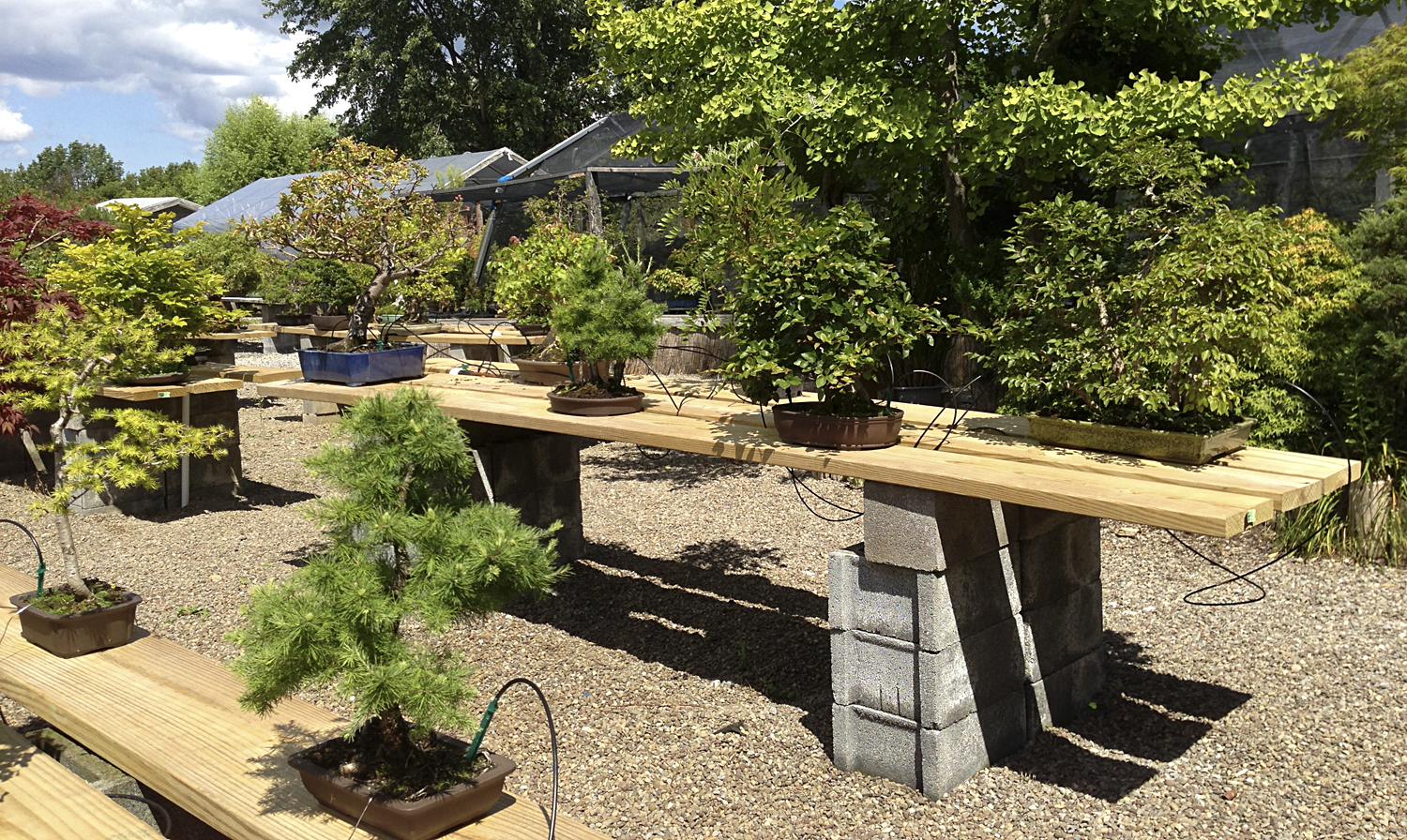
International Bonsai Arboretum sales tables. Note the chair on the right side for me to sit on with my broken foot. You can also see that it’s empty…

 Image


Image

Image


2013 MIDWEST BONSAI SHOW REPORT

Image

Image

The 2013, 36th Midwest Bonsai Show opened today at the Chicago Botanic Garden. Bjorn Bjorholm, originally from Knoxville, TN, now from the Fujikawa Koka-en Bonsai Garden in Osaka, Japan, was the judge.

Image

RAF Dwarf Scots pine- First Prize in the Professional Division

The RAF Dwarf Scots pine which has now taken five days of preparation looked pretty good. So good that Bjorn awarded it the First Place in the Professional Division. Competition was tough this year, however. This makes my 13th Professional Award since they began judging several years ago.


The quality of bonsai has risen lately and also the number of bonsai displayed in the Professional division as well. However, it seemed to me that there the bonsai were not as crowded as in the past and the beauty of each tree could be more easily enjoyed than in past shows. The crowds were pretty good today and we enjoyed excellent warm weather.

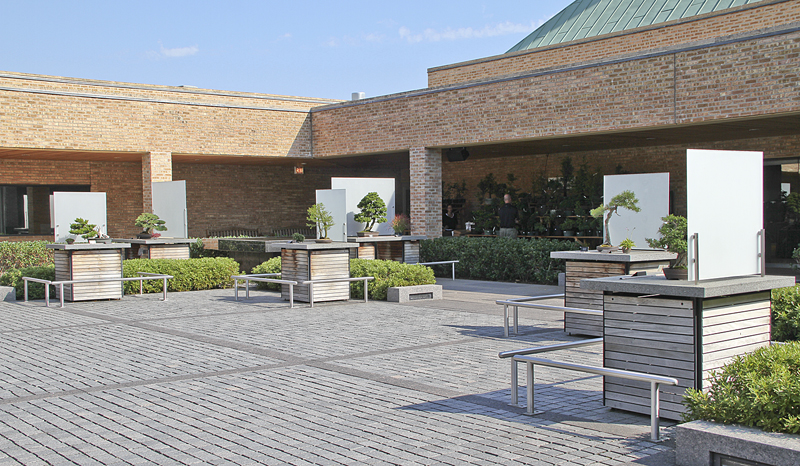
Bonsai from the famous Chicago Botanic Garden Collection were on display in two open courtyards, each on a well designed table, complete with white background, lighting and invisible sensor to prevent theft.

Below are a few bonsai, mostly from the professional division. More photos tomorrow if I have time.

2013 INTERNATIONAL BONSAI OPEN HOUSE & SALE

Saturday & Sunday, September 7-8, 2013

 Image

Image

Image

Everyone is invited to visit the Autumn Open House & Sale. Formal indoor bonsai displays as well as masterpiece bonsai in the garden will be available appreciation, study and inspiration. Come see the new bonsai which have been created this year as well as older established specimen, many of which have been refined.

Image

Image

The new automatic watering system, both drip and spray, is working well for the sales area bonsai and nursery stock. Bonsai, pre-bonsai, suiseki, containers, tools, books and supplies will be on sale.

 Image


Image

ImageAward winning bonsai artists Harvey Carapella, Marc Arpag and Wm. N. Valavanis will be presenting advanced bonsai demonstrations daily at 11am and 2 pm. Each one of these skilled artists will clearly show their techniques and answer appropriate questions. One of my demonstrations will be on creating a Hinoki cypress forest, perhaps on an unusual kind of flat bog iron stone. Audience interaction is welcome for these informal programs.

Image 

Image

Image

Image

Image

Image

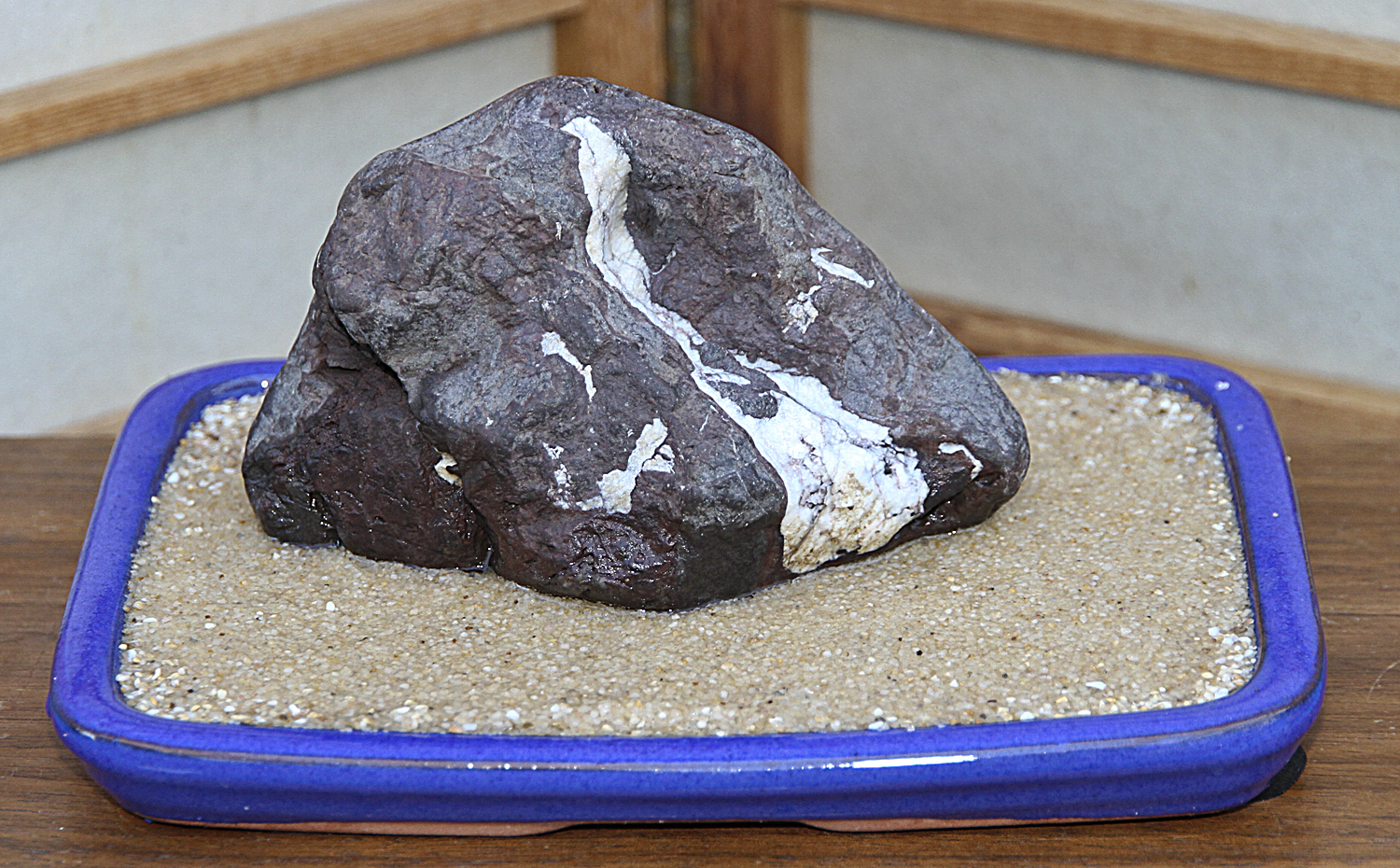
The Suiseki Study Group of Upstate New York will be having the 3rd exhibit during the Open House & Sale. Approximately fifty suiseki belonging to members will be on display. Suiseki in daiza as well as in suiban will be on exhibit with many unusual companion plantings.

 Image

Suiseki lectures will be presented on Saturday 10am by Marc Arpag and on Sunday 10am by Ron Maggio.


Here is the link to last year’s Upstate New York Suiseki Exhibit:

http://ibonsaiclub.forumotion.com/t11304-2012-upstate-new-york-suiseki-study-group-exhibit?highlight=upstate+new+york


Come, join us for a relaxing visit while you visit the bonsai, suiseki and perhaps find something to add to your collection.

Image


Demonstration Schedule:

Saturday, September 7, 2013

10am Marc Arpag­– Suiseki

11am Harvey Carapella– Bonsai

2pm Wm. N. Valavanis– Forest Bonsai


Sunday, September 8, 2013

10am Ron Maggio– Suiseki

11am Marc Arpag– Bonsai Refinement

2pm Wm. N. Valavanis– Surprise!


All events FREE!

Sumac Bonsai

ImageI like unusual and bizarre plants and often use them to create unique bonsai. The Common sumac is a large shrub or small tree which can be found growing native throughout North America and other regions of the world. They are often considered weed trees with large compound leaves. In late summer the large upright flowers are fuzzy and become striking fruit. Autumn brings a reliable red, orange and yellow coloring which are quite beautiful.

There are numerous species related to the Common sumac, Rhus typhina, often used for medicinal, cooking or tanning. In Asia candle fuel was made from the Japanese wax tree, (Rhus succedanea), which is often trained for bonsai. Poison sumac (Rhus vernix), as well as Poison Ivy (Rhus toxicodendron), can cause rashes to some people.

ImageJapanese wax tree, Rhus succedanea, trained by Hiroshi Takeyama, Fuyo-en Bonsai Garden, Omiya Bonsai Village, Japan.

There are several ornamental forms of sumac for planting in the garden landscape including Staghorn sumac, Cutleaf sumac, Fragrant sumac and smooth sumac.


Tiger Eyes Sumac

In 2007 a new hybrid sumac was introduced to the garden trade by Bailey’s Nursery named Tiger Eyes sumac, Rhus typhina ‘Bailtiger’. This patended cultivar received a Gold Medal from the Pennsylvania Horticultural Society. This colorful plant has bright chartreuse delicate foliage which is quite striking in the garden, especially in the sunlight which makes it glow. It suddenly becomes the focal point in the garden and again in autumn with glowing red and orange foliage. Summertime brings large upright fuzzy flowers which become colorful long lasting fruit. Tiger Eyes sumac is quite winter hardy and a bit invasive, spreading by underground rhizomes. I have found that it does not present an allergic reaction to people. The stems are like velvet and they do not branch out readily. Although described as a “dwarf” plant reaching a height of six feet, one of my garden specimens is already twelve feet tall, and still growing.

As mentioned I have discovered that Tiger Eyes sumac is invasive and have eliminated many of the new plants originating from rhizomes. Often the new shoots have a few roots and I’ve been successful in establishing them in small containers. In spring I used a small plant as the focal point in a small accessory for displaying with a bonsai.

Today my friend Marc Arpag came over to help me select the appropriate display table and companion plant for my RAF Dwarf Scots pine for the Midwest Bonsai Show next weekend. On his way over to my garden he stopped by a garden center to see what they had on sale. He was excited because they had two Tiger Eyes Sumac with interesting trunks and could possibly be used for an unusual bonsai specimen.

Off we returned to the garden center to see the two plants and one was already sold. Fortunately the plant with the beset shape was available, and with a 30% discount as well. I purchased the two gallon size specimen and Marc helped me take it to my car since my scooter could not hold that size plant. Also, on the way out we discovered a new gold banded grass which I had to have, so I pick up two pots, they were small.

Image Shopping for the Tiger Eyes Sumac, 2 pm.

Once home I proceeded to find the base of the roots, study the plant and create the basic shape for a future bonsai. This tree will be used for autumn display and will not have a refined appearance because of the coarse branching, although the foliage is delicate. I wired a few of the branches, and nearly every one of the twelve inch long leaves. Finally it was potted and I’m hoping it will develop into something different.

Image Tiger Eyes Sumac bonsai, 3:30 pm.

By the way the companion plant we selected for displaying with the RAF Dwarf Scots pine has a Tiger Eyes sumac as the focal point along with Toad Lily, Dwarf hosta and Black mondo grass.

Image Companion plant with a Tiger Eyes sumac focal point.

RAF Dwarf Scots Pine Bonsai Development

Pinus sylvestris ‘R.A.F.’

 This tree has a long history, starting from a select young, pencil size seedling in the early 1970s. Richard A. Fenicchia was the horticulturist for the Monroe County Parks Department in Rochester, New York. He was well known for his hybridization of Lilacs, Azaleas and other woody plants. He selected a group of dwarf Scots pines and named them R.A.F Dwarf Scots pines.

I was fortunate to purchase many of the young seedlings and they were all completely container grown. This select group of pines had short straight needles and had the characteristic to produced buds on the old wood of the inner branching. Many of these young seedling were used for workshops and sold to students. A couple of the better specimens are described in my newest book Classical Bonsai Art. This bonsai, and another finer specimen were not included in the book because of space restrictions. The largest RAF Dwarf Scots pine was also displayed in the 40th Upstate New York Bonsai Exhibit and received the “Member’s Choice Award” honoring Yuji Yoshimura.

Image

A larger RAF Dwarf Scots pine which received the 2013 Member’s Choice Award at the 40th Upstate New York Bonsai Exhibition. This is not the bonsai which will be displayed. 

The RAF Dwarf Scots pine bonsai to be displayed was purchased from Mr. Fenicchia in the early 1970s and was completely trained in a bonsai container. As the tree grew in size larger containers were used. Although this is a slow developmental process, fine bonsai can be created. Older photos cannot be located and were probably destroyed in our home/office fire in 2009.

Image


May 2006 before shaping and repotting.

Image


May 2006 after shaping and repotting.

By 2006 the bonsai suddenly began to develop a heavy trunk. In May 2006 the tree was thinned out, wired and transplanted into a rectangular container in a slanting style. It was continually pinched each spring. Like other species the entire tree cannot be pinched at one time. Growth vigor is different throughout the tree. The top is generally more vigorous than the lower inner branches. Therefore it takes about a week of dedicated pinching to complete a bonsai.

Image


December 2007.

In 2009 I changed the style of this RAF Dwarf Scots pine from slanting to informal upright style. After transplanting and repositioning the tree in the same container guy wires were used to lower the first right branch into a horizontal position. The tree was annually pinched each April and May.

In 2012 I needed the rectangular container for another bonsai so I “borrowed” it and repotted the bonsai into an oval container which was softer and better suited for the new style. The rectangular container was in better harmony with the slanting style, but a bit too rigid and formal for my taste for this informal upright style bonsai.

Image


May 2009 before transplanting.

Image

May 2009 after transplanting to change trunk angle.

Image

May 2009 after wiring and shaping.

The bonsai continued to become bushy from the multiple buds. In April 2013 I asked one of my long time skilled and talented student, Alan Adair, if he would like to wire this bonsai. He has an artistic background and professionally paints signs. Although he is well known for collecting and training larch, he is an excellent wirer.

Image


April 2013 before refinement.

Image

Alan Adair wiring bonsai.

Together we discussed the refinement of this RAF Dwarf Scots pine and several larger branches were pruned and the main right branch was lowered using a chisel and small stone to hold the opening apart. As Alan wired, we carefully positioned the branching and thinned out the foliage. Areas were left for the opening new buds. Approximately three full days were spent refining and wiring this bonsai.

Image


April 2013 after refinement.

It was first displayed in the 40th Upstate New York Bonsai Exhibition in May 2013. By June the new needles were opening nicely and the tree was shown in my 50th Anniversary Bonsai display at the International Bonsai Colloquium. The new growth was developing nicely, but by now in early August there are too many needles and the tree must be thinned out.

Image


May 2013 at the Upstate New York Bonsai Exhibition.

Image

May 2013 formal display in Upstate New York Bonsai Exhibition.

Image

June 2013 formal display at the 50th Anniversary Bonsai Display at the International Bonsai Colloquium.

Considerable time was taken to prepare an interesting soil surface of different moss species for the Upstate New York Bonsai Exhibition. I’ve been careful watering all spring and summer so the soil surface was not disturbed. As I watered daily, an occasional weed was removed and if I saw an interesting section of moss on another tree, I collected it and carefully positioned it on the soil surface. The container and display table must of course be cleaned.

Image


August 2013 before final preparation for Midwest Bonsai Show display.

Alan and I are now thinning out the excess needles in preparation for display in the professional division of the Midwest Bonsai Show as well as for the ABS Learning Symposium exhibit in September. Next the best display table, accessory and short wooden slab must be selected and cleaned for my display. I’m not certain how much area I will have for a hanging scroll, so I’ll bring one, just in case. I may even bring another display table of a different size as well.

2013 Midwest Bonsai Show Bonsai Preparation

The preparation of my RAF Dwarf Scots pine bonsai for exhibiting this year began earlier this spring with trimming and a complete wiring of all the smaller branching. It takes considerable time to correctly prepare a bonsai for display, so I try to use the tree often.

This bonsai was displayed in the 40th Upstate New York Bonsai exhibition in May, my 50th Anniversary Display at the International Bonsai Colloquium in June and will be displayed next week at the Midwest Bonsai Show. Additionally the bonsai will be shown at the ABS Learning Symposium in Saratoga, New York, next month.

This tree has a long history, starting from a select young, pencil size seedling in the early 1970s and is the topic for my next story.Image


The Midwest Bonsai Show has quite a history going back 36 years. Originally Tony Mihalic, Keith Scott and I were the only vendors for several years and the society actually PAID us to participate. Times have changed and we now pay well over $1,000 to make our select products available to the show attendees. I’ve been fortunate to participate in all 35 of the shows, except for two when my home/office burned down.

Image


2012 International Bonsai Arboretum sales area.

Image

2012 Valavanis bonsai entry, Rock cotoneaster.

Image

2012 Valavanis bonsai entry- Korean hornbeam.

The Midwest Bonsai Show is held at the Chicago Botanic Garden in Glencoe, Illinois. Many of their excellent bonsai masterpieces are on display in two courtyards. Bonsai hobbyists and professionals from five or more states travel to show their best trees. Anyone may exhibit and there is no registration fee.

Image


One of the two bonsai courtyards.

Image

Blue moss cypress forest from the Chicago Botanic Garden Collection.

Image


Award winning bonsai are displayed in two alcoves.

This year Bjorn Bjorholm is the guest judge who will also present a free demonstration and a few workshops. There are several other free demonstrations and lots of interesting workshops.


Additional information on this excellent show can be found at:

http://www.midwestbonsai.org/augustshow.html

If you are in the area, or even if not, try to visit the show, you will not be disappointed. And, while there, stop and say hello to me in my sales area. I should be there since my travel is limited with my broken foot.

Midwest Bonsai Show

August 16-18, 2013

Chicago Botanic Garden- Glencoe, IL

Autumn 2013 Japan Bonsai Exploration Tour

Have you ever wanted to explore the bonsai and Japanese garden world of Japan in a small limited group? Well, here is your opportunity. In November Kora Dalager, travel agent and bonsai instructor from California and I will be leading another one of our popular bonsai tours to Japan. Bonsai gardens and studios of some of the finest bonsai artists in Japan will be privately visited.

Image


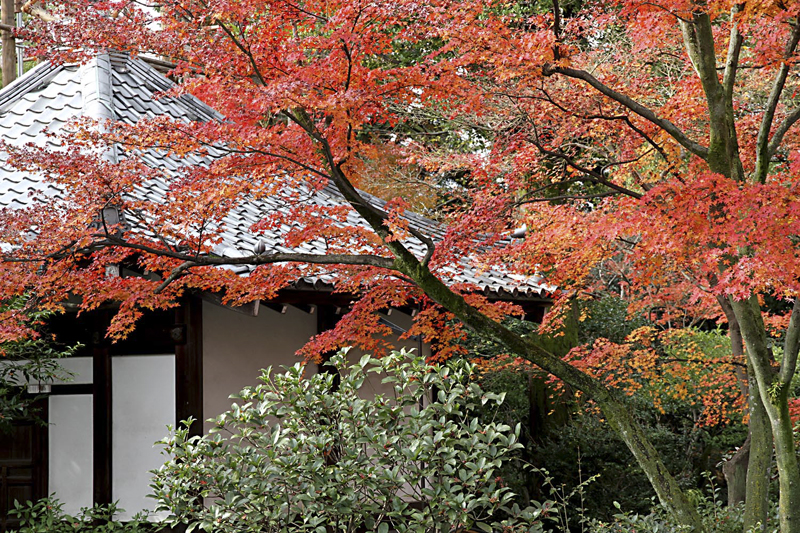
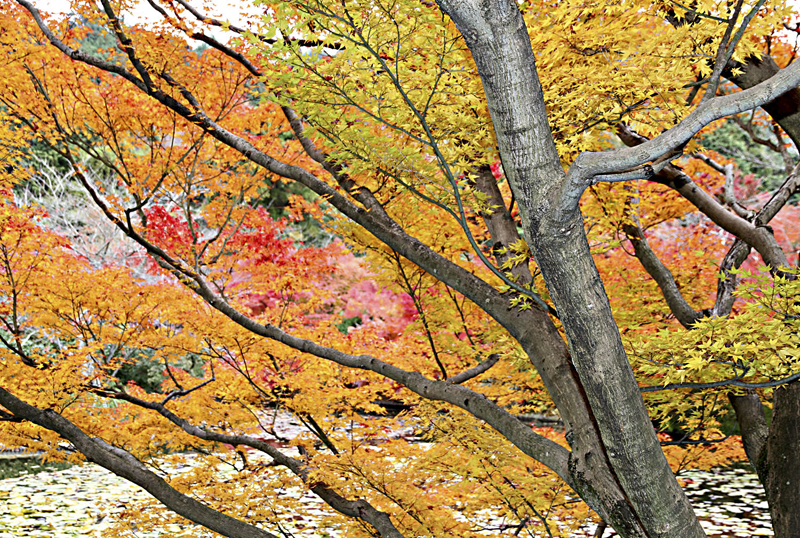
Maple leaves in Kyoto.

Our tour will first begin in the Tokyo area where we will visit Mr. Kimura’s studio, the new Omiya Bonsai Art Museum and Omiya Bonsai Village. Many of the world’s best bonsai originated or were refined in this small bonsai village of six gardens. Bonsai of all species, sizes and styles can be seen and studied in beautiful garden settings in their autumn glory.Image

Masahiko Kimura’s studio.

Image


Omiya Bonsai Art Museum.

Image

Mansei-en Bonsai Garden- Hatsuji Kato.

Image

Fuyo-en Bonsai Garden- Hiroshi Takeyama.

Next we will visit S-Cube, the garden of Seiji Morimae where you will see several thousands of bonsai and suiseki. A wide variety of bonsai, suiseki, containers, display tables and accessories are reasonably priced. Other than the living bonsai items can be easily purchased to add to your collection.

Image


S-Cube- Seiji Morimae.

The next day a visit to Kunio Kobayashi’s Shunka-en Bonsai Museum in Tokyo will be guided by graduate apprentice and bonsai artist fom England, Peter Warren. His command and understanding of Japanese aesthetics and language will surely we  everyone and all questions will be answered. Here you can appreciate fine quality refined bonsai masterpieces distinctively displayed in indoor alcoves as well as in the garden.

Image


Shunka-en Bonsai Museum- Kunio Kobayashi.

Image

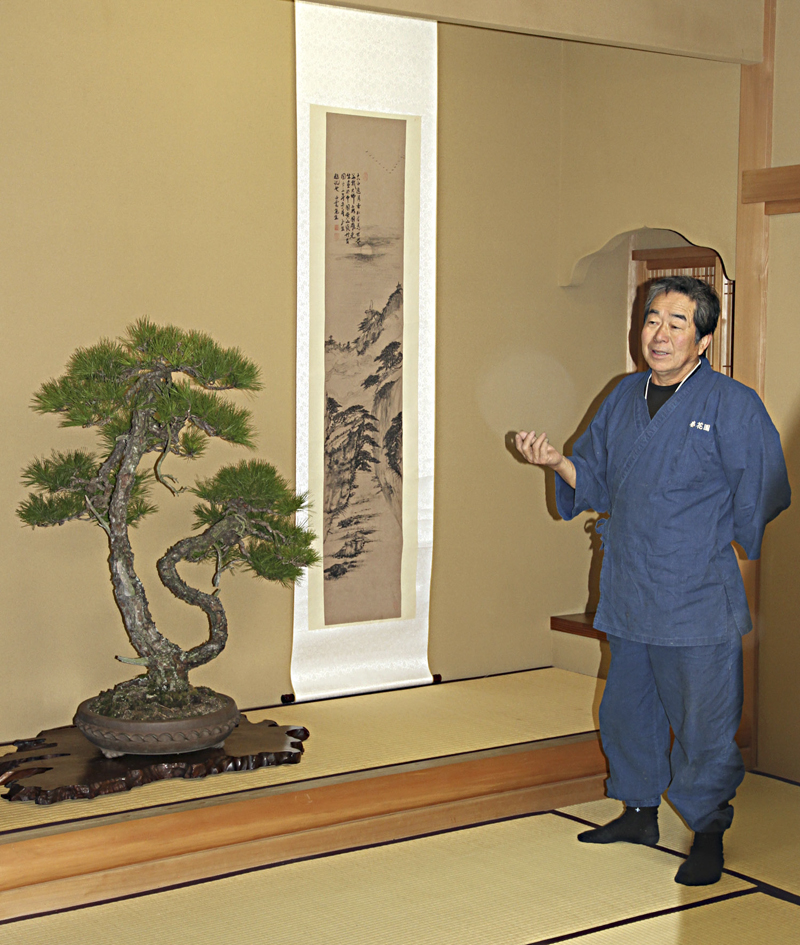
Display alcove with Gardenia bonsai.

Image

Japanese maple.

Image

Kunio Kobayashi teaching our group.

After the visit we will take the famous bullet train to Kyoto. Mt. Fuji can usually be seen from the fast moving train. Our visit to Kyoto is on the busiest weekend of the year because of “maple viewing” when thousands of old Japanese maples turn into brilliant autumn beauty. There are actually charts in each hotel indicating daily peak viewing of the largest gardens. A private full day bus tour to many of the most beautiful and famous gardens and temples will be led by our native guide, a retired schoolteacher has a wealth of knowledge, excellent command of the English language, humor and freely shares with everyone. Many small details often missed by visitors are quickly pointed out and explained.

Image


Mt. Fuji taken from bullet train.

Image

Maple viewing in Japanese gardens.

Image

Tour member mediating in Ryoanji Temple garden.

Image

We unexpectedly caught a camera shoot for a kimono shop.

We will then watch the opening ceremony of the Taikan Bonsai Exhibition, the largest exhibition in western Japan. Over 200 beautiful bonsai will be displayed. Unlike the Kokufu Bonsai Exhibition, each bonsai is effectively displayed with appropriate companions and is usually accompanied with scrolls and suiseki. It is rare to see suiseki displayed with bonsai in Japanese bonsai exhibitions. The prize winning bonsai from the last Kokufu and Sakufu Bonsai Exhibitions are displayed along with special exhibits.

Image


Taikan ten view.

Image


Taikan ten view.Image

Taikan ten bonsai view.

Image

Bonsai and suiseki display.

Image

Large size bonsai being positioned on display table.

Image


Chinese quince bonsai.Image

Satsuki bonsai display.

Image

Kora Dalager and Bill studying shohin bonsai composition.

Image


A simple companion of moss.

Image

Japanese five-needle pine bonsai rock planting.

Image


Beautyberry shohin bonsai.

Image

Award winning Sargent juniper bonsai.

A large sales area completes the exhibition and everything you always wanted to add to your collection will be on sale. Bonsai and items from the finest bonsai gardens will be available. Last year photographs were allowed, which is not normally the custom in Japan.

Image


Sales area.

Image

Trident maple bonsai, sold during the first hour.

Image

Joe Noga looking at all the great bonsai which can’t be brought back…

Usually during the same time Seiji Morimae hosts a private suiseki show in a nearby 800 year old temple. The beautiful suiseki are displayed in several rooms.

Image

Alcove display of suiseki.

During the following free days tour participants usually return to the exhibition or continue on to explore Kyoto, the ancient capital of Japan. Every time I return to the exhibition I see things I missed the previous times. Perhaps I’m a slow learner, but it takes me many visits to study all the displays.

We will then leave Kyoto and travel to Nagoya where will visit the bonsai garden of Toru Suzuki, the third generation artist of Daiju-en Bonsai Garden. Many of the techniques for training pine bonsai originated with his father and grandfather.

Image


Daiju-en Bonsai Garden- Toru Suzuki.

A private visit to Shinpuku-ji Temple and museum will complete the day were we will see a small, but excellent bonsai collection in beautiful surroundings. The curator of this museum loves Princess persimmon bonsai and often has beautiful displays. We will be having lunch in their compound.

Image


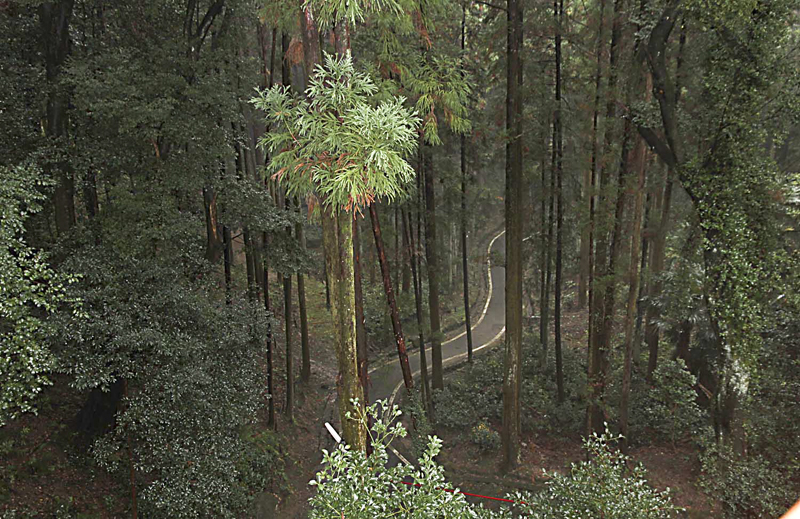
A forest of Cryptomeria and Bamboo on the way to the Shinpukuji temple.

Image

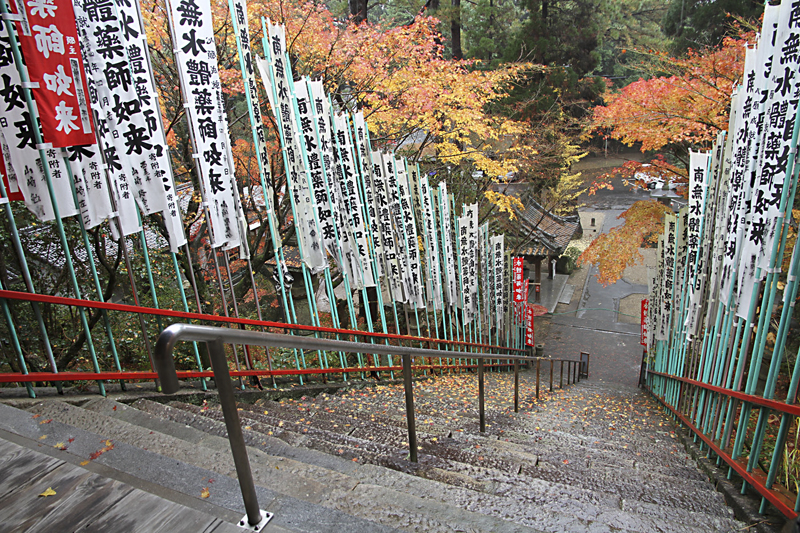
A few stairs leaving the temple. Wonder how to do this if my foot is still broken?

Image

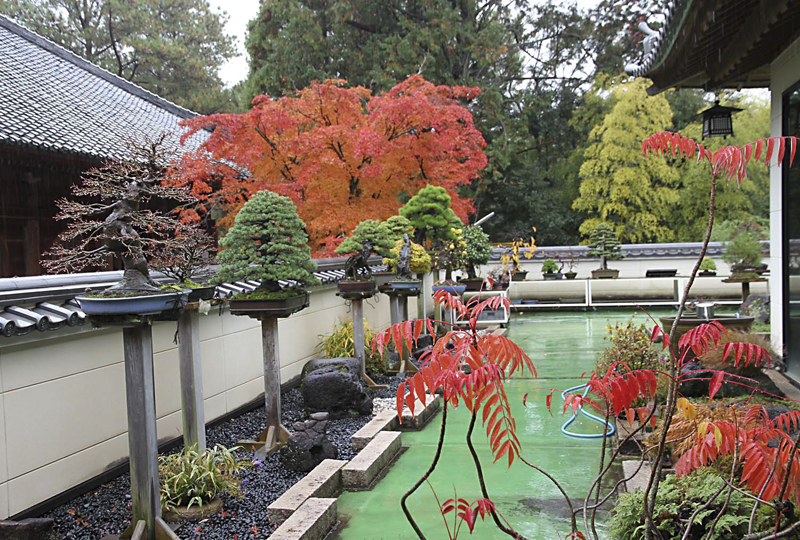
Bonsai on display outdoors.

Image

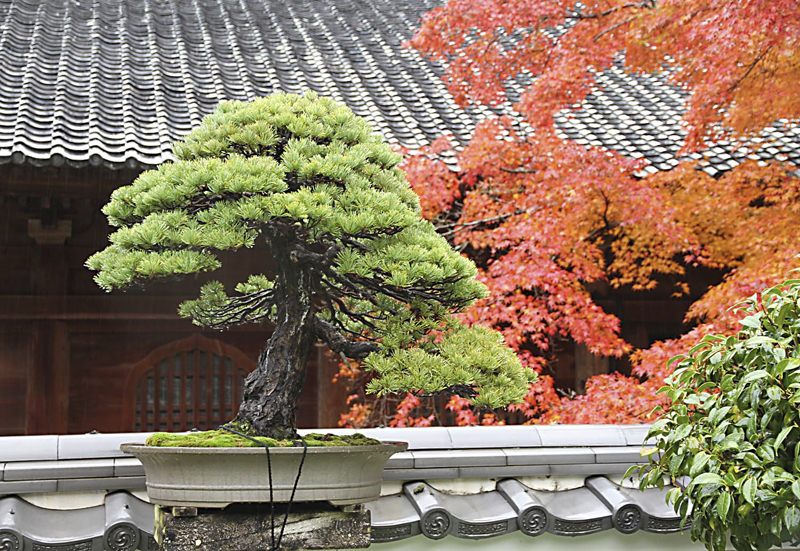
Japanese five-needle pine bonsai outdoors.

Image

Indoor display of Princess persimmon bonsai.

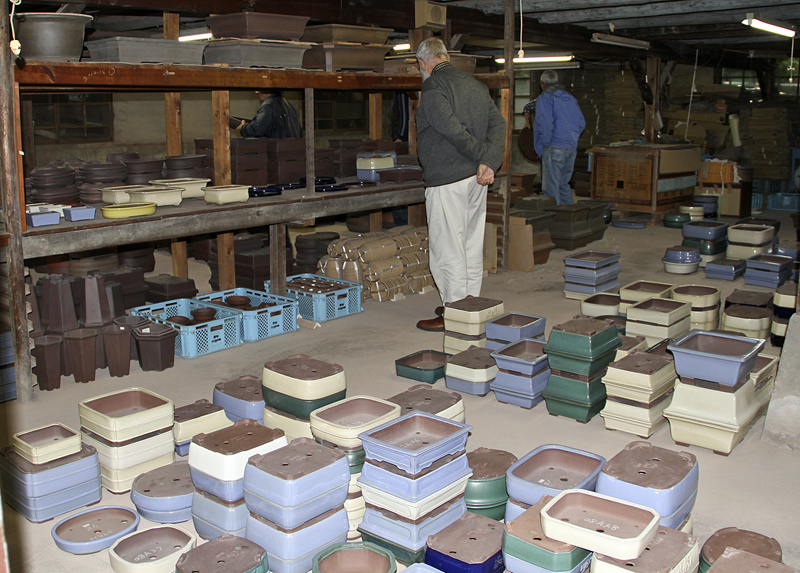
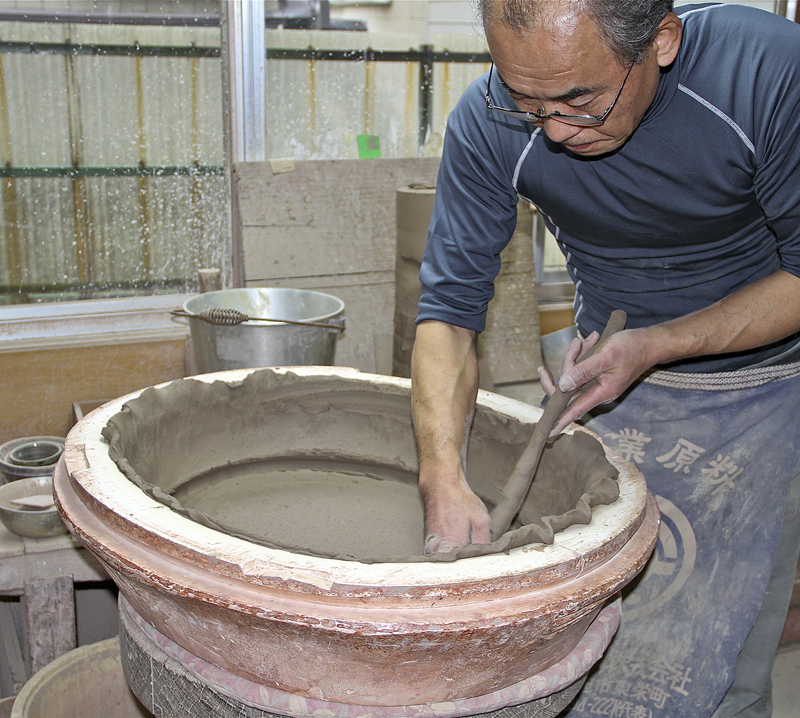
Finally, a visit to Tokoname, one of the ancient kilns of Japan will conclude our tour. Here you can often see potters create their ware. Containers of all sizes, shapes, color and designs can be purchased for your bonsai. We will depart Japan the following day returning home in time to celebrate the Thanksgiving holiday with your family.

Image


Lots of bonsai containers everywhere.

Image

Master potter demonstrating slab making a container.

Image

“Gyozan”, one of the top bonsai container artists.

The deadline is rapidly coming for registering for this exciting one-in-a-lifetime tour. The tour flyer can be easily downloaded from my website at:

Click to access 2013%20AUTUMN%20JAPAN%20TOUR.pdf

The exchange rate has been improving and frequent flyer miles can often be used for transportation. Please contact Kora Dalager (kora@ca.astound.net  or phone 510-610-9064) for questions or additional information.

I look forward to sharing the beauty of the Japanese garden and bonsai world with you. Please don’t delay, you will not be disappointed with our distinctive, comprehensive, value packed and fun bonsai tours!

Cactus/Succulent Tray Landscape

Last weekend at the Park Avenue Art Festival I came across Dan Soles, another artist selling hypertufa pots. He hand crafts and sells them from his business Tranquility Hill Greenhouse (www.tranquilityhillgreenhouse.com) in Clifton Springs, NY. Hypertufa pots are porous made from cement, perlite, sphagnum and fiberglass fibers. They weather nicely and tend to easily grow moss because of the sphagnum. They are a popular item in gardens and are often planted with dwarf conifers, alpines or sometime annuals.

Image

The hypertufa pots were a bit heavy and too crude for my taste in bonsai, however the plant material he had planted in the pots were quite interesting. I purchased two of his hypertufa pots which I’m going to carve down to make thinner and a bit more refined. Then, they might be suitable for a literati style bonsai or accessory planting.

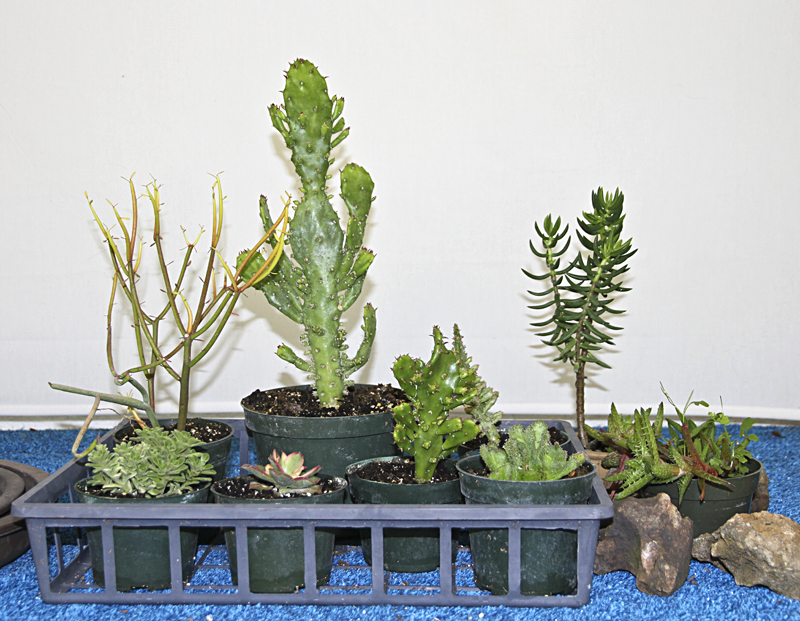
I’ve wanted to create a cactus/succulent tray landscape for a long time, but it’s difficult to find interesting plants of the right size. I asked Dan to bring me a few plants in plastic pots rather than take them out of his planted hypertufa pots. He brought a nice selection and I finally had suitable plant material for a tray landscape.

Image

Image

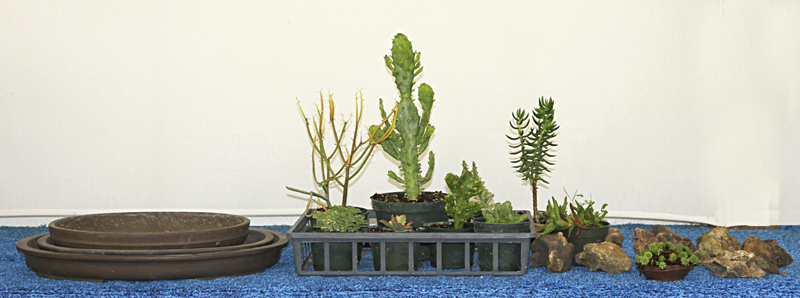
Today I assembled a few containers, weathered stones and a couple of odd succulents which I’ve had for a long time, just kicking around. Together with the new cacti and succulents I had everything ready. Three brown unglazed oval containers were selected for the tray landscape. I selected the smallest size because it was a bit deeper than the others. It had a “belt” design around the sides which presented a more shallow size than it actually was.

Image

Image

Image

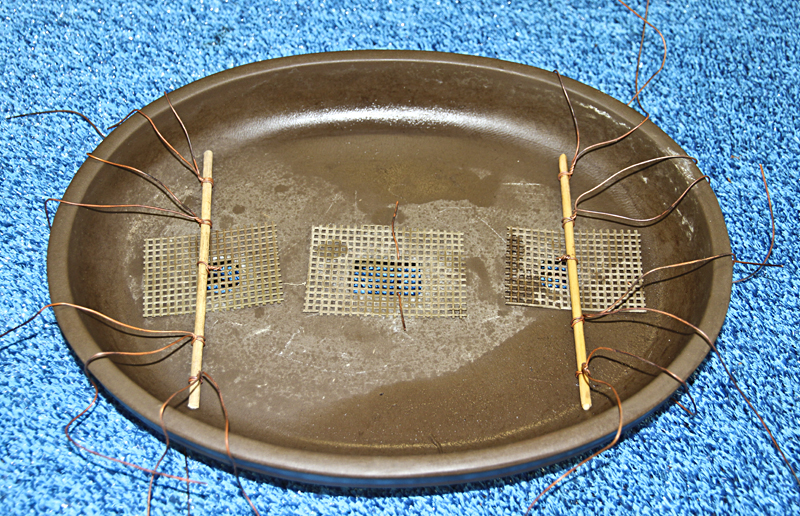
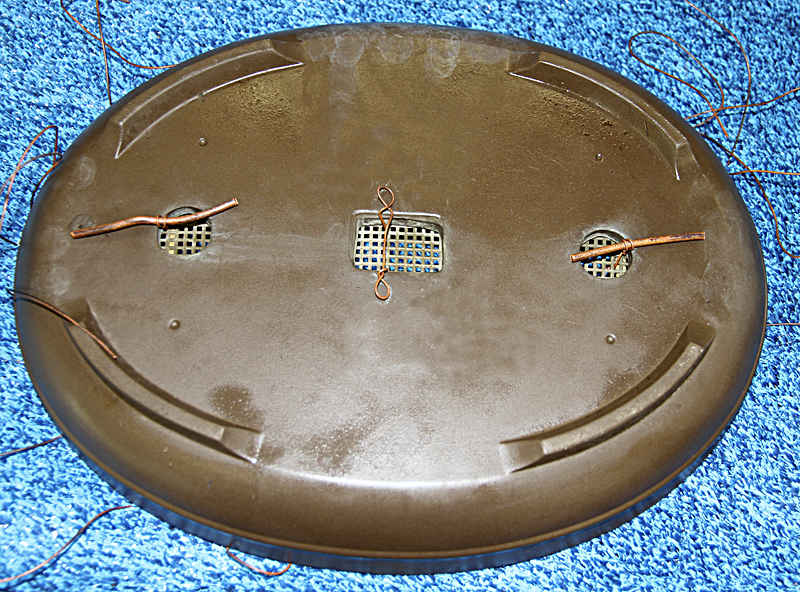
The container only had three drainage holes. Cacti and succulents are not known for having a compact root system so it was necessary to tie them into the container. For best holding, the tie wires should originate near the edge of the container, not from the three centered holes. I took two thin bamboo chopsticks and attached four sections of copper tie wires to each. Then they were secured to the bottom of the container using one wire through the two outside drainage holes. The center hole was not used for tying the plants into the container.

Bonsai soil, combined with Pro Mix was used for the medium. Normally I arrange the stones then add plants, however, this time both were positioned at the same time. It was a bit difficult to tie the wires with the stones in place, so I removed the stones, tied the wire and replaced the stones. There were a few wires left over which were not needed, but it’s better to have extra than not enough.

Finally a thin layer of a tan colored gravel was used as the soil covering and the new cacti/succulent tray landscape was thoroughly watered. I placed it directly in a full sun exposure hoping what heat we have left this season will stimulate new roots to establish the plants.

Image

Hopefully the plants will grow slowly and not outgrow the container. However, when they reach the desired size I’ll use a trick to keep the plants at the same size without pruning. Simply take a hot needle and insert it into the growing tip of each plant.

Park Avenue Art Festival

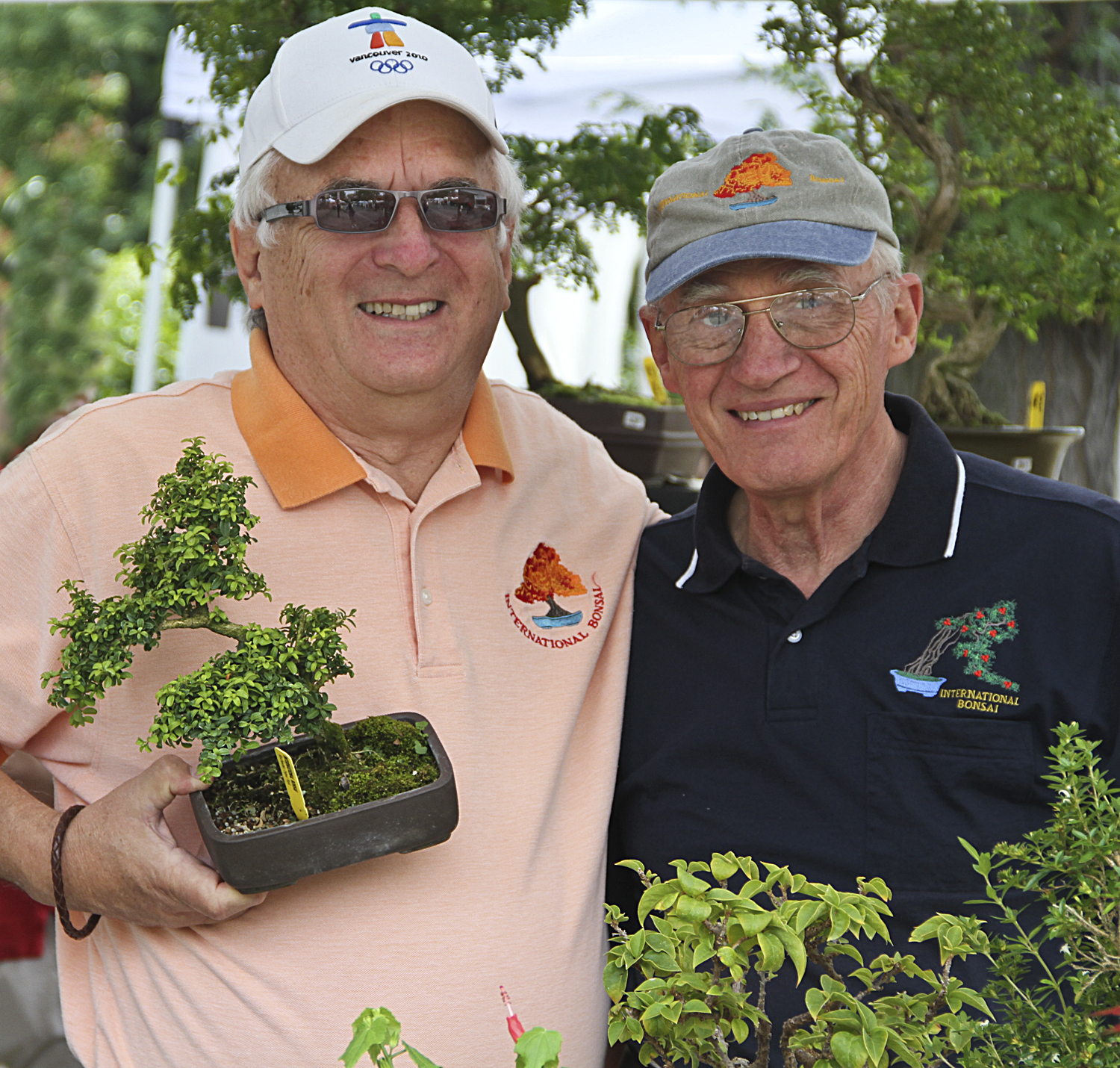
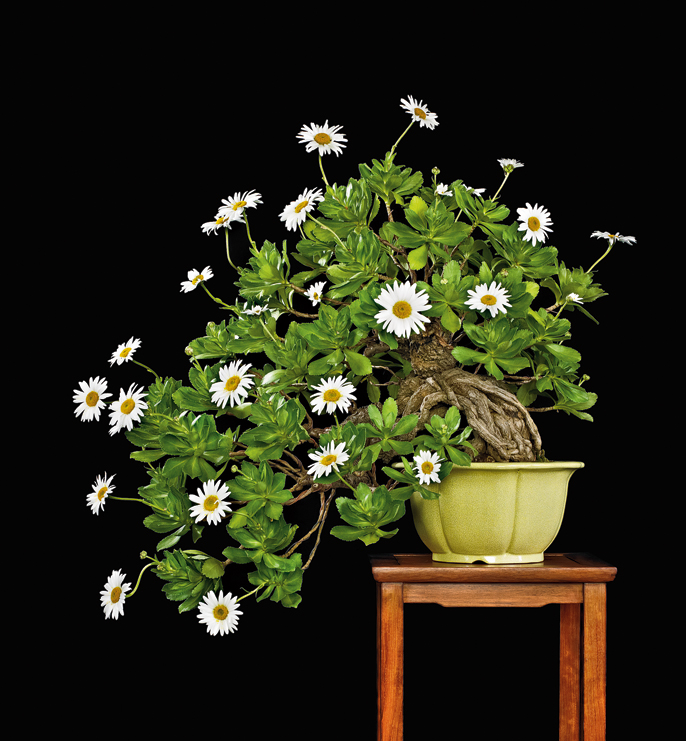
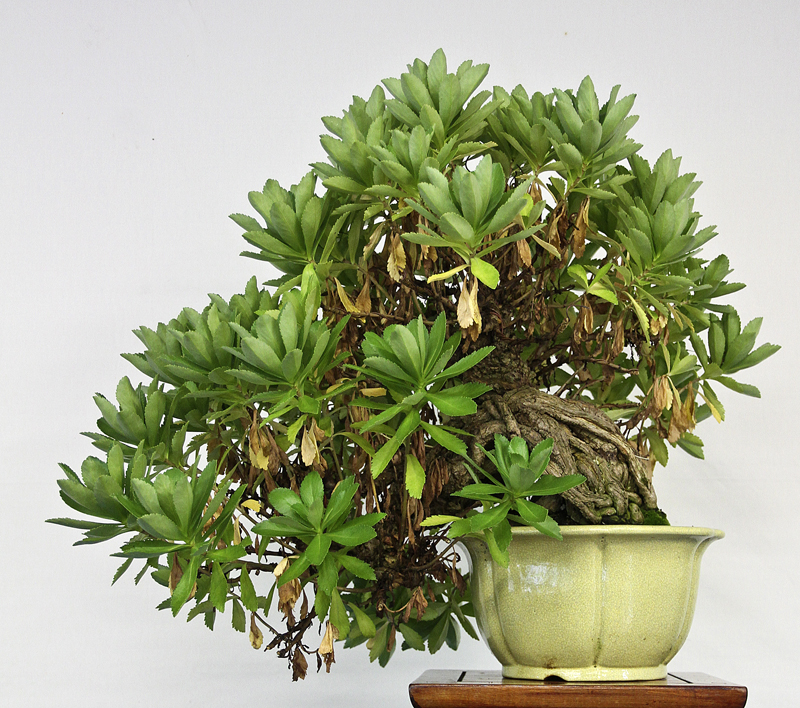
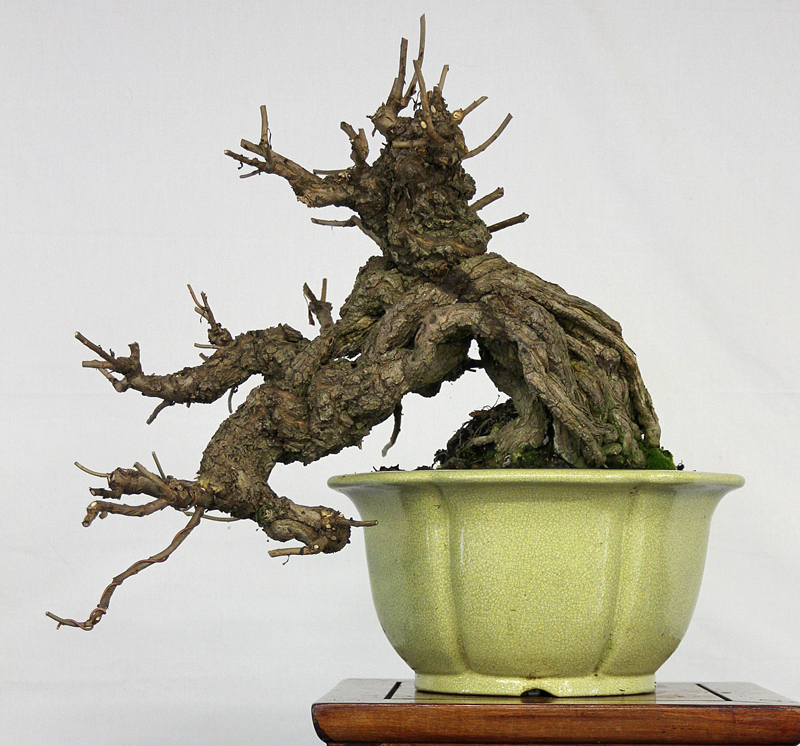
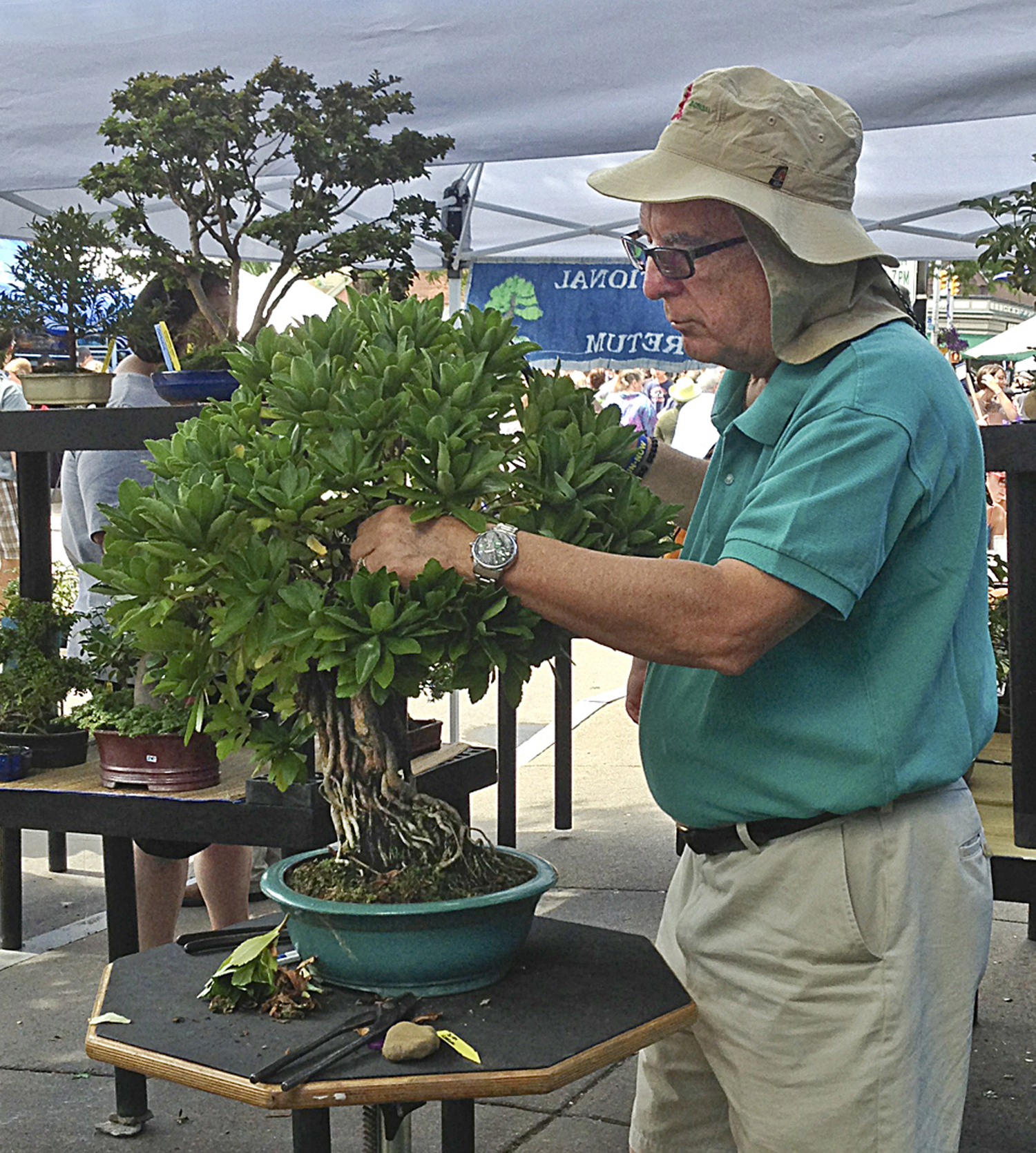
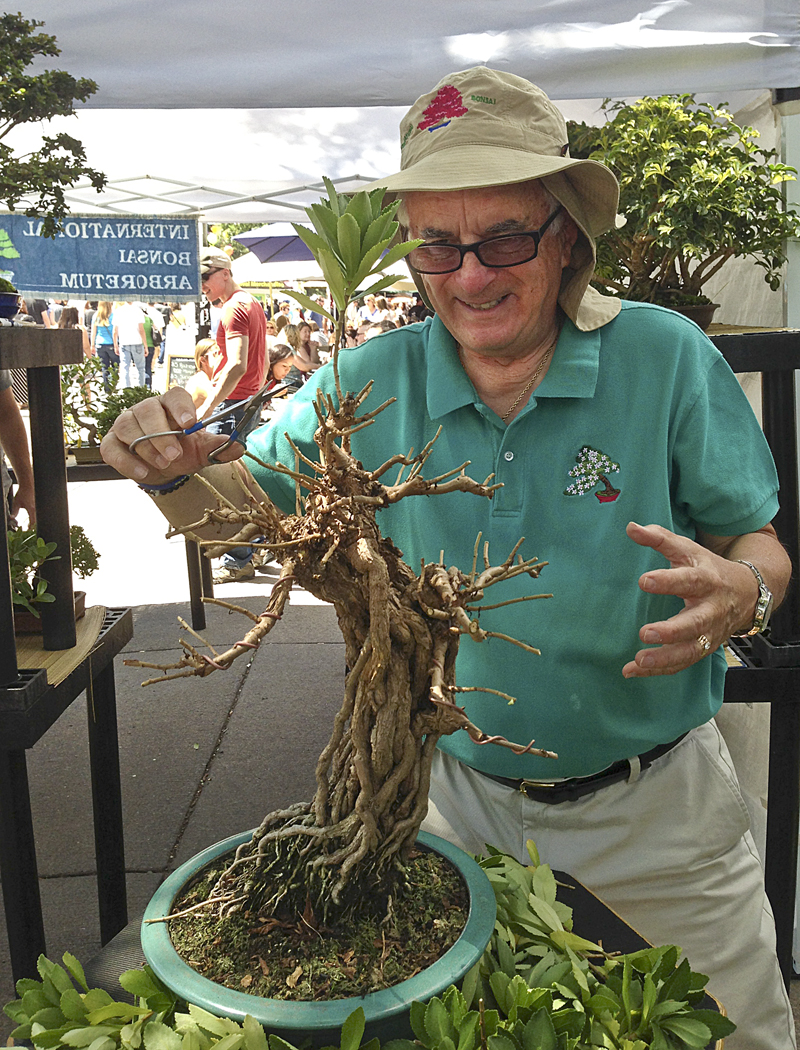
Each summer I participate in two arts festivals in Rochester to introduce the “public” to bonsai, get new students for my Introductory Bonsai Course and sell a few indoor starter trees. Each year photos must be sent for judging to see if your art is good enough for the public. All work must be original, not imported from China or India. On Sunday we finished the Park Avenue Arts Fest, which I’ve shown in for the past 20 years. My good buddies and super salesmen Ron Maggio and Rick Marriott helped Diane and me sell some indoor bonsai starters. Well, they did the selling because Diane “tried” to make me sit down and work on a few bonsai because of my broken foot. They did a smashing job selling 74 bonsai! The bonsai which were sold were priced from $18 to $350. I hope they all live too… My display area is in front of one of my student’s jewelry store, Gudmund Olson, who is a goldsmith. He does great repair jobs for valuable containers. On his porch where he has many of his bonsai I noticed an unusual Siberial elm. It has been container grown from a young collected seedling 21 years ago. He wanted to improve the taper and develop a couple of new branches so he allowed two to grow wild. The normal leaf size on the escape branches is unbelievable next to the branches he has been trimming for over 20 years. I took a quick photo of the bonsai to use in my programs and Diane took the tree to our sales tent to show people the power of trimming to dwarf plants. Each summer I drastically prune the long shoots of my Nippon Daisy Chrysanthemum bonsai to encourage fresh, compact growth and hope for the autumn blossoms. A week ago I drastically pruned a few and they are popping with buds all over the place, and need to be thinned out already. At the festival Ron Maggio helped prune my Nippon Daisy Chrysanthemum bonsai which originally came from Yuji Yoshimura’s father, so it must be nearly as old as my mom, 94. Of course the public wanted to know why we had a “dead” bonsai on display. Thanks Ron for a great trimming job!
RON:RICK

Ron Maggio & Rick Marriott– Super Salesmen!

SIBERIAN ELM

Siberian Elm with two sacrifice branches.

SIBERIAN ELM 2

Close up of normal and trimmed leaves.

kiku

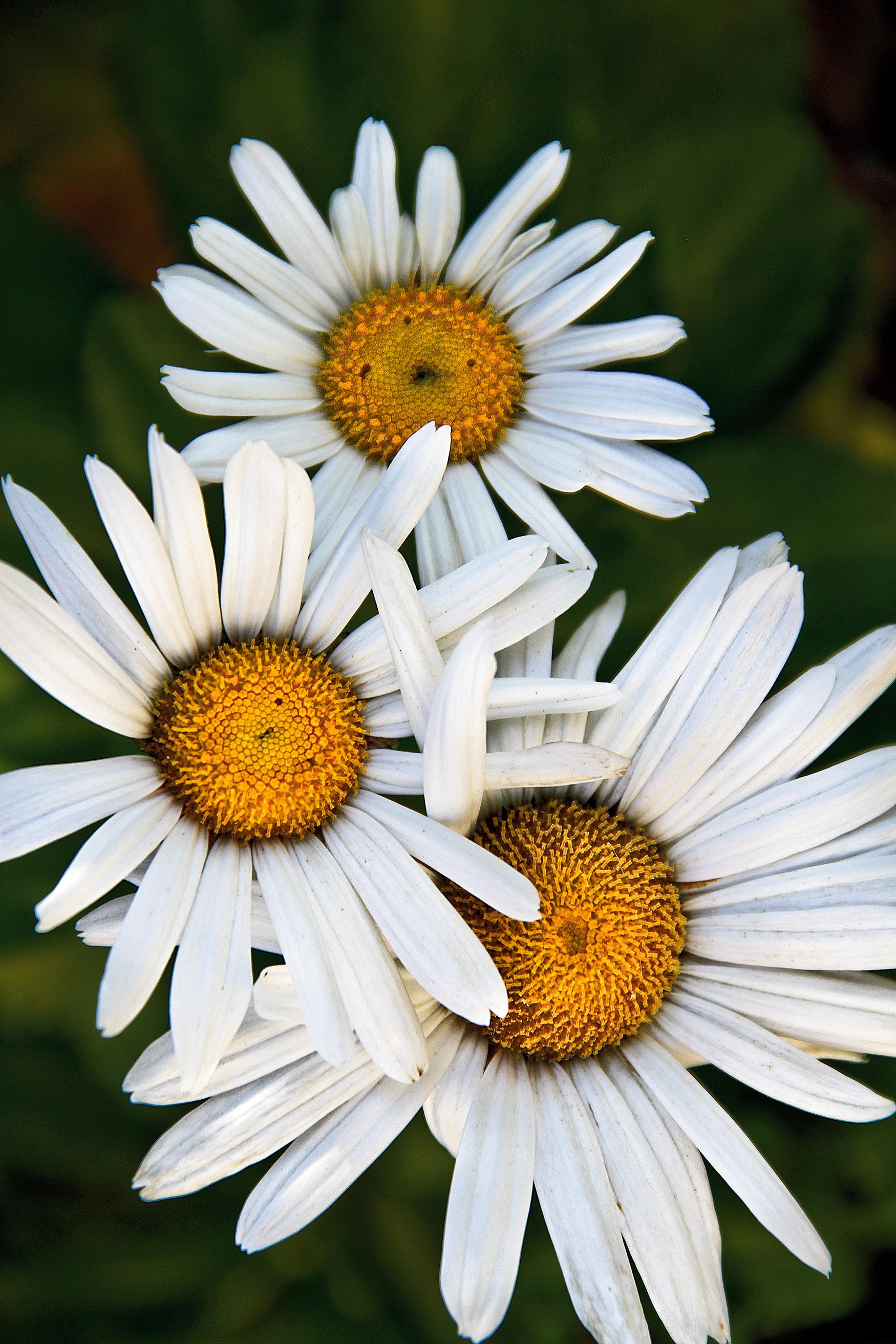
Nippon Daisy Chrysanthemum blossoms.

DAISY CASCADE

October 2012

BEFORE

July 2013 before trimming.

AFTER

July 2013 after trimming and repotting.

RON

Ron Maggio trimming original Nippon Daisy Chrysanthemum.

RON 2

After trimming!